Cartridge preferences can change when bullet designs, rifle platforms, hunting regulations, and field conditions change. Some rounds that once seemed ordinary are gaining renewed interest, while newer cartridges are being judged against proven classics. The numbers below are representative factory-load figures, not universal performance guarantees. Actual velocity varies with ammunition, barrel length, temperature, and individual rifles.
1. 6.5 Creedmoor
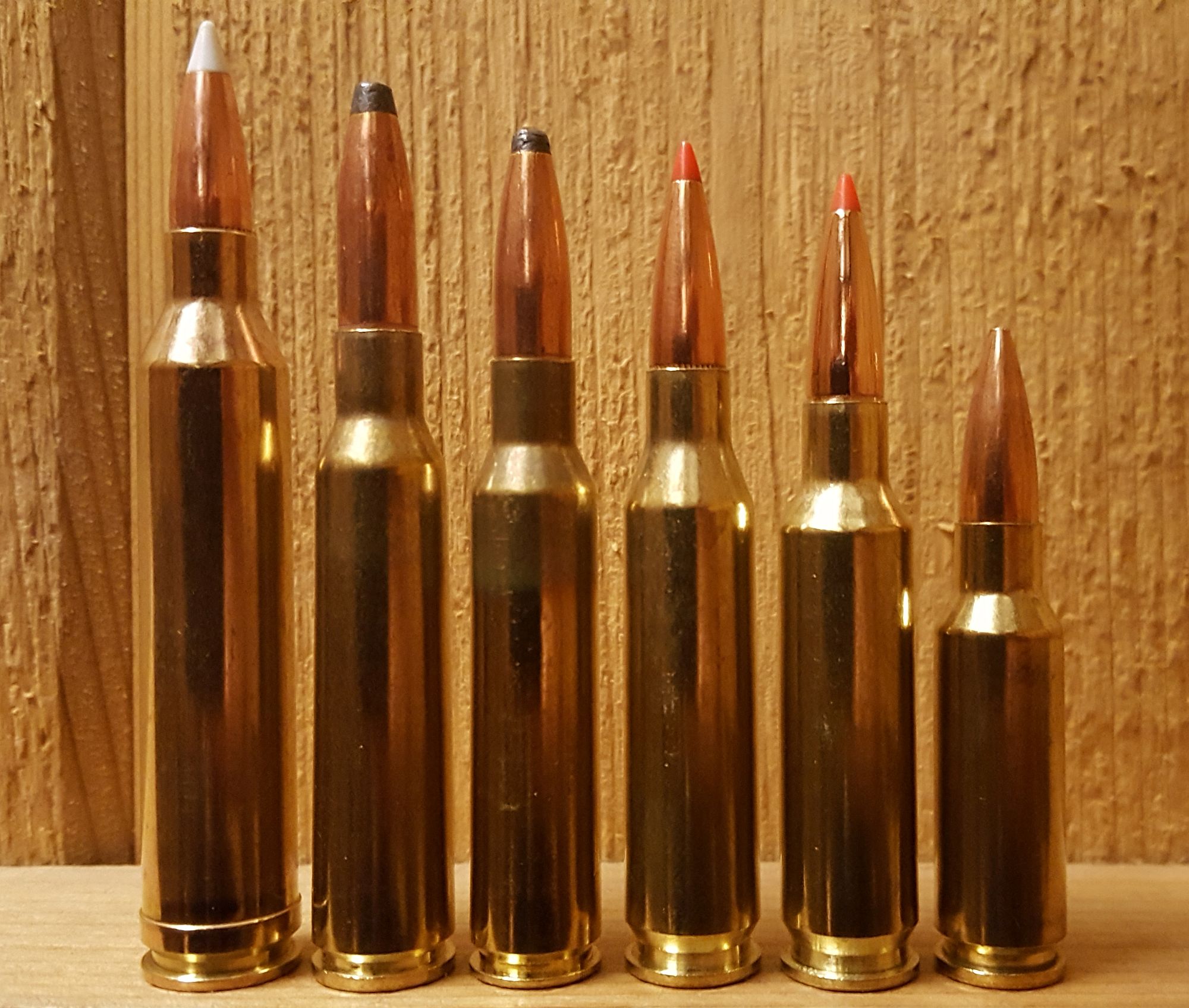
The 6.5 Creedmoor is no longer viewed simply as a target cartridge. Hunters are looking at its 6.5 mm bullet, modest recoil, and efficient aerodynamics in a different light. A common 143-grain hunting load can leave a 24-inch barrel around 2,700 fps, depending on the ammunition. That combination gives useful reach on deer-sized game without the recoil of many magnums. Its widespread use also means hunters can compare many factory loads. The cartridge still demands proper shot placement, but its balance of accuracy, recoil, and trajectory explains the renewed attention.
2. 6.5 PRC
The 6.5 PRC has attracted hunters who want more speed than the 6.5 Creedmoor without moving to a much larger bore. Factory hunting ammunition commonly uses bullets around 127 to 156 grains, with some loads near 3,000 fps from a 24-inch barrel. Its short-action design and efficient case make it appealing for mountain rifles where weight matters. Compared with the Creedmoor, it generally brings more velocity and energy, but also more recoil and ammunition cost. Hunters are increasingly treating it as a practical middle ground rather than an extreme long-range specialty.
3. 7mm-08 Remington
The 7mm-08 Remington is getting fresh attention because modern bullets make its older design feel surprisingly current. A typical 140-grain hunting load can run close to 2,850 fps from a 24-inch barrel, offering a useful blend of trajectory, penetration, and manageable recoil. Its short-action format also keeps rifles compact. For deer, antelope, and similar game, it has long been capable of doing the job without magnum-level blast. Modern high-BC bullets have added another reason to reconsider it, especially for hunters who value portability and shootability over maximum velocity.
4. 7mm PRC
The 7mm PRC represents a newer approach to the familiar 7mm hunting concept. It was designed around long, high-ballistic-coefficient bullets and a modern long-action format. Factory loads commonly include bullets around 160 to 180 grains, with some 175-grain hunting ammunition approaching 3,000 fps. That gives it strong downrange performance while keeping recoil below many .30-caliber magnums. Its appeal is partly about efficiency: hunters get a fast, modern 7mm without relying on the older belted-magnum design. The tradeoff is a larger rifle and more recoil than lighter 7mm options.
5. 6.8 Western

The 6.8 Western is changing how some hunters think about the .270 family. Its short case was engineered to accommodate long .277-inch bullets, and factory rifles use fast twist rates to stabilize heavier projectiles. Loads around 165 to 175 grains can approach 2,900 fps, giving the cartridge a useful mix of velocity and retained energy. It sits between traditional .270 cartridges and larger magnums. Hunters who once associated .270 bullets mainly with lighter projectiles are taking another look because modern bullet design has expanded what this diameter can do.
6. .270 Winchester
The .270 Winchester remains an older cartridge, but modern ammunition keeps it relevant to a new generation. A common 130-grain hunting load can reach roughly 3,000 fps from a 24-inch barrel, producing a flat trajectory with moderate recoil. Hunters are increasingly pairing it with controlled-expansion and high-BC bullets. That combination can extend its usefulness beyond the traditional deer rifle role. Its long-action dimensions can be a drawback for lightweight builds, but its basic performance remains competitive. Few cartridges have maintained this balance for so long.
7. .308 Winchester
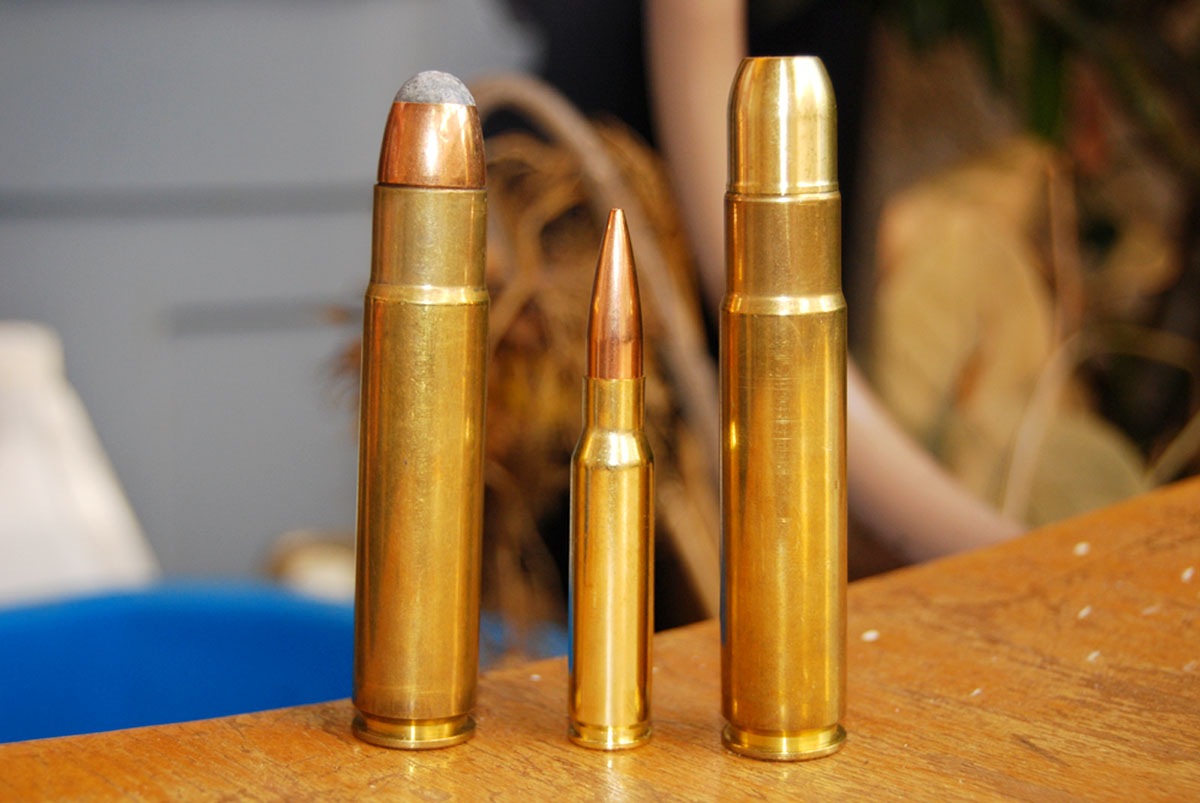
The .308 Winchester is being reconsidered not because it became faster, but because hunters are valuing efficiency and versatility. A typical 165-grain load may leave a 24-inch barrel around 2,700 fps, while heavier bullets can be used for larger game where legal and appropriate. Its short-action length works well in compact rifles, and its recoil is generally easier to manage than many magnums. Modern bullets also help it retain useful performance at distance. For hunters who spend more time carrying a rifle than shooting at extreme range, the .308’s balance can be hard to dismiss.
8. .30-06 Springfield
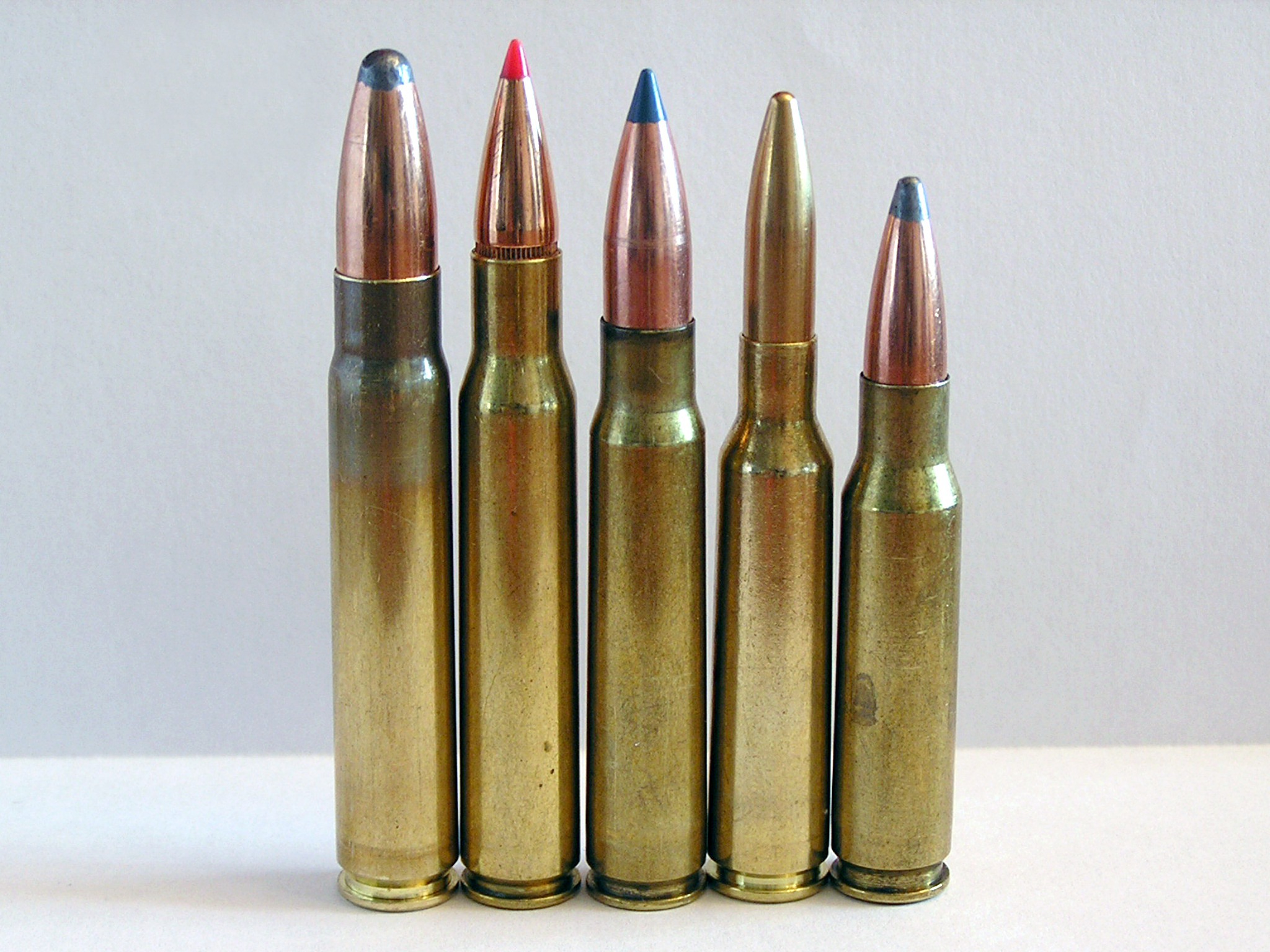
The .30-06 Springfield has never really disappeared, but hunters are looking at it differently as modern bullets close some of the gap with newer cartridges. A 165-grain hunting load commonly runs around 2,800 fps from a 24-inch barrel, while 180-grain bullets remain a classic choice. Its long-action size is larger than the .308, yet that extra case capacity supports a broad range of hunting loads. The cartridge can serve across deer, elk, and other suitable game when paired with appropriate bullets and legal hunting rules. Its enduring appeal is versatility rather than novelty.
9. .300 Winchester Magnum
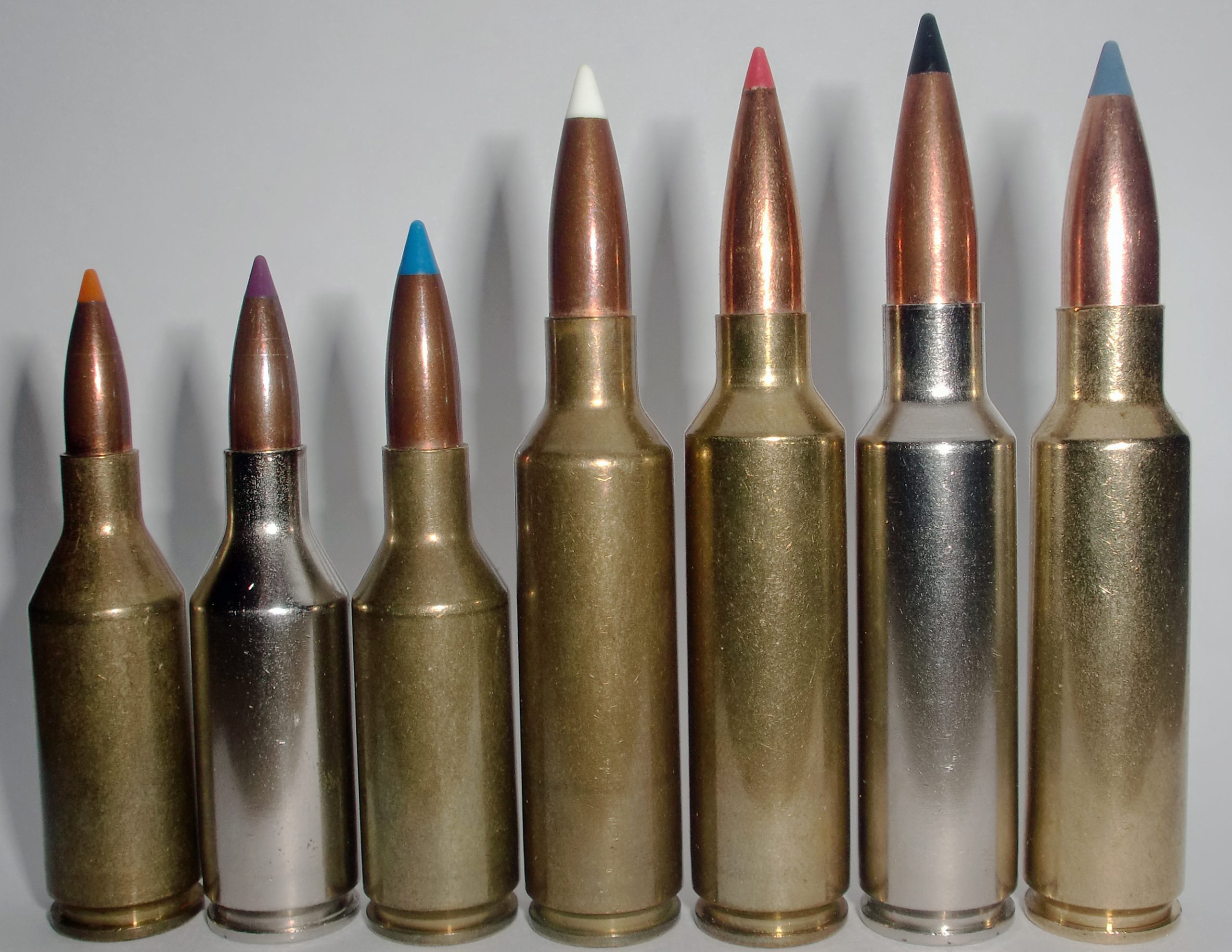
The .300 Winchester Magnum is attracting attention from hunters who want proven magnum performance without chasing the newest cartridge. A 180-grain hunting load can approach 2,960 fps from a 24-inch barrel, delivering substantial energy and a flat trajectory. It is relevant where larger game, open terrain, or longer shots are part of the hunt. The cost is increased recoil, muzzle blast, rifle weight, and ammunition expense compared with standard cartridges. Modern bullets make it even more capable, but they do not remove the need for disciplined shot placement.
10. .300 PRC

The .300 PRC was designed around heavy, high-BC bullets and long-range performance, giving hunters a modern alternative to older .30-caliber magnums. Factory hunting ammunition can include 212-grain bullets at roughly 2,800 fps, depending on the load and barrel. Its long overall length and magnum action make it less compact than cartridges such as the .308 Winchester. In return, it offers strong retained velocity and energy with bullets built for efficient flight. Hunters are looking at it when open-country distances and larger game justify a heavier rifle and stronger recoil.
11. .350 Legend
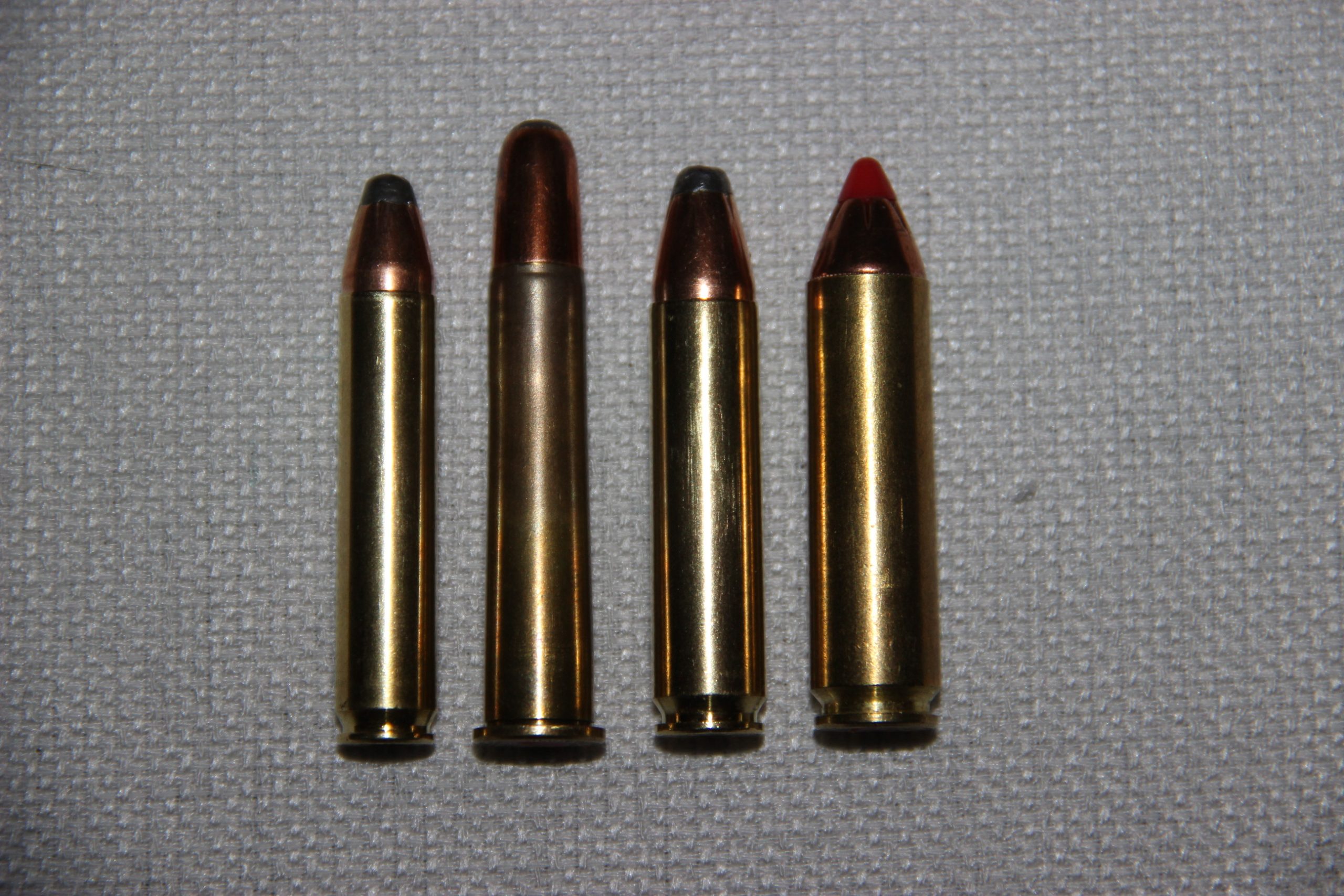
The .350 Legend is drawing attention for a different reason: useful hunting performance from a straight-wall cartridge. A common 180-grain load is often listed around 2,100 fps, giving it a different trajectory from high-velocity bottleneck cartridges. Its practical appeal is strongest where straight-wall rules affect deer hunting choices. At typical woods ranges, it can provide substantial bullet diameter and manageable recoil. It is not a substitute for a long-range magnum, but that is the point. Hunters are reassessing it around regulations, short-range conditions, and compact rifles.
12. .45-70 Government
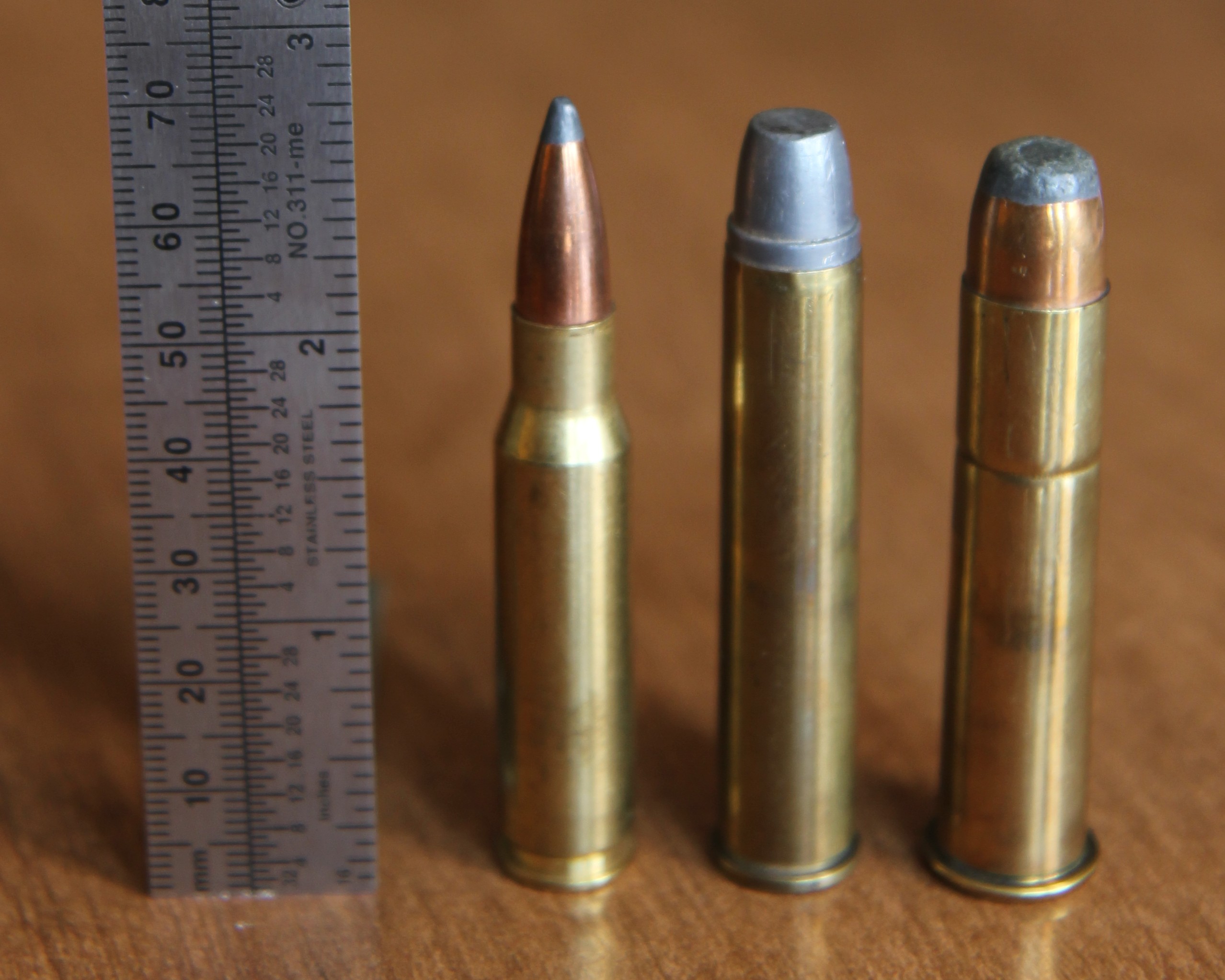
The .45-70 Government is receiving modern attention because its strengths remain easy to understand. A traditional 405-grain load may leave the muzzle near 1,300 fps, while some modern hunting loads are considerably faster. Its large bullet and substantial close-range energy suit appropriate big-game applications, especially where shots are measured in yards, not hundreds. The tradeoff is a pronounced arc compared with modern cartridges. Hunters are revisiting the .45-70 because lever-action rifles, short barrels, and heavy bullets can make sense in thick cover and close hunting terrain.