Some rifles fade as tastes change, but the Savage 110 has managed to stay in the conversation year after year. Its staying power comes from a mix of accuracy, adaptability, and plain old field usefulness that hunters continue to value. This gallery breaks down the qualities that help explain why the 110 remains a familiar name on so many hunting shortlists.
A long-running reputation

The Savage 110 has been around long enough to earn something many newer rifles are still chasing: trust. Hunters tend to remember what worked in bad weather, on long hikes, and during the one shot that really mattered, and the 110 built its name in exactly those moments.
That kind of longevity matters because it suggests more than nostalgia. It points to a platform that kept satisfying practical shooters across changing calibers, stock designs, and hunting trends. When a rifle stays relevant for decades, people assume, often correctly, that it has been getting the basics right for a very long time.
Accuracy that punches above its price

One of the biggest reasons the Savage 110 keeps showing up on shopping lists is simple: it has a reputation for shooting very well without demanding premium-rifle money. For many hunters, that balance is the sweet spot. They want dependable precision, not a safe queen.
The 110 earned plenty of fans by delivering groups that made owners feel like they got more than they paid for. In a market where accuracy claims are everywhere, real-world confidence matters more. Hunters who can sight in quickly and head afield feeling settled tend to remember that experience and recommend the rifle to somebody else.
The user-adjustable AccuTrigger

Savage changed the conversation for many everyday buyers by making a better trigger feel accessible instead of exotic. The AccuTrigger gave shooters a cleaner, more confidence-inspiring pull than many expected in a factory hunting rifle, and that immediately made the gun easier to shoot well.
For hunters, the appeal is not just technical. A predictable trigger helps steady nerves when a buck finally steps clear or a cross-canyon shot demands patience. The ability to tune that pull to personal preference also gives owners a sense that the rifle can be fitted to them, rather than forcing them to adapt to a mediocre factory setup.
A huge range of chamberings

Few things help a rifle stay relevant like flexibility, and the Savage 110 has offered plenty of it. Over the years, hunters could find versions chambered for everything from common deer rounds to heavier options suited for elk, bear, or specialized regional preferences.
That broad menu keeps the platform useful across different landscapes and hunting styles. A new hunter might start with a familiar all-around cartridge, while a more experienced shooter can chase a specific load for western game or longer distances. The important part is that the 110 has rarely felt locked into one narrow identity, which helps it appeal to a very wide audience.
Options for different stock styles and fits

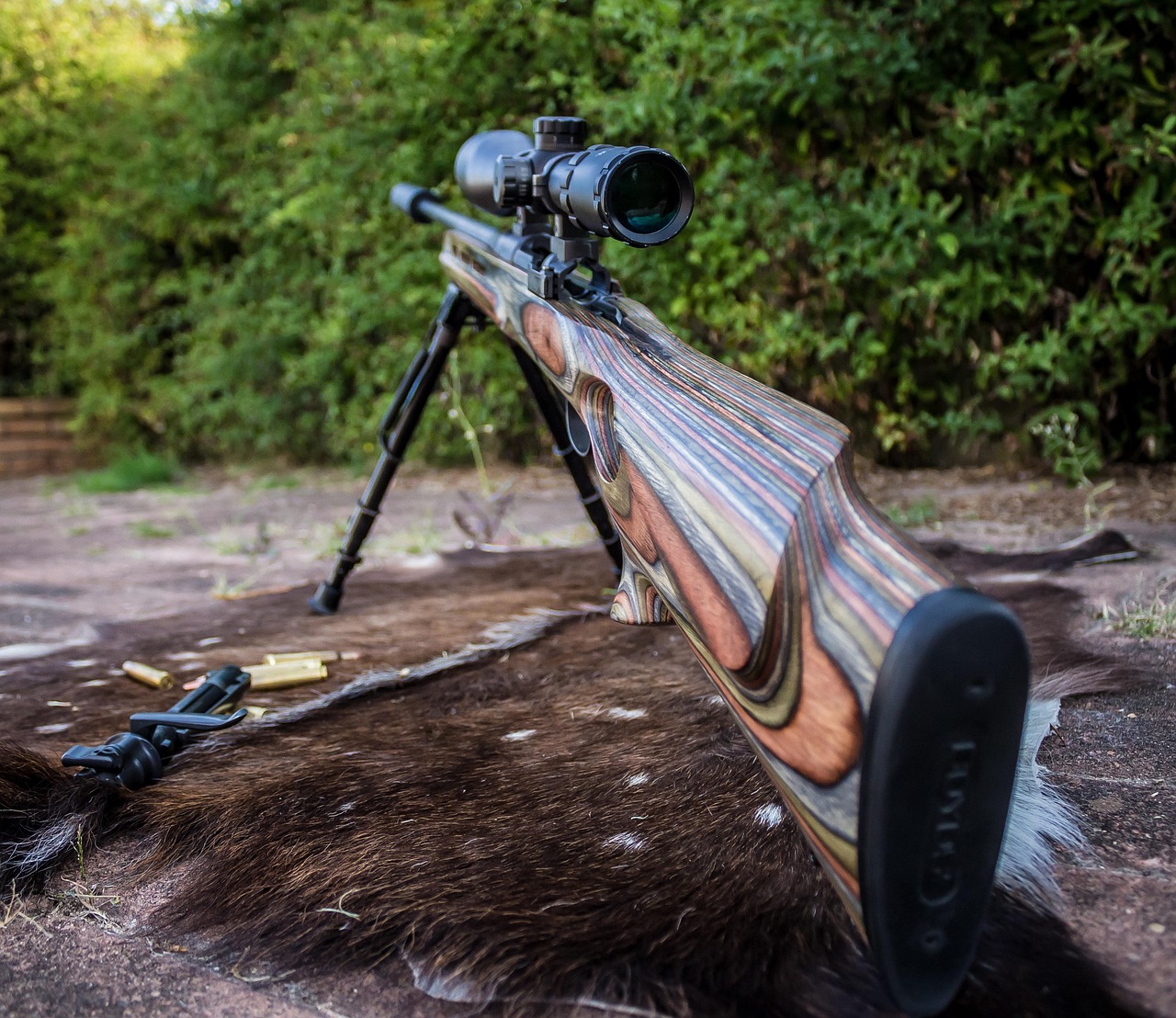
Hunters do not all want the same feel in hand, and the Savage 110 family has long acknowledged that reality. Depending on the model, buyers can find synthetic practicality, classic walnut appeal, adjustable furniture, or stock dimensions better suited to a specific use.
That matters because fit influences everything from comfort to confidence behind the scope. A rifle that shoulders naturally is easier to carry, quicker to mount, and less distracting when the shot window is brief. The 110’s wide variety of stock choices has helped it remain approachable for traditionalists, budget shoppers, and modern hunters who want more adjustability out of the box.
Easy caliber and configuration versatility

Part of the 110’s enduring appeal comes from how often shooters describe it as a platform they can grow with. Certain versions have made caliber changes and configuration updates more straightforward than many hunters expect, which adds to the rifle’s practical value over time.
That versatility appeals to buyers who dislike the idea of starting from scratch every time their needs change. A hunter may begin with a setup for whitetails, then later shift toward longer-range practice or larger game. When a rifle family makes those transitions feel more manageable, it becomes less of a one-season purchase and more of a long-term tool.
Strong out-of-the-box practicality

Not every hunter wants a project rifle, and that is where the Savage 110 has often shined. Its appeal has long rested in the idea that you can buy one, mount a scope, get it zeroed, and head into the season without feeling compelled to replace half the parts.
That straightforward competence is a big selling point for busy hunters. They want something reliable and useful, not a hobby in need of endless tuning. The 110 has earned praise over the years because it tends to meet buyers where they are, offering practical features and shootable performance without making them chase upgrades before opening day.
A price point that feels attainable

The Savage 110 has often lived in a part of the market that feels realistic for ordinary hunters. That matters more than enthusiasts sometimes admit. Many buyers are balancing tags, travel, optics, ammo, and other gear, so a rifle that leaves room in the budget can be very attractive.
Affordable does not automatically mean forgettable, and the 110 is proof of that. Its reputation comes from offering tangible performance rather than simply undercutting the field on price. Hunters tend to notice when a rifle delivers genuine utility without forcing financial compromises elsewhere, and that value equation has kept the 110 in serious contention for years.
Aftermarket support and upgrade potential

A rifle lasts longer in the public imagination when owners know they can personalize it, and the Savage 110 has benefited from exactly that. Stocks, triggers, rails, optics mounts, and other accessories have given shooters room to tailor the rifle to their style without abandoning the platform.
That kind of support makes ownership feel less limiting. Some hunters want to leave the rifle mostly stock, while others enjoy refining fit, weight, or handling over time. The 110’s upgrade-friendly reputation helps it appeal to both camps, because it can stay simple when needed but still offers a path for people who like to tinker and improve.
Reliable field performance

For all the discussion about triggers, stocks, and chamberings, hunters ultimately care about one thing: how a rifle behaves when conditions are less than ideal. The Savage 110 has built loyalty by being seen as a dependable companion in cold mornings, rough terrain, and unpredictable weather.
Reliability in the field is not glamorous, but it is memorable. A rifle that feeds, fires, and holds zero through a hard season earns a different kind of respect than one that merely looks good in a catalog. The 110’s staying power owes a lot to that steady, workmanlike image, which still resonates strongly with practical hunting buyers.
Models tailored to specific hunting needs

Another reason the Savage 110 remains easy to recommend is the breadth of the lineup itself. There are trim field rifles, more specialized long-range variants, weather-resistant options, and configurations aimed at hunters who prioritize portability, recoil control, or all-season durability.
That variety keeps shoppers from feeling forced into a compromise that does not quite fit. Instead of buying one generic rifle and hoping it suits every mission, many hunters can find a 110 model that lines up closely with the way they actually hunt. That targeted approach keeps the platform feeling current, even as hunting styles continue to evolve.