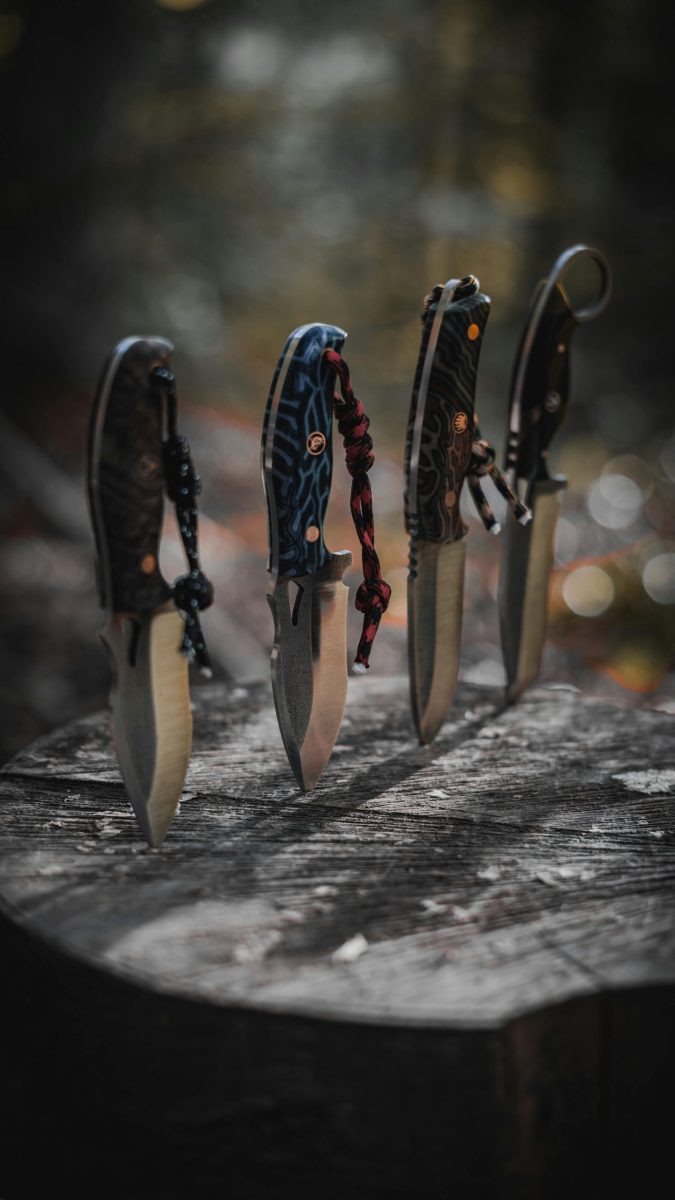
Having the right knife makes field dressing and processing deer more efficient and precise. Each knife style serves a specific purpose, from skinning to deboning, ensuring clean cuts and minimal waste. Understanding these differences helps you choose tools that match your hunting needs. Whether you prefer traditional blades or modern designs, the right knife improves both performance and safety in every step of the process.
Drop Point Style
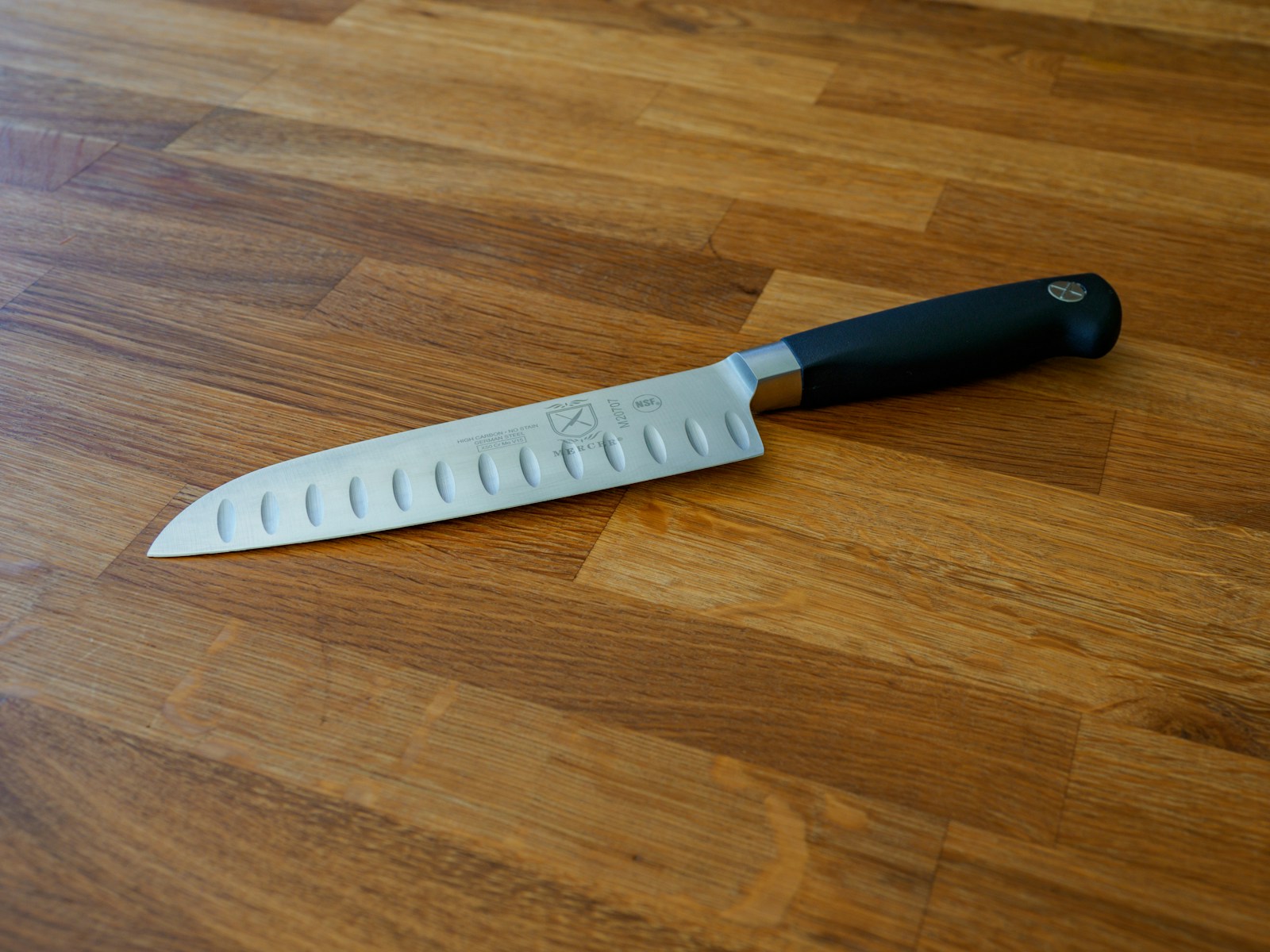
The drop point style remains one of the most versatile and reliable knife designs for hunters. Its gently sloping spine and broad belly allow for smooth, controlled skinning, while the strong tip reduces the risk of puncturing internal organs. This style performs equally well in slicing and joint work, making it ideal for both beginners and seasoned hunters seeking balance, control, and durability.
Clip Point Style
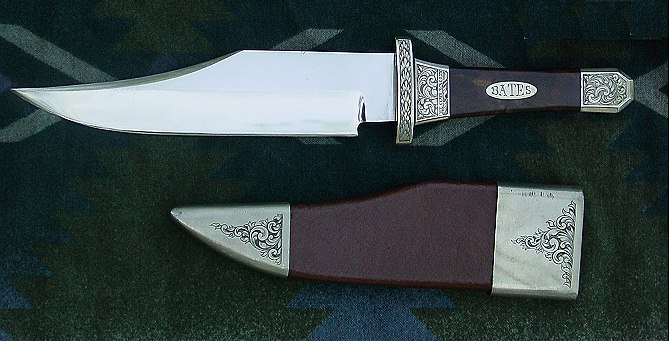
The clip point knife style features a concave curve near the tip, giving it a sharper and more agile point for precision work. Hunters use it for detailed cutting, such as trimming around antlers or removing meat in tight spots. While not suited for chopping, its lightweight feel and fine edge make it a favorite for quick, accurate tasks during processing and cleanup.
Gut Hook Style
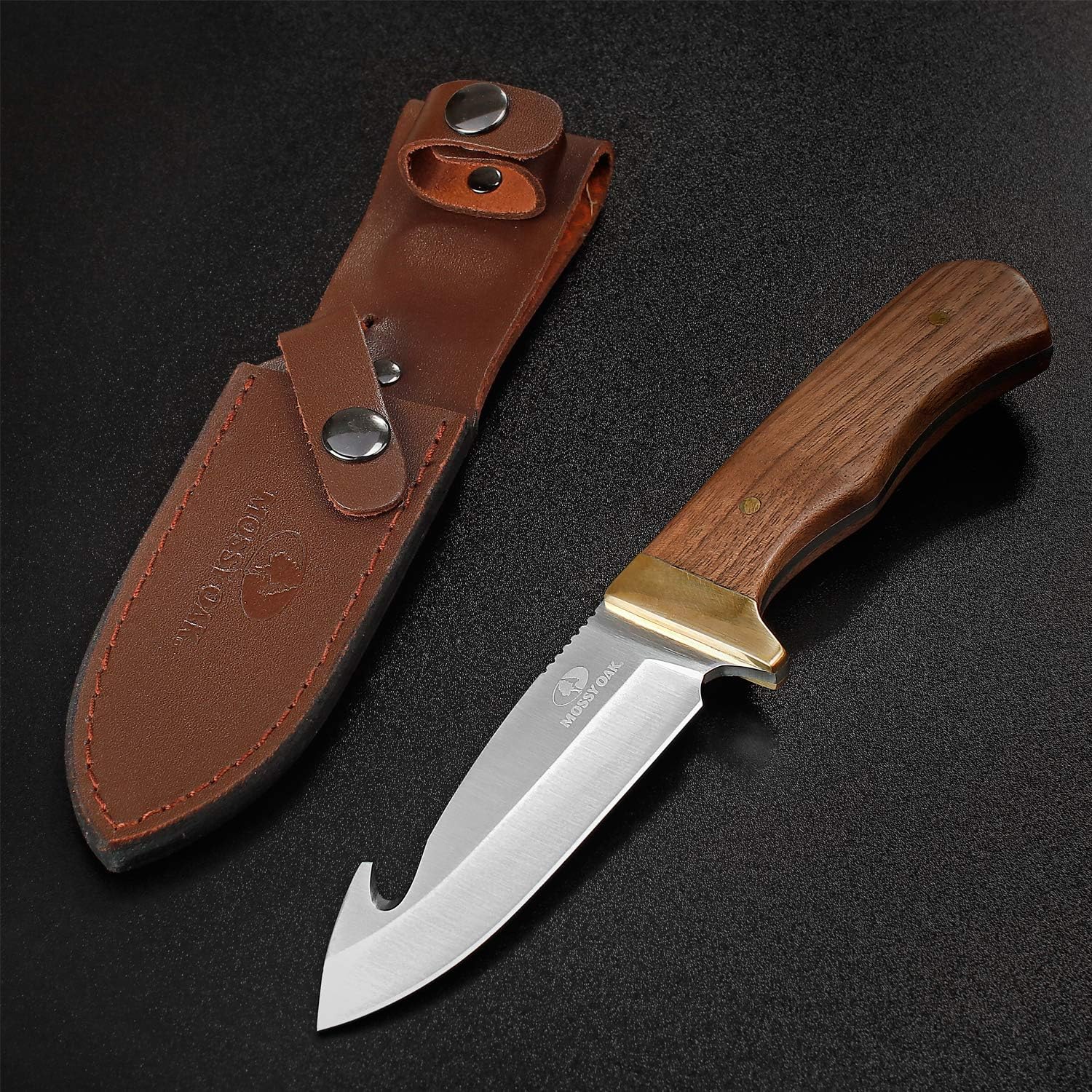
The gut hook style adds a distinctive hook-shaped feature on the spine, designed for clean field dressing. It allows controlled incisions along the abdomen without puncturing internal organs, minimizing mess and preserving meat quality. Often paired with a traditional blade, this knife style combines practicality with efficiency, helping hunters work faster during the initial stages of processing.
Skinning Style
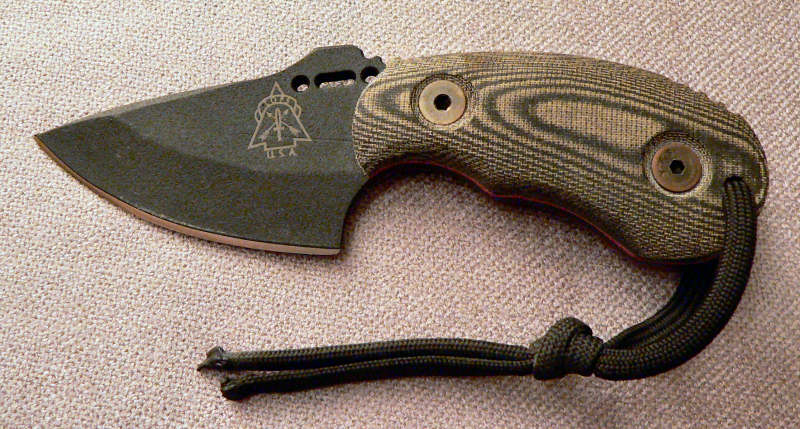
The skinning knife style stands out with its wide, rounded blade that glides easily under the hide. Its curvature supports long, sweeping motions that separate skin from muscle smoothly and efficiently. The compact handle ensures stability even when conditions are slick. This blade style excels in removing hides cleanly, reducing waste, and saving time for larger game like deer or elk.
Boning Style
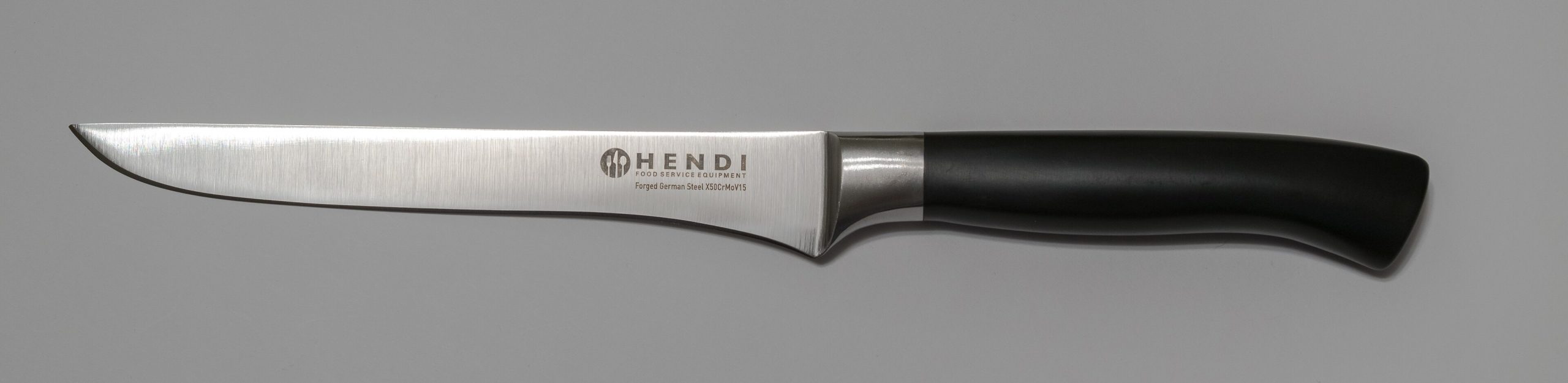
The boning style is recognized for its narrow, flexible blade that’s perfect for trimming fat and removing meat from bone. It allows precise movement in tight spaces, especially around joints and connective tissue. Lightweight and easy to control, it ensures minimal waste while maximizing usable cuts. This knife style is essential for hunters who prioritize detail and efficiency during post-hunt processing.
Caping Style
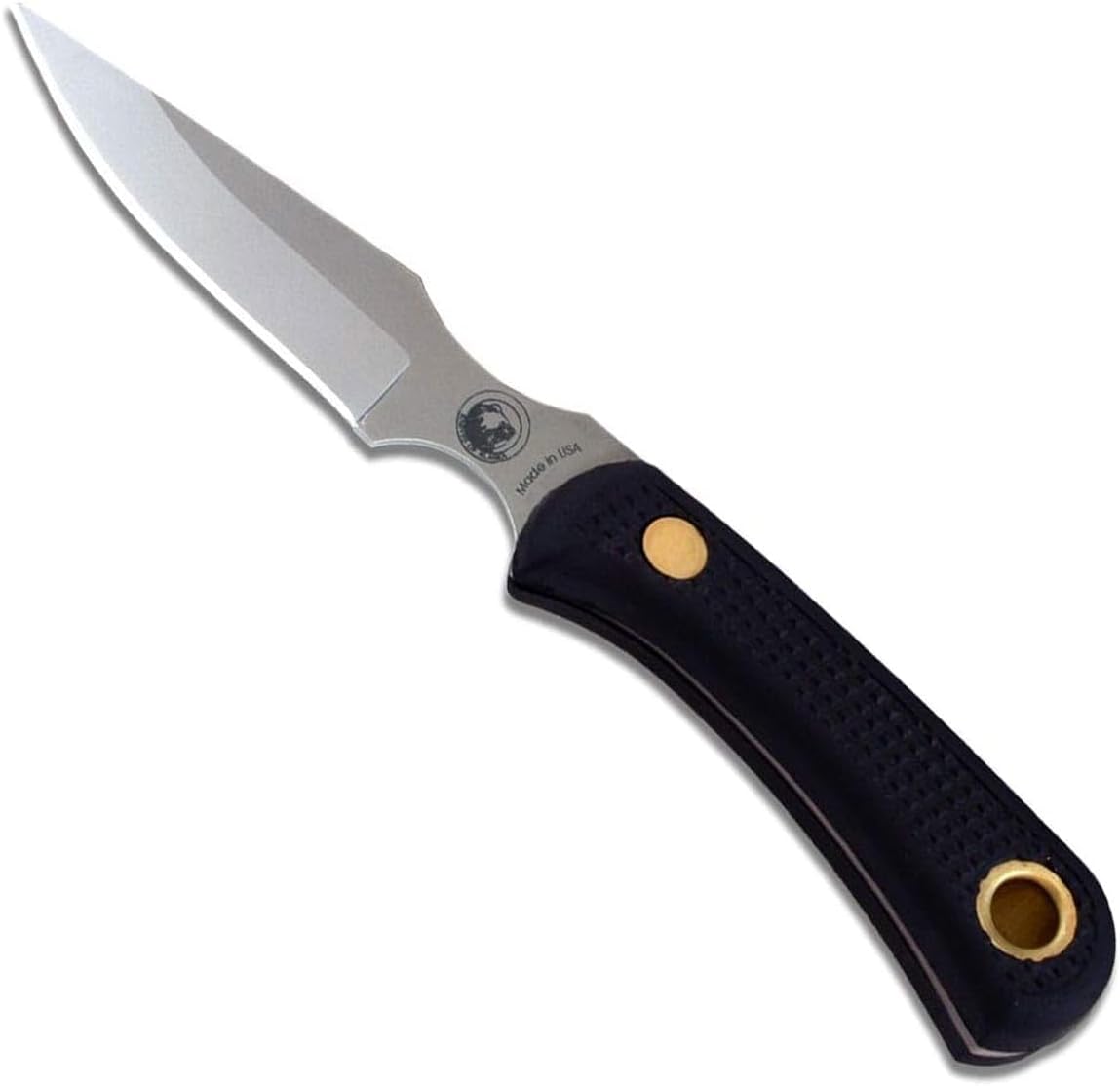
The caping knife style focuses on fine, delicate work needed for taxidermy or trophy preparation. Its small, sharp point allows careful cutting around a deer’s eyes, ears, and antlers without tearing the skin. Designed for precision rather than power, the caping blade gives hunters complete control over intricate areas. It’s an indispensable tool for preserving a perfect hide for mounting.
Bowie Style
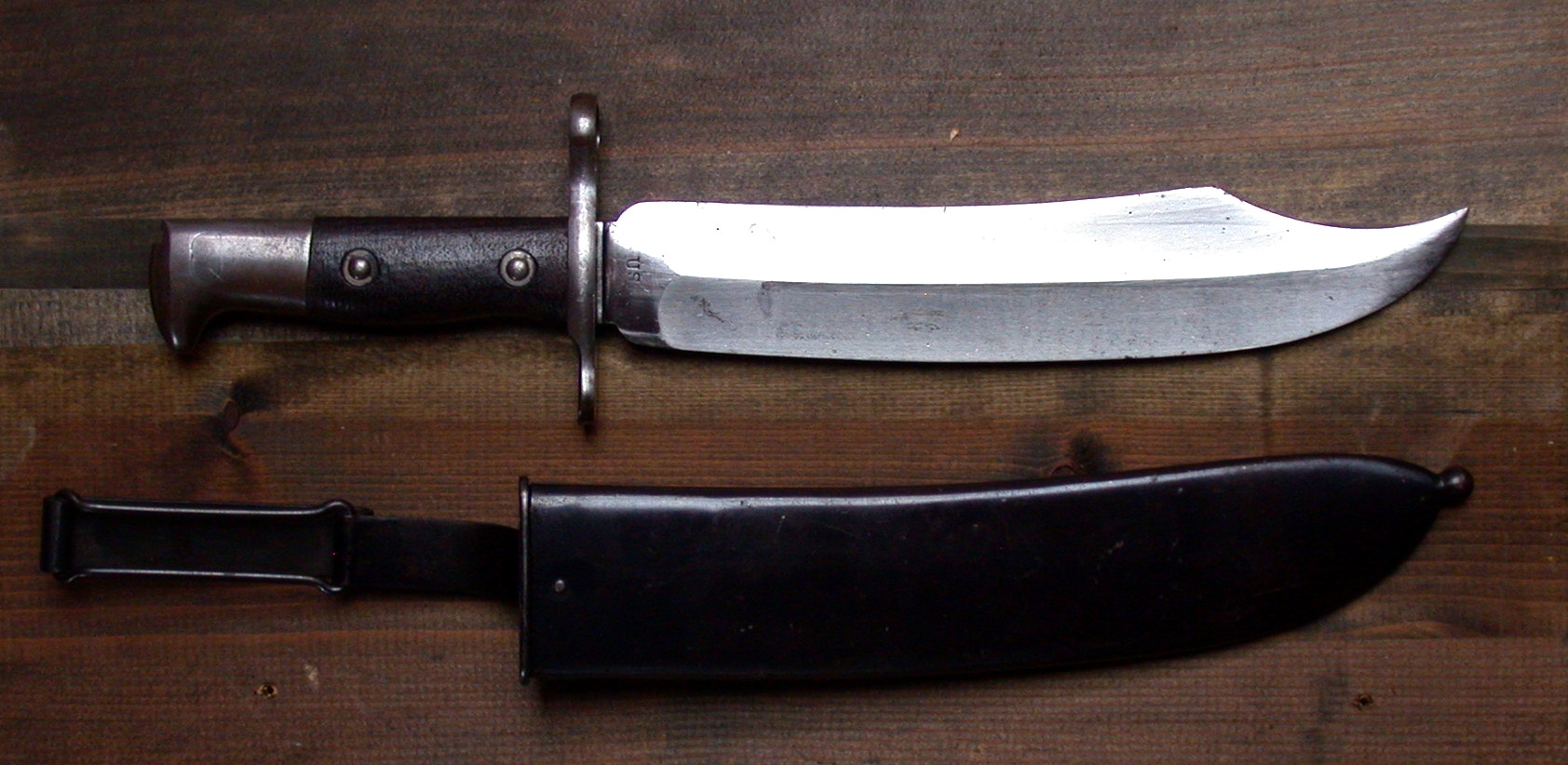
The Bowie knife style, famous for its size and historical roots, delivers strength and cutting power in demanding conditions. Its long, curved blade handles heavy-duty tasks like splitting ribs or separating joints. While too large for detailed skinning, it shines in rugged environments where versatility matters. Its durability and classic design make it a dependable choice for multi-purpose outdoor work.
Fillet Style
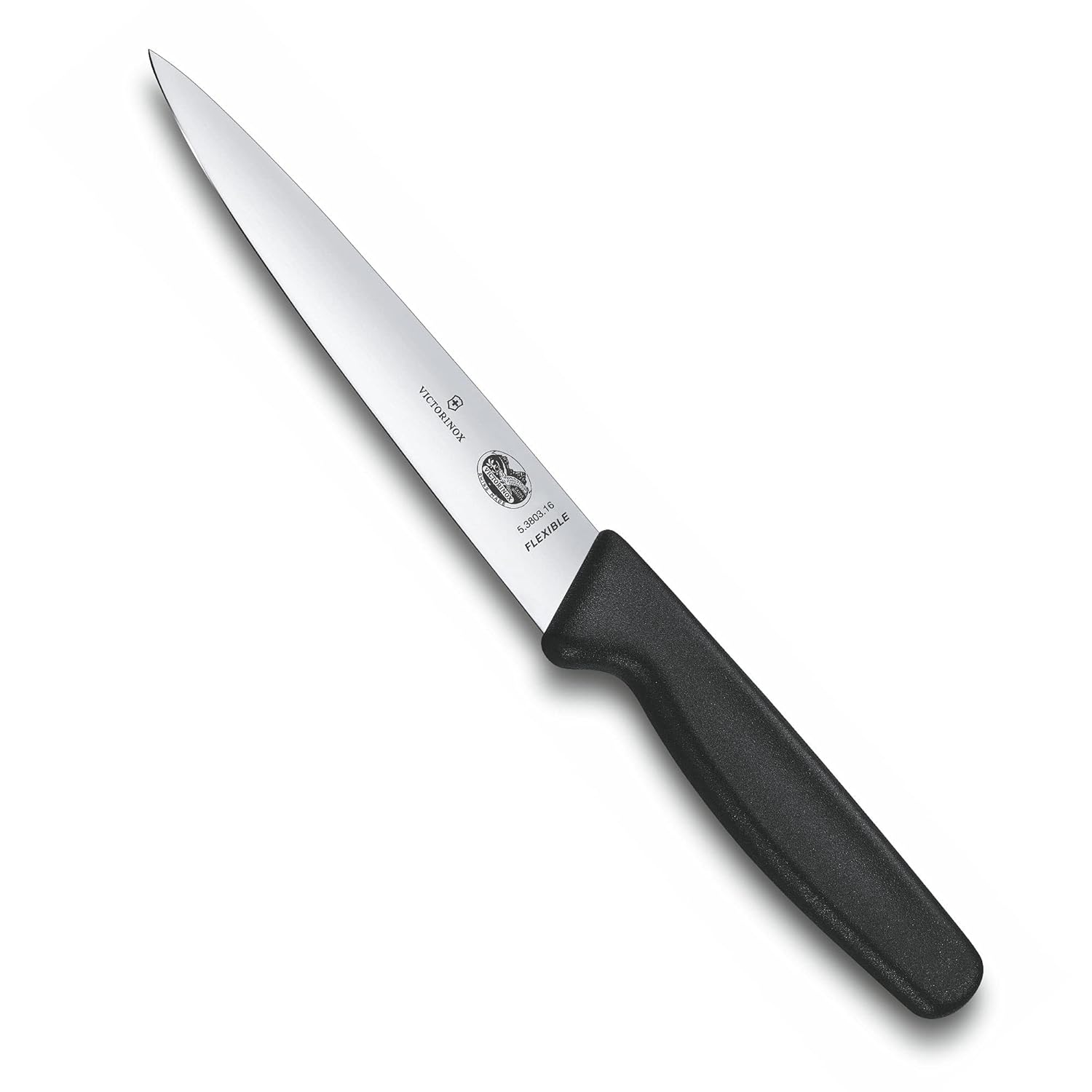
The fillet knife style, with its long, flexible blade, excels at fine slicing and trimming. Though typically used for fish, it’s equally valuable for processing deer meat after butchering. Its flexibility creates smooth, even cuts that preserve the meat’s texture. This knife style is best for hunters who take pride in clean, professional-quality finishing work during final preparation.
Tanto Style
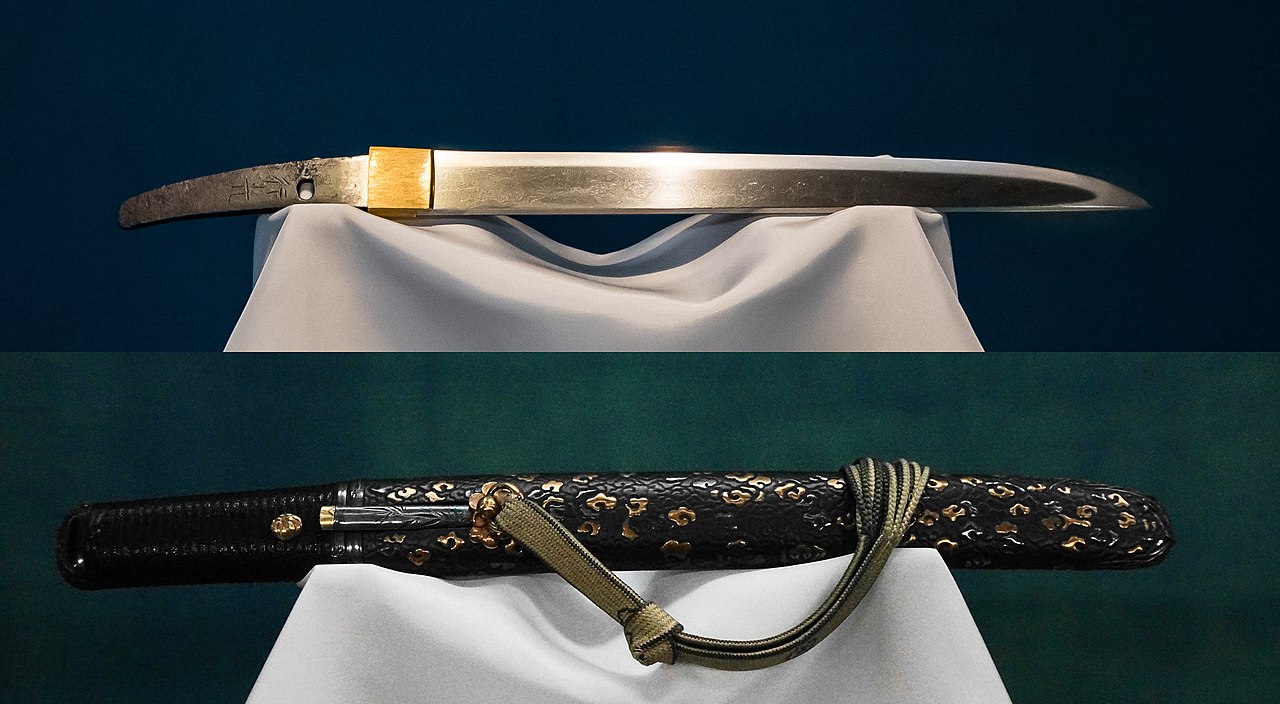
The tanto knife style, rooted in Japanese craftsmanship, is defined by its angular, reinforced tip and thick spine. Built for piercing and strength, it’s useful for breaking through hide, cartilage, or even bone. While unconventional for hunting, its toughness makes it a reliable backup in extreme field conditions. It adds a tactical edge to any modern hunting setup.
Folding Style
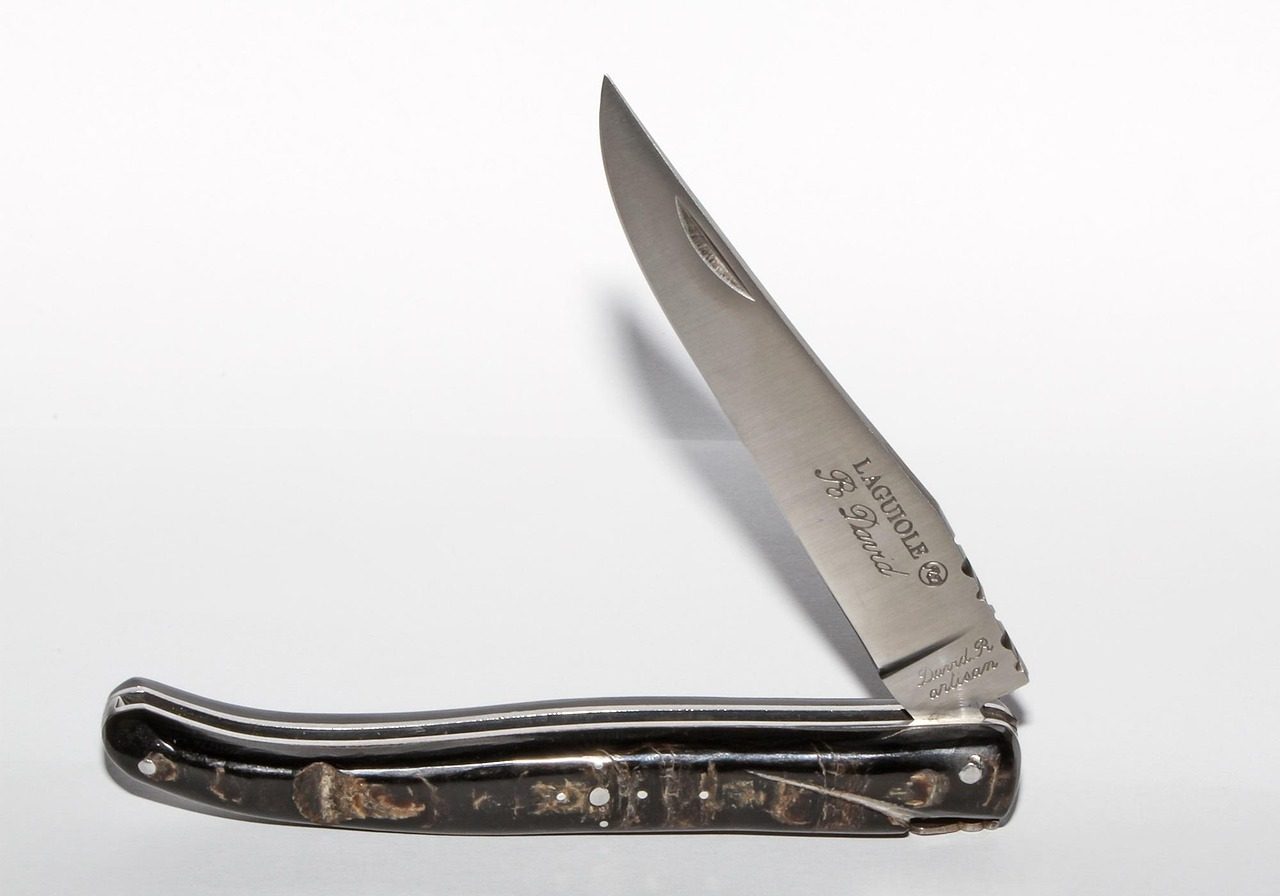
The folding knife style offers compact convenience with dependable performance. Modern versions feature locking mechanisms for safety and blades sharp enough for skinning or quick cuts. Portable and easy to carry, folding knives serve as practical tools for field dressing when a full-sized blade isn’t on hand. Their versatility makes them a favorite among minimalist hunters.
Fixed Blade Style
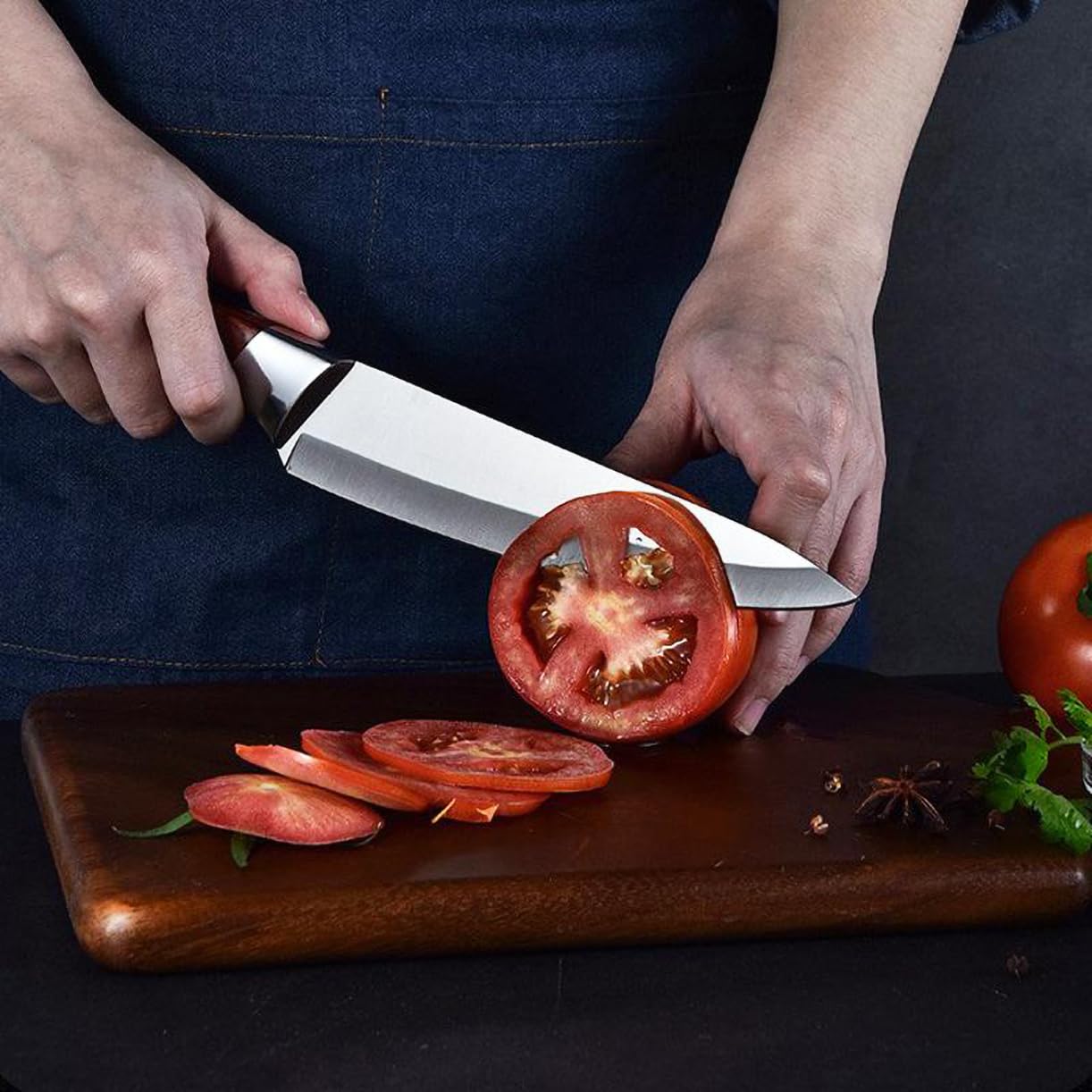
The fixed blade style provides unmatched stability and strength, making it a cornerstone of any hunting kit. Without moving parts, it withstands pressure and extreme weather with ease. Its full-tang construction ensures balance and durability, perfect for repeated use in demanding environments. This knife style represents reliability and simplicity, built for consistent performance season after season.