Some firearms arrive with real promise, only to fade out before they ever reach a broad audience. Whether they were too expensive, too unusual, poorly timed, or simply overshadowed by stronger rivals, these guns earned loyal fans and then slipped away. This gallery revisits 11 standouts that many shooters heard about, but far fewer ever got the chance to handle.
Heckler & Koch P7
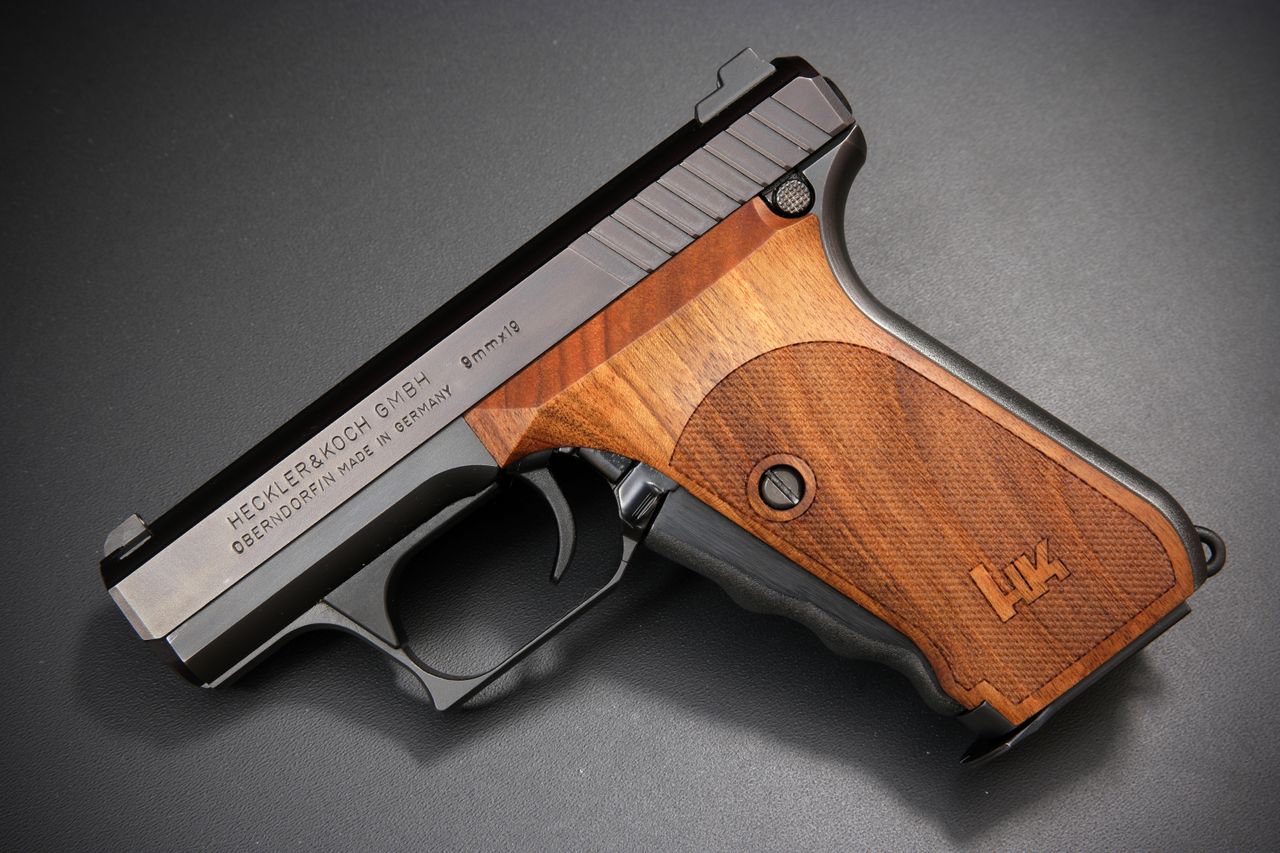
The HK P7 built a near-mythic reputation on smart engineering and superb shootability. Its squeeze-cocking frontstrap, fixed barrel, and low bore axis made it feel fast, flat, and unusually precise in the hand. For many enthusiasts, it was one of those pistols that felt special the moment the slide went forward.
But special often means expensive, and the P7 was never a cheap date. Its gas-delayed system also made the gun run hot during extended firing, which limited its broad appeal. Today, it is admired far more often than it is actually shot, leaving many newer handgun fans to know it mostly as a legend behind glass.
Steyr GB
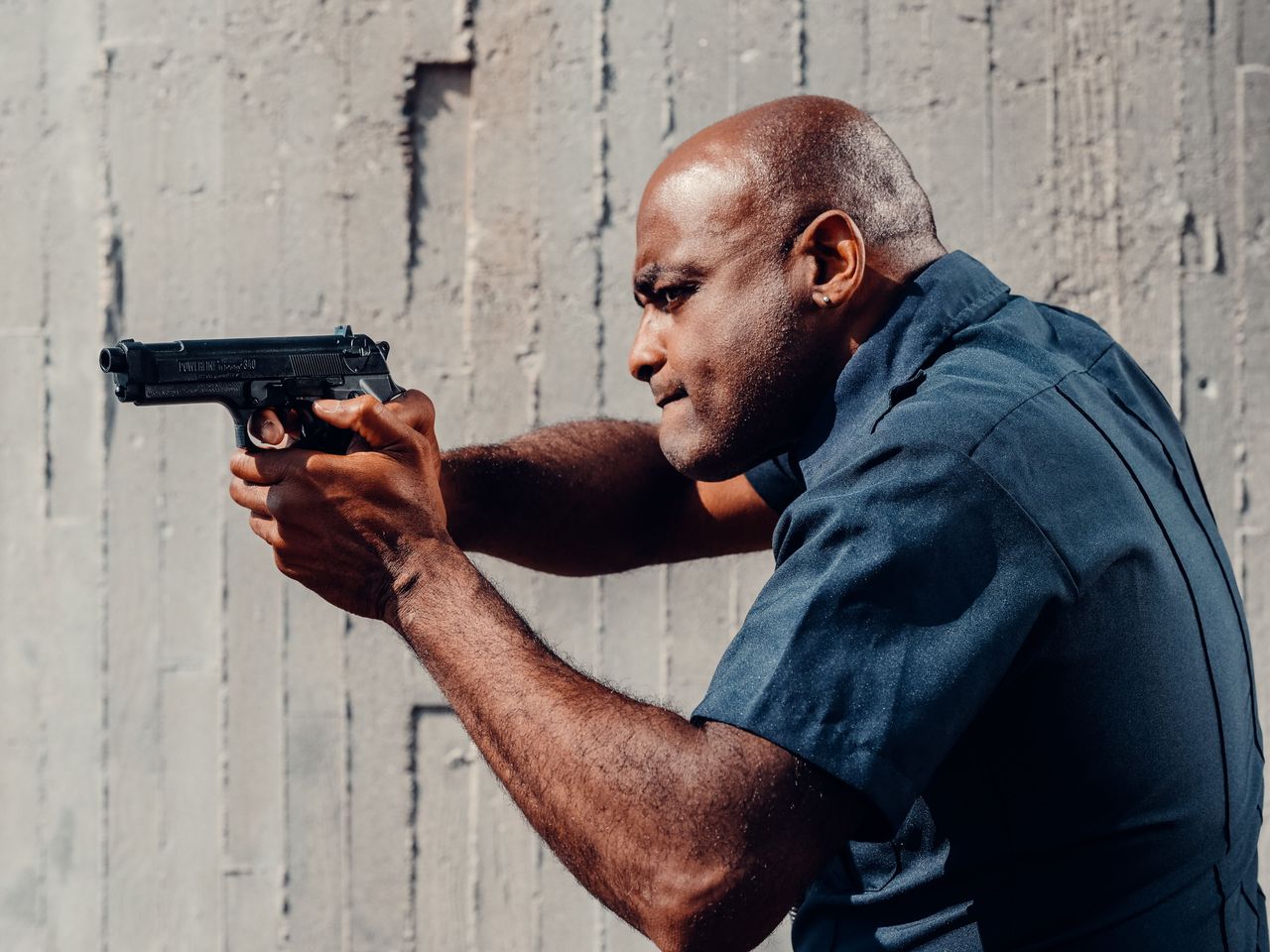
The Steyr GB looked like a service pistol from an alternate timeline. Big, sleek, and built around a gas-delayed blowback system, it offered soft recoil, generous capacity, and excellent accuracy. Shooters who spent time with one often came away impressed by how refined and controllable it felt for such a large 9mm.
Its problem was not performance so much as momentum. The market moved toward other service pistols, especially designs that were lighter, simpler to support, and backed by stronger law enforcement adoption. The GB became a cult favorite instead of a mainstream success, which means a lot of pistol fans recognize the name but never got to fire one themselves.
Smith & Wesson Model 52
The Smith & Wesson Model 52 was a deeply focused pistol, built to do one job exceptionally well. Chambered for .38 Special wadcutter and designed for precision target shooting, it had the kind of crisp manners and clean trigger behavior that serious bullseye shooters still talk about with affection. It was elegant in a very old-school way.
That same specialization also kept it from becoming broadly familiar. It was not a general-purpose defensive pistol, and it arrived from an era when purpose-built match handguns occupied a much narrower corner of the market. As a result, the Model 52 became beloved by dedicated target shooters while remaining almost unknown to many modern handgun owners.
Remington Model 51
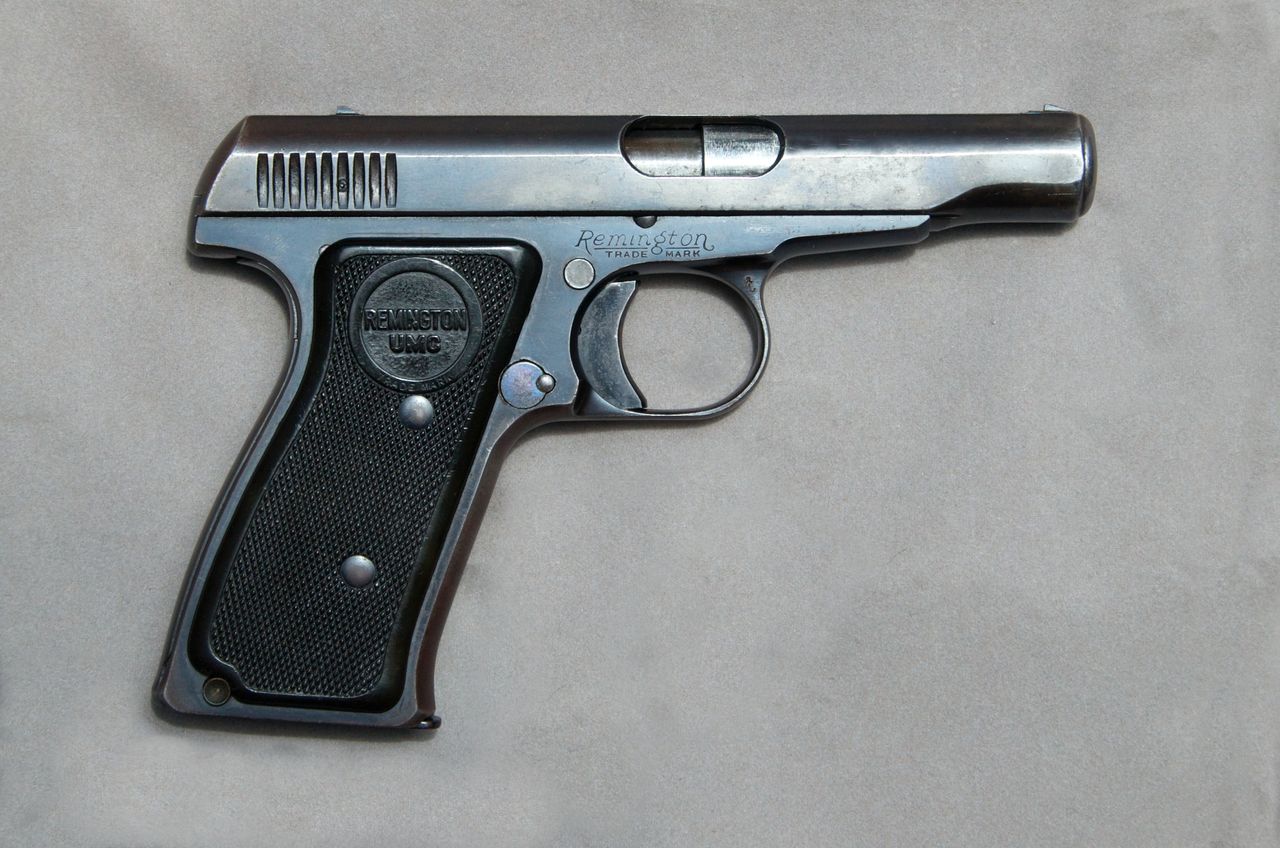
Long before streamlined carry pistols became fashionable, the Remington Model 51 offered a compact profile and genuinely clever mechanics. John Pedersen’s hesitation-lock system gave the pistol a distinct feel, and its grip angle and slim shape made it surprisingly modern for something introduced in the early 20th century.
Despite its quality and originality, it never became a household sidearm on the scale of more famous contemporaries. Production numbers, changing tastes, and stiff competition kept it from dominating its category. That has left the Model 51 in an interesting spot today: important, admired, and historically significant, yet absent from the experience of most people who came to shooting much later.
Winchester Model 100

The Winchester Model 100 was an appealing idea at exactly the right size for postwar America. It gave hunters a light, handy semiautomatic rifle with classic lines and enough familiar Winchester styling to feel at home in the deer woods. For many owners, it pointed well and carried like a rifle meant to be used, not just admired.
Even so, the Model 100 never secured the timeless status of Winchester’s lever guns or bolt actions. Mechanical concerns and recalls clouded its image, and the market ultimately moved on. That has made it one of those rifles many hunters have seen in old ads and gun racks, but far fewer have actually hunted with.
Ruger .44 Carbine
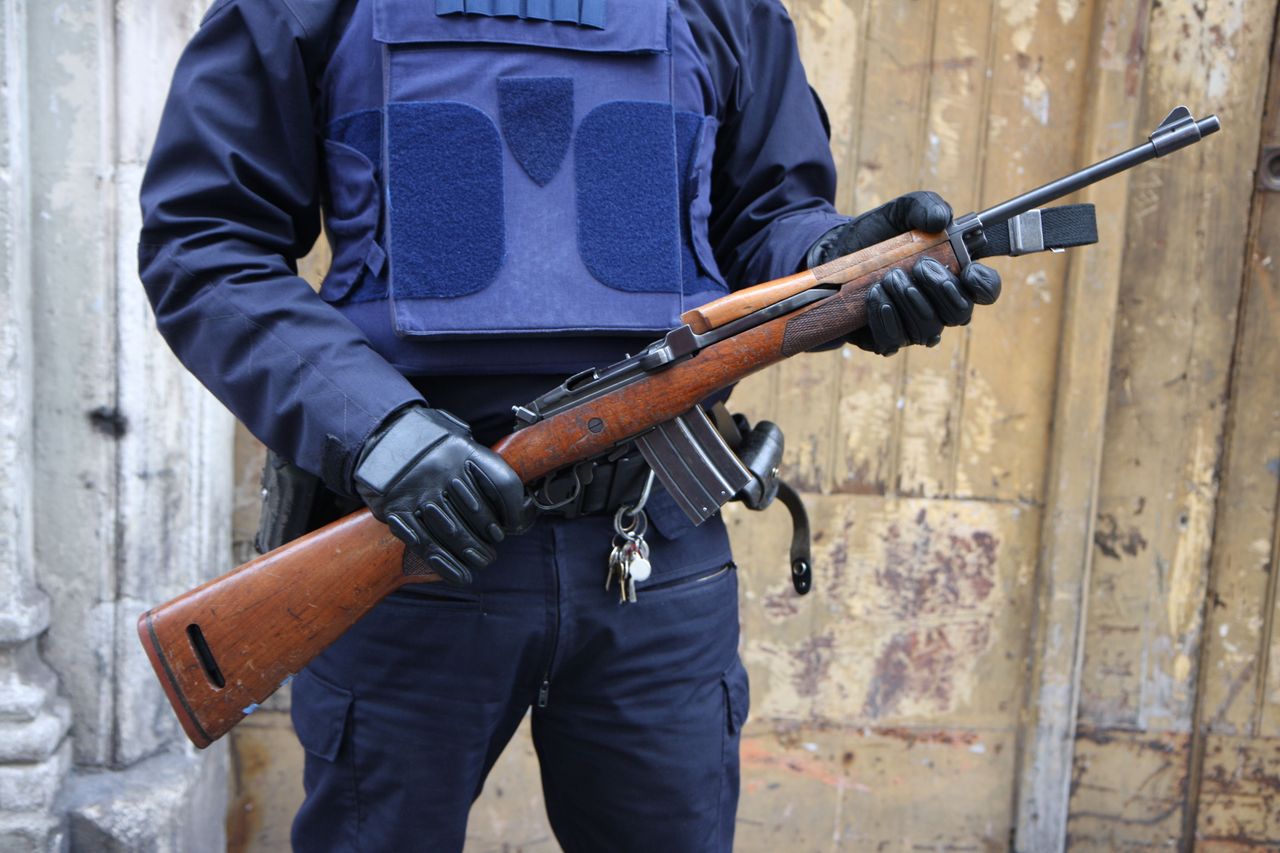
Ruger’s original .44 Carbine had a charm all its own. Compact, quick to shoulder, and chambered in a cartridge with real woods credibility, it was the sort of rifle that felt built for brush country and close-range hunting. The styling was pure old Ruger, with practical lines and a personality that owners still remember fondly.
Its disappearance was not about being unloved. Rather, it occupied a fairly specific niche, and later changes in hunting tastes, cartridge preferences, and rifle design left less room for it. That makes the old.44 Carbine a classic example of a good gun overtaken by the market, cherished by users but increasingly unfamiliar to newer shooters.
Colt All American 2000
The Colt All American 2000 is remembered as much for what it could have been as for what it was. It arrived with big expectations, polymer-frame modernity, and a famous brand name that suggested Colt was ready to compete in a fast-changing handgun market. On paper, that combination should have been a major event.
Instead, the pistol struggled with design and execution issues that quickly hurt its reputation. Shooters did not give it the sort of second chances that a new platform needs, especially when strong rivals were already proving themselves. Because its run was short and its image never recovered, most enthusiasts know it as an odd chapter in Colt history rather than a pistol they ever seriously considered buying.
Gyrojet Pistol
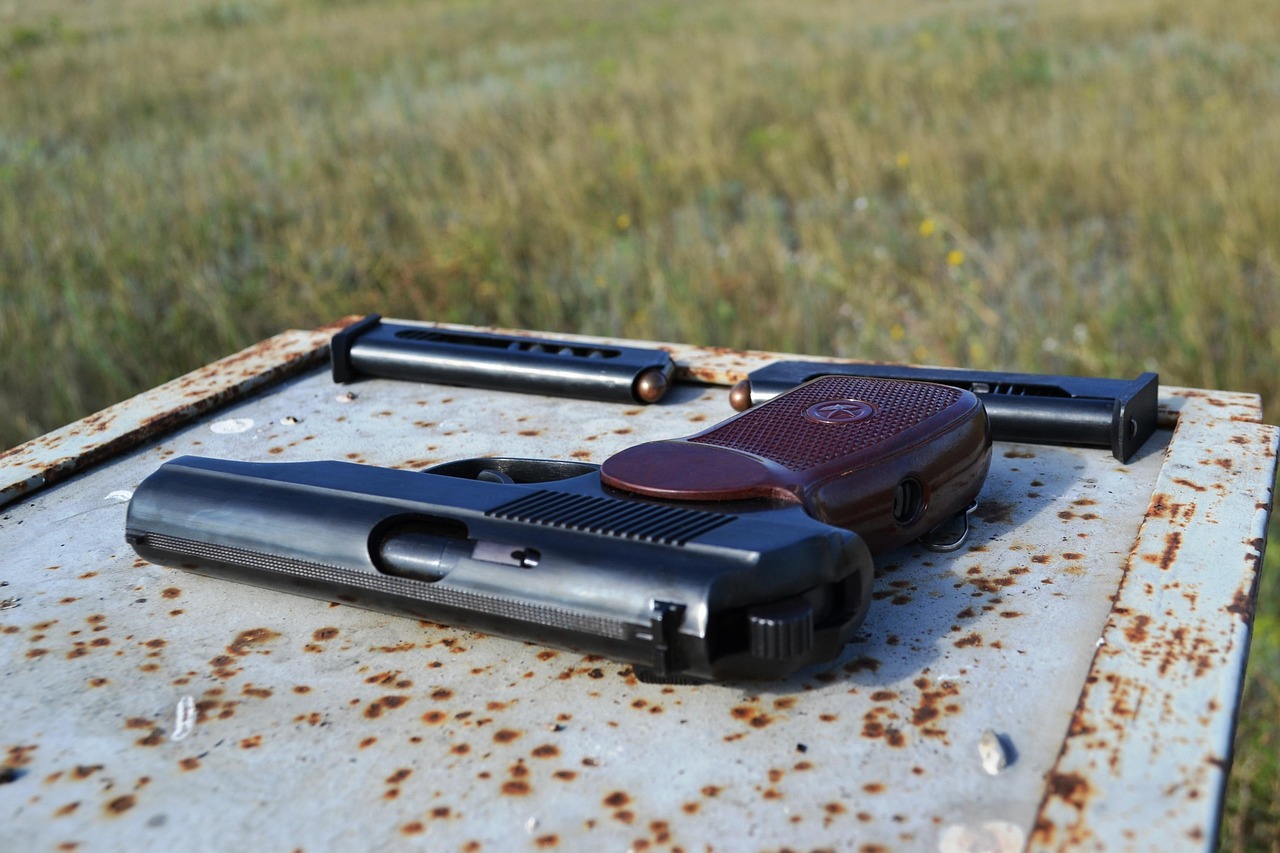
If any handgun on this list feels like science fiction made real, it is the Gyrojet. Instead of firing conventional cartridges, it launched tiny rocket projectiles, creating one of the most unusual small arms concepts ever brought to market. The sheer novelty still grabs people, and it remains a favorite conversation piece among collectors of experimental firearms.
Novelty, however, is not the same as practical success. The Gyrojet faced problems with cost, consistency, and real-world usefulness, and its advantages never outweighed its drawbacks for ordinary shooters. That sealed its fate as a technological curiosity. Most firearms fans have heard the story, but very few have ever stood on a range and touched one off.
Whitney Wolverine

The Whitney Wolverine looked like it was styled by the space age itself. With its dramatic lines, lightweight aluminum frame, and futuristic silhouette, it stood apart from nearly every .22 pistol of its era. People who shot one often found that it was more than a pretty shape, offering good handling and an unusually fun feel on the range.
Unfortunately, good looks and clever design do not always guarantee a long commercial life. Production troubles and business problems cut the story short, leaving the Wolverine with far less time in the spotlight than it deserved. Today, it survives mostly as a collector’s favorite, admired by many more people than have ever actually fired one.
HK G11
The HK G11 remains one of the most ambitious military rifle projects ever seriously pursued. Its caseless ammunition, advanced operating system, and futuristic layout made it feel decades ahead of the rifles around it. To this day, it stands as proof that small arms innovation can be bold enough to challenge the whole idea of how a service rifle should work.
Yet being ahead of your time can also mean being stranded there. The G11 ran into massive hurdles involving cost, logistics, politics, and the complexity of changing ammunition systems at scale. It never became a standard rifle, which means most shooters know it through photos, documentaries, and prototypes rather than any direct experience on a firing line.
FN Five-seven USG in its early era
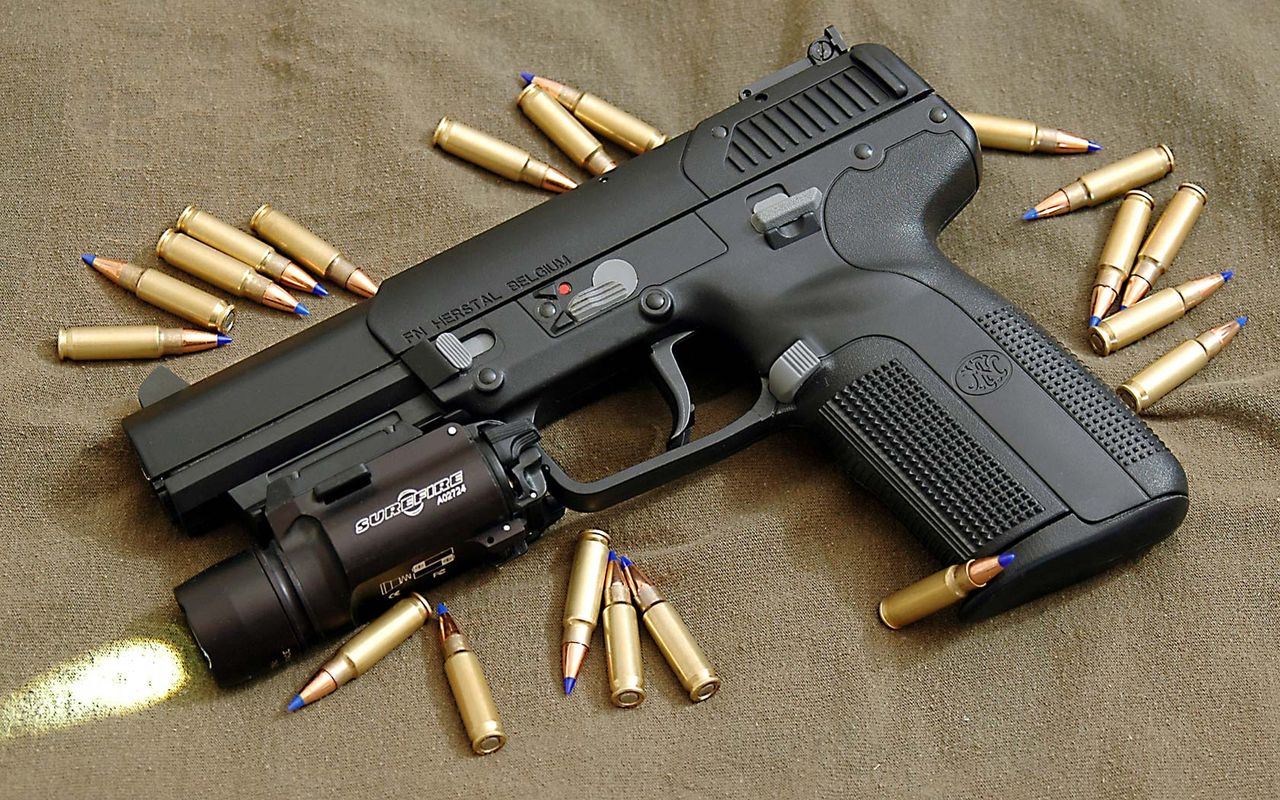
The FN Five-seven is not obscure in name, but for a long stretch,h it felt like a pistol more discussed than actually encountered. Its lightweight frame, high capacity, and 5.7x28mm chambering gave it a unique identity, and early models carried an almost exotic aura in the American market. Plenty of shooters were curious, but fewer had meaningful access to one.
Price, ammunition cost, and its highly specialized image kept it from becoming a casual range staple in those early years. It developed a devoted fan base, yet remained outside the hands of most ordinary handgun buyers. That gap between reputation and real-world trigger time is exactly why it belongs in conversations about notable firearms many shooters missed.