Understanding these critical wilderness precautions that most campers overlook prevents serious accidents during remote outdoor adventures. Many outdoor enthusiasts eagerly pack their favorite gear, but often forget the fundamental safety rules that guarantee a safe return home. The 11 critical wilderness precautions most campers overlook address common mistakes that leave people vulnerable to sudden weather changes and unexpected injuries. Taking time to review these essential strategies ensures a much better experience in the deep forest or high mountains. Preparing properly transforms a potentially dangerous situation into a manageable event for every confident and responsible nature explorer today.
Sharing The Detailed Itinerary

Leaving a detailed travel plan with a trusted friend remains a vital step that many people completely ignore before departing. A proper itinerary must include the exact trailhead location and the planned camping spots, along with the expected return time. Rescue teams rely heavily on this specific information to narrow down their search grid if a hiker suddenly goes missing. Without a clear map of the intended route, emergency personnel waste precious hours scanning vast areas of empty terrain. Sharing these simple travel details guarantees a much faster response when unexpected emergencies arise during a long and quiet weekend trip.
Packing Extra Water Filtration
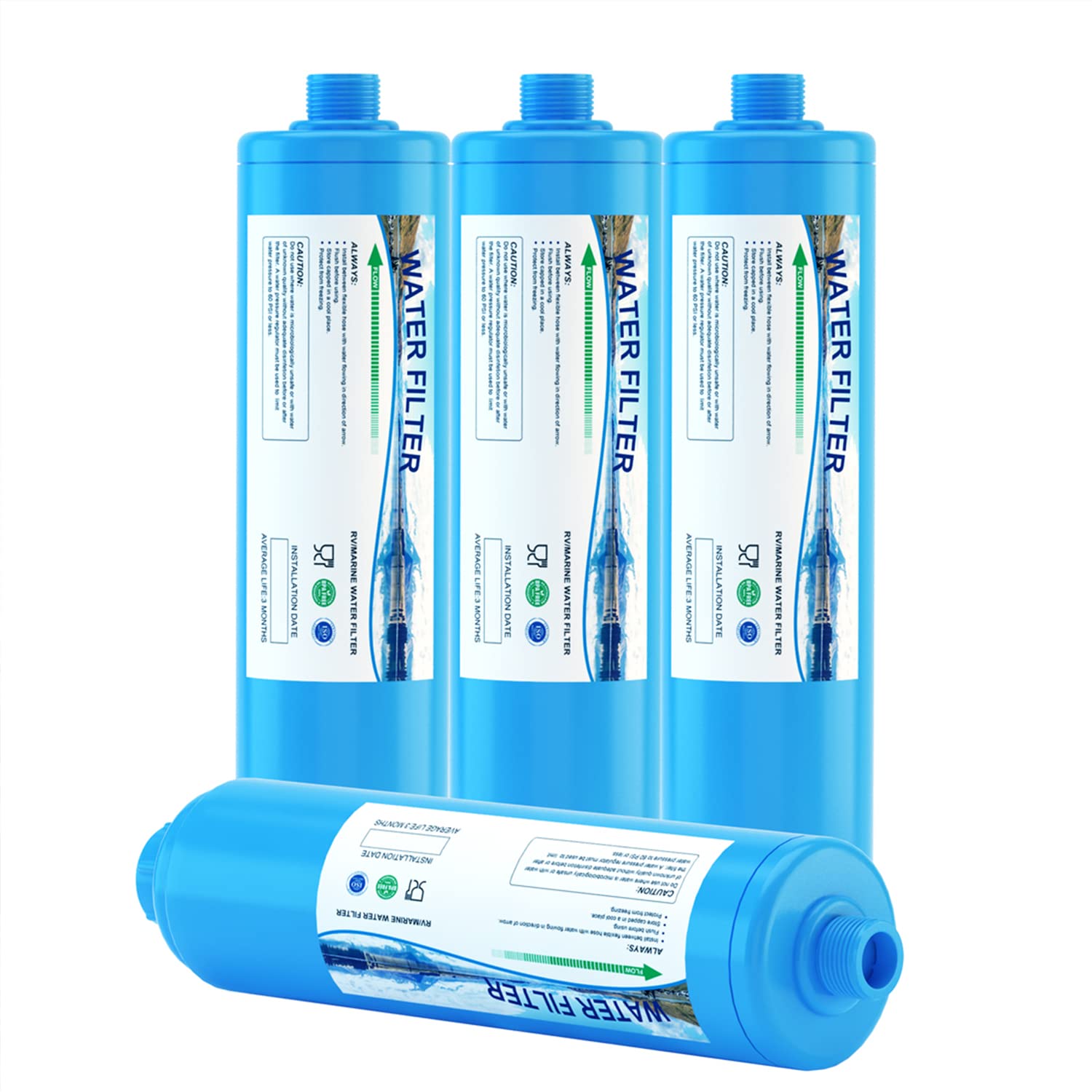
Relying on a single water source or a limited supply of bottled water creates a dangerous vulnerability during hot weather. Every person must carry a reliable primary water filter and a secondary chemical purification method to ensure constant hydration. Natural streams and lakes often contain hidden bacteria that cause severe illness and rapid dehydration when consumed without proper treatment. Bringing backup purification tablets requires almost no extra space in a backpack but provides massive peace of mind. Consistent access to clean drinking water keeps the body strong and prevents serious fatigue during physically demanding outdoor activities every single day.
Testing Emergency Fire Starters

Many travelers carry standard waterproof matches or lighters, but fail to test them before stepping into the wild environment. Mechanical lighters often break or lose fuel over time while sitting forgotten inside a dusty storage bin. Attempting to start a warming fire with broken tools during a sudden rainstorm leads to extreme frustration and potential hypothermia. Carrying a reliable magnesium rod and practicing the striking technique provides a fail-proof method for generating sparks under any condition. Checking all fire equipment before departure ensures warmth, and a reliable signaling method will stay completely accessible.
Understanding Basic Topography Maps

Relying entirely on digital applications represents a massive risk when cellular towers vanish, and phone batteries quickly drain in the cold. A physical topographic map provides a permanent and reliable way to understand the surrounding terrain regardless of any technical failures. Many hikers carry these paper maps but never actually learn how to read the elevation lines or orient them with a magnetic compass. Taking a basic navigation class builds immense confidence and allows a person to find their exact location during a total blackout. Traditional orientation skills remain absolutely essential for safe outdoor travel everywhere.
Carrying Proper First Aid
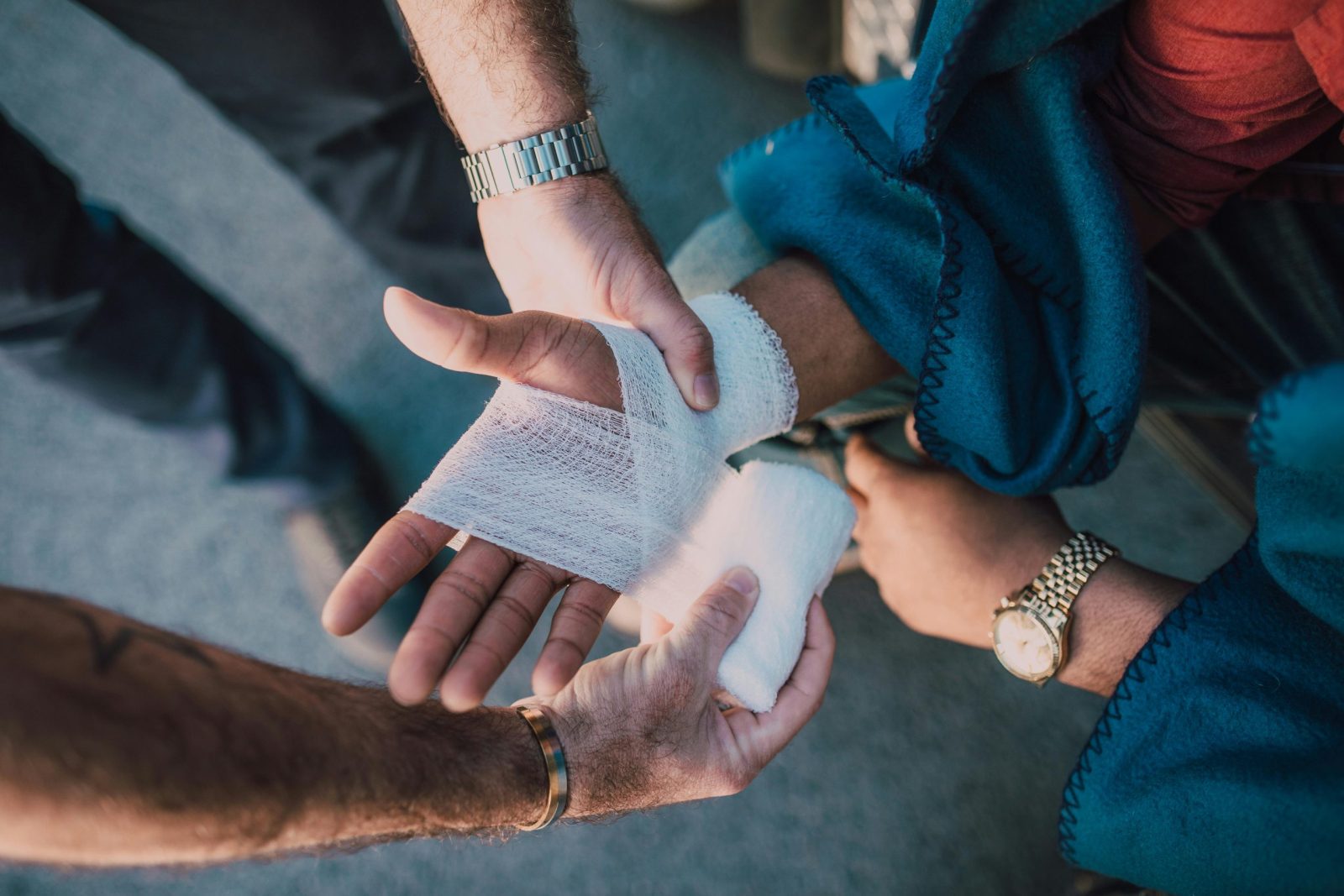
Most generic store-bought first aid kits lack the specific supplies required to manage a serious traumatic injury in a remote environment. Basic adhesive bandages work fine for minor scrapes, but they cannot stop heavy bleeding or stabilize a broken bone properly. Outdoor enthusiasts must customize their medical packs with specialized items like tourniquets and splinting materials to handle genuine emergencies. Knowing how to actually use these advanced medical tools prevents a bad situation from becoming a tragic event on the trail. Proper preparation transforms a basic hiking backpack into a capable mobile rescue station instantly.
Securing Food From Wildlife

Improper food storage attracts dangerous wildlife into campsites and creates a severe safety hazard for everyone sleeping nearby. Many campers mistakenly believe that keeping snacks inside a zipped tent provides adequate protection from hungry bears or curious raccoons. Animals possess an incredible sense of smell and will easily tear through fragile fabrics to reach a highly scented meal during the night. Hanging food bags high in the trees or utilizing certified bear canisters effectively removes this dangerous temptation. Maintaining a clean and scent-free sleeping area remains the best defense against unexpected animal encounters everywhere.
Packing Emergency Shelter Layers
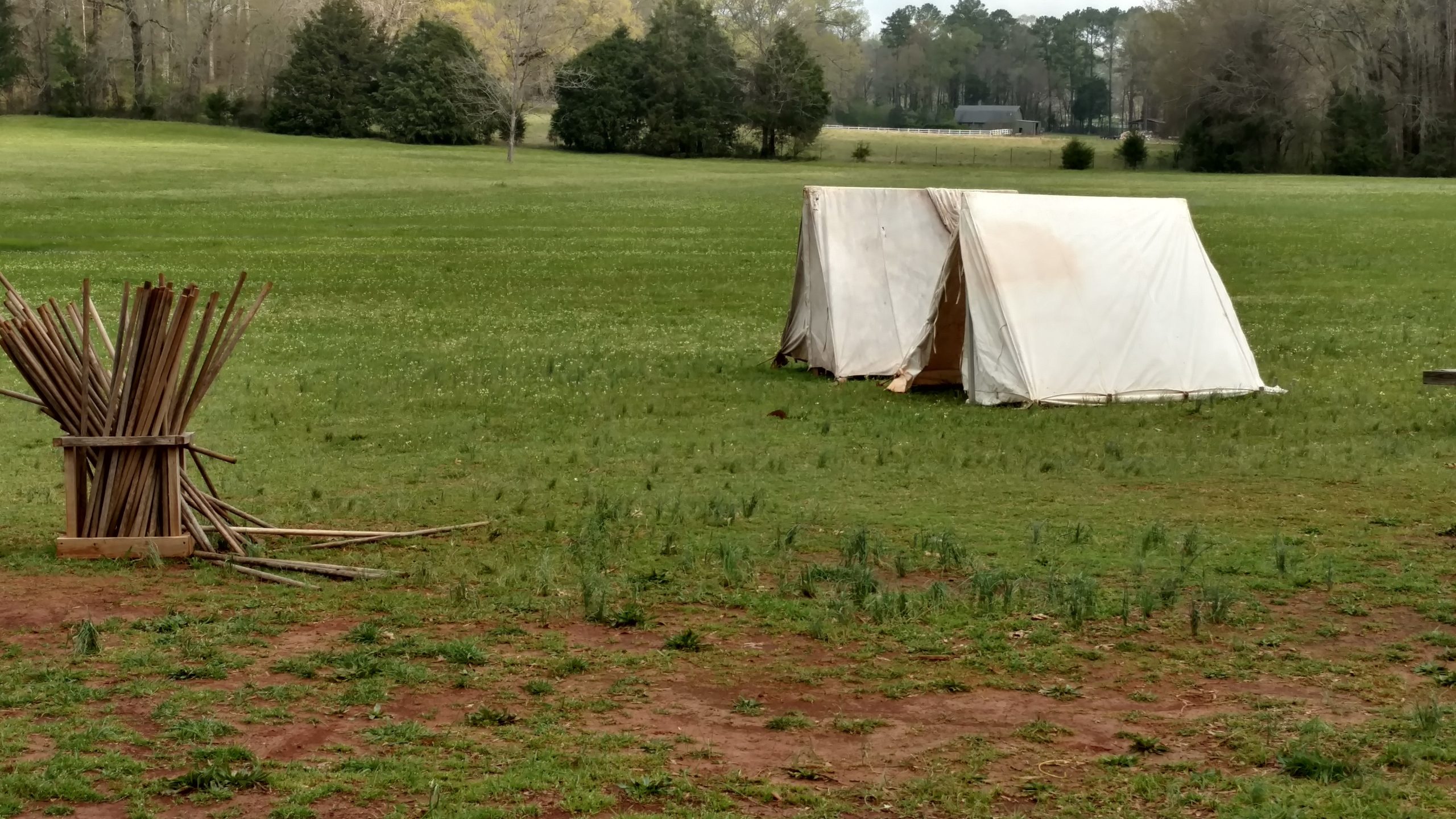
A sudden drop in temperature can quickly turn a pleasant afternoon hike into a freezing and dangerous survival scenario. Relying exclusively on a simple sleeping bag leaves a person vulnerable if their primary tent suffers severe damage from high winds. Packing a compact emergency space blanket or a lightweight bivouac sack provides a crucial secondary layer of thermal protection. These reflective materials trap body heat with remarkable efficiency while blocking the chilling effects of heavy rain. Preparing for the worst possible weather guarantees that a camper stays reasonably warm during an unexpected overnight stay outside.
Checking Local Weather Patterns
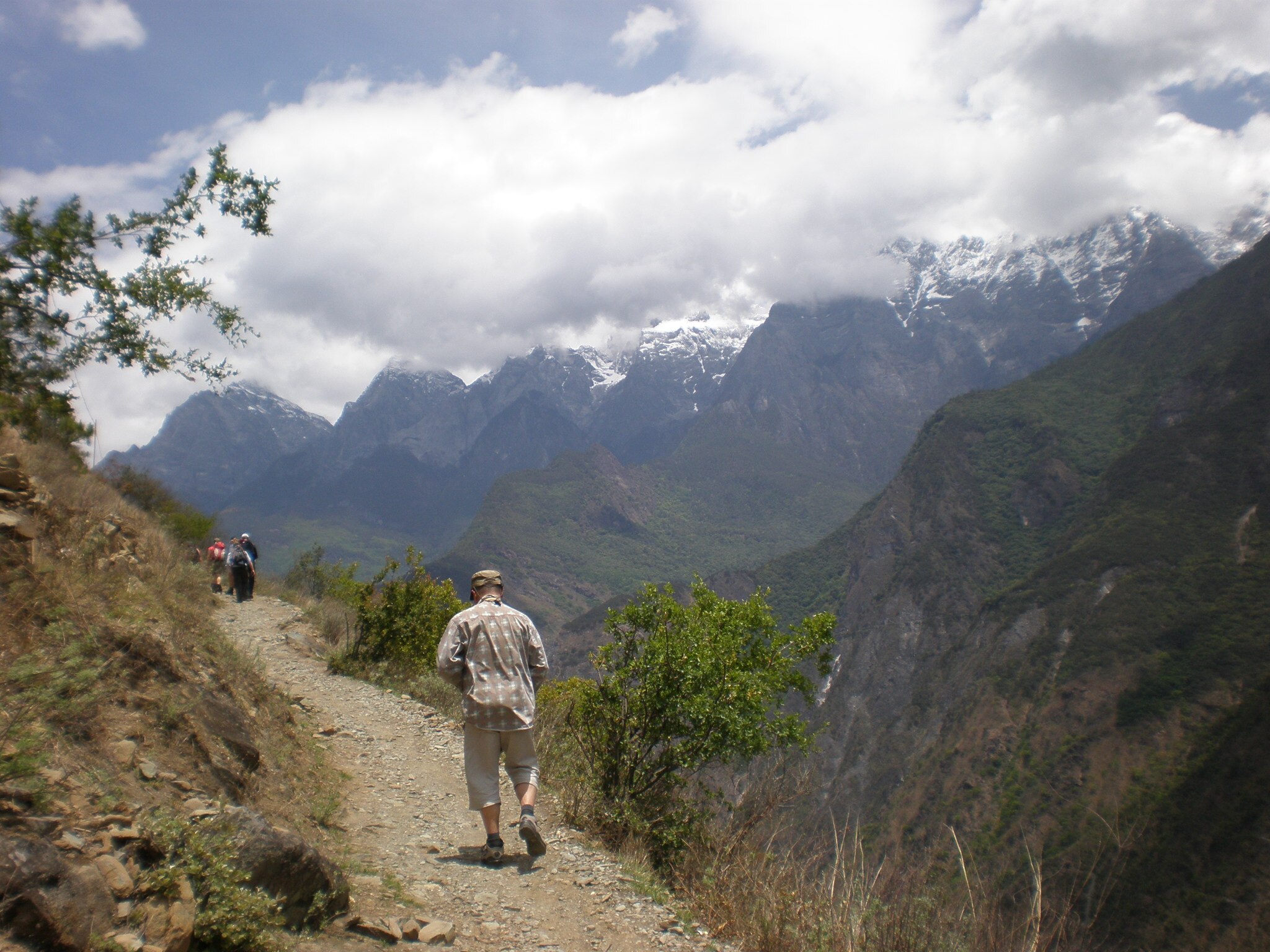
Ignoring the detailed local weather forecast represents a profound error that repeatedly puts many optimistic hikers in grave danger. Mountain environments generate completely unique microclimates that shift drastically from bright sunshine to heavy snow within a single hour. Checking standard television forecasts provides insufficient detail for planning a safe route through unpredictable alpine passes or deep canyons. Reviewing specialized topographical weather reports helps travelers anticipate sudden wind shifts and dangerous lightning storms before they strike. Constant vigilance regarding the changing sky remains the smartest approach for avoiding severe and life-threatening environmental hazards completely today.
Managing Proper Footwear Choices

Wearing inappropriate shoes causes more common injuries on the trail than almost any other easily preventable mistake people make. Casual sneakers lack the necessary ankle support and deep tread patterns required to navigate slippery rocks and muddy inclines safely. A twisted ankle in a remote location creates a massive logistical nightmare that often demands an expensive and complex helicopter rescue operation. Investing in high-quality hiking boots and breaking them in before the trip prevents painful blisters and dangerous slips. Proper footwear forms the essential foundation for every successful and enjoyable trek through rugged areas.
Recognizing Personal Physical Limits
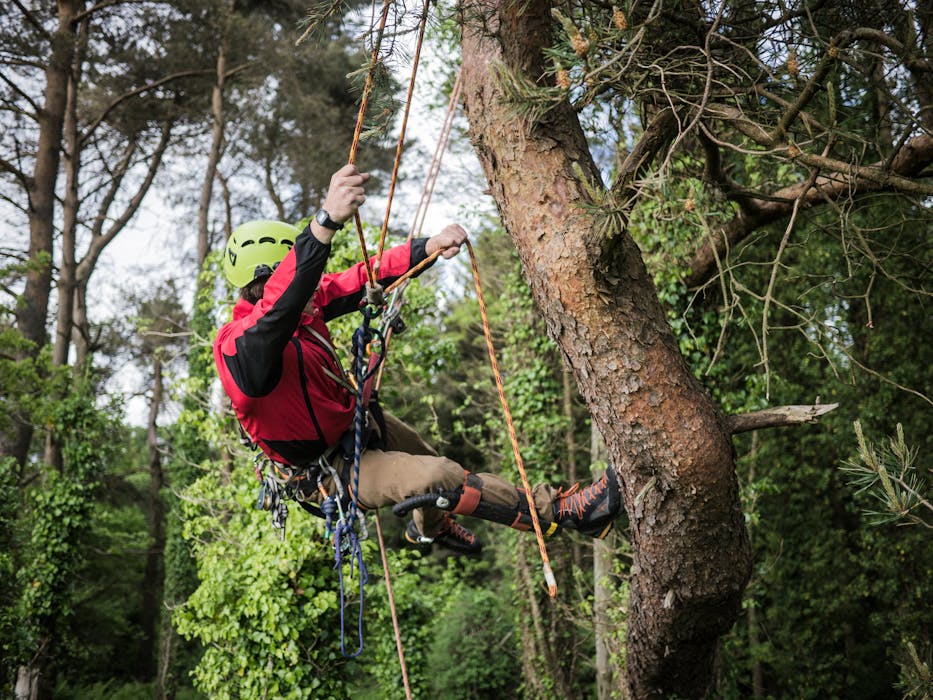
Pushing past personal physical limits out of pure stubbornness frequently leads to total exhaustion and severe medical complications. Many inexperienced travelers overestimate their cardiovascular fitness and attempt overly ambitious routes that their bodies cannot handle safely. Fatigue destroys mental focus, which dramatically increases the likelihood of making poor navigational decisions or suffering a terrible fall. Listening to the body and taking frequent breaks ensures that energy levels remain stable throughout the entire journey. Admitting exhaustion and turning back early represents a true sign of deep wisdom rather than an embarrassing failure in the wilderness.
Bringing Emergency Communication Devices

Assuming that a standard cell phone will always function perfectly in deep canyons is a potentially deadly assumption today. Dropped signals and broken screens frequently eliminate the primary method of communication just when a camper needs it most. Carrying a dedicated satellite messenger device allows a person to contact emergency services from absolutely any location on the planet, regardless of cellular towers. These rugged tools feature distress buttons that instantly transmit precise coordinates to global rescue agencies. This reliable link to civilization provides the ultimate safety net for every serious and responsible outdoor enthusiast everywhere.