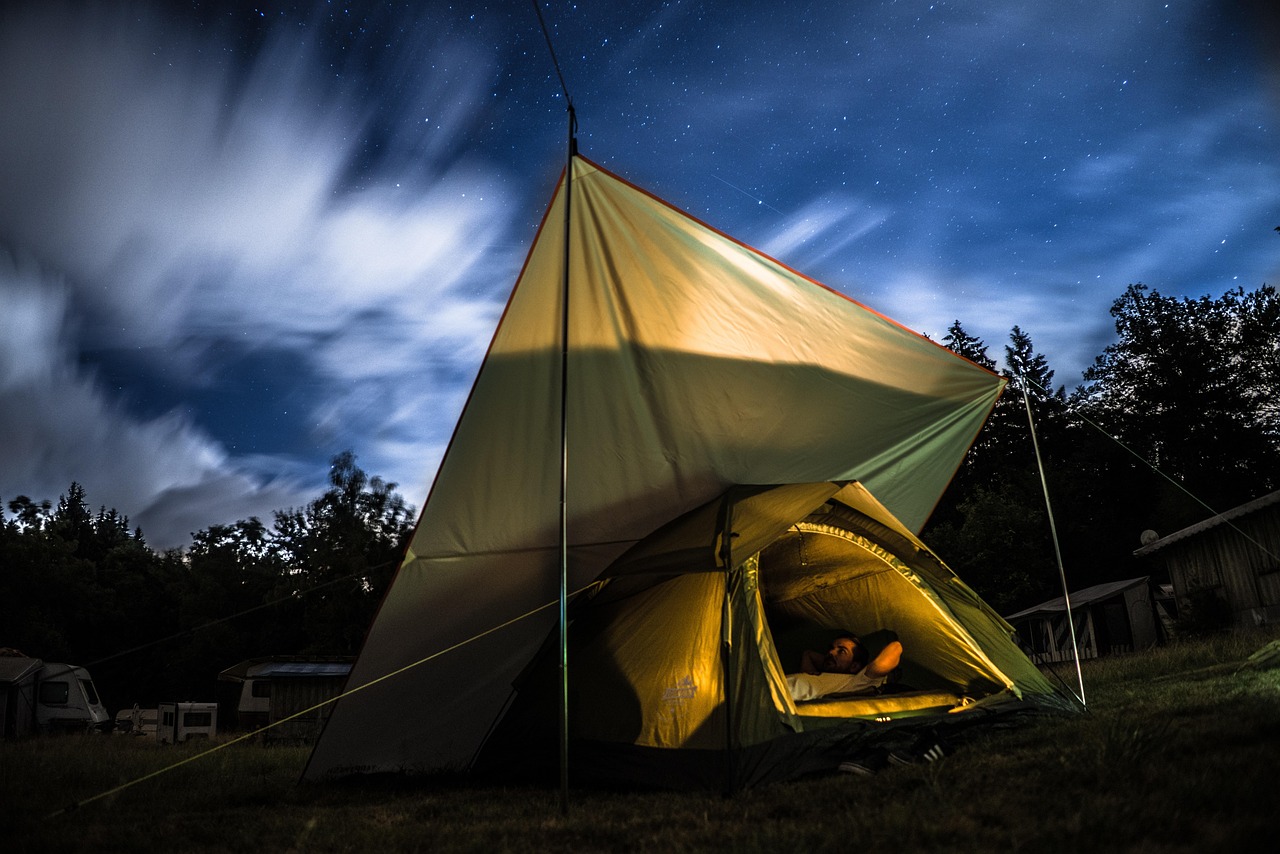
Camping on the Great Plains brings sweeping views, open skies, and steady winds that challenge even experienced travelers. Selecting a tent built for stability makes long days and colder evenings far more comfortable. Strong frames, reinforced seams, and aerodynamic shapes help each shelter remain dependable when gusts sweep across exposed grasslands. With thoughtfully chosen gear, the wide prairie landscape becomes easier to enjoy while still staying protected from unpredictable weather.
Geodesic Dome Tent
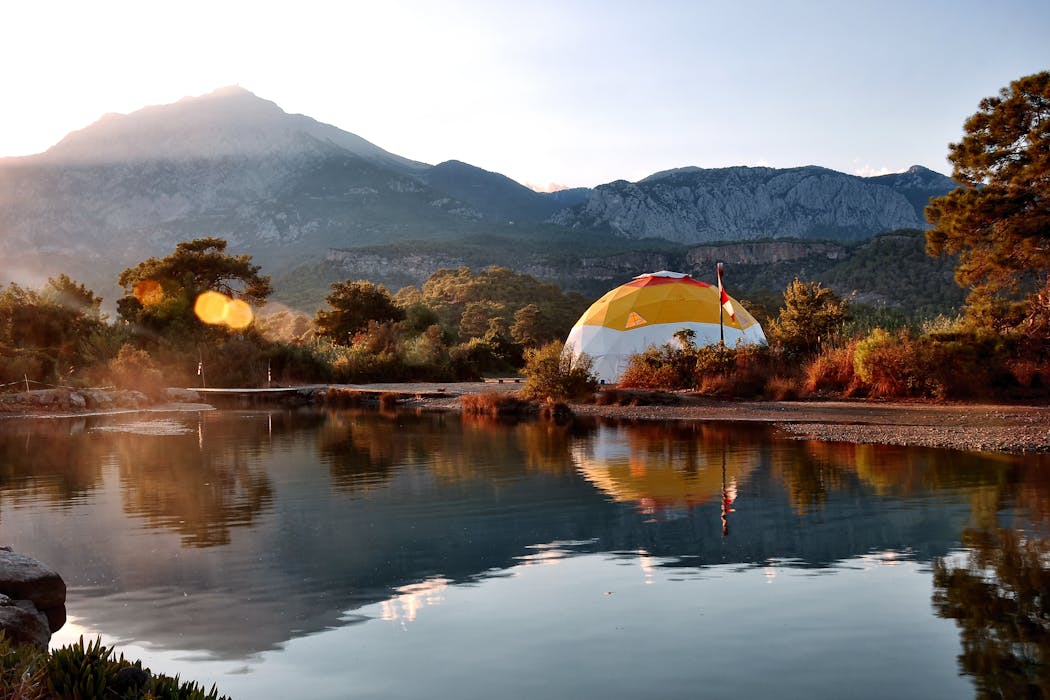
A geodesic dome tent provides exceptional stability thanks to its intersecting pole structure that distributes pressure evenly. The rounded form reduces direct impact from high winds, allowing the tent to maintain shape in exposed areas. Reinforced corners and tightly stretched fabric help prevent sagging during sudden gusts. With balanced construction and strong tension throughout, this style remains a reliable choice for prairie environments where wind often becomes a constant companion.
Low-Profile Backpacking Tent
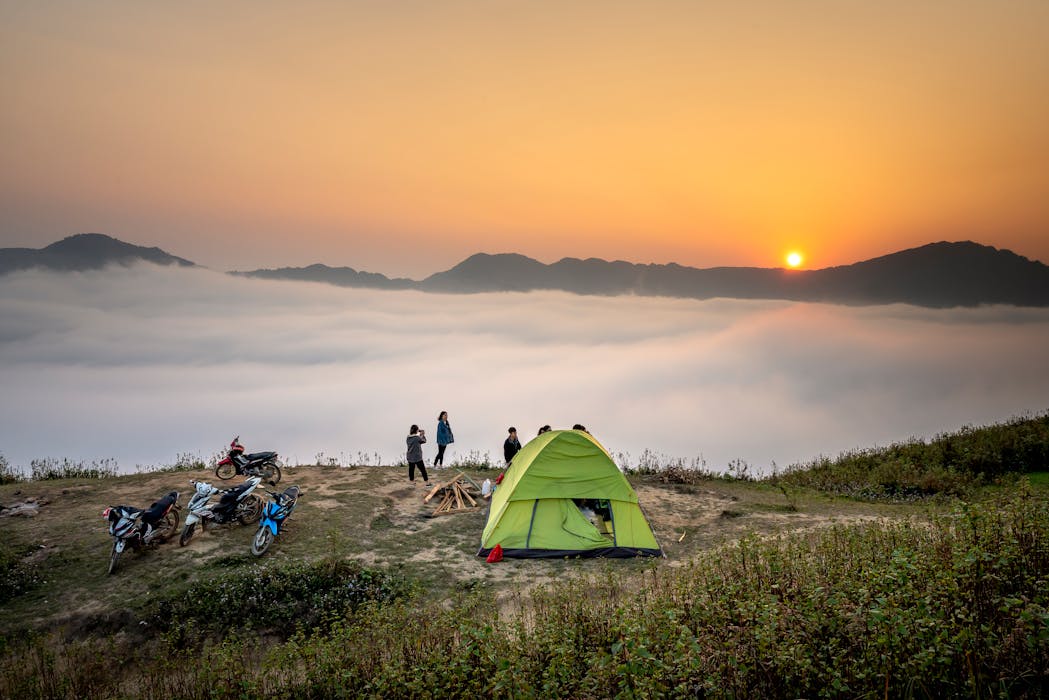
A low-profile backpacking tent sits close to the ground, minimizing the surface area that wind can push against. Its streamlined design encourages air to flow smoothly over the top rather than hitting broad flat sections. Sturdy anchor points and tensioned poles help keep the shelter in place during rapid weather shifts. The lightweight build still offers dependable performance, making it a practical option for travelers who value both mobility and resilience in breezy plains landscapes.
Tunnel-Style Tent
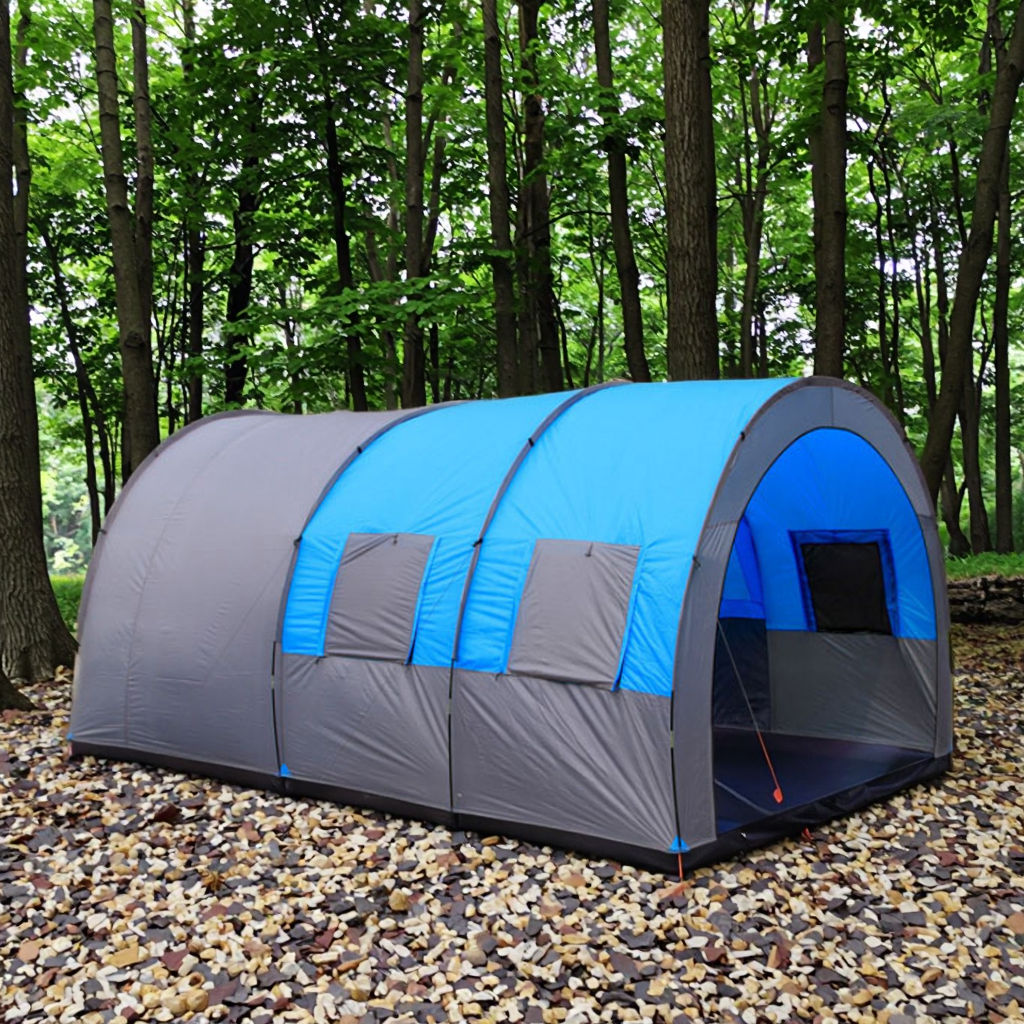
A tunnel-style tent uses flexible yet durable pole arches to create an elongated shape that handles continuous wind effectively. Its structure maintains uniform tension, reducing the likelihood of collapse during strong gusts. When oriented properly, this tent guides wind along its length rather than resisting it head-on. The efficient design creates a stable sleeping environment, especially in open terrain where natural windbreaks are limited or completely absent.
Four-Season Tent

A four-season tent delivers heavy-duty construction that stands up to harsh prairie winds as well as colder temperatures. Thick poles, rugged fabrics, and reinforced seams help maintain structure even when weather changes suddenly. Ventilation panels support airflow without reducing overall strength, keeping interior conditions comfortable. Designed to endure demanding climates, this shelter offers peace of mind during extended stays in wide-open plains regions where conditions may shift quickly.
Mountaineering Tent
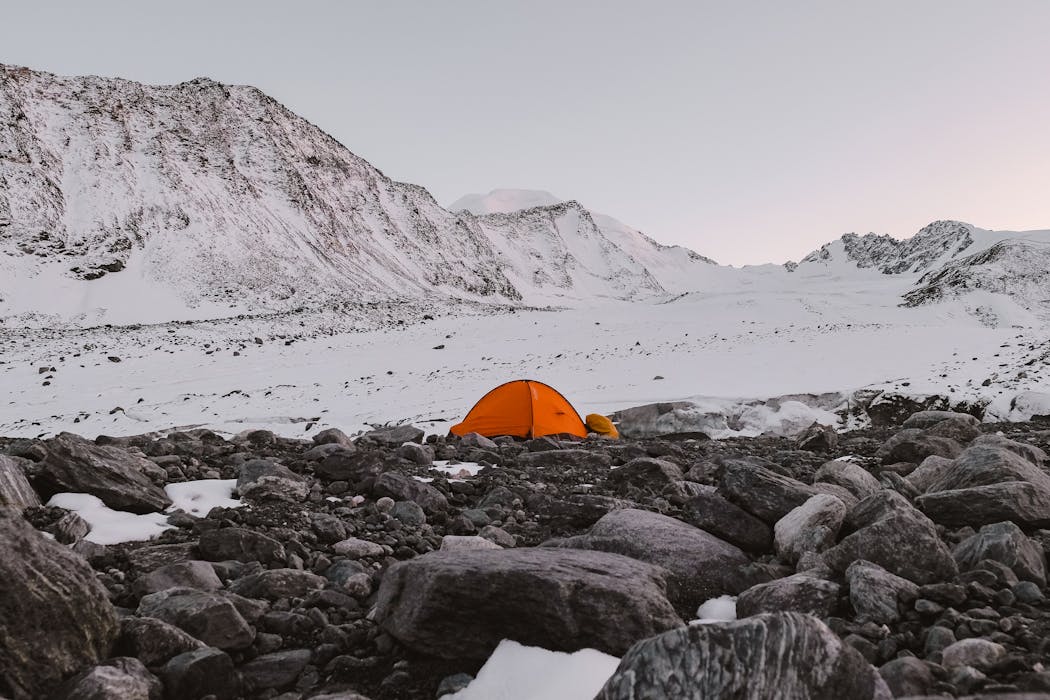
A mountaineering tent combines compact form with expedition-grade durability, making it well-suited for strong winds that sweep across grasslands. Its sturdy frame prevents uplift while still allowing enough interior room for comfortable rest. Reinforced tie-down points and well-designed guy lines help distribute pressure evenly around the tent. Originally crafted for high-altitude use, this shelter also performs remarkably well in prairie environments known for unpredictable gusts.
Hexagonal Tent
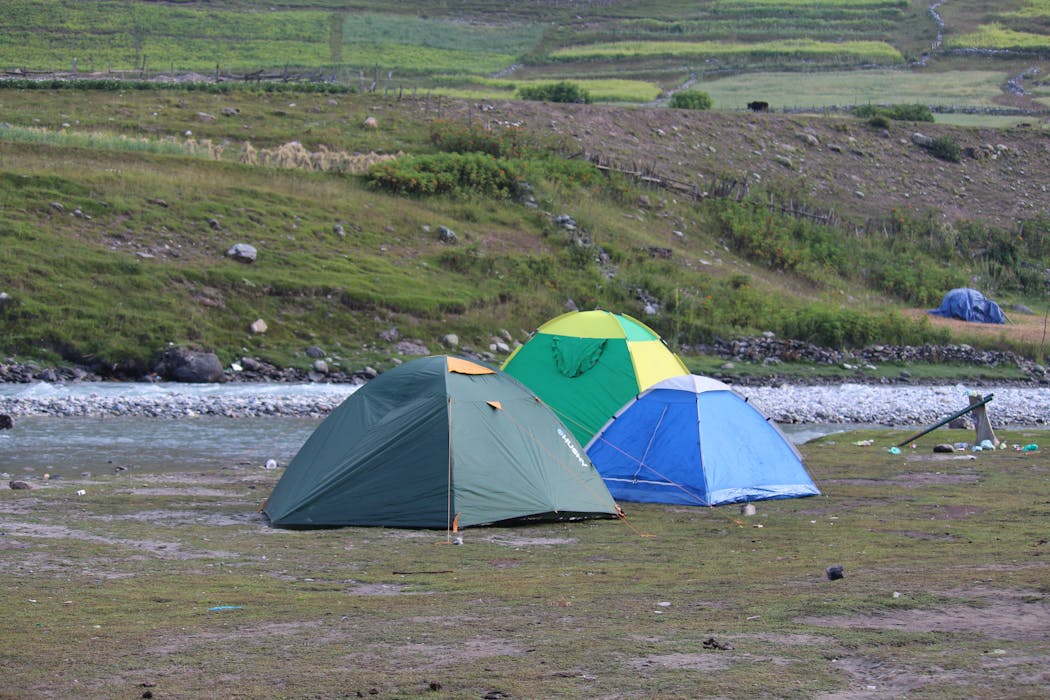
A hexagonal tent benefits from its multi-sided structure, which provides numerous anchor points and balanced tension across the entire frame. Its sloped walls help guide air upward instead of allowing strong gusts to press directly into the fabric. With pressure distributed more evenly, the tent maintains shape even during swirling winds. This thoughtful layout supports stability in open areas where airflow shifts frequently throughout the day.
Expedition Tunnel Tent

An expedition tunnel tent blends extended length with low height, creating a strong and aerodynamic structure ideal for windy plains. Continuous pole sleeves enhance stability by reducing weak points where wind may cause strain. The long, narrow shape allows gusts to travel smoothly along the sides. This design supports dependable performance for travelers spending multiple days in open prairie regions without natural barriers to slow the wind.
Semi-Freestanding Tent
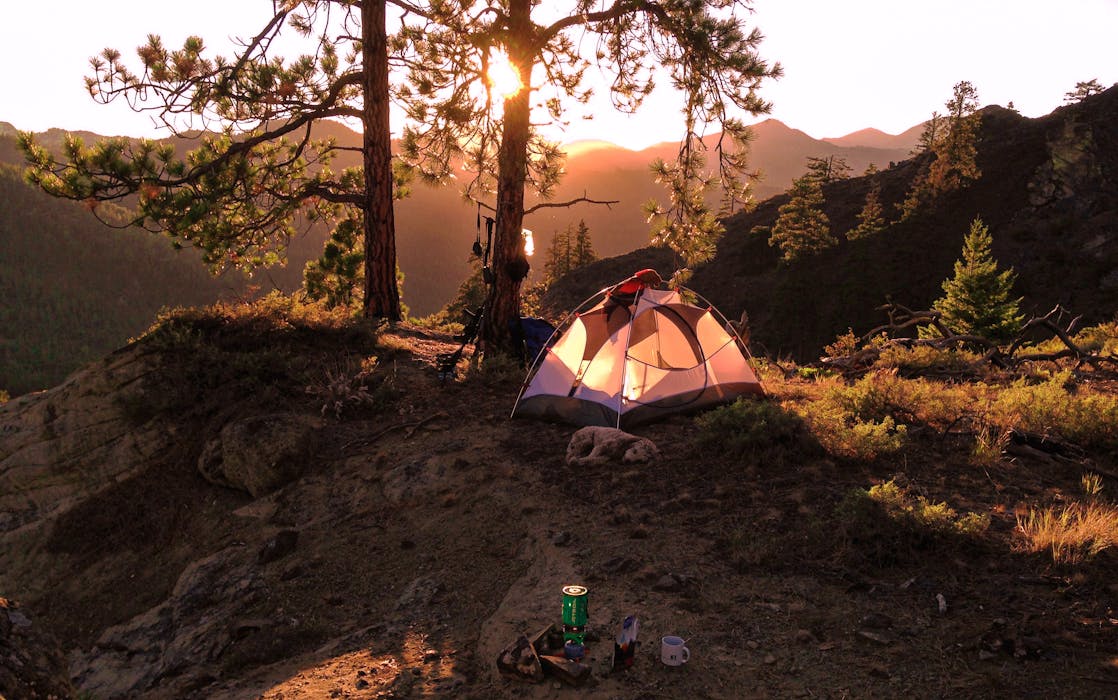
A semi-freestanding tent delivers a balance of flexibility and stability that works well in environments with shifting crosswinds. Anchored corners and tensioned poles create a secure footprint that stays grounded during sudden gusts. Reinforced stress points add durability without increasing weight significantly. This structure remains easy to set up while providing reliable wind resistance that suits the broad, exposed spaces common across the Great Plains.
Pyramid Tent
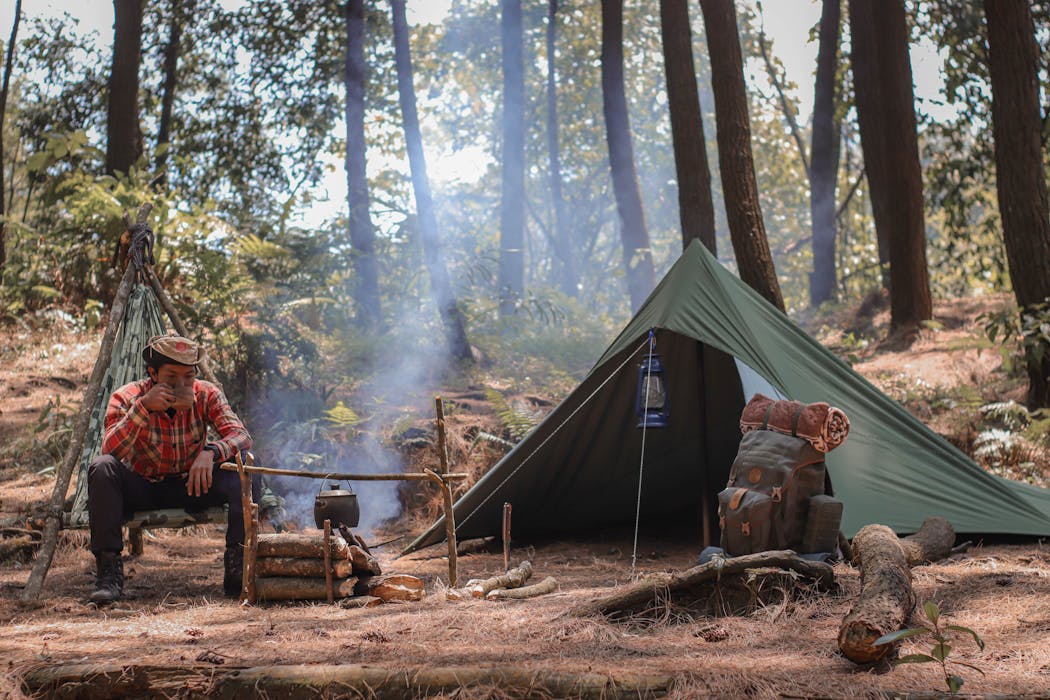
A pyramid tent relies on a single central pole and steeply angled sides that naturally deflect wind. Air moves downward and outward along the panels, reducing pressure that could otherwise cause damage. Strong perimeter staking keeps the tent firmly attached to the ground. With its simple yet effective design, this shelter performs impressively in open landscapes where the weather can change within minutes.
Double-Wall Shelter
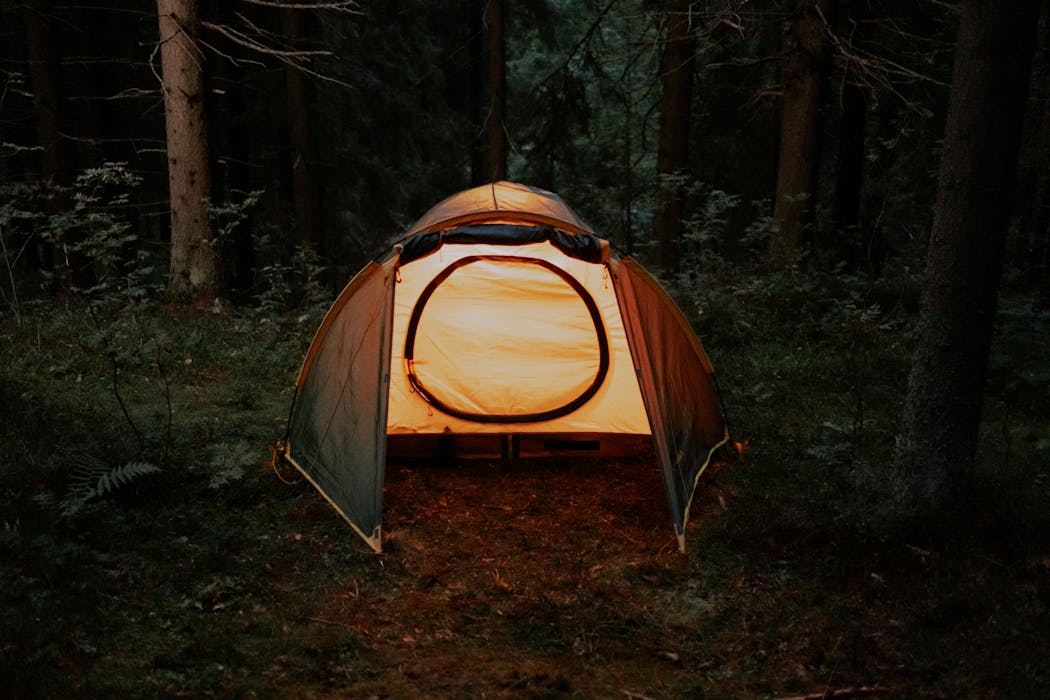
A double-wall shelter features a protective outer layer that absorbs most of the force from wind, keeping the inner tent stable and comfortable. Strategic vent placement promotes airflow without sacrificing structure. The separation between layers reduces condensation while adding insulation against cold gusts. This setup offers reliable protection for long trips on the plains, where sustained winds often shape the outdoor experience.