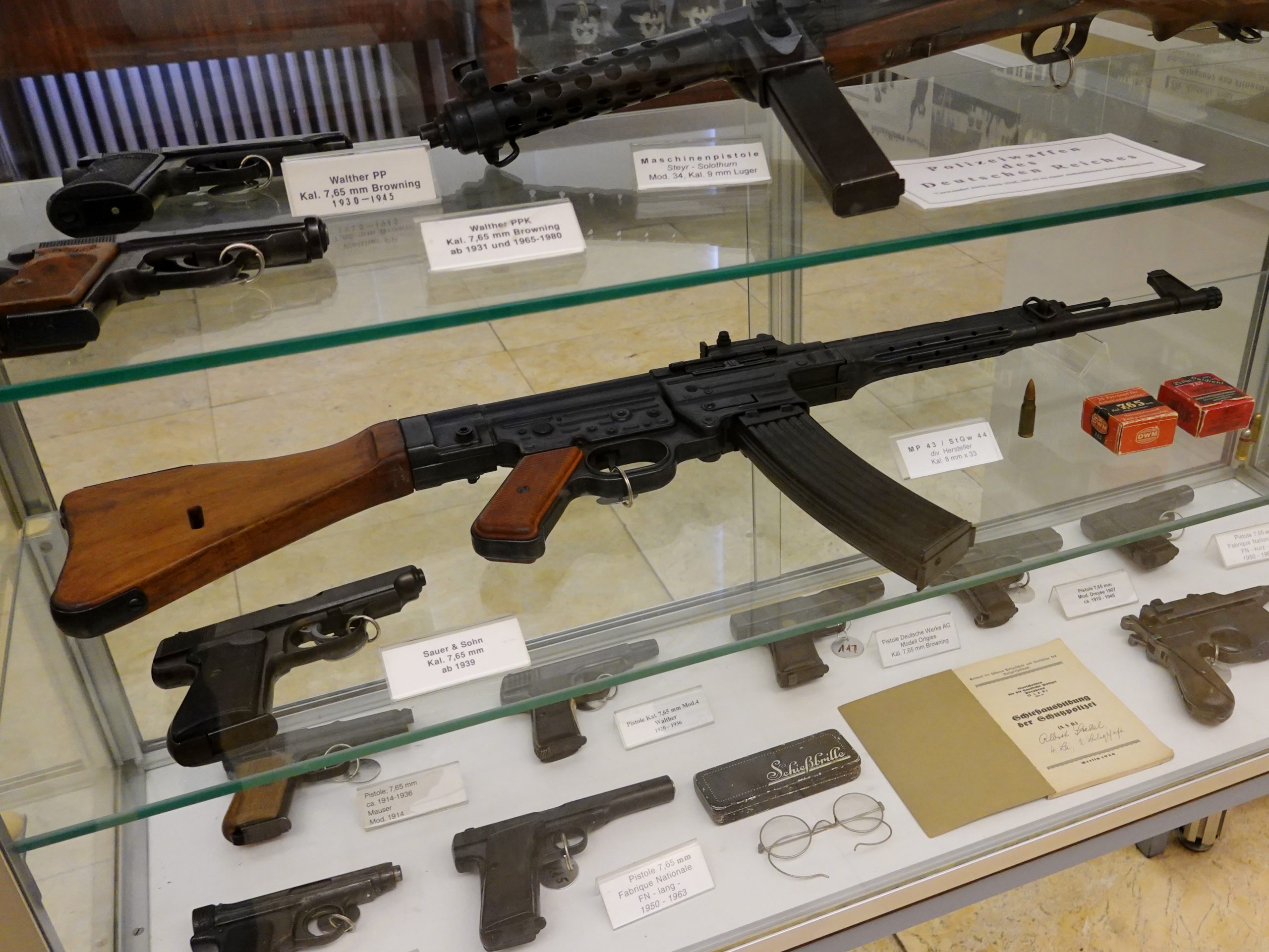
The StG 44 occupies a unique place in military history because it brought together ideas that had previously existed in separate weapon types. Developed during World War II, it paired an intermediate cartridge with selective fire and a detachable magazine, creating a practical middle ground between the traditional rifle and submachine gun. Its battlefield service was relatively brief, but its design philosophy proved remarkably influential. The following ten points explain why the StG 44 became one of the most important infantry-weapon developments of the 20th century.
1. It Created a New Middle Ground
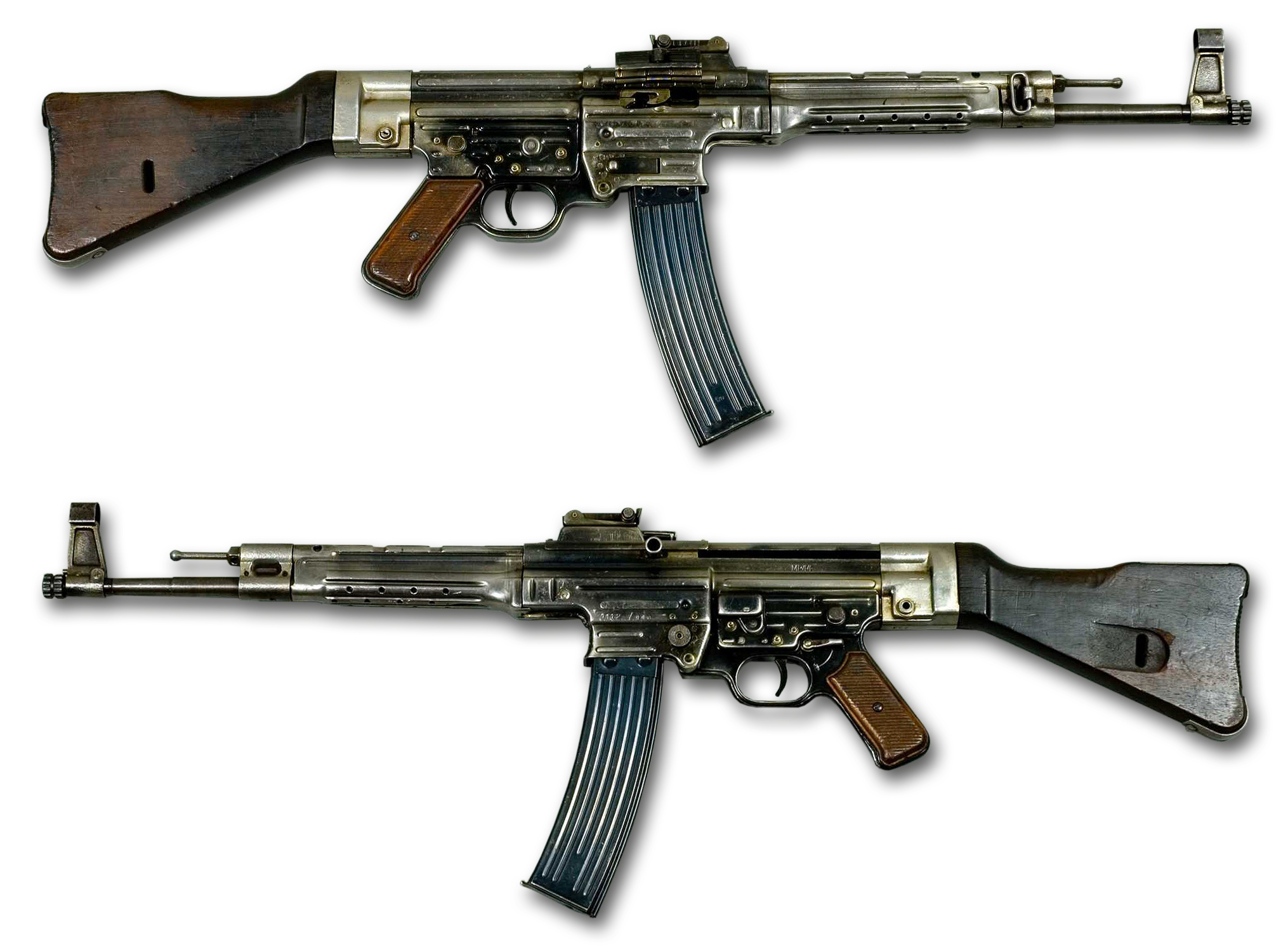
The StG 44 solved a problem that older infantry rifles struggled to address. The standard 7.92×57mm Mauser cartridge offered power and reach, but its recoil and ammunition weight were not ideal for sustained automatic fire. The StG 44 instead used the shorter 7.92×33mm Kurz round, creating a useful middle ground between a rifle and a submachine gun. With a 30-round magazine and selective fire, it gave infantrymen more controllable firepower without simply turning a full-power rifle into a difficult automatic weapon. This balance was the foundation of the modern assault rifle.
2. The Kurz Cartridge Was the Real Breakthrough
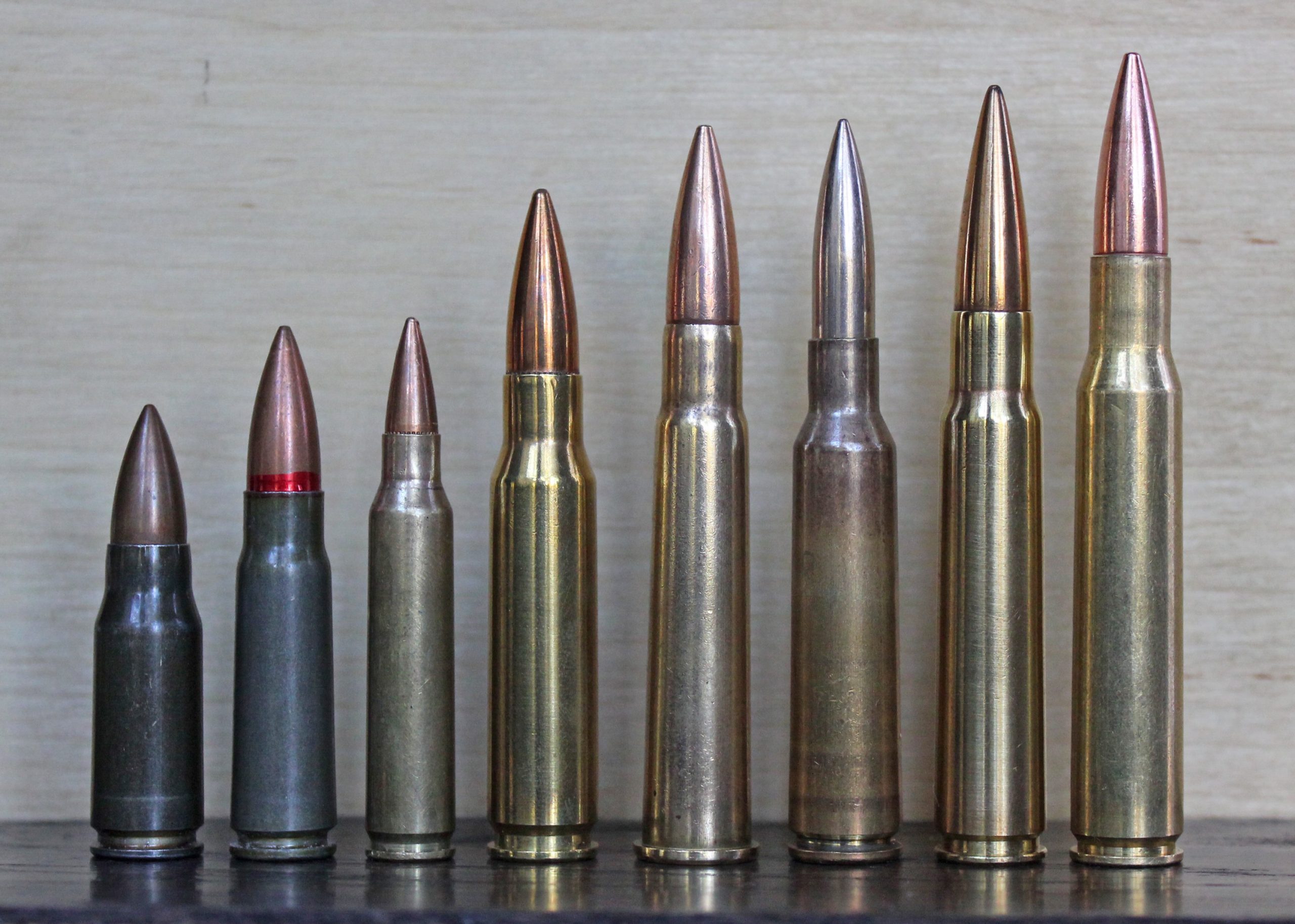
The rifle’s importance cannot be separated from its ammunition. The 7.92×33mm Kurz cartridge was designed around the practical distances where modern infantry combat commonly occurred, rather than for long-range power. Its case measured 33 mm, compared with 57 mm for the standard German rifle cartridge. That reduction helped make automatic fire more manageable while keeping useful range and ballistic performance. The StG 44 therefore represented a system, not merely a rifle with a different chambering. It was an ammunition decision that made the weapon’s entire concept practical.
3. It Combined Three Roles in One Rifle
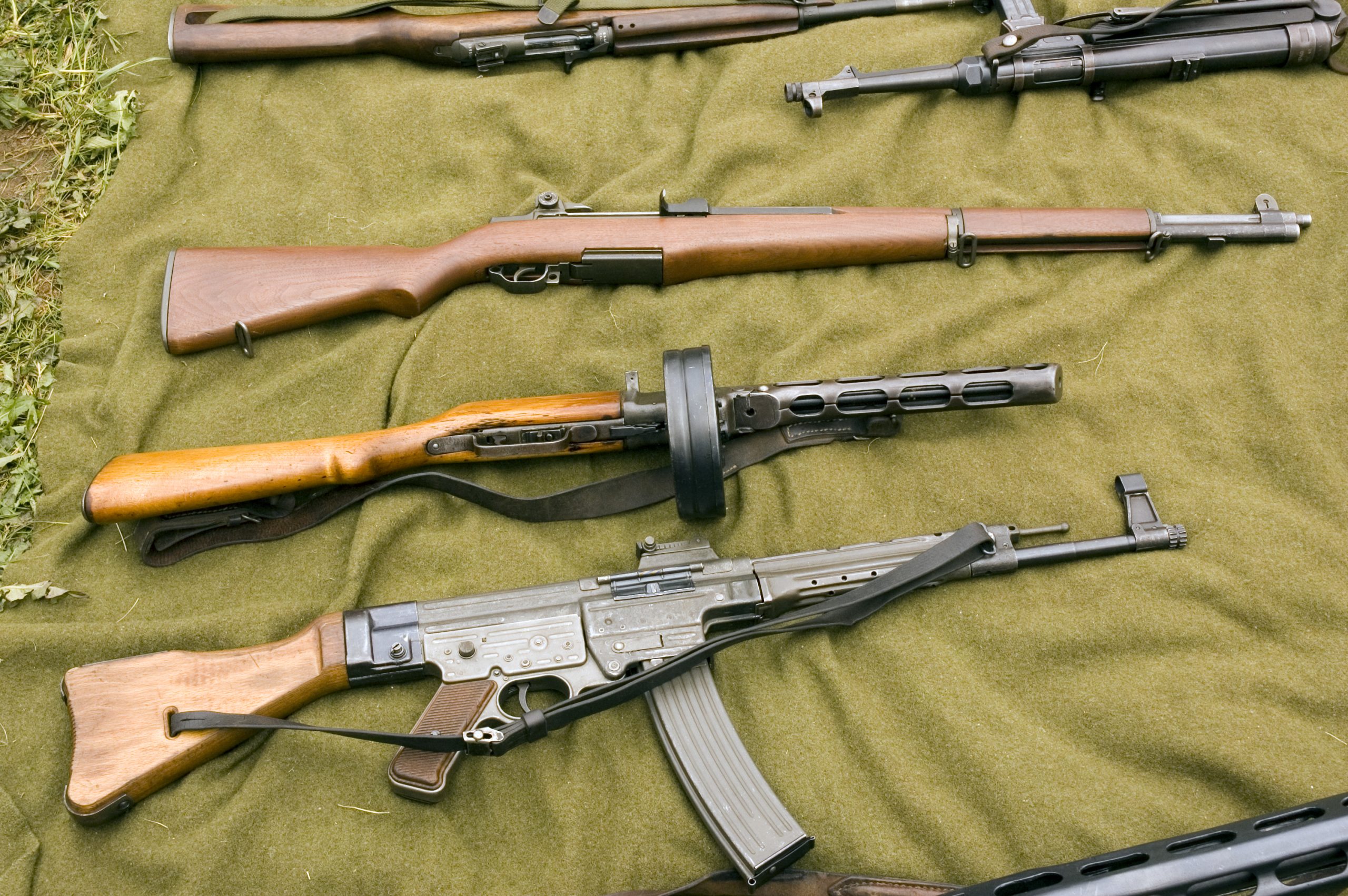
Before the StG 44, German infantry generally relied on different weapons for different jobs: the Kar98k rifle, MP40 submachine gun, and squad machine guns. The new rifle blurred those boundaries. Its intermediate cartridge suited medium-range engagements, while selective fire and a detachable 30-round magazine improved close-range firepower. It was never a perfect replacement for every weapon, but its design philosophy was revolutionary: one infantry rifle could cover a much wider range of battlefield tasks than the traditional bolt-action rifle.
4. Its Development Took Several Names
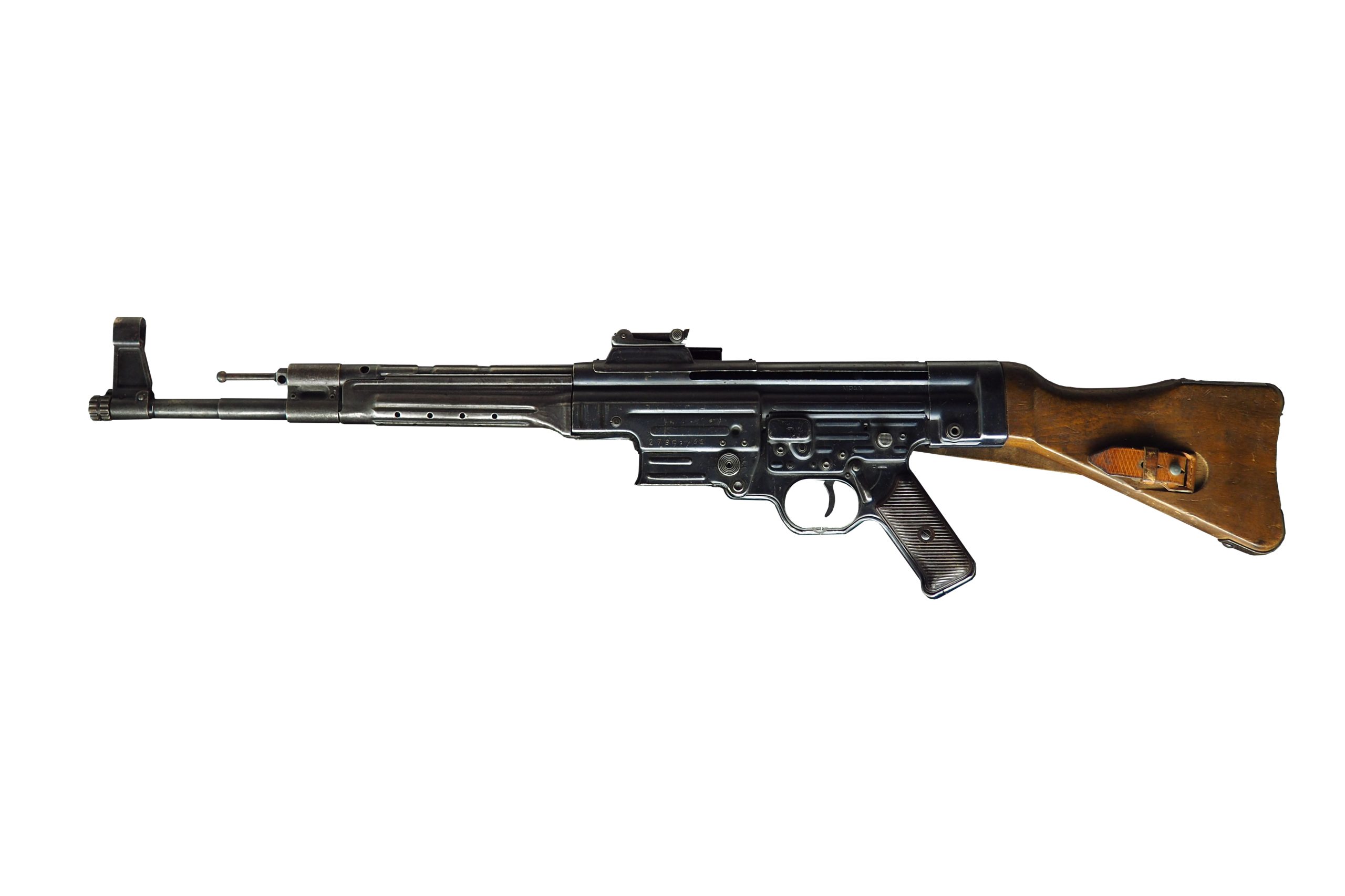
The StG 44 did not appear suddenly under its famous name. Its development passed through several designations, including MKb 42(H), MP43, and MP44. These names reflected technical development and the complicated politics surrounding the program. The final designation, Sturmgewehr 44, appeared late in 1944 and helped establish the phrase assault rifle in military vocabulary. The changing labels can make wartime records confusing, but they generally describe closely related stages of the same groundbreaking weapon family. The evolution itself mattered.
5. Stamped Steel Made Wartime Production Practical
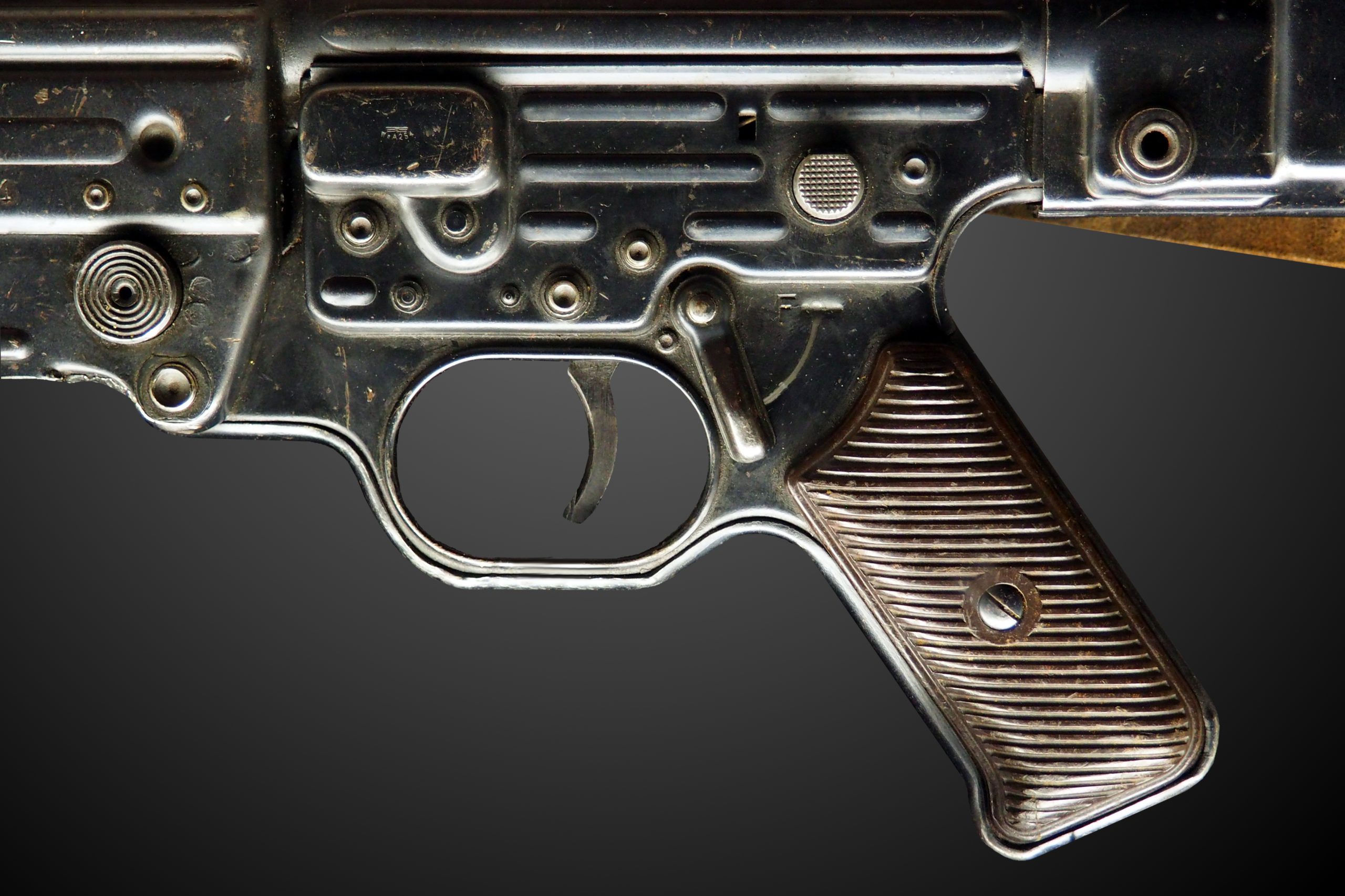
The StG 44 reflected the realities of German wartime manufacturing. Much of its construction used stamped and welded steel rather than relying entirely on traditionally machined components. That approach could reduce machining demands and material consumption, although production was still complex and resource-intensive. The rifle weighed about 4.6 kg empty and measured roughly 940 mm overall, making it substantial but manageable for a select-fire infantry weapon. Its construction showed how battlefield requirements and industrial limitations could shape firearm design.
6. The 30-Round Magazine Changed Infantry Firepower
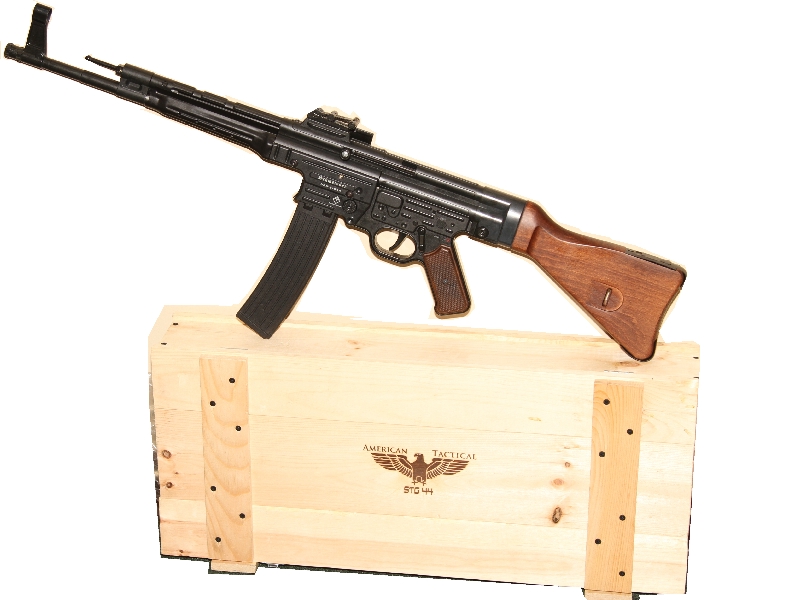
A detachable 30-round box magazine was central to the StG 44’s battlefield character. Compared with the Kar98k’s five-round internal magazine, it allowed a soldier to deliver far more shots before reloading. That capacity mattered particularly when using selective fire during close or rapidly changing engagements. The curved magazine also became one of the rifle’s most recognizable features. While carrying more ammunition increased the soldier’s load, the tradeoff gave individual infantrymen a level of sustained firepower that earlier service rifles could not easily provide.
7. Its Fire Rate Favored Control Over Spray
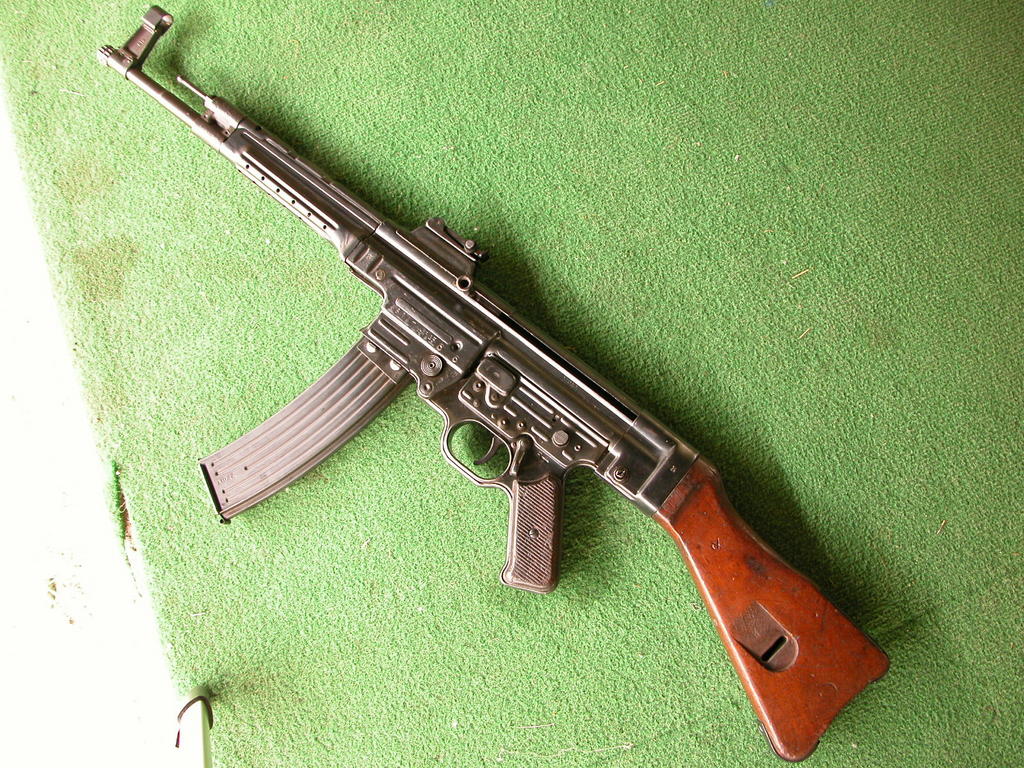
The StG 44 was designed around a relatively moderate automatic rate, commonly cited at roughly 500 to 600 rounds per minute. That figure was important because the weapon was not intended to behave like a high-speed machine pistol. Its intermediate cartridge, substantial weight, and moderate cyclic rate helped make automatic fire more manageable than with a full-power rifle cartridge. The result was a rifle that could support rapid fire while retaining a practical balance between ammunition consumption, controllability, and battlefield usefulness.
8. Eastern Front Experience Shaped Its Reputation
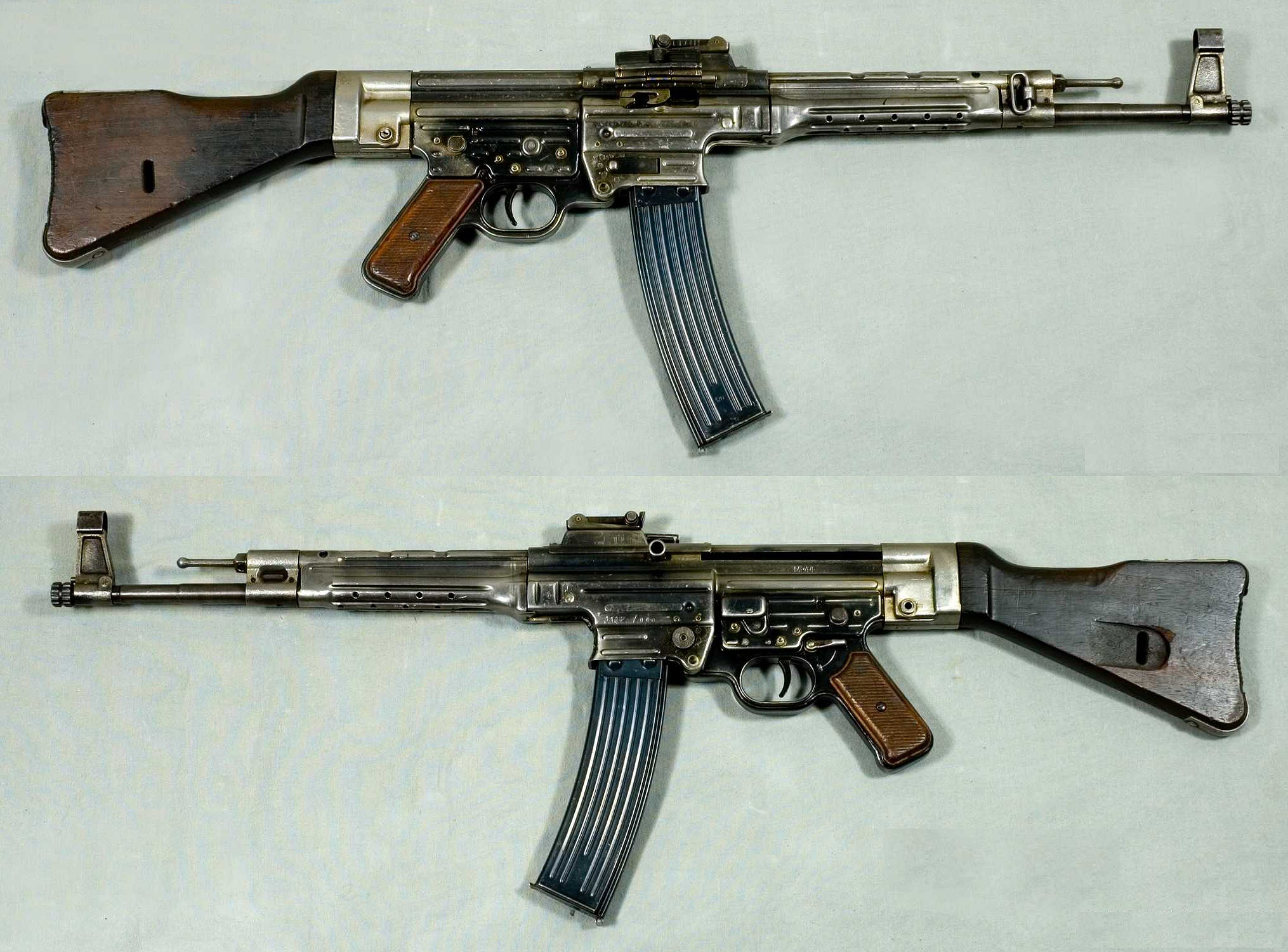
The StG 44 gained its most important combat experience on the Eastern Front, where German troops faced intense close- and medium-range fighting. Early field trials and subsequent reports helped demonstrate the value of combining rifle reach with automatic fire. American soldiers also encountered the weapon during the Ardennes fighting in December 1944. However, its wartime impact should not be exaggerated. It arrived late, production was limited compared with Germany’s standard rifles, and it could not transform the strategic situation facing the German military.
9. It Was Produced in Large Numbers, But Too Late
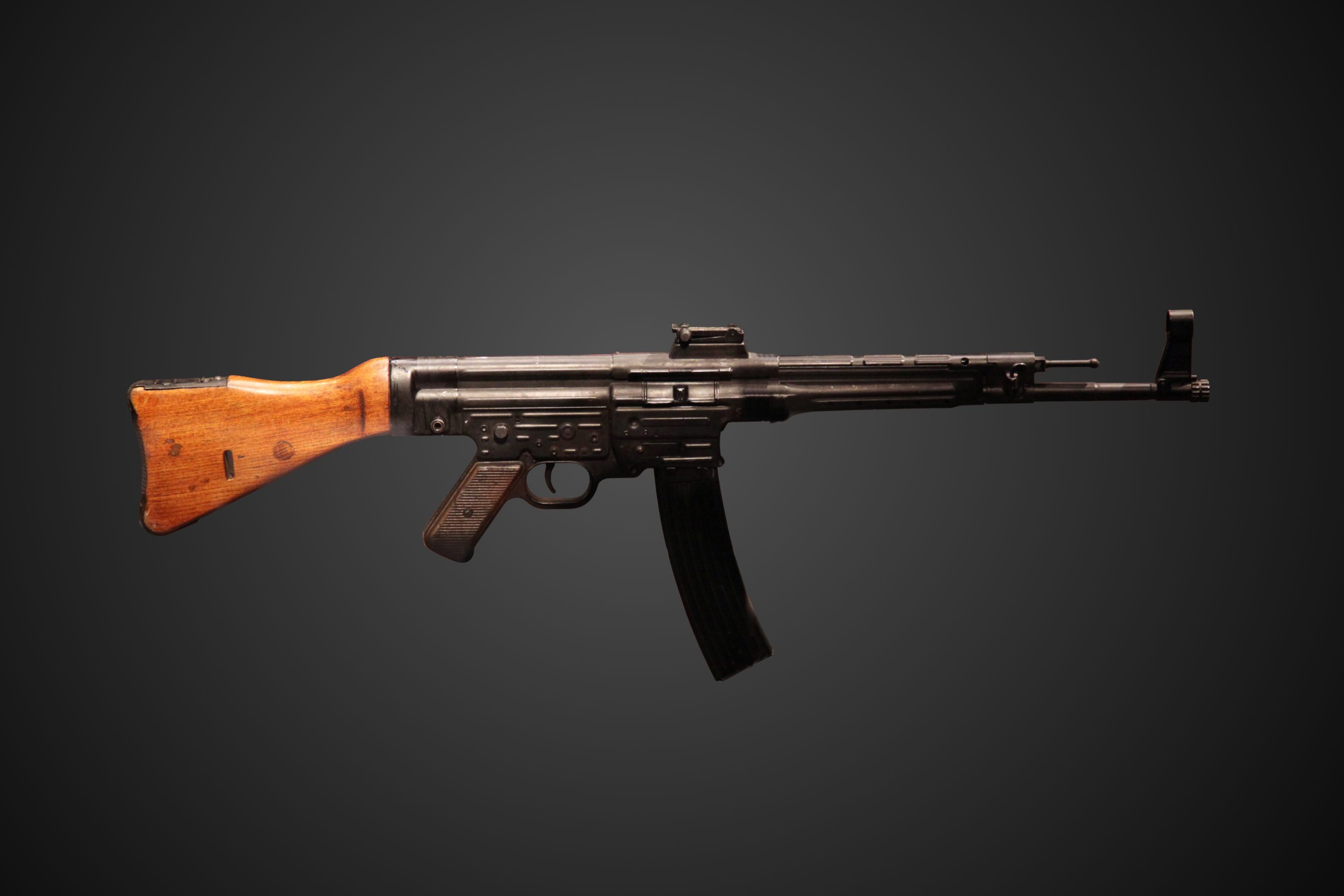
Production figures vary by source and by how related MP43, MP44, and StG 44 variants are counted, but roughly 426,000 weapons of the family were produced by the end of the war. That was a significant achievement under Germany’s increasingly strained industrial conditions, yet it was nowhere near enough to replace every standard infantry rifle. The timing mattered enormously. A weapon can be technologically influential without being available in decisive numbers, and the StG 44 became a classic example of that distinction. Records differ slightly, which explains varying totals.
10. Its Biggest Legacy Was the Assault Rifle Concept
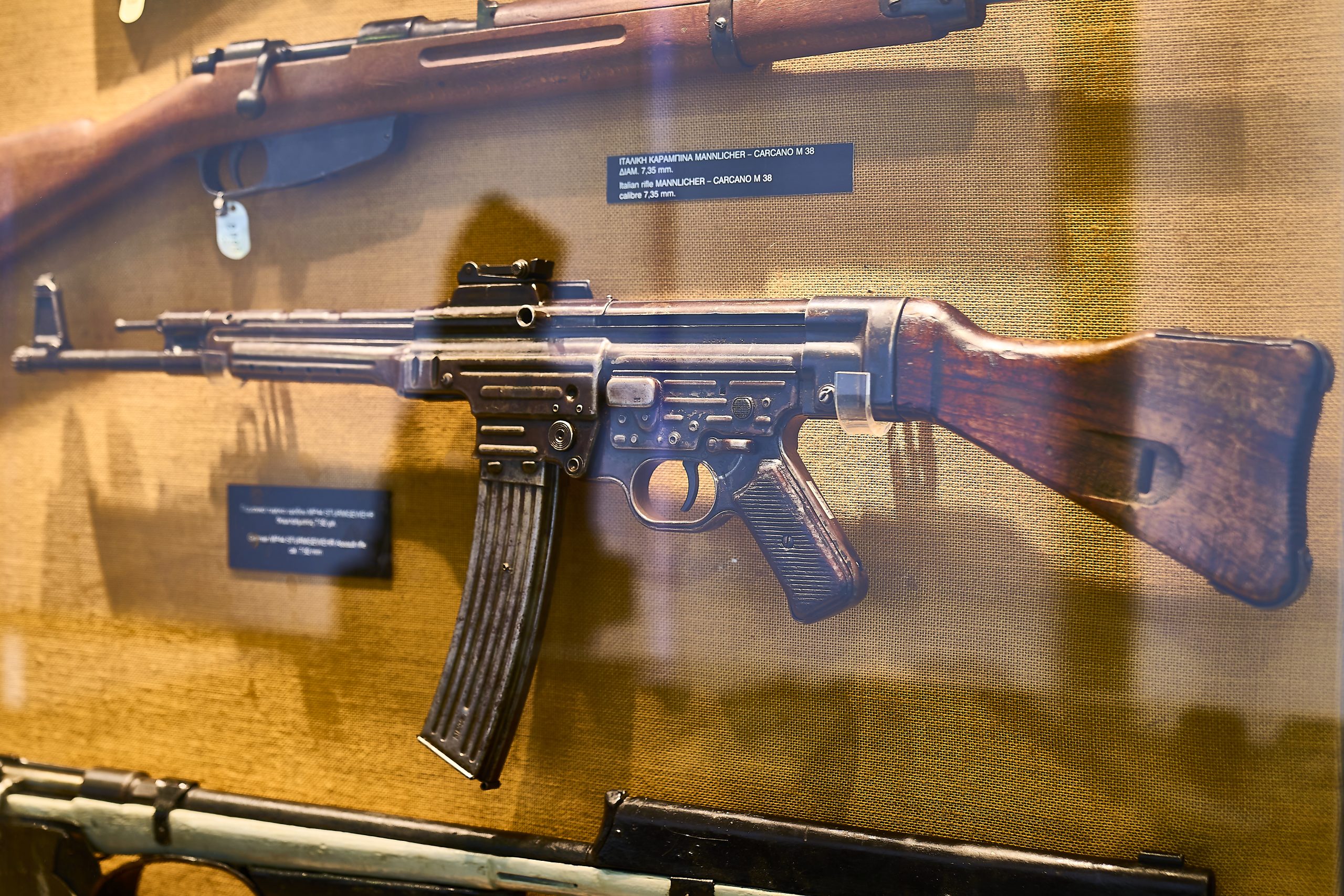
The StG 44’s lasting achievement was conceptual as much as mechanical. It demonstrated that an infantry weapon could combine an intermediate cartridge, detachable high-capacity magazine, shoulder-fired format, and selective fire into one practical package. Postwar designers did not simply copy every detail of the StG 44, but the underlying idea proved enormously influential. Later rifles, including the Soviet AK family, developed their own mechanisms and cartridges while embracing a similar tactical philosophy. That is why the StG 44 remains a landmark in modern small-arms history.