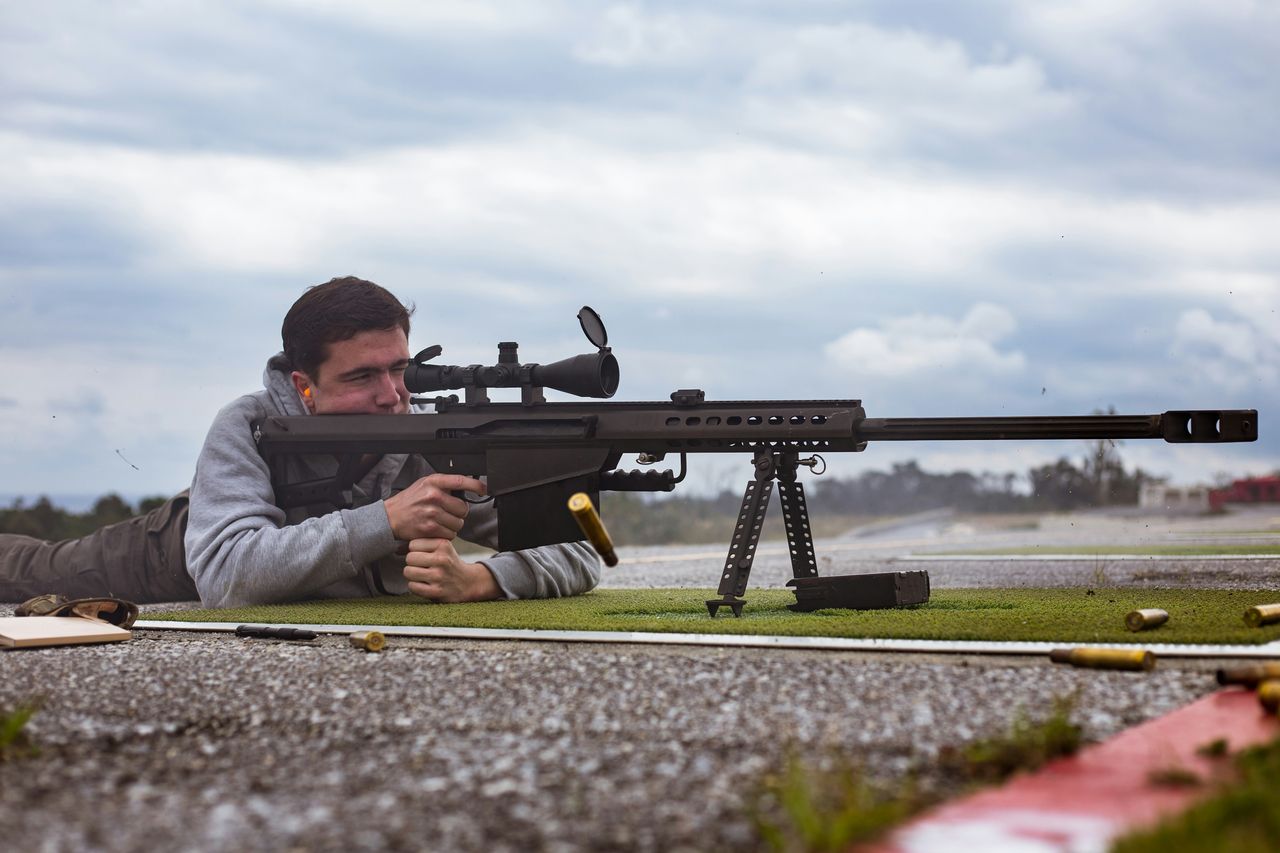
For many competitive long range shooters, the Bergara B14 is more than an entry point into precision rifles. It is a platform that helped refine how they think about consistency, recoil control, match preparation, and real-world accuracy. This gallery looks at 10 specific qualities shooters often point to when they explain why the rifle changed their approach to precision shooting.
Factory Accuracy That Feels Match Ready

One of the biggest things shooters mention is how little compromise they feel right out of the box. The B14 built a reputation for delivering the kind of accuracy many people once assumed required a custom build, expensive smithing, or a long list of upgrades before the first serious range day.
That changes mindset quickly. Instead of spending months chasing baseline performance, shooters say they can focus on wind calls, load development, and positional work almost immediately. In competition, that matters because confidence in the rifle lets attention shift to the shooter, where matches are often really won or lost.
A Barrel Reputation That Builds Trust

Competitive shooters talk about barrels the way drivers talk about engines, and Bergara’s barrel reputation is a major part of the B14 story. Many say the rifle taught them how much confidence comes from a barrel that settles in predictably and keeps producing repeatable groups through meaningful round counts.
That trust changes decision making. Shooters become less tempted to blame every miss on equipment and more willing to diagnose fundamentals, ammunition, or conditions. In practical terms, a rifle that consistently tracks with expectations encourages a more disciplined approach to data gathering, dope verification, and match-day problem solving.
An Action Smooth Enough to Keep the Shooter in the Gun

A smooth bolt action may sound like a luxury to casual observers, but long range competitors often describe it as a performance feature. With the B14, shooters frequently note that cycling the action feels controlled and natural enough to support quicker follow-up shots without breaking position more than necessary.
That affects how they practice. Instead of treating every shot as a reset, they begin thinking in strings, corrections, and target transitions. Staying in the gun longer helps preserve sight picture and spot impacts, which is critical when a second shot needs to be based on what just happened, not on guesswork after lifting out of position.
Recoil Behavior That Encourages Better Shot Observation

Shooters often say the B14 taught them that raw caliber choice is only part of recoil management. Stock geometry, rifle balance, and overall behavior under recoil can make the difference between losing the target and watching the entire shot unfold through the optic.
When a rifle recoils in a predictable, manageable way, competitors can see trace, spot splash, and make immediate corrections. That changes training priorities fast. More focus goes toward body alignment, rear bag pressure, and natural point of aim because shooters realize observation is not a bonus skill. It is one of the central ingredients of precision shooting success.
A Trigger That Rewards Clean Fundamentals

Ask experienced shooters what exposes flaws fastest, and many will mention trigger control. On the B14, competitors often describe the trigger experience as good enough to reveal what their hands are doing, rather than masking errors with excessive weight, creep, or inconsistency.
That leads to a more honest training environment. Shooters begin paying closer attention to prep, break, and follow-through because the rifle gives clear feedback when technique is right and equally clear feedback when it is not. Over time, that can sharpen discipline in a way flashy features cannot, especially for people trying to build repeatable performance under match pressure.
Compatibility With the Precision Rifle Aftermarket

Another point shooters bring up is how the B14 fits into the broader precision rifle ecosystem. Because it works well with many accessories, optics setups, stocks, and chassis options, competitors say it opened the door to purposeful upgrades instead of random spending.
That shift matters financially and strategically. Rather than replacing a rifle entirely when skills improve, shooters can tune the platform around new needs, whether that means balance, ergonomics, or support gear integration. The lesson many take away is that precision shooting gets more productive when equipment changes are intentional and tied to performance goals, not just the excitement of buying something new.
Realistic Entry Into Serious Competition

For plenty of shooters, the B14 changed expectations simply because it made serious precision performance feel accessible. Competitors often say the rifle helped close the intimidating gap between beginner gear and elite custom setups, giving newer shooters a platform they could actually take into meaningful matches.
That accessibility changes behavior. People are more willing to sign up, gather data, and learn under pressure when they believe their equipment can keep up. The result is often faster growth, because the biggest leap in competitive shooting comes from experience. A capable rifle that lowers the barrier to entry can end up accelerating development more than a perfect rifle that arrives too late.
Consistency Across Different Shooting Positions

Bench accuracy is one thing, but competitors care deeply about how a rifle behaves in awkward, improvised positions. Shooters often say the B14 helped them appreciate that practical precision depends on more than tiny groups on paper. It depends on whether a rifle remains manageable when the stage gets uncomfortable.
That realization changes practice routines. More time goes into barricades, rooftop props, tripods, and unsupported kneeling because shooters see how rifle ergonomics and balance influence results outside the benchrest world. In that sense, the B14 often becomes a teacher, showing that consistency is not just a measurement of the rifle. It is a relationship between equipment and position.
A Platform That Makes Data Collection More Meaningful

Long range shooting is full of variables, so a consistent rifle makes every notebook entry more valuable. Shooters say the B14 often helped them understand this clearly because stable performance made muzzle velocity trends, drop data, and environmental notes feel less like rough guesses and more like usable information.
Once that clicks, approach changes in a big way. Competitors start treating every range trip as a chance to build cleaner ballistic data and more reliable corrections. The rifle becomes part of a system rather than a mystery to decode. For many, that is when precision shooting starts to feel less reactive and much more deliberate.
Confidence That Carries Into Better Decisions

In the end, the most important change many shooters describe is confidence, not in a vague sense, but in the practical, match-saving kind. When they trust what the B14 is going to do, they stop second-guessing every hold, every correction, and every cold-bore shot before the timer even starts.
That confidence influences everything from stage planning to mental recovery after a miss. Shooters who believe the rifle will perform are freer to read conditions honestly and make clean decisions. According to many competitive voices, that is the real legacy of a rifle like the B14. It helps turn precision shooting from equipment anxiety into purposeful execution.