In the handgun world, bigger is not always better. Again and again, compact dimensions, lighter frames, slimmer profiles, and simpler designs have won over shooters who wanted a pistol they could actually carry, train with, and trust day after day. These ten handguns stand out as examples of how trimming excess often made the whole package more useful.
Glock 19
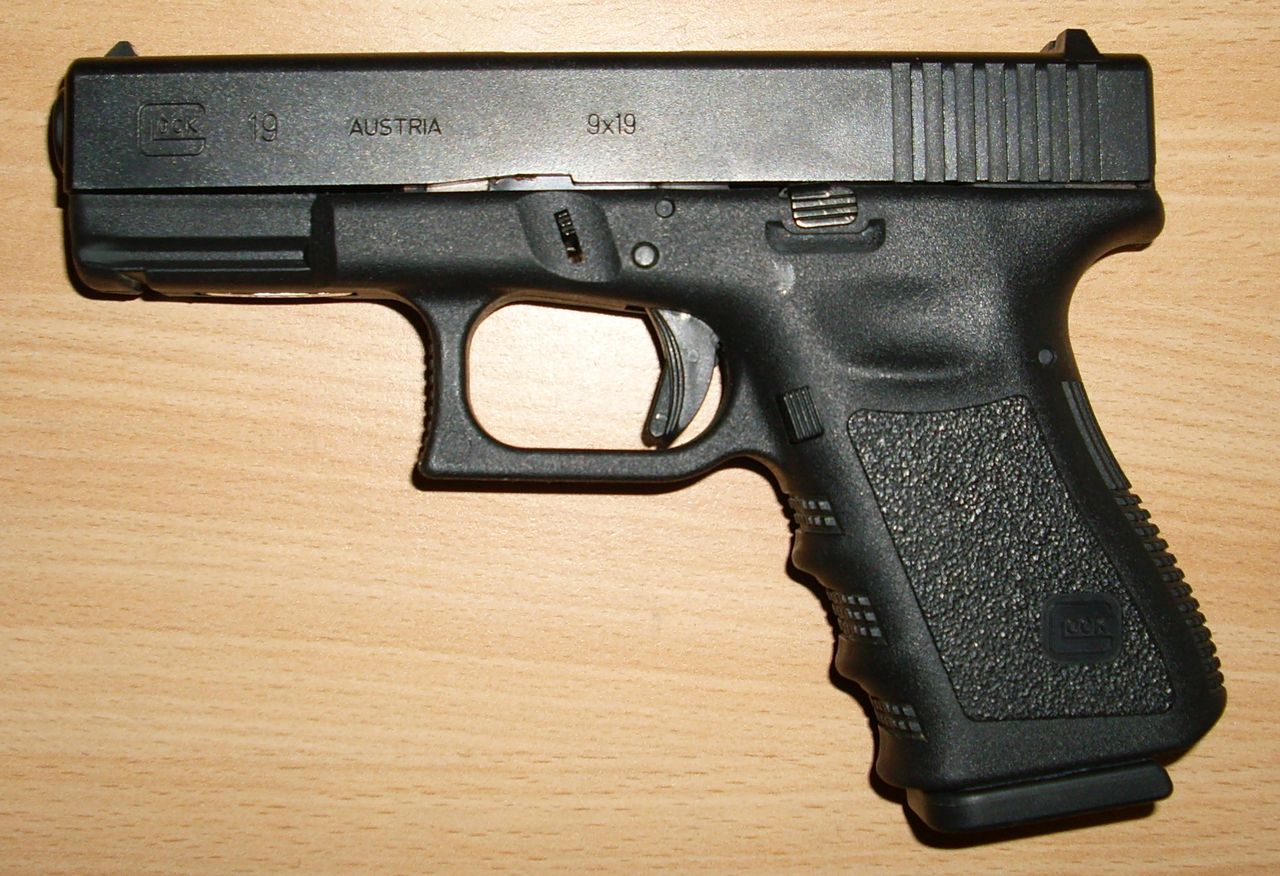
The Glock 19 became the benchmark because it landed in a sweet spot that many full-size pistols missed. It offered enough grip, enough sight radius, and enough magazine capacity without crossing into the kind of bulk that makes daily carry a chore.
That balance is what made less gun feel like more gun. Shooters got a pistol that worked for duty, home defense, range time, and concealed carry, all in one package. Instead of chasing maximum size, the design delivered maximum usefulness, and that practical middle ground is why it remains such a standard bearer.
Smith & Wesson J-Frame
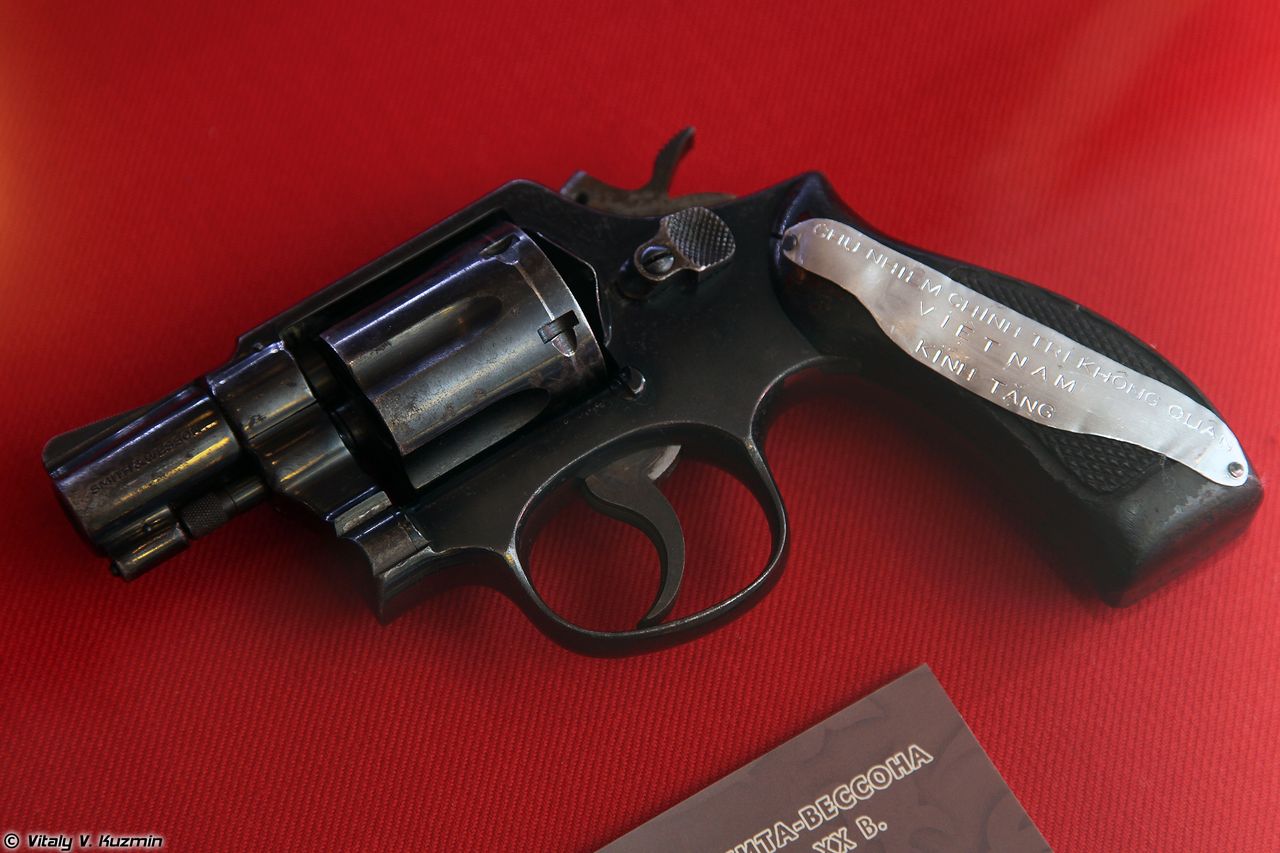
The little J-Frame revolver has never pretended to be a high-capacity fighting pistol, and that honesty is part of its charm. Small, light, and simple, it answered a basic question better than many larger guns: what will people actually keep on them when comfort, clothing, and routine all matter?
Its minimal footprint made pocket carry and discreet carry realistic for generations of owners. The tradeoff was obvious, with limited rounds and stout recoil, but so was the payoff. A handgun that is easy to have with you often beats a bigger one left at home, and the J-Frame built its reputation on that reality.
Walther PPK
The Walther PPK earned cultural fame, but its real achievement was proving that a compact defensive pistol could feel refined instead of compromised. Compared with larger service pistols of its era, it was flatter, easier to conceal, and more practical for discreet personal protection.
That smaller scale helped redefine what a carry handgun could be. It gave up some shootability and capacity, of course, but it offered a sleek, confidence-inspiring package that people could tuck under normal clothing. In that sense, less size created more freedom, and the PPK became an enduring symbol of compact carry with style.
SIG Sauer P365
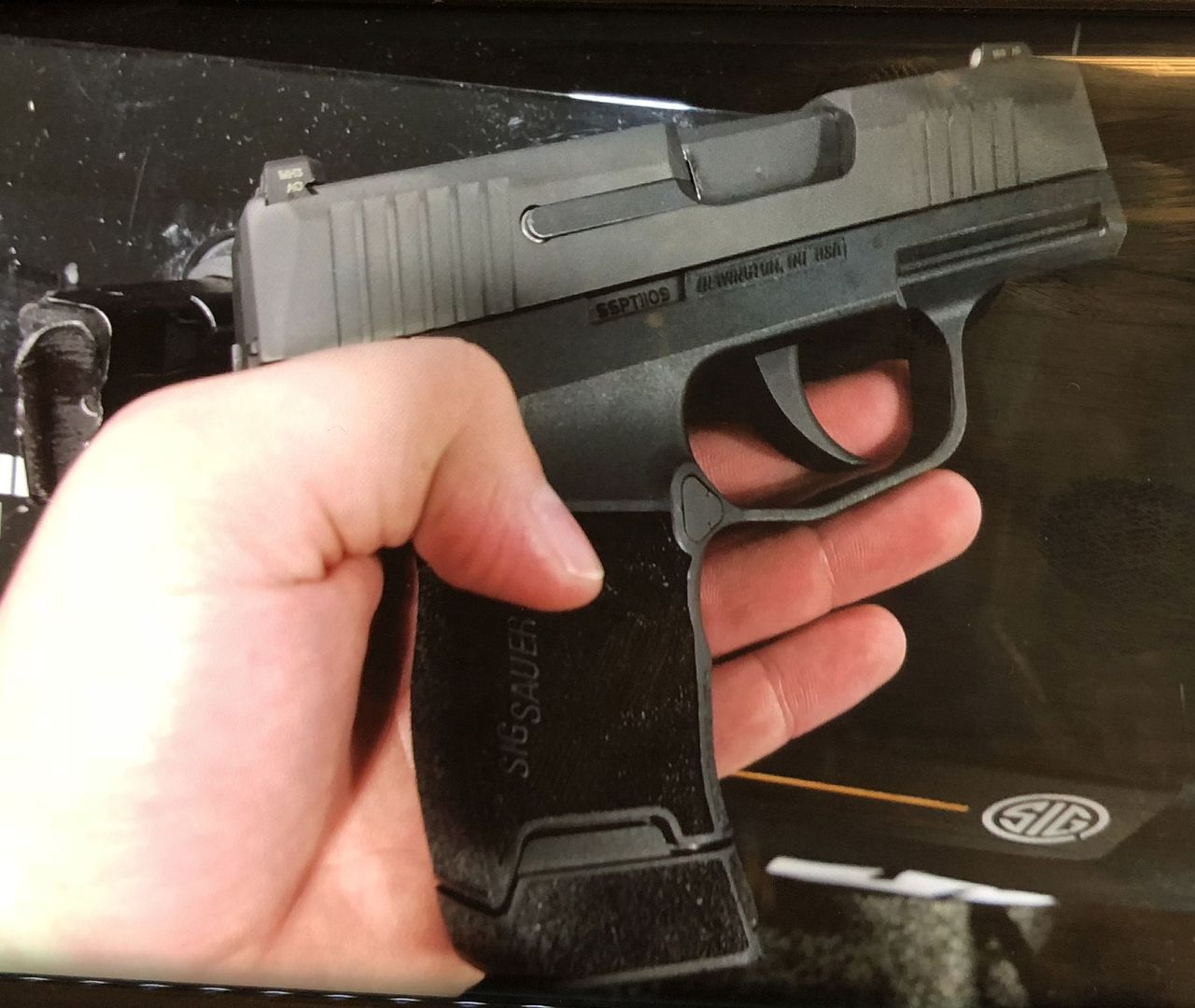
When the SIG Sauer P365 arrived, it shook up expectations by packing serious capacity into a remarkably small frame. For many carriers, it immediately made older single-stack micro 9mms feel outdated, because it delivered more rounds without forcing a meaningful jump in bulk.
What made it such a turning point was how little people had to give up. The pistol stayed slim, easy to hide, and friendly to everyday carry while offering a capability boost that used to require a larger handgun. It captured the modern idea of less gun turning into more by shrinking the package but expanding what owners could reasonably expect from it.
Colt Commander
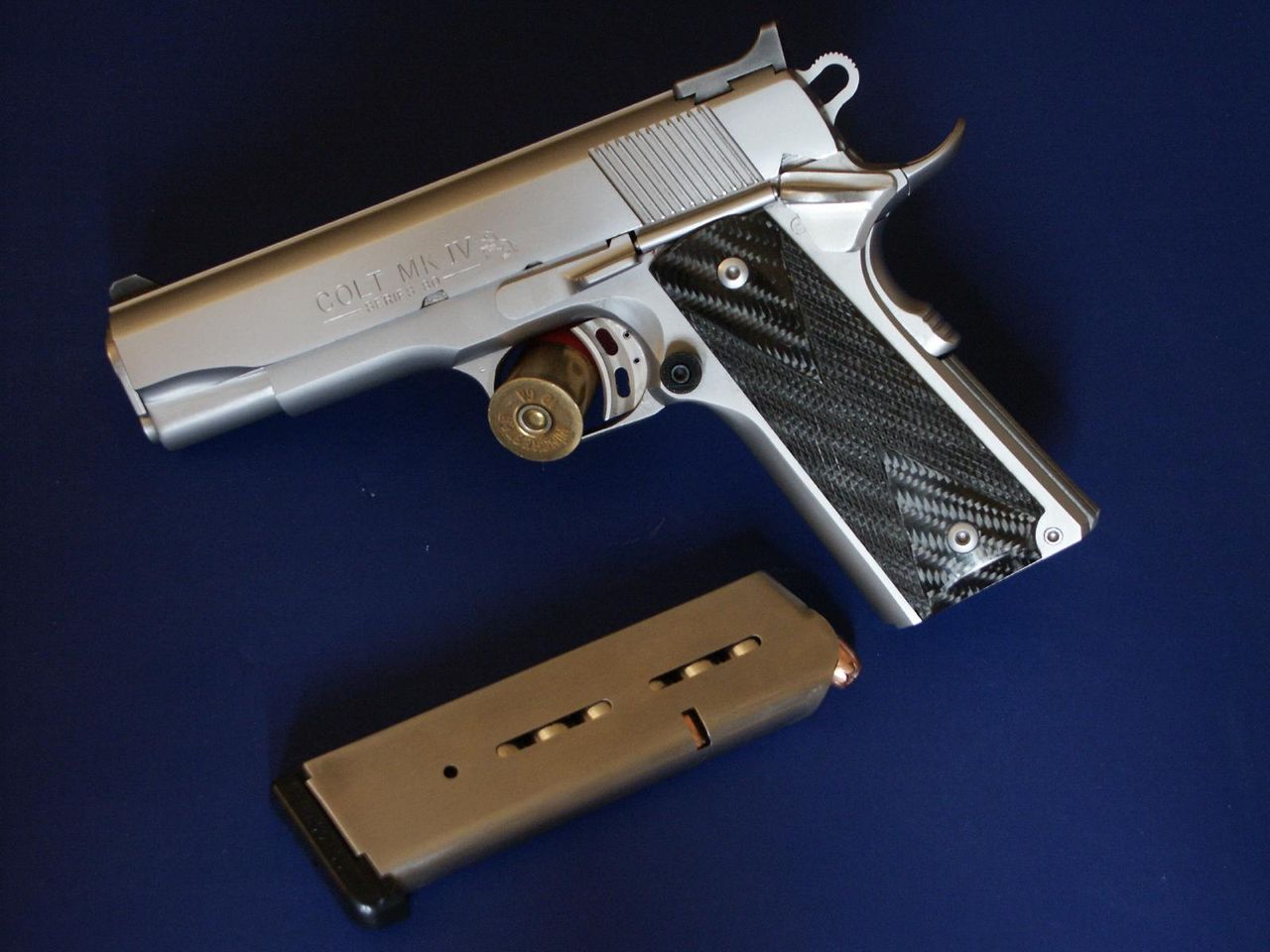
The Colt Commander took the familiar 1911 pattern and trimmed it into something more livable for many shooters. By shortening the slide and often reducing weight with alloy-frame versions, it preserved much of the platform’s feel while making carry and all-day wear less of a commitment.
That formula mattered because it respected what people liked about the full-size gun without insisting on full-size inconvenience. The Commander still handled like a serious pistol, but it asked less of the person carrying it. In practical terms, that meant more use, more portability, and a broader appeal than a heavier Government model could always offer.
Ruger LCP
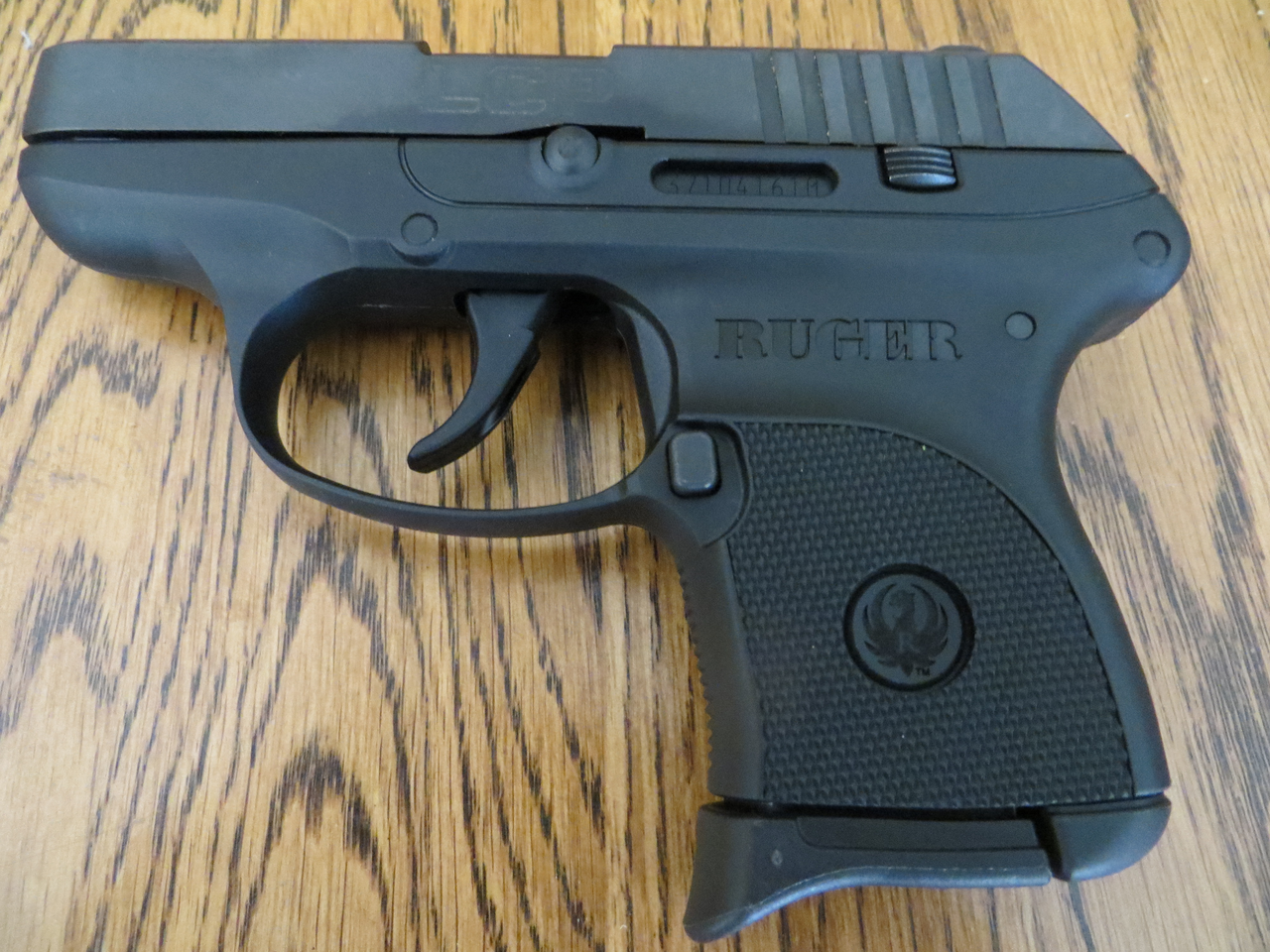
The Ruger LCP did not win hearts by being powerful, soft-shooting, or luxurious. It won by being tiny enough to fit roles that larger handguns simply could not fill, slipping into a pocket, a small holster, or a daily routine with almost no friction.
That level of convenience changed behavior. People who found compact double-stacks too heavy or bulky suddenly had an option they would actually carry consistently. The LCP asked for compromises in caliber, comfort, and shootability, but it returned something many owners valued even more: near effortless portability. In the world of deep concealment, less gun really did become more practical protection.
Browning Hi-Power
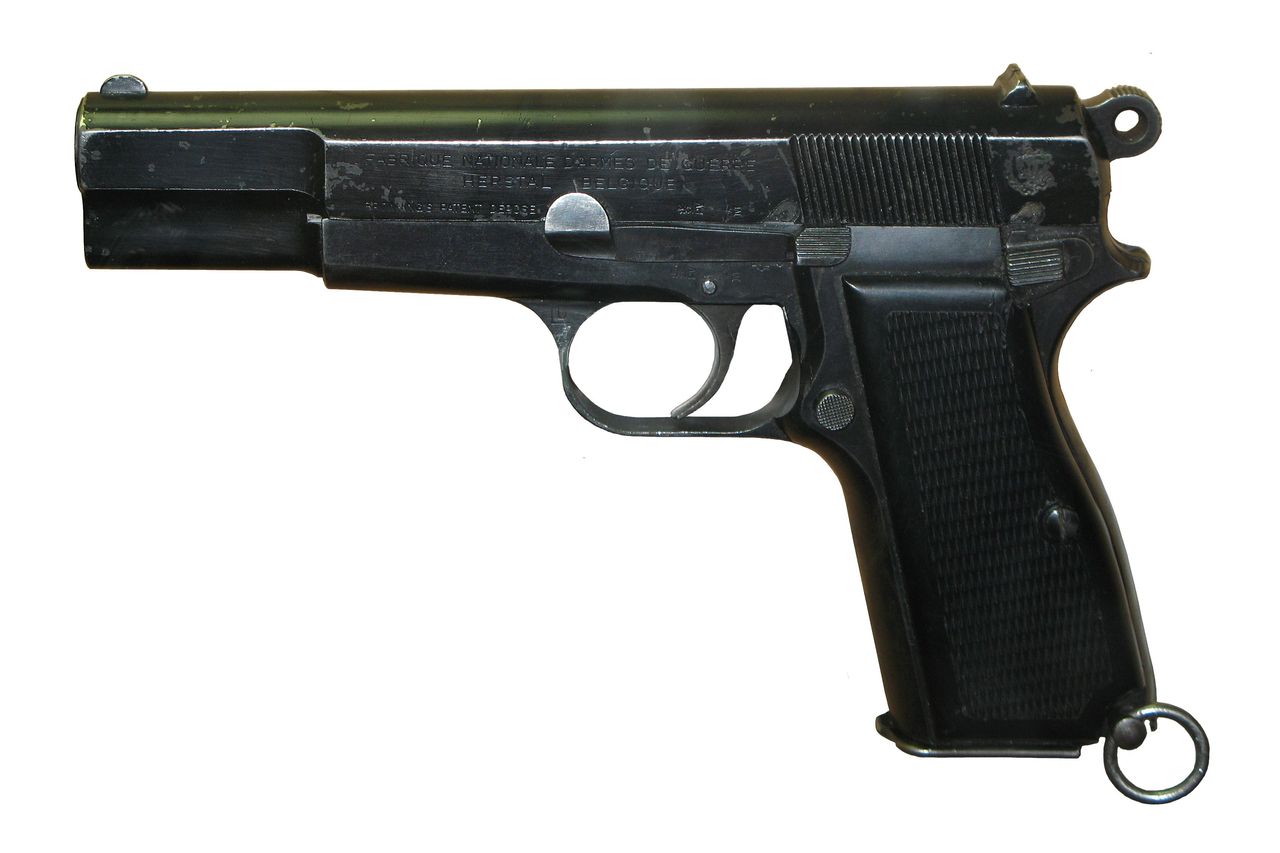
The Browning Hi-Power was not small in an absolute sense, but it showed that elegant proportions can matter as much as raw dimensions. Compared with chunkier service pistols, it offered a slim grip, natural pointing characteristics, and high capacity in a package that felt surprisingly trim in the hand.
That combination gave shooters more confidence with less apparent bulk. The pistol carried flatter than many rivals and delivered a sense of control that helped it earn loyalty around the world. In a market where service handguns could feel oversized and clumsy, the Hi-Power proved that thoughtful design could make a gun feel like more without making it physically bigger.
KelTec P-32
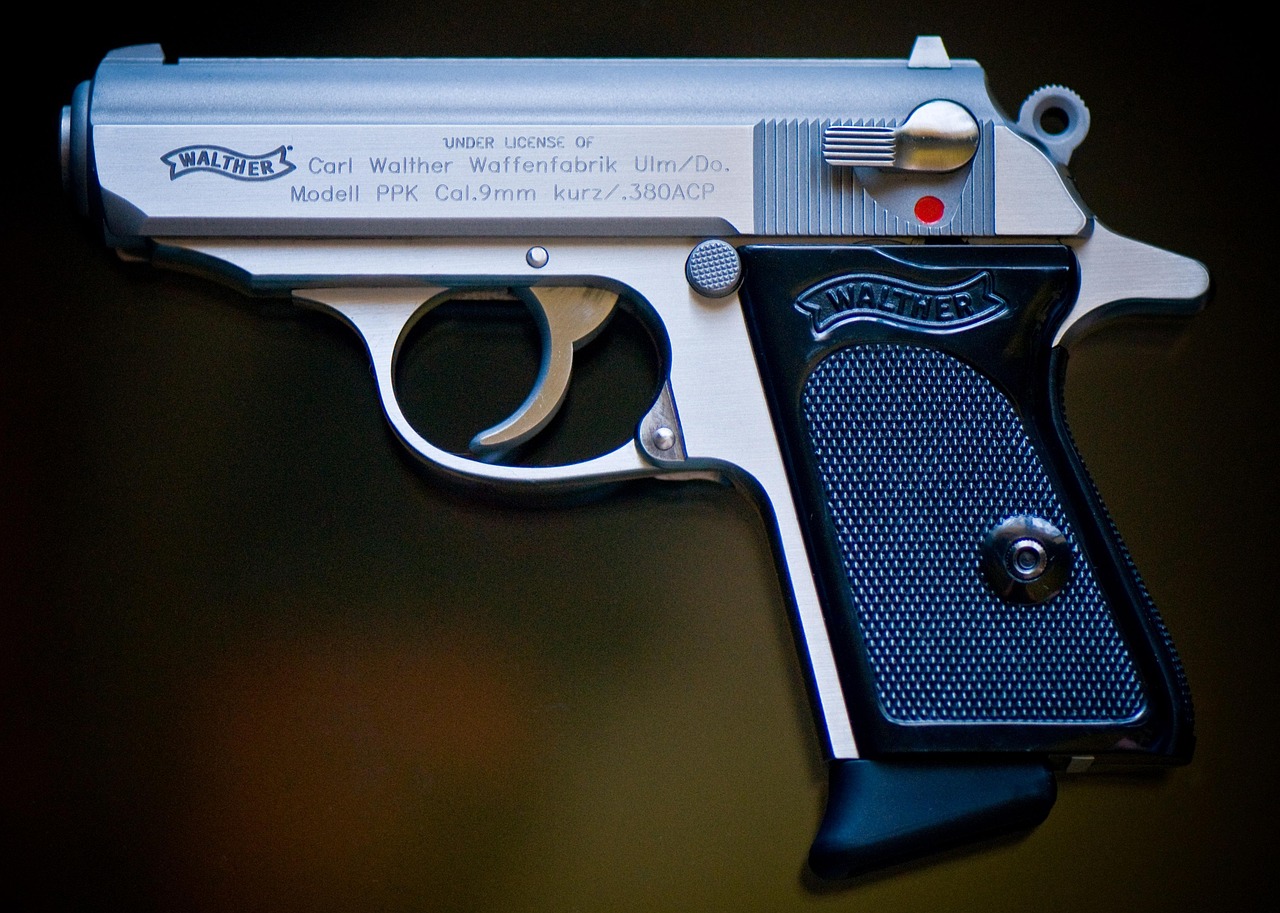
The KelTec P-32 is one of those pistols whose influence can be bigger than its reputation. Light, thin, and exceptionally easy to carry, it leaned hard into the idea that a defensive handgun should be so unobtrusive that owners would have almost no excuse to leave it behind.
It was not glamorous, and nobody confused it with a duty pistol. But by prioritizing minimal weight and minimal size, it opened the door for an entire wave of ultra-compact carry guns. The P-32 made the case that reducing heft and complexity could increase real-world carry frequency, and that simple truth helped reshape expectations for pocket pistols.
Springfield Armory Hellcat
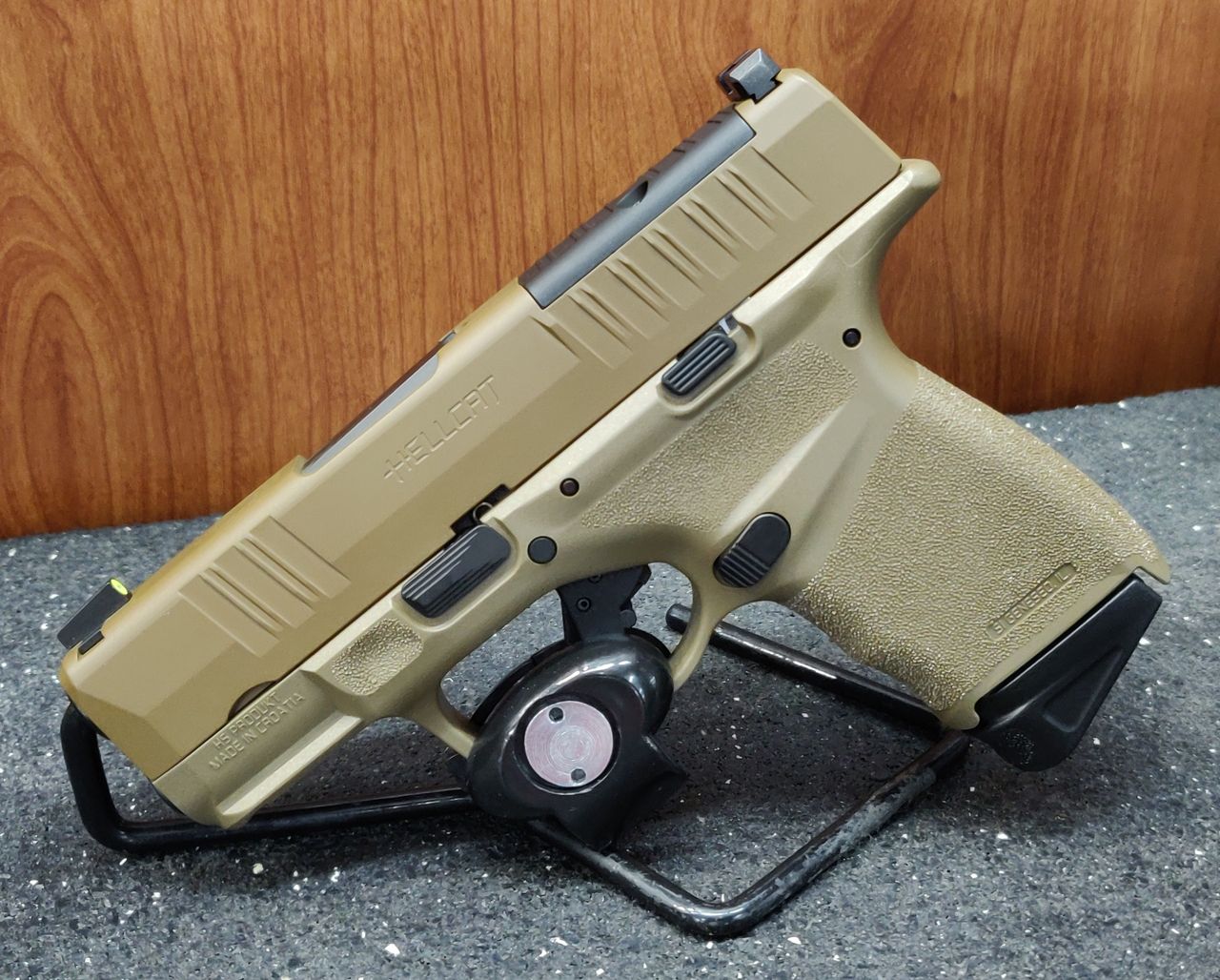
The Springfield Armory Hellcat entered a crowded field, yet it stood out by pushing the same core promise that made modern micro-compacts so appealing. It offered notable capacity and respectable shootability in a footprint that remained easy to conceal under ordinary clothing.
Its appeal was not just about numbers on a spec sheet. The Hellcat represented a broader shift toward guns that ask less from the carrier while still delivering serious defensive capability. Instead of forcing owners to choose between comfort and confidence, it narrowed the gap. That made the pistol feel like an honest example of compact design giving people more where it counts.
Makarov PM
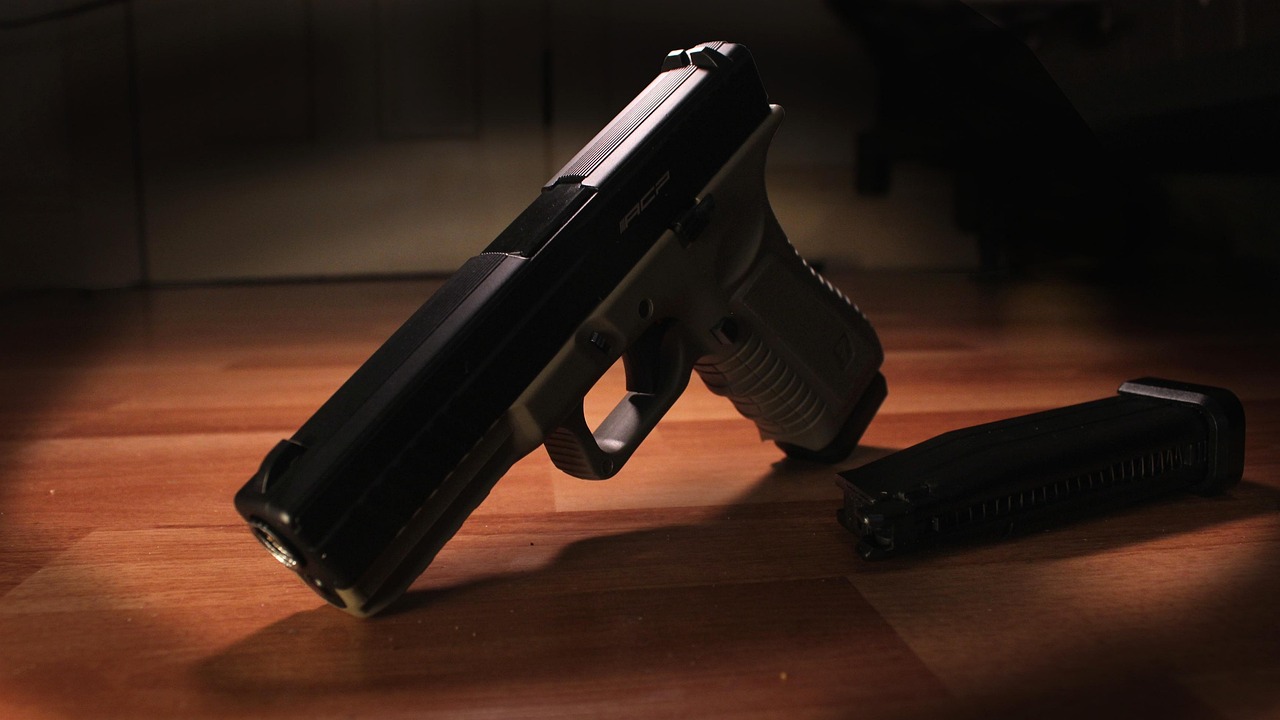
The Makarov PM succeeded through straightforward design rather than flashy innovation. Smaller and simpler than many service pistols, it built a reputation for rugged reliability, easy maintenance, and a practical format that balanced shootability with carry convenience.
There is a lesson in that kind of restraint. The Makarov did not try to be everything at once, and that focus gave it lasting appeal. Its modest dimensions and uncomplicated manual of arms made it approachable and dependable in real use. In a category often tempted by excess, the PM showed how a simpler, leaner pistol can end up feeling like the smarter tool.