Some guns get remembered because they won wars. Others matter just as much because they changed how later guns were built.
French firearms fall into that second category more often than people realize. For all the jokes about odd calibers, tube magazines, and bullpup weirdness, France repeatedly pushed small arms design forward. The result is a long list of weapons that helped shape modern rifles, machine guns, sniper systems, and ammunition, even when somebody else ended up taking the credit.
Chassepot Model 1866
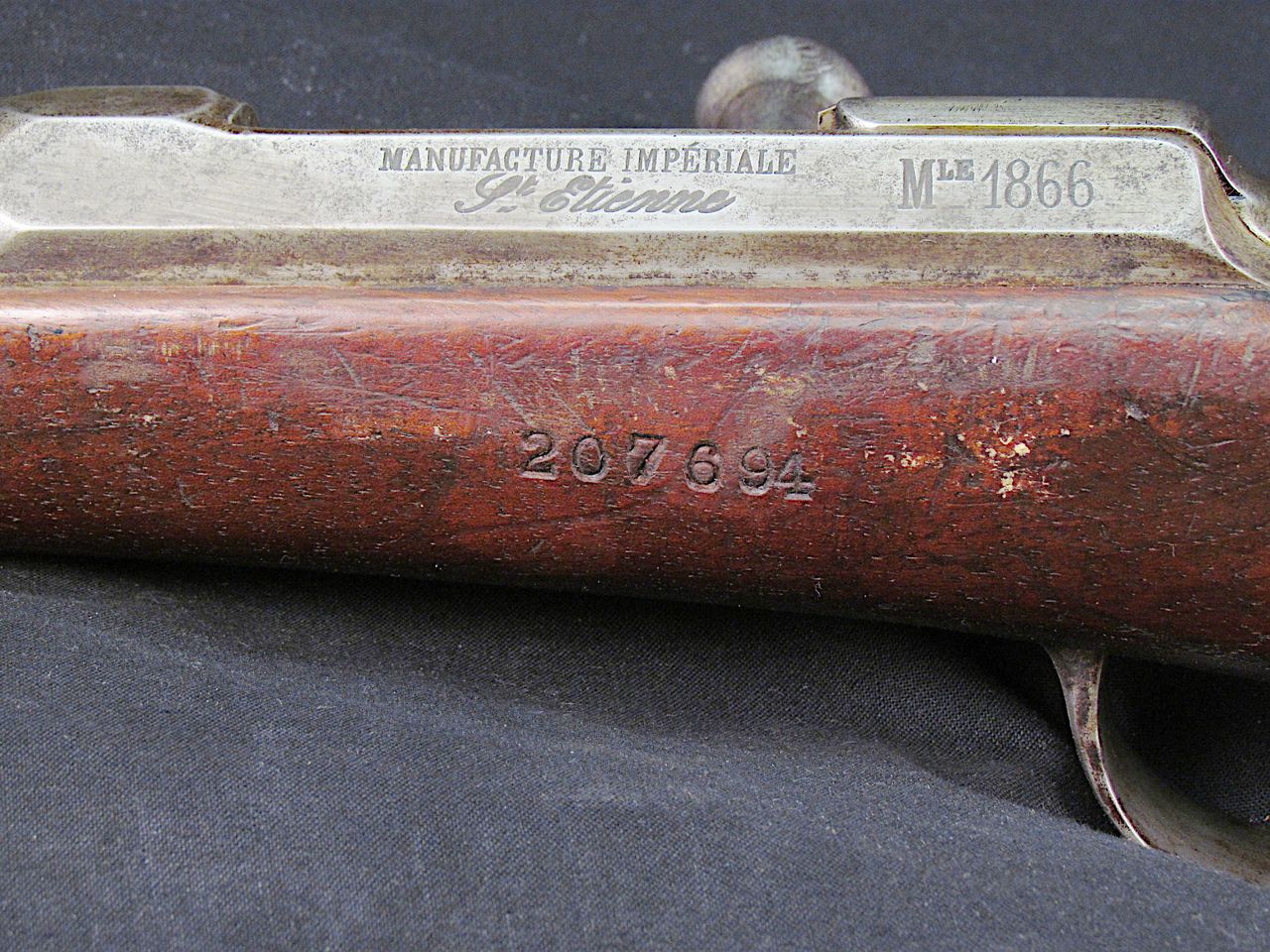
The Chassepot arrived at a moment when military rifles were still figuring out what breechloading should look like. France adopted it in 1866, and it immediately stood out for its bolt action, paper cartridge system, and notably high velocity compared with many rivals of the era. Historians still point out that it outclassed the Prussian Dreyse in range and accuracy, even if France lost the larger war.
What matters today is not that it used a paper cartridge, because that part was a dead end. What mattered was the demonstration that a sealed breech, a small-caliber high velocity mindset, and a hand-operated bolt could give infantry a huge jump in practical combat power. The Chassepot made the case that speed and reach could come from a shoulder arm without turning it into an artillery project.
Its rubber obturator is especially important in hindsight. Gas sealing in breechloaders sounds boring until you remember that poor obturation was one of the biggest engineering headaches in early cartridge arms. The Chassepot helped prove that sealing the chamber efficiently was central to reliable performance, a lesson that carried directly into later metallic cartridge bolt rifles.
The rifle also helped normalize the idea that infantry marksmanship could be built around individual fire rather than dense volley doctrine. That is easy to miss now, but it was a major conceptual bridge between mid-19th century muskets and the fully modern service rifles that followed. In that sense, the Chassepot was less a curiosity than a transition piece that pushed Europe toward the next age.
Lebel Model 1886
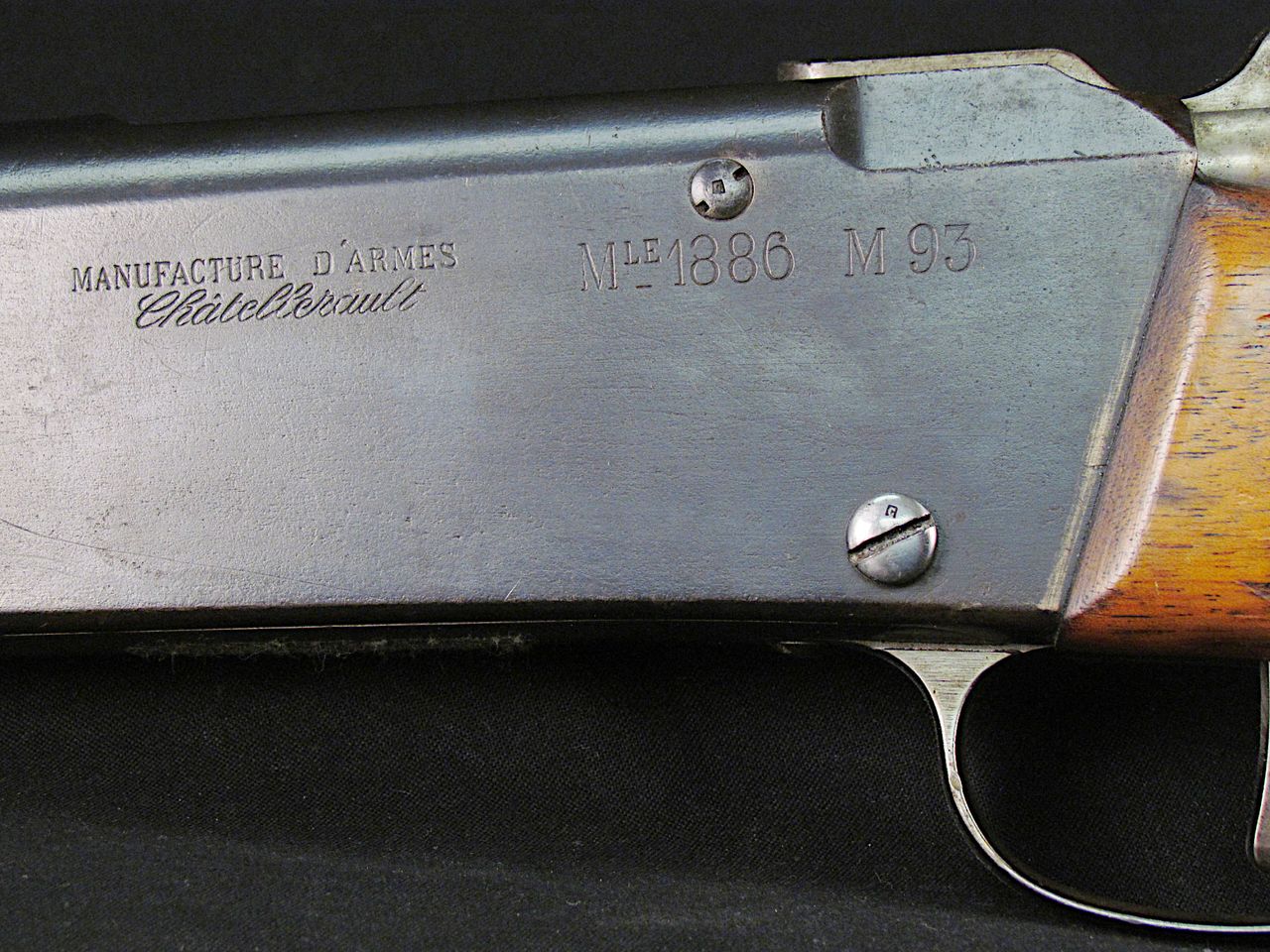
If one French rifle deserves more credit than it gets, it is the Lebel. The design itself was a compromise, especially with its tube magazine, but the cartridge and propellant behind it changed everything. France leapt ahead when Paul Vieille’s smokeless powder made possible a practical small-bore military rifle round, and the Lebel became the first service rifle built around that revolution.
That single step forced every major army to rethink rifle design. Smokeless powder meant flatter trajectories, less fouling, higher velocity, and far less battlefield smoke. Once France showed it could be done, everyone else had to follow. The Mauser, Lee-Enfield, Mannlicher, and Mosin families all belong to a world the Lebel helped create, even if they solved the packaging problem better.
The irony is that the rifle’s awkward magazine often overshadows its true significance. People remember the tube under the barrel and the long overall profile, but the real story is that the Lebel introduced the first successful military marriage of smokeless powder and a small-caliber repeating rifle. That is not just an evolutionary step. It is one of the cleanest dividing lines in firearms history.
Modern rifle design still lives in that shadow. Every contemporary military cartridge owes something to the proof France offered in the late 1880s: lighter, faster bullets paired with cleaner-burning propellant could transform battlefield lethality. The Lebel is remembered as a strange old French rifle, but it should be remembered as the weapon that forced the modern arms race to begin.
Minié System Rifles
Strictly speaking, the Minié story is about a projectile and a firing system more than one single firearm. But that is exactly why it belongs here. Claude-Étienne Minié, building on earlier French work by Henri-Gustave Delvigne and Louis-Étienne de Thouvenin, helped solve the biggest muzzleloading problem of the age: how to load quickly while still benefiting from rifling.
Before that breakthrough, armies faced a painful tradeoff. Smoothbores loaded fast but shot poorly. Rifles shot well but loaded slowly, especially after fouling built up. The expanding-base Minié projectile changed the equation by allowing a slightly undersized bullet to load easily and then grip the rifling when fired. That made mass-issued rifled infantry arms practical.
Its influence on modern gun design is indirect but enormous. The Minié system normalized the idea that bullet shape, obturation, and interaction with the bore were as important as the gun itself. In other words, ammunition engineering became central to small arms performance. That mindset absolutely carries into modern spitzer bullets, jacket design, pressure curves, and terminal ballistics.
The American Civil War made the Minié ball famous, but the deeper lineage is French. What later designers inherited was not just a better bullet. They inherited the concept that ammunition and firearm must be treated as an integrated system. That sounds obvious now. In the 19th century, it was a profound shift, and French ordnance officers were among the people who pushed it into reality.
Fusil Gras Model 1874
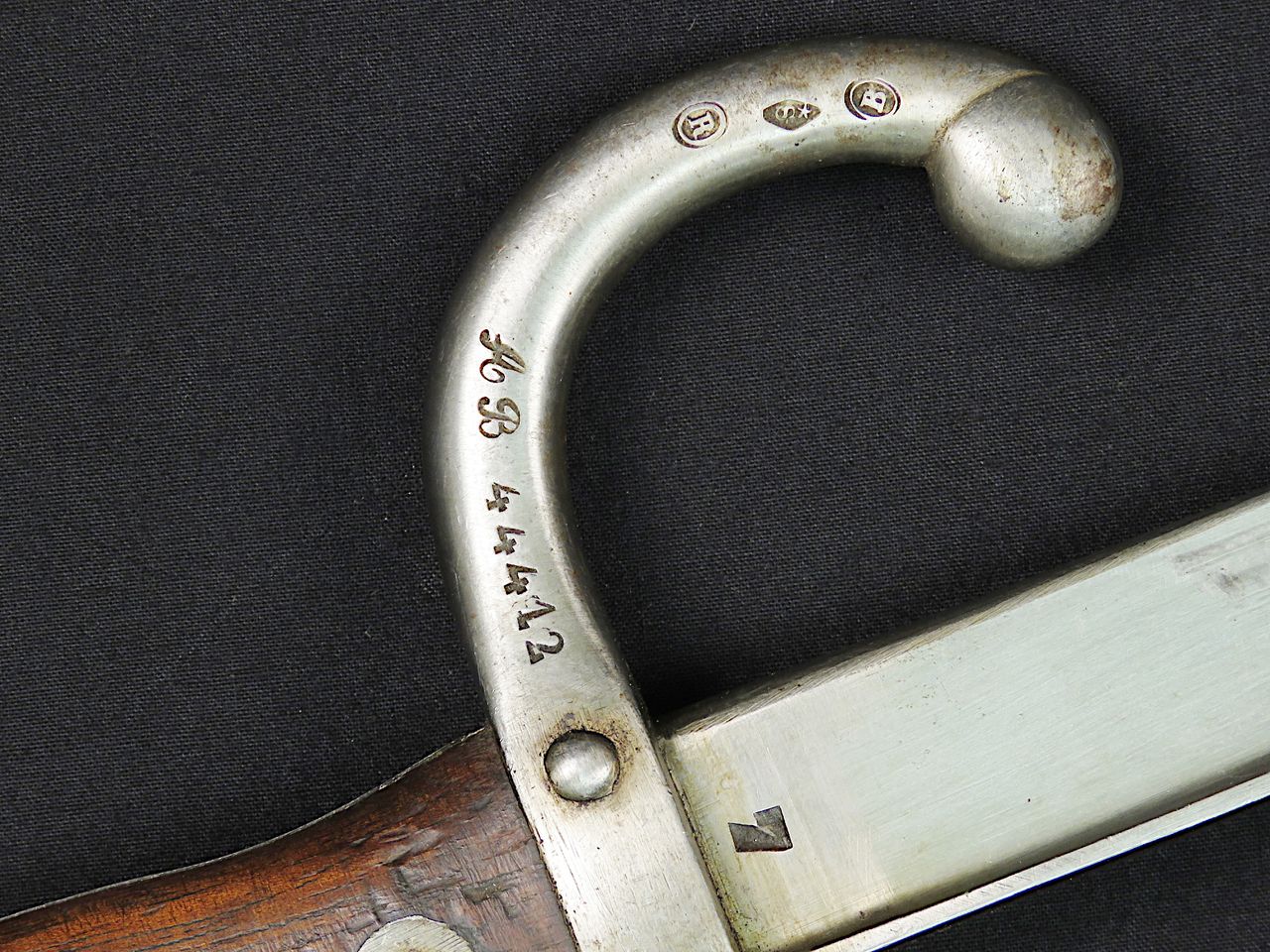
The Gras rarely gets celebrated because it sits between two flashier rifles, the Chassepot before it and the Lebel after it. But transitional guns are often the ones where modern habits become permanent. The Gras took lessons from the Chassepot and converted them into a metallic cartridge bolt-action service rifle, giving France a more durable and logistically practical infantry arm.
That transition matters because metallic cartridges solved several issues at once. They improved waterproofing, simplified handling, strengthened ignition reliability, and reduced maintenance headaches tied to paper systems. The Gras was part of the broader late-19th century move toward robust cartridge-fed bolt rifles, but France deserves credit for making that leap quickly instead of clinging to older technology.
From a design perspective, the Gras helped reinforce what a standard military bolt rifle should be: stout action, straightforward manual of arms, and ammunition contained in a self-sealing cartridge. Those features sound basic now because they became basic. At the time, they represented the hard-earned result of decades of experimentation across Europe.
Its quieter influence is that it proved France could translate bold innovation into practical service hardware. The Chassepot had shown what was possible. The Gras showed what could be manufactured, supplied, and maintained at scale. That balance between innovation and army-proof ruggedness is the same balancing act every successful service rifle designer still faces today.
Chauchat Mle 1915
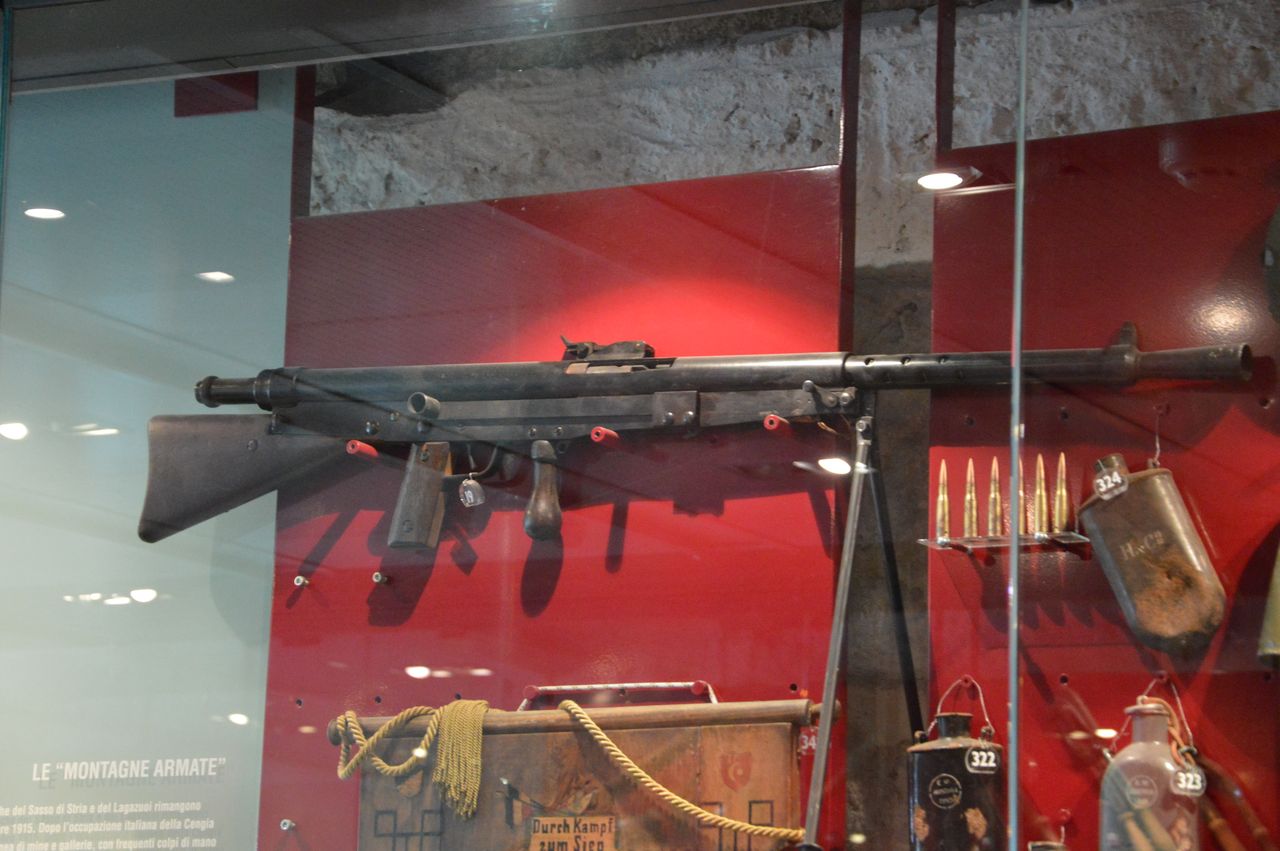
The Chauchat has become a punchline, which is unfair and a little lazy. Yes, it had real problems, especially in dirty trench conditions and especially in the badly adapted American .30-06 version. But the original French 8 mm Lebel model filled a role that armies were only beginning to understand: portable automatic fire carried by advancing infantry rather than anchored in a heavy machine-gun team.
That idea is the real legacy. The Chauchat was among the first mass-issued light automatic weapons built to move with riflemen, and that concept helped point directly toward the squad automatic weapon and automatic rifle roles that dominate infantry doctrine now. According to U.S. Army historical material, American forces used Chauchats in World War I before Browning automatics fully replaced them in service.
Its layout also deserves more respect than it usually gets. A shoulder-fired automatic weapon with a bipod, detachable magazine, and a doctrine built around walking fire may not sound modern in every detail, but it pushed armies to think about organic firepower at the squad level. That was a major departure from the older model of static machine-gun support.
In other words, the Chauchat matters less as a masterpiece of reliability than as a battlefield concept that stuck. Modern light machine guns and automatic rifles are better in every way, but they live in a world where France had already demonstrated the tactical value of a man-portable automatic weapon marching with the infantry line instead of lagging behind it.
MAS-36
The MAS-36 is often introduced as a stubbornly old-fashioned bolt rifle adopted on the eve of World War II, and that misses the point. It was intentionally simple, rugged, and fast to train on, but it also carried features that feel surprisingly modern. Among the most notable was its rear aperture sight, a layout that gave ordinary soldiers a cleaner and more instinctive sight picture than many older open-notch systems.
That matters because peep sights became one of the most practical improvements ever put on fighting rifles. The MAS-36 showed that a service rifle could prioritize rapid alignment and realistic field shooting instead of treating sights like precision instruments for parade-ground doctrine. Later military rifles in several countries embraced similar thinking, because it works.
The rifle’s compactness also deserves notice. France wanted a handier infantry weapon suited to modern movement rather than the long pikes of the previous era. Even the permanently stored cruciform bayonet, while distinctly French, reflected an effort to integrate equipment into the rifle rather than treat accessories as separate burdens. That kind of systems thinking would only grow more common later.
No, the MAS-36 did not redefine bolt-action mechanics. What it did influence was the philosophy of practical military ergonomics. Strong protective front sight ears, a simple receiver, intuitive handling, and useful battle sights are the kinds of features that later designers across the world adopted almost by instinct. The rifle looks plain, but plain done right often has the longest afterlife.
MAS-49 and MAS-49/56
France was ahead of the curve in believing a standard-issue semiautomatic rifle could be reliable enough for ordinary infantry service. The MAS-49 and later MAS-49/56 proved the point with a direct impingement gas system, detachable magazine, and a reputation for sturdiness in real military use. Long before modern shooters argued over gas systems, the French had already made one work in a full-power service rifle.
The key influence here is not that the French invented self-loading rifles. It is that they fielded a mature, practical semiauto battle rifle that emphasized controllability, reliability, and manageable maintenance over unnecessary complexity. The MAS-49/56 in particular packaged that capability into a shorter, handier format better suited to postwar mobile warfare.
Its optics provisions also deserve attention. French rifles of this family were built with serious thought toward grenade launching and scoped marksman use, which reflected a broader trend toward multipurpose infantry weapons. Rather than being one-dimensional rifles, they were platforms expected to do more than simply fire ball ammunition from iron sights.
That idea now feels normal. Modern service rifles are routinely judged by how well they accept optics, accessories, suppressors, and alternate roles. France was not alone in moving that direction, but the MAS-49 family quietly anticipated the platform mindset. It stands as one of those underappreciated bridges between old battle rifles and the modular fighting arms that define the present.
FR-F1
When people discuss sniper rifle evolution, they usually jump to British, German, Soviet, or American examples. The French FR-F1 deserves a seat at that table. Introduced during the Cold War, it combined a free-floating barrel, dedicated optics mounting, ergonomic stock shaping, and a purpose-built sniper identity rather than merely being a selected standard rifle with a scope attached.
That distinction matters. A true sniper system is designed around precision from the beginning, not adapted as an afterthought. The FR-F1 reflected that approach with features such as a cheekpiece, specialized furniture, and a barrel arrangement intended to preserve consistency. Those choices are now standard expectations in precision rifles, both military and civilian.
It also helped advance the idea that shooter interface matters just as much as raw mechanical accuracy. A rifle can have an excellent barrel, but if eye alignment, stock fit, and optic integration are poor, practical accuracy suffers. The French clearly understood that a precision rifle must support the shooter as a system, not just the cartridge.
Modern chassis rifles, designated marksman rifles, and police precision guns all reflect that same philosophy. The FR-F1 did not become a global celebrity, but it represented the kind of integrated sniper design that later became mainstream. In a field where many early sniper arms were improvised, the French took a more holistic route and deserve more credit for it.
AA-52
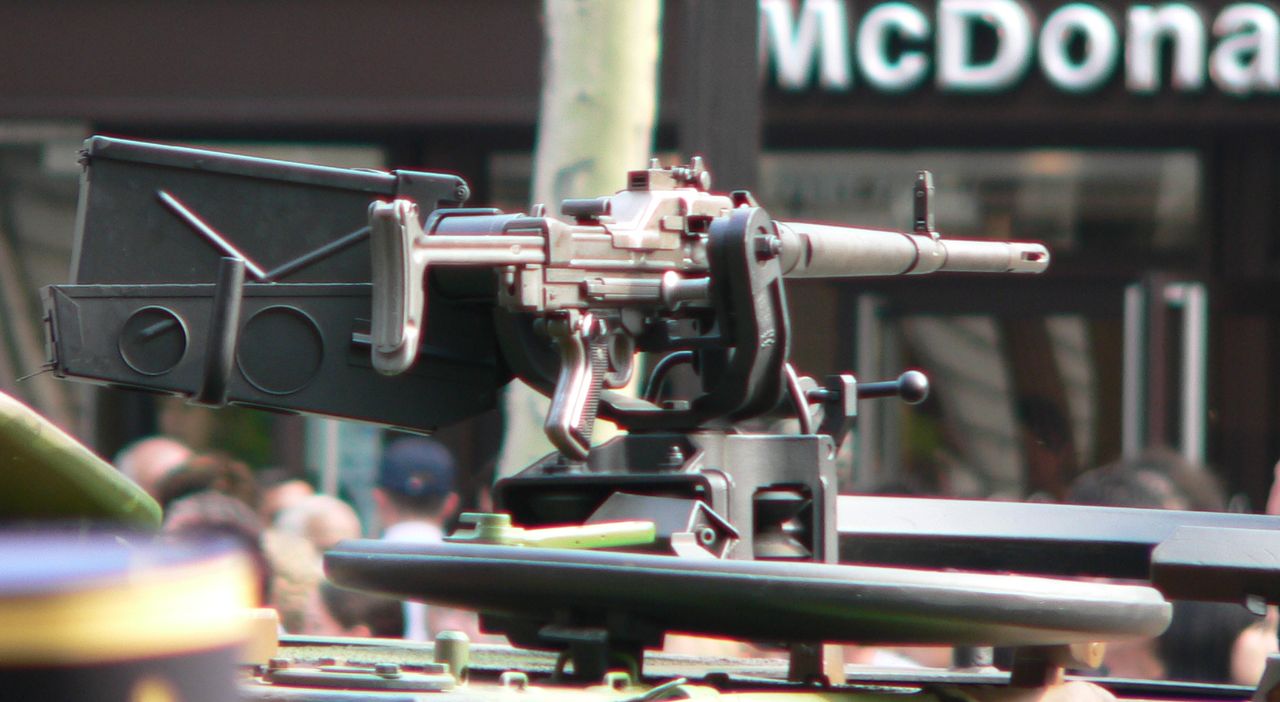
The AA-52 is one of those guns that almost nobody outside serious small-arms circles talks about, which is a shame because its concept was very modern. Adopted in 1952, it was built as a universal machine gun that could serve from a bipod in the light role or from a tripod in a sustained-fire role. That flexible general-purpose machine gun idea became one of the dominant postwar patterns.
France was hardly the only nation exploring that route, but the AA-52 showed a clear understanding that armies wanted one adaptable machine gun family rather than a jumble of unrelated light, medium, and vehicle guns. According to Small Arms Review, the design emerged from postwar French efforts to rationalize an extremely mixed weapons inventory.
Its quick-change barrel and role flexibility are the real takeaways. Those features are now so common in belt-fed military weapons that they can seem inevitable. They were not inevitable. Designers had to learn, often the hard way, that sustained automatic fire demands heat management, modular support options, and logistics streamlined around one core weapon.
The AA-52 never became a worldwide icon like the MAG or MG3, but it belongs in the same conversation about postwar machine-gun logic. It reinforced the general-purpose model that still shapes infantry firepower today. Quietly, and with very little glamour, it helped normalize the machine gun as a scalable platform instead of a single fixed-role weapon.
FAMAS
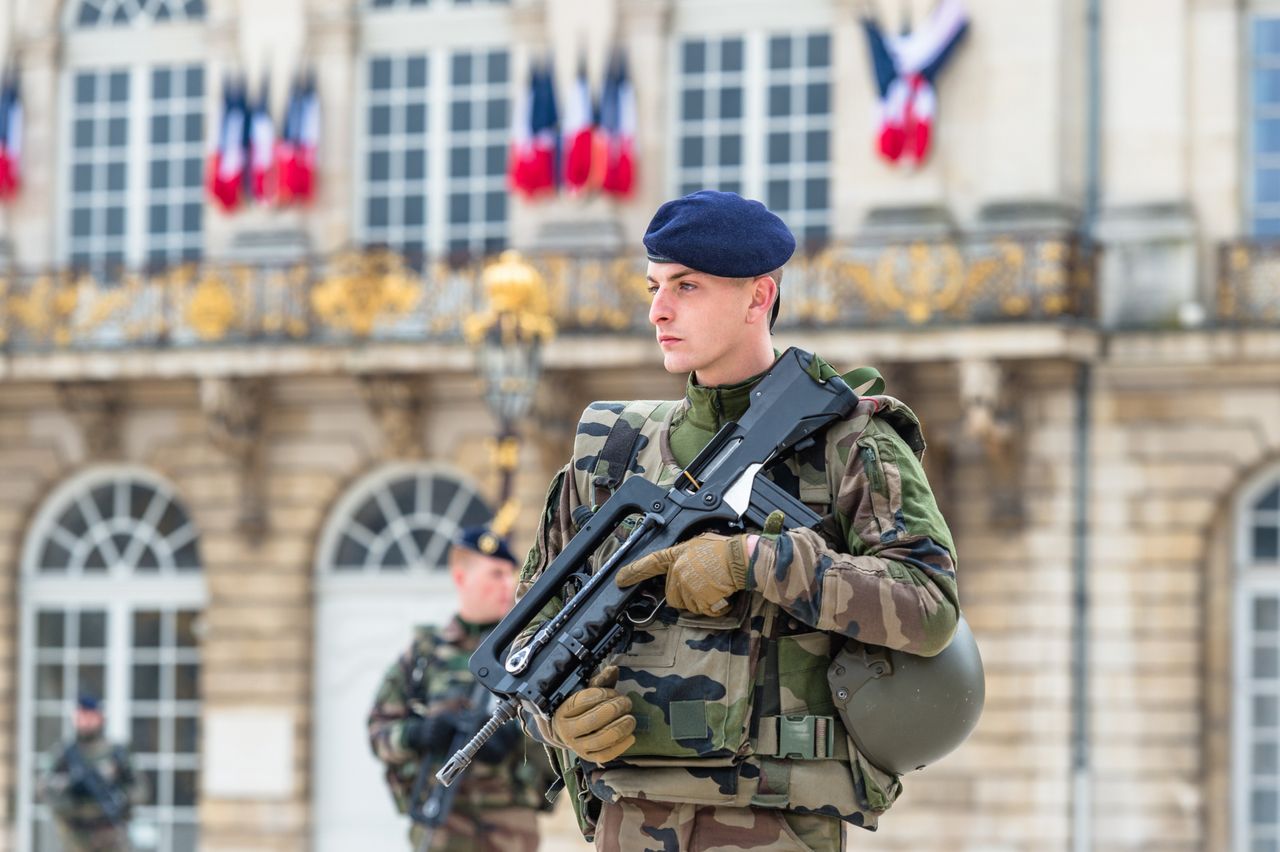
The FAMAS is usually remembered for two things: its sci-fi silhouette and its very French habit of doing things differently. But beneath the styling was a serious service rifle that pushed several modern ideas into wider visibility. It adopted the bullpup layout to keep a full-length barrel in a compact package, exactly the tradeoff many modern militaries still find attractive for mechanized and urban operations.
Bullpups existed before the FAMAS, of course, and its delayed-blowback system drew on earlier engineering rather than inventing a new operating principle from scratch. Still, the FAMAS became one of the most recognizable successful military bullpups ever issued in large-scale service. That visibility matters because designs that enter actual doctrine influence procurement thinking far more than obscure prototypes do.
The rifle also highlighted ambidexterity concerns long before they became a standard procurement talking point. Its reversible extractor and dual ejection-port concept showed real effort to accommodate left- and right-handed use in a compact rifle. That kind of human-factors thinking is now central to modern service weapon design.
More broadly, the FAMAS helped legitimize the compact service rifle as a serious front-line weapon rather than a compromise carbine. In that sense, its influence extends beyond France. Every current debate about overall length, suppressor handling, vehicle work, and maintaining ballistic performance in tight spaces echoes the same design problem the FAMAS tackled decades ago.