Wildlife laws can reach well beyond the animals a hunter intends to pursue. In the United States, the Endangered Species Act (ESA) creates federal protections that can overlap with hunting, fishing, habitat work, public-land access, and other outdoor activities. The rules differ depending on whether a species is endangered or threatened, whether a 4(d) rule applies, and whether federal or non-federal activity is involved. Understanding these 10 points can help hunters recognize where state hunting regulations and federal species protections intersect.
1. Section 9 Take Prohibitions
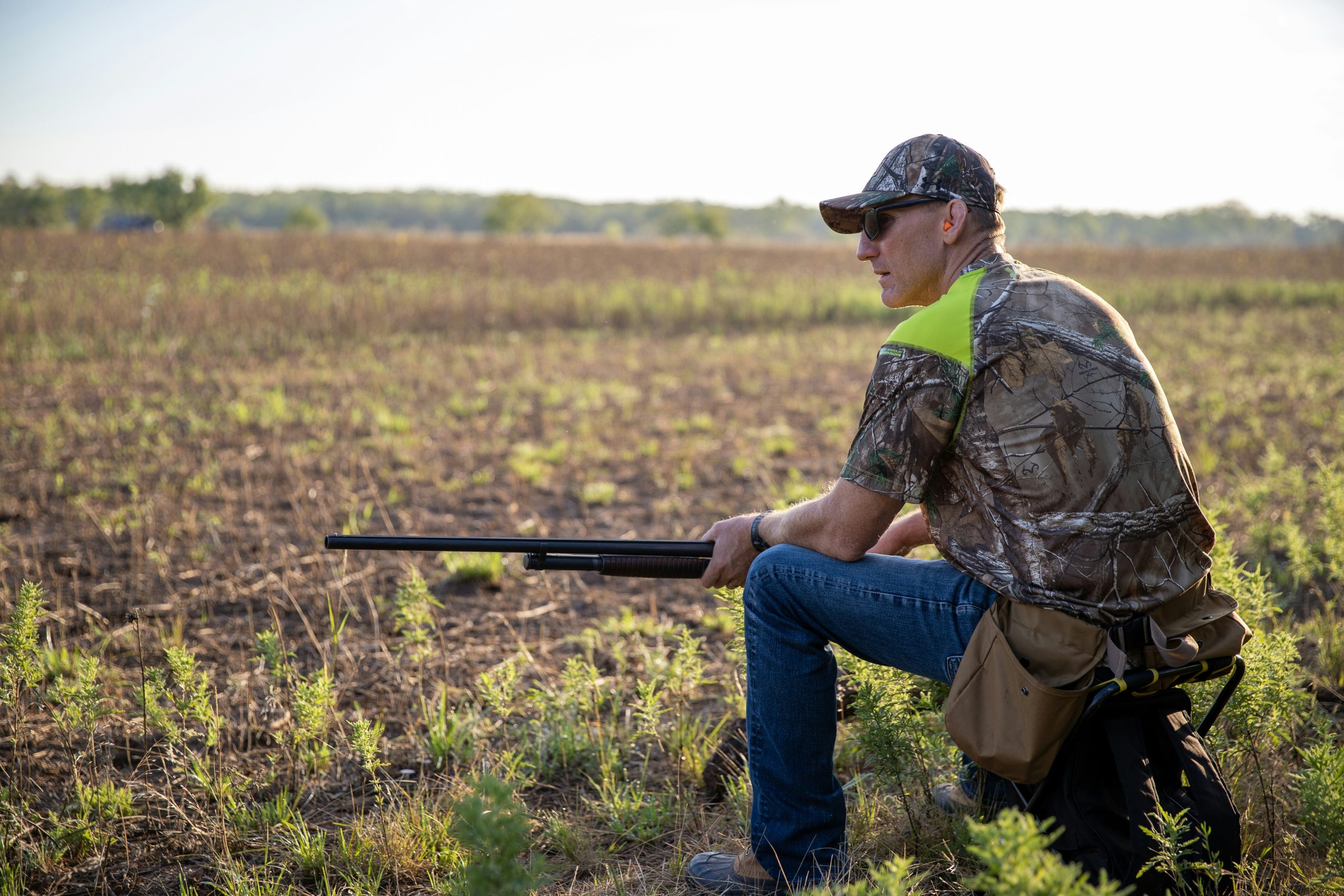
The Endangered Species Act can affect hunters through its definition of “take,” which is broader than simply killing an animal. For federally listed endangered wildlife, Section 9 can prohibit hunting, shooting, trapping, capturing, pursuing, wounding, killing, or attempting those acts. That matters when a protected species overlaps a familiar hunting area. A hunter who legally pursues deer, waterfowl, or other game under state rules must still avoid federally protected wildlife. The ESA has applied since 1973, making federal protection a separate layer of wildlife law.
2. Threatened Species and 4(d) Rules

Threatened species do not automatically receive every Section 9 prohibition that applies to endangered species. Instead, Section 4(d) allows the U.S. Fish and Wildlife Service to create species-specific rules describing which activities are restricted, allowed, or exempt. For hunters, that means the exact 4(d) rule can matter as much as the species’ listing status. One threatened animal may have broader protections, while another may have exceptions for certain activities. Always check the current federal rule and state season regulations before hunting, especially where ranges overlap.
3. Critical Habitat Can Change Access
Critical habitat is not the same thing as a wildlife refuge or a closed hunting area, but it can affect land management and recreation. When federal actions may affect listed species or designated critical habitat, Section 7 consultation can be required. That can influence roads, trails, timber work, grazing, water projects, and other activities around hunting areas. A designation therefore does not automatically ban hunting, yet it can shape how habitat is managed. Section 7 applies to federal actions, while Section 10 covers many non-federal activities. Both can affect access.
4. Incidental Take Permits
Some otherwise lawful activities can unintentionally result in the take of listed wildlife. Section 10(a)(1)(B) provides a permitting route for certain non-federal activities when an approved conservation plan is in place. The plan must address expected impacts, minimization and mitigation measures, funding, and alternatives. This is more relevant to landowners, developers, and large projects than an ordinary hunter, but it can influence private hunting land. The key number is Section 10, while the permit authority is 10(a)(1)(B). It authorizes qualifying incidental take, not unlawful hunting.
5. Habitat Rules Can Affect Private Hunting Land
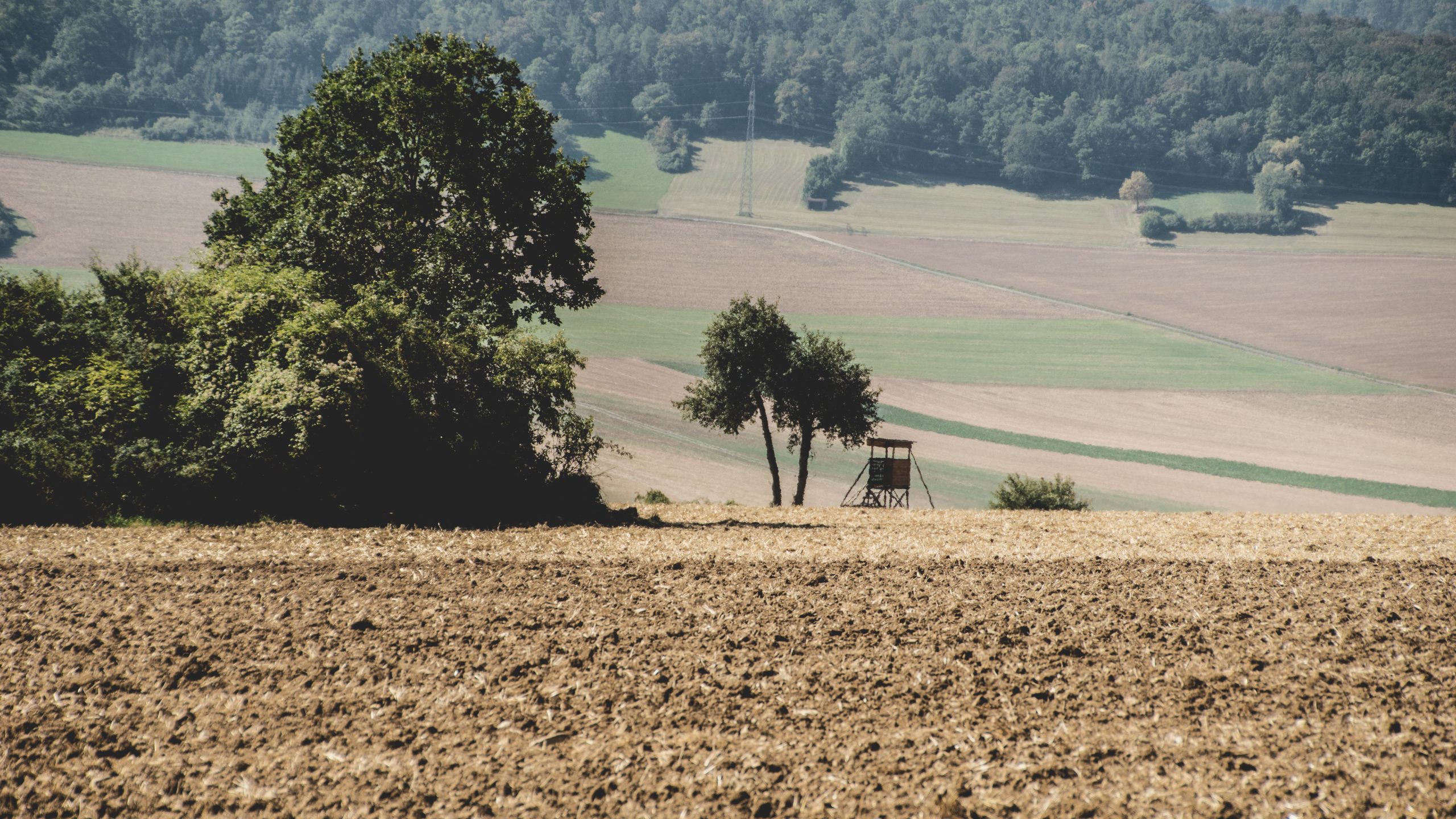
Private property is not automatically outside the Endangered Species Act. The Service says about two-thirds of federally listed species have some habitat on private land. If a listed species uses private hunting property, habitat management decisions can become more complicated when a proposed activity could cause prohibited take. Habitat Conservation Plans can provide a legal framework for some activities. For hunters, the challenge is balancing habitat work, access, game management, and federal protections. A state license or local approval does not necessarily settle federal questions.
6. Federal Projects Can Trigger Consultation
A new road, trail, reservoir, forest project, grazing action, or other federal undertaking can trigger Endangered Species Act review when listed species or critical habitat may be affected. Section 7 requires federal agencies to consult when their action may affect protected species. Effects can include altered access, work limits, habitat projects, or changes to public lands. The important distinction is that Section 7 concerns federal actions, while Section 10 generally addresses qualifying non-federal activities. It can affect recreation without directly regulating hunters’ firearms. Review occurs before work proceeds.
7. Species Surveys Can Change Field Decisions
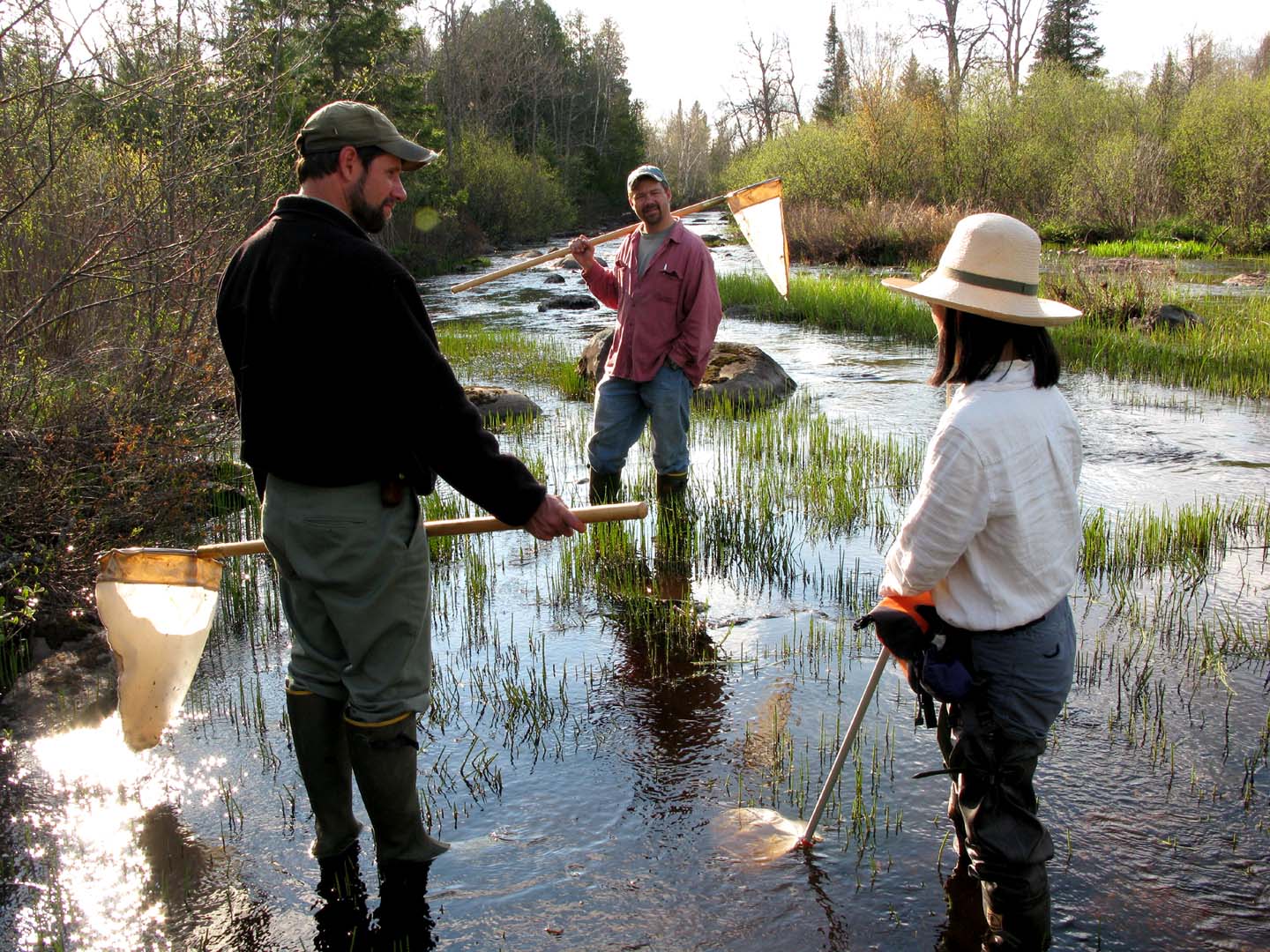
Wildlife surveys and habitat assessments can influence how public or private lands are managed. A listed species found near a hunting area may lead agencies or land managers to review proposed activities for possible effects. Under the ESA, “take” can include conduct such as harassment, harm, pursuit, or killing for protected wildlife. A sighting does not automatically close an area. Instead, the response depends on the species, its legal protections, the activity, and the applicable federal or state rules. Report sightings through required wildlife channels rather than disturb a protected animal.
8. State Hunting Licenses Do Not Override Federal Protection
A state hunting license authorizes hunting only under the laws that apply to that license and season. It does not create an exemption from the federal Endangered Species Act. A hunter may therefore be fully compliant with a state bag limit, season date, and weapon rule yet still violate federal law by taking a federally protected animal. This matters where species ranges overlap. Before a trip, check the state regulations plus current federal listings and 4(d) rules. Think of the legal framework as 2 layers: state game law and applicable federal protection. Both apply.
9. Protected Species Can Affect Gear and Field Practices
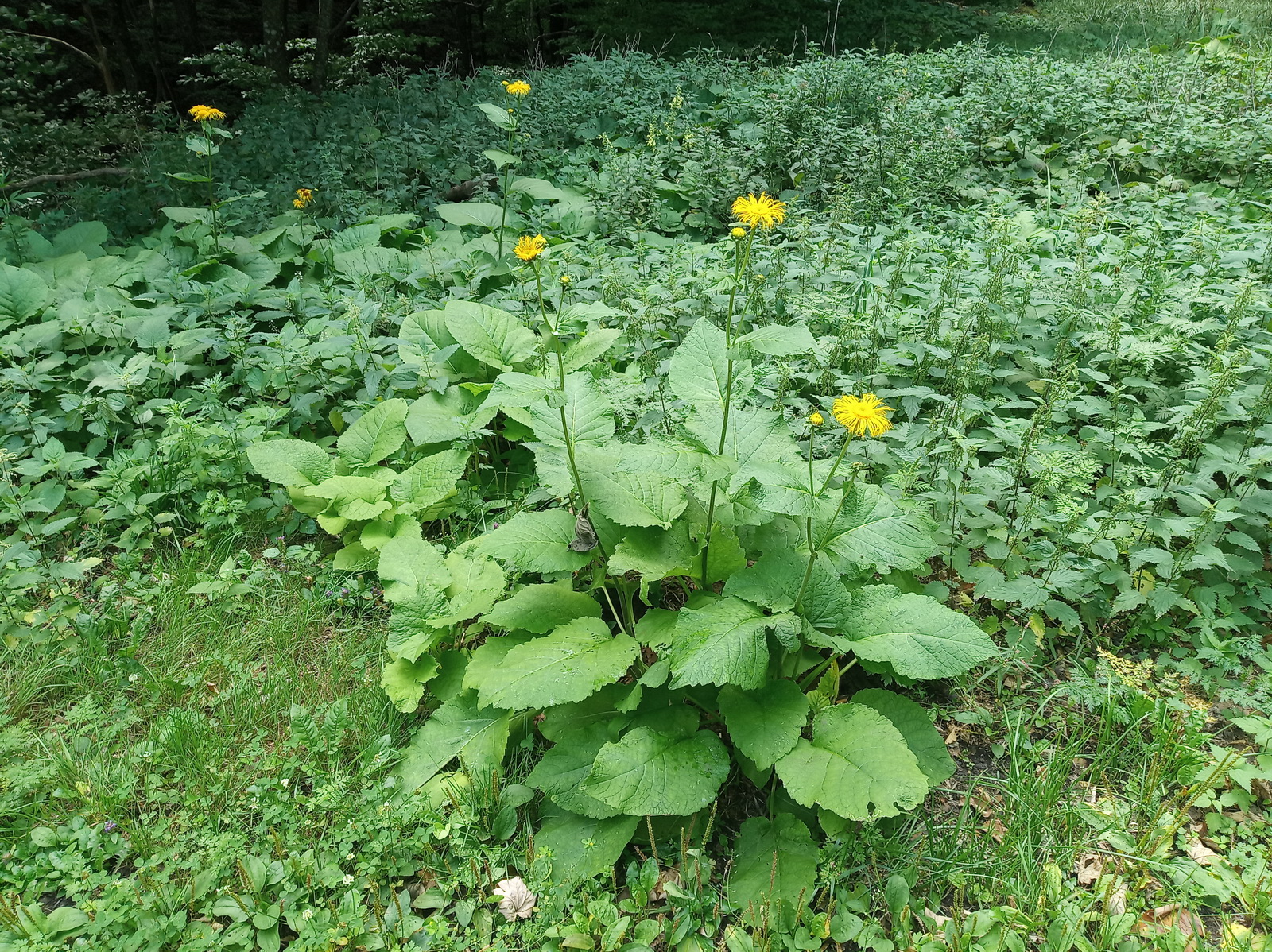
Endangered Species Act concerns are not limited to the moment a shot is fired. Field practices, habitat disturbance, access work, trapping, or other conduct can raise questions about protected wildlife. The result depends on the species and rule, so avoid deliberately pursuing or disturbing listed animals. Section 9 is particularly important for endangered wildlife, while threatened species may be governed by species-specific 4(d) regulations. Learn the protected species found in the area before the season. A current species guide can help identify wildlife quickly. That knowledge can prevent accidental encounters from becoming legal problems.
10. Rules Can Change, So Check Before Each Season
Endangered Species Act protections are not permanently fixed in one hunting handbook. Species can be listed, delisted, reclassified, or receive new species-specific regulations, while critical habitat and agency guidance can also change. Previous-season information may not be enough for the next trip. Check the U.S. Fish and Wildlife Service, state wildlife agency, and current federal regulations before heading out. Use 3 official sources when practical: federal listing rules, state regulations, and local land notices. This check can prevent costly mistakes in the field.