
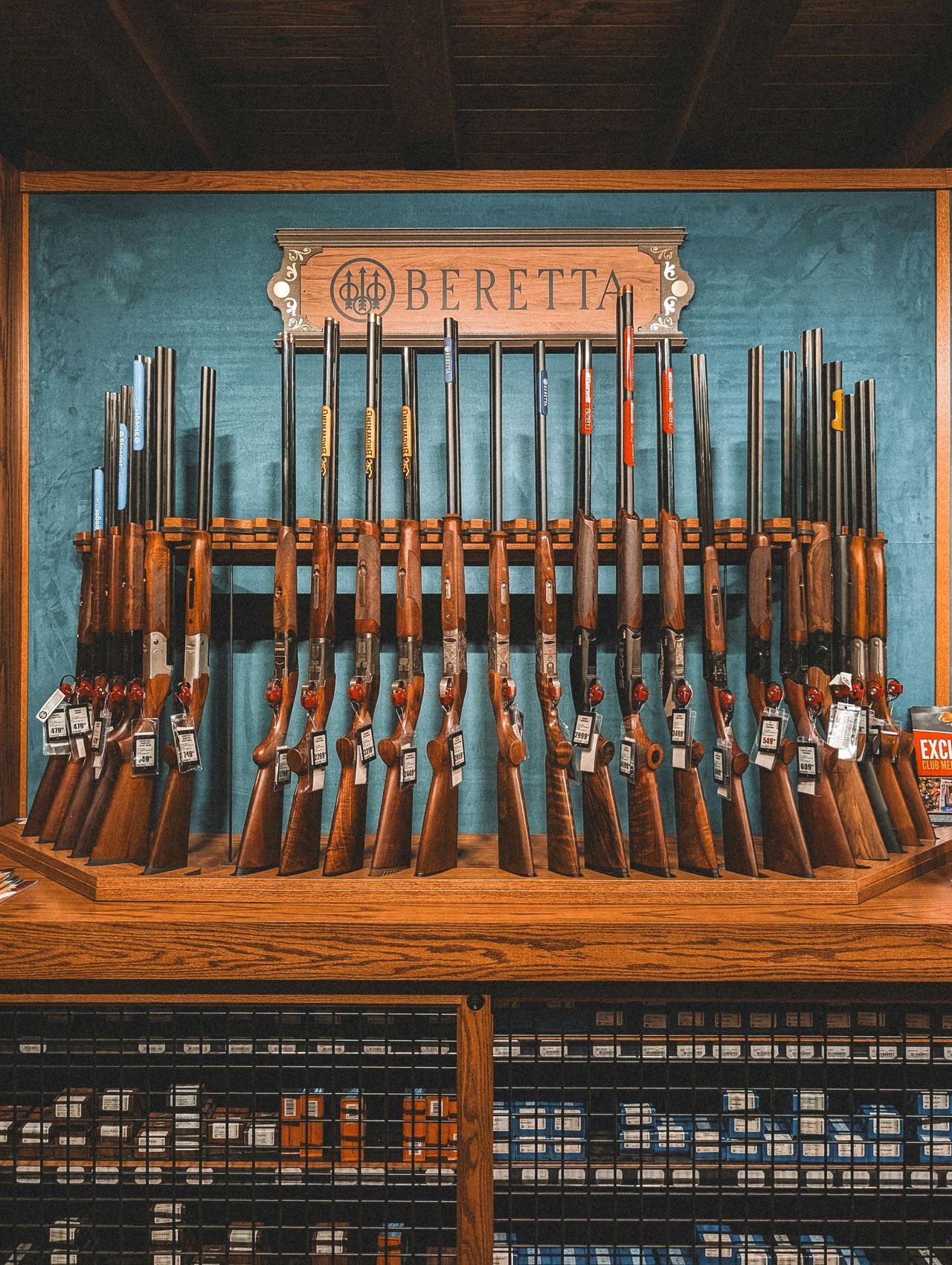
Gun trends change faster than many buyers expect. Models that once dominated store shelves and online chatter are now being traded in, left in safes, or passed over for newer, more practical options. From shifting concealed-carry preferences to rising ammo costs and changing regulations, these 12 popular guns are losing momentum in 2026.
Glock 40 MOS
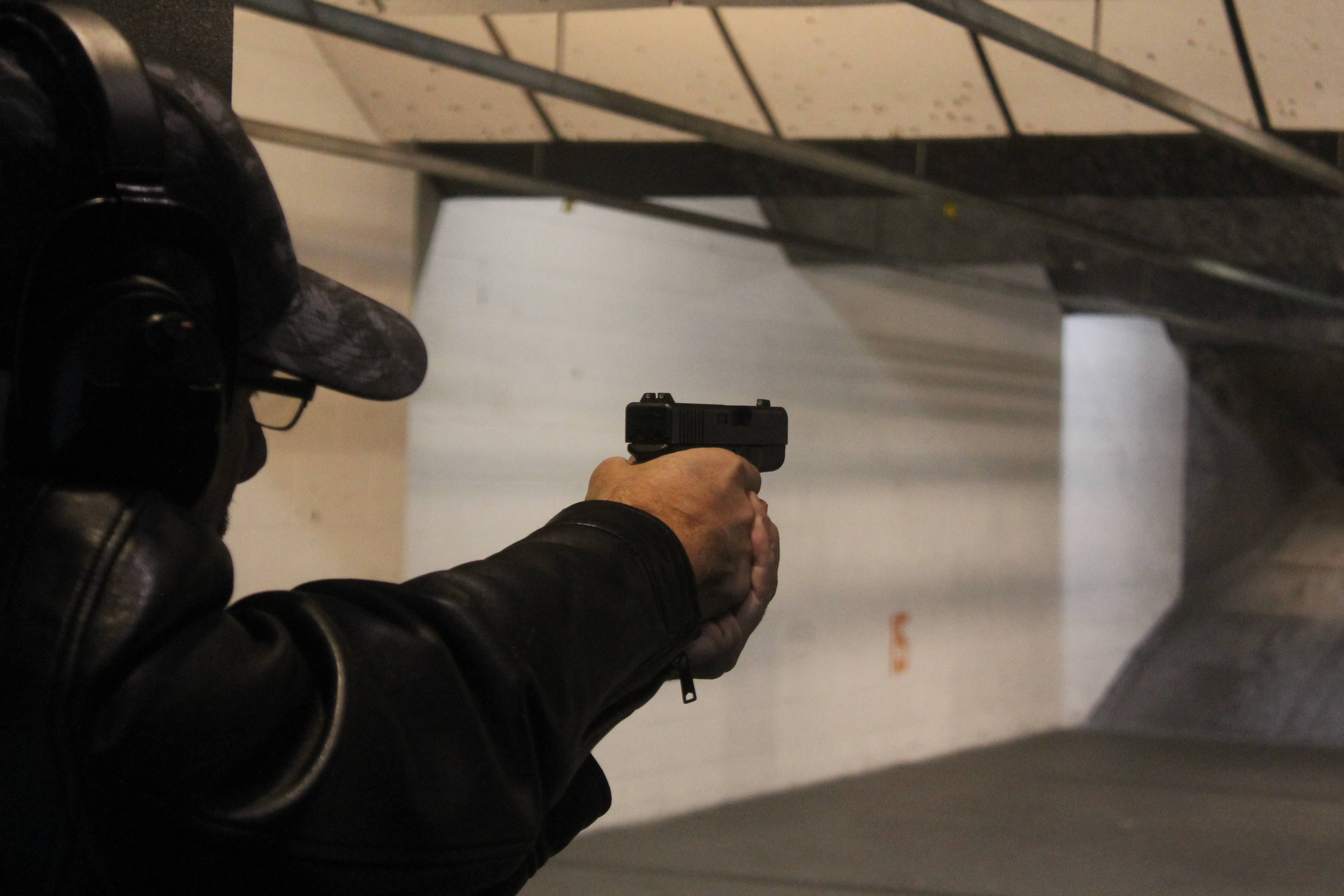
The Glock 40 MOS built a loyal following with hunters and handgun enthusiasts who wanted big 10mm power and a slide ready for optics. In its moment, it felt like the perfect answer for people chasing velocity, capacity, and range from a semiauto platform.
In 2026, though, many owners are moving on because the gun is simply a lot to carry, store, and shoot regularly. Compact 10mm options and lighter trail guns now make more sense for buyers who want versatility instead of a niche powerhouse. Add in stout recoil and pricier ammo, and this long-slide favorite is being traded more than treasured.
Springfield Hellcat RDP
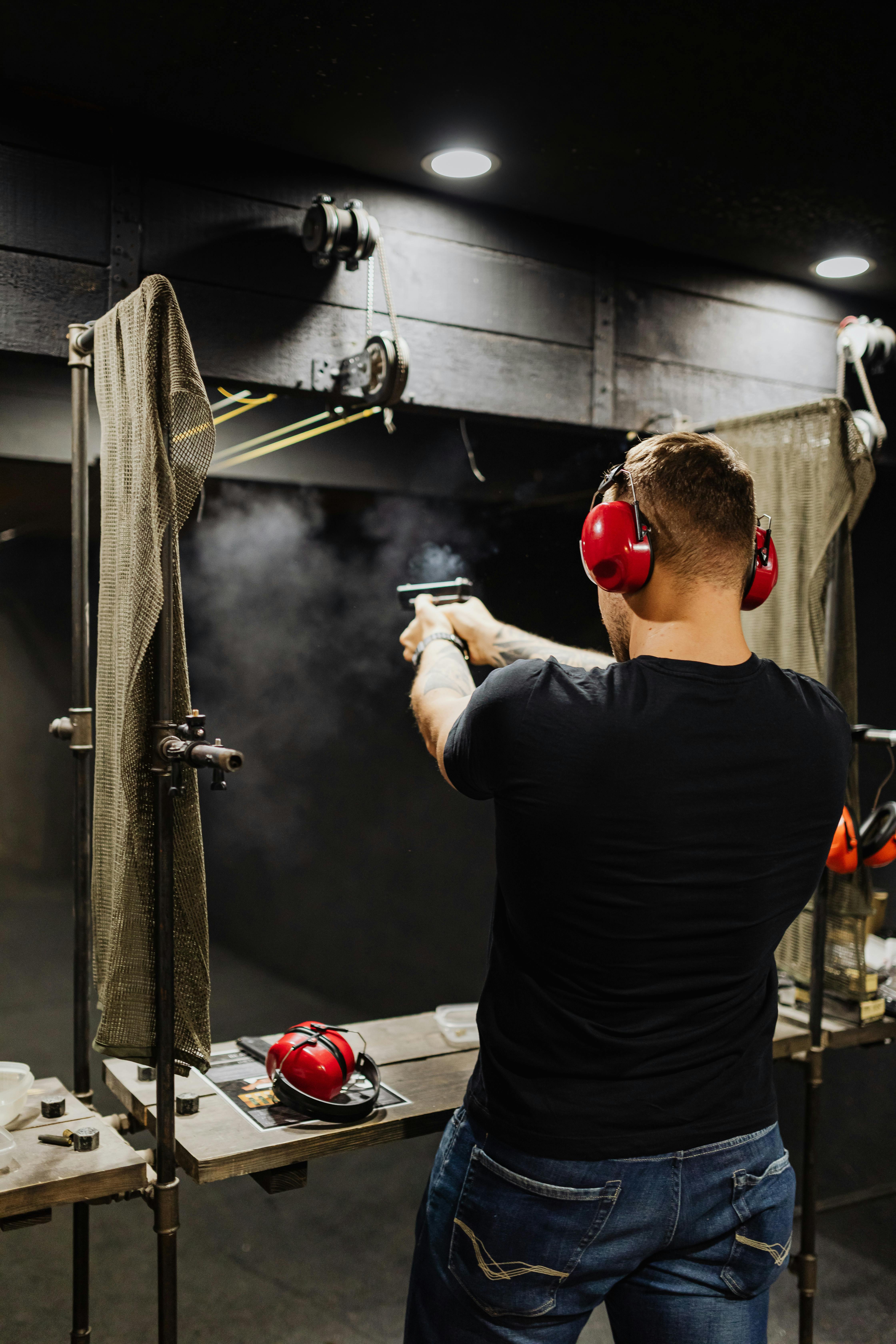
The Springfield Hellcat RDP arrived with serious buzz by packaging a micro-compact profile with an optic, compensator, and strong capacity. For a while, it checked every trend-driven box and appealed to buyers who wanted a carry gun that looked cutting-edge right out of the case.
Now the shine is wearing off for some owners. Factory comp setups can be snappy, loud, and less enjoyable than expected in real-world range sessions, especially for newer shooters. As competing micro-compacts improve trigger feel, shootability, and optics mounting, the Hellcat RDP is starting to feel more like an early wave product than the obvious carry winner it once seemed to be.
SIG Sauer P320
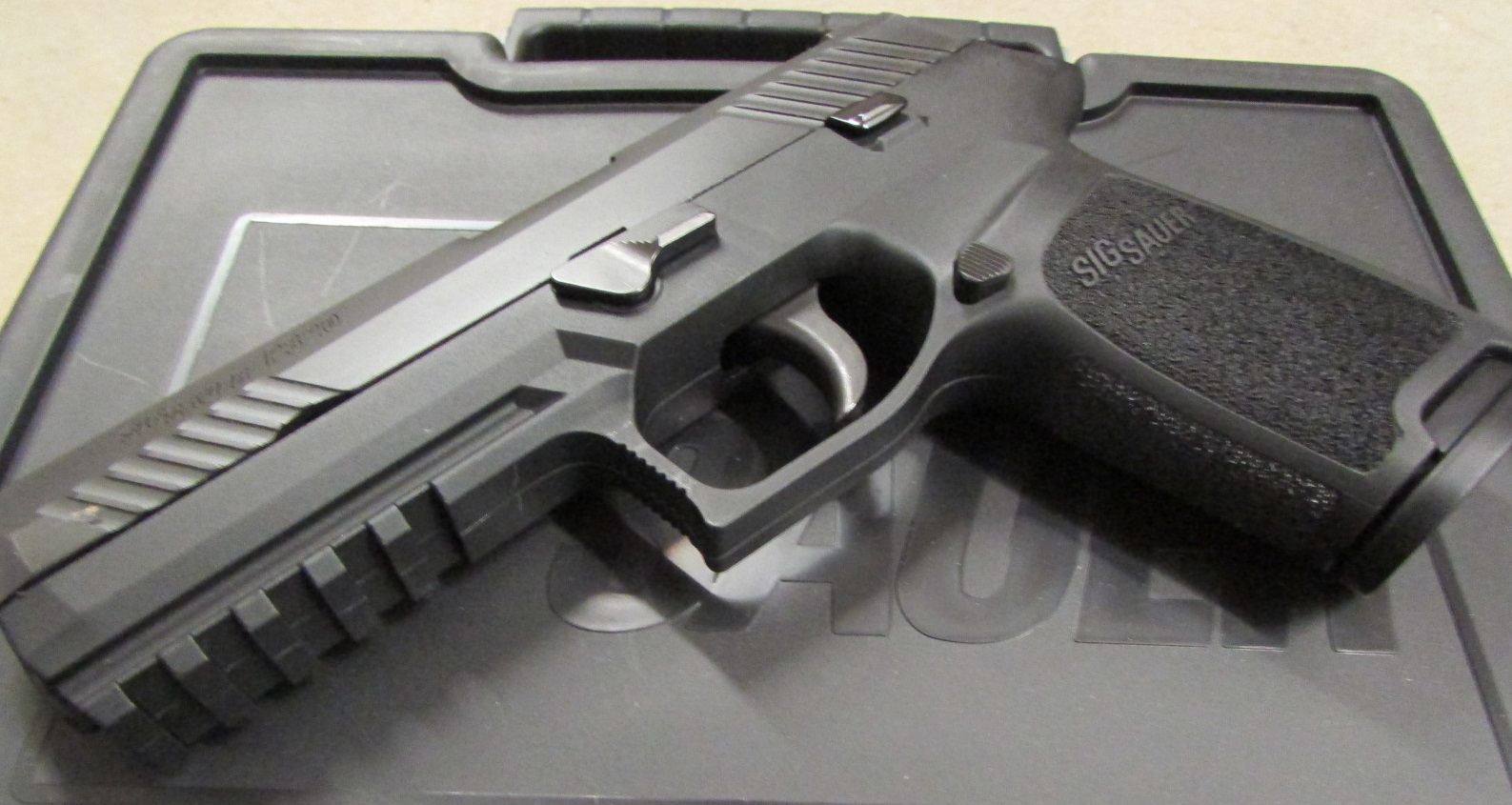
Few pistols have had the cultural presence of the SIG Sauer P320. Its modular design, military connection, and huge aftermarket made it a centerpiece of the striker-fired market, and many buyers saw it as the modern handgun to own.
But in 2026, more people are cooling on the platform. Ongoing public debate around safety concerns and accidental discharge reports has lingered longer than fans expected, even as SIG has defended the design. For many everyday owners, perception matters as much as engineering. When shoppers can choose from other proven polymer pistols without that cloud hanging overhead, the P320 becomes easier to sell than to defend.
Smith & Wesson M&P Shield EZ

The M&P Shield EZ earned its popularity by doing something refreshingly practical. It catered to shooters who wanted an easy-to-rack slide, lighter recoil impulse, and controls that felt less intimidating, particularly for people new to concealed carry or returning to shooting after years away.
That smart design still has value, but the market has moved. In 2026, many owners are swapping the Shield EZ for smaller, higher-capacity guns that are easier to conceal without sacrificing too much comfort. As slim 9mm pistols become more user-friendly across the board, the EZ no longer stands alone. What was once a standout solution now feels more like a transitional purchase.
Ruger LCP Max
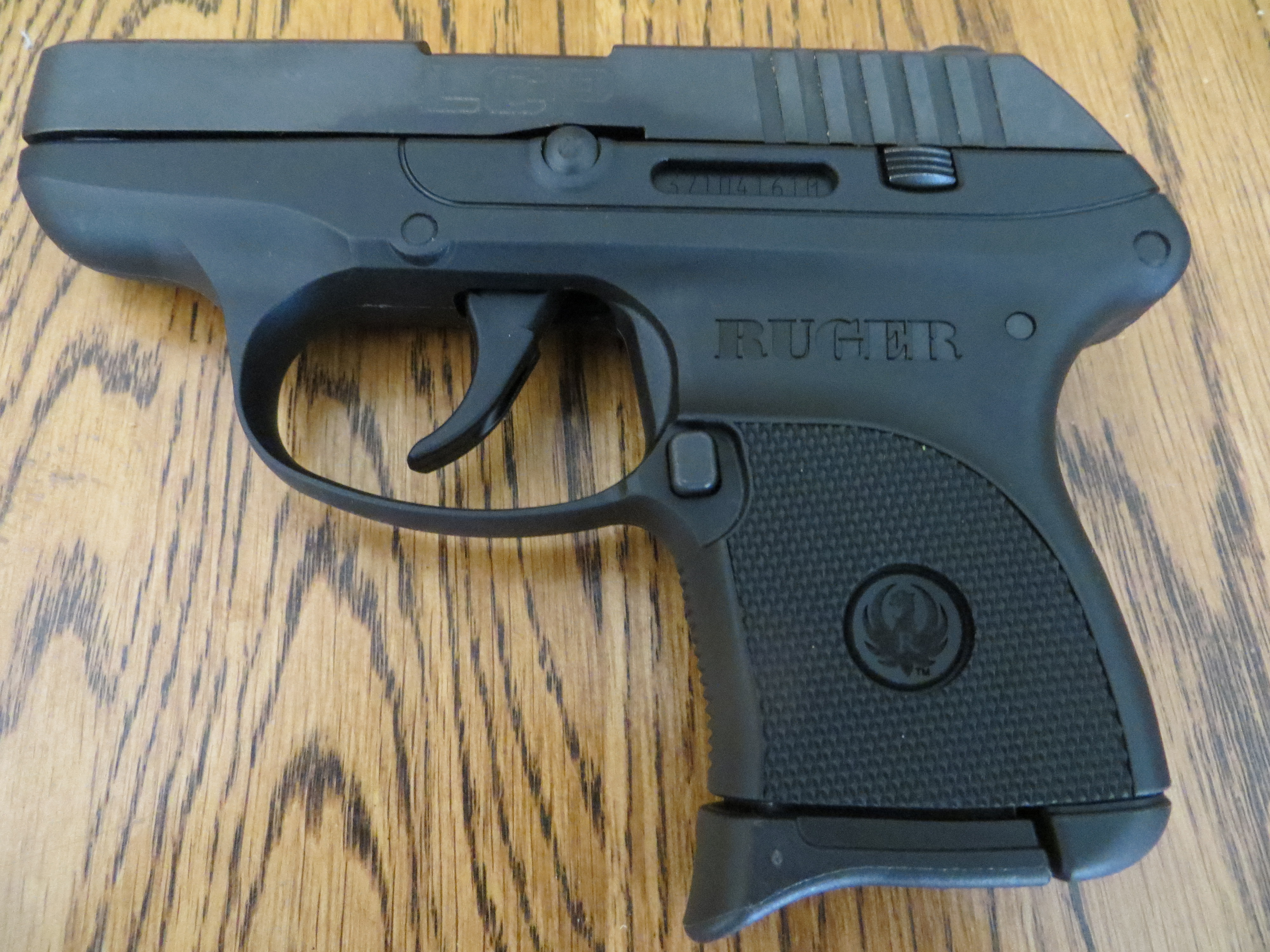
Pocket pistols never really disappear, and the Ruger LCP Max caught attention by offering more capacity in a tiny package. For deep concealment, backup carry, or hot-weather use, it seemed like a smart compromise between old-school .380 convenience and newer expectations.
In practice, many shooters are deciding the compromise still feels like a compromise. Tiny grips, sharp recoil, and limited range comfort make these guns easy to carry but not always pleasant to train with. In 2026, buyers increasingly want micro 9mm pistols that are only slightly bigger yet much easier to shoot well. That shift has left the LCP Max looking more specialized than essential.
Mossberg Shockwave

The Mossberg Shockwave was one of those firearms that generated instant curiosity. Its compact profile, aggressive styling, and unusual legal category made it a conversation starter, and plenty of buyers picked one up because it seemed fun, novel, and useful all at once.
By 2026, novelty is no longer enough. Many owners have learned that the Shockwave can be awkward to control, slower to master than expected, and less practical than a conventional shotgun for home defense or range use. As regulations and local interpretations remain a concern in some places, buyers are asking a simple question: why keep the quirky option when a standard shotgun does the job better?
KelTec Sub-2000

The KelTec Sub-2000 won fans with a folding design that felt genuinely clever. It offered handgun magazine compatibility, compact storage, and the appeal of a pistol-caliber carbine without the bulk of a full-size rifle, making it easy to understand why so many people gave it a try.
In 2026, though, the market around it has matured. Newer pistol-caliber carbines feel sturdier, mount optics more naturally, and deliver a more refined shooting experience. The Sub-2000 still folds, but folding alone no longer makes it a must-have. For owners who have upgraded to better triggers, improved ergonomics, and stronger accessory support elsewhere, the KelTec is often the first gun to get moved out.
Remington 870 Express
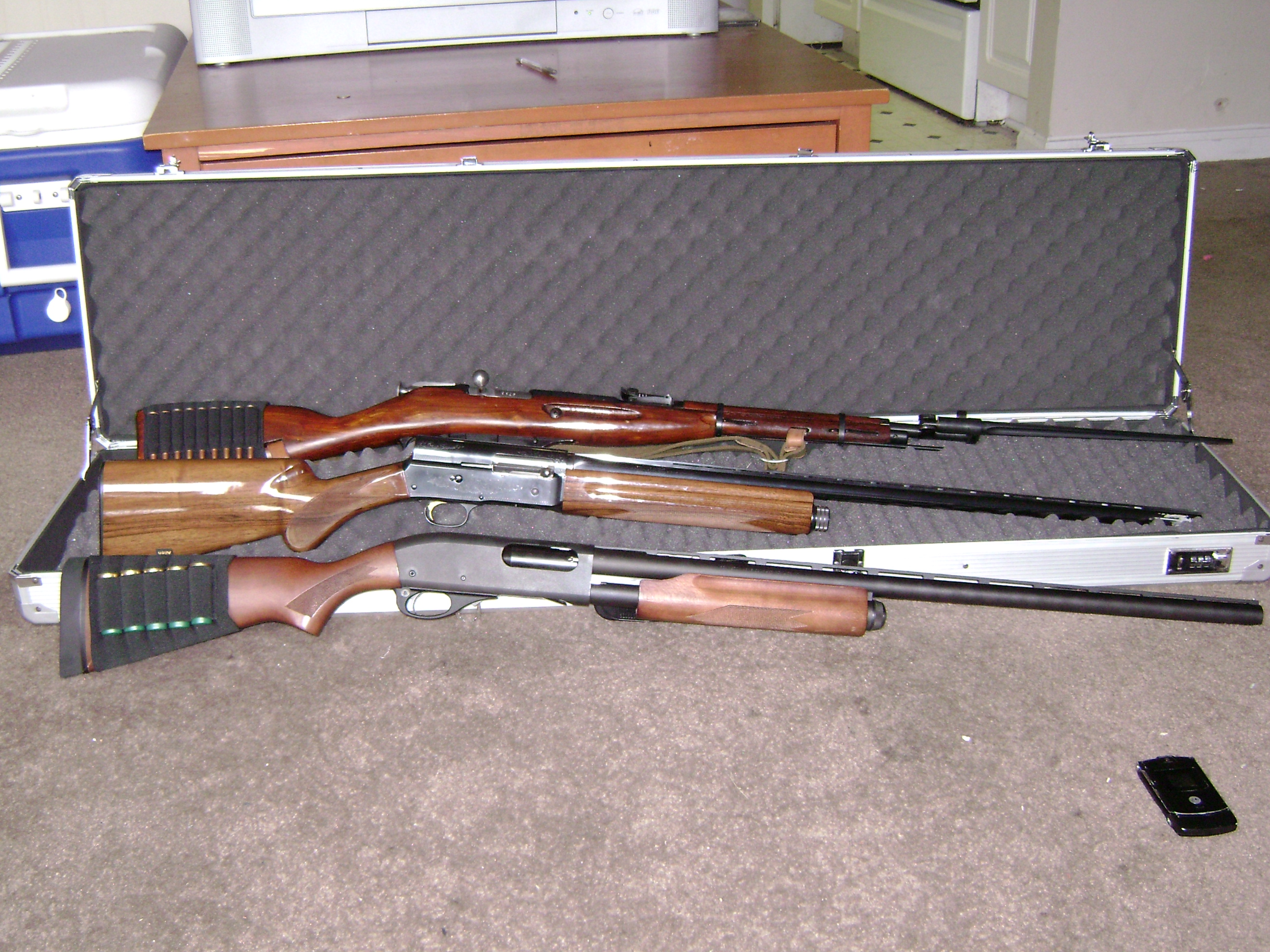
For years, the Remington 870 Express was the default pump shotgun for countless households. It was affordable, familiar, and backed by the kind of reputation that made people buy first and ask questions later. In many safes, it was simply the shotgun.
That legacy still matters, but newer buyers in 2026 are more critical. Owners have spent years comparing finish quality, smoothness, and consistency against older 870s and newer competitors, and not everyone likes what they see. Used-market nostalgia is now splitting the line between older production and later variants. As a result, some people are dumping newer Express models while hunting for better-built alternatives or older examples with stronger reputations.
Taurus Judge

The Taurus Judge built its fame on sheer curiosity factor. A revolver that could chamber .410 shotshells as well as .45 Colt sounded like the kind of all-purpose defensive tool that broke the usual rules, and that unusual premise kept it popular for years.
In 2026, many owners see it differently. Once the novelty wears off, the Judge can feel bulky, specialized, and less effective than buyers imagined when compared with modern defensive handguns. Ammunition choice matters a lot, recoil can be awkward, and realistic performance expectations have become harder to ignore. For shoppers who now prioritize capacity, controllability, and simple logistics, the Judge is increasingly being left behind.
AR-15 Pistols in 5.56

AR-15 pistols in 5.56 exploded in popularity because they looked tactical, compact, and endlessly customizable. They gave buyers the familiar AR manual of arms in a smaller package, and for many people that was reason enough to jump in.
But the drawbacks are catching up in 2026. Short-barreled 5.56 setups can be brutally loud, flashy, and less pleasant indoors or on crowded ranges than many owners expected. On top of that, brace-related legal uncertainty has made some buyers tired of building around shifting rules. More shooters are now moving toward rifles with compliant configurations, pistol-caliber carbines, or other platforms that feel simpler and more predictable to own.
1911 in .45 ACP

The 1911 in .45 ACP is not disappearing, and its place in firearm history is secure. It remains one of the most iconic handguns ever made, admired for its trigger, slim profile, and old-school charm in a market that often feels increasingly synthetic.
Still, 2026 buyers are making colder calculations. For everyday carry or home defense, many people now prefer lighter pistols with higher capacity, easier maintenance, and lower entry costs. Ammo prices and platform-specific tuning can also make the 1911 feel like a commitment rather than a convenience. That means some owners are keeping one as a passion piece, while quietly unloading extras that no longer fit daily life.
AK-Pattern Rifles

AK-pattern rifles have long sold on durability, identity, and a reputation for running under rough conditions. For many owners, the platform offers a kind of mechanical confidence and cultural appeal that goes well beyond raw specs on paper.
Yet in 2026, that appeal is colliding with economics and expectations. Import restrictions, parts variability, and rising prices have made some AKs harder to justify, especially when buyers compare them with more modular rifles and better accessory ecosystems. Ammo considerations also play a role as preferences shift. For newer gun owners who want consistency, optics readiness, and easier customization, the AK increasingly feels like a collector choice instead of the obvious all-around pick.

![Truce with gun, taken by Magi [ http://www.magifesn.cz/ ]](https://pub-b56d3d46034c4a2495fa075c4af501a4.r2.dev/2026/03/fNl6L0qe-openverse-a5e29088-4a58-4f7d-bb3d-e3207267f63a.jpg "taiki-ishikawa-w6EMxsk8CDA-unsplash")