For years, the revolver was treated like a relic. Now it is back in the conversation in a way that has a lot of semi-auto fans grinding their teeth.
The old wheel gun never really disappeared
The easiest mistake people make is assuming revolvers vanished and suddenly returned. They did not. They stayed in circulation with armed citizens, backup gun users, hunters, ranchers, and a huge slice of the training world that values mechanical simplicity over fashion. What changed is not existence, but attention.
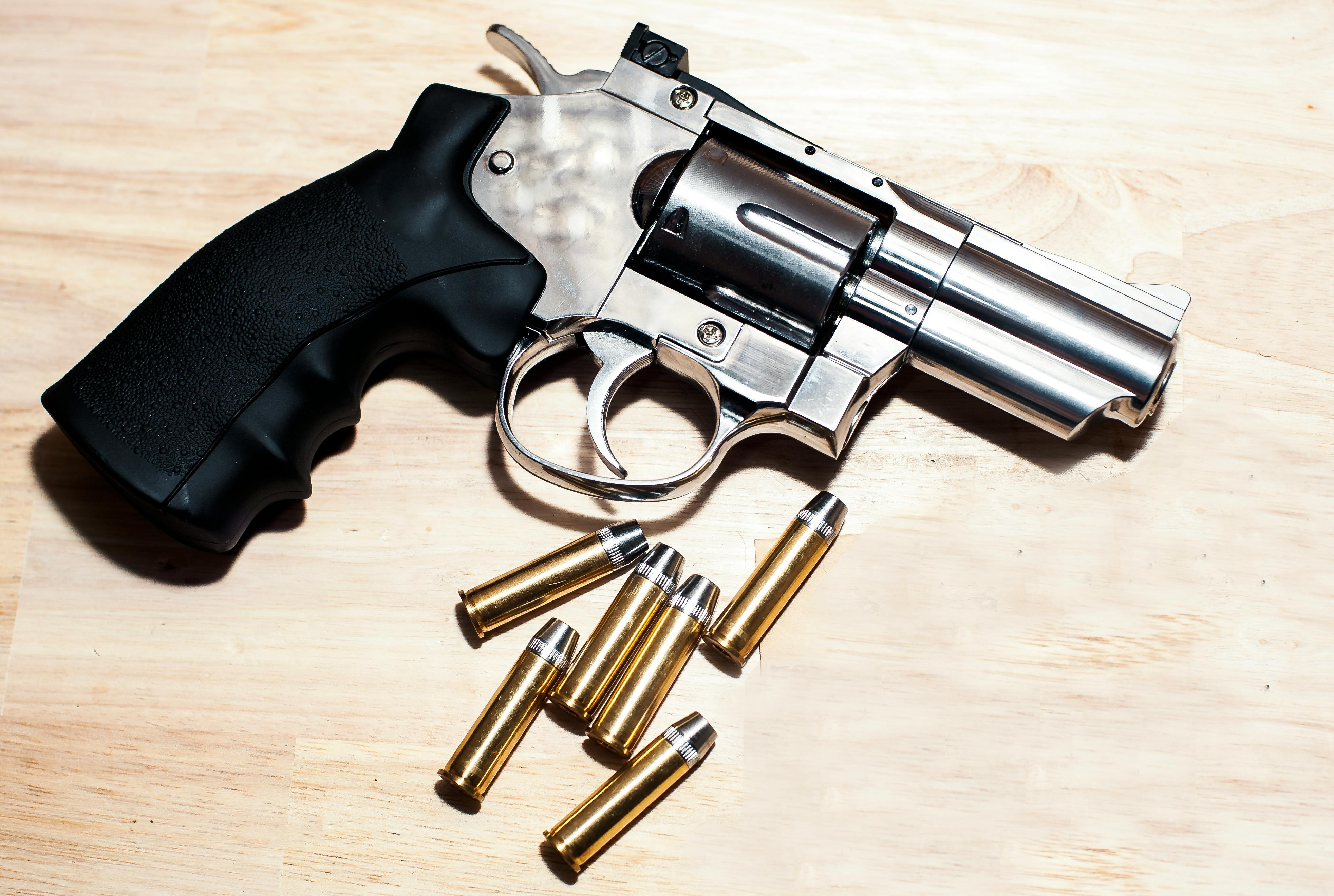
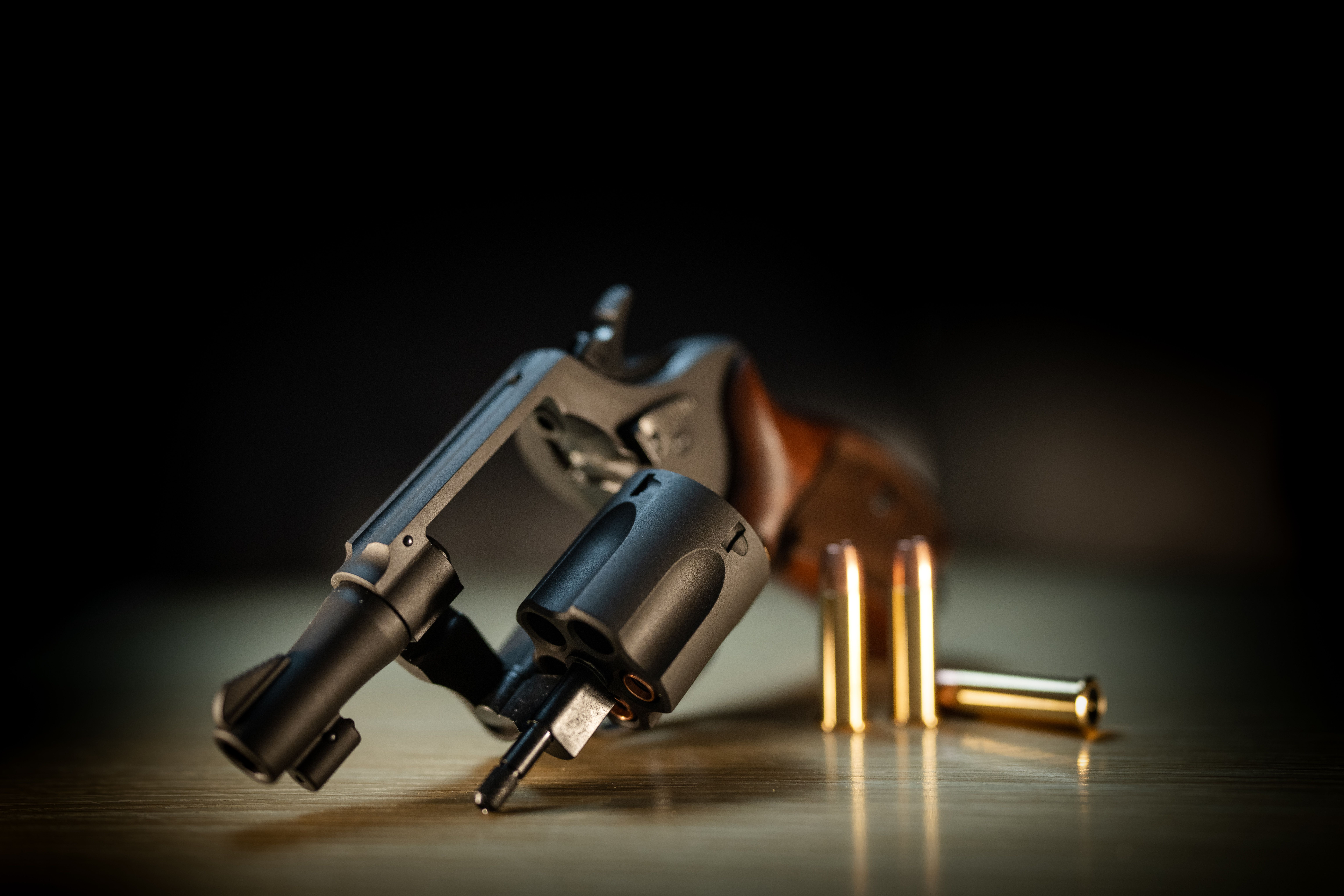
Gun store owners in many U.S. regions have reported steady interest in compact .38 Special and .357 Magnum revolvers since the concealed carry boom widened. According to retail trend reporting from industry observers, first-time buyers often gravitate toward guns they perceive as straightforward. Open the cylinder, load the chambers, close it, and the condition of the firearm is visually obvious in a way many beginners find reassuring.
That matters more than enthusiasts like to admit. Semi-auto fans tend to discuss carry guns through the lens of capacity, optics cuts, magazine ecosystems, and split times. A lot of ordinary buyers are thinking about something else entirely. They want a defensive tool that feels understandable, durable, and low drama.
Revolvers also carry cultural credibility that still sells. Police trade-in semi-autos are common, but old Smith & Wesson, Ruger, and Colt revolvers still project seriousness. They suggest craftsmanship, control, and a direct manual of arms that appeals to people who are not interested in chasing the latest polymer release.
Reliability is still the argument nobody can kill
Semi-auto supporters usually counter with a familiar point: modern pistols are extremely reliable. That is true. A quality striker-fired 9mm from a major manufacturer can run thousands of rounds without issue when fed decent ammunition and maintained properly. But the key phrase there is “when maintained properly.”
A revolver asks less of the user in specific real-world situations. It is less sensitive to limp-wristing, weak grip strength, and failures tied to magazine springs, feed lips, and improper seating. If a cartridge fails to fire in a defensive moment, the traditional answer is brutally simple: pull the trigger again and rotate to the next chamber.
That does not mean revolvers are magic. They can bind, suffer timing issues, or choke on debris under the extractor star. Yet those failures are comparatively rare for the average owner who shoots moderate amounts and carries often. In close-contact scenarios, revolvers also have one practical advantage instructors still mention: they can fire from inside a pocket or pressed against an assailant with less risk of being pushed out of battery.
This is where semi-auto fans often get irritated. The internet spent years presenting the revolver as objectively obsolete, full stop. But daily carry decisions are made by imperfect humans, not by spreadsheet logic. When reliability includes user error, weak hands, neglected maintenance, and stress, the revolver remains stubbornly relevant.
Concealed carry changed the conversation

The concealed carry explosion reshaped handgun preferences across the country, and not always in the way online gun culture predicted. While compact semi-autos dominate sales volume, lightweight snub-nose revolvers still hold a serious niche because they solve a very specific problem. They are easy to carry when people do not want to dress around a gun.
A small-frame revolver rides well in a pocket holster, ankle rig, purse compartment, or coat pocket. Its rounded profile reduces snag points, and its long, deliberate trigger pull gives many carriers confidence during deep concealment. For people wearing athletic clothing, business attire, or summer outfits with limited support, that matters more than range-day bragging rights.
There is also the question of actual civilian defensive gun use. Many incidents are close, fast, and resolved with very few shots fired. Data discussed by trainers and criminologists has long shown that defensive encounters often happen at short distances and unfold in seconds. In that context, five rounds of .38 Special in a gun that is always present may beat fifteen rounds in a pistol left at home.
Semi-auto diehards dislike this argument because it sounds like heresy against capacity. But carry comfort drives carry consistency, and consistency wins. A revolver that disappears into normal life has a practical advantage that charts and caliber wars cannot erase.
New buyers are choosing simplicity over theory

One of the most interesting parts of the revolver revival is who is buying them. It is not just collectors or old-school shooters. Many of the buyers are new gun owners, including people entering the market for personal protection with very little interest in hobbyist culture. They do not want a platform. They want a tool.
For these buyers, the semi-auto learning curve can feel cluttered. Magazine loading, slide manipulation, malfunction drills, chamber checks, and disassembly procedures are all manageable, but they still ask for familiarity. A double-action revolver presents fewer immediate mysteries, especially to people with hand strength limitations or anxiety about administrative handling.
Instructors are split on this, and the split is revealing. Some argue beginners should start with modern semi-autos because that is where the broader market, training support, and parts availability live. Others point out that confidence is the first real hurdle, and a revolver often produces confidence quickly because the operating sequence is easy to grasp.
That confidence has value. People practice more when they feel competent, and they carry more when they trust what they carry. Semi-auto fans often hear that and respond with technical superiority claims. Those claims may be correct on paper, but paper does not always decide what ends up in a pocket, purse, or bedside safe.
The market noticed, and manufacturers followed
Comebacks do not become serious until companies start spending money on them. That has already happened. Ruger has kept the LCR line relevant, Smith & Wesson continues to support J-frames and performance-oriented revolvers, and Colt’s revived snake gun attention helped remind the market that wheel guns still command emotional and financial interest.
This is not just nostalgia marketing. Modern revolvers now arrive with improved sights, better grips, lighter alloys, tuned triggers, and in some cases optics-ready experimentation at the fringes. Ammunition has evolved too. Defensive .38 Special +P loads today perform better than the old weak-practice-ammo stereotype many people still imagine.
The used market reinforces the trend. Pre-lock Smith & Wesson revolvers, older Colts, and classic Rugers have become objects of intense demand, with prices reflecting collector interest and practical confidence. When people are willing to pay real money for both vintage and new-production examples, that is not a fad. That is a durable category reasserting itself.
Semi-auto fans are often annoyed by this because it interrupts the clean narrative of progress. Markets are supposed to move forward, not loop back. But firearms history has never been a straight line. Sometimes an older design survives because it keeps answering problems newer designs only partly solve.
Why semi-auto loyalists are taking it personally
A lot of the tension here is cultural, not mechanical. Semi-auto enthusiasts have spent two decades winning every mainstream argument: more rounds, faster reloads, easier accessory mounting, broader law enforcement adoption, and enormous aftermarket support. They are used to revolvers being treated as sentimental side notes, not as legitimate alternatives.
So when revolvers start attracting serious praise again, it lands like a challenge to a settled hierarchy. People hear “revolvers are back” and react as if someone claimed carburetors are superior to fuel injection in every circumstance. That is not the point. The point is narrower and more uncomfortable: superior overall does not mean superior for every user or every context.
Internet gun discourse makes this worse. Online debates reward absolutism, sarcasm, and identity signaling. The semi-auto becomes a marker of modern competence, while the revolver gets framed either as boomer nostalgia or as enlightened contrarian wisdom. Both caricatures miss the real story, which is that people choose firearms based on habits, bodies, environments, and tolerance for complexity.
There is also ego involved. Nobody likes discovering that a gun they dismissed still solves problems elegantly. The revolver’s comeback irritates some semi-auto fans because it exposes a blind spot. The market is not rejecting the semi-auto. It is simply refusing to bury the wheel gun on command.
The comeback is real, but it has limits
None of this means the revolver is replacing the semi-auto as America’s default defensive handgun. It is not. If a police department, military unit, or high-volume shooter needs a general-purpose sidearm, the semi-auto remains the obvious answer. Capacity, reload speed, and modularity are real advantages, and they are not going away.
But serious comeback does not require total takeover. It means a firearm category once dismissed as outdated is again commanding respect, shelf space, training attention, and carry consideration. That is exactly what is happening. Revolvers are winning renewed appreciation because they offer a combination of concealability, simplicity, and practical reliability that many people still value.
The smartest takeaway is not that one side has been proven wrong forever. It is that handgun choices are more situational than tribal debates allow. A snub-nose revolver, a full-size duty pistol, and a slim carry semi-auto can all make sense depending on who is holding them and why.
That is the part some semi-auto fans are not taking well. They wanted the argument to be over. Instead, the revolver walked back into the room, spun the cylinder, and reminded everyone that old ideas do not stay old when they keep working.