Reliability is one of the most powerful words in the gun world. It is also one of the most misunderstood.
People talk about certain pistols and rifles as if they are immune to failure, but real machines do not work that way. The more closely you look at guns with legendary reputations, the more you learn that failure is never fully eliminated. It is only managed.
Reliability is real, but it is never absolute

When shooters call a gun “bombproof,” what they usually mean is that it has a long history of working across many users, climates, and round counts. That reputation matters. A Glock duty pistol, an AR-platform carbine, or a military service sidearm earns trust because large organizations have seen them perform at scale.
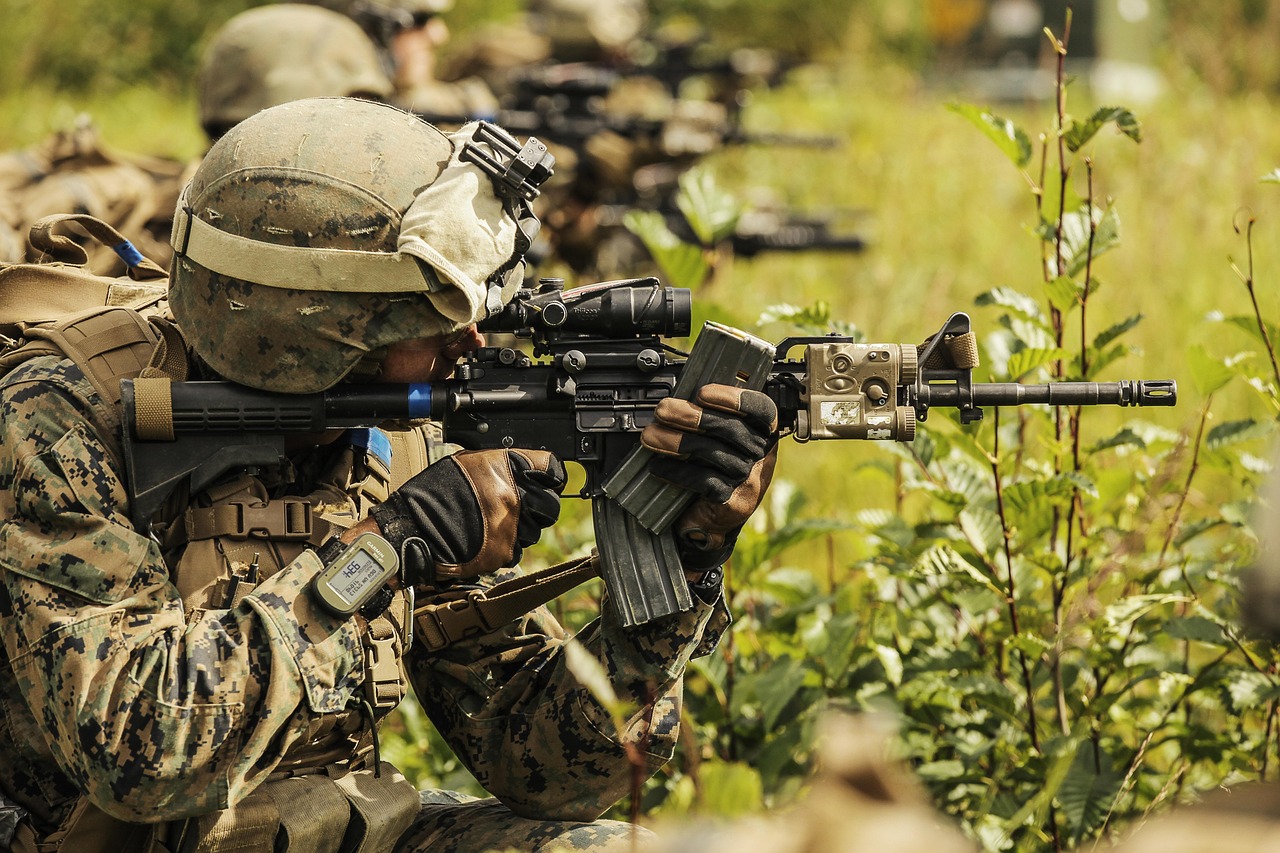
But scale is exactly where the myth starts to crack. According to the U.S. Army’s reporting on its M4 Extreme Dust Test III, the platform still posted hundreds of stoppages during a punishing controlled test, even while Army leaders described it as a world-class weapon with a roughly 98.6 percent success rate. That is the key lesson: a gun can be highly reliable and still malfunction under stress.
The same pattern appears with pistols. Glock says every pistol is test-fired and points to broad law-enforcement adoption, claiming roughly 65 percent of U.S. agencies use its handguns. That tells you something important about institutional confidence. It does not tell you a given pistol, magazine, or lot of ammunition will never fail on a bad day.
So the first truth is simple. Reliability is not a yes-or-no trait. It is a probability curve shaped by design, maintenance, ammunition, environment, and human behavior.
Most failures are not dramatic design catastrophes

Popular gun conversations tend to focus on catastrophic stories because they are memorable. A cracked slide, an out-of-battery event, or an alleged drop-fire claim gets attention fast. In practice, though, the failures most shooters actually encounter are far more ordinary and much less cinematic.
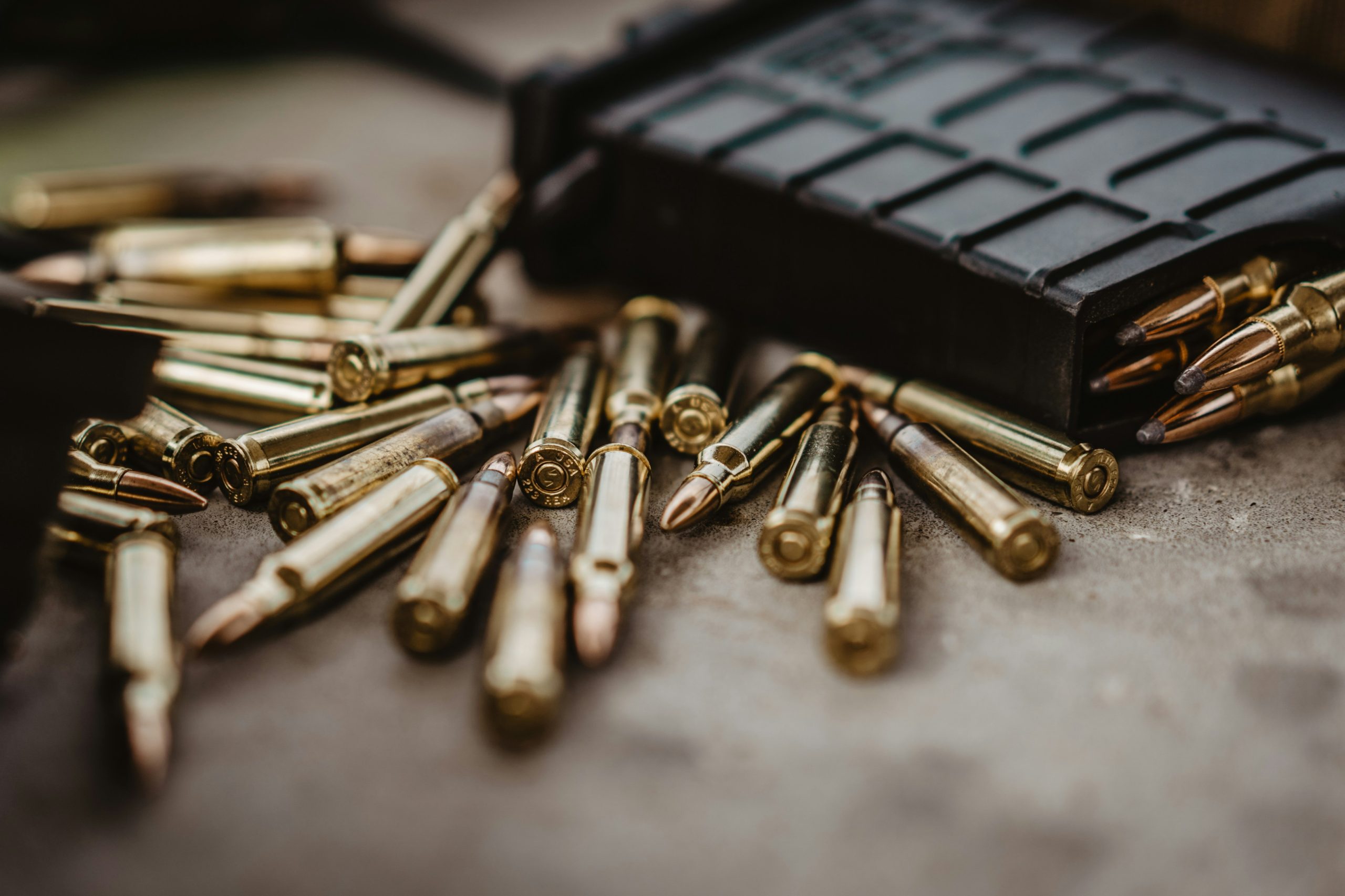
The typical stoppage is boring: a bad magazine, weak ammo, a dirty chamber, an underpowered recoil cycle, a damaged extractor, or a primer that simply does not ignite. SAAMI’s guidance is especially useful here because it reminds people that ammunition itself is a system component, not a magical constant. Heat, water, contamination, and rough handling can all degrade rounds and increase the chance of a misfire or delayed fire.
That matters because many shooters blame the gun first. Sometimes the gun deserves it. Often it does not. A mechanically sound pistol can still become unreliable if the magazine spring is tired, the feed lips are damaged, or the ammunition has suffered hidden degradation after heat or moisture exposure.
In other words, “the gun failed” is often shorthand for “the overall firing system failed.” That is a more honest way to think about real-world reliability, and it immediately makes the problem less mystical and more diagnosable.
Reliability lives in the margins of tolerance stacking
Modern firearms are machines built from interacting parts with acceptable manufacturing variation. A quality gun works because those parts stay within tolerance and because the system has enough margin to keep functioning even when things are a little dirty, a little dry, or a little worn. Trouble begins when several small disadvantages arrive at once.
A slightly rough chamber may still run fine with hotter ammunition. A magazine with marginal spring tension may still work with one bullet profile. A recoil spring nearing replacement may still cycle if the pistol is well lubricated. Stack all three conditions together, and suddenly the “same reliable gun” starts choking.
This is why two copies of the same model can feel different across thousands of rounds. It is also why reliability testing by serious users is so personal. Your ammo, your magazines, your optic weight, your grip, and your maintenance habits produce a unique reliability envelope.
The gun community sometimes resists this because it sounds less heroic than declaring one platform flawless. But tolerance stacking explains far more than brand tribalism ever will. The best guns are not perfect. They simply carry more margin before those stacked variables overwhelm them.
Environment punishes every mechanical system eventually

A clean indoor range is a terrible place to develop strong opinions about ultimate reliability. Almost every reputable modern firearm looks dependable when fired in mild weather with quality factory ammunition and regular cleaning. The real sorting happens when mud, fine dust, water, cold, heat, and neglect enter the picture.
That is why military and law-enforcement testing matters even when it does not perfectly mirror civilian use. The Army’s dust testing was useful not because it proved the M4 was bad, but because it showed how even a trusted service rifle can accumulate stoppages in a brutal environment. Harsh conditions expose friction, fouling sensitivity, lubrication issues, and weak support gear faster than casual range use ever will.
Ammunition is just as vulnerable. SAAMI warned in 2025 that firearms and ammunition exposed to fire, extreme heat, submersion, or firefighting agents can suffer hidden damage. Its technical guidance notes that degraded primers can show increased misfire rates, which means the cartridge sitting in your magazine may be less trustworthy than it looks.
This is the deeper point: reliability is not only about design excellence. It is also about how fast the world can drag a machine out of its ideal operating window.
Human beings are part of the reliability equation

People love to separate shooter error from gun reliability as if the two categories never touch. In reality, they are tangled together constantly. A pistol that runs flawlessly in a vise may stumble in human hands if the shooter induces drag, short-strokes a control, or fails to seat a magazine fully under pressure.
Semi-automatic handguns are especially revealing here. Grip strength, recoil management, and even body position can influence cycling, particularly with lighter guns or lower-powered ammunition. A platform can have an outstanding mechanical reputation and still generate stoppages for a user whose technique does not give the slide enough resistance to work against.
Then there is maintenance behavior. People over-lube, under-lube, install bargain aftermarket parts, mix old magazines with new springs, and ignore replacement schedules for recoil assemblies. They call the platform unreliable when they have really built a reliability experiment out of mismatched components.
Even safety controversies often point back to this larger truth. SIG Sauer has maintained that the P320 met industry testing and says it expanded testing and offered a voluntary upgrade after a 2017 incident involving an impact angle above then-standard protocols. Whether one focuses on the controversy or the company response, the lesson is the same: reliability and safety margins are shaped by design, testing assumptions, and user handling together.
The smartest users think in systems, not slogans
Professionals who depend on guns for work rarely obsess over internet mythology for long. They care about whether a specific weapon system keeps performing with a known load, known magazine set, known maintenance interval, and known mission profile. That is a much more mature framework than arguing about which brand is “the most reliable.”
A system mindset starts with ammunition selection. Then it moves to magazine quality, spare parts, lubrication, zero confirmation, and round-count tracking. It includes replacing wear items before they fail, not after. It also means proving the setup with enough rounds to uncover patterns instead of trusting a reputation borrowed from strangers.
This is one reason institutional adoption can be misleading when stripped of context. A widely issued pistol or rifle may indeed be excellent, but organizations also succeed because they standardize maintenance, testing, training, and support. Reliability comes from the whole ecosystem around the gun, not just the logo on the slide or receiver.
For ordinary owners, that is actually good news. You do not need a mythical gun. You need a vetted system and the discipline to keep it inside the conditions where it performs best.
What failure teaches you about trust
The uncomfortable truth is that a gun can be trustworthy without being infallible. In fact, that is the only kind of trust worth having. Mature trust is built on knowing how a machine fails, how often it fails, what warning signs appear first, and what you can do to reduce the odds.
That perspective changes the whole conversation. Instead of asking whether a gun is perfect, you ask better questions. What failure modes are most common? How sensitive is it to weak ammunition? How does it behave when dirty? What parts wear first? Which magazines does it actually like? Those questions sound less glamorous, but they are how serious confidence is built.
The larger lesson goes beyond firearms. Every high-reliability tool, from aircraft components to medical devices, succeeds through margins, inspection, training, and feedback, not magic. Guns are no different. Their reputations are earned, but their limits are real.
So when even the most “reliable” guns fail, the lesson is not cynicism. It is humility. Machines deserve respect precisely because they are excellent without ever becoming perfect.