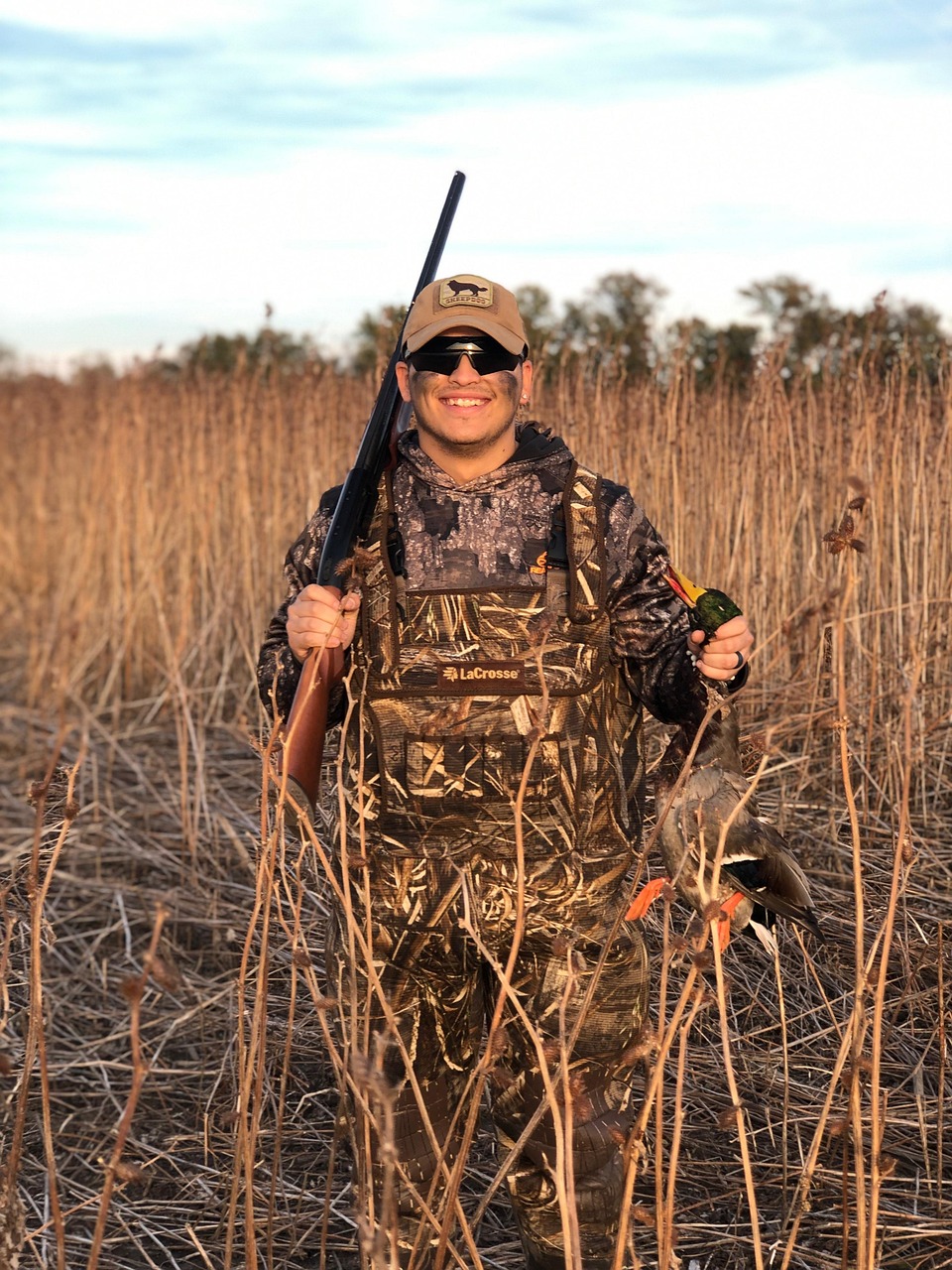
Some of the sharpest criticism of trophy hunting culture is now coming from inside hunting itself. That matters, because these voices are not trying to end hunting; they are trying to save its legitimacy.
This backlash is coming from hunters, not outsiders
What is striking right now is not that trophy hunting remains controversial. It is that respected hunters, conservation-minded organizations, and mainstream hunting media are saying out loud that the culture surrounding it has drifted in a troubling direction. The concern is less about a legal harvest in the abstract and more about what hunting looks like when it is packaged as status, spectacle, and personal branding.
The Boone and Crockett Club, one of the oldest hunting-conservation organizations in the United States, has been unusually direct. In recent writing, it has acknowledged that the very word “trophy” now carries a heavy stigma and that hunters can no longer ignore the public-relations damage tied to images of dead animals presented without context. The group’s recent fair-chase campaign openly argues that hunters themselves helped create this perception problem.
That is a meaningful shift because Boone and Crockett is hardly anti-hunting. It is a foundational voice in American big-game culture. When an institution like that starts telling hunters to rethink how they talk about trophies, photos, and motivation, it signals that the issue has moved from fringe debate to mainstream self-critique.
The same mood is visible across the broader conservation side of hunting. Backcountry Hunters & Anglers has doubled down on wild public-land hunting and the idea that the tradition’s moral center is effort, access, and habitat, not curated hero shots. Even in the hunting media world, outlets like MeatEater have increasingly questioned whether trophy obsession and influencer culture are distorting what most hunting is actually supposed to be.
The real fight is over meaning, not antlers

A lot of hunters who are pushing back are careful to draw a distinction between taking a mature animal and embracing “trophy culture.” Those are not always the same thing. In the North American hunting tradition, a hunter may choose to pass younger animals and pursue an older one because it is more difficult, more selective, and often consistent with management goals.
Boone and Crockett still defends that idea. Its long-standing position is that a trophy, properly understood, should represent the animal, the place, and the conservation system that allowed that animal to grow old. The club says fair chase is the point, not ego. In other words, the problem is not necessarily the antlers on the wall. The problem is when the antlers become the whole story.
That distinction matters because many critics inside hunting are not saying big racks or old bulls are inherently unethical. They are saying a culture built around score, clout, and exclusivity can warp hunter behavior. When every conversation becomes about inches of horn, tag value, or camera-ready grip-and-grin imagery, the hunt starts to look less like food gathering and stewardship and more like conquest marketing.
This is why the language has sharpened. The pushback is aimed at a version of hunting that strips away humility and turns an animal into a prop. Hunters who care about the future of the tradition increasingly believe that if they do not police that boundary themselves, the public will do it for them.
Social media has poured gasoline on the problem

If you want to know why this conversation feels urgent now, look at the way hunting appears online. Boone and Crockett’s recent messaging has been explicit that social platforms reward the most dramatic, least contextual version of the experience: the kill shot, the blood, the antlers, the triumphant pose. What gets lost is everything hunters say matters most, including patience, habitat work, family tradition, meat care, and gratitude.
That mismatch is not a small communications problem. It is shaping how non-hunters understand hunting in the first place. According to a 2023 Responsive Management survey highlighted by Boone and Crockett and Outdoor Stewards of Conservation Foundation, 77 percent of Americans approved of hunting for meat. Approval dropped sharply for hunting “for sport,” and dropped further for hunting “for a trophy,” where only about 24 percent approved and 65 percent disapproved.
Those numbers help explain the alarm. Hunters do not need unanimous public support, but they do need enough social acceptance to preserve seasons, access, funding, and political legitimacy. When the public mainly sees dead-animal glamour shots with no explanation of meat use or wildlife management, hunting loses its social license fast.
Many veteran hunters now argue that social media has also changed hunter expectations. MeatEater’s criticism of “trophy obsession” in whitetail culture reflects a wider worry: that endless exposure to giant bucks, expensive leases, and influencer content makes average hunters feel unsuccessful unless they produce elite-level animals and photogenic content. That is a recipe for frustration, bad ethics, and a thinner idea of what hunting is for.
Fair chase has become the dividing line
When respected hunters talk about pushing back, the phrase that keeps surfacing is “fair chase.” That concept is old, but it has fresh urgency because technology, commercialization, and internet fame have made ethical shortcuts more tempting and more visible. Boone and Crockett defines fair chase not just as obeying the law, but as hunting in a way that does not give improper advantage and does not invite justified public criticism.
That is a much higher bar than simple legality. It reaches into the gray areas that hunters argue about constantly: high-fence operations, heavily monetized guided experiences, excessive reliance on technology, and content built around engineered drama. A hunt can be technically legal and still strike many hunters as hollow or corrosive.
Part of what is happening right now is a renewed insistence that hunting ethics cannot be outsourced to state regulations alone. Leaders in the space are saying that peer pressure inside hunting matters. If experienced hunters refuse to criticize behavior that is flashy, manipulative, or disrespectful to wildlife, they should not be surprised when everyone outside the community lumps all hunting together.
This is also why cases involving celebrity hunters or influencers hit so hard. When a public figure is accused of unethical or unlawful behavior, the damage radiates outward. MeatEater’s reporting on recent influencer-related wildlife crime allegations captured the mood well: brands, public-land hunters, and mainstream sportsmen increasingly see reckless trophy-chasing behavior as a threat to hunting’s longevity, not just an embarrassment.
Public opinion is now a conservation issue
Hunters who are speaking up are making a pragmatic argument, not just a moral one. Hunting in America depends on public tolerance, and that tolerance underwrites conservation. The Wildlife Society notes that hunter-paid excise taxes on firearms, ammunition, and archery equipment remain a major funding source for state wildlife agencies. The Wildlife and Sport Fish Restoration system has distributed more than $29 billion over time, according to recent reporting from the Wildlife Management Institute.
That funding model only works if hunting remains politically viable. And politically viable means understandable and broadly defensible to millions of Americans who will never buy a tag. The Congressional Sportsmen’s Foundation says the United States had about 15.9 million hunting license holders in 2021, or roughly 4.8 percent of the population. That is not a dominant voting bloc. Hunters know they cannot afford to alienate the rest of the country.
This is why so many respected hunters now treat image and ethics as structural issues, not cosmetic ones. If the average voter comes to associate hunting primarily with vanity, cruelty, or waste, support for seasons and access can erode even if wildlife science remains sound. Social acceptance is part of the conservation architecture whether hunters like that fact or not.
Recent research on attitudes toward trophy hunting reinforces that point. Studies in Human Dimensions of Wildlife, PLOS One, and Proceedings of the Royal Society B all suggest public attitudes are strongly shaped by context: whether meat is used, whether conservation benefits are clear, and whether the hunt looks necessary, respectful, and well regulated. In other words, optics are not superficial. They help determine legitimacy.
A quieter, older hunting ethic is reasserting itself

Beneath all this is a cultural correction. Many admired American hunters came up in a tradition where the best stories were about weather, failure, woodsmanship, camp life, and eventually food. A set of antlers might end up in the garage or on the wall, but bragging too hard about them was considered gauche. The animal mattered. The country mattered. So did how you behaved after the shot.
That older ethic has not disappeared, but many hunters believe it has been drowned out by a louder market culture. Television first, then Instagram and YouTube, rewarded spectacle. A subset of the industry realized that giant animals, luxury hunts, and emotional kill footage sell. The backlash now is essentially traditional hunters saying the sales pitch has gone too far.
You can see that in the public reputations of figures like Randy Newberg, who has become especially influential as a public-lands, fair-chase voice and was honored by the Rocky Mountain Elk Foundation in May 2024 with its highest conservation award. Hunters like Newberg resonate because they frame hunting less as domination and more as access, effort, and responsibility.
That resonance is important. It suggests the pushback is not just defensive hand-wringing from older hunters. It reflects a durable appetite for a version of hunting that feels democratic, meat-conscious, conservation-based, and skeptical of excess. In a time of distrust toward online performance, that message may be arriving at exactly the right moment.
What this pushback is really trying to protect
At its core, this is not a civil war over whether hunters are allowed to feel proud of a hard-earned animal. Most hunters do feel proud, and many keep antlers, hides, or mounts. The real dispute is over what hunting publicly celebrates and what it quietly excuses. If prestige flows mainly to the biggest rack, the rarest tag, or the most viral photo, then the culture will keep drifting toward vanity.
The hunters pushing back are trying to redirect admiration toward something sturdier: fair chase, clean kills, full meat use, habitat protection, public access, and restraint. They are arguing that these values are not soft or sentimental. They are the practical foundation that keeps hunting culturally durable in modern America.
That is why the criticism is public now. Private grumbling no longer seems enough when algorithms amplify every bad image and every dubious hunt. For many respected hunters, silence has started to look like surrender. They would rather risk offending parts of their own community than watch the public conclude that trophy culture represents all hunters.
In that sense, the backlash is a sign of health. A tradition worth keeping is a tradition willing to correct itself. The most respected hunters in America are not abandoning hunting. They are fighting over its soul because they know that if hunting becomes just another arena for ego, it will lose the moral argument that allowed it to endure.