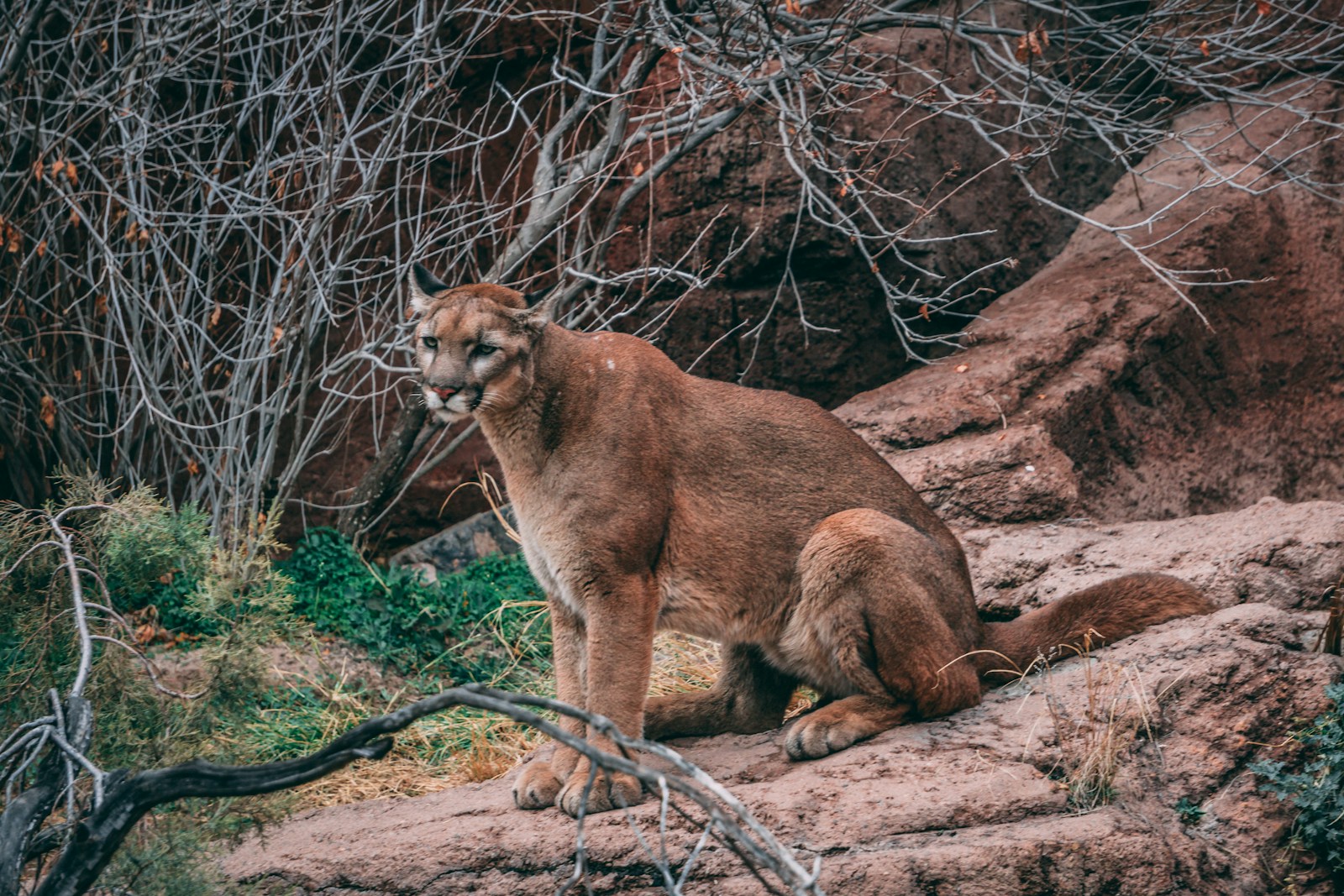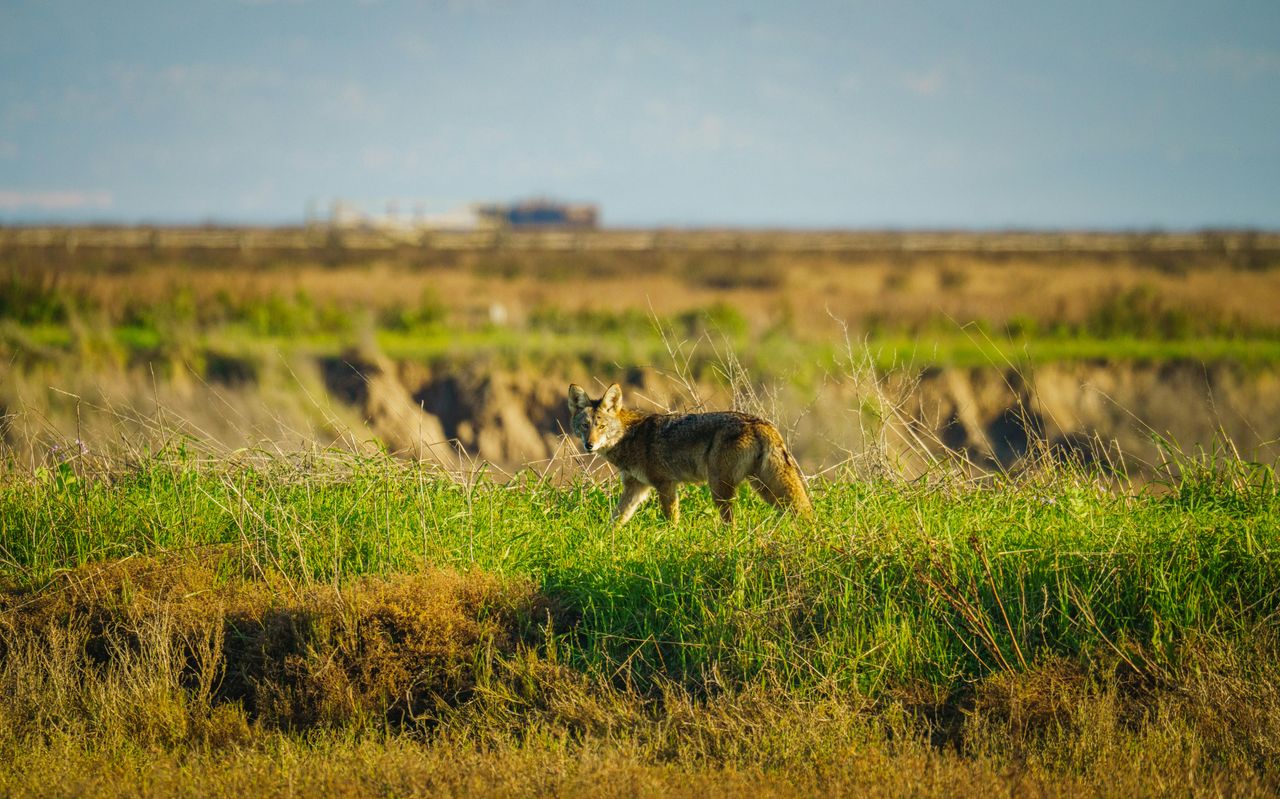
Few outdoor issues split Americans faster than predator hunting. It is one of those rare debates where emotion, ecology, money, and identity all show up at once.
Why predator hunting hits a different nerve
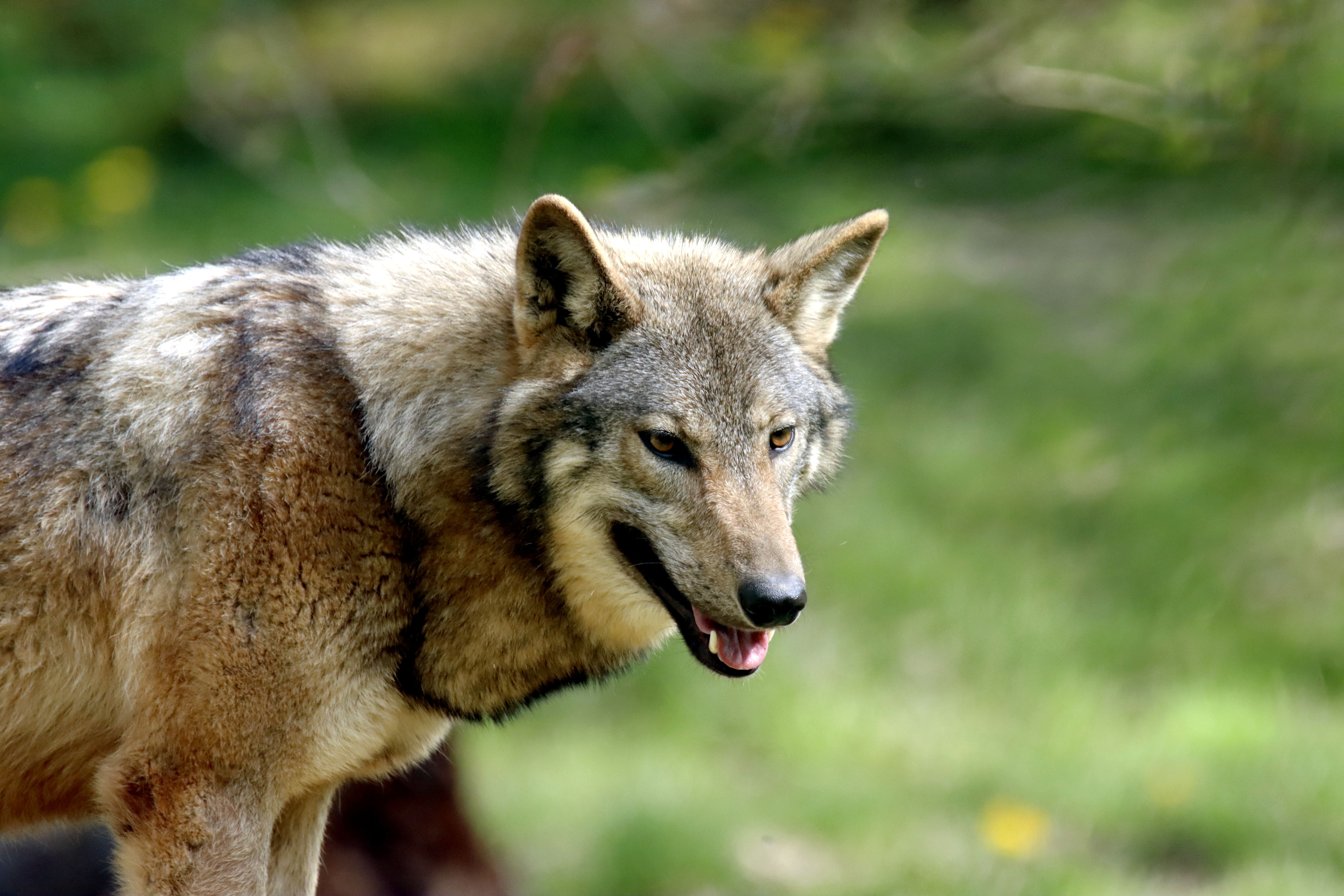
Predator hunting is not argued over in quite the same way as deer, duck, or turkey hunting. In much of the public mind, predators occupy a special place because they are seen as intelligent, social, and symbolically wild. Wolves, coyotes, mountain lions, and bobcats are not just game animals to many people. They represent freedom, danger, balance, and sometimes fear.
That symbolism matters because Americans do not all meet predators in the same context. A rancher losing calves to coyotes sees a very different animal than a suburban family hearing wolves described in a nature documentary. Both are reacting to something real, but to very different realities. That gap in lived experience fuels the disagreement more than many people realize.
The debate is also sharper because predator hunting often lacks the built-in food argument that supports other forms of hunting. Many hunters eat deer, elk, and waterfowl, while predators are less often pursued primarily for meat. For critics, that makes predator hunting feel less necessary. For supporters, necessity is broader than dinner and includes livestock protection, game management, and reducing conflict near communities.
The case hunters and ranchers make

Supporters of predator hunting usually begin with practical concerns, not ideology. In parts of the West and upper Midwest, ranchers deal with real losses from coyotes, wolves, and occasionally mountain lions. A single depredation event can mean dead calves, injured animals, veterinary bills, and long nights spent guarding herds. Those costs hit hardest on smaller operators who lack a large financial cushion.
Hunters also argue that predator control can protect vulnerable prey populations in specific places and seasons. Wildlife managers have at times removed predators near struggling mule deer ranges, elk calving grounds, or pronghorn fawning areas. The science here is not simple, but there are cases where predation pressure matters, especially when harsh winters, habitat loss, drought, or disease have already weakened prey herds.
Another point from supporters is that regulated hunting is different from indiscriminate killing. State agencies set seasons, quotas, weapon restrictions, and reporting rules based on regional conditions. Many hunters see themselves as participants in management, not enemies of wildlife. They believe the public often imagines cruelty where there is, in their view, a lawful and controlled tool that can help solve local problems.
The case critics make against it
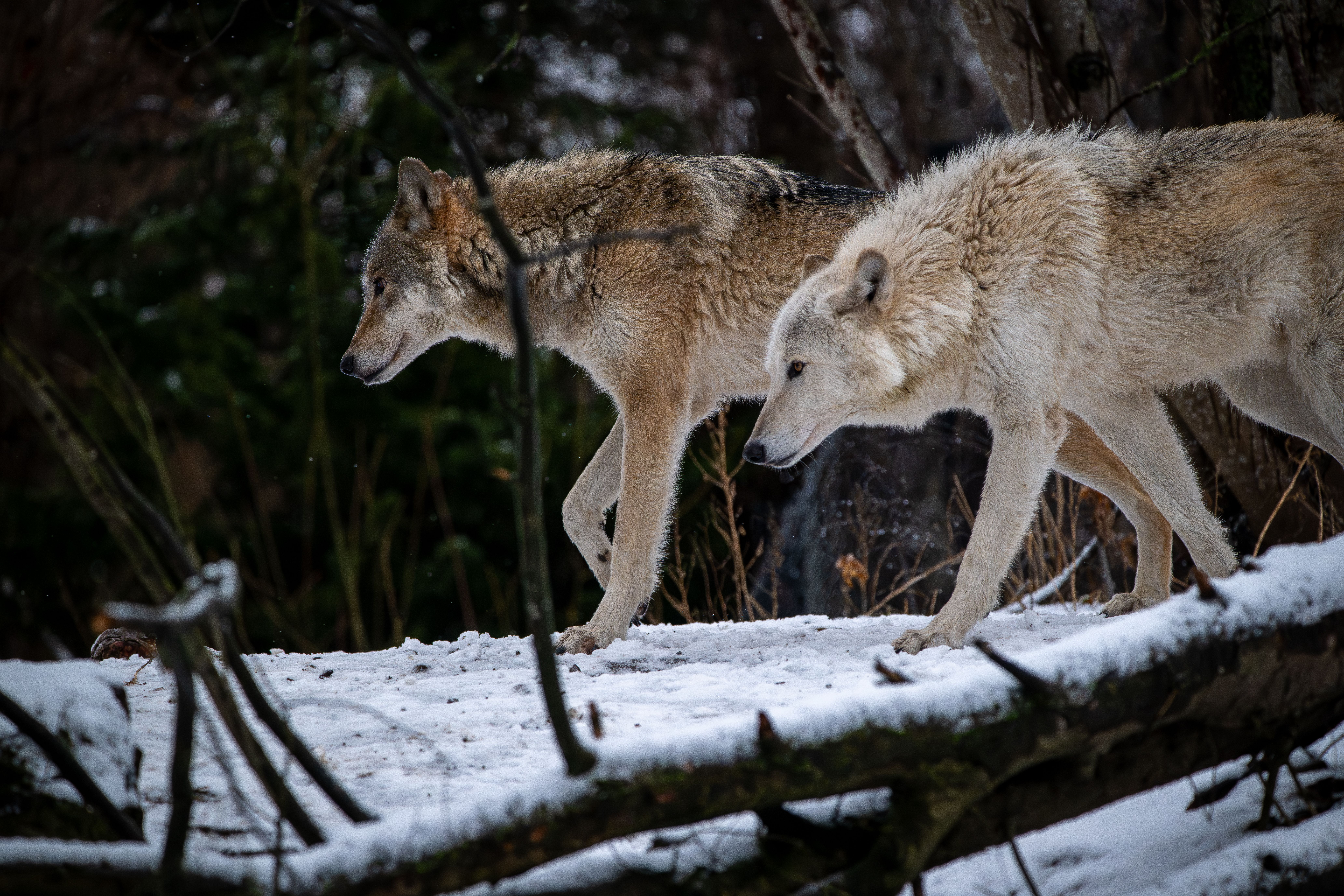
Opponents of predator hunting are not simply reacting emotionally, even though emotion is part of the picture. Many critics point to decades of ecological research showing that apex and mesopredators shape ecosystems in complicated ways. Remove too many predators, they argue, and the effects can ripple through prey behavior, vegetation, scavenger species, and even river corridors. Yellowstone’s wolf story, while often simplified, helped cement this public understanding.
Critics also question whether broad predator hunting actually solves the problems it claims to solve. Coyotes are a common example. Research has shown that heavy killing can disrupt social structure and sometimes lead to compensatory reproduction or immigration from nearby areas. In plain terms, removing coyotes in one season does not necessarily produce lasting reductions in the next season, especially across large landscapes.
Ethics are central too. Many Americans are uncomfortable with pursuing animals they view as highly sentient and family-oriented, especially with methods such as calling, night hunting, or contests. To critics, some practices turn a management claim into a sports spectacle. That distinction matters politically, because even people who accept hunting for food may reject hunting they see as entertainment aimed at animals that are already widely feared or misunderstood.
Science rarely gives either side a clean wi.n
One reason this debate never settles down is that ecology is local, messy, and full of tradeoffs. Predator impacts vary by species, habitat, prey abundance, weather, and human land use. A management strategy that makes sense in one county may be counterproductive in another. Broad slogans from either side often collapse under the weight of local facts.
Wildlife biologists often stress that predator control works best when it is targeted, time-limited, and tied to a specific measurable objective. Removing a mountain lion repeatedly taking livestock is not the same as reducing an entire regional population. Protecting a declining ungulate herd during a narrow window may be different from maintaining year-round pressure with no clear benchmark for success.
There is also the issue of what is really driving prey declines. Predators are easy to see and easy to blame, but habitat fragmentation, road density, energy development, invasive plants, wildfire shifts, and prolonged drought may be doing more damage. A 2024 study can make headlines on one side or the other, but managers usually have to weigh multiple stressors at once. That complexity frustrates people who want a simple yes or no answer.
Culture, identity, and mistrust make it hotter
Predator hunting is not just a wildlife issue. It has become a proxy fight over who gets heard in America. Rural communities often feel that urban voters admire predators from a distance while ignoring the costs of living with them. In that view, opposition to predator hunting can sound less like compassion and more like a lecture from people insulated from consequences.
On the other side, many urban and suburban Americans believe some state policies are shaped too heavily by hunting interests, agricultural pressure, or old assumptions about predators as vermin. They see agencies approving aggressive seasons or contest-style events and conclude that management language is masking a cultural hostility toward carnivores. Once that perception sets in, trust collapses fast.
Media and politics intensify everything. A photo of a dead wolf can travel nationwide in minutes and trigger outrage far from the landscape where the animal lived. Meanwhile, local residents may feel reduced to villains in a story that ignores dead livestock, lost pets, or safety fears. The result is a debate in which both sides feel caricatured, and neither side believes the other is listening in good faith.
Where the hardest ethical questions live

The most difficult part of predator hunting is that legality does not settle morality. An action can be lawful, biologically defensible in a narrow sense, and still strike a large share of the public as wrong. This is especially true when the animal involved carries cultural meaning, as wolves and mountain lions often do. People are not only debating management. They are debating what kind of relationship humans should have with powerful wild animals.
For some hunters, fair chase and respect are nonnegotiable standards, and they are uneasy with any practice that feels like humiliation or excess. This is why even within the hunting community, there are disagreements over baiting, contests, aerial methods, and high-tech night equipment. The internal debate is real, and it matters because critics often assume all hunters think alike when they clearly do not.
For critics, the ethical line is often drawn around intent. If the goal is preventing a documented livestock loss, some are open to selective removal. If the goal is recreation, trophies, or simply reducing predator numbers in principle, they object strongly. That distinction may not solve the political fight, but it helps explain why the same person can oppose one predator hunt and reluctantly accept another.
What a more honest middle ground could look like
The most credible path forward is not pretending one side is fully right. Predator hunting can be a legitimate tool in specific circumstances, but it is not a cure-all and should not be treated as one. Broad, open-ended killing campaigns tend to produce as much backlash as confidence. Narrow, transparent actions tied to clear goals are more likely to earn public trust.
That means better data, better communication, and more humility from agencies and advocates alike. States can publish clear thresholds for intervention, explain what problem is being addressed, and report whether the action worked. They can also invest in non-lethal tools such as range riders, guard animals, fladry, carcass removal, and fencing where those methods fit. Predator policy becomes less toxic when lethal control is shown to be one option among several, not the default reflex.
In the end, both sides have a point because they are guarding different values that Americans care about deeply. One side is defending livelihoods, game herds, and local control. The other is defending ecological complexity, restraint, and the idea that predators deserve more than fear-based policy. A serious country should be able to hold all of that at once, even when the argument stays uncomfortable.