One ruling can light up gun forums overnight. It does not automatically rewrite the whole legal landscape.
The big reason the excitement is probably overstated

A lot of the buzz comes from people treating “the NFA” and “the machine gun ban” as if they were the same law. They are not. That distinction is the heart of why so many legal experts are skeptical that any ruling touching the National Firearms Act would suddenly reopen machine gun sales to ordinary civilians.
The NFA, passed in 1934, created a tax and registration system for certain firearms, including machine guns. But the much bigger civilian ownership barrier today comes from a later law. In 1986, Congress amended federal law to prohibit the transfer or possession of machine guns, with an exception for those lawfully possessed before May 19, 1986, according to the ATF.
That means even if a court narrows how one category of item is treated under the NFA, the separate 1986 ban in 18 U.S.C. § 922(o) still stands unless a court directly strikes it down or Congress changes it. Legal analysts keep coming back to that point because it is not a technicality. It is the main gatekeeping of newly made machine guns out of the civilian market.
What the 1986 freeze actually did to the market

The practical effect of the 1986 law was to freeze the civilian transferable machine gun pool in place. Civilians can still own certain lawfully registered machine guns, but only those already in the system before the May 19, 1986 cutoff, subject to federal and state law. That is why transferable examples command prices that can feel more like collector car money than ordinary firearm money.
ATF says that as of June 2025, there were about 2,382,403 machine guns in the National Firearms Registration and Transfer Record overall. But only about 234,718 were considered transferable to a private individual or between private individuals. Even ATF adds an important caution that some of those may no longer function, may be overseas, or may actually be held by government or licensed entities.
That limited supply explains why the market has behaved the way it has for decades. If machine gun sales were truly about to reopen, experts would expect to see not just online chatter but a collapse in the premium attached to pre-1986 transferable guns. The legal structure has held long enough that most serious observers are waiting for far more than one provocative ruling before declaring the freeze over.
Why recent court wins do not automatically change this issue
Part of the confusion comes from recent firearms cases where courts or regulators narrowed the federal definition of a machine gun for specific devices. The bump stock fight is the best-known example. After Garland v. Cargill in 2024, ATF revised its regulations to remove language that had treated bump stocks as machine guns under federal law.
That result was significant, but it did not legalize actual newly manufactured machine guns for civilians. It simply said a bump stock did not meet the statutory definition at issue. That is a very different legal question from whether federal law still bars the civilian possession or transfer of true machine guns made after 1986.
The same caution applies to cases involving forced reset triggers, Glock switches, or other conversion devices. Some rulings turn on statutory wording, agency overreach, or whether a specific part actually causes more than one shot to fire by a single function of the trigger. Those are important fights. But legal experts are skeptical when people leap from “this device may not fit this definition” to “machine gun sales are back.” That leap skips the most important law on the books.
The courts are still mostly upholding the machine gun ban
If anything, recent appellate decisions reinforce the idea that reopening civilian machine gun sales remains a steep uphill fight. In 2025, the Sixth Circuit in United States v. Brown reaffirmed that, under its precedent, the Second Amendment does not protect a right to possess machine guns, and it upheld a conviction under § 922(o). The opinion leaned on the long-standing view that machine guns fall within the category of dangerous and unusual weapons.
The Ninth Circuit also upheld the federal machine gun ban in a split 2025 decision, according to Bloomberg Law. That matters because it shows federal appeals courts are still treating § 922(o) as enforceable even after the Supreme Court’s modern Second Amendment decisions in Heller and Bruen reshaped other parts of gun law.
Yes, there are dissenting judges and narrower concurrences that show real debate over method and history. But debate is not the same as a market opening. Until there is a controlling appellate split that reaches the Supreme Court, or a direct Supreme Court ruling against § 922(o), most legal experts see more continuity than revolution.
Registration is another obstacle people forget about
Even if someone imagines a future court attack on the 1986 ban, there is still a messy registration problem sitting underneath it. ATF states plainly that under the post-1968 structure of the NFA, there is no mechanism for a possessor to register an unregistered NFA firearm already possessed by that person. That is a huge issue that often gets overlooked in social media takes.
In other words, the law is not set up like a switch that can simply be flipped from “illegal” to “go file your paperwork tomorrow.” The current system was built around the idea that certain items must already be lawfully registrable and lawfully transferable. Once an item falls outside that path, there is no easy administrative lane back in.
That is why lawyers often talk about remedies, not just rights. Even if a claimant won an important constitutional or statutory point, courts would still have to address what happens next. Do new registrations open? Does Congress need to act? Does ATF need new rules? Those questions are one reason seasoned firearms attorneys tend to be much more cautious than headline writers.
State law would still block many buyers anyway

Another reason experts are skeptical about sweeping claims is that federal law is only part of the picture. Even if the federal system changed tomorrow, state law would still shut the door in many places. Several states ban civilian machine gun possession outright or impose restrictions that are functionally just as strong.
So the phrase “reopen machine gun sales to civilians” is already too broad. At best, any favorable federal ruling would create a patchwork, not a nationwide return to open commercial sales. Buyers, dealers, manufacturers, and insurers would all have to navigate a maze of state criminal codes, licensing rules, transfer restrictions, and local enforcement realities.
That patchwork matters in the real world because industries do not expand confidently into markets built on unresolved legal conflict. Even companies that strongly support gun rights tend to be cautious when felony exposure, ATF licensing consequences, and state-level prosecutions remain on the table. Legal experts understand that markets move on enforceable clarity, not on optimistic interpretations of one court opinion.
What would actually have to happen before sales reopened
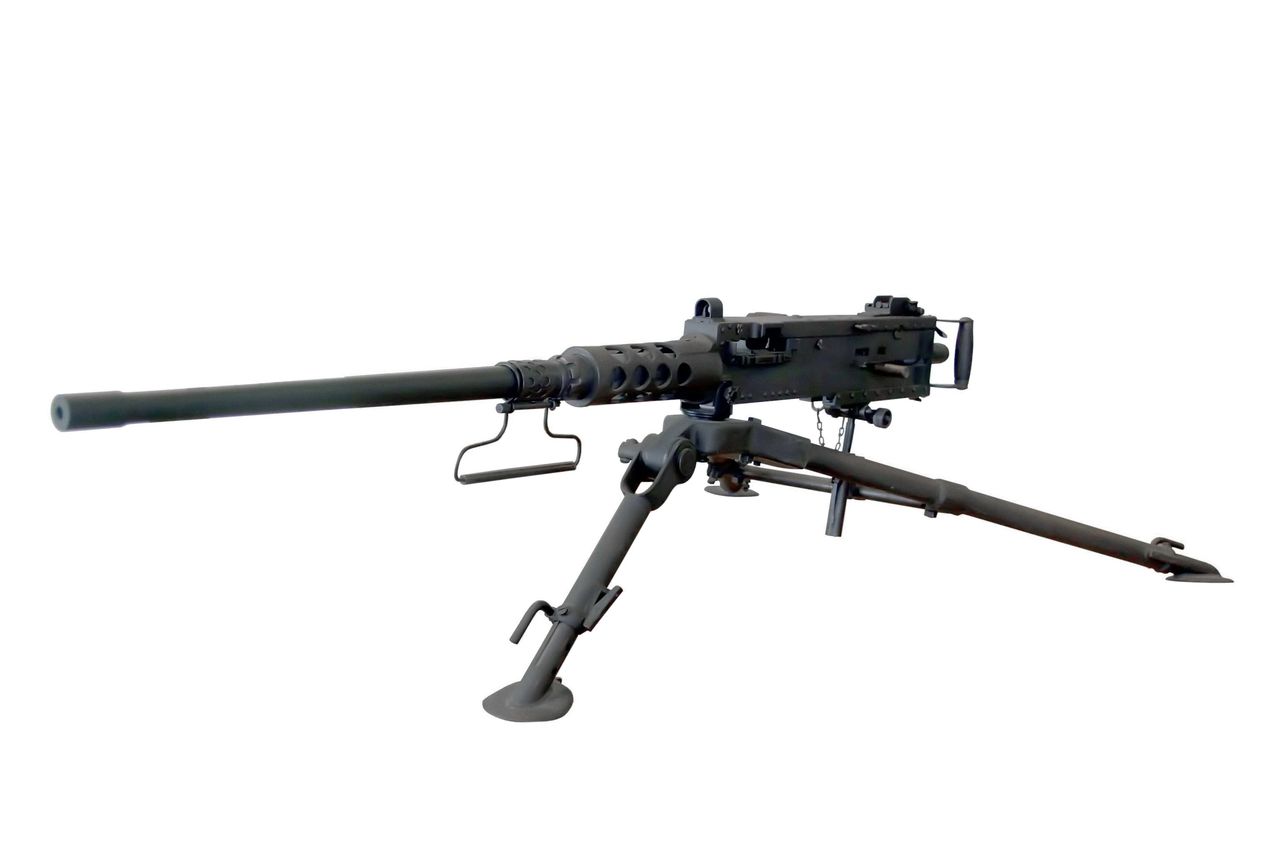
For ordinary civilians to buy newly made machine guns again on anything like a normal commercial basis, several things would likely need to happen. A court would probably need to invalidate or sharply limit § 922(o), and that ruling would need to survive appeal or come from the Supreme Court. After that, ATF would still need a workable registration and transfer process, or Congress would need to rewrite the statute.
There would also need to be clarity on manufacturing, dealer transfers, background checks, tax payments, recordkeeping, and interstate movement. None of that appears close to settled right now. In fact, the current trend in federal appellate rulings points the other way, with courts continuing to uphold the machine gun ban even while fights over accessory definitions continue.
So the skepticism is not anti-gun hand-wringing. It is basic legal realism. One ruling can reshape an argument, narrow an agency definition, or energize activists. But reopening civilian machine gun sales would require knocking down several separate barriers, and the biggest ones are still firmly standing.