The argument over ghost guns is not just about the law. It is also about identity, trust, and who gets to define responsible gun ownership in America.
What people mean when they say ghost gun

The term “ghost gun” sounds dramatic, but it usually refers to a privately made firearm that lacks a serial number applied by a licensed manufacturer. In practice, the debate often centers on unfinished frames or receivers, parts kits, and the tools used to complete them at home. That makes the phrase politically powerful but technically imprecise, which is one reason the discussion gets heated so quickly.
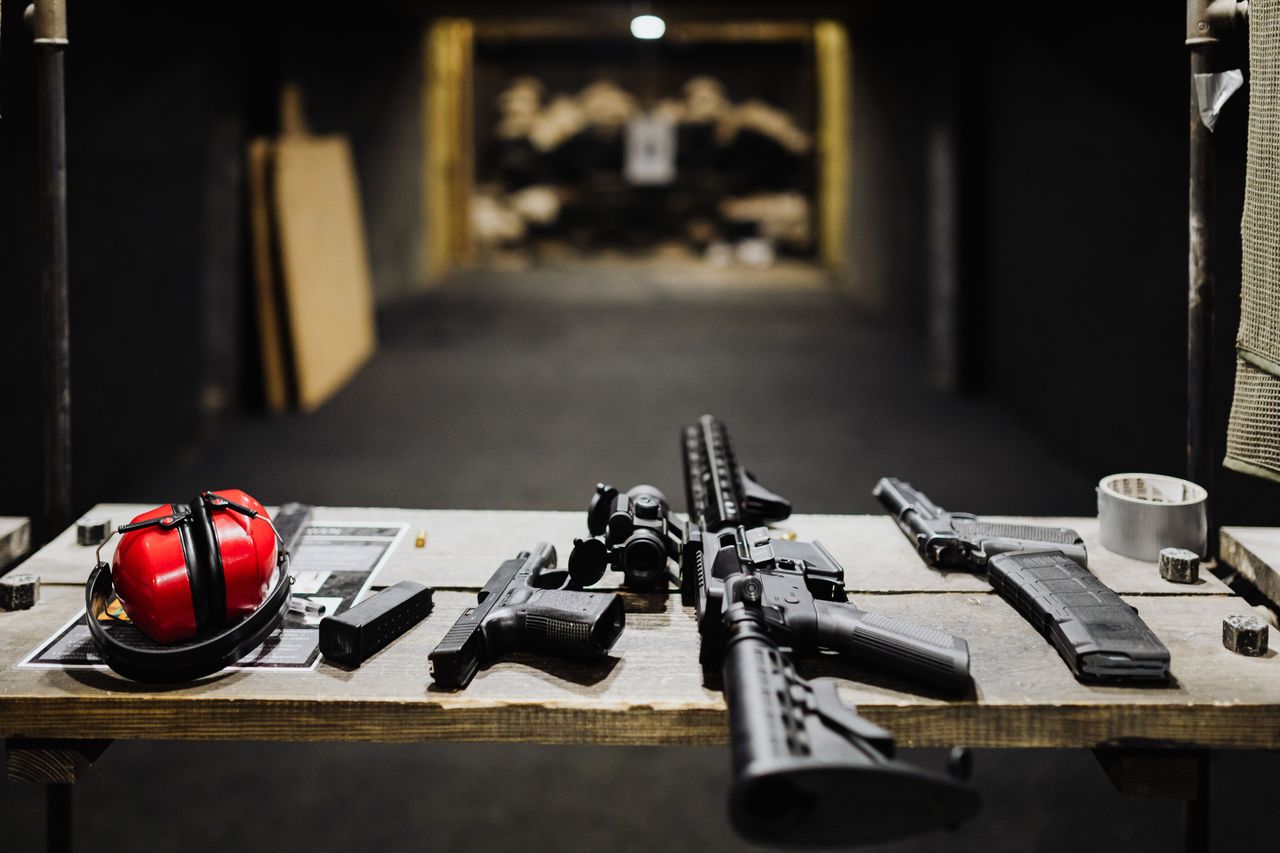
For hobbyist builders, home assembly is not some fringe invention. Americans have long customized, repaired, and even built firearms for personal use, provided they follow applicable law. Many enthusiasts compare it to restoring a classic car or building a competition rifle from individual components. The appeal is mechanical knowledge, self-reliance, and the satisfaction of making something with your own hands.
Mainstream gun owners, however, do not always view the practice through that lens. A large share buys factory-made firearms from licensed dealers, complete a background check, and see serialized products as normal and practical. When media coverage focuses on crime scenes and unserialized weapons, many in that broader community instinctively distance themselves from the home-build niche rather than defend it.
Why regulators moved aggressively

Regulators did not choose this issue at random. Law enforcement agencies have reported rising recoveries of privately made firearms at crime scenes in several major cities, and officials argue that unserialized weapons complicate tracing investigations. According to the Bureau of Alcohol, Tobacco, Firearms,s and Explosives, ghost gun recoveries increased sharply over recent years, a statistic repeatedly cited by the Justice Department and city attorneys pressing for tighter rules.
The regulatory response focused on unfinished frames and receivers that could be converted into working firearms with modest tools. The Biden administration backed a rule intended to treat many kits and key parts more like completed guns, requiring serial numbers and background-check procedures when sold by licensed dealers. Supporters said the approach addressed an obvious loophole in a market transformed by online sales, jigs, and easy-to-follow video tutorials.
But aggressive rulemaking had a side effect. It told hobbyists that the government no longer saw their activity as a legitimate tradition to be preserved, but as a workaround to be shut down. That framing hardened attitudes fast. Builders who might have accepted narrower crime-focused measures instead came to see the entire push as an attack on lawful gun making itself.
The hobbyist case for home building
Talk to committed homebuilders, and a clear pattern emerges. They do not usually describe themselves as trying to evade rules. They talk about craftsmanship, experimentation, historical firearm designs, and the freedom to build a legal personal firearm without entering a commercial tracking system. In their view, the right to keep and bear arms carries some practical meaning only if citizens can also understand and create the tools involved.
There is also a strong privacy argument. Many builders distrust centralized records, fear future confiscation efforts, or simply object to the idea that every lawful acquisition should produce a paper trail. Even gun owners who are not deep into the build community sometimes sympathize with that instinct. The American gun culture has always included a suspicion of government databases, especially after decades of political fights over registration.
Then there is the educational side. Home building teaches tolerances, materials, safe assembly, and function testing in a way that off-the-shelf ownership does not. Some competitive shooters and gunsmiths argue that these skills can actually reinforce safety and respect for the platform. From that perspective, broad regulations risk lumping careful hobbyists together with reckless actors who were never the real audience for compliance in the first place.
Why are many gun owners uneasy about the issue
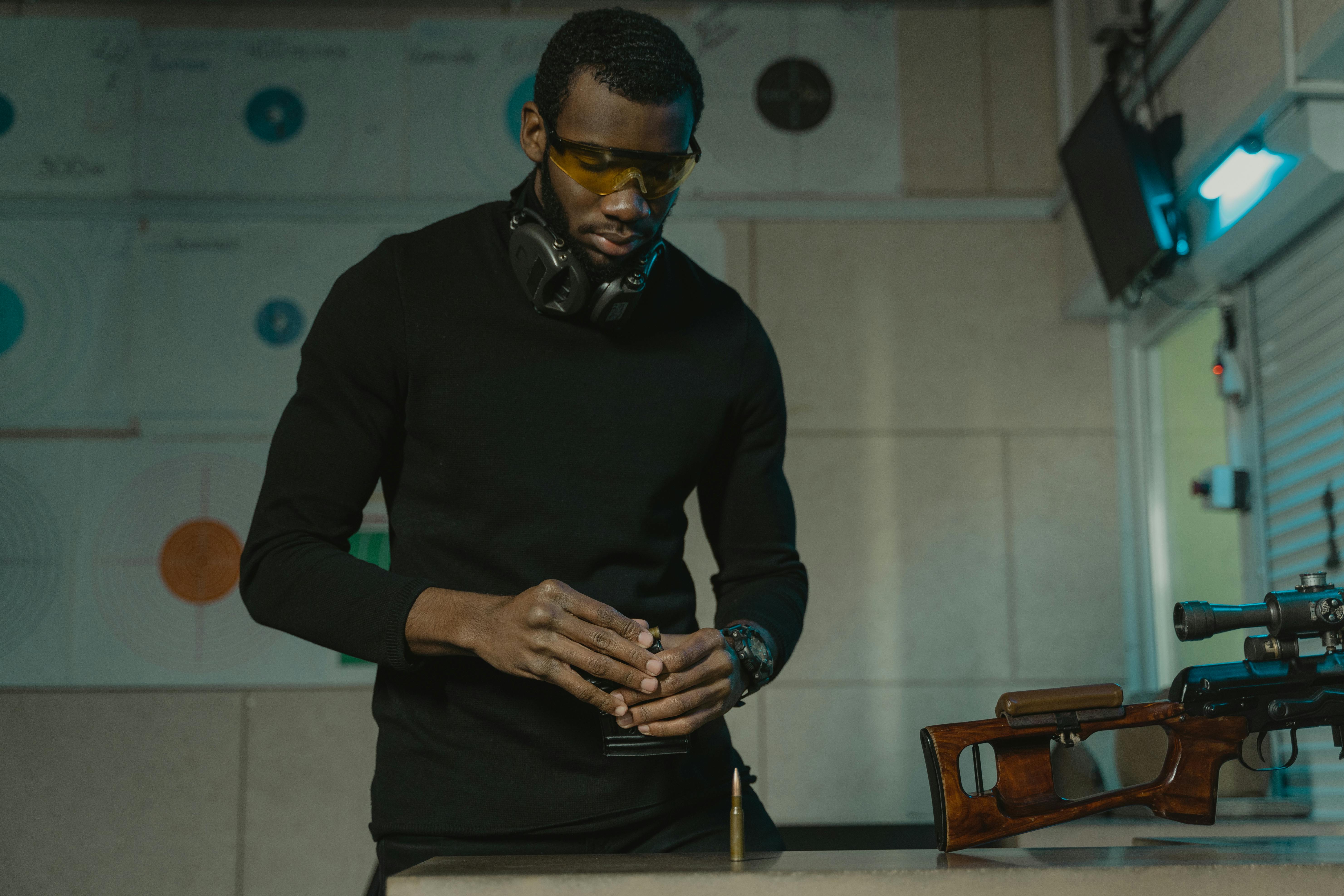
If the builder community sees principle, much of the mainstream firearms community sees strategic risk. Retail gun buyers, instructors, hunters, and concealed-carry permit holders often worry that ghost gun controversies make it easier for opponents to portray all gun owners as hostile to accountability. They know suburban voters may not distinguish between a legal hobbyist build and a firearm assembled by a prohibited person after buying parts online.
That political concern matters because many established gun owners focus on preserving widely shared priorities. They want to protect concealed carry, magazine ownership, hunting traditions, and access to common semiautomatic rifles. In that context, ghost guns can look like a niche issue with terrible optics. Some firearm dealers privately complain that every headline about unserialized crime guns creates pressure that eventually lands on the entire industry.
There is also a cultural gap. Mainstream gun ownership in the last two decades has become more consumer-oriented, training-focused, and brand-driven. Buyers compare factory triggers, optics-ready slides, and warranty support. They may admire technical skill, but they do not necessarily see unfinished receivers as central to the right itself. So when builders describe regulation as existential, some ordinary gun owners hear exaggeration rather than urgency.
Courts, compliance, and a messy legal landscape
The legal fight has only widened the divide. Federal rules, state bans, and local restrictions vary significantly, leaving gun owners unsure what is lawful from one jurisdiction to the next. Some states have required serialization of homemade firearms, others have restricted unfinished receivers outright, and several have built permit systems around personally made firearms. That patchwork creates confusion even for people trying to follow the rules carefully.
Court challenges added another layer of uncertainty. Gun-rights groups and manufacturers argued that agencies were stretching statutory language beyond what Congress authorized. Government lawyers countered that the market had changed and the law needed to cover products sold in near-complete form. As cases moved through federal courts, each ruling was treated as proof by one side that common sense had prevailed and by the other that overreach was being normalized.
For hobbyists, that instability feels punitive in itself. Tools, kits, and parts once treated as ordinary can suddenly become legal hazards depending on court orders or regulatory revisions. For mainstream gun owners, the constant litigation can be exhausting. Many simply want clarity and stability, which helps explain why some are open to compromises that dedicated builders regard as unacceptable concessions.
How the media and industry widened the split
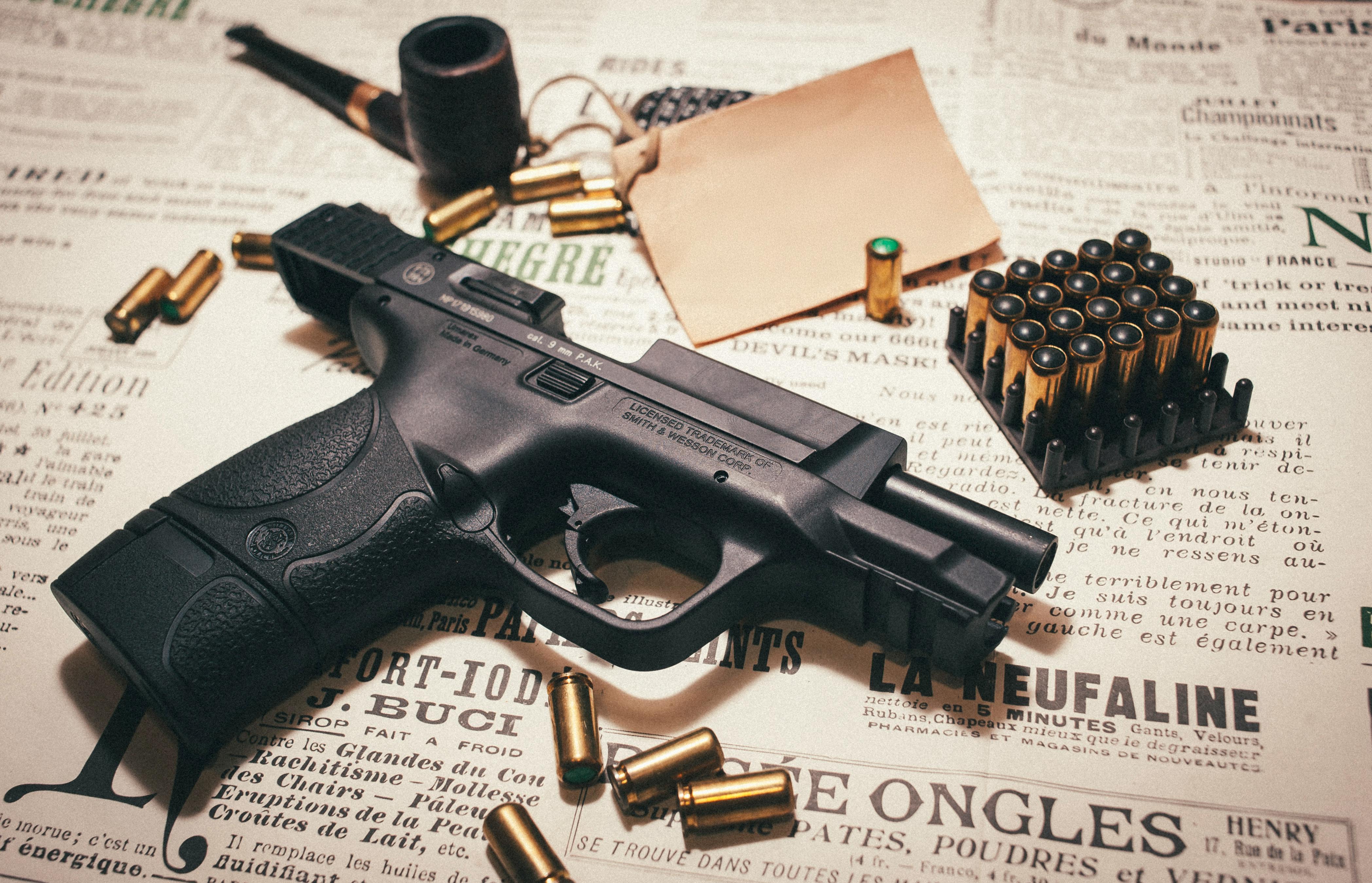
Media coverage has played a major role in shaping this divide. Local television reports often use “ghost gun” as a catchall phrase attached to arrests, gang investigations, or tragic shootings. That framing leaves little room for distinctions between lawful home manufacture and criminal misuse. Repetition matters, and over time, the term itself has become synonymous in many households with danger and evasion.
The firearms industry has not always pushed back in a unified way. Some niche companies built entire business models around unfinished receivers and build kits, marketing them with anti-regulatory swagger that energized supporters but alarmed more conventional gun owners. Larger manufacturers and trade groups, by contrast, have often prioritized broader legislative fights and treated ghost guns as a secondary issue, especially when public sympathy looked limited.
That mismatch in messaging created resentment on both sides. Builders felt abandoned by the very organizations that claim to defend gun rights in full. More mainstream advocates, meanwhile, sometimes felt that provocative marketing handed regulators an easy target. When a legal right is packaged as a cultural dare, it becomes harder to persuade skeptical voters that the practice deserves careful protection.
What could narrow the gap?
The divide is real, but it is not inevitable. A more productive debate would start by separating lawful home building from criminal possession and trafficking. That means acknowledging that hobbyists are not automatically suspects, while also recognizing that law enforcement has a legitimate interest in stopping prohibited persons from exploiting weak points in the market. Serious policy works best when it distinguishes categories instead of collapsing them.
There are practical ways to lower the temperature. Industry groups could promote best practices for safe home building, storage, and voluntary documentation of transfers where legal. Regulators could write narrower rules with clearer definitions and avoid language that implies every unserialized firearm is evidence of criminal intent. Legislatures could also focus on penalties for unlawful use rather than assuming the building process itself proves dangerous.
Most importantly, the firearms community needs an honest internal conversation. If mainstream gun owners dismiss builders as an embarrassing fringe, the coalition for gun rights becomes narrower and more fragile. If hobbyists treat every compromise as a betrayal, they make persuasion impossible. Ghost gun regulation has exposed a fault line, but it also offers a test of whether a diverse gun culture can still defend principles without losing public trust.