Some cartridges get talked about. This one gets adopted.
The 6.5 PRC has become the kind of round that makes experienced hunters quietly rework their rifle racks after one season behind it.
It shoots flatter in the real world, not just on paper
The biggest reason serious hunters move to the 6.5 PRC is simple: it makes distance easier to manage when the pressure is real. At practical hunting ranges, a flatter trajectory means fewer correction errors and more room for small mistakes in range estimation. That matters far more on a windy ridge or open basin than it does at a bench.
Compared with older standards like the .308 Winchester, 6.5 Creedmoor, or .270 Winchester, the 6.5 PRC typically starts faster while carrying sleek, high ballistic coefficient bullets. Loads built around 143 grain, 147 grain, and 156 grain projectiles often leave the muzzle at speeds that give hunters a noticeably straighter path to 400, 500, and 600 yards. In plain language, the hold is simpler.
That advantage shows up especially fast past 300 yards. A rifleman who knows his dope can absolutely make older cartridges work, but the 6.5 PRC shortens the learning curve and reduces punishment for imperfect field estimates. Hunters switching from a 6.5 Creedmoor often describe the change as getting the same bullet behavior, only with more reach and less arc.
This is why the cartridge has gained traction in mountain hunting, Western spot-and-stalk hunting, and any scenario where shots may come across canyons, sage flats, or alpine bowls. It gives a modern long-range shape without asking the shooter to jump into heavy magnum recoil.
Wind drift is where the 6.5 PRC really starts separating itself
Trajectory gets attention, but wind is what ruins shots. Long range hunters know that elevation can be solved with a rangefinder and verified drops. Wind is harder because it shifts with terrain, gusts unexpectedly, and rarely behaves the same between muzzle and target.
The 6.5 PRC helps because its common bullet weights are long, efficient, and built to resist drag. A high BC 6.5 mm bullet simply spends less time getting pushed around than many traditional hunting projectiles. That means less horizontal movement in a crosswind and a wider margin for the kind of partial wind call hunters actually make in the field.
Take a typical comparison at 500 yards. A 143 grain 6.5 PRC load can show several inches less drift than a lighter, blunter bullet from older cartridges at similar hunting pressures. That may not sound dramatic from a chair, but on a mule deer chest or an elk vitals window, a few inches can be the difference between a clean hit and a miss that haunts somebody for years.
This is where experienced hunters start leaving old favorites behind. Not because those cartridges failed for generations, but because the 6.5 PRC reduces one of the hardest variables in long range shooting without asking for exotic rifles or specialized setups.
It carries energy farther than many mild recoiling hunting rounds

Flat shooting only matters if the bullet still arrives with authority. The 6.5 PRC earned respect because it does not just print nice numbers at the muzzle. It holds onto speed and energy impressively well downrange, which is exactly what hunters need when a shot stretches beyond conventional woods distances.
With premium bullets such as bonded soft points, controlled expansion designs, and modern tipped hunting bullets, the cartridge maintains impact velocity at ranges where slower rounds start to dip closer to their performance floor. That is a major reason hunters use it confidently on deer, pronghorn, sheep, black bear, and elk with proper shot placement and proper bullet selection.
This is not about pretending a 6.5 PRC hits like a .300 magnum. It does not. What it does do is preserve enough speed for reliable bullet expansion much farther out than many moderate cartridges while avoiding the recoil jump that often comes with larger magnums. That balance is the whole story.
Manufacturers leaned into that sweet spot. Hornady, Federal, Browning, Nosler, and others have offered loads that let the cartridge do exactly what modern hunters want: stay aerodynamic, arrive fast, and perform predictably when impact distances get long and angles get awkward.
Recoil stays reasonable, and that changes everything in the field
One of the least appreciated truths in hunting is that many shooters do not miss because their cartridge is too weak. They miss because their rifle is unpleasant enough to practice with that they never become fully confident with it. The 6.5 PRC lands in a very useful middle ground by delivering magnum-like external ballistics without true magnum punishment on the shoulder.
Compared with rounds like the 7mm Remington Magnum or .300 Winchester Magnum, the 6.5 PRC is easier for most shooters to fire well from realistic field positions. That matters when you are sitting on a steep slope, braced over a pack, breathing hard, and trying to break a clean shot before an animal turns into cover.
Hunters who switch often say they spot impacts better with the 6.5 PRC. The rifle moves less, the sight picture recovers faster, and the shooter gets better feedback. That is a practical edge, not a comfort issue. Being able to see where your bullet landed can help you correct instantly if a follow-up is needed.
It also changes training habits. A cartridge that people enjoy shooting gets shot more. More rounds downrange mean stronger dope, more trust in the rifle, and less chance of unraveling when the real opportunity appears at 437 yards instead of the nice round number everyone rehearsed.
The cartridge fits modern rifles and modern hunting styles
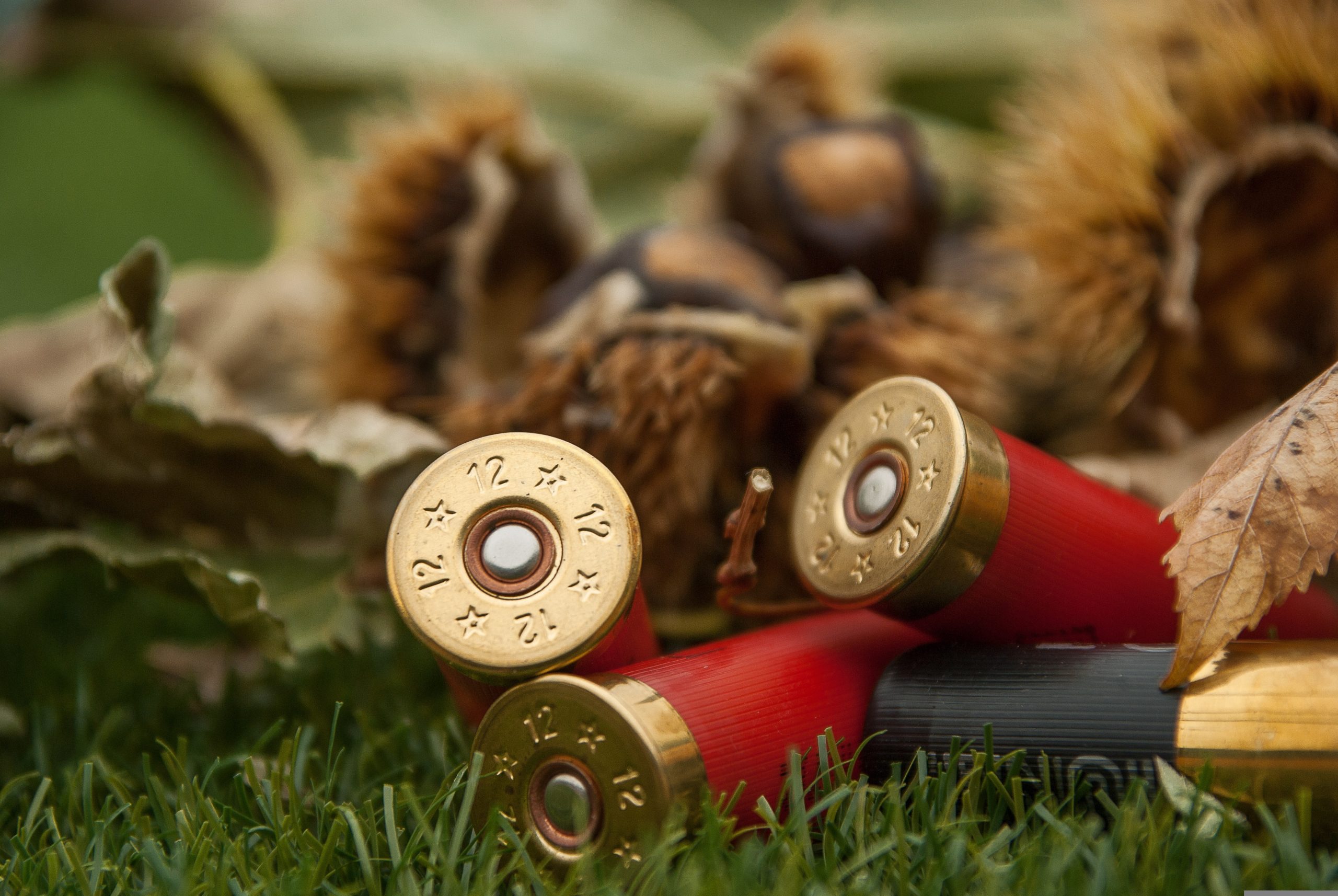
Part of the 6.5 PRC story is not just ballistics. It arrived at the right moment for the way people hunt now. Factory rifles are lighter, optics are better, suppressors are more common where legal, and hunters are more willing to train at distance than they were 20 years ago.
Because it was designed around a short-action magnum concept, the 6.5 PRC gives builders and manufacturers a useful platform for compact hunting rifles. Companies like Christensen Arms, Bergara, Savage, Browning, Ruger, and Springfield Armory have all offered rifles that let hunters get serious long range capability without carrying a giant setup through rough country.
The cartridge also pairs naturally with the kind of bullets precision-minded hunters already trust. Heavy-for-caliber 6.5 mm bullets feed the current preference for aerodynamic projectiles that retain velocity and resist wind. In other words, the 6.5 PRC was born into an era that finally knows how to exploit what it offers.
That is why so many adopters are not trend chasers. They are practical hunters upgrading systems. Better rangefinders, better turrets, better factory ammunition, and better rifle design all amplify what the cartridge already does well.
Where hunters are actually seeing the difference
The clearest proof comes from the field. Western deer and elk hunters are among the strongest supporters because they often face open terrain that stretches beyond the comfort zone of older brush-country cartridges. When a buck hangs up at 480 yards across a basin, the 6.5 PRC gives a practiced hunter a cleaner solution than many legacy rounds.
Guides and outfitters have noticed it too. They tend to value results over internet enthusiasm, and many have seen clients shoot the 6.5 PRC more calmly and more accurately than harder-kicking magnums. That does not mean every guide wants clients taking long shots. It means when the shot is appropriate, the cartridge helps reduce avoidable errors.
There are also sheep and mountain hunters who appreciate what happens when every ounce matters. A lighter rifle chambered in 6.5 PRC can still deliver meaningful downrange performance on steep, windy terrain where packing a heavier magnum becomes less appealing every mile.
Even antelope country shows its strengths. Pronghorn often demand precision at distance in open wind, and the combination of low drift, manageable recoil, and retained velocity makes the cartridge feel purpose-built for exactly that kind of hunt.
Why some hunters are leaving older favorites behind for good
None of this means the .270, .30-06, .308, or 7mm Remington Magnum suddenly stopped working. They are proven hunting cartridges with long records and loyal followings. But hunting culture has changed, and equipment expectations have changed with it.
Today’s serious hunter often wants one rifle that can cover deer in open country, elk in the mountains, and long practice sessions in the off-season without beating the shooter up. The 6.5 PRC answers that request unusually well. It offers speed, efficiency, and shootability in a package that feels modern without becoming overly specialized.
That is why people walk away from what they used before. Not because they were fooled by hype, but because they saw fewer misses in wind, more confidence past 400 yards, and better real-world practice habits. Performance has a way of ending arguments.
The 6.5 PRC is not magic, and it is not the answer for every hunter. But at long range, it solves enough real problems at once that many experienced riflemen decide the old compromises no longer make sense.