It was supposed to stay a specialist round. Instead, the 5.7×28mm has become one of the strangest comeback stories in modern firearms.
Built for a very specific problem
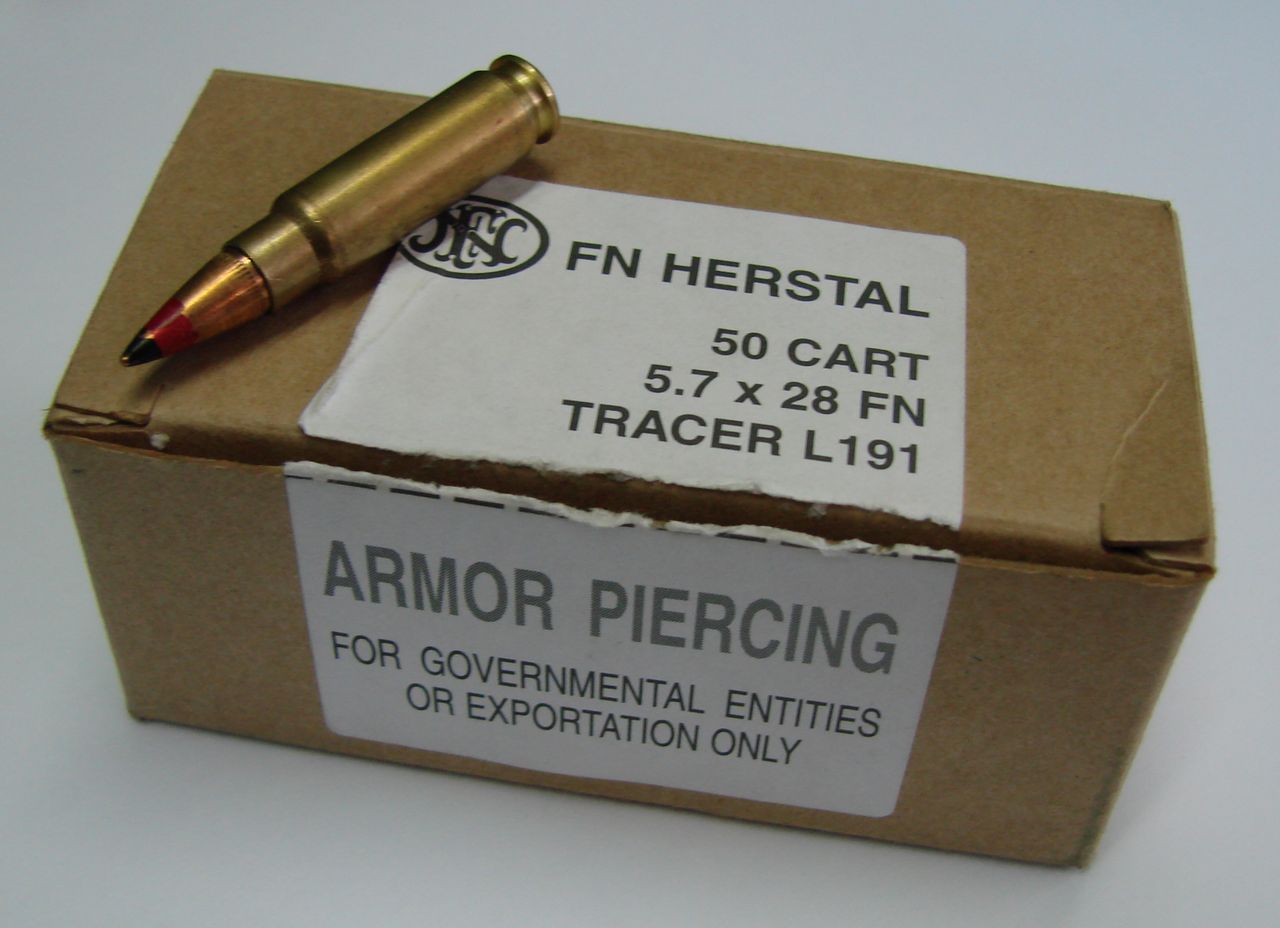
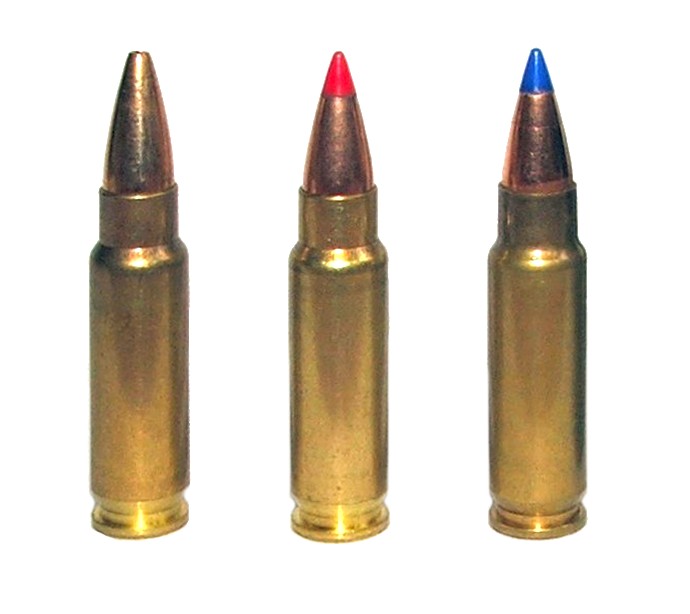
The 5.7×28mm began life as a military answer to a late-Cold War question: how do you give support troops a light, controllable weapon with better performance than a traditional pistol-caliber subgun? FN developed the cartridge in the late 1980s alongside the P90 platform, with armor, weight, and controllability all shaping the design.
According to FN, the round was created after NATO sought a possible replacement concept for 9mm-class sidearms and personal defense weapons. FN also notes that the cartridge was later standardized by NATO in 2021, which gave the little bottleneck round a level of institutional legitimacy it lacked for years.
That history matters because it explains why 5.7 always felt different. It was never just a shrunk-down rifle round or a hot pistol cartridge. It was purpose-built from the start, and that original engineering discipline is part of why shooters kept circling back to it.
Why it stayed niche for so long
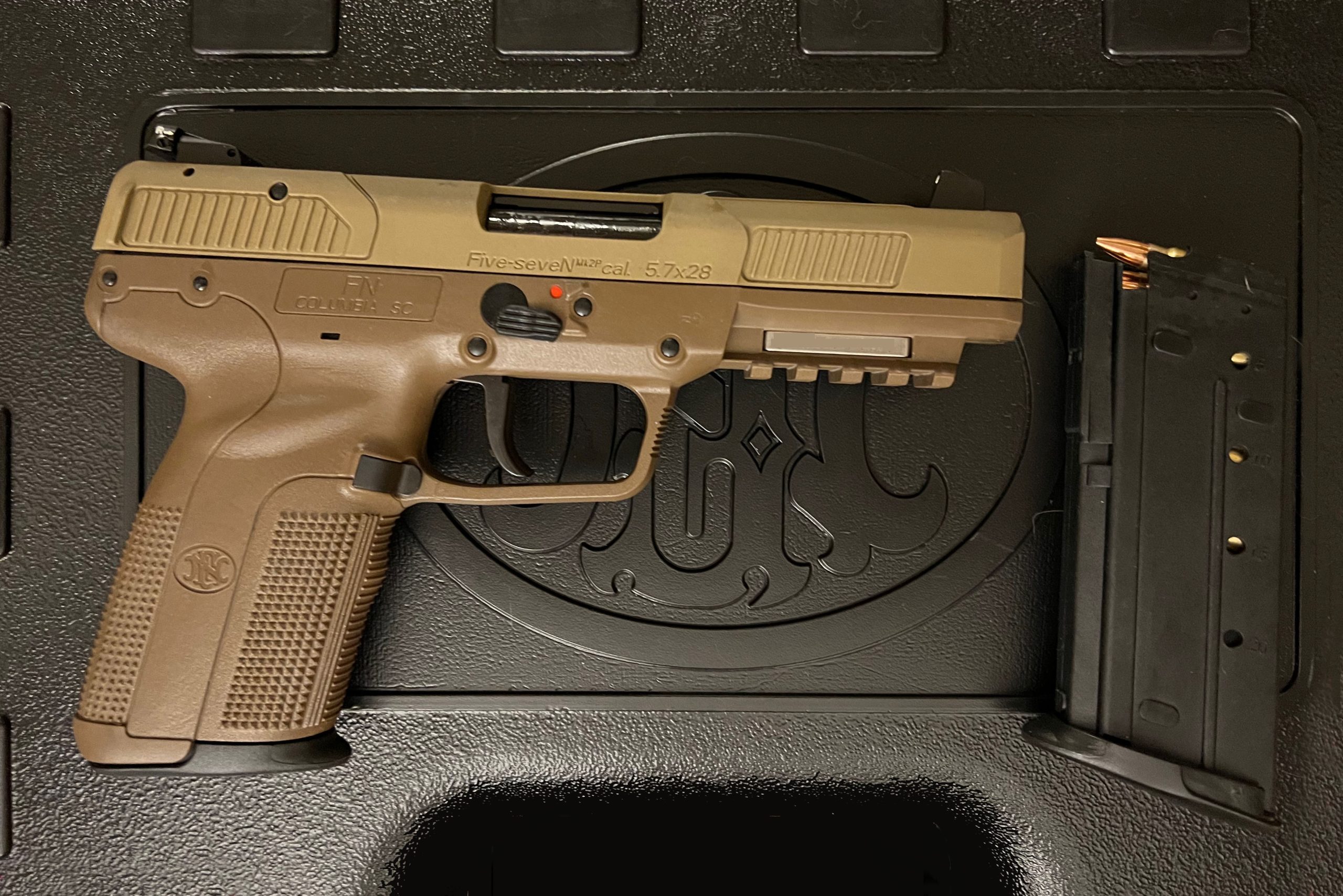
For years, the 5.7×28mm had one big problem: almost nobody made guns for it. Civilian shooters largely associated it with the FN Five-seveN pistol and the PS90, both interesting, both effective in their lanes, and both expensive enough to keep casual buyers away.
Ammo availability didn’t help. The cartridge developed a reputation as a premium oddball, and once a round becomes known as hard to find or pricey to shoot, a lot of mainstream buyers simply move on to 9mm, .22 WMR, or 5.56. That reputation stuck longer than the actual market conditions deserved.
There was also constant confusion about what the round was supposed to be. Some buyers fixated on armor-penetration mythology tied to restricted military loads, while practical shooters wanted a clearer civilian case for self-defense, training, or varmint use. For a long time, the industry did a poor job bridging that gap.
The civilian market changed everything
The second life of 5.7 really began when more companies started building affordable guns around it. Ruger introduced the Ruger-57 in late 2019 and followed with the LC Carbine in 5.7×28mm in 2022, proving there was real demand beyond FN’s original premium niche.
Palmetto State Armory’s Rock, Smith & Wesson’s M&P 5.7, and other newer entries widened the lane even more. Suddenly, buyers didn’t need to spend flagship money to try the cartridge, and that matters enormously in the American market, where caliber growth usually follows platform growth.
That broader support changed perception. A round once seen as exotic started looking practical: high magazine capacity, light recoil, flat trajectory, and easy shootability from both pistols and carbines. The cartridge itself didn’t change nearly as much as the ecosystem around it did.
Ammo support finally caught up
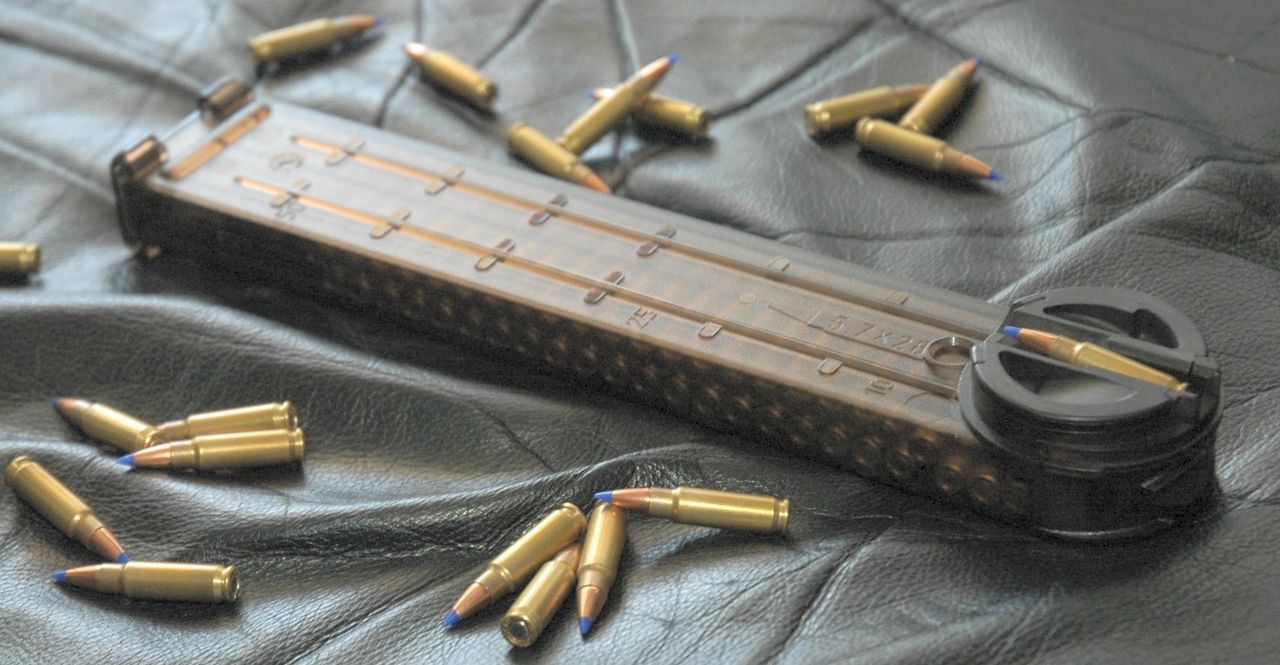
A cartridge is only as healthy as its ammunition shelf presence, and this is where 5.7 made its biggest leap. FN expanded its own lineup in 2023 with DFNS defensive loads and GUNR training loads, while long-running commercial options from Federal, Speer, and Fiocchi helped fill out the market.
Speer’s Gold Dot load was especially important because it gave the caliber a mainstream defensive identity. Federal’s American Eagle 40-grain TMJ also helped define the affordable practice side of the round, with published catalog velocities around 1,655 fps from pistol-length test barrels.
Industry observers have also pointed to a standards milestone: SAAMI acceptance in 2024. That kind of standardization is boring in the best possible way. It encourages broader manufacturer participation, reduces uncertainty, and helps a cartridge graduate from curiosity to established commercial category.
What shooters actually like about it
The strongest argument for 5.7 is not magic terminal performance. It is shootability. In full-size pistols, recoil is typically light, muzzle rise is modest, and hits at 25 to 50 yards feel easier than many shooters expect, especially for newer or less recoil-tolerant users.
In carbines, the round gets even more interesting. You get low recoil, compact magazines, and a flatter path than traditional handgun cartridges, which makes it useful for small-game and varmint-style roles within obvious limitations. That combination helps explain why outdoors-minded shooters keep taking a second look.
None of this makes 5.7 a universal replacement for 9mm or 5.56. But it does make it unusually versatile. The surprise is not that it survived; the surprise is that the market finally found realistic, non-hype reasons to appreciate what it does well.
The comeback is real, but it has limits
The 5.7×28mm is enjoying a genuine revival, but it is still not a default American caliber. Ammo cost remains higher than 9mm, platform choice is wider than ever but still modest, and some buyers remain skeptical of terminal performance compared with more established defensive rounds.
Even so, the cartridge no longer looks like a dead-end curiosity. It now has military pedigree, NATO standardization, SAAMI recognition, expanding ammunition choices, and a growing list of handguns and carbines from major makers. That is more than nostalgia; that is market infrastructure.
Its second life comes from a simple shift in perspective. Once people stopped asking whether 5.7 was a miracle round and started asking whether it was useful, the answer became obvious. For a lot of shooters, it turns out the little cartridge had been waiting years for the right moment.