The firearms market is changing faster than many people realize. And the most important shift is not just what people are buying, but who is showing up to buy it.
The age surprise hiding inside the market

For years, the common picture of the American gun buyer leaned toward older, rural, and deeply established in the category. That image still describes a large part of the market, but it no longer explains where much of the new momentum is coming from. The growth story now runs through younger adults, especially people entering the market for the first time.
Gallup’s long-running polling shows younger adults still trail older Americans in overall gun ownership, which is exactly why this shift matters. In Gallup data, only about 21% of adults ages 18 to 29 report personally owning a gun, compared with roughly 32% of those 30 to 49 and 31% of those 50 and older. In other words, younger adults are not the biggest ownership bloc, but they are the group with the most room to expand.
That gap between lower ownership and rising interest is where sales growth gets created. When a mature market starts attracting people who previously sat outside it, retailers notice quickly. According to NSSF, millions of Americans have become first-time gun owners since 2020, and the organization says roughly 26.2 million first-time owners entered the market over that five-year stretch.
The surprise, then, is not that older Americans still own plenty of guns. It is that the next wave of demand is increasingly being defined by younger buyers who are moving from non-ownership into ownership, often with very different expectations than legacy customers.
Why are younger adults stepping in now?

The reasons younger adults are buying are practical, not mysterious. Personal protection remains a major driver, and that motivation has stayed strong since the pandemic years, when concerns about public disorder, crime, and emergency preparedness pushed many hesitant consumers into the market.
But younger buyers are not motivated by self-defense alone. They are also entering through recreational shooting, outdoor culture, and social participation. NSSF research points to first-time buyers who are not simply making a one-time purchase and disappearing. Many are going on to buy ammunition, seek training, and become repeat participants.
That pattern matters because it changes the economics of the category. A first gun sale is important, but long-term value comes from classes, range time, optics, safe storage, accessories, and ammunition. NSSF’s 2025 ammunition study estimates 17.7 billion rounds were sold in fiscal 2024, representing about $9.0 billion in retail sales, which shows how much follow-on spending shapes the business.
Younger adults also tend to arrive with a consumer mindset shaped by every other category they shop in. They compare prices online, read reviews, care about design, and often want products that feel approachable rather than intimidating. That does not make them casual buyers. If anything, it means they expect clearer information, better service, and a more modern retail experience.
First-time ownership is the real growth engine
The best way to understand the current market is to separate total ownership from incremental demand. Total ownership still skews older because guns, like boats, tools, or hunting land, accumulate over time. But sales growth is driven by who is entering the market now, and that means first-time buyers carry outsized importance.
NSSF’s recent first-time buyer research focuses on consumers who bought their first firearm between 2021 and 2024, a period that captured the post-surge market after the original pandemic spike. That is significant because it suggests the new-buyer trend did not end when the emergency phase cooled off. It kept feeding the market in a more normalized environment.
The broader sales backdrop supports that reading. NSSF said adjusted NICS background checks topped 15.2 million in 2024, while the FBI’s operational report recorded more than 28 million firearm-related background checks that year, with the bureau cautioning that checks do not equal one-for-one sales. Even with that caveat, the volume shows a market that remains historically elevated.
What retailers care about is whether new customers are replacing natural slowdowns among older, already-equipped buyers. Right now, the answer appears to be yes. Younger first-time owners are giving the industry a fresh stream of customers in a market that otherwise might look flatter than the headline check numbers suggest.
How younger buyers are changing what sells

When the buyer base gets younger, the product mix usually changes with it. In firearms, that often means stronger interest in compact handguns for personal protection, simpler optics-ready platforms, beginner-friendly training packages, and safe-storage products that fit apartment or suburban living.
This does not mean hunting rifles and traditional shotguns are disappearing. It means the fastest-moving parts of the market increasingly reflect the priorities of newer owners. A buyer in their 20s or 30s living in a metro area is more likely to be focused on home defense, concealed carry potential where legal, or range use than on a once-a-year deer season.
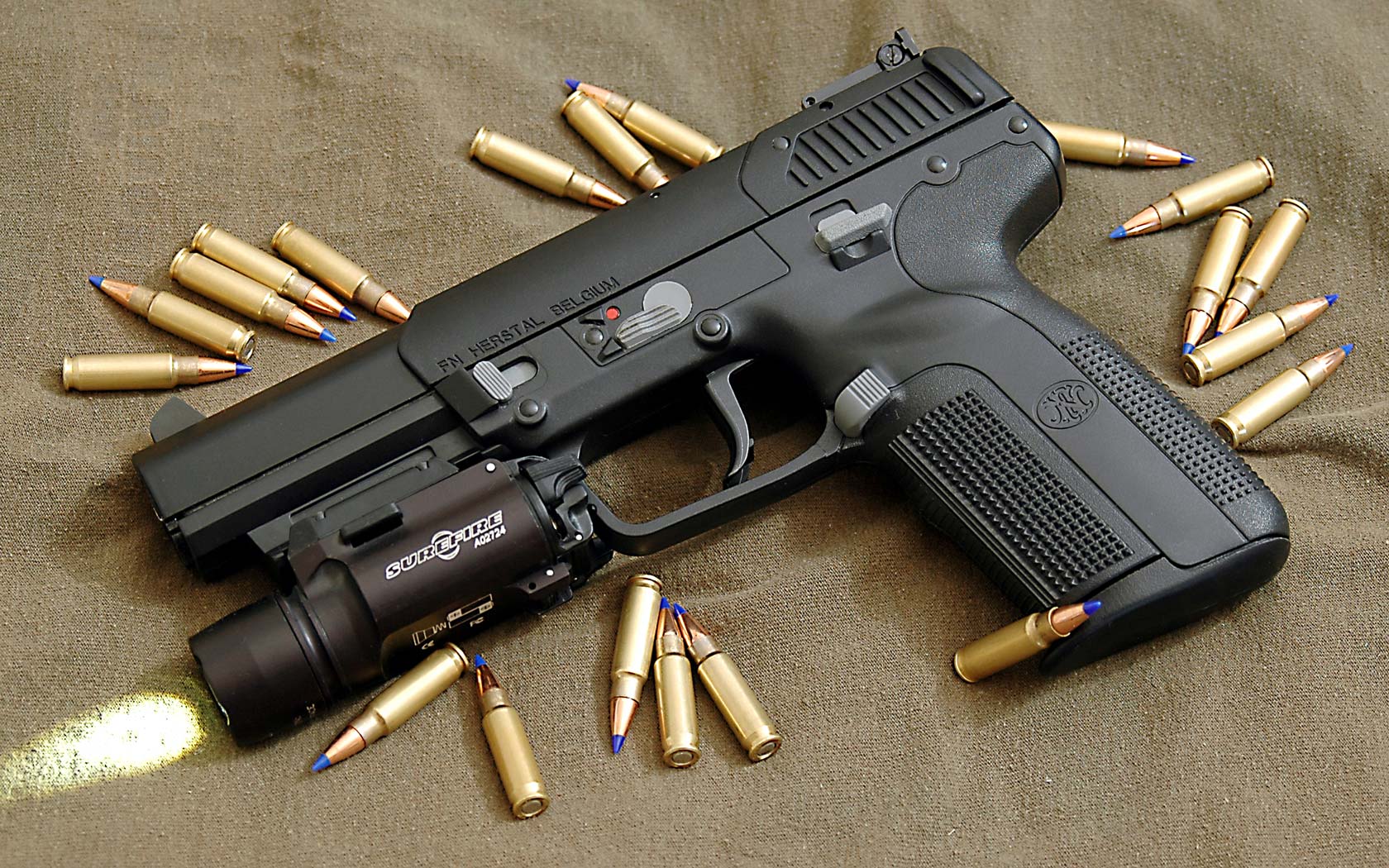
The accessory side tells the same story. Younger buyers are more likely to ask about red-dot sights, lockboxes, hearing protection, weapon-mounted lights, and training subscriptions or memberships. They often want a complete setup, not just a firearm in a cardboard box. That is a retail shift as much as a cultural one.
There is also a habit loop forming here. A customer who starts with one practical handgun may come back for classes, then ammo, then another firearm better suited to sport shooting or hunting. That is how a first-time buyer becomes a long-term participant, and it is one reason younger adults matter so much to future market growth.
Retailers and ranges are adapting to the new audience

Smart retailers are not waiting for this audience to behave like older generations. They are redesigning the buying experience around education, confidence, and trust. That means more entry-level seminars, more patient counter staff, and more effort to demystify terms, laws, maintenance, and storage.
Ranges are adapting too. The industry has spent several years talking about recruitment, retention, and reactivation, often shortened to R3. The logic is simple: if millions of first-time owners came into the market after 2020, the next challenge is keeping them engaged safely and responsibly instead of treating the first sale as the finish line.
That is especially important for younger adults, who tend to reward businesses that make learning easier. A clean range, a welcoming instructor, and straightforward safety coaching can turn curiosity into routine participation. A bad first experience can do the opposite just as fast.
This is also why mentorship efforts keep getting attention. NSSF has highlighted mentoring initiatives tied to hunting and shooting sports, arguing that the flood of first-time owners creates a major need for education and guided participation. In plain English, growth is no longer just about inventory. It is about onboarding people well enough that they stick.
The politics matter, but consumer behavior matters more
Gun sales are often discussed as a reaction to elections, legislation, or national headlines. Those factors absolutely move demand. Political uncertainty can accelerate purchases, and high-profile crime or unrest can do the same. But politics alone does not explain the staying power of younger-buyer growth.
A more useful lens is generational consumer behavior. Younger adults are used to researching major purchases carefully, then building identity around how they use them. That is true for camping gear, trucks, fitness, fishing, and firearms alike. Ownership becomes part utility, part skill development, and part lifestyle participation.
There is also a timing factor. Adults in their late 20s and 30s are entering life stages where they think more about household security, family routines, and emergency preparedness. Pew has shown that economic and family milestones are landing later for younger Americans than in prior generations, which helps explain why some gun-buying behavior may also be shifting later rather than disappearing.
That makes the current age trend easy to misread. If you only look at who owns guns today, the market seems older. If you look at who is entering and spending now, it looks younger. For anyone trying to understand growth instead of just ownership, that distinction is everything.
What does this mean for the future of the gun business
The firearms industry is not becoming a youth market overnight. Older owners still account for a huge share of installed ownership, experience, and repeat purchasing. But the center of sales growth is clearly being influenced by younger adults who are crossing into ownership later and often through different motivations than past generations.
That has long-term consequences. It means training, safety education, storage, and customer service will become even more central to business success. It also means the brands that win may be the ones that feel credible and serious without being exclusive, confusing, or stuck in an older retail model.
It may even reshape the public image of gun ownership. As newer buyers enter from different backgrounds, the category becomes harder to stereotype. The modern first-time buyer is more likely to expect instruction, research heavily before buying, and treat firearm ownership as a skill that requires upkeep, not just a right exercised once.
So yes, the surprising age group driving gun sales growth is younger than many people assume. Not because younger adults already dominate ownership, but because they are supplying the fresh demand that keeps the market moving forward.