Some rifles fail fast. The SA80 failed slowly, publicly, and then got good almost too late.
A Brilliant Idea That Entered Service Half-Baked
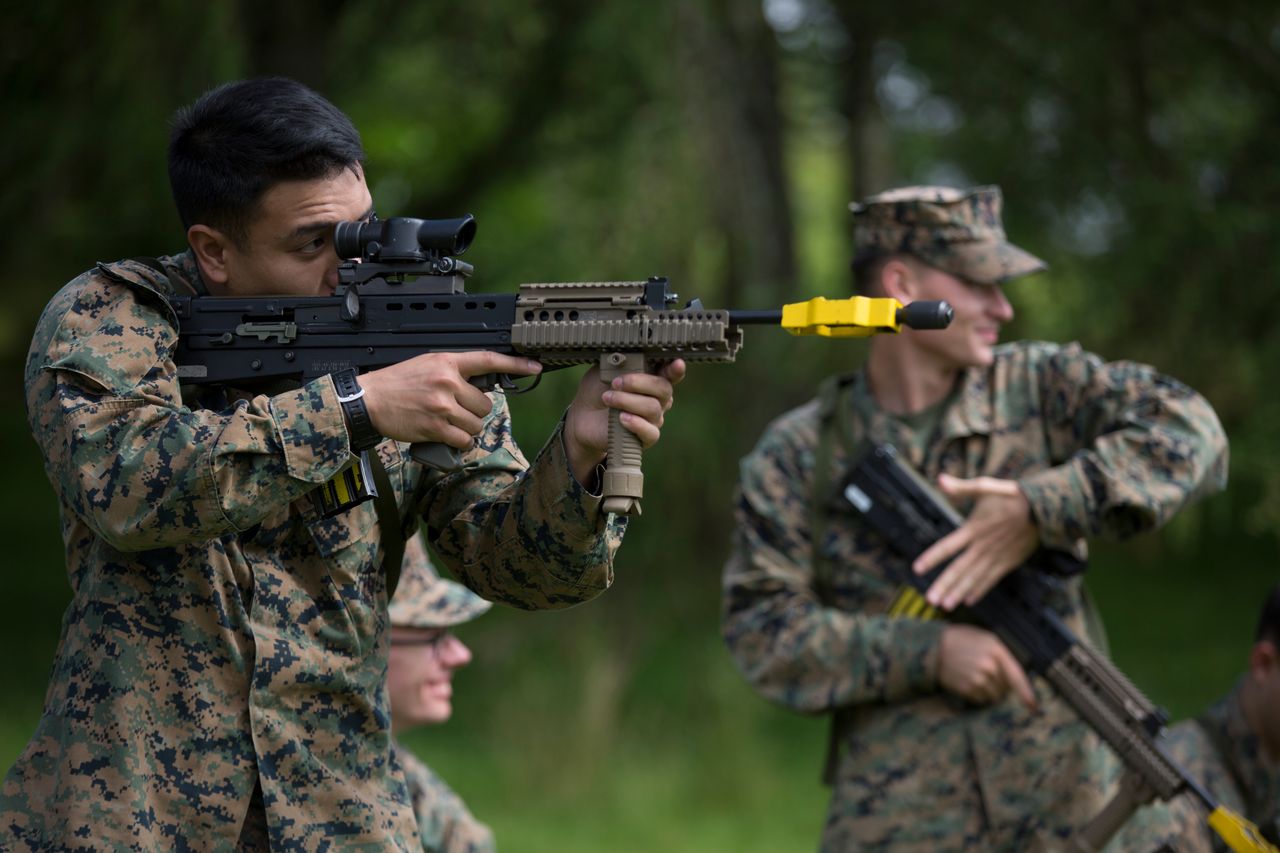
The British SA80 family was meant to be a leap forward: a compact 5.56×45mm bullpup with full-length barrel performance in a shorter package. The L85 rifle and L86 light support weapon looked futuristic and promised excellent accuracy from the start. British Army material still notes that the weapon was so accurate on introduction that marksmanship tests had to be redesigned.
That should have been the headline. Instead, reliability became the story.
Early L85A1 rifles developed a grim reputation for stoppages, broken parts, and poor durability in hard field use. Soldiers complained that the concept was sound but the execution was not, which may be the most frustrating verdict any weapons designer can hear.
Why The Original SA80 Earned So Much Criticism
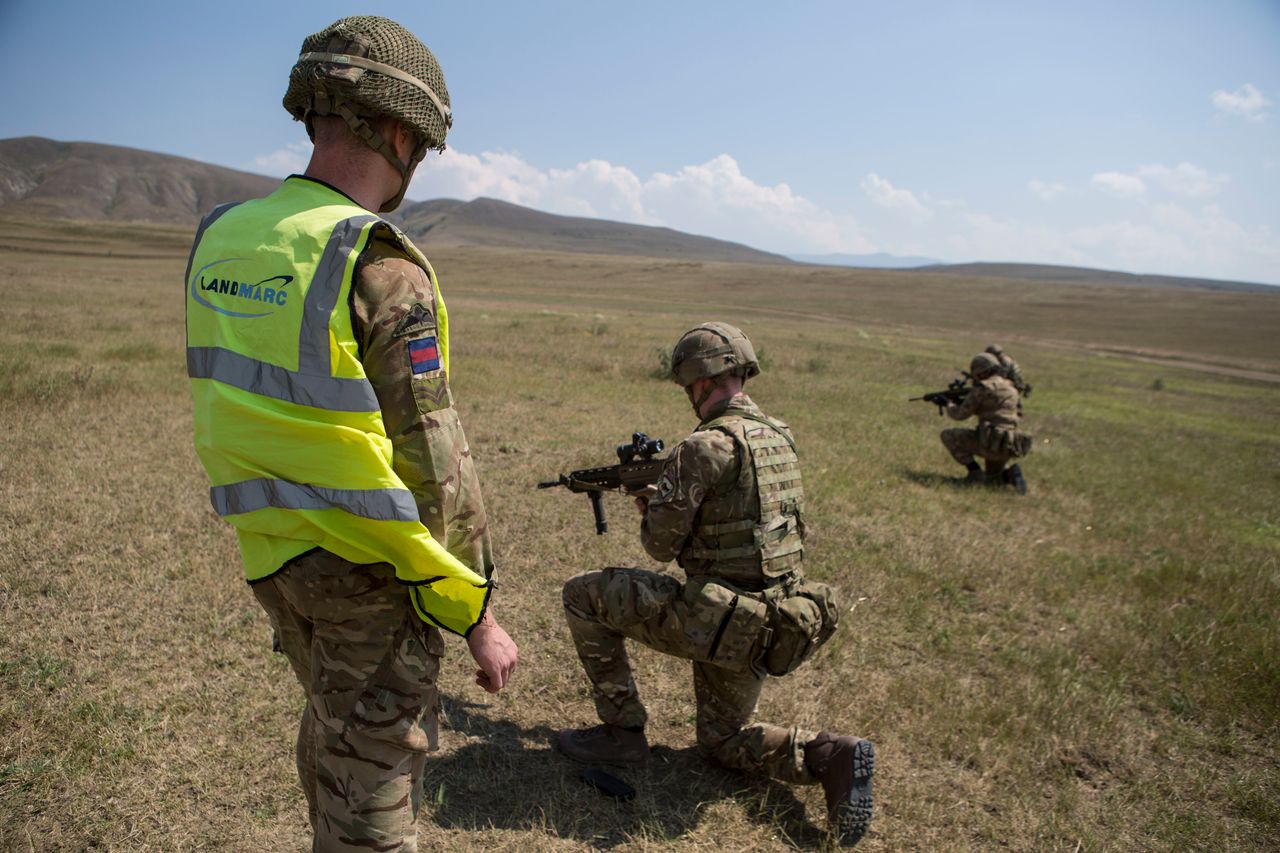
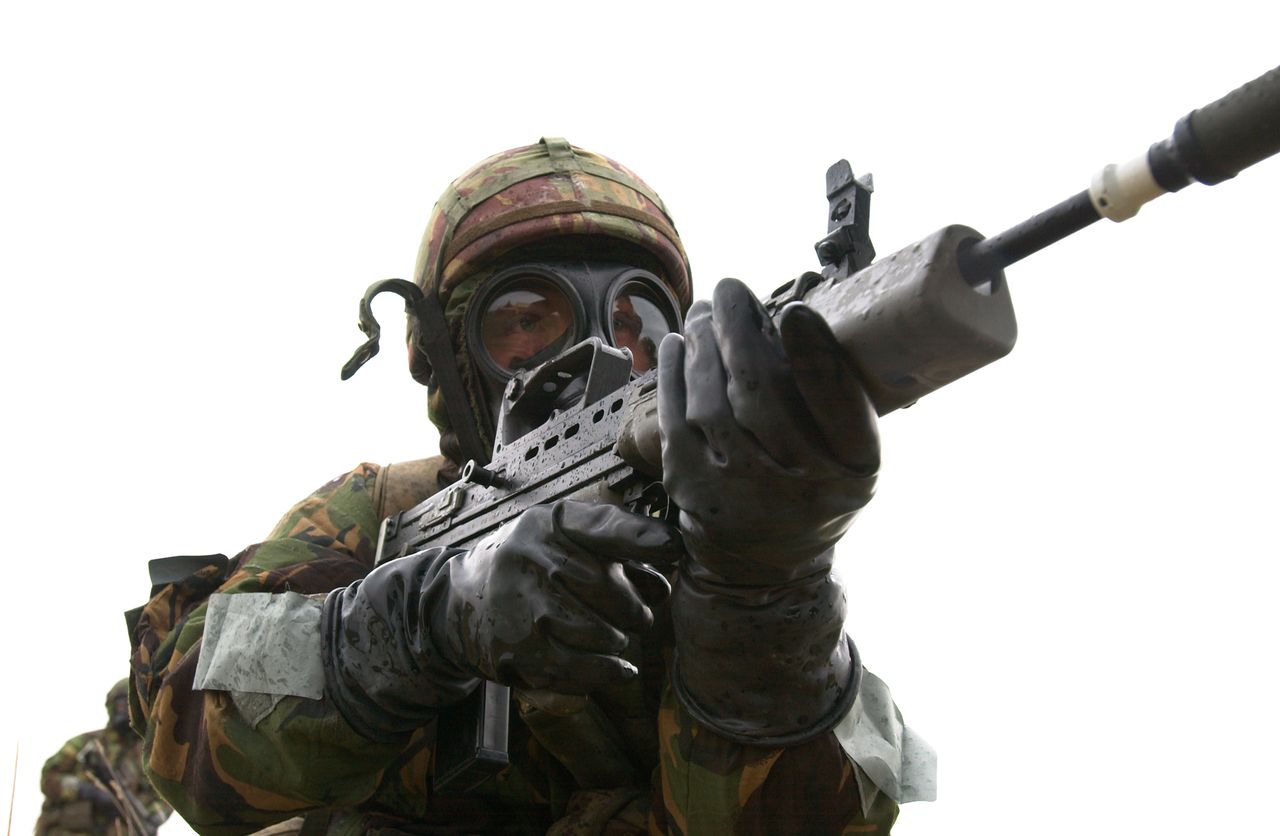
The problem was never that the rifle could not shoot well. It was that a service rifle has to keep shooting when filthy, wet, cold, and abused by real troops rather than test benches. In that environment, the A1 version repeatedly disappointed.
The weapon’s difficulties became especially damaging because they appeared across a full military system, not just in isolated user complaints. A rifle can survive being ugly, heavy, or awkward. It cannot survive being known as unreliable.
The bullpup layout also brought tradeoffs that never entirely disappeared. It was compact and efficient, but strongly right-hand oriented, and British Army recruiting material still notes the platform is designed for right-handed firing, a real limitation compared with more adaptable modern rifles.
Heckler & Koch Helped Save The Design
The turning point came when Heckler & Koch was brought in to rework the rifle into the L85A2 standard. This was not a cosmetic refresh. It was a deep mechanical rescue effort aimed at fixing the faults that had poisoned the SA80’s reputation.
By 2002, the upgraded SA80A2 entered service with changes shaped by testing and operational experience. The British Army has gone so far as to describe the A2 series as among the most reliable weapons of its type in the world, which is an astonishing reversal given where the platform began.
That transformation matters because it shows the original designers were not chasing a foolish concept. They had the bones of a good rifle all along. What they lacked at the beginning was the manufacturing quality, refinement, and engineering discipline needed to make it trustworthy.
The Tragedy Is That The Best Versions Came Late
Just as confidence returned, time began catching up with the platform. The Army and Heckler & Koch continued refining it, and in 2019 H&K announced a contract to upgrade significant numbers of rifles to the SA80A3 standard, adding a new foregrip, improved upper receiver, and extra safety features.
In other words, the rifle was still evolving. It was not being abandoned because it had become hopeless. It was being improved because, finally, it had become worth improving.
That is the irony at the heart of the SA80 story. The program spent its early life proving critics right, then spent its later life proving that the core design could work extremely well after all.
Why Cancellation Still Made Sense
Even a redeemed rifle can run out of road. Once a weapon reaches the stage where major life-extension programs are needed, militaries start asking whether more upgrades are smarter than a clean-sheet replacement. That question has haunted the SA80 for years.
Bullpups also divide opinion for good reason. They are compact, but often less ambidextrous, trickier to suppress cleanly, and harder to adapt to the modular accessory culture that has reshaped infantry weapons over the past two decades. Conventional-layout rifles have gained momentum for exactly those reasons.
So cancellation, retirement, or phased replacement was never really a verdict on the A2 and A3 alone. It was a verdict on whether a once-troubled 1980s architecture still made sense as the long-term answer for a modern army.
The SA80’s Legacy Is More Complicated Than Its Reputation
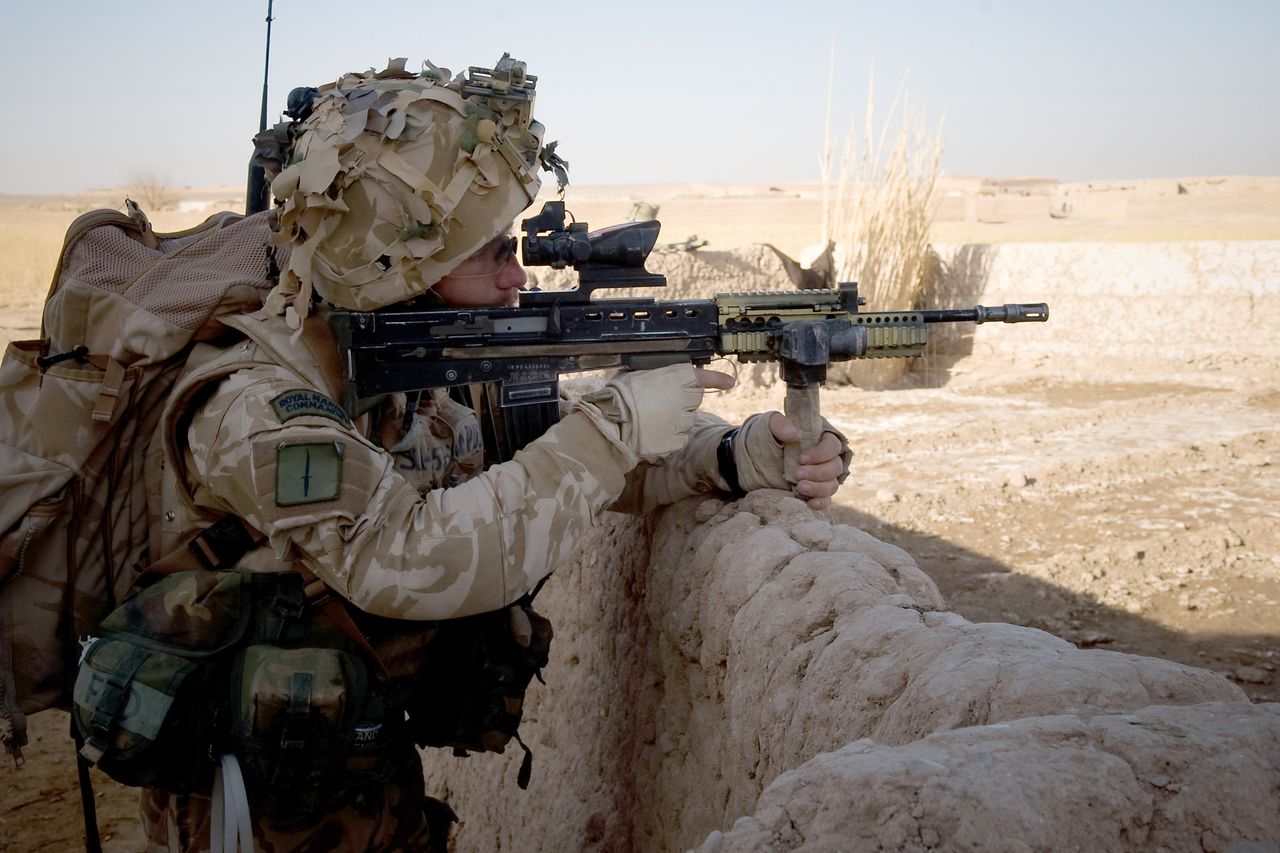
The lazy version of this story is that the SA80 was a disaster. The more honest version is that the early rifle was a disaster, while the later rifle became something very different. By the end, British reporting on weapon handling updates was treating the SA80 as an established, evolving system rather than an embarrassment to be hidden.
That does not erase the damage done by the A1 years. First impressions matter, and in military procurement they can become permanent scars.
But history should give the designers at least this much credit: they were closer to being right than the rifle’s reputation suggests. The tragedy is that the weapon was finally maturing just as the world had moved on.