For decades, summer was considered the prime time for camping, but that tradition is quietly changing. More outdoor enthusiasts are choosing the shoulder seasons, spring and fall, over peak summer months, and the reasons go far beyond simple preference. Rising temperatures, crowded campgrounds, inflated fees, and shifting travel habits have reshaped how people approach outdoor recreation. Shoulder-season camping offers a calmer, more immersive experience that aligns better with modern lifestyles and environmental awareness. Campers now value comfort, solitude, and flexibility more than rigid vacation windows. As gear improves and information becomes more accessible, the once-overlooked months surrounding summer are emerging as the smartest time to camp, not just an alternative.
Cooler Temperatures Create Better Outdoor Comfort

One of the strongest drivers behind shoulder-season camping is the dramatic improvement in comfort. Summer heat can make hiking exhausting, sleeping difficult, and cooking unpleasant, especially in exposed or low-elevation campsites. Shoulder seasons offer daytime temperatures that are mild and nights that are cool but manageable with proper gear. Campers can move, explore, and relax without constantly managing heat stress. Fires feel inviting instead of unbearable, and tents cool down faster after sunset. This balance allows people to spend more time outdoors rather than hiding from the weather, making the entire camping experience more enjoyable and physically sustainable.
Fewer Crowds Restore the True Camping Experience
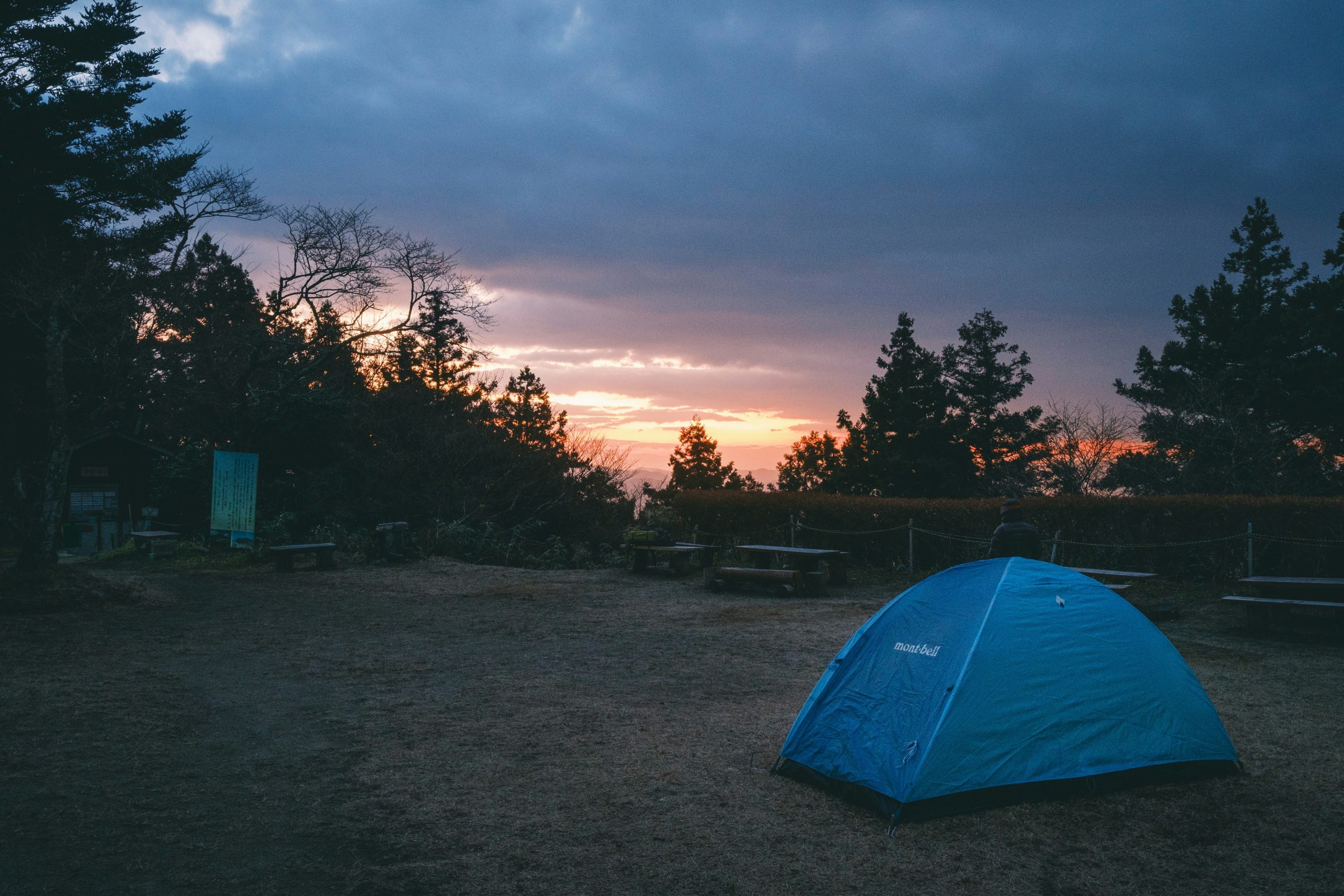
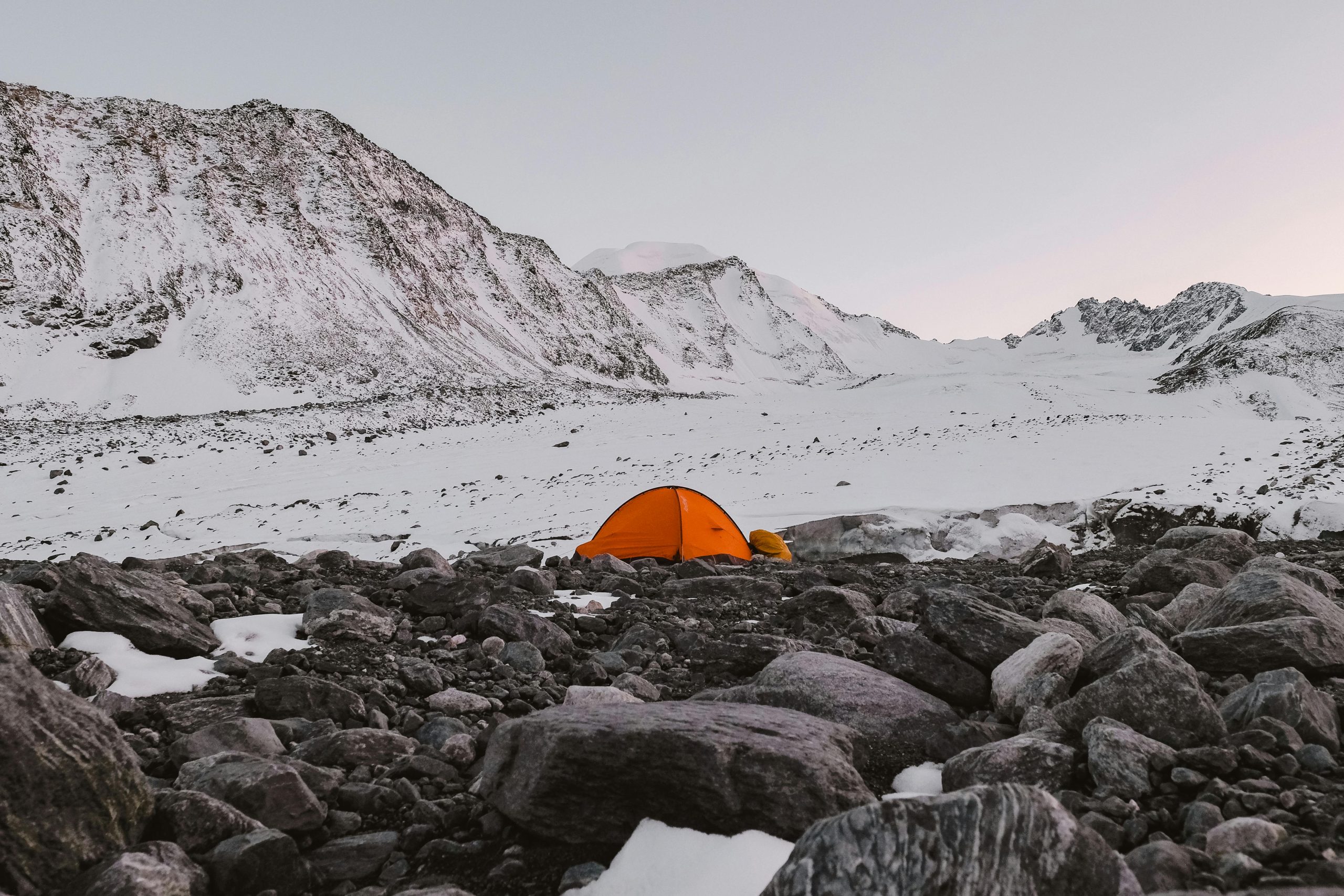
Overcrowding has become one of the biggest complaints about summer camping. Popular parks often feel more like parking lots than wilderness escapes. Shoulder-season camping naturally filters out casual visitors, leaving quieter trails, emptier campgrounds, and more peaceful nights. This reduction in noise and traffic allows campers to reconnect with nature in a way that summer crowds rarely allow. Wildlife is more visible, mornings are quieter, and finding last-minute reservations becomes far easier. For many, this return to solitude is not a luxury but the core reason they camp in the first place.
Lower Costs Make Camping More Accessible
Camping during peak summer often comes with premium pricing. Campsite fees, gear rentals, and nearby lodging costs tend to spike due to high demand. Shoulder seasons frequently offer reduced rates, discounted permits, and greater availability of first-come sites. This affordability opens the door for families, students, and budget-conscious travelers who might otherwise skip camping altogether. Lower costs also encourage longer trips or more frequent outings throughout the year. When financial pressure decreases, campers can focus on the experience rather than rushing to justify the expense of a short, crowded stay.
Insects Are Less Aggressive and More Manageable
One of the most overlooked advantages of shoulder-season camping is the sharp decline in insect activity. During peak summer, mosquitoes, ticks, flies, and gnats thrive in warm, humid conditions, often forcing campers to rely heavily on repellents, head nets, or long clothing. In spring and fall, cooler temperatures disrupt insect breeding cycles, making campsites far more comfortable. Campers can cook, relax, and sleep without constant irritation or health concerns tied to bites. This reduction improves overall comfort and allows people to enjoy evenings outdoors instead of retreating into tents early.
Modern Gear Has Expanded Seasonal Comfort
Advances in camping equipment have made shoulder-season trips far more practical than in the past. Lightweight insulated sleeping bags, compact stoves, weather-resistant tents, and layered clothing systems allow campers to stay warm and dry with minimal effort. These innovations reduce the risk once associated with cooler temperatures and unpredictable weather. Campers no longer need bulky or specialized gear to enjoy spring or fall conditions. As outdoor technology improves, the seasonal limitations that once confined camping to summer are disappearing, empowering people to confidently explore beyond traditional boundaries.
Flexible Work Schedules Favor Off-Peak Travel
Modern work patterns have quietly reshaped when people choose to camp. With remote jobs, flexible hours, and hybrid schedules becoming common, many outdoor enthusiasts are no longer limited to summer vacations. Shoulder-season camping fits easily into this shift, allowing short trips without long absences from work. Campers can plan midweek outings, avoid weekend crowds, and take advantage of favorable weather windows. This flexibility removes the pressure of squeezing everything into summer, encouraging more frequent trips spread across the year and making camping a regular lifestyle choice rather than a once-a-year event.
Nature Feels More Dynamic Outside Summer
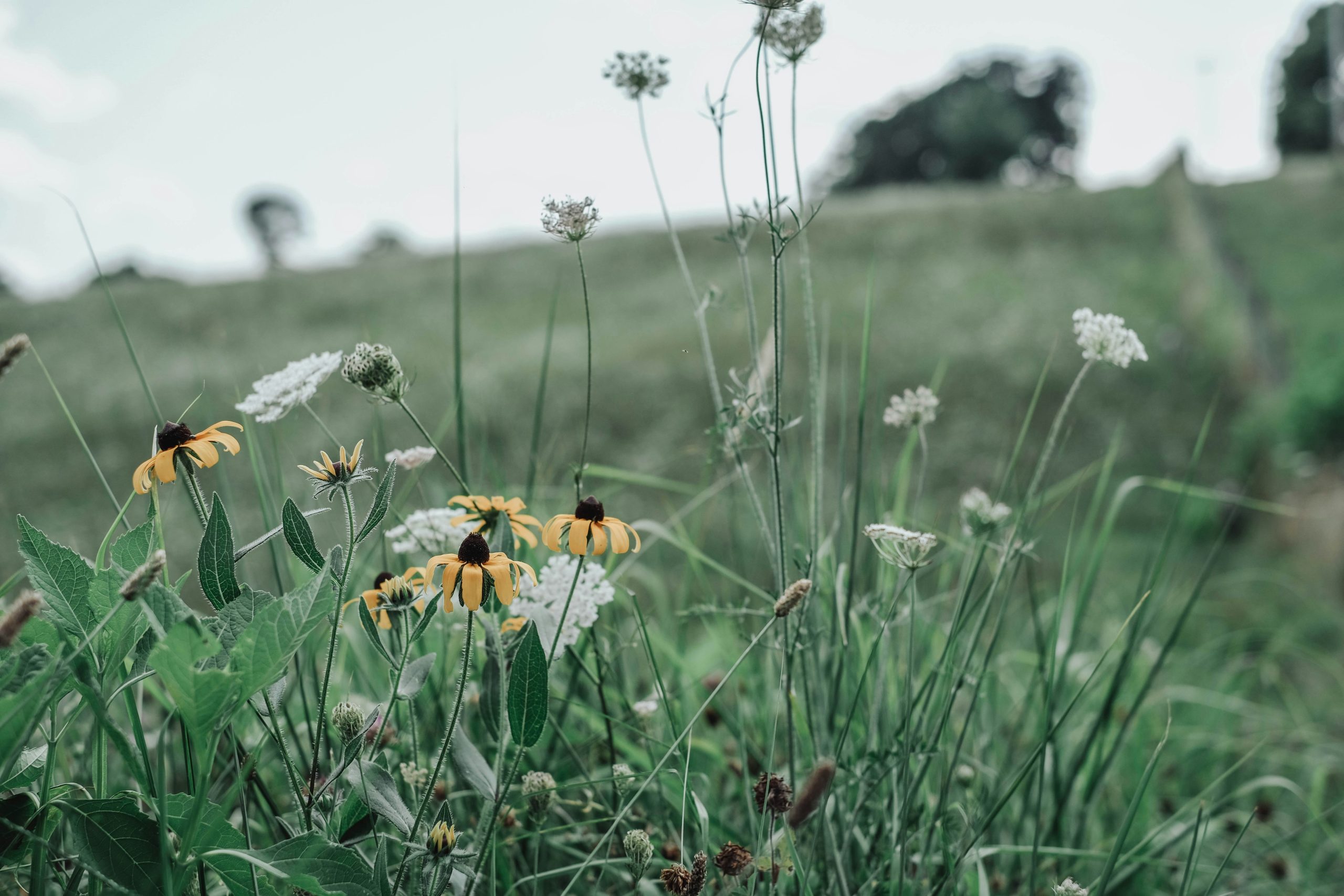
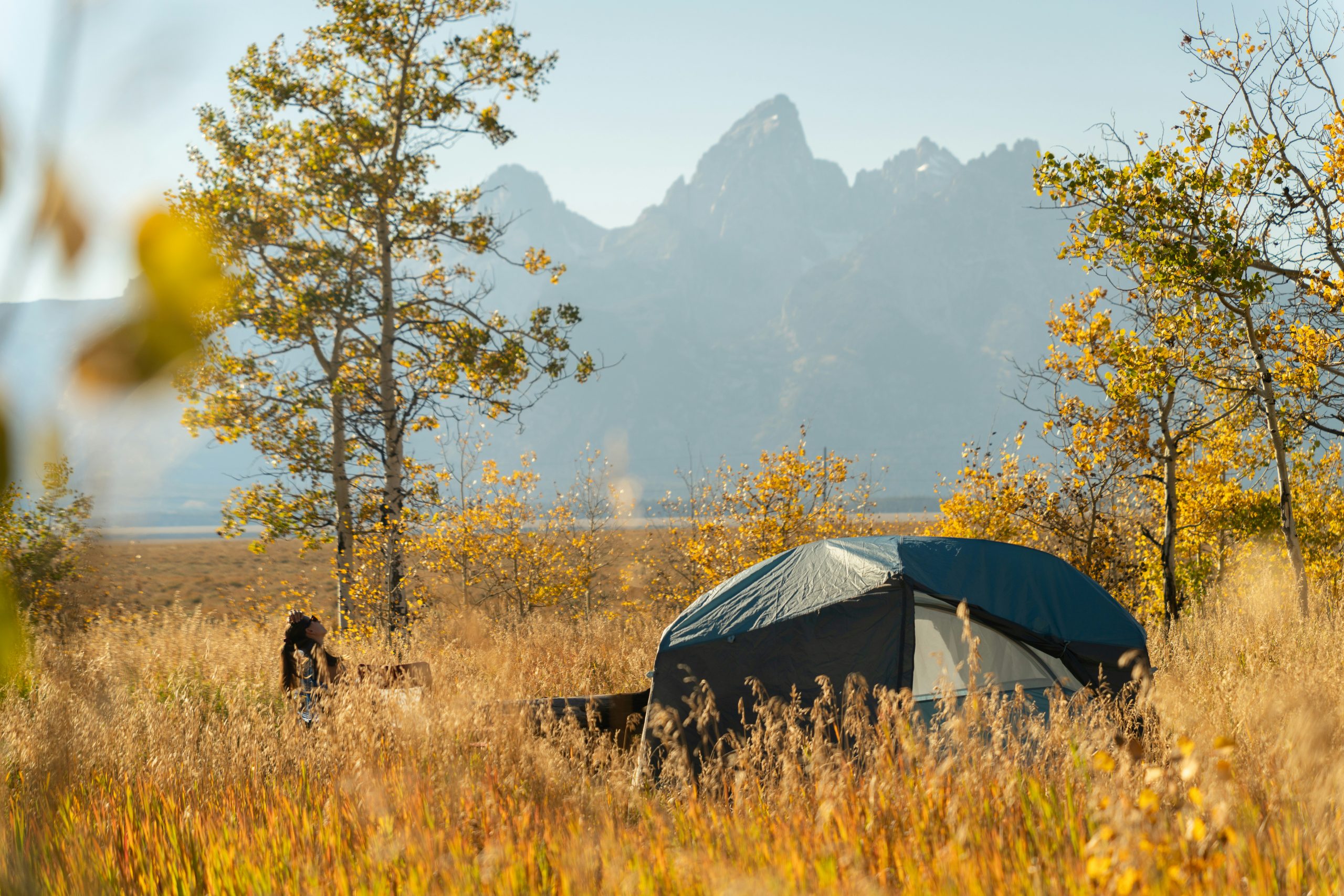
Shoulder seasons often reveal nature at its most expressive and alive. Spring camping brings fresh growth, blooming wildflowers, and increased wildlife movement, while fall delivers changing foliage, crisp air, and dramatic lighting that enhances landscapes. These transitional periods feel less static than summer, offering new scenery from day to day. Campers experience shifting colors, sounds, and temperatures that create a deeper sense of connection to natural cycles. This dynamic environment appeals strongly to hikers, photographers, and anyone seeking an experience that feels immersive rather than repetitive.
Campsite Availability Improves Dramatically
Securing a campsite during peak summer has become increasingly difficult, especially in popular national and state parks where reservations often sell out months in advance. Shoulder-season camping removes much of this pressure by significantly lowering demand. Campgrounds operate far below capacity, making it easier to find open sites with better spacing, quieter surroundings, and more desirable features like lake access or scenic views. Walk-in and first-come sites are more likely to be available, allowing campers to plan trips based on weather conditions rather than reservation deadlines. This improved availability restores flexibility and spontaneity, letting people camp when conditions feel right instead of when calendars allow.
Reduced Environmental Impact Encourages Responsible Camping
Camping during shoulder seasons helps reduce the intense environmental strain caused by summer overcrowding. Heavy foot traffic during peak months accelerates trail erosion, stresses wildlife, and overwhelms waste systems. Spreading use into spring and fall allows natural areas more time to recover and function sustainably. Many campers are increasingly aware of these impacts and choose off-peak trips to align with conservation values. Shoulder-season camping supports responsible land use while still delivering meaningful outdoor experiences, making it an appealing choice for environmentally conscious travelers.
The Experience Feels More Intentional and Rewarding
Camping during the shoulder season often feels more deliberate and meaningful than summer trips. Cooler temperatures and changing conditions encourage campers to prepare thoughtfully, from choosing proper layers to planning meals and routes more carefully. This added intention naturally slows the pace of the trip, creating space for observation, reflection, and genuine relaxation. Without the constant noise and activity of peak season, campers can focus on simple moments like quiet mornings, wildlife sightings, or conversations around a fire. The experience feels earned rather than rushed, leaving campers with stronger memories and a deeper appreciation for time spent outdoors.