Few topics in gun culture generate more heat than light. The home defense shotgun debate is where confident opinions crash into the messy reality of houses, stress, and human limits.
Why the shotgun still has such a loyal following
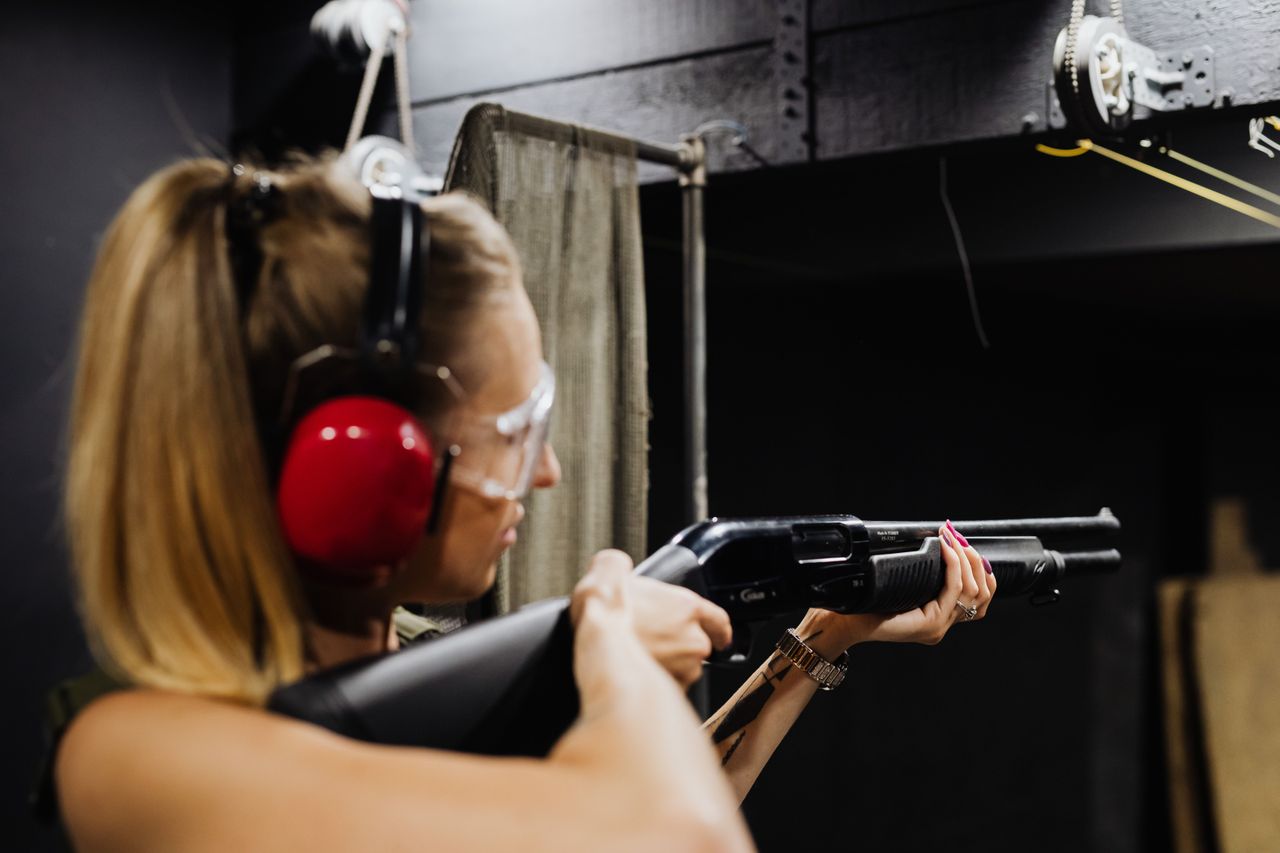
The shotgun’s reputation in home defense is not an accident. For generations, police departments, rural households, and experienced shooters relied on pump and semiautomatic shotguns because they hit hard, are mechanically simple, and can be extremely effective at the short distances common inside a home. That history matters because people tend to trust platforms that have proven themselves under pressure.
There is also a psychological factor that online arguments rarely admit to plainly. Many people simply feel more confident holding a long gun than a handgun, and a shotgun can seem especially reassuring because it is substantial, easy to shoulder, and forgiving in terms of aiming compared with a pistol. At across-the-room distances, that confidence can translate into better performance for some users.
The shotgun also offers ammunition flexibility that few other platforms can match. Birdshot, buckshot, and slugs all change the gun’s behavior, and that adaptability appeals to homeowners trying to tailor a firearm to a specific environment. According to many trainers, flexibility is a strength only if the owner actually understands the consequences of each load.
Real-world experience keeps the shotgun in the conversation. In rural homes, on larger properties, and in households already familiar with hunting guns, a 12-gauge or 20-gauge may be the firearm people know best. Familiarity matters more than internet fashion, and that is one reason the shotgun remains a serious option despite the endless criticism it attracts.
The myths that keep poisoning the conversation

The biggest myth is that a shotgun requires no aiming. That idea survives because people hear that the spread is wide enough to compensate for stress, darkness, and poor technique. In reality, inside most homes, the shot pattern from defensive buckshot is usually quite tight. Across a bedroom or down a hallway, you still need to aim carefully, and every pellet that misses remains your responsibility.
Another stubborn myth is that the sound of racking a pump will automatically end the confrontation. It is one of the most repeated lines in online forums, and it sounds dramatic, which helps it spread. But relying on intimidation is not a plan. A home invasion may involve panic, drugs, confusion, multiple intruders, or someone who does not react rationally at all.
Then there is the fantasy that more power solves every problem. Power is useful, but only if it can be delivered quickly and accurately under stress. A hard-kicking shotgun in the hands of an untrained shooter can become a liability, especially if follow-up shots are slow or the user short-strokes a pump under pressure.
Forums also love universal declarations such as “birdshot is useless” or “slugs are the only serious choice.” The truth is more complicated. Ammunition performance depends on distance, barrel length, load quality, wall construction, and what level of penetration is acceptable for a given home. Broad claims feel satisfying online, but they ignore the details that actually decide outcomes.
Recoil, capacity, and the human factor

This is where the debate gets real. The shotgun’s strengths are obvious on paper, but human performance under stress is rarely clean and predictable. Recoil is the central issue, especially with full-power 12-gauge buckshot. Even healthy adults can struggle to deliver fast, accurate follow-up shots if they have not trained enough, and smaller shooters may find the experience actively discouraging.
Capacity is another constant point of argument. A typical defensive shotgun may hold 4+1, 5+1, or 7+1 rounds, which is nothing, but it is modest compared with many modern carbines or full-size handguns. Advocates correctly note that each shotgun shell is potent. Critics correctly note that misses happen, multiple threats exist, and reloads with individual shells are slower and more complex than swapping a box magazine.
Manipulation matters more than many enthusiasts admit. Running a pump reliably, topping off the tube, clearing malfunctions, and managing recoil all require repetition. Under stress, even experienced shooters can fumble loading or fail to seat shells cleanly. Semiautomatic shotguns reduce some problems but introduce others, including sensitivity to ammunition, maintenance demands, and higher cost.
This is why the best instructors often sound less ideological than forum regulars. They tend to ask who will use the gun, how much they train, and what they can actually run well. A firearm that looks ideal in a spec sheet can be a poor home defense choice if the owner dreads practicing with it or cannot operate it smoothly in low light.
Ammunition choices are where the arguments get fiercest.
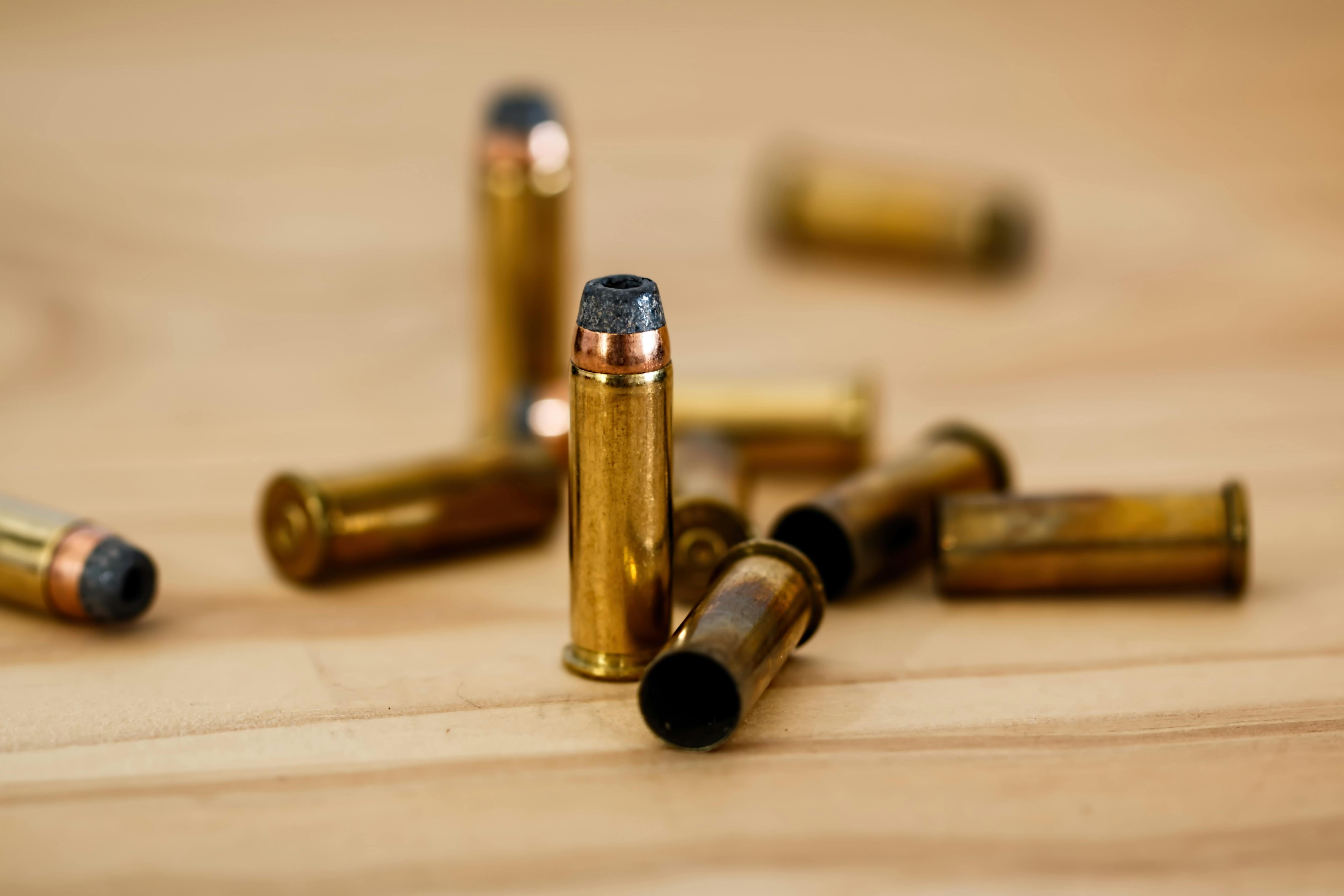
Nothing sparks endless disagreement like the birdshot versus buckshot question. Birdshot supporters often focus on reduced penetration through walls, a real concern in apartments or crowded homes. Buckshot supporters emphasize reliable stopping capability, especially with quality 00 or No. 1 buck at indoor distances. Both sides are reacting to legitimate risks, which is exactly why the argument never fully dies.
Testing by law enforcement agencies and ballistic researchers has shaped this discussion for years. The FBI’s emphasis on adequate penetration in ballistic gelatin influenced many experts toward buckshot, because loads that fail to penetrate deeply enough may not reliably stop a determined threat. At the same time, homeowners are not shooting inside a lab, and wall penetration remains a practical fear that cannot be waved away.
Slugs complicate the conversation even more. They provide excellent penetration and extended range, which can matter on rural property or in unusual scenarios, but inside a typical home,e they are often more gun than most people need. The risk of overpenetration rises sharply, and precise shot placement becomes even more critical. For many households, slugs are a specialized tool, not the default answer.
A more productive way to frame the issue is to pattern and test the exact load in the exact shotgun. Different guns can produce surprisingly different results with the same ammunition. Experts routinely stress that owners should know the spread size, recoil behavior, reliability, and point of impact before trusting any load for defense. That advice is less exciting than internet certainty, but it is far more useful.
The layout of your home changes the answer.
One reason the forums never settle this question is simple: homes are not standardized. A shotgun that makes sense in a detached rural house may be a poor fit in a small apartment with thin interior walls and close neighbors. Hallways, stairwells, room size, and who sleeps where all shape what “best” actually means. The gun does not exist apart from the building it is meant to defend.
Storage also matters more than many people admit. A full-length shotgun can be awkward to secure accessibly while also keeping it away from children or unauthorized users. Shorter defensive models improve maneuverability, but they can increase muzzle blast and may still be less convenient to stage than a handgun in a quick-access safe. Practical ownership issues often decide choices more than ballistics charts do.
Movement inside a home is another reality check. A long gun offers stability and power, but it can be harder to navigate around door frames, furniture, and tight corners, especially for inexperienced users. Many instructors point out that the safest plan in most scenarios is to barricade, call 911, and hold a defensible position rather than go searching through the house. In that role, the shotgun can be very strong.
Household composition can shift the calculus further. If one user is recoil-sensitive, if another is left-handed, or if an older family member may need to operate the firearm, the “ideal” choice may look very different. The internet loves one-size-fits-all answers, but homes are personal systems, not test ranges.
Training is the part nobody wants to talk about enough.
The most honest answer in this debate is that training outranks hardware surprisingly often. A practiced homeowner with a moderate shotgun and solid fundamentals is usually better prepared than someone with a perfectly configured setup they barely touch. The gap between theory and performance gets very wide once stress enters the picture, and shotguns magnify that gap because they demand more from the shooter than many people assume.
Good shotgun training covers much more than firing a few shells at a static target. It includes mount and presentation, recoil control, patterning at realistic indoor distances, emergency and tactical reloads, malfunction clearance, use of white light, verbal commands, and safe movement around cover. It also includes judgment, because identifying a threat in the dark is at least as important as hitting one.
This is where a lot of online certainty falls apart. People argue about gauges, shell lengths, and side saddles, but skip the reality that a shotgun can punish lazy technique quickly. Missed shots, induced malfunctions, and slow reloads are not theoretical problems. They appear immediately when shooters are timed, pushed, and asked to solve problems under pressure.
Professional instructors often end up recommending simpler setups than enthusiasts expect. A reliable gun, a proven load, a light, and enough practice to run the system competently usually matter more than elaborate accessories. The defensive shotgun can be excellent, but only when the owner treats it as a skill set, not a talisman.
Why the debate never ends, and probably never should
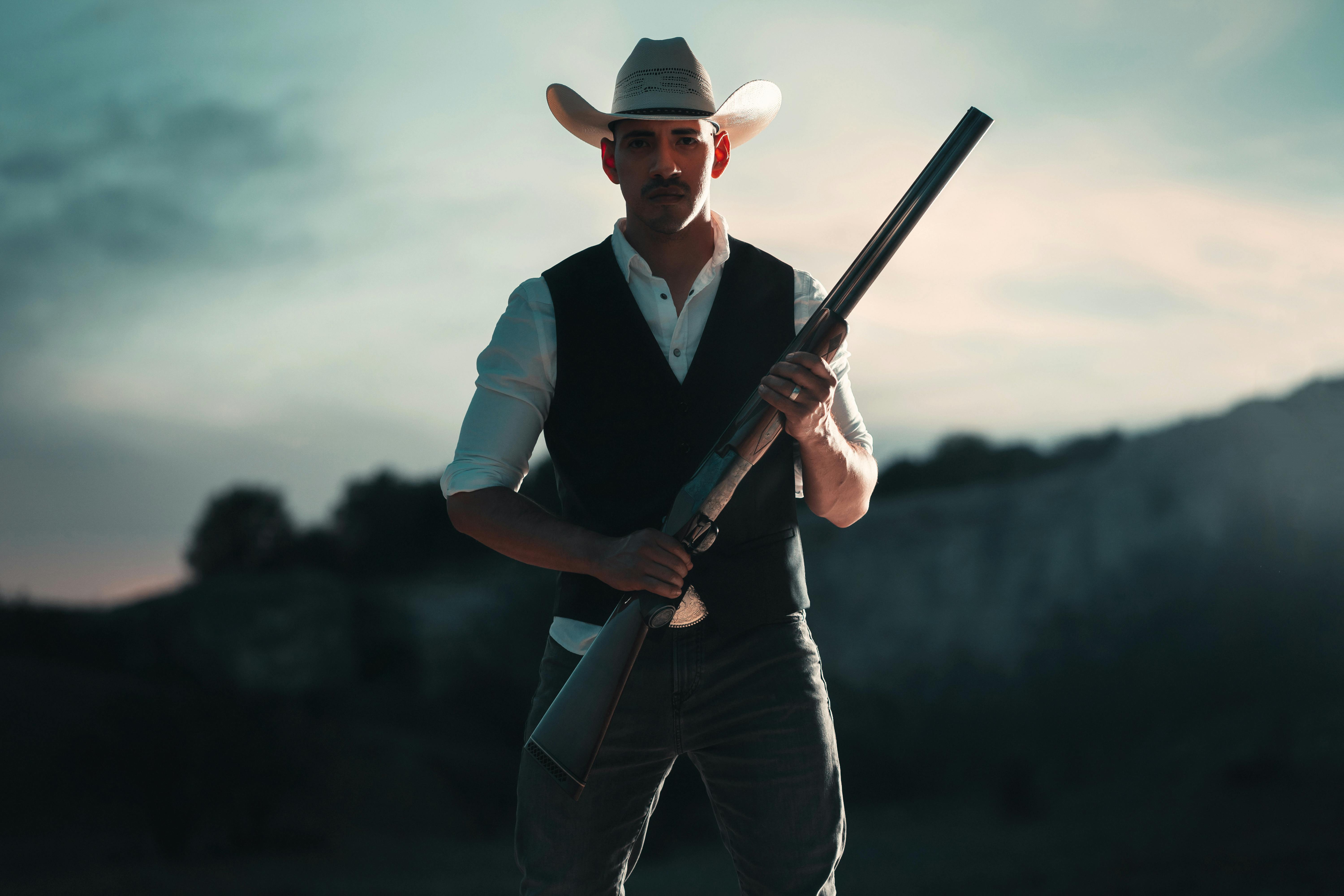
The shotgun debate persists because both sides keep scoring real points. Shotgun advocates are right that the platform remains devastating at home-defense distances, widely available, and effective in trained hands. Skeptics are right that recoil, low capacity, slower reloads, and handling complexity are serious drawbacks. This is not a battle between truth and ignorance. It is a clash between different priorities.
The internet also rewards absolutism. A clean, confident claim like “the shotgun is king” or “the shotgun is obsolete” spreads faster than a nuanced answer about user skill, housing type, ammunition testing, and legal context. But nuanced answers are the only honest ones here. Defensive choices are personal, and every strength arrives attached to a cost.
The best conclusion is not that the shotgun is perfect or outdated. It is that the home defense shotgun is still a viable tool, but a demanding one. For some households, especially those with experience, space, and a willingness to train, it remains an excellent answer. For others, a carbine or handgun may be easier to live with and easier to run well.
That unresolved tension is exactly why the forums never settle down. The shotgun is neithera magic wand noa r museum piece. It is a powerful compromise, and like all compromises, it starts arguments precisely because it works very well right up until the moment another set of tradeoffs matters more.