Hunting injuries rarely come from dramatic accidents. Most happen through routine habits that feel harmless at the time. Small shortcuts, tired decisions, and overconfidence slowly stack risk until something goes wrong. Understanding where injuries truly come from helps hunters stay safe without sacrificing success. The following situations are responsible for the majority of hunting injuries every season. Each one includes clear prevention steps that experienced hunters rely on to finish every trip safely.
1. Accidental Firearm Discharge
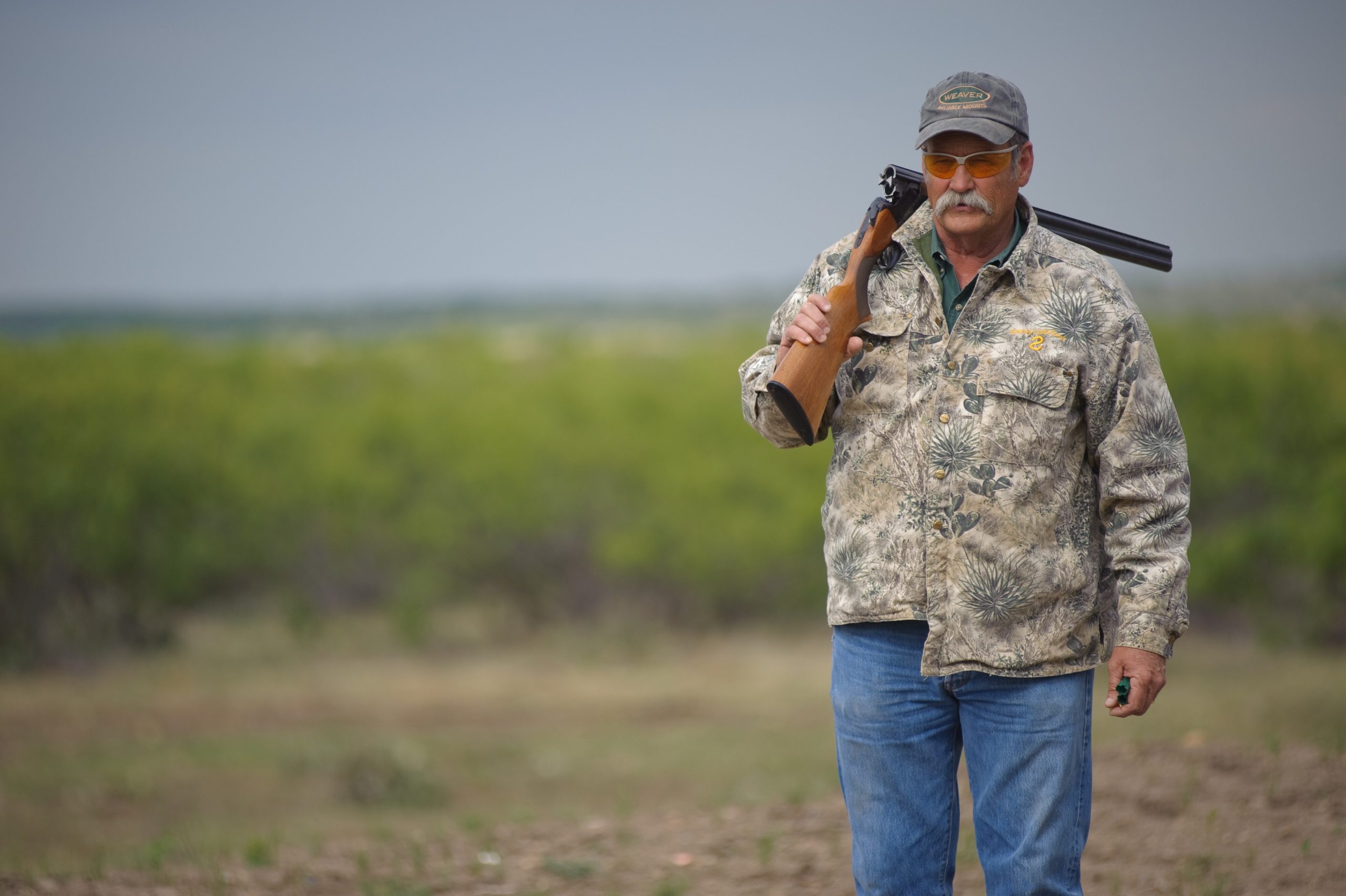
Accidental discharges remain one of the leading causes of hunting injuries. They often happen while climbing into stands, crossing obstacles, or loading and unloading firearms. Many hunters trust mechanical safeties too much and forget that fingers, clothing, or branches can still trigger a shot. Cold hands and gloves reduce trigger control even further. These incidents usually injure legs, feet, or nearby partners. Prevention starts with disciplined muzzle control at all times. Keep firearms unloaded when climbing, use haul lines for tree stands, and keep fingers completely off triggers until ready to shoot. Treat every firearm as loaded, regardless of experience level.
2. Falls From Tree Stands
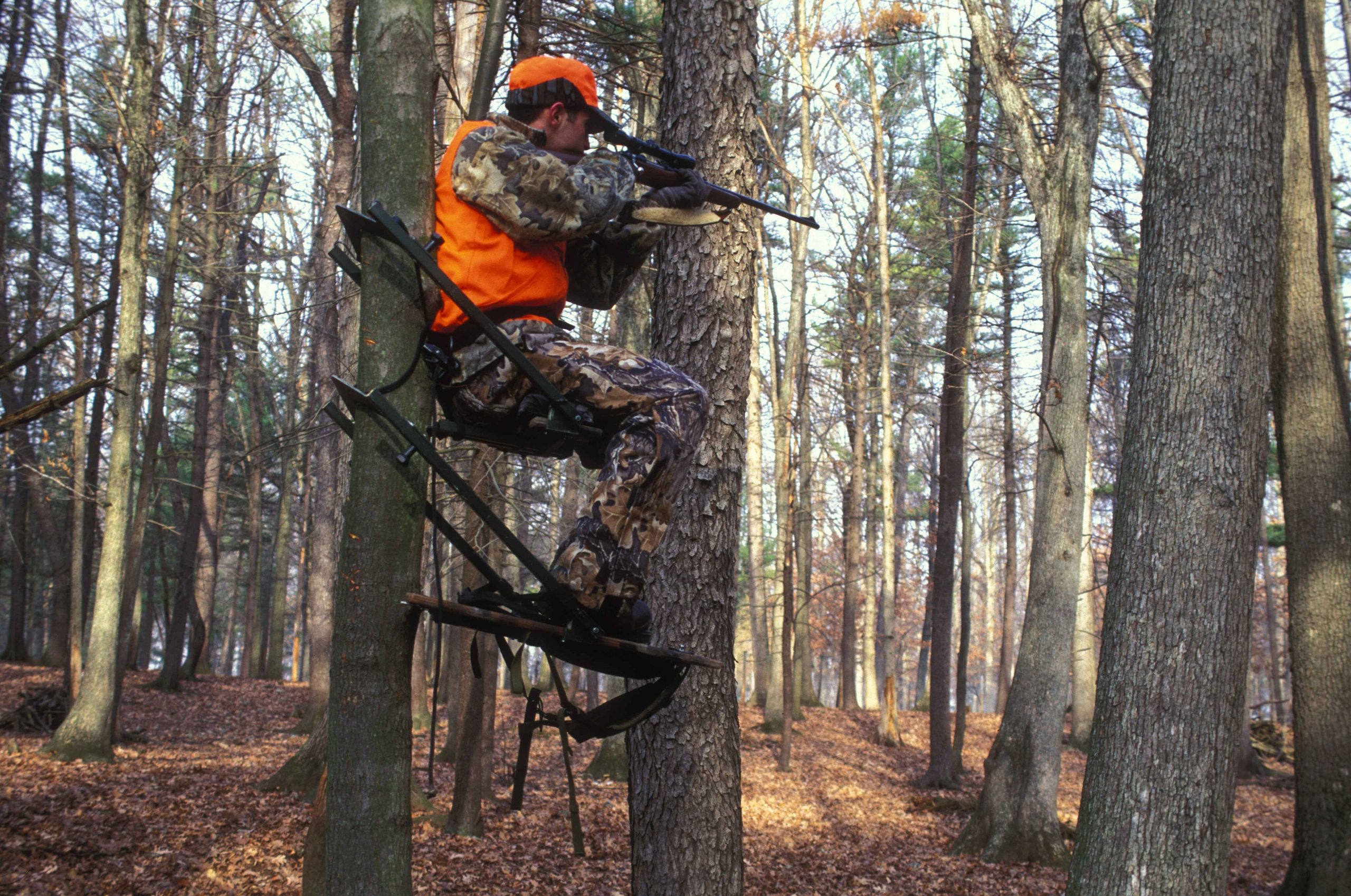
Tree stand falls cause severe injuries, including broken bones, spinal damage, and head trauma. Most falls occur while climbing, adjusting position, or descending in low light. Hunters often skip harness use because it feels inconvenient or unnecessary. Wet steps, frost, and fatigue increase the risk. Many injuries happen just minutes after legal shooting hours end. The solution is consistent safety gear use. Wear a full-body harness from ground to ground and use lifelines on permanent stands. Check steps and straps each season. Move slowly and deliberately, especially when tired or excited after a successful hunt.
3. Improper Knife Handling
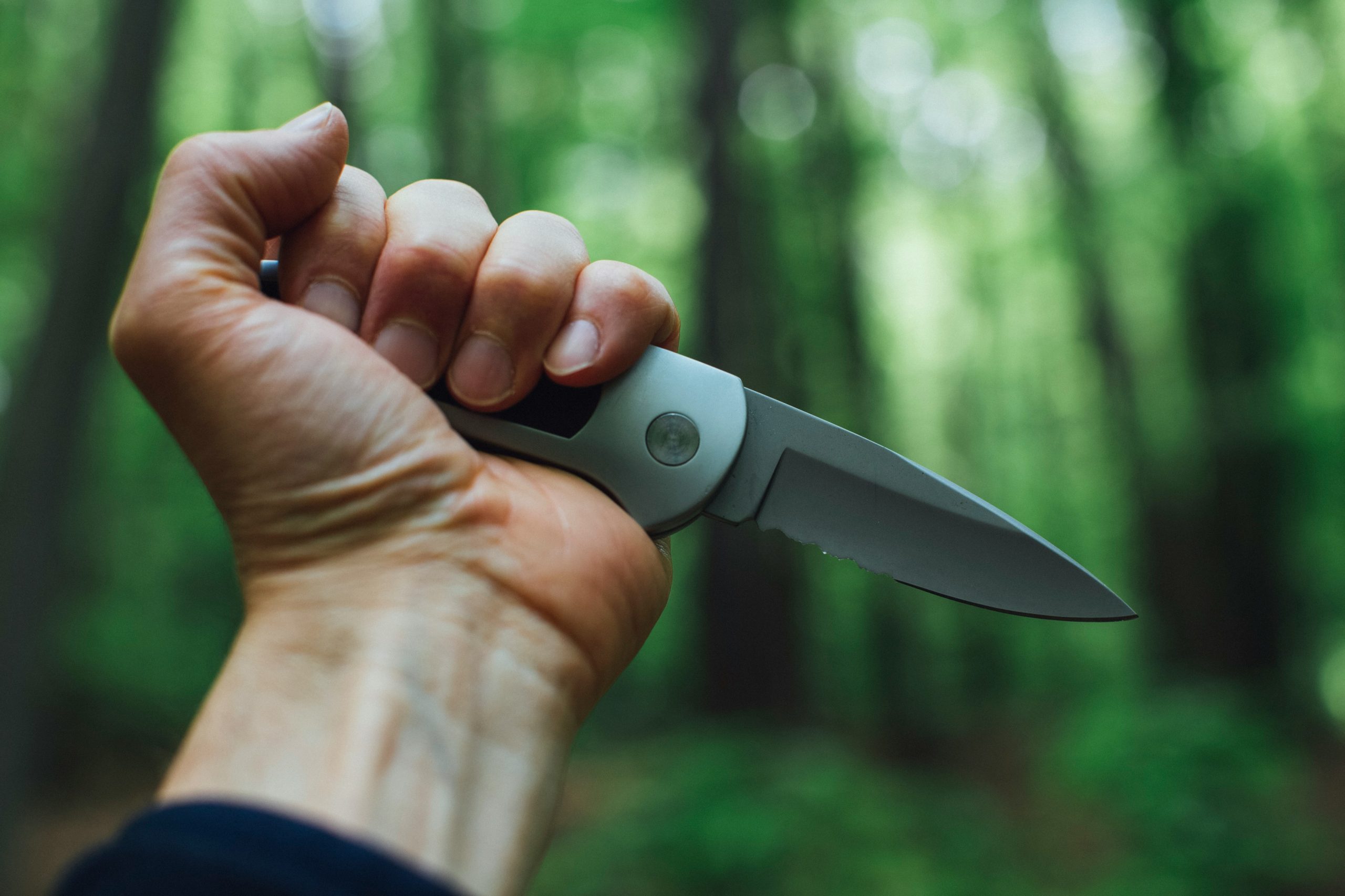
Field dressing injuries are extremely common and rarely reported. Sharp knives combined with cold, slippery hands lead to deep cuts and punctures. Hunters often rush the process or use dull blades that require excessive force. Cuts to hands, thighs, and abdomen happen quickly and can become serious in remote areas. Preventing these injuries means slowing down and planning cuts carefully. Keep blades razor sharp so less pressure is needed. Always cut away from the body and stabilize the animal properly. Wearing cut-resistant gloves adds protection without reducing dexterity during field dressing.
4. Poor Visibility Accidents
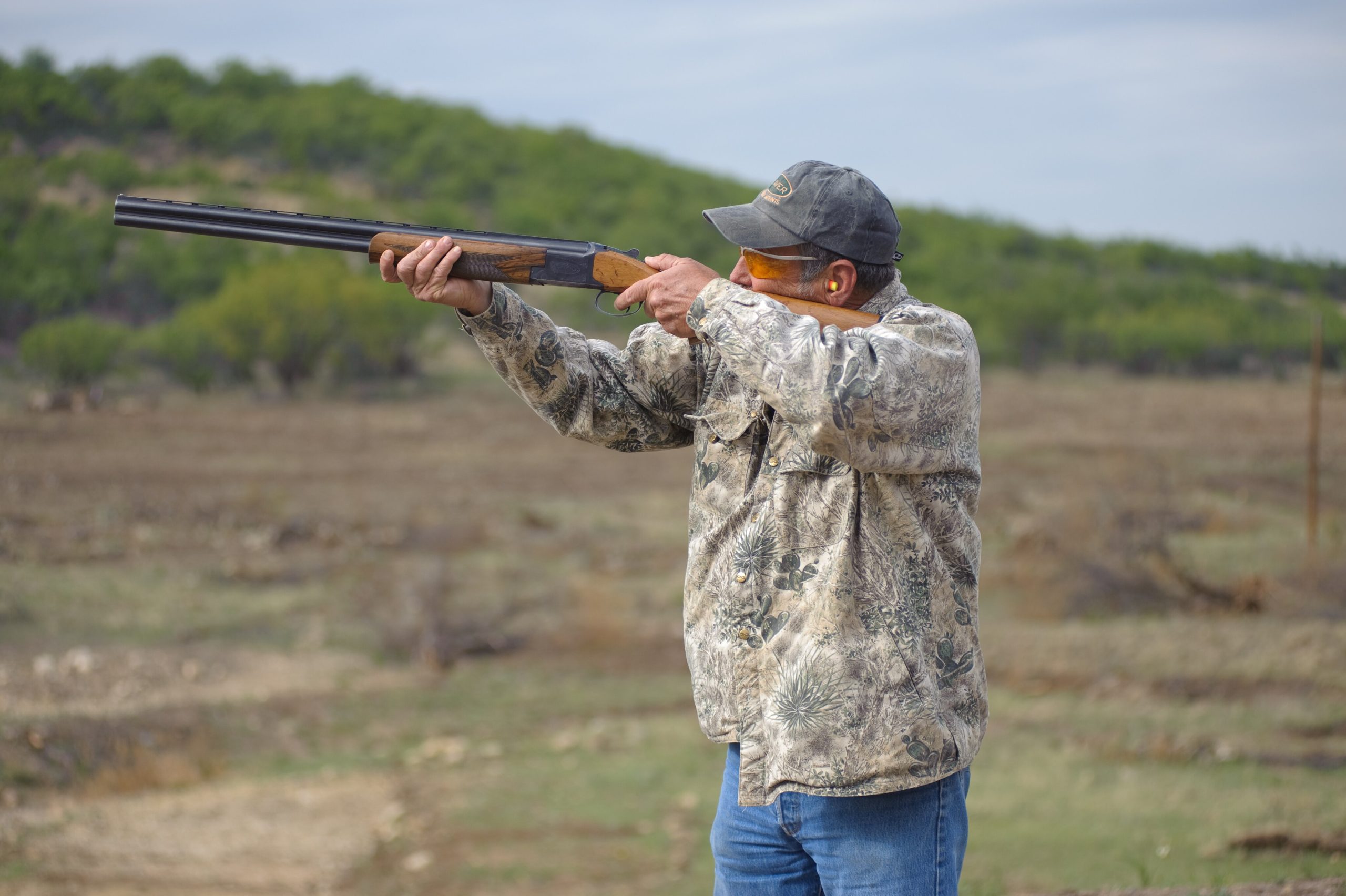
Low-light conditions cause many hunting injuries. Dawn and dusk reduce depth perception, making terrain hazards harder to see. Hunters trip over roots, fall into ditches, or misjudge distances while stepping. Poor visibility also increases mistaken identity incidents when blaze orange rules are ignored. Fog, snow, and rain worsen these risks. Avoid injuries by using headlamps with fresh batteries during all low-light movement. Wear proper visibility clothing even when laws do not require it. Slow your pace when visibility drops and stop moving entirely if conditions become unsafe.
5. Hypothermia and Cold Exposure
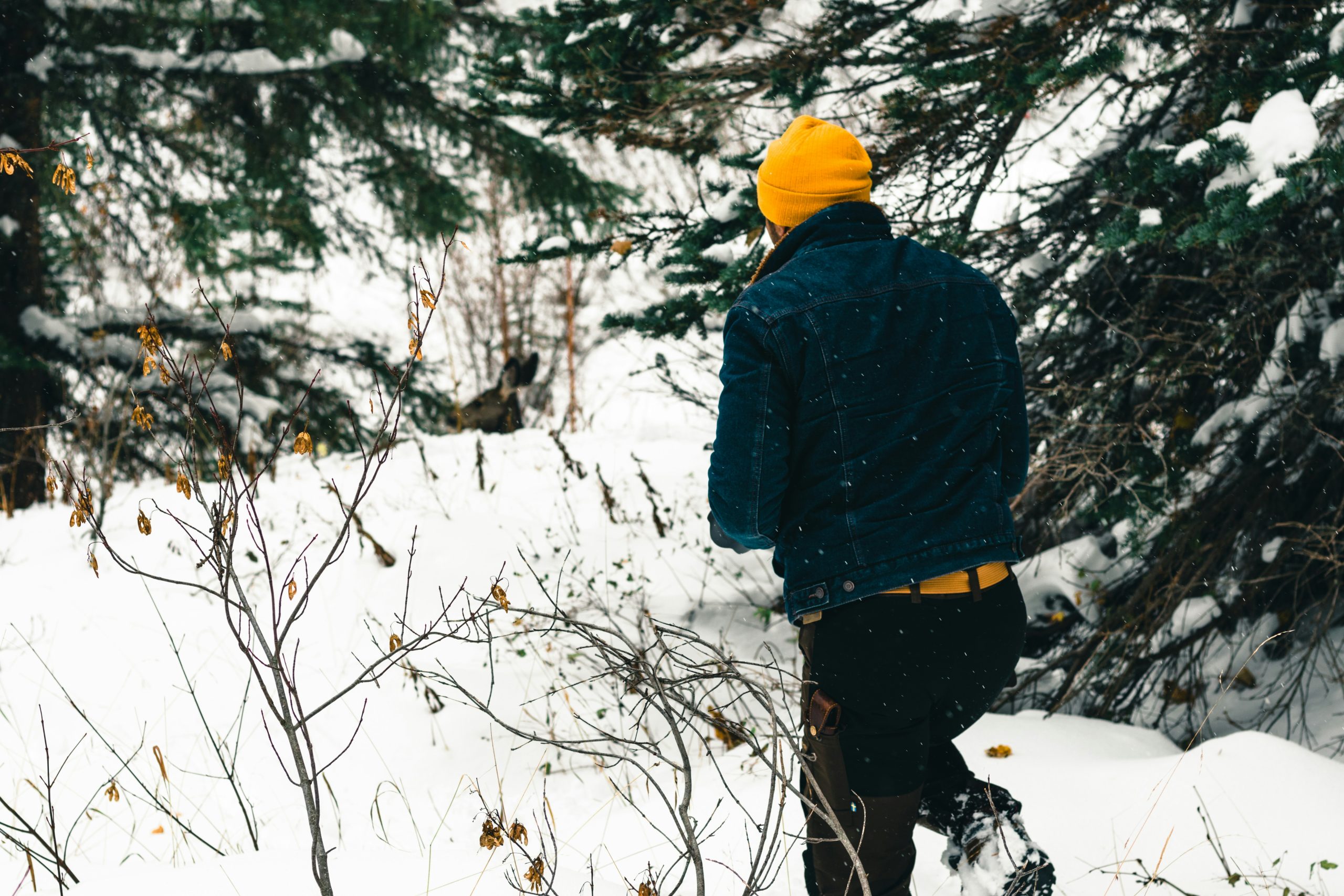
Cold-related injuries develop gradually and often go unnoticed. Hunters underestimate wind chill, sweat buildup, and prolonged sitting. Hypothermia impairs judgment, coordination, and reaction time, increasing accident risk. Frostbite commonly affects fingers, toes, ears, and the nose. Prevention requires moisture management and layering. Avoid overheating during hikes to stands. Change damp clothing immediately. Use wind-blocking outer layers and insulate extremities properly. Carry emergency warmth items like hand warmers and an extra layer. Recognizing early cold stress signs helps prevent serious injury before it becomes dangerous.
6. Overexertion Injuries
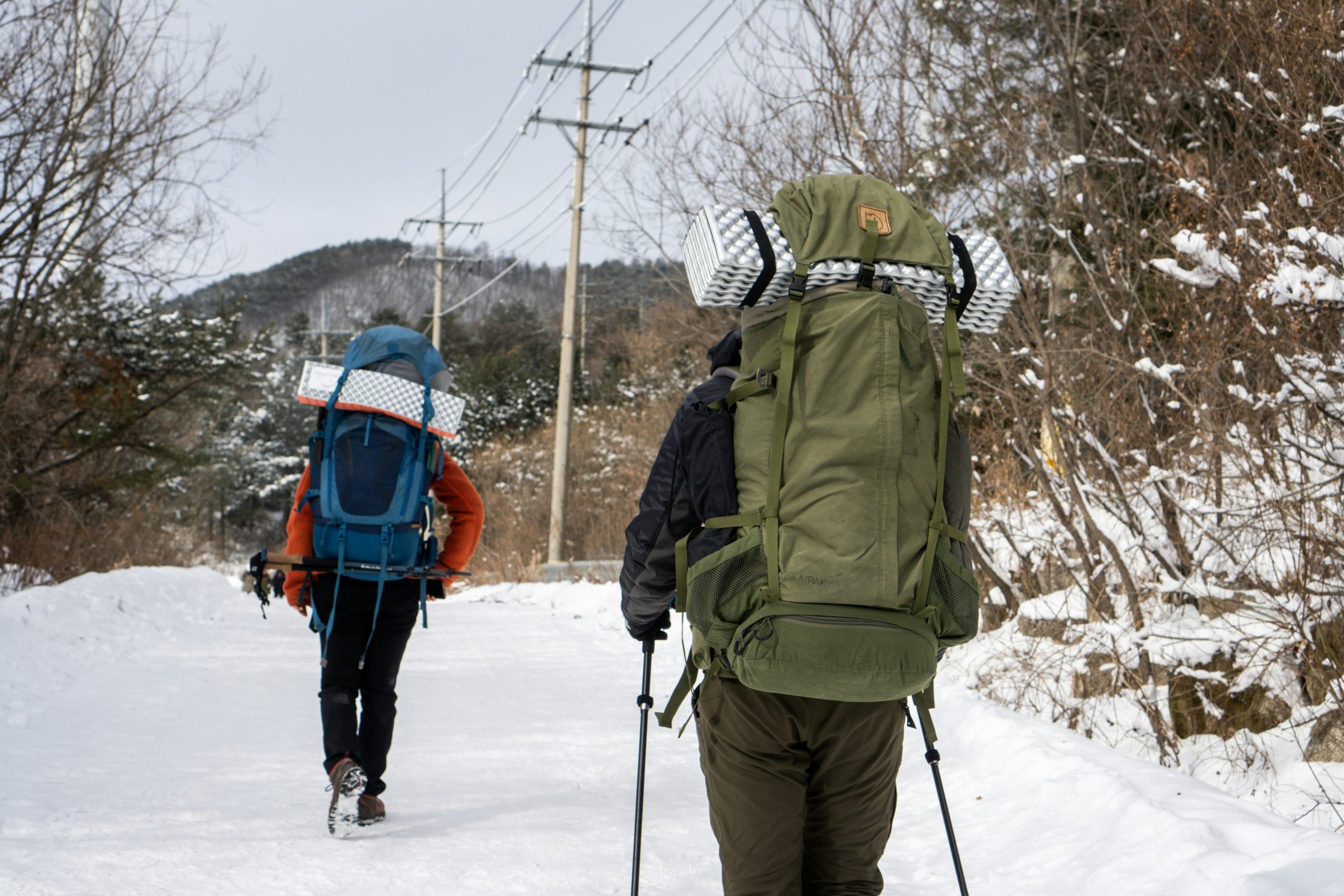
Dragging game, climbing steep terrain, and carrying heavy packs cause strains and heart-related emergencies. Many hunters push beyond physical limits due to excitement or pride. Back injuries, pulled muscles, and exhaustion-related falls are common results. These injuries often happen far from help. Avoid overexertion by pacing yourself and using proper lifting techniques. Use game carts or sleds when possible. Take breaks and hydrate even in cold weather. Listen to fatigue signals and adjust plans accordingly. No animal is worth a serious injury or medical emergency.
7. Improper Footwear Choices
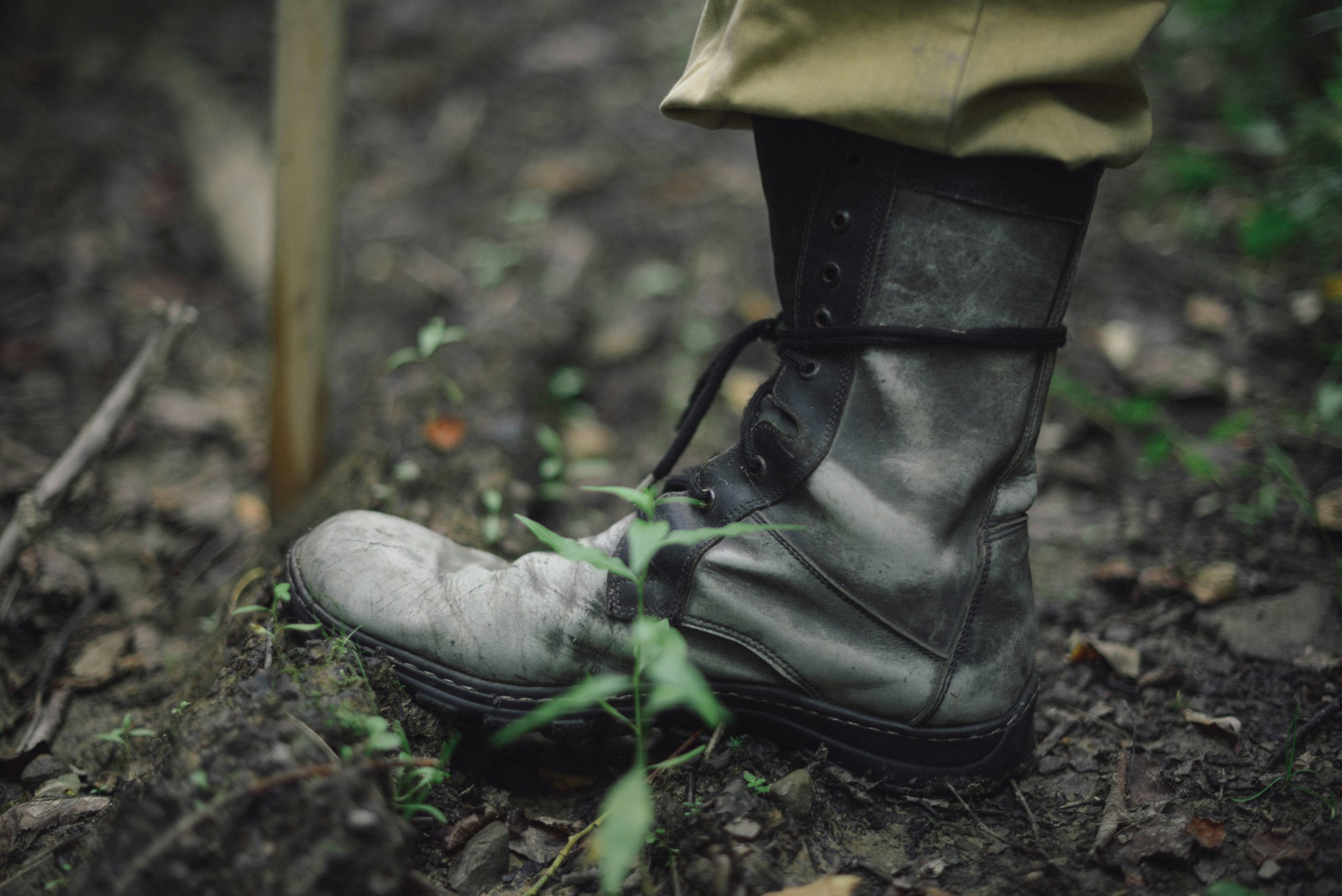
Foot injuries result from poor traction, lack of support, or wet conditions. Slips on rocks, ice, and uneven ground cause ankle sprains and knee injuries. Ill-fitting boots lead to blisters that alter walking patterns and increase fall risk. Cold feet also reduce balance and awareness. Prevention begins with quality footwear matched to terrain and season. Boots should provide ankle support, proper insulation, and aggressive tread. Break boots in before hunting season. Use traction aids in icy conditions. Dry socks and foot care maintain stability throughout long hunting days.
8. Lack of Communication
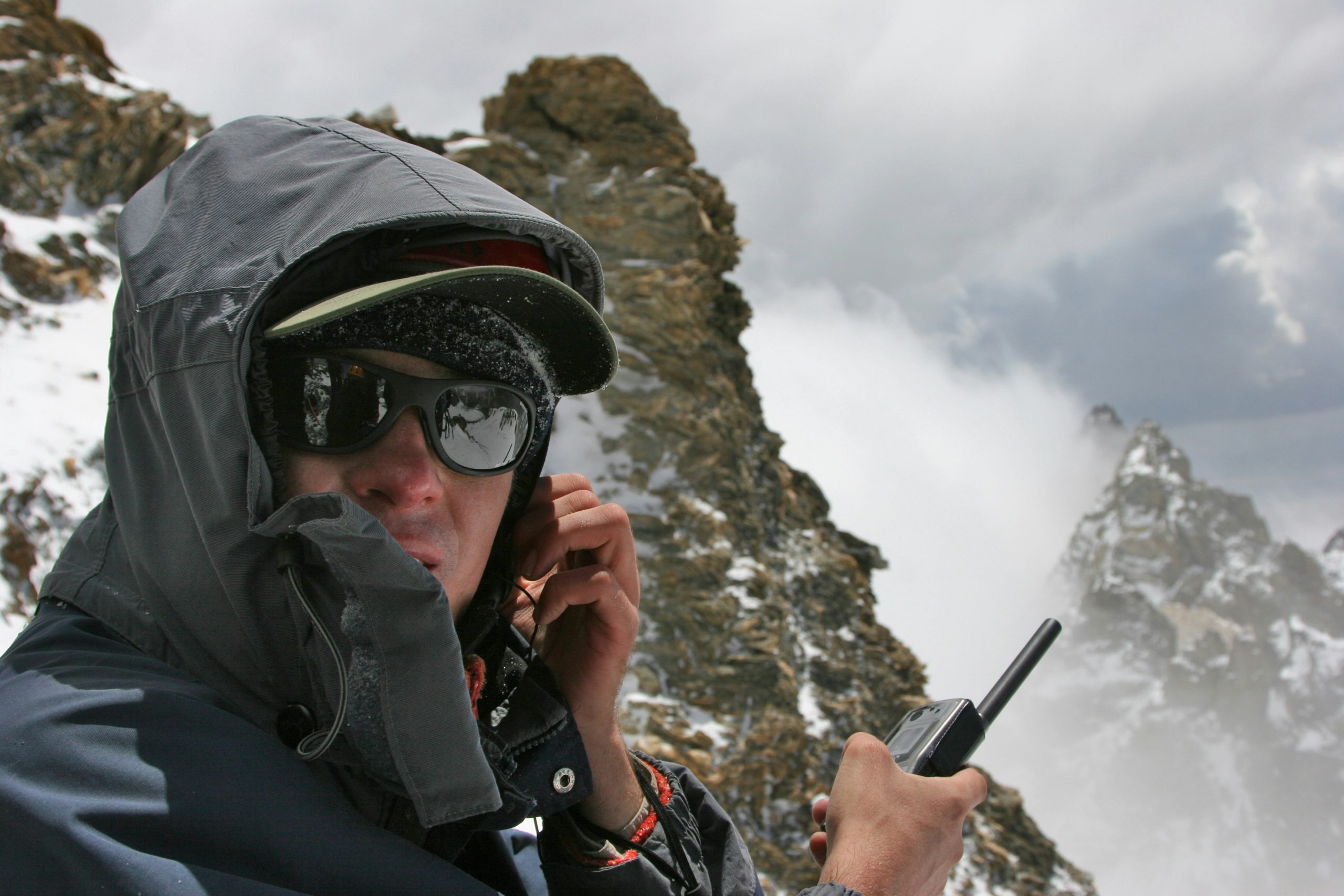
Hunters often get injured when hunting alone or separated without communication. Falls, cuts, or sudden illness become dangerous when no one knows your location. Cell service is unreliable in many hunting areas. Delayed rescue increases injury severity. Prevent this by sharing detailed plans with someone before every hunt. Carry radios, satellite messengers, or personal locator beacons. Check in at planned times. Simple communication habits ensure help arrives quickly if something goes wrong.
9. Improper Vehicle Use
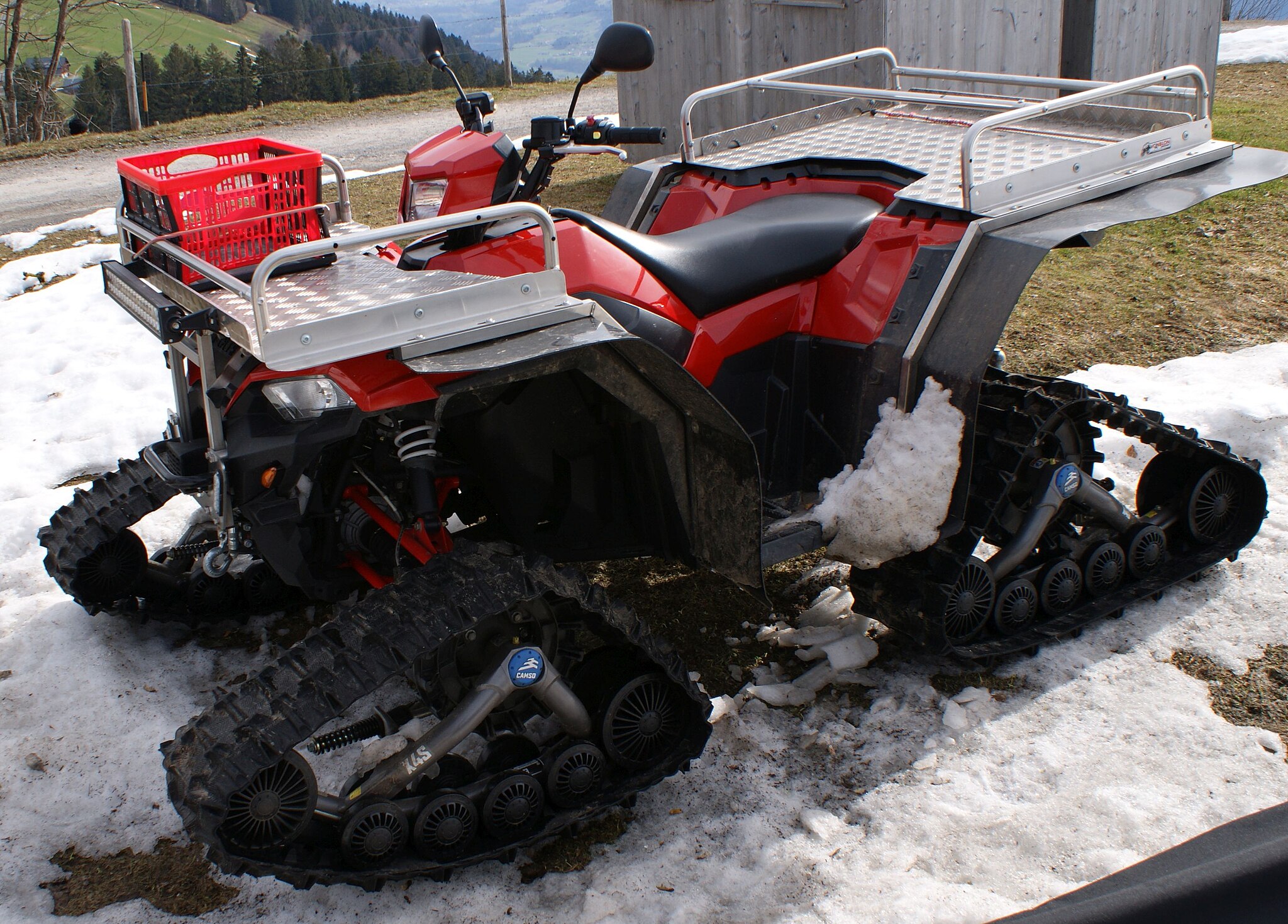
Vehicle-related injuries occur during off-road driving, loading equipment, and riding ATVs. Rollovers, falls, and crush injuries are common. Hunters sometimes overload vehicles or skip safety gear for short trips. Fatigue and poor weather worsen conditions. Prevent injuries by following manufacturer guidelines. Wear helmets on ATVs, secure firearms and gear properly, and avoid steep slopes when possible. Drive slowly and deliberately. Park vehicles safely off roads to prevent accidents during loading and unloading.
10. Ignoring First Aid Preparedness
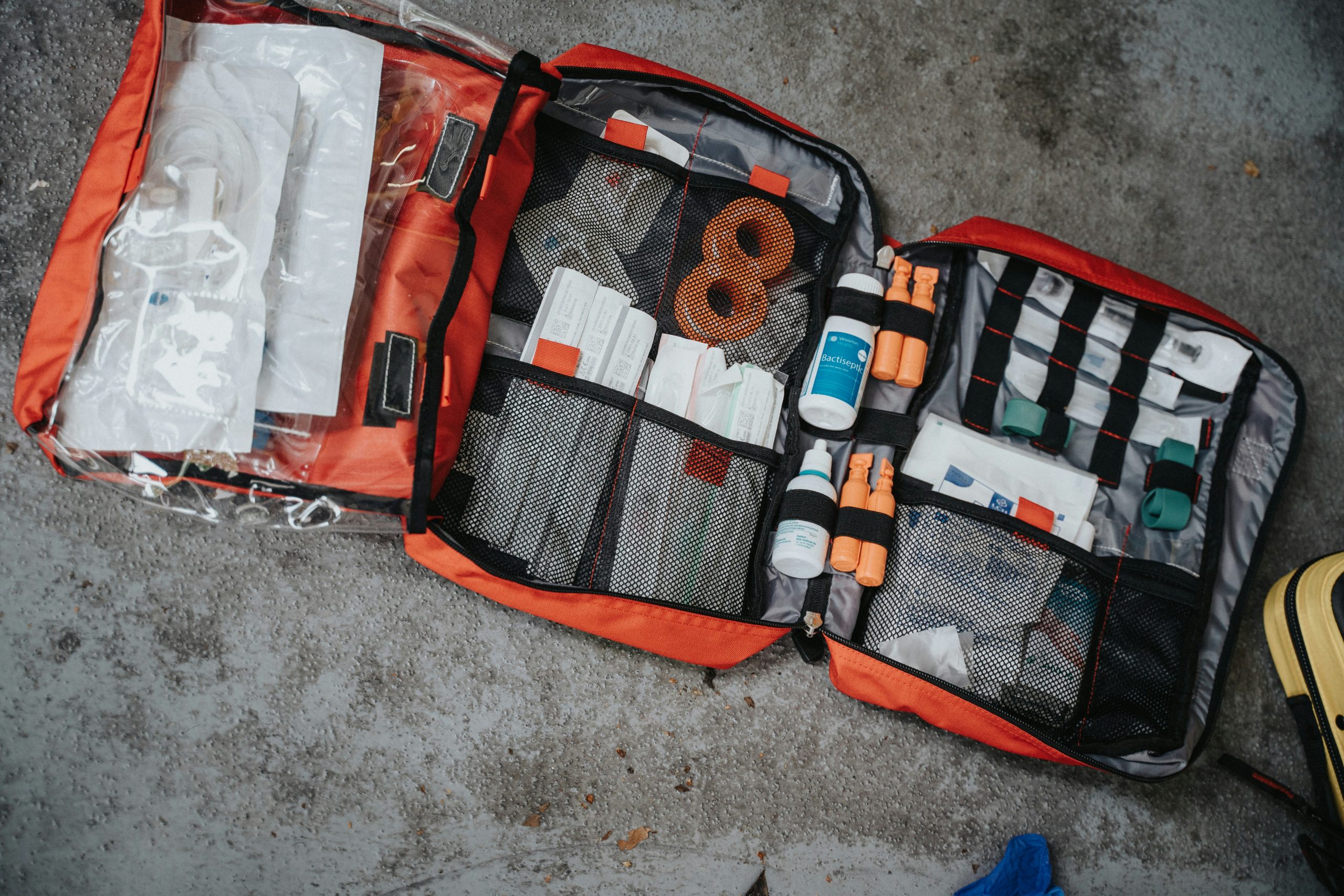
Minor injuries turn serious when hunters lack first aid knowledge or supplies. Bleeding, allergic reactions, and fractures require immediate attention. Many hunters carry kits but do not know how to use them. Panic worsens outcomes. Injury prevention includes preparedness. Carry a well-stocked first aid kit and understand basic treatment techniques. Learn how to control bleeding, stabilize injuries, and recognize shock. Practice emergency responses before the season. Prepared hunters reduce injury impact and improve survival in unexpected situations.