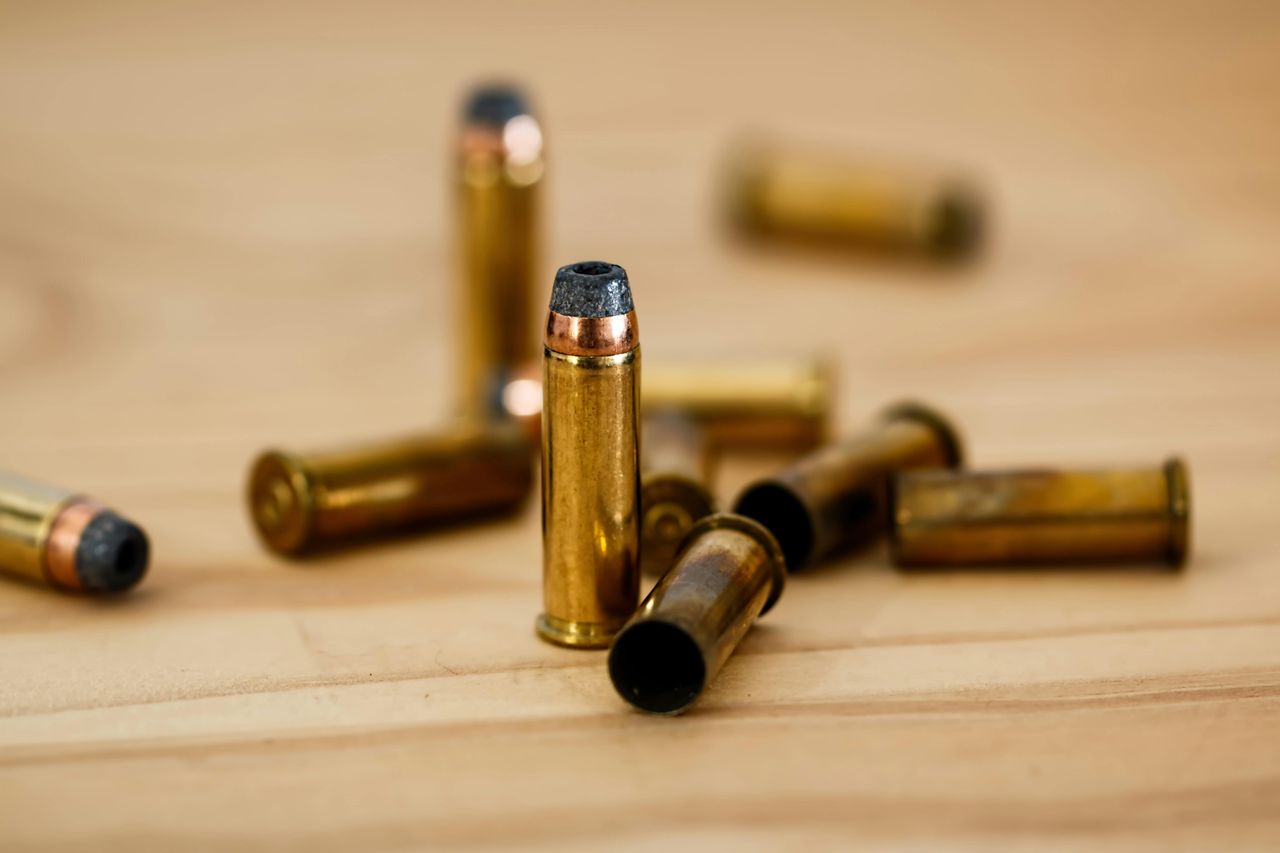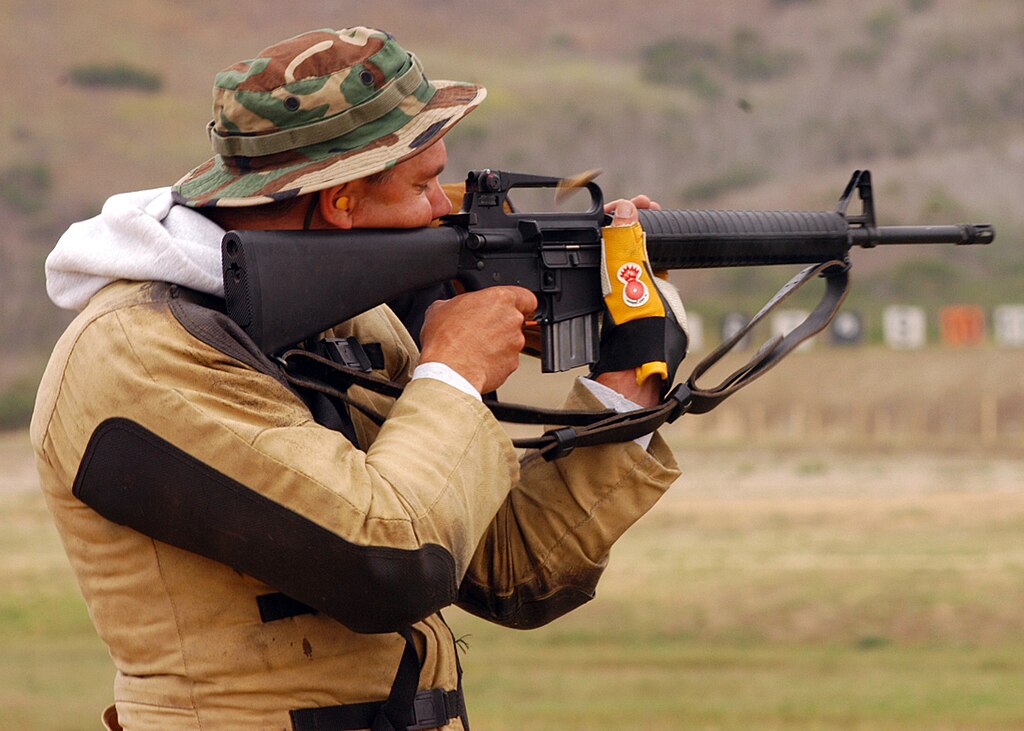
The 9mm won the popularity contest a long time ago. The more interesting question now is whether popularity has turned into dogma.
How 9mm Became the Safe, Sensible Default
For years, the 9mm has been sold as the answer to almost everything. It is affordable, widely available, soft enough for fast follow-up shots, and easy to package into compact pistols with generous magazine capacity. That combination made it the obvious default for new shooters, concealed carriers, and many law enforcement agencies.
The case for 9mm is not imaginary. Industry voices like the NSSF have long pointed to the broad shift toward 9mm as defensive shooting and practical competition grew. In the same vein, Shooting Illustrated has noted that 9mm has surpassed .40 S&W largely because it offers more capacity, less felt recoil, and improved bullet performance with modern loads.
That last part matters. The rise of premium hollow points changed the discussion. Loads like Speer Gold Dot and Federal HST helped narrow the old performance gap between 9mm and larger rounds. Once 9mm became good enough in terminal effect while staying easier to shoot, the market did what markets usually do. It standardized around convenience.
But when any caliber becomes the default, people stop asking where it falls short. That is where the overrated argument starts.
The Problem Is Not That 9mm Is Bad.

Calling 9mm overrated does not mean calling it ineffective. It means people often talk about it as though it has no meaningful tradeoffs. That is simply not true. A caliber can be the best general-purpose choice and still be oversold in specific roles.
Ballistic testing has been central to the modern 9mm case. Lucky Gunner’s large handgun gel project compared 117 hollow-point loads across .380 ACP, 9mm, .40 S&W, and .45 ACP, and the headline takeaway was clear: modern 9mm defensive ammunition can meet accepted penetration and expansion standards. That helped turn a lot of old caliber arguments into nostalgia.
Still, the same body of evidence also shows something less fashionable. Bigger calibers often retain an edge in expanded diameter, and in some loads, they do so with more consistency through barriers or heavy clothing. That does not automatically make .40 or .45 superior, but it does mean 9mm is not performing magic. It is operating inside a compromise.
That compromise is usually worth it. The mistake is pretending that compromise has disappeared.
Where Shooters Start to Push Back
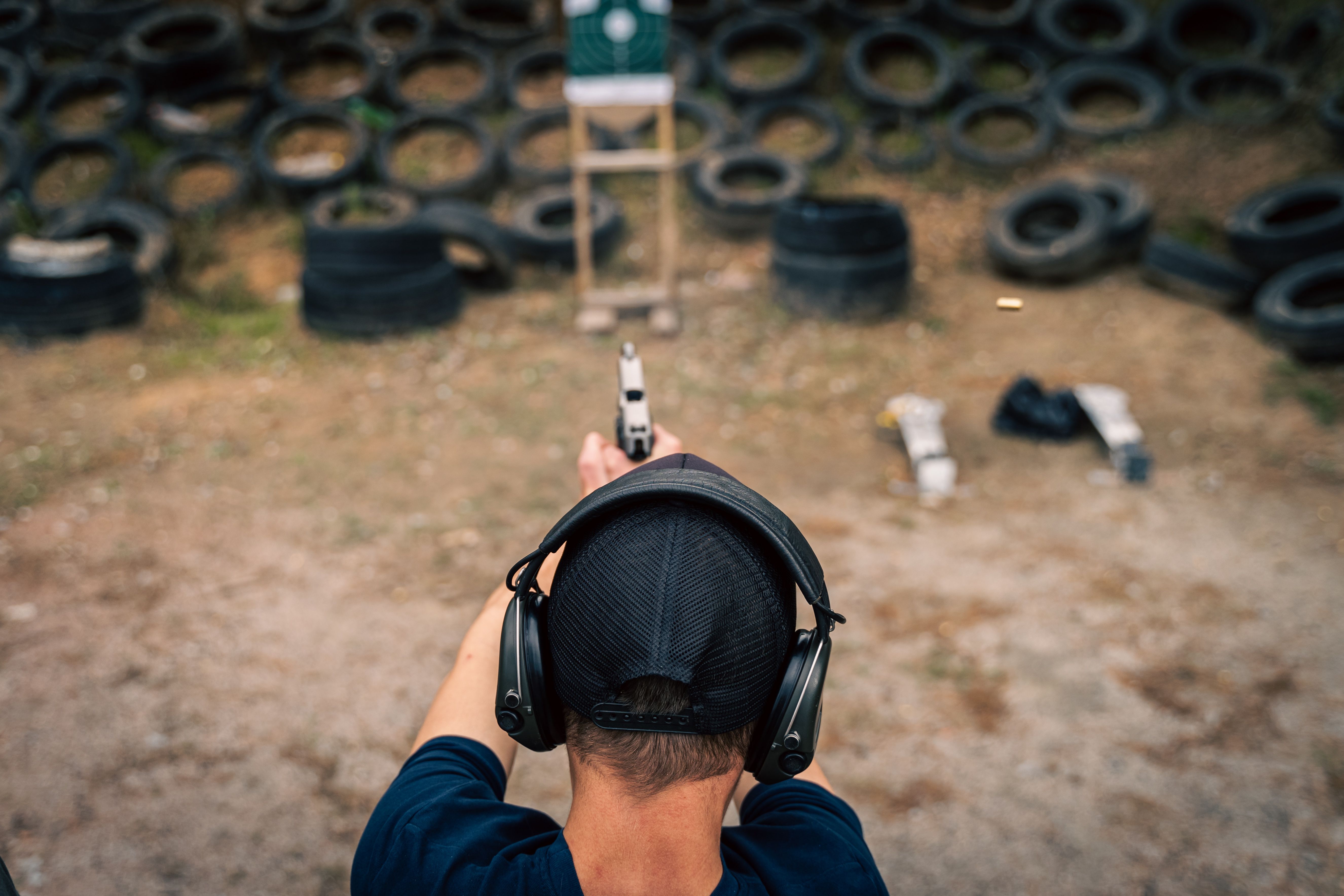
The pushback usually begins after people have had enough trigger time to notice that “less recoil” is not the same as “shoots best for everyone.” In a lightweight polymer carry gun, 9mm can feel snappy and abrupt. By contrast, some shooters genuinely find a heavier .45 ACP pistol easier to track because the recoil impulse feels more like a push than a slap.
That sounds like heresy until you spend time around experienced shooters. Even in online discussions among serious handgun users, a recurring theme appears: some people simply shoot .45 better in full-size pistols, while others dislike the sharp recoil character of .40 less than internet lore says they should. Personal fit still matters more than caliber slogans.
Platform changes the conversation, too. A steel-framed 1911 in .45 ACP does not behave like a micro-compact in 9mm. Comparing them as if recoil exists only on a spec sheet misses the point. The gun, the weight, the spring setup, the grip shape, and the shooter’s hands all affect what feels controllable.
So yes, 9mm is easier for most people most of the time. But “most” is doing a lot of work there.
Capacity Is a Huge Advantage, Until It Is Not
The strongest practical argument for 9mm is capacity. In service-size and compact pistols, it usually gives you more rounds in the same footprint. That is not a small benefit. More chances to solve a problem without reloading are one reason the 9mm became dominant in defensive carry and duty use.
But this is exactly where some shooters are starting to qualify their praise. Capacity only matters to the extent that you are allowed to use it. In states with 10-round magazine limits, the classic 9mm advantage gets trimmed down fast. When both guns are capped at the same number, people start asking a different question: if I only get 10 rounds either way, why not carry the larger bullet?
That does not automatically defeat the 9mm argument, because recoil, cost, and concealability still matter. But it absolutely weakens the idea that 9mm is always the clear winner. The context changes, and when the context changes, caliber math changes with it.
There is also the issue of platform size. Once someone is carrying a full-size pistol anyway, the capacity edge can feel less decisive than it does in a slim everyday carry gun.
The Hidden Cost of the 9mm Consensus
One reason 9mm may be overrated is cultural rather than ballistic. Once a cartridge becomes the accepted answer, people stop experimenting. They buy the standard gun in the standard caliber and assume any different choice must be outdated, macho, or uninformed. That mindset flattens a more nuanced reality.
Take .40 S&W. It lost cultural momentum because many shooters found it harsher than 9mm without enough added benefit to justify the trade. Shooting Illustrated made that exact point years ago, saying the .40 was not enough better than the easier-carrying, higher-capacity 9mm to matter for most people. Fair enough. But “not best for most” is not the same as “worthless.”
The same goes for .45 ACP. In a world obsessed with capacity charts, people can forget what .45 still offers: a naturally subsonic load in many common configurations, a broad wound profile with quality expanding ammunition, and a recoil impulse some shooters prefer in heavier guns. None of that makes it universally better. It just means the old round still solves real problems.
Consensus is useful. Blind consensus is lazy.
Ammo Design Narrowed the Gap, Not Erased It

Modern defensive ammunition is the reason this debate feels different from the one gun shops had 25 years ago. Premium 9mm loads have improved enough that many experts see little real-world downside in choosing them for self-defense. That is the core of the modern 9mm argument, and it is a strong one.
But improved bullet design did not erase physics. According to SAAMI standards, 9mm operates within a pressure framework that helps it deliver efficient performance from relatively compact guns, yet its basic job remains the same: push a smaller, lighter projectile faster. Larger handgun cartridges still bring more bullet mass and, depending on load design, can produce larger recovered diameters and different recoil characteristics.
That matters most when people oversimplify terminal performance into memes. No mainstream service pistol cartridge is a rifle. None produces dramatic “knockdown” effects in the cinematic sense. What they do offer are slightly different balances of penetration, expansion, controllability, and capacity. The gaps are narrower now, but they are still there.
So if shooters are “starting to admit” anything, it is probably this: 9mm is excellent, but it is not sacred.
The Honest Verdict on Whether 9mm Is Overrated

If “overrated” means bad, then no, 9mm is not overrated. It remains the smartest all-around handgun caliber for the broadest number of shooters. It is easier to practice with, easier to carry in smaller guns, and easier to find in almost every corner of the market. There is a reason it became the standard.
If “overrated” means treated like the only rational choice, then yes, absolutely. That is where the backlash comes from. Experienced shooters are not suddenly discovering that 9mm fails. They are rediscovering that tradeoffs never went away, and that larger calibers still make sense for some hands, some guns, and some legal environments.
The mature answer is not to replace one caliber cult with another. It is to stop pretending a broad recommendation is a universal truth. The best handgun round is still the one that fits the shooter, the gun, and the mission. 9mm wins that contest often. Just not automatically.
And that is probably the most honest thing anyone can say about it now.