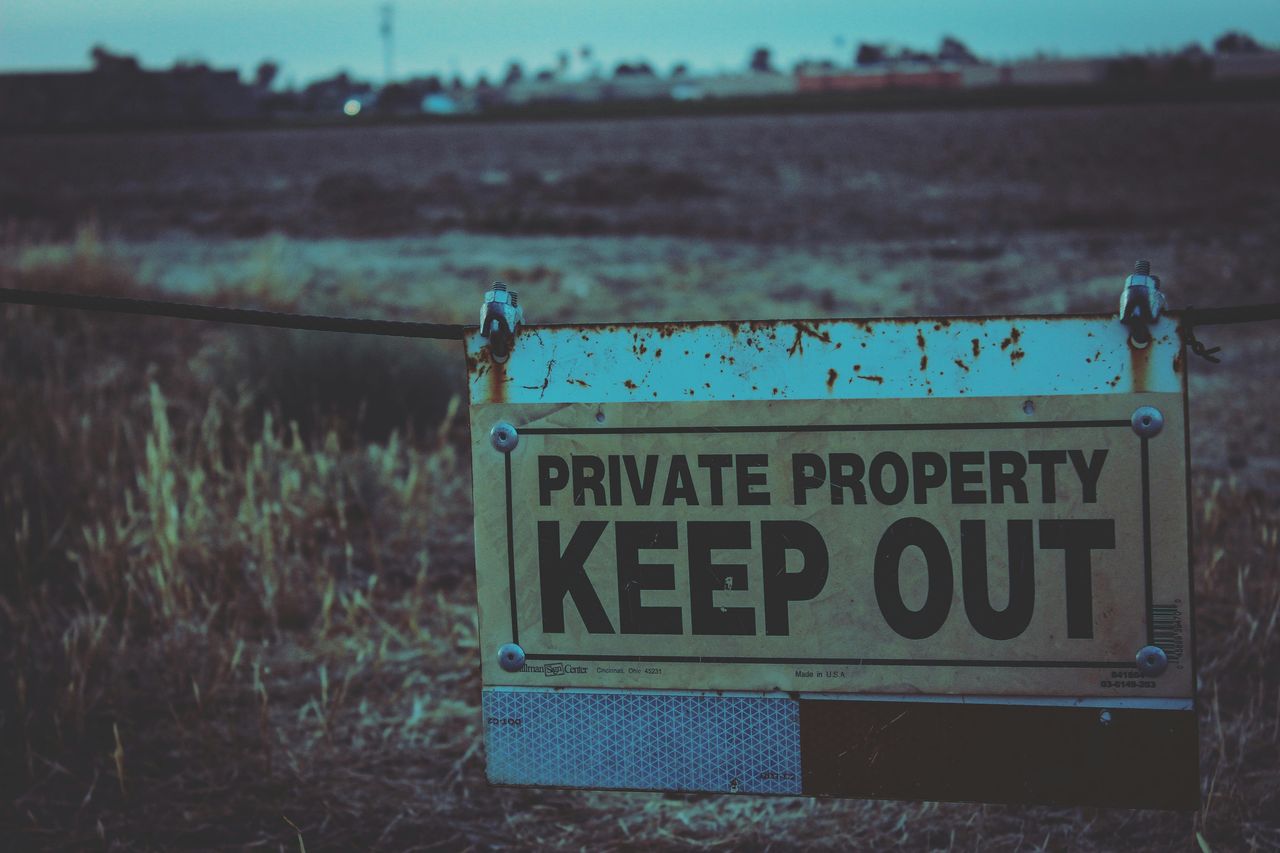
It gets old fast when strangers keep turning up on land you own. If hunters are showing up continuously, you need a plan that is calm, firm, and legally sound.
Start by confirming exactly what is happening
Before you react, get clear on the pattern. Are hunters actually stepping onto your property, parking on your access road, crossing fence lines, retrieving wounded game, or simply hunting nearby and making you uncomfortable? Those details matter because each situation can call for a different response.
Walk your boundaries and compare what you see with your deed, plat map, survey, or county parcel map. Many disputes start because a fence is old, a tree line looks like a boundary, or a neighboring land user is relying on bad assumptions. If your property lines are unclear, a licensed survey can save you a lot of trouble later.
Keep a written log every time someone appears. Note dates, times, vehicle descriptions, license plates, what the person was doing, where they entered, and whether signs or fences were visible. Good documentation turns a vague complaint into something a sheriff’s deputy, game warden, or attorney can actually use.
Photos from a phone, trail camera, gate camera, or driveway camera can be especially helpful. In many rural trespass cases, clear visual evidence matters more than angry stories. If the visits are frequent, that record can also show a pattern of repeated unlawful entry rather than a one-time mistake.
Make your boundaries obvious and hard to misunderstand
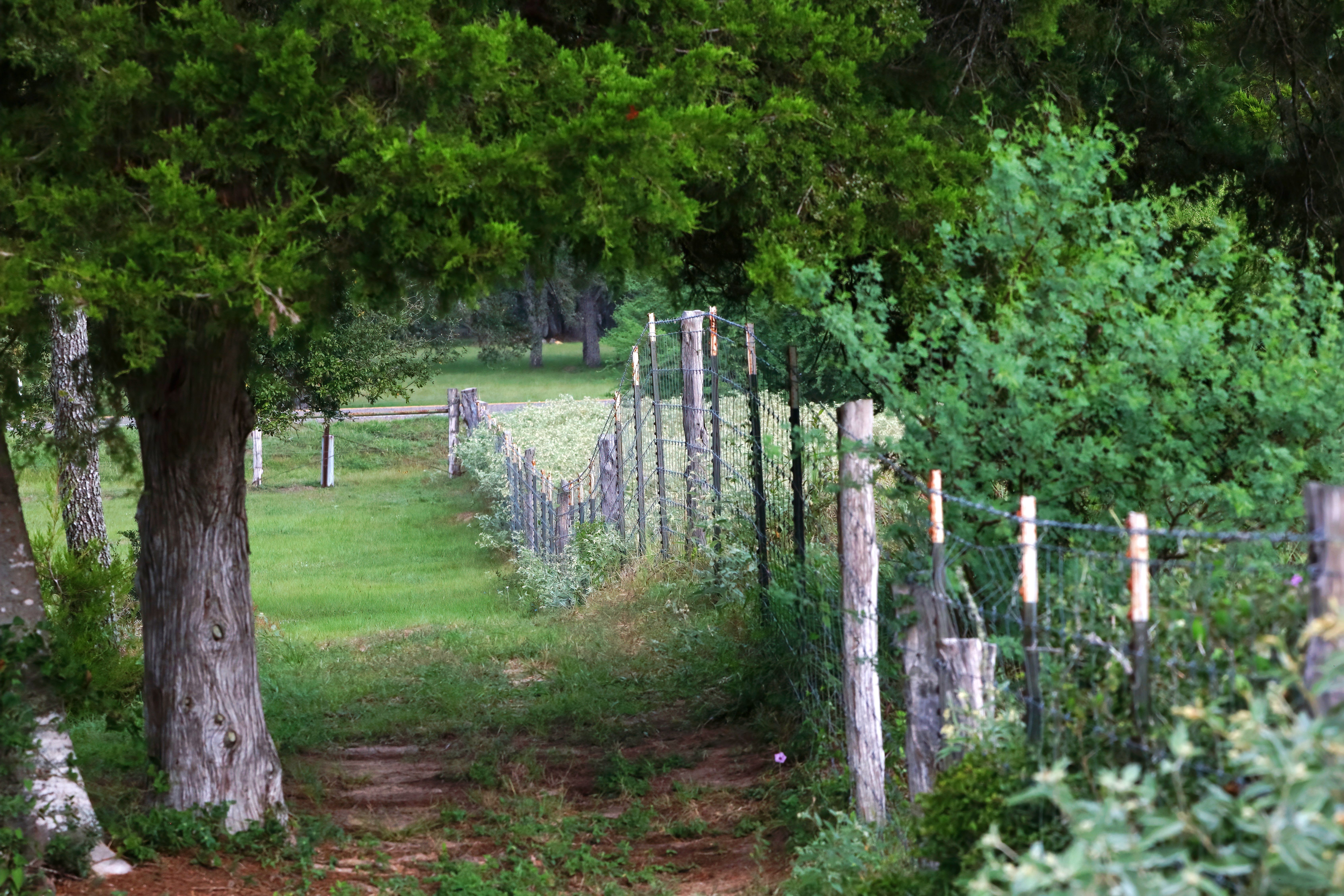
A lot of landowners assume one old sign on a back fence is enough. It usually isn’t. If hunters keep showing up, your first practical move is to mark the property so clearly that nobody can reasonably claim they did not know they were crossing onto private land.
Post fresh signs at likely entry points, along roads, near trails, at gates, and at intervals along the perimeter. Use direct wording such as “Private Property,” “No Trespassing,” and “No Hunting Without Written Permission.” In many states, sign placement, size, wording, and spacing affect enforceability, so check your state rules carefully.
Paint marks on trees or posts may also be recognized by law in some places. Purple paint laws, for example, are used in several states as a legal substitute for signage. If that applies where you live, using both signs and paint can make your boundary notice stronger and more visible through different seasons.
Physical barriers help too. A locked gate, repaired fence, large rocks at a pull-off, or posts blocking vehicle access can reduce casual entry. You do not need to turn your land into a fortress, but you do want to remove the easy excuses hunters often use, such as “I thought this was open land” or “There wasn’t anything marking it.”
Handle face-to-face encounters without escalating risk.
If you meet hunters on your land, your priority is safety, not winning an argument. Stay calm, keep distance, and do not approach anyone who is armed in a confrontational way. Even if you are angry, the smartest move is to keep your voice steady and your instructions simple.
Tell them clearly that they are on private property and must leave immediately. Avoid long debates about where the line is, what they thought they had permission to do, or what a neighbor supposedly said. A short statement works best: this is private land, you do not have permission, and you need them to leave now.
If they become hostile, do not physically block them, touch their equipment, or try to detain them. Back away, get to a safe location, and call law enforcement or a conservation officer. According to many state wildlife agencies, armed trespass situations should be treated as potentially dangerous even when the person seems calm.
If the same individuals keep returning, stop handling it as an informal conversation. Repeated contact can encourage the idea that this is just a personal dispute instead of a legal boundary issue. Once there is a pattern, it is usually better to let official reports, written notices, and enforcement do the talking for you.
Use law enforcement, game wardens, and written notice effectively.
Many property owners wait too long to involve authorities because they do not want to seem difficult. But repeated unauthorized hunting is not a minor annoyance. It can expose you to safety concerns, livestock stress, crop damage, damaged fences, litter, and liability headaches if someone gets hurt on your land.
Start with the right agency. In many areas, the sheriff handles trespass while a game warden, conservation officer, or wildlife officer handles hunting violations. If a hunter is breaking both trespass and hunting rules, reporting to both can be appropriate. Ask what evidence they need and how they prefer incidents to be documented.
A written trespass notice can be very effective, especially if you know the individual’s name or address. In some states, certified mail creates a strong record that the person was formally warned. After that, a return visit may be treated more seriously because it is clearly a case of trespass rather than claimed confusion.
Be factual in every report. Say what happened, when it happened, and what proof you have. Avoid exaggeration. Officers, prosecutors, and judges tend to respond better to a landowner who sounds organized and credible than one who sounds furious but vague, even when the frustration is completely understandable.
Work the neighbor angle before it turns into a bigger dispute.

A surprising number of repeat hunter problems begin with bad permission. A neighbor may have said, “You can hunt over there,” while meaning only their own acreage. A family member may have given outdated permission years ago. A previous owner may have allowed access, and locals may still assume the arrangement continues.
That is why it helps to talk directly with adjoining landowners. Keep it polite and specific. Explain that hunters have been entering your property and ask whether anyone has been telling people they can cross through or hunt near your lines. Often, a five-minute conversation clears up a season-long problem.
If you do allow any access at all, tighten the rules. Written permission forms, named individuals only, date limits, vehicle restrictions, and designated entry routes can prevent misunderstandings. Many experienced landowners use simple permission slips because verbal permission has a way of expanding well beyond what was intended.
This is also the moment to think about local culture. In some rural areas, informal access traditions run deep, and people genuinely do not see themselves as trespassers. That does not mean you must accept it. It does mean a firm, respectful message often works better than starting with personal accusations against the whole community.
Know when to bring in a lawyer and harden your long-term strategy
If hunters continue to show up after signs, warnings, and reports, it may be time to talk with a local attorney who handles property disputes. Laws vary widely by state on trespass, posting requirements, civil remedies, and liability protection. A short legal consultation can tell you exactly what options carry the most weight where you live.
An attorney may suggest a formal cease-and-desist letter, updated boundary documentation, or action against a repeat offender. In serious cases involving property damage, threatened confrontation, poaching, or commercial misuse of your land, legal pressure can change behavior quickly. It also shows that you are no longer treating the issue as an informal misunderstanding.
Long-term, think in layers. Maintain signs, replace faded markings, keep gates locked, use cameras, preserve incident records, and review your insurance coverage. If you manage timber, livestock, crops, or a homestead, your land is an active asset, and protecting access is part of protecting its value.
Most importantly, do not normalize repeated intrusion just because it happens often in your area. Private land is still private land. When you respond with clear boundaries, good documentation, and consistent enforcement, you give yourself the best chance of stopping the problem without putting your own safety at risk.
Custom footer at the end of the article.