Some guns fill a niche. The Remington 870 filled half of American life.
That is how one pump shotgun ended up equally at home beside decoys and behind a cruiser seat.
A Shotgun Built for the Real World
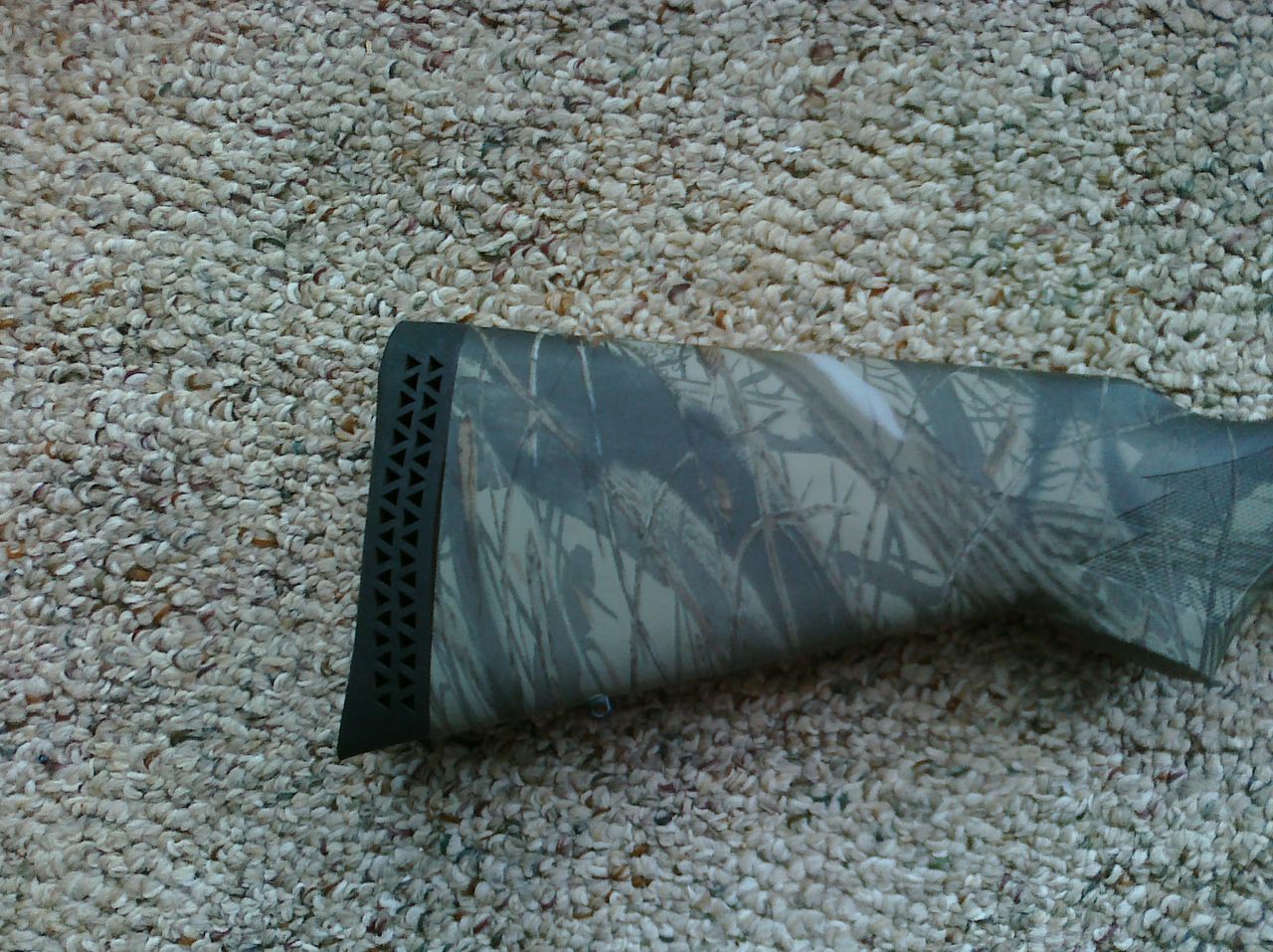
When Remington introduced the 870 in 1950, it was meant to replace the Model 31 with something easier and cheaper to build without feeling cheap in the hand. Field & Stream notes that the design borrowed smartly from the 11-48 platform, while adding twin action bars that helped the pump stroke stay smooth and resist binding. That combination mattered because users judge a working gun by feel as much as by theory.
The steel receiver gave the gun a reputation for solidity, but the real trick was balance. Hunters got a shotgun that carried well through flooded timber or cattail sloughs, and officers got one that could ride hard in a vehicle without seeming delicate. American Rifleman has described the 870 as the best-selling pump shotgun in history, which says a lot about how well Remington read the market.
Price helped, too. Early 870s undercut rivals like the Winchester Model 12, giving ordinary buyers access to a shotgun that looked and handled like a premium tool. That mix of affordability and confidence is usually where true American classics begin.
Why Duck Hunters Took to It So Fast
Waterfowl hunters are brutal gear testers because ducks show up in the worst weather and the mud never takes a day off. The 870 earned loyalty in blinds because it kept running when hands were numb, gloves were soaked, and the gun had already been laid in the bottom of a jon boat. Outdoor writers have long treated it as the archetypal bad-weather pump for exactly that reason.
The 3-inch magnum 12-gauge version, added in 1955 according to Field & Stream, made the platform even more attractive to duck hunters chasing bigger loads and longer-range performance. That let one familiar shotgun cover teal in September and late-season mallards in freezing wind. Practical versatility always wins in hunting camps.
It also helped that barrels could be changed easily. A hunter could set up one 870 for ducks, another season for upland birds, and even slug use in deer country without learning a new manual of arms. That made the gun feel less like a single-purpose purchase and more like a long-term partner.
The Police Cruiser Connection

Law enforcement adopted the 870 for many of the same reasons hunters did: reliability, simplicity, and predictability under stress. Police Magazine has called the Model 870 the dominant police shotgun, and that tracks with decades of cruiser racks and armory inventories across the country. For patrol work, a pump gun had one major advantage over more specialized systems: everyone could understand it quickly.
An 870 in a patrol car did not require exotic maintenance or a department armorer with unusual training. Officers could load it, cycle it, clear it, and inspect it with straightforward motions that held up under repetition. In high-stress work, familiar mechanics are a form of safety.
The platform also adapted neatly to police needs. Shorter barrels, improved sights, different stocks, and dedicated Police models allowed agencies to tailor the shotgun for building searches, perimeter work, and less-lethal roles. That modularity kept the 870 relevant long after its original debut.
One Platform, Many Missions
Few long guns have worn as many uniforms as the 870. Beyond sporting and police use, American Rifleman notes that variants such as the military Mk-1 saw service with the U.S. Marine Corps, reinforcing the gun’s reputation as a hard-use tool rather than a sporting-only arm. Once a firearm proves itself across hunting, policing, and military contexts, its status changes from product to institution.
That broad service history fed a powerful feedback loop. Hunters trusted it because police carried it. Police trusted it because it had a sporting-market parts base, widespread familiarity, and years of proof in rough conditions. Every new role strengthened the next one.
Then came the aftermarket. Stocks, sights, magazine extensions, finishes, and replacement parts became so common that keeping an 870 running or reconfiguring it was rarely difficult. A gun that can be repaired, modified, and passed down tends to stay in circulation for generations.
The Wingmaster, the Express, and the Myth
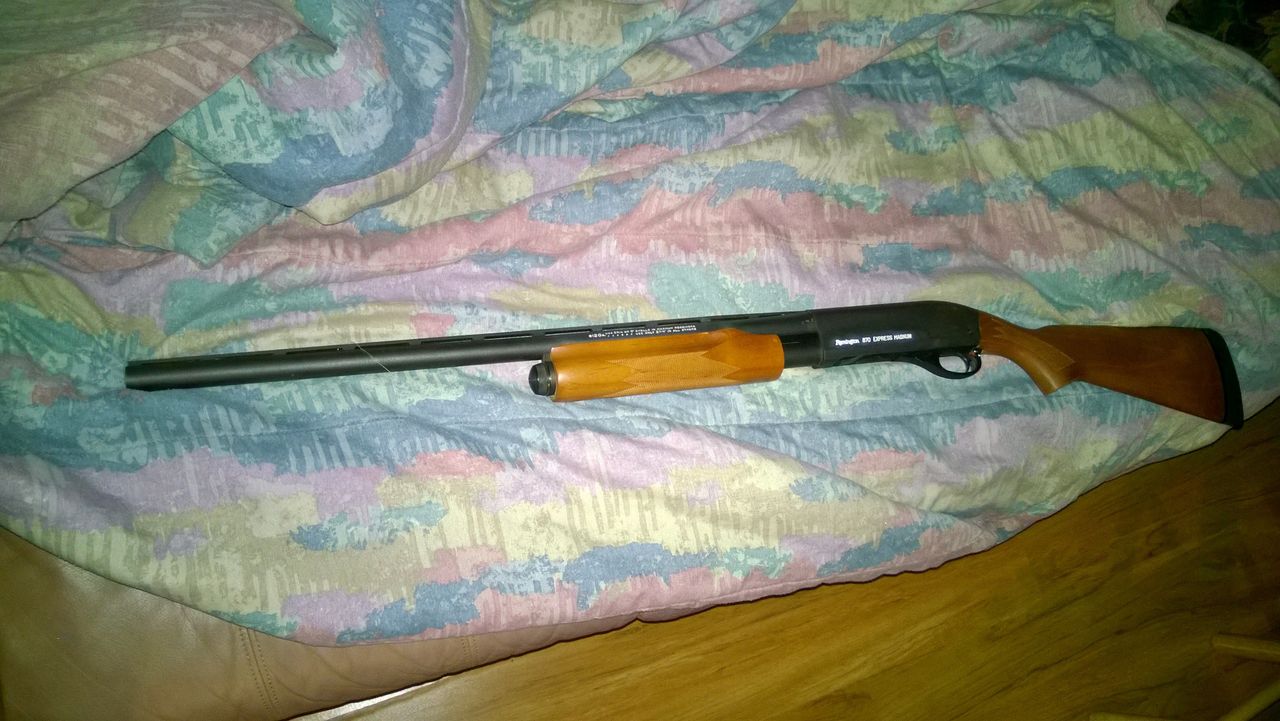
Part of the 870 story is really several stories. Older Wingmaster guns built the polished reputation, while later Express models broadened the audience by delivering the same core concept at a more accessible price. That split mattered because it allowed the 870 to remain both a beloved classic and a working person’s shotgun.
For many shooters, the shiny walnut-and-blue-steel Wingmaster became the ideal field pump. For others, the rougher Express was the duck gun, truck gun, or spare closet gun that got scratched without heartbreak. Both versions reinforced the same underlying message: this shotgun was meant to be used, not admired from a cabinet.
Even criticism over changing finish quality in later years did not erase the model’s place in American gun culture. Recent Field & Stream coverage still treats the 870 as a benchmark pump, which shows how durable the design’s reputation remains even when manufacturers and ownership structures change around it.
Why the 870 Still Means Something
The Remington 870 became a fixture in duck blinds and patrol cars because it solved practical problems without drama. It was dependable, adaptable, and affordable enough to spread widely, yet good enough to inspire real affection. Those are rare qualities in any tool.
Its success was never only about ballistics or brand loyalty. It was about trust earned one cold hunt, one training day, and one long shift at a time. The same shotgun that could knock ice off a marsh morning could also wait quietly in a cruiser rack until somebody truly needed it.
That is why the 870 still carries cultural weight. It is not just a famous pump shotgun. It is one of those American objects that became part of the landscape by doing its job so well that people stopped noticing how unusual its staying power really was.