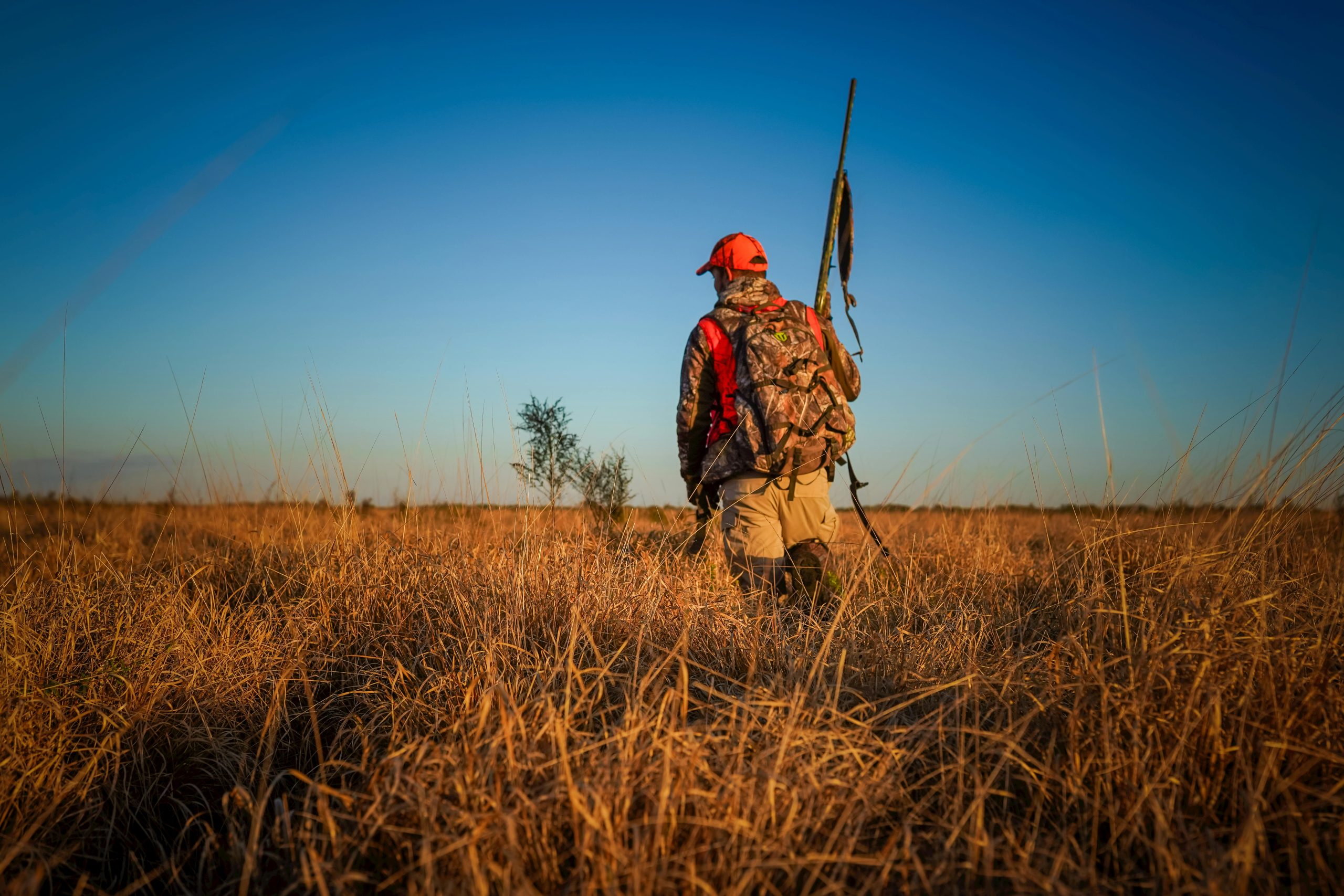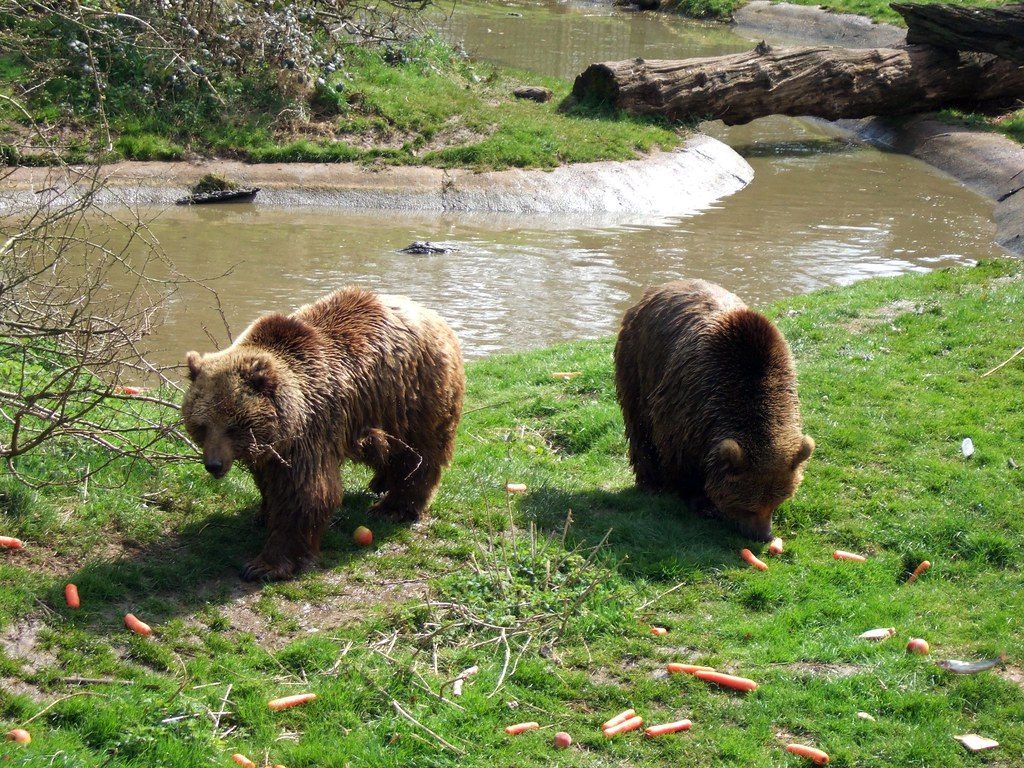
For over a hundred years, Arkansas remained free from fatal bear attacks, but recent tragedies have shaken that sense of safety. As black bear populations thrive and outdoor recreation grows, encounters have become more unpredictable. Wildlife officials now face questions about changing animal behavior and human interaction. The incidents have left communities grieving while reminding everyone how delicate the balance between people and nature can be.
A Long History of Coexistence
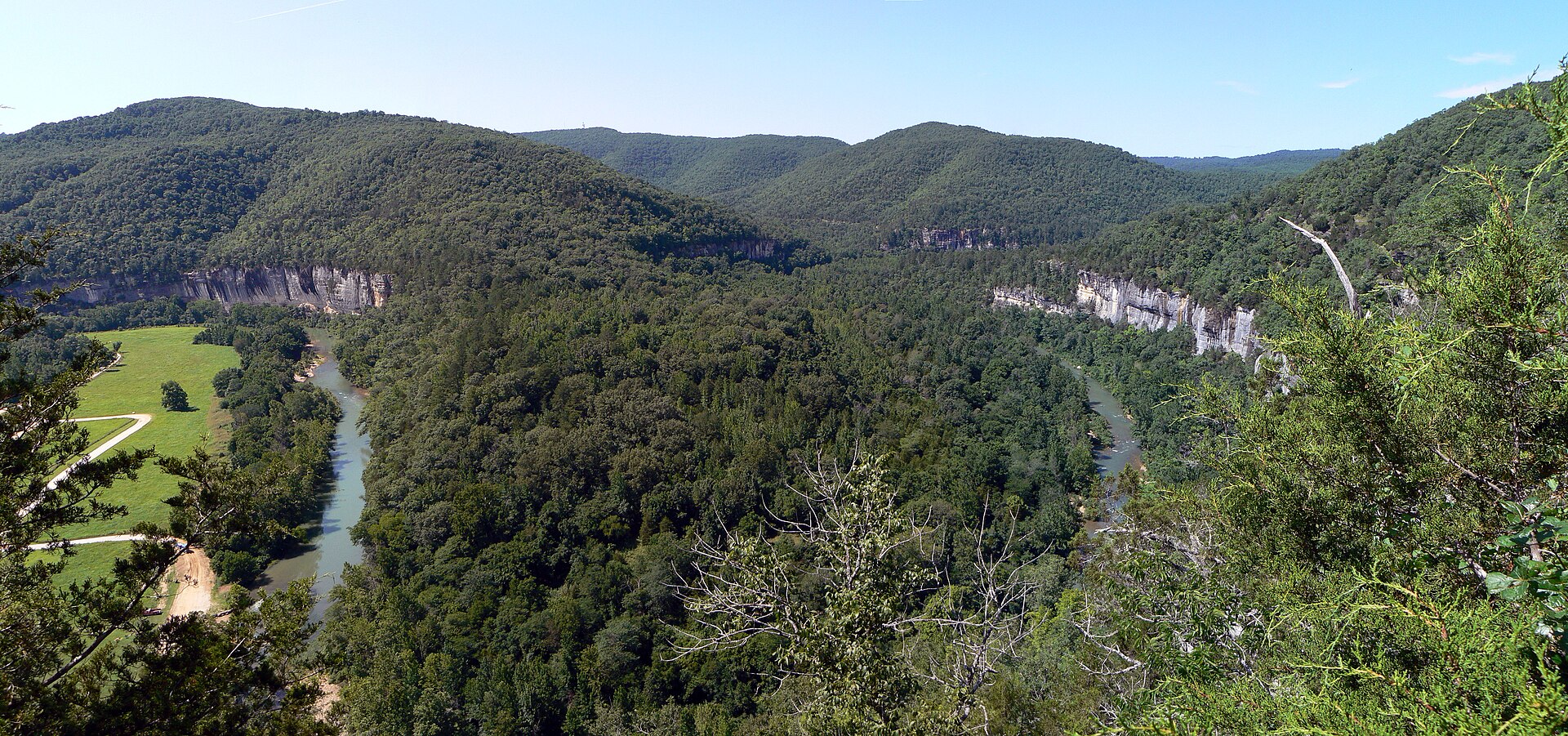
Arkansas has long been home to black bears, once nearly wiped out by overhunting and habitat loss. Decades of conservation efforts successfully restored the population, turning the species into a state success story. For years, bears and humans coexisted peacefully with only minor encounters. The recent attacks have now disrupted that record, prompting concern across rural and suburban areas alike.
The First Tragic Incident
The first fatal attack occurred when a local resident was surprised by a black bear near their property. Officials reported that the bear showed unusually aggressive behavior, possibly driven by territorial stress or scarcity of food. Wildlife responders were called to the scene but arrived too late to prevent the tragedy. The attack reignited debate about how close humans and wildlife can safely coexist.
A Second Shock Follows
Before the community could recover, another fatal encounter took place in a nearby county. Authorities believe the victim had unknowingly entered an area frequented by bears for foraging. This second incident within months deepened local fears and pushed officials to investigate potential patterns. Many now wonder whether environmental changes or human encroachment are fueling new risks.
Growing Populations and Shrinking Spaces
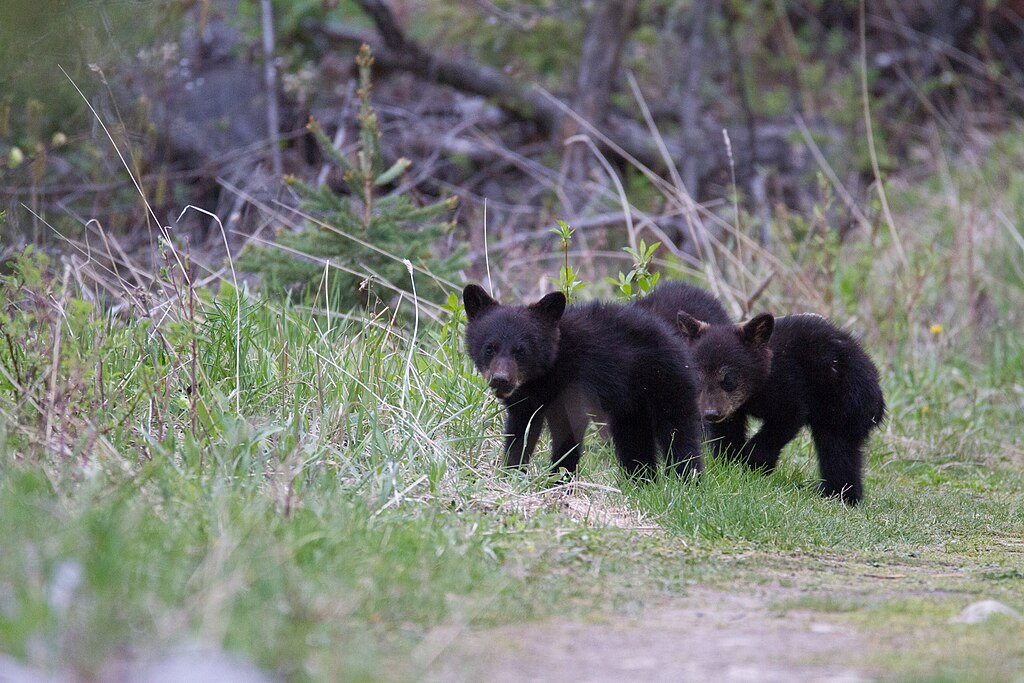
Black bear numbers in Arkansas have grown steadily thanks to decades of conservation. However, expanding human development has narrowed natural habitats, increasing overlap between bears and residents. Experts suggest that easy access to garbage, livestock feed, or outdoor pet food can attract bears closer to populated areas. Balancing conservation success with public safety is becoming a growing challenge.
Wildlife Officials Respond
The Arkansas Game and Fish Commission has increased public outreach to reduce future conflicts. Educational campaigns focus on securing trash, keeping food out of campsites, and maintaining distance during sightings. Traps and monitoring systems are being expanded to identify aggressive animals early. Officials emphasize prevention as the most effective way to protect both bears and people.
Communities Adjust to a New Reality
Residents in affected regions are becoming more cautious about outdoor activities. Some neighborhoods have organized safety workshops and volunteer patrols to monitor wildlife movement. Hiking and camping groups are revisiting safety guidelines, reminding members to stay alert and carry deterrents. The sudden shift has made many Arkansans rethink their relationship with the wilderness they’ve long cherished.
Lessons from Experts
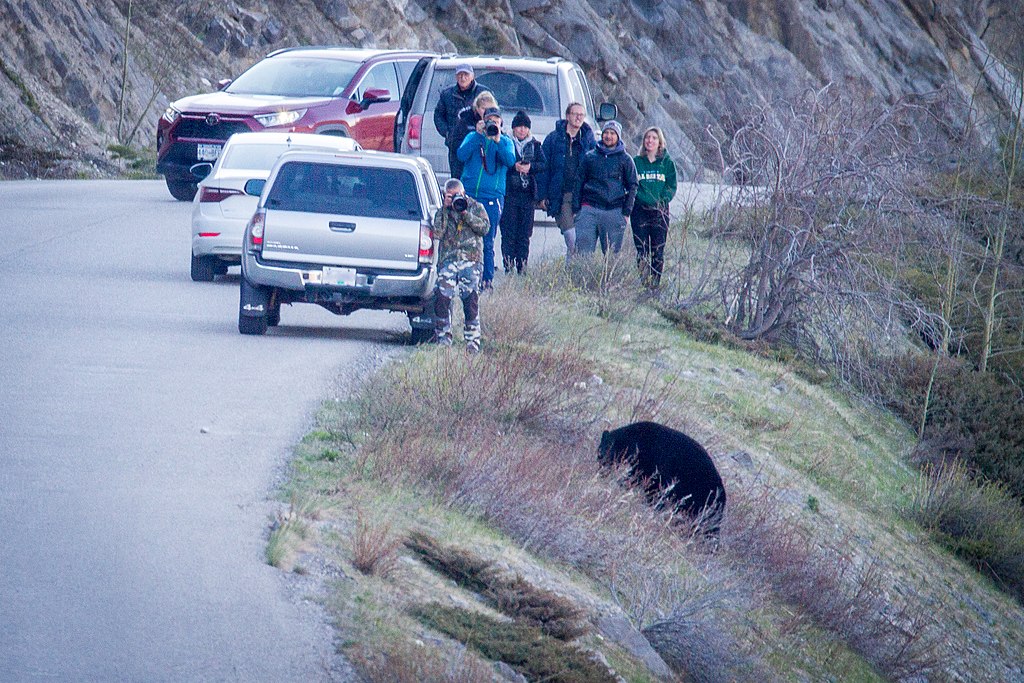
Biologists caution that black bears remain naturally wary of humans, and fatal attacks are exceedingly rare. Most encounters happen when bears feel threatened or have become too comfortable around human food sources. Experts stress that awareness and prevention remain the strongest defenses. By adapting habits, people can continue to enjoy the outdoors while minimizing risk.
Preserving Balance in the Wild
The twin tragedies serve as a somber reminder that coexistence with wildlife requires constant respect and caution. Conservation efforts have brought black bears back from the brink, but that success demands shared responsibility. Arkansas now faces the challenge of protecting both human life and its native wildlife. How residents adapt in the coming months will shape that balance for years to come.