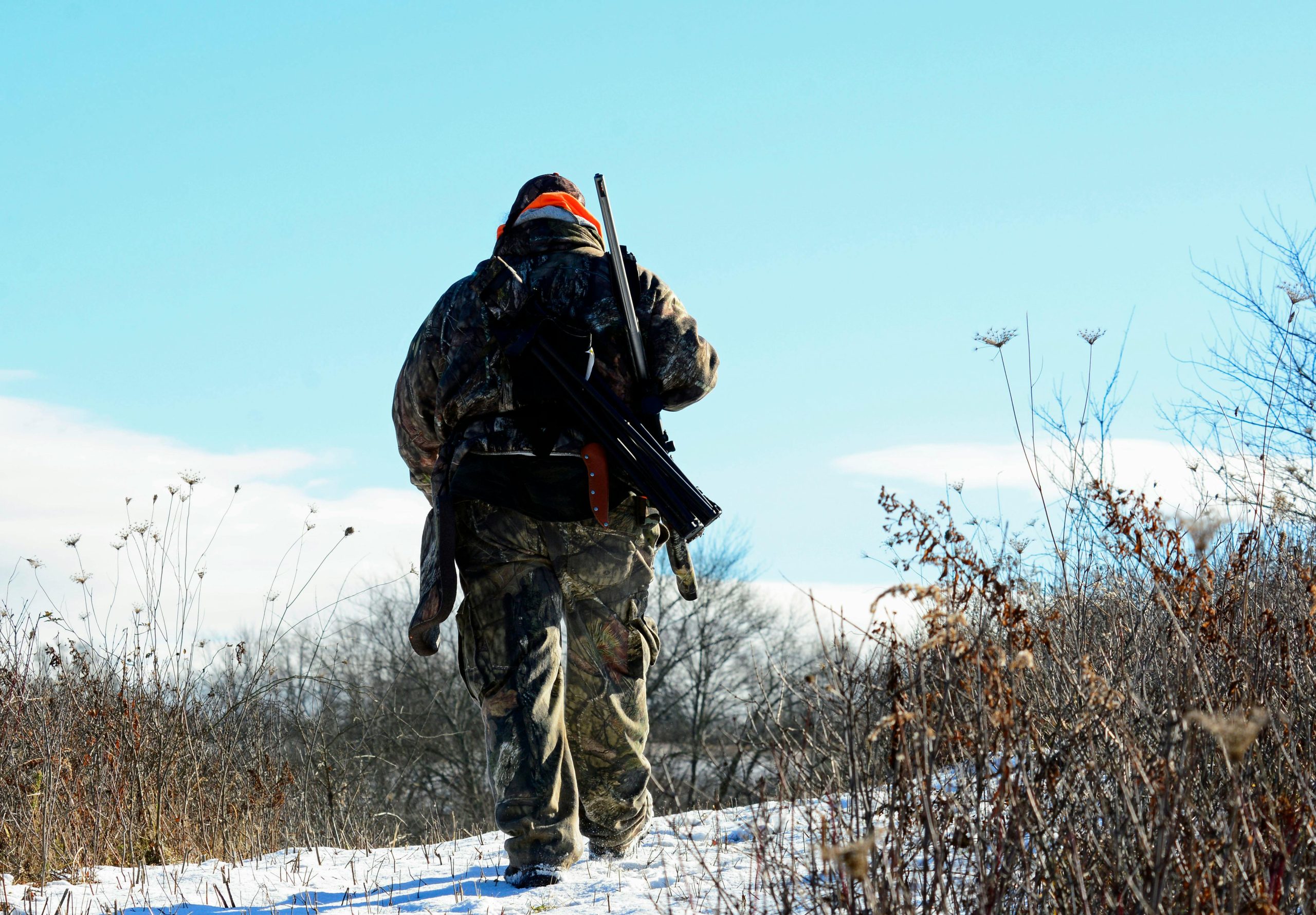
Backcountry hunting offers solitude, challenge, and a deep sense of self-reliance that many hunters crave. Far from roads and crowds, the experience feels more authentic and rewarding. That same isolation, however, also removes many layers of safety that people take for granted. Small problems that would be inconvenient near civilization can become serious threats when help is hours or days away. Many hunters focus on obvious risks like wildlife encounters or firearm safety, while quieter dangers often go unnoticed. These overlooked hazards tend to build slowly, compounding fatigue, stress, and poor decisions. Understanding them is critical for anyone venturing deep into remote terrain. This article explores five commonly underestimated dangers of backcountry hunting and explains why awareness, preparation, and respect for the environment are essential to coming home safely.
1. Navigation Errors That Snowball Quickly
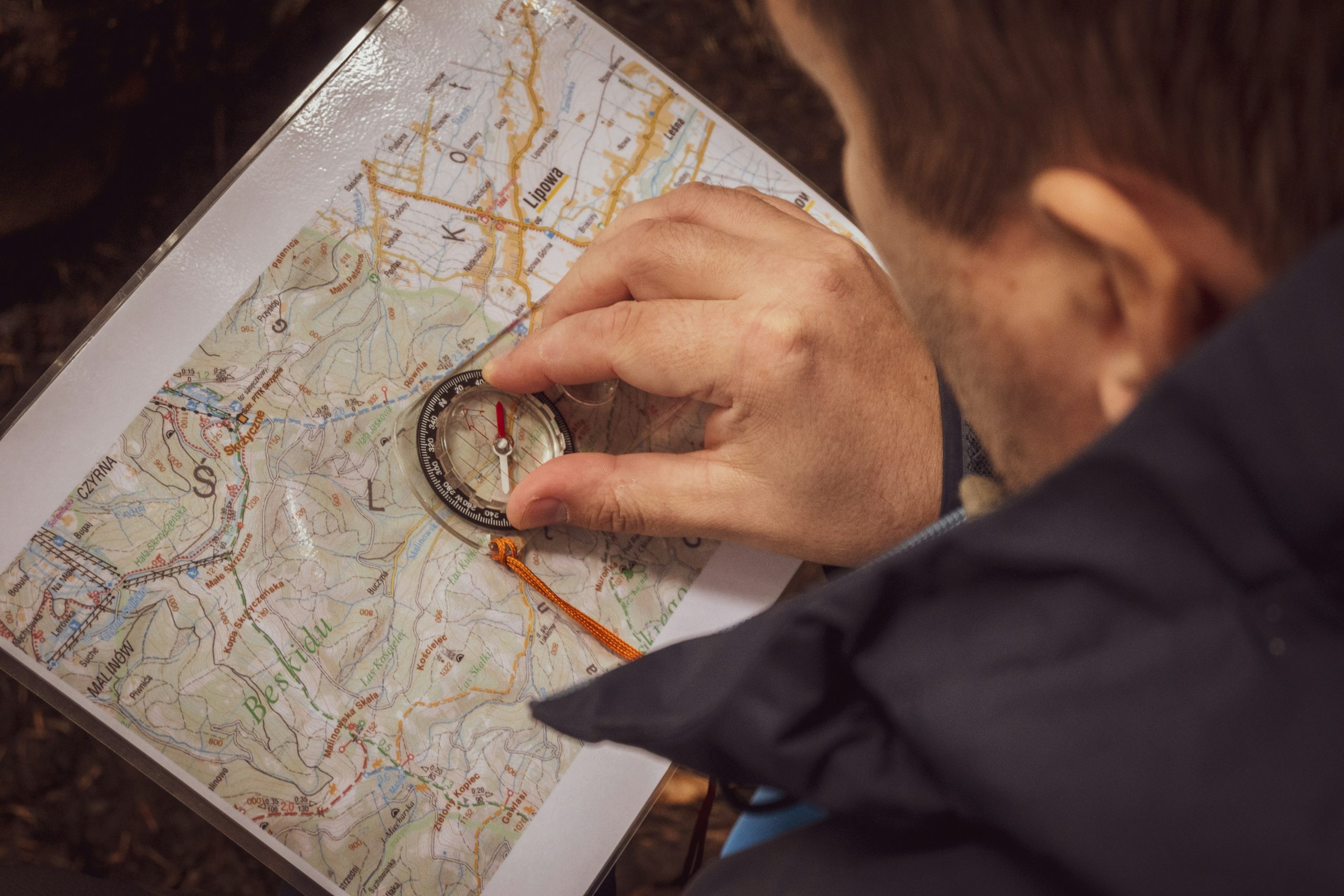
Getting lost in the backcountry rarely happens all at once. It usually begins with a small navigation mistake, such as trusting memory over a map or assuming a drainage looks familiar. Dense cover, changing light, and fatigue make landmarks harder to recognize. A wrong turn can quietly add miles and elevation, draining energy faster than expected. Once doubt sets in, stress increases, and decision-making suffers. Hunters may rush, backtrack unnecessarily, or press on instead of stopping to reassess. In remote terrain, even short detours can leadtoo cliffs, deadfall, or impassable terrain. Reliable navigation tools and the discipline to use them consistently are critical. Overconfidence is often the real danger, turning minor errors into serious survival situations.
2. Weather Shifts More Severe Than Forecasts
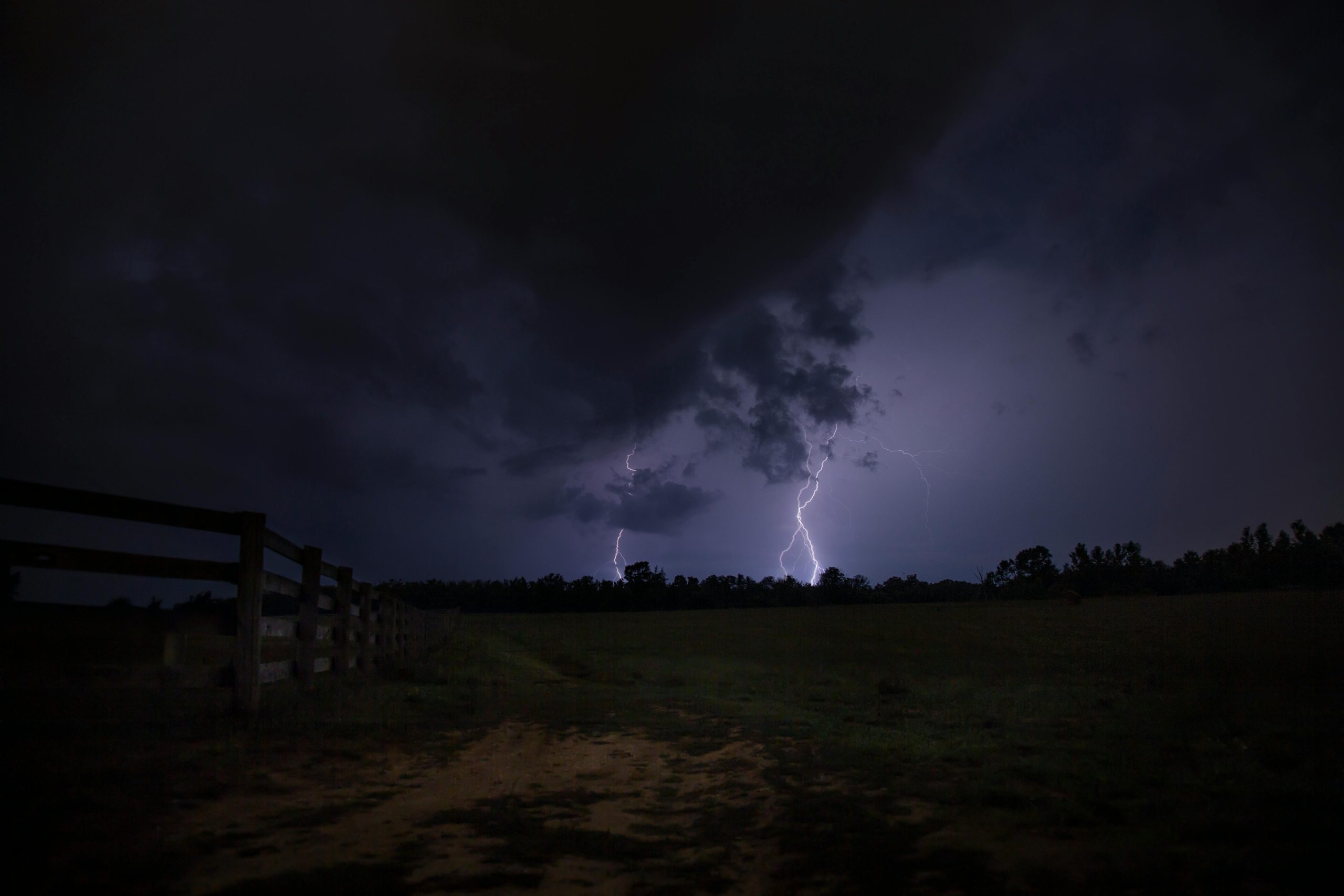
Backcountry weather is often harsher and less predictable than conditions near towns or trailheads. Forecasts can change rapidly, especially in mountainous terrain where storms build quickly. Temperature drops, sudden snowfall, or heavy rain can arrive with little warning. Hunters who are physically exerted may sweat heavily, then face hypothermia once activity slows. Wet clothing, high winds, and limited shelter amplify exposure risks. Many hunters underestimate how quickly weather can degrade morale and physical ability. Poor visibility also increases navigation errors and injury risk. Proper layering, shelter planning, and conservative decision-making help manage these threats. Ignoring weather signs or pushing through deteriorating conditions can turn a productive hunt into a dangerous ordeal.
3. Calorie Deficits and Dehydration
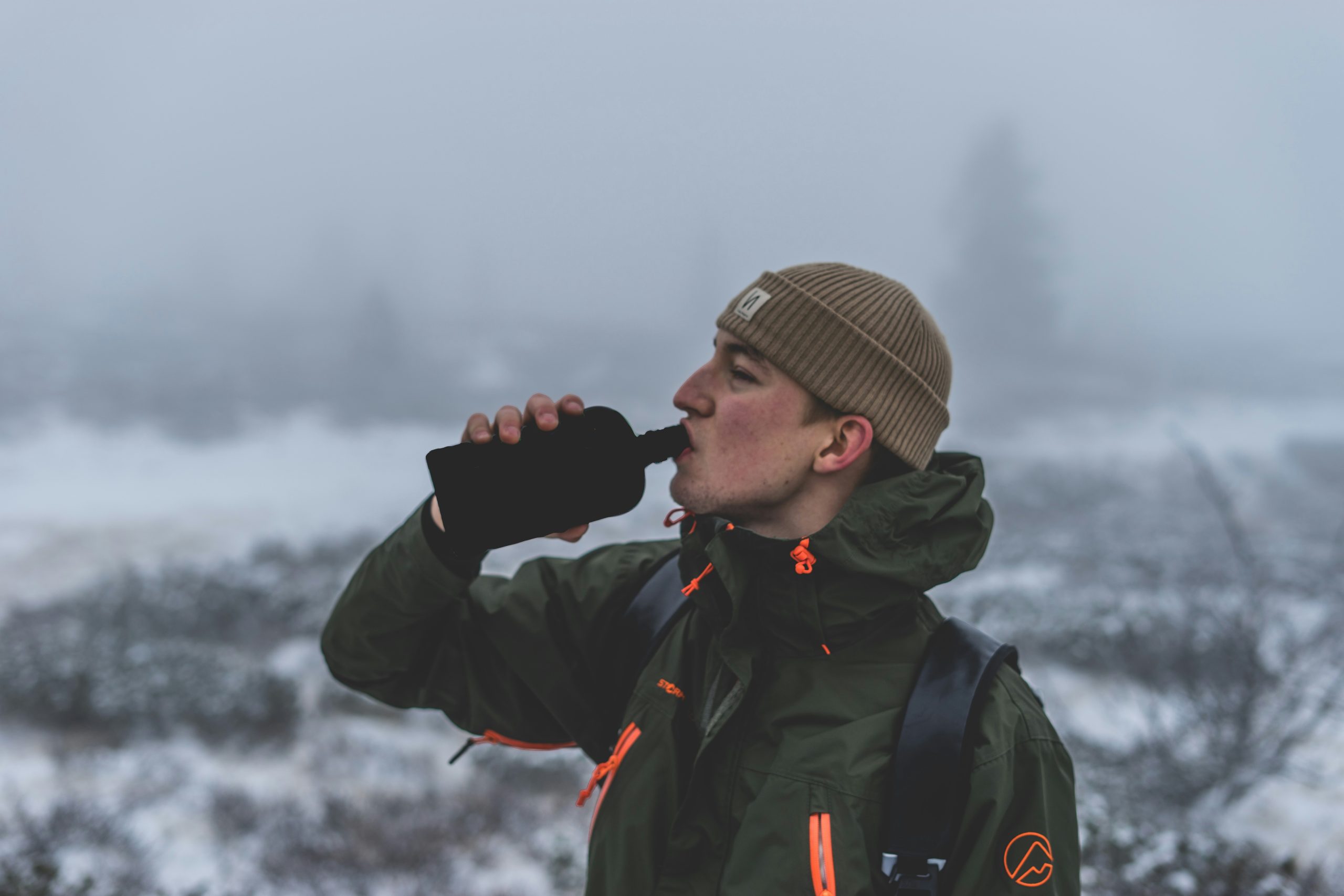
Backcountry hunting demands far more energy than many hunters anticipate. Long hikes, steep climbs, and heavy packs burn calories rapidly. When food intake fails to match exertion, fatigue sets in quickly. Low energy affects balance, focus, and emotional control. Dehydration compounds the problem, especially in cold environments where thirst signals are muted. Hunters may ration water too aggressively or skip refills to save time. Over time, dehydration increases injury risk and slows recovery. Poor nutrition also weakens the body’s ability to regulate temperature. Consistent fueling and hydration are essential for sustained performance. Underestimating these needs is a common mistake that quietly erodes safety and effectiveness.
4. Injuries Made Worse by Isolation
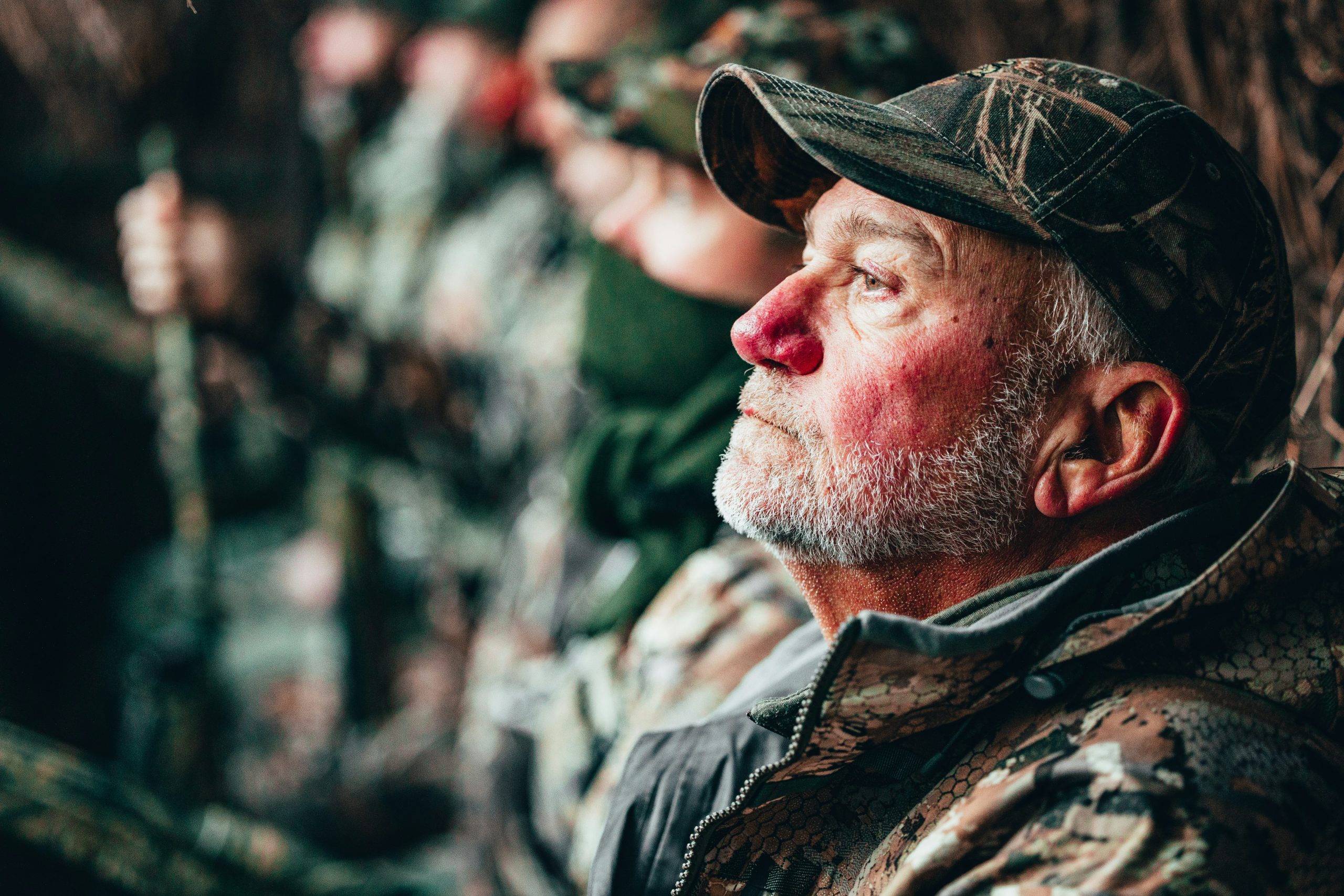
Minor injuries are common during backcountry hunts. A twisted knee, strained back, or deep cut may seem manageable at first. Without immediate care or easy evacuation, these injuries can worsen rapidly. Pain alters movement patterns, increasing the chance of additional injuries. Simple tasks like climbing, crossing streams, or carrying gear become more dangerous. In isolated areas, self-rescue may be the only option, requiring injured hunters to travel significant distances. Limited medical supplies and fatigue complicate treatment. Knowing basic first aid and carrying appropriate gear is critical. The real danger lies not in the injury itself, but in the distance from help when it occurs.
5. Decision Fatigue and Risk Stacking
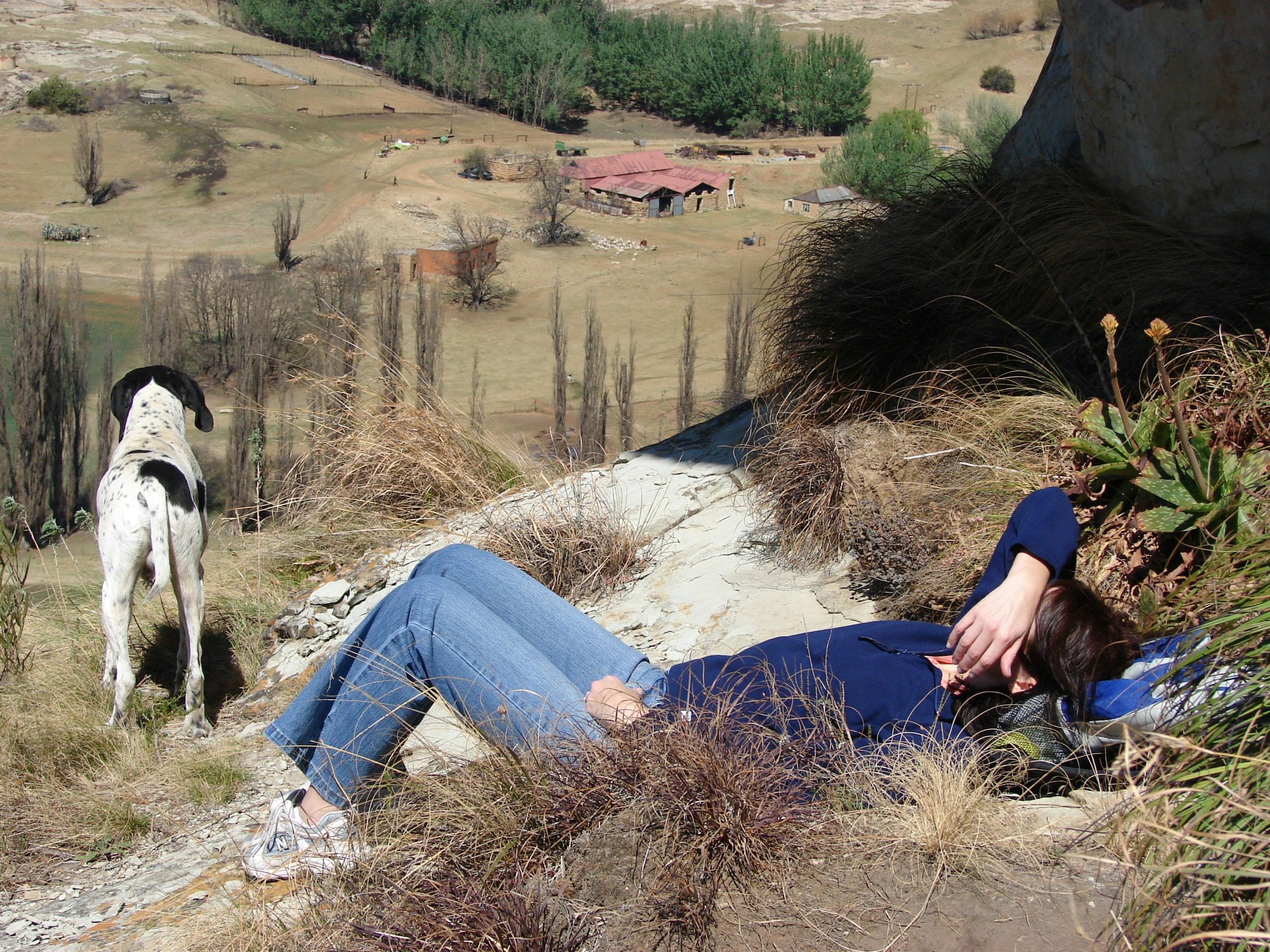
Extended time in the backcountry places constant demands on judgment. Every choice, from route selection to camp placement, consumes mental energy. As fatigue accumulates, decision quality declines. Hunters may take shortcuts, ignore warning signs, or accept unnecessary risks. This phenomenon, known as decision fatigue, often goes unnoticed until mistakes compound. Poor sleep, hunger, and stress accelerate the process. One risky choice may seem harmless, but stacked together, they increase danger significantly. Recognizing mental exhaustion and building in margins of safety helps counteract this effect. Smart hunters know when to slow down, reassess, and choose caution over pushing limits.