A sidearm is supposed to be the last line of defense, not the first thing to go wrong. Yet history is full of pistols that jammed, misfired, or simply fell short in moments when their owners could least afford a problem. This gallery looks at nine handguns whose failures became cautionary tales about design, maintenance, and the brutal importance of reliability.
Nambu Type 94
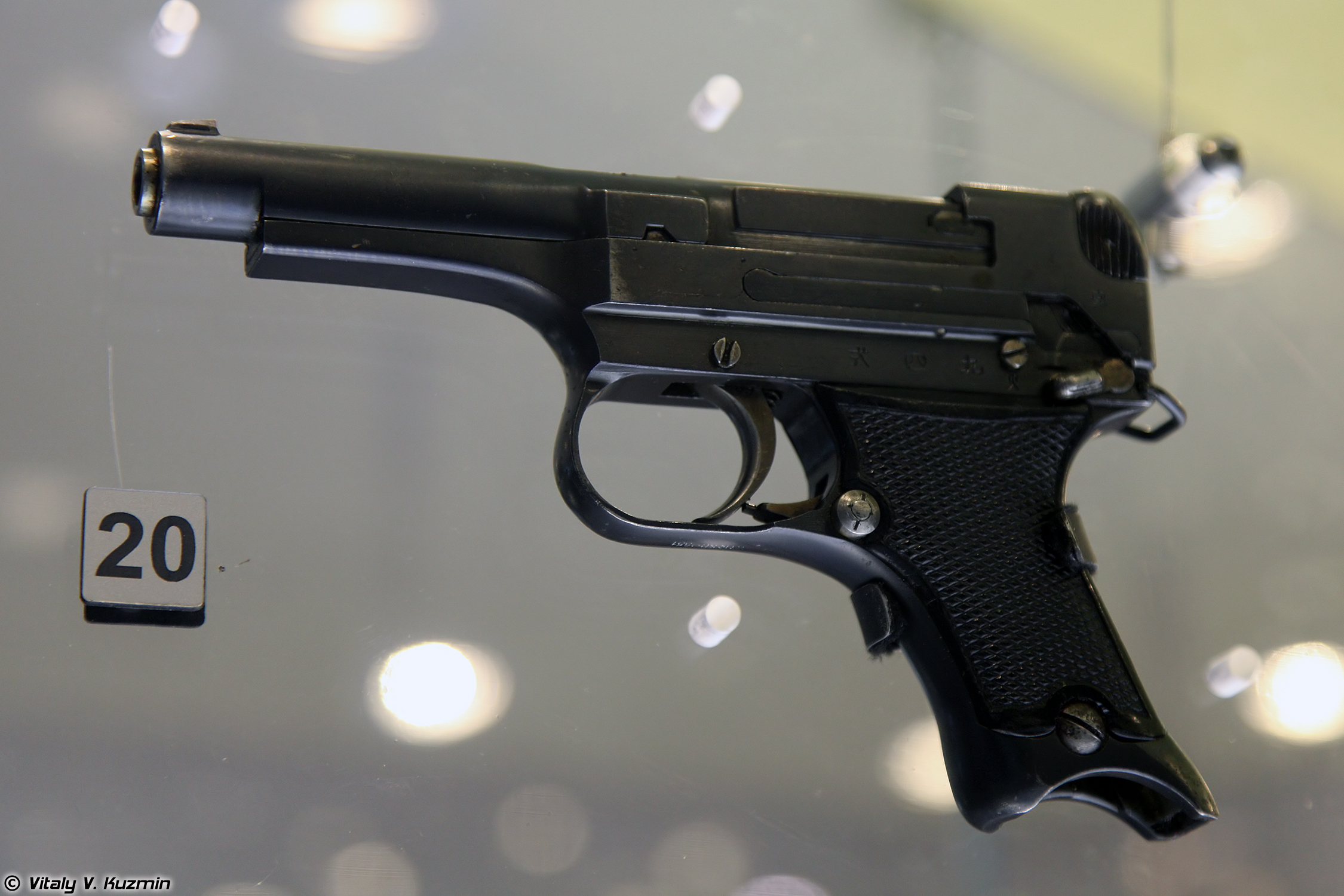
The Japanese Type 94 earned one of the worst reputations of any military pistol of World War II. Its awkward ergonomics and rough wartime production already made it unpopular, but the real scandal was a design that could fire if pressure was applied to the exposed sear bar on the side.
That flaw made handling nerve-racking under stress, especially for troops already operating in chaotic battlefield conditions. Even when it did not discharge accidentally, confidence in the weapon was shaky. A pistol meant to serve as a dependable backup instead became a symbol of how dangerous bad design can be when nerves, mud, and split-second decisions are involved.
Chauchat Pistol

France fielded several handguns in the early 20th century, but not all inspired confidence, especially under frontline abuse. Some lesser-known conversions and emergency-production sidearms suffered from indifferent machining, weak parts, and ammunition sensitivity, all of which could turn a holster gun into dead weight at exactly the wrong moment.
In trench warfare, dirt and stress exposed every weakness. Soldiers needed a sidearm that would function after rough handling, not one that demanded ideal conditions. The broader lesson from these French reliability headaches is simple: when manufacturing standards slip during wartime pressure, the person carrying the pistol becomes the one paying the price.
Luger P08 in Mud and Cold

The Luger P08 is one of the most recognizable pistols ever made, admired for its sleek lines and distinctive toggle-lock action. But elegance did not always translate into battlefield reliability. In mud, freezing weather, or dirty trench conditions, that precise mechanism could become fussy when a simpler pistol might have kept running.
German troops prized the Luger, yet many also learned its limits the hard way. A jam in training is an annoyance; a jam in close combat is something else entirely. The pistol’s reputation survives because of its history and looks, but its finicky behavior under harsh conditions reminds us that beautiful engineering is not always forgiving engineering.
Colt Model 1900 and Early Semi-Auto Growing Pains

Early semi-automatic pistols promised faster reloads and modern firepower, but first-generation designs often came with painful lessons. The Colt Model 1900 was innovative for its day, yet it also reflected a period when designers were still figuring out safeties, sight placement, and how to make autoloaders truly rugged in daily carry.
Owners could find themselves wrestling with a weapon that was more advanced on paper than in practical use. In an emergency, unfamiliar controls or inconsistent functioning can waste precious seconds. The Model 1900 deserves credit as a pioneer, but it also shows how being ahead of your time can leave users coping with weaknesses that later designs finally solved.
Ruby Pistols of World War I

The Spanish-made Ruby pistols were produced in huge numbers for France during World War I, and quantity often beat quality. Built by many subcontractors with uneven standards, these little handguns developed a reputation for inconsistent magazines, spotty parts interchangeability, and reliability that could vary dramatically from one example to the next.
That kind of unpredictability is poison in a sidearm. A soldier never wants to wonder whether this particular magazine will feed or whether this specific pistol will choke after a few rounds. The Ruby filled an urgent wartime need, but it also became a textbook example of how rushed mass production can leave end users carrying uncertainty on their hip.
Remington Model 51 and a Brilliant Idea That Stumbled

The Remington Model 51 had a devoted following and a clever hesitation-lock system that looked like a step forward in pocket-pistol design. On paper, it offered soft recoil and refined handling. In real-world use, though, complexity and production sensitivities meant it never became the universally trusted defensive pistol its admirers imagined.
For owners, that gap between concept and execution mattered. A carry gun lives or dies on dependable function, not just smart engineering. The Model 51 remains fascinating because it was so close to greatness, yet its mixed track record shows how an elegant mechanism can still disappoint when reliability must be boringly consistent every single time.
Liberator Pistol and the Limits of Simplicity

The FP-45 Liberator was never meant to be a refined sidearm. It was designed as an ultra-cheap, single-shot weapon that could be dropped behind enemy lines and used at very close range. Its purpose was psychological as much as practical, but no one mistook it for a reliable fighting pistol built for sustained use.
That was the problem for anyone who might actually depend on it. One shot, crude construction, and slow reloading left almost no margin for error. If the first chance failed, the owner was left in a terrifyingly exposed position. The Liberator is a stark reminder that a pistol can be historically interesting and still woefully inadequate in real danger.
Colt All American 2000

By the 1990s, shooters expected modern pistols to feed smoothly, point naturally, and run with minimal drama. The Colt All American 2000 arrived with big ambitions and recognizable branding, but it quickly drew criticism for awkward trigger characteristics, uneven execution, and reliability complaints that kept it from earning widespread trust.
That made its shortcomings especially painful because buyers expected much more from the name on the slide. A defensive pistol that feels unpredictable is hard to love and even harder to rely on. The All American 2000 became less a breakthrough than a warning that even famous manufacturers can misjudge what shooters need when performance under pressure is everything.
Bergmann Bayard in Harsh Service Conditions

The Bergmann Bayard was a serious military pistol with an interesting place in early semi-auto history, but like many of its era, it could be less forgiving than later service handguns. Ammunition issues, maintenance demands, and the realities of military field conditions sometimes exposed weaknesses that looked minor in peacetime testing.
For troops carrying it in real service, those weaknesses were not academic. A pistol that requires ideal care can become a liability once dirt, fatigue, and rushed handling enter the picture. The Bergmann Bayard was not a total failure, but it belongs in this conversation because reliability is judged in bad moments, not in clean workshops.