Homemade firearms and unfinished frames have moved from niche hobby territory into the center of a fierce legal debate. Across the country, states are adopting tougher ghost gun rules that affect how parts are sold, marked, assembled, and owned. This gallery breaks down nine regulations now in effect across multiple states and explains, in plain language, what they mean for hobbyist builders trying to stay on the right side of the law.
Serial number requirements for self-made firearms

One of the biggest changes in several states is the requirement that self-made firearms carry a serial number issued or approved under state rules. That means the old idea of building a personal-use firearm with no identifying mark is no longer lawful in many places, even if the builder never planned to sell it.
For hobbyists, this turns a once-private workshop project into a regulated process. Builders may need to apply before assembly, use a licensed engraver, or meet specific marking standards for depth, size, and location. Missing any step can turn a legal build into contraband under state law.
Background checks for unfinished frames and receivers

In a growing number of states, unfinished frames and receivers are no longer treated like ordinary chunks of metal or polymer. Lawmakers have reclassified key components so they can be sold only after a background check, much like a completed firearm purchased through a dealer.
That matters because hobbyist builders often start with so-called 80% kits or partially complete parts. If a state now treats those items as regulated components, buyers may need to go through a licensed seller, present identification, and complete waiting or transfer paperwork. The build may still be possible, but the path to the parts is far less casual than it used to be.
Restrictions on ghost gun kits sold as complete packages
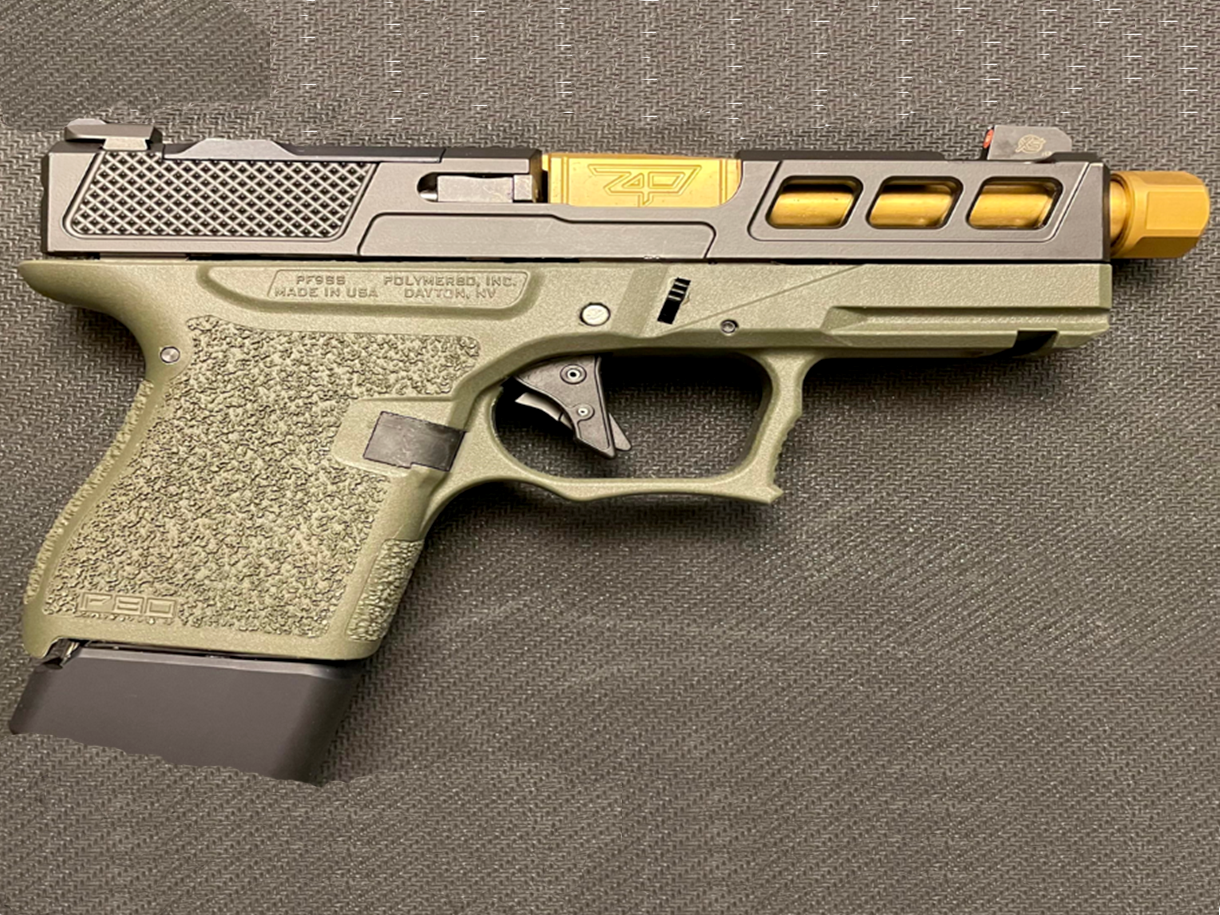
Several states have targeted bundled kits that include everything needed to assemble a working firearm, especially when the package pairs an unfinished receiver with tools or jigs. Regulators argue these all-in-one kits make it too easy to bypass traditional retail controls, so the kits themselves have become a legal focus.
For hobbyists, the practical effect is simple: even if each piece seems harmless on its own, the full package may be restricted or banned. A builder might still be able to buy certain components separately, but purchasing a ready-to-build kit can trigger entirely different legal consequences depending on the state.
Bans on possession of unserialized homemade guns

Some state laws go beyond regulating sales and instead prohibit possession of certain unserialized homemade firearms outright. That is a major shift, because it can affect people who built a firearm years ago under looser rules and assumed it remained lawful to keep at home.
In these states, compliance may require registering or marking an existing build within a deadline, surrendering it, or otherwise removing it from circulation. Hobbyists who ignore these possession rules can face criminal exposure without ever buying a new part. The legal risk comes not from building tomorrow, but from owning what was built yesterday.
Limits on online sales and direct shipping

Another common regulation now in effect is the crackdown on online ordering and doorstep delivery of regulated parts. States have increasingly required unfinished receivers or similar components to be shipped only to licensed dealers, cutting off the direct-to-consumer model that once fueled the hobbyist market.
This changes how builders shop and plan projects. Instead of ordering parts with a few clicks and waiting for a package, buyers may need to coordinate with a dealer, pay transfer fees, and navigate age and identity checks. What used to feel like e-commerce convenience now looks much more like a conventional firearm purchase.
Age limits tied to components used in home builds

In several states, age restrictions now apply not only to complete firearms but also to the critical parts used to make them. That means younger adults who might legally purchase some accessories or tools can still be barred from buying unfinished frames, receivers, or build kits.
For hobbyist builders under 21, these rules can close off the hobby before a project even begins. For parents and older friends, they also raise the stakes around gifting, sharing, or helping acquire parts. The law may not care whether the purchase is for recreation, education, or curiosity if the item itself is age-restricted.
Dealer recordkeeping and transfer documentation

States tightening ghost gun rules often lean heavily on paperwork. Licensed dealers may now have to log sales of unfinished frames and receivers, verify purchaser information, retain records, and report certain transactions in ways that mirror the sale of completed firearms.
For hobbyists, that means anonymity is fading. Even when a build remains legal, the purchase trail is more formal and easier for regulators to audit later. Buyers who are used to treating parts orders like any other hardware purchase may be surprised by how much documentation now follows a single component from shelf to workbench.
Rules aimed at 3D-printed firearm components

A number of states have also updated their laws to address 3D printing, especially when printable files or printed components can be used to create a functional firearm or major regulated part. The technology has evolved faster than many older statutes, so lawmakers are trying to close what they see as obvious gaps.
For hobbyist builders, this area is especially tricky because the rules can be broad and sometimes technical. A person experimenting with printers, polymers, or design files may run into legal issues before completing a working gun. The line between curiosity, prototyping, and unlawful manufacture is much less forgiving than many assume.
Penalties that escalate from violations to felonies

Not every ghost gun violation is treated the same, but many states now attach serious penalties to conduct involving unlawful manufacture, sale, transfer, or possession. In some places, what starts as a paperwork or marking issue can escalate quickly if prosecutors view the firearm as prohibited or intentionally concealed from regulation.
That is why hobbyists cannot afford to treat these rules as minor technicalities. A misunderstood serial requirement or an improperly acquired part may carry consequences far beyond a fine. The legal system often distinguishes between innocent mistakes and willful evasion, but builders usually do not want to test where that line is drawn.