The Carcano is one of those firearms whose historical identity became almost impossible to separate from a single event. Developed for the Italian military in the late 19th century, it served through decades of warfare before becoming an American cultural reference for a very different reason. Its six-round magazine, 6.5mm cartridge, evolving variants, and surplus-market journey all tell a broader story. Understanding those details helps explain why the rifle deserves to be remembered as more than simply the weapon associated with November 1963.
1. It Was Born in 1891
The Carcano story began in Italy in 1891, when the Modello 91 replaced the older Vetterli-Vitali service rifle. Its design blended a Mauser-influenced bolt with a Mannlicher-style six-round clip, while Salvatore Carcano played a central role in its development. Chambered for the 6.5x52mm cartridge, it reflected late-19th-century military thinking rather than a futuristic weapon. Over time, several variants appeared, and the family remained in Italian service through two world wars. Its later notoriety came from events far removed from the battlefield.
2. Its Numbers Tell a Practical Story
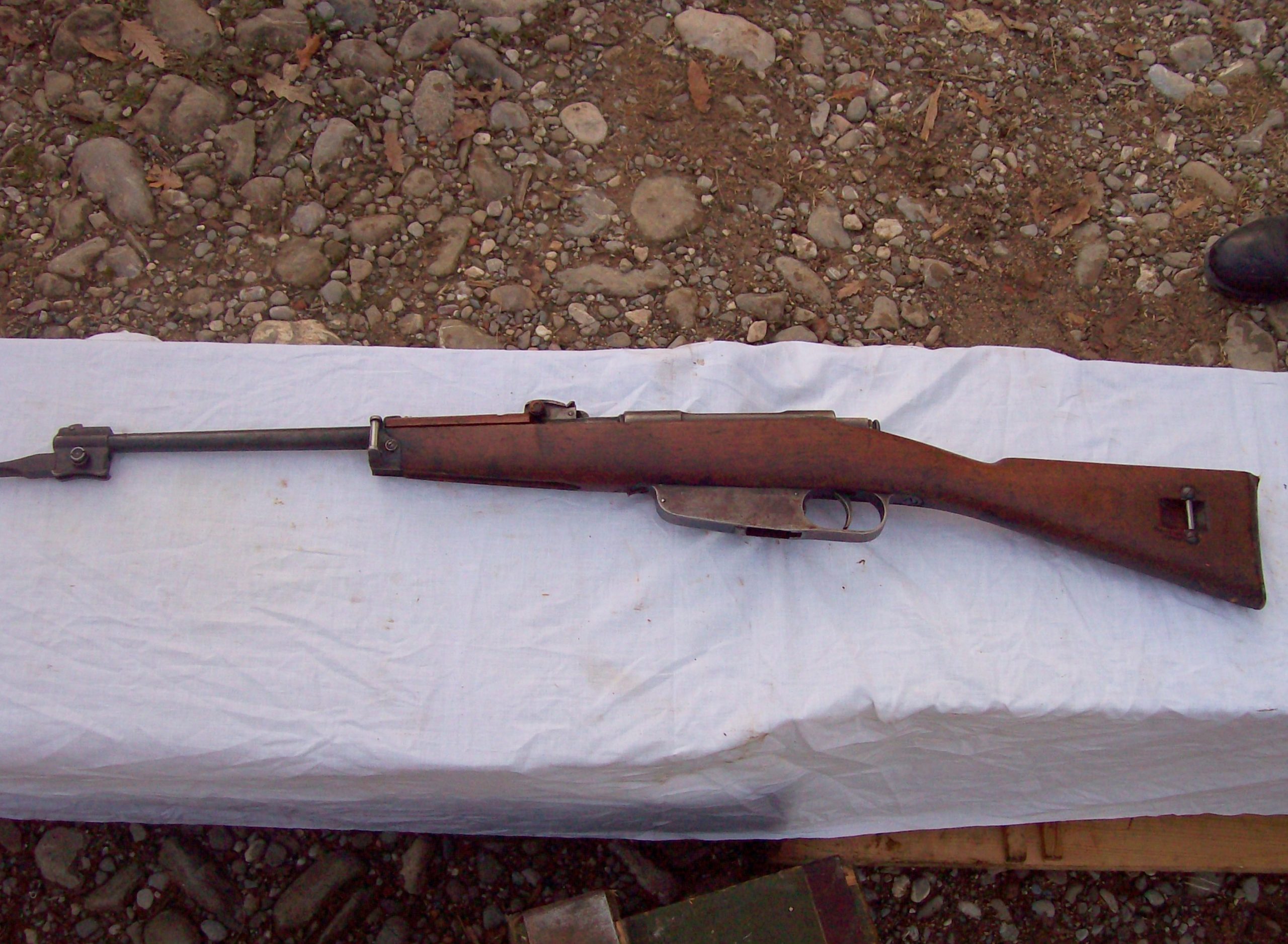
The Carcano’s basic numbers reveal why it was a practical infantry arm rather than a giant battlefield rifle. The original Model 91 measured about 1,290 mm overall and used a 780 mm barrel, while weighing roughly 3.9 kg. Its six-round internal magazine was fed by a disposable en-bloc clip, a system that allowed relatively quick replenishment. The 6.5x52mm cartridge used a long, round-nosed bullet and moderate military performance. Those specifications made the rifle manageable for ordinary soldiers, even if later critics judged its design against newer rifles.
3. The 6.5mm Cartridge Was Already Conservative
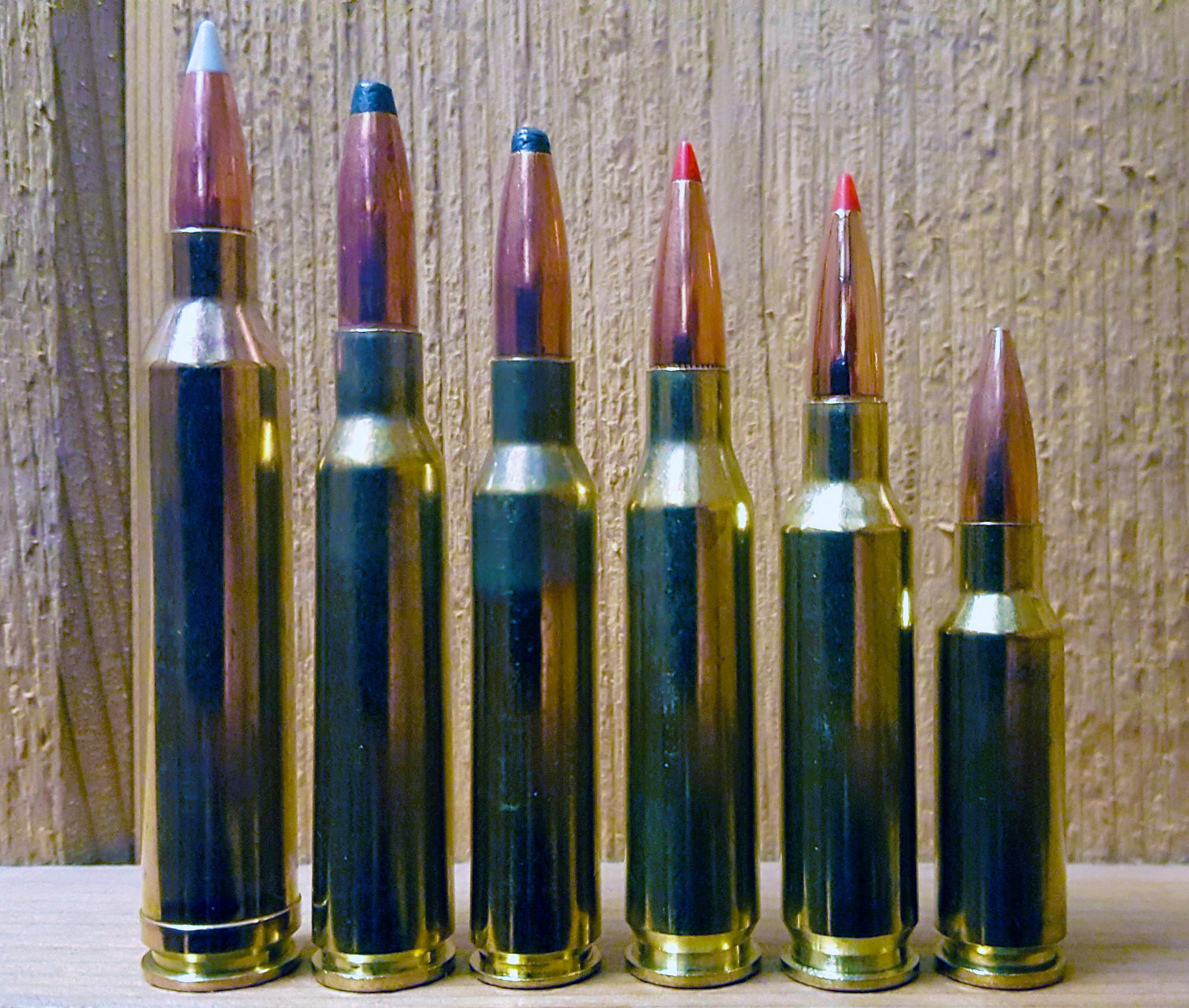
The rifle’s reputation suffered partly because the 6.5x52mm cartridge was already conservative by the 20th century. The original military load used a 6.5mm bullet, and later Italian ammunition development never fully erased the cartridge’s age. Many armies had moved toward pointed bullets and more powerful service rounds. Yet calling the Carcano simply weak misses the context: it was designed around a different doctrine, emphasizing controllability and ammunition economy. Its six-shot capacity and modest recoil were sensible choices in 1891, even if they looked dated decades later.
4. Early Rifles Used Progressive Rifling
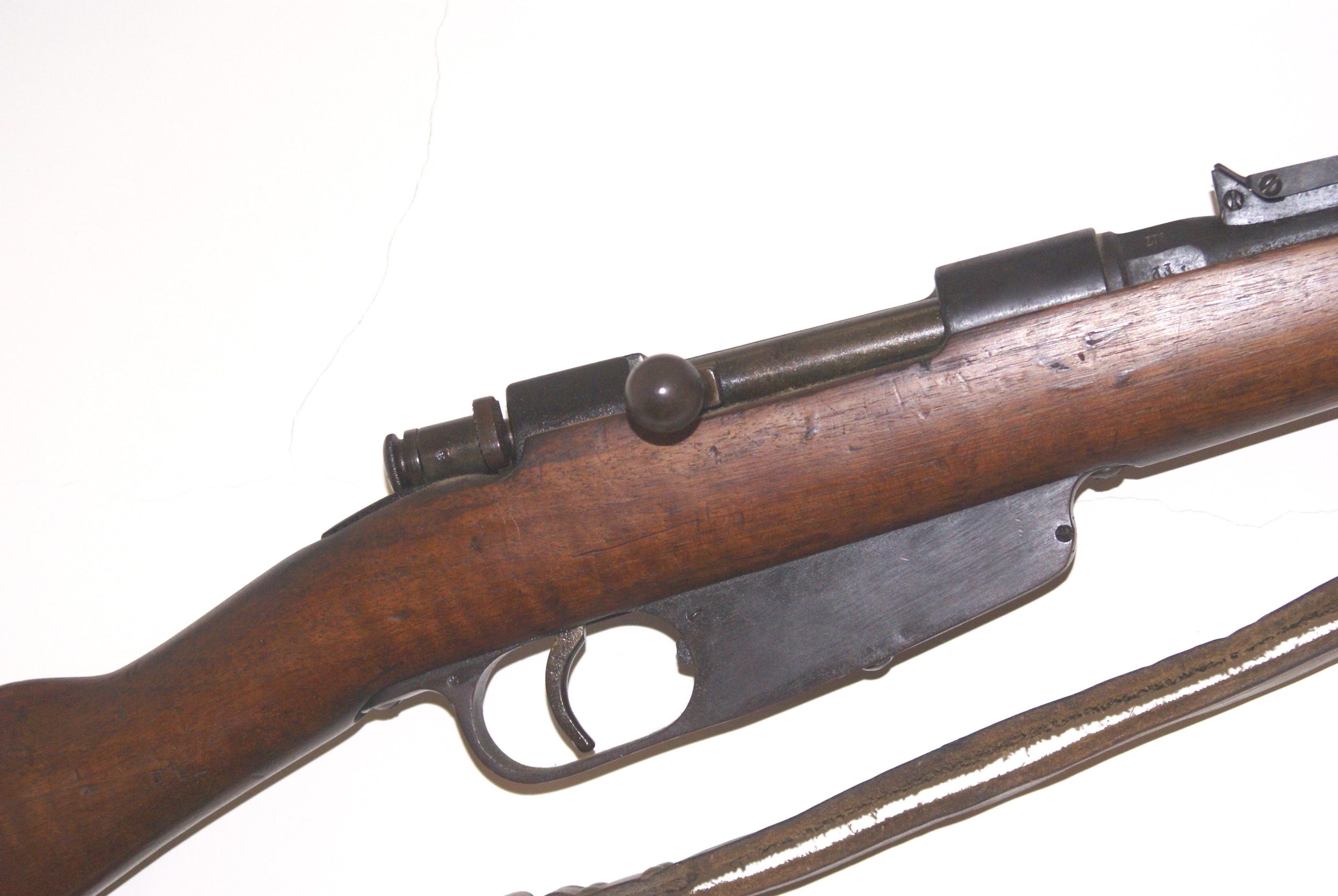
One unusual feature was the Carcano’s progressive rifling on early models. Instead of maintaining one constant twist rate, the rifling increased its rotational pitch toward the muzzle. The idea was intended to ease the bullet into stabilization while limiting stress and wear. The original barrel was about 780 mm long, giving the rifle a substantial sighting line and helping extract useful velocity from the 6.5mm cartridge. Later variants changed details, showing how Italy adapted the basic design over time rather than abandoning it immediately. Production lasted about 2 years.
5. The Famous Rifle Was a Specific Variant
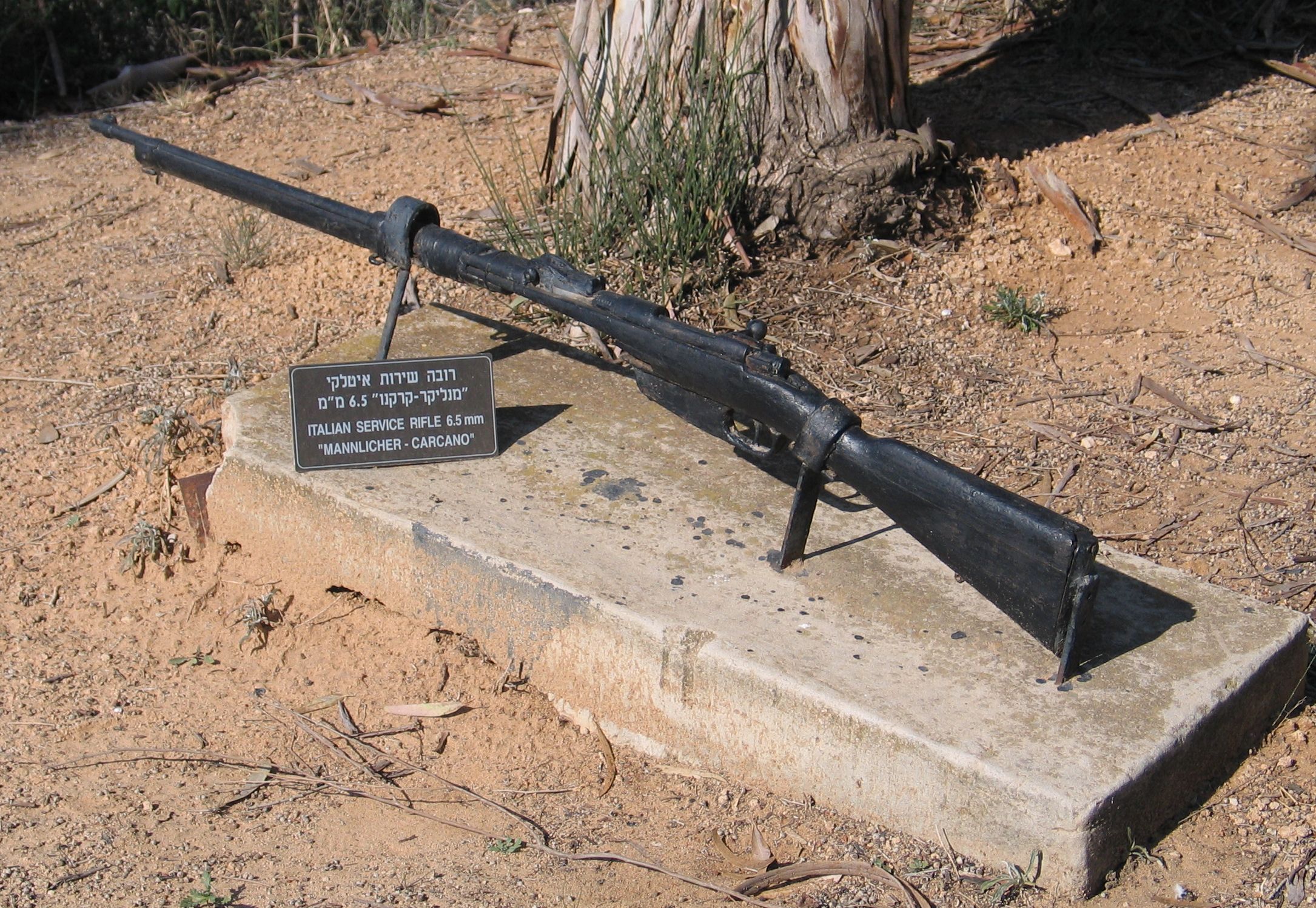
The Carcano became especially complicated in public memory because several variants are often lumped together under one name. The Model 38 introduced a shorter configuration and was associated with the 7.35x51mm cartridge, but wartime supply problems pushed Italy back toward 6.5mm ammunition. The resulting 91/38 rifles combined a shorter format with the older cartridge. The famous rifle linked to the Kennedy case was a 6.5mm Model 91/38 made at Terni in 1940. That distinction matters when discussing its specifications and history. Production lasted about 2 years.
6. Its Individual Identity Became Important
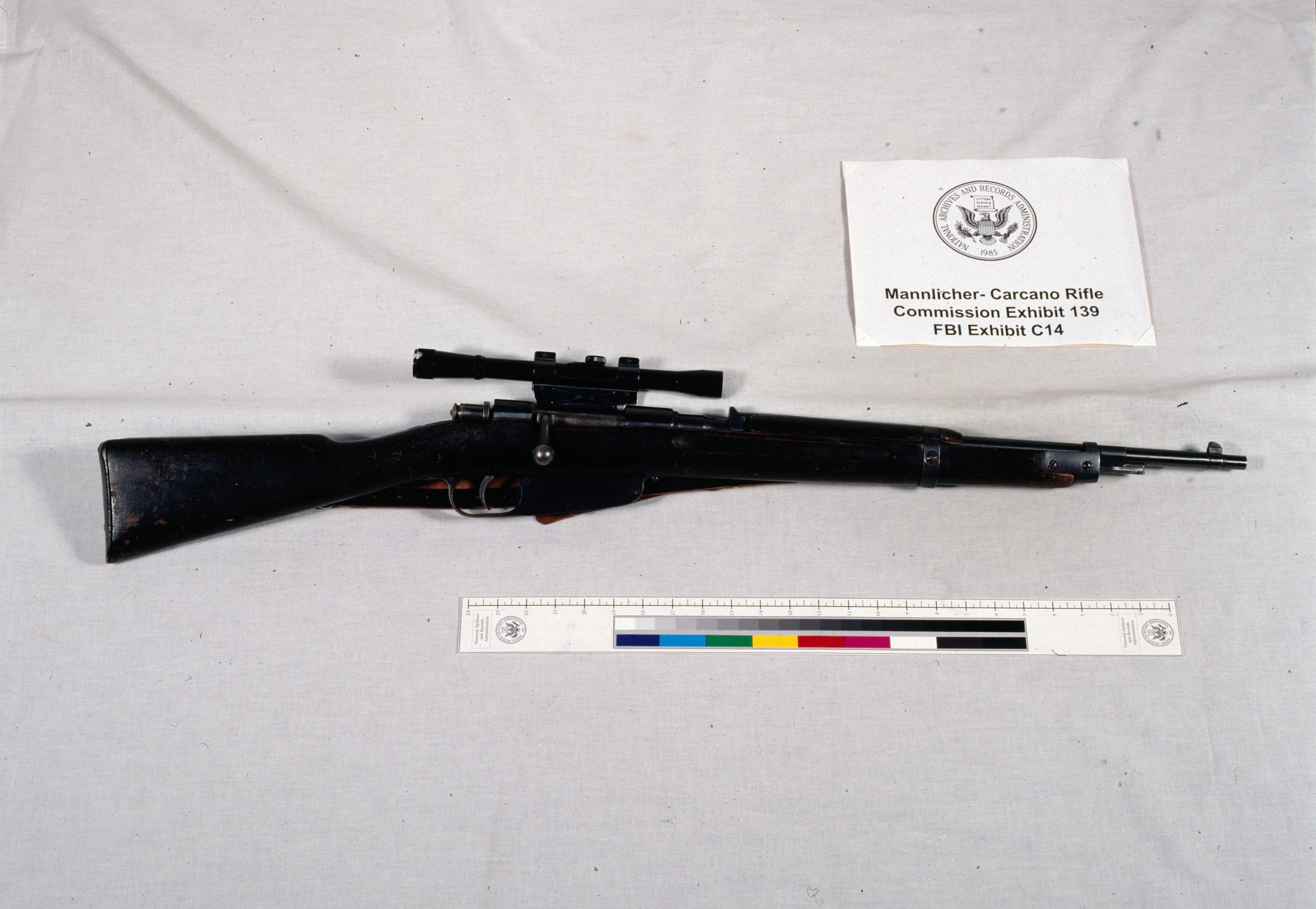
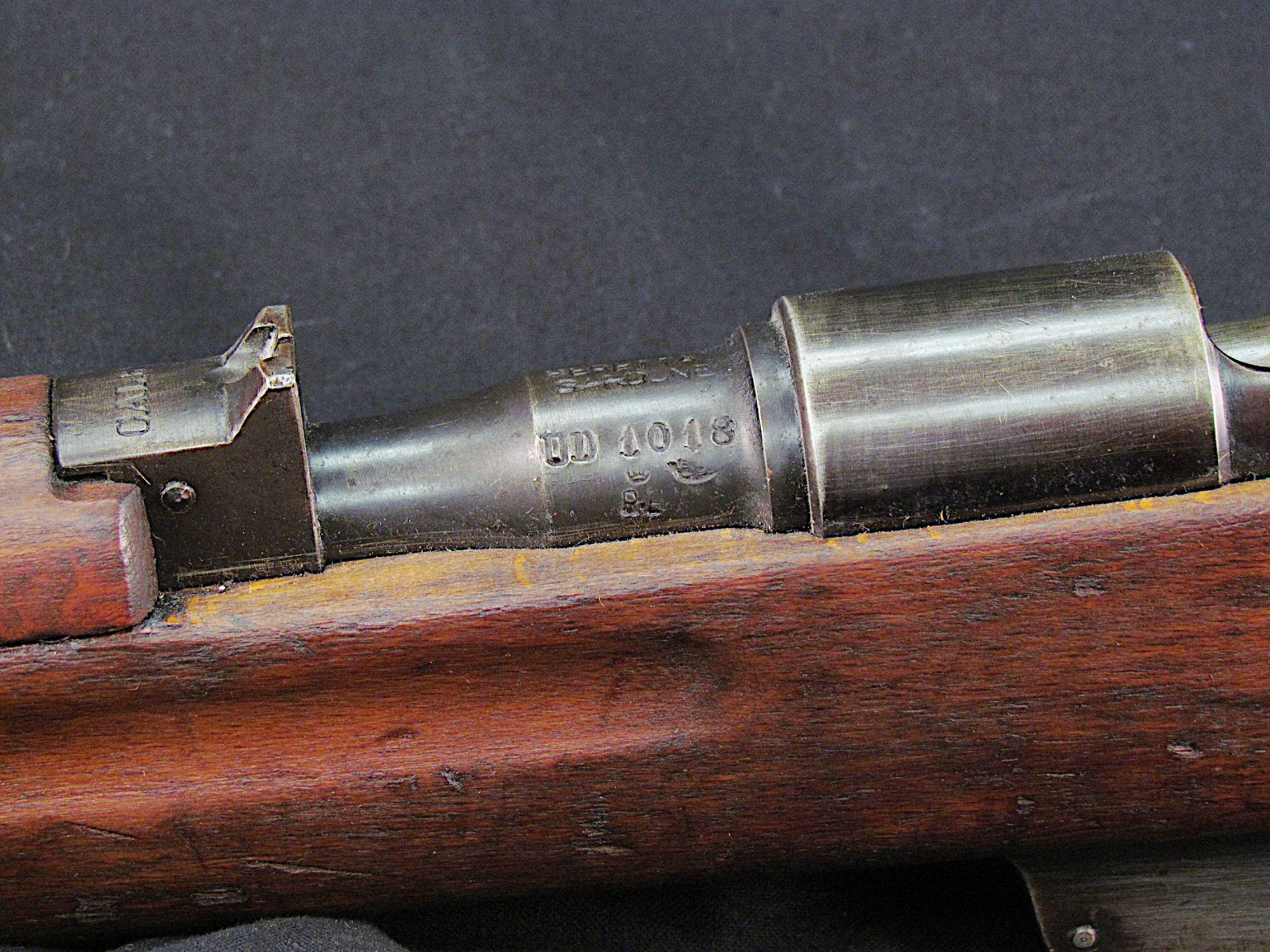
The rifle’s most infamous chapter began after surplus Italian arms reached the American market. The weapon identified in the Kennedy investigation carried the serial number C2766 and markings including CAL. 6.5, MADE IN ITALY, Terni, and 1940. It was fitted with a four-power Japanese-made telescopic sight and sold as surplus. The National Archives records that investigators identified it as a 6.5mm Model 91/38. Its dimensions were about 40.2 inches overall and 8 pounds, making the individual rifle quite recognizable. The scope was an aftermarket addition.
7. November 1963 Changed Its Reputation Forever
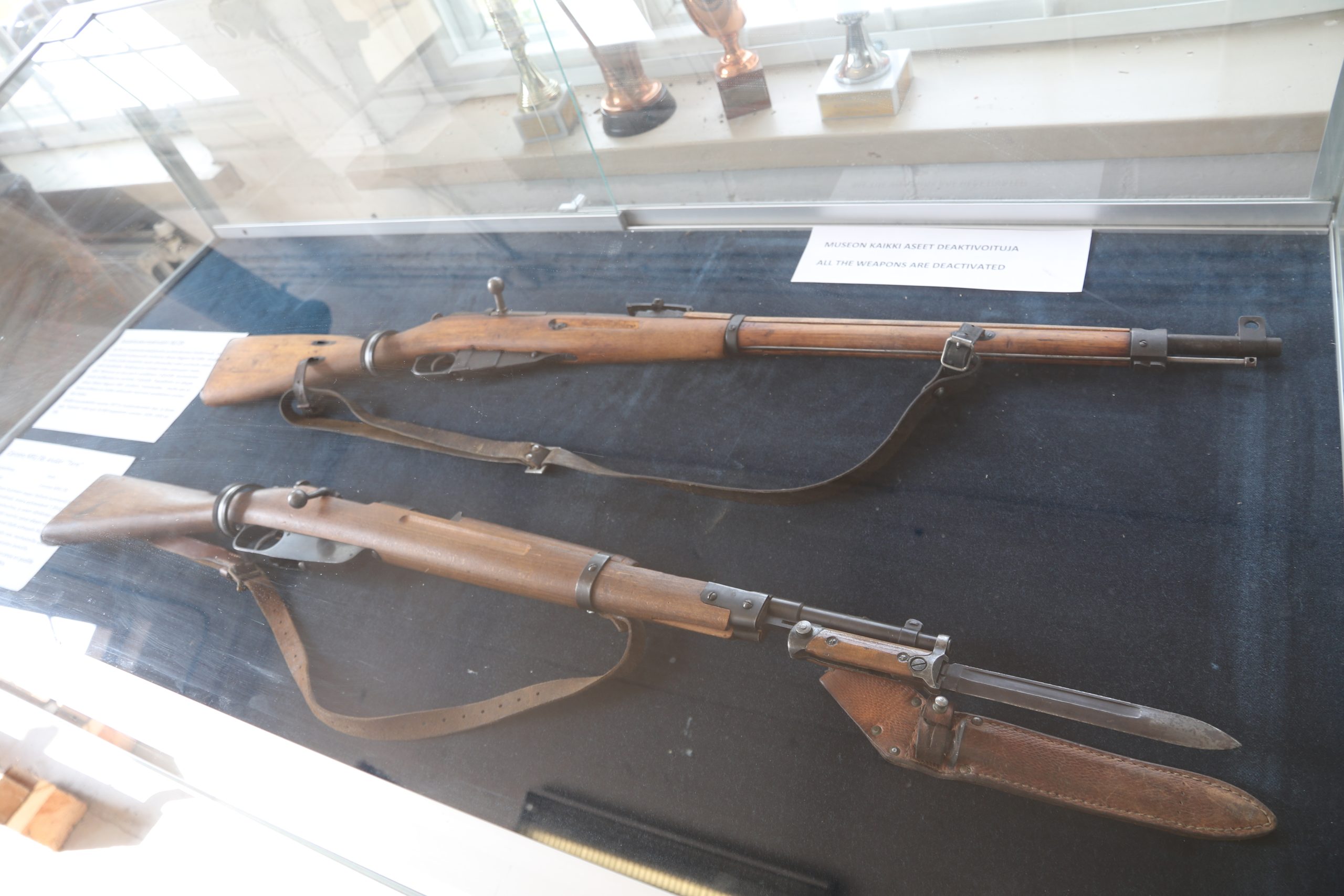
What transformed the Carcano from an obscure surplus rifle into a household historical reference was its association with the assassination of President John F. Kennedy in 1963. Investigators concluded that the rifle found in the Texas School Book Depository was the weapon used in the shooting. The Warren Commission documented 3 cartridge cases recovered at the site and linked the rifle to the ammunition evidence. Later congressional investigators also reported ballistic matches involving recovered bullets and fragments. Its fame therefore rests overwhelmingly on one historical episode.
8. Its Legacy Is Bigger Than November 22
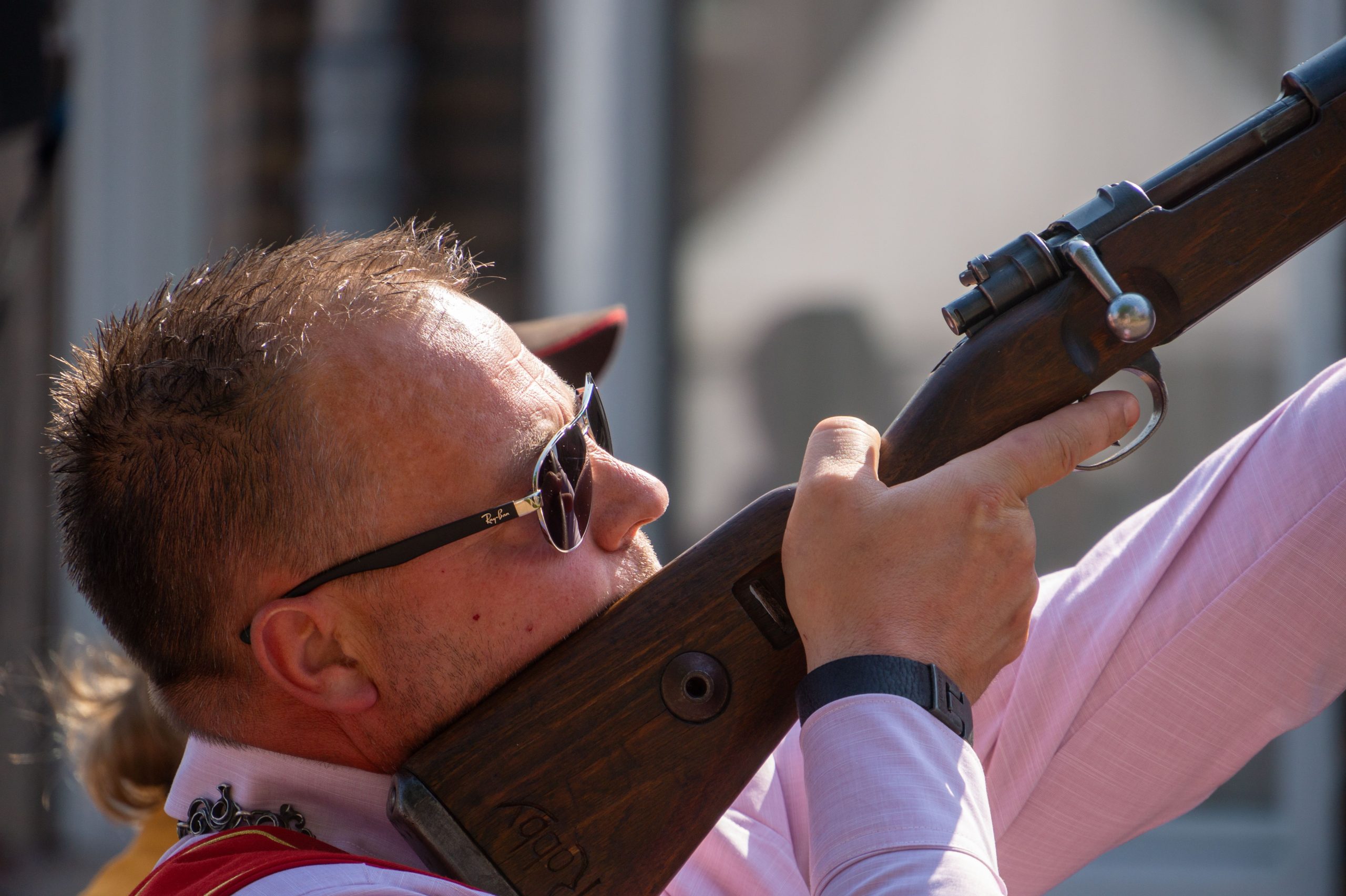
The strangest part of the Carcano legacy is the gap between its long military life and its modern reputation. The design served Italy for over 50 years, appeared in multiple configurations, and was produced in very large numbers before production ended in 1945. Yet many people know it mainly as the rifle connected with one of America’s most consequential crimes. That history can distort how the firearm is judged. The Carcano was neither a mythical super-rifle nor a useless relic. It was an aging military design whose historical significance eventually eclipsed its original purpose.