Ask enough hunting guides what a first rifle caliber should be, and the .270 Winchester keeps showing up in the answer. It is not trendy, flashy, or new, but it has built a reputation the slow way: by working in the field year after year. For hunters buying one rifle to learn with and trust, the .270 still makes an unusually strong case.
It covers a huge range of North American game
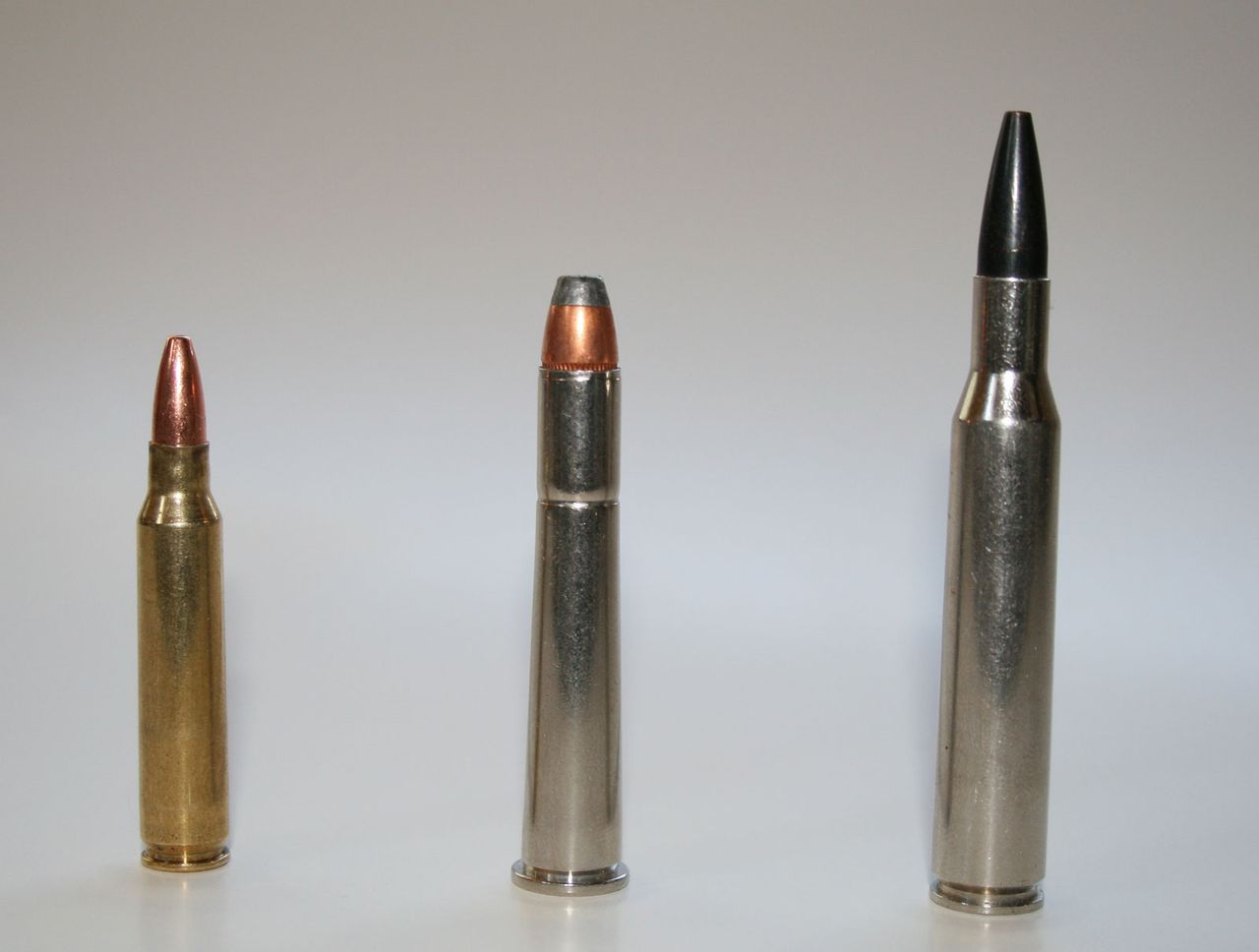
One reason guides keep recommending the .270 Winchester is simple: it fits a lot of real hunting situations. From whitetails in cut corn to mule deer on open ridges, it has the reach and energy to handle the game most first-time buyers are actually pursuing.
It also steps up nicely for pronghorn, black bear, and elk with the right bullet and careful shot placement. That kind of versatility matters when someone wants one rifle instead of a safe full of specialized options. Guides know beginners benefit from a cartridge that stays useful as their hunting expands.
Recoil is manageable for most new hunters
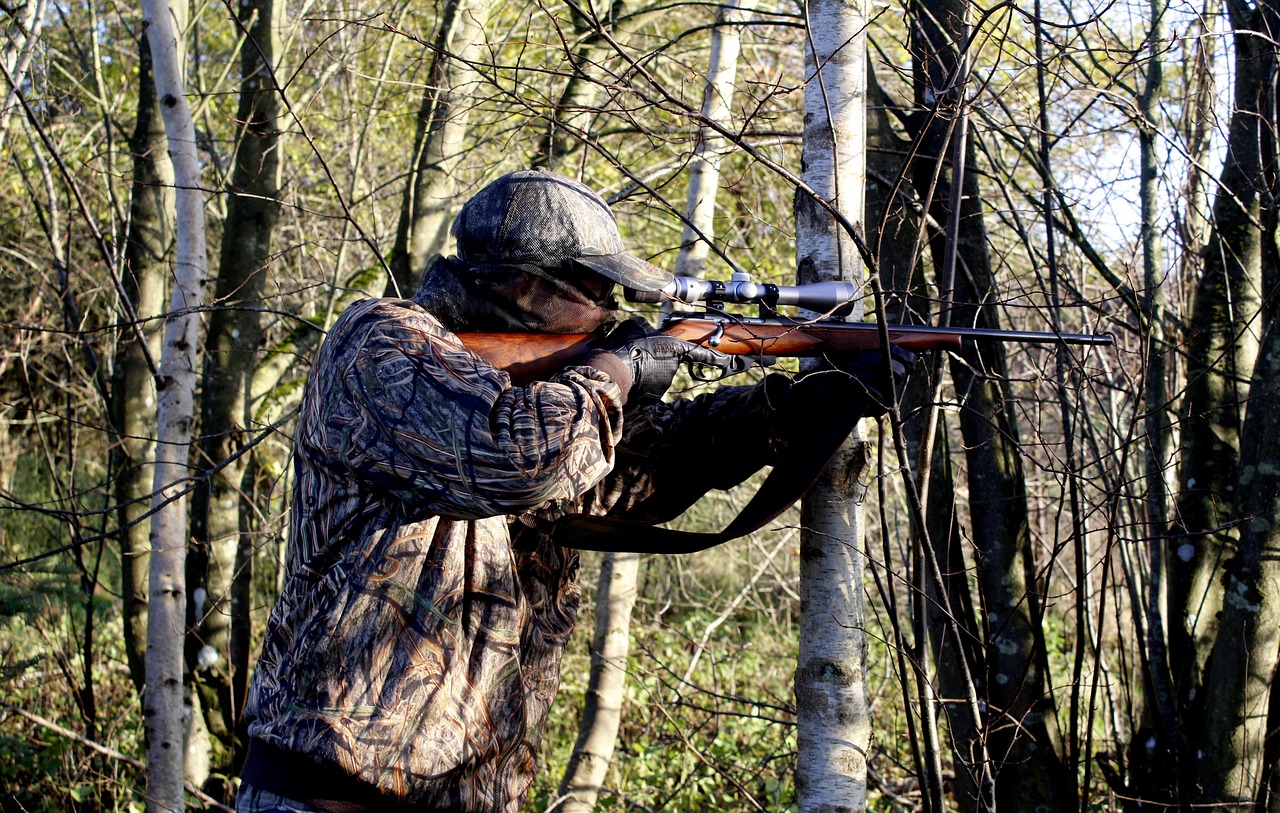
A first rifle should be something people want to practice with, not something they dread touching off from the bench. The .270 Winchester has enough authority to be taken seriously, but it usually stops short of the punishing recoil that makes some newcomers flinch.
That balance pays off in better habits. Hunters who are not bracing for impact tend to shoot more, learn faster, and place shots more confidently when an animal appears. Guides have seen this for decades, and many would rather start a new hunter with a cartridge they can control than one that simply looks tougher on paper.
It shoots flat enough to simplify field decisions

The .270 earned much of its reputation by making distance less intimidating for ordinary hunters. With common hunting loads, it offers a relatively flat trajectory that can forgive small range estimation errors better than many slower cartridges.
That does not mean it turns anyone into a long-range expert overnight. What it does mean is that inside normal hunting distances, a beginner has fewer complicated holdover calculations to manage under pressure. Guides appreciate anything that reduces confusion when a deer steps out for a few seconds, especially for hunters still building confidence in real field conditions.
Factory ammo is easy to find in many loads
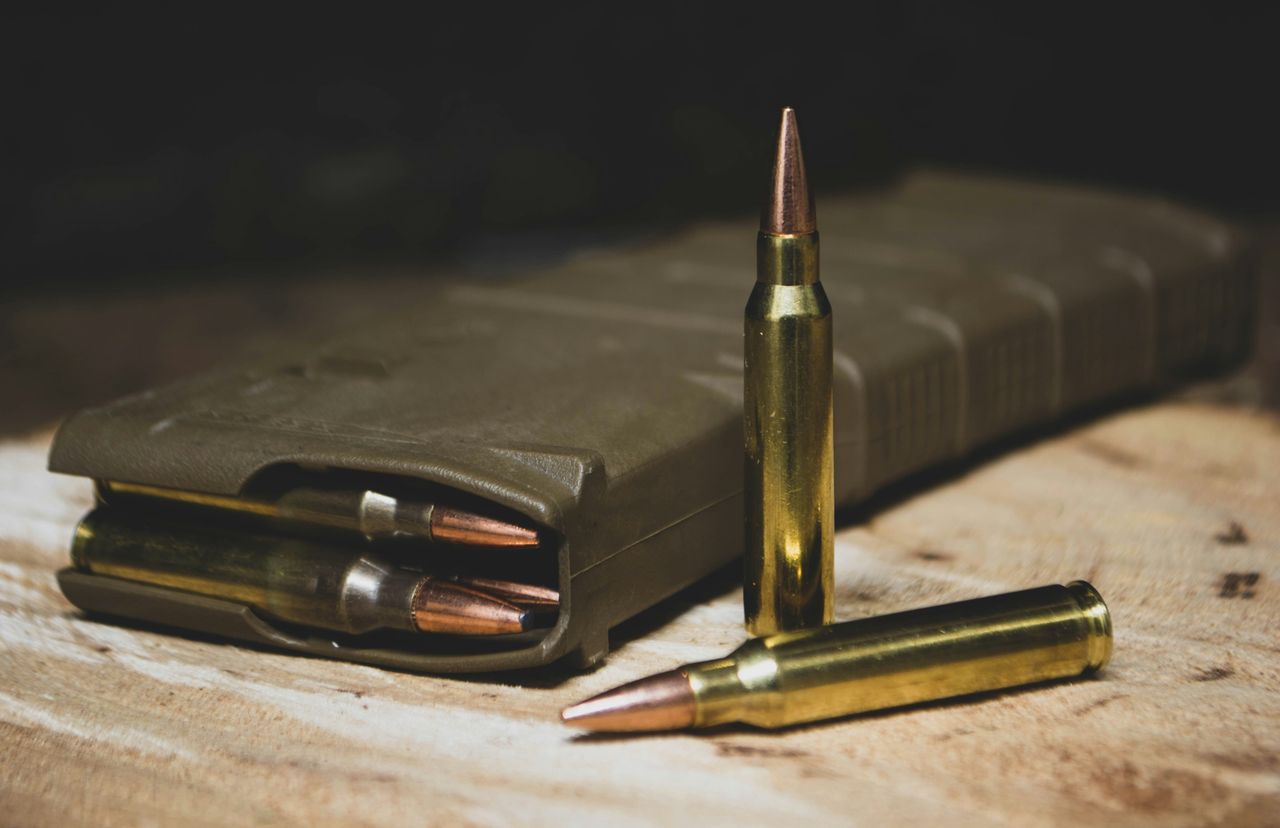
Practicality matters more than caliber debates admit, and the .270 Winchester keeps scoring points here. Walk into many sporting goods stores, rural hardware shops, or local gun counters, and there is a good chance you will find at least a few .270 loads on the shelf.
That availability takes stress out of ownership. New hunters can try different bullet weights, buy a box before camp, and usually replace ammo without turning it into a scavenger hunt. Guides like recommending rifles people can actually feed, because a useful caliber is not very useful if ammunition is hard to find when season opens.
Rifles chambered for it are everywhere
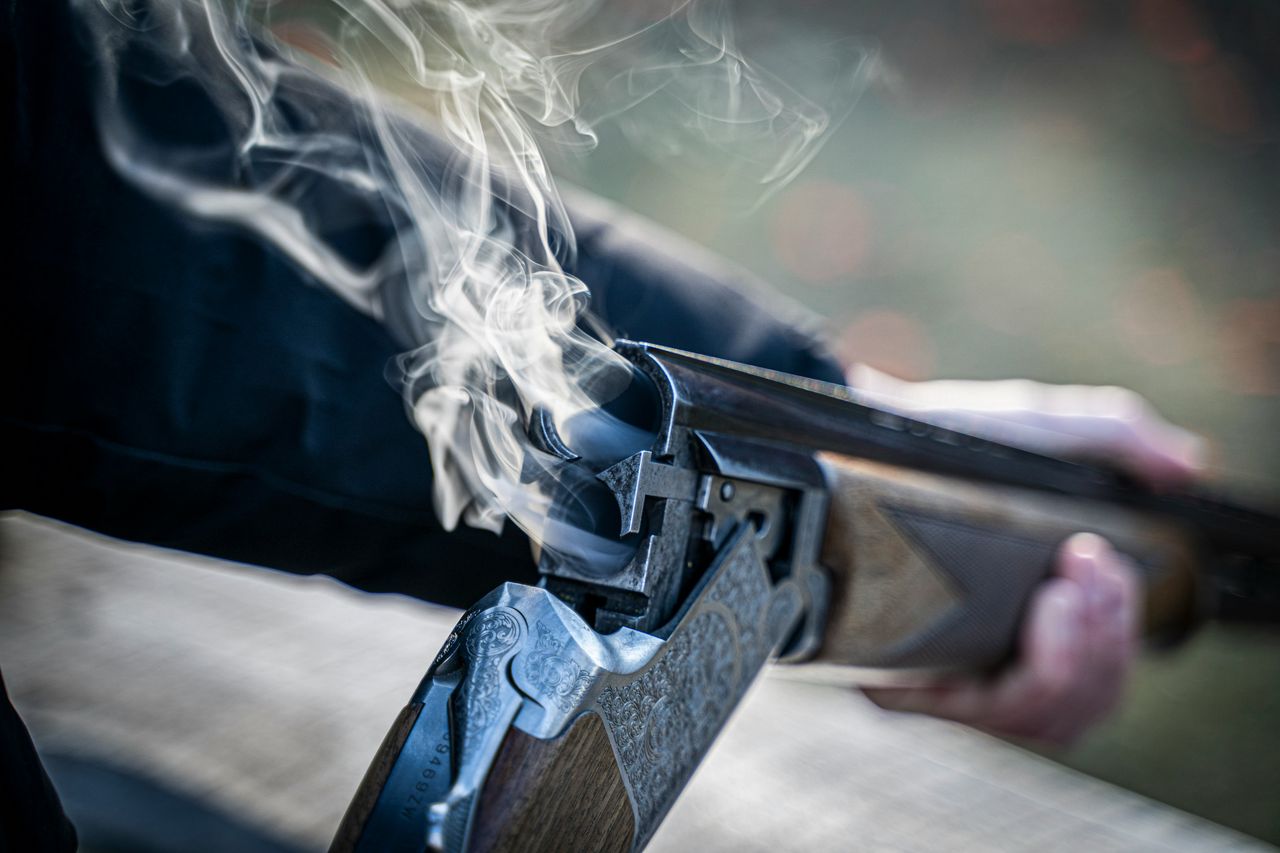
The .270 Winchester has been around long enough that nearly every major rifle maker has built around it. That gives first-time buyers a broad menu of bolt actions at different prices, weights, stock styles, and levels of refinement.
This matters because fit is personal. A hunter can choose something lightweight for mountain miles, something affordable for a first season, or something nicer that might stay in the family for years. Guides often recommend common chamberings because replacement parts, magazines, and local know-how are easier to come by, and the .270 benefits from that long, widespread popularity.
Bullet performance has only gotten better

Some people talk about the .270 as if it belongs to another era, but modern bullets have kept it very current. Today’s controlled-expansion, bonded, monolithic, and high-ballistic-coefficient options give hunters far more flexibility than earlier generations had.
That means a new owner can tailor the cartridge to the hunt. Lighter bullets can be ideal for deer and antelope, while sturdier designs make the .270 more credible for larger-bodied animals. Guides appreciate this evolution because it lets them recommend one familiar caliber with better all-around performance than the old stereotypes suggest.
It teaches good habits without much fuss
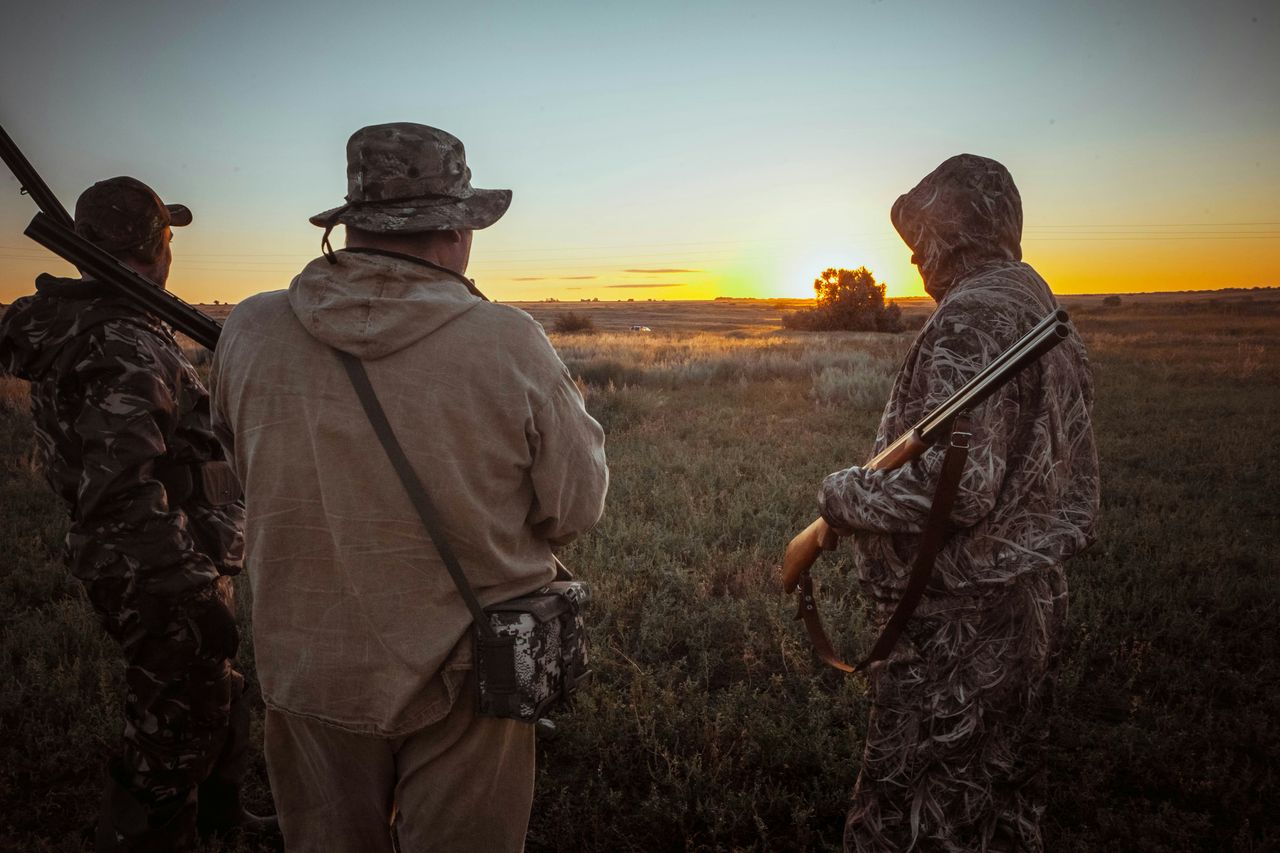
There is something valuable about a cartridge that does not ask the shooter to work around extreme recoil, rainbow-like trajectories, or highly specialized setups. The .270 Winchester encourages a straightforward approach: learn your zero, understand your distance, and make a clean shot.
For beginners, that simplicity is powerful. It keeps the focus on fieldcraft, trigger control, and bullet placement instead of endless gear compensation. Guides often prefer cartridges that help new hunters build durable fundamentals, and the .270 has spent generations doing exactly that for people who want competence before complication.
Its reputation was earned in real camps and real seasons
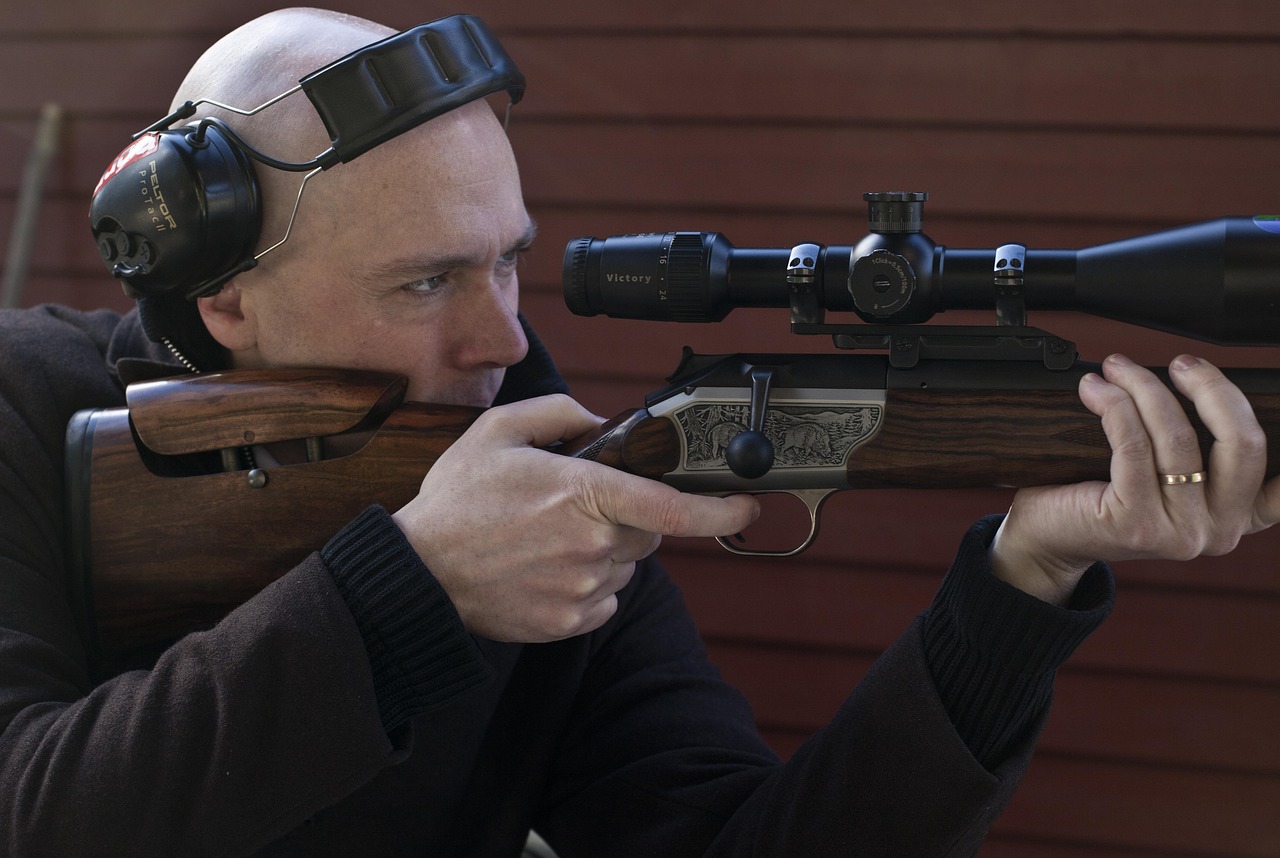
The strongest argument for the .270 Winchester may be the least glamorous one: it has delivered for a very long time. Guides, outfitters, and ordinary hunters have watched it cleanly take game across weather, terrain, and generations, which creates a kind of trust no marketing campaign can manufacture.
That history does not mean it is the only smart choice today. It means that when someone asks for a first caliber that is proven, flexible, and easy to live with, the .270 remains an answer people arrive at honestly. In hunting, staying power usually belongs to tools that keep solving the problem.