A hunting knife can dress game beautifully for years, or lose its edge fast because of a few bad sharpening habits. In the field, speed and convenience often win out over technique, and that is exactly when otherwise excellent blades get chewed up. This gallery breaks down the mistakes hunters make most often and explains how to keep an edge keen without grinding away the knife you rely on.
Using the Wrong Sharpener for the Steel
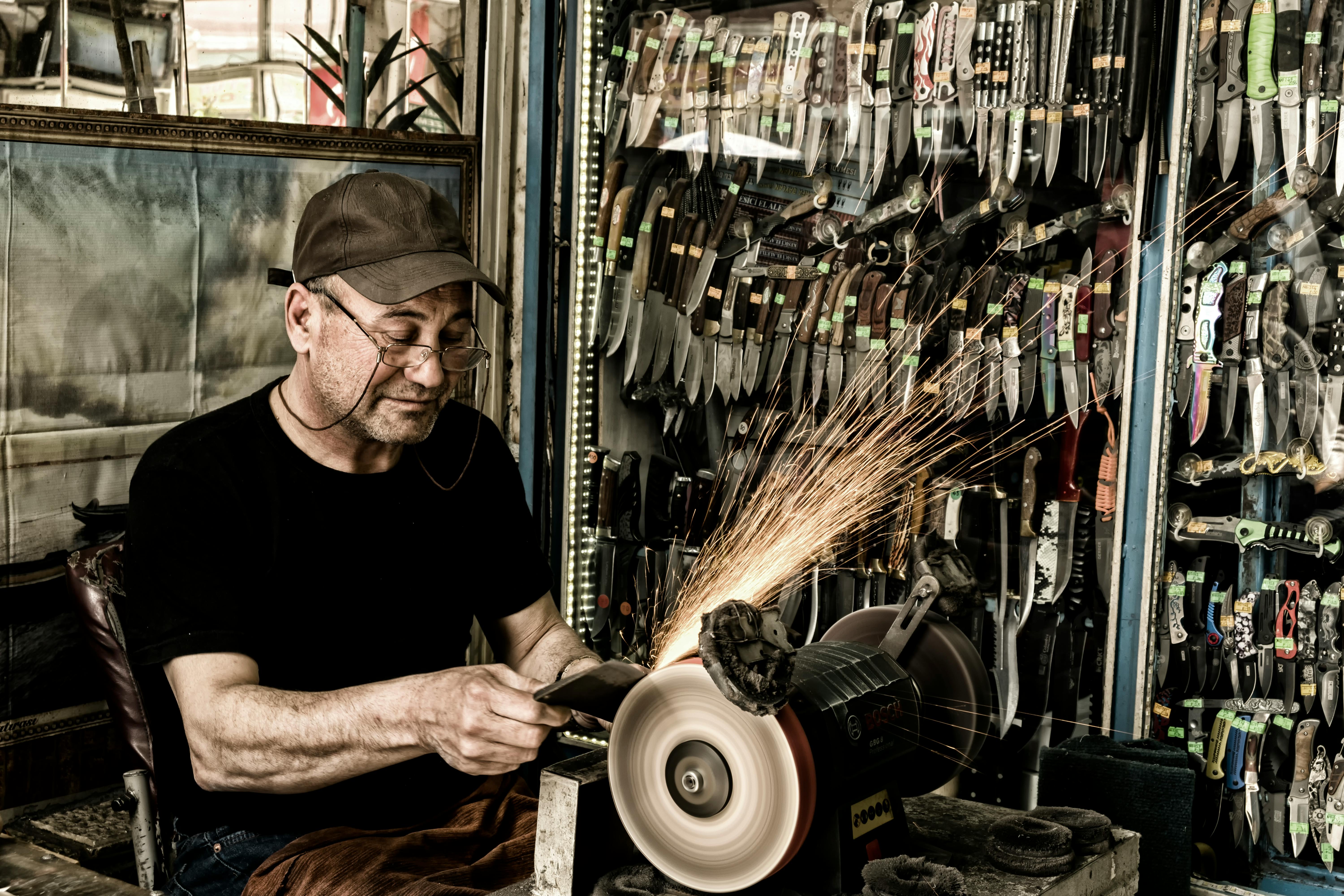
Not every knife responds the same way to every sharpener, and that is where trouble starts. A hard modern powder steel may laugh at a bargain pocket stone, while a softer stainless blade can get torn up by an overly aggressive carbide pull-through tool in just a few passes.
Hunters often carry whatever sharpener is small and cheap, then wonder why the edge feels rough, toothy, or strangely uneven. Matching the abrasive to the blade steel matters more than many people realize.
A good field touch-up tool should refine the edge, not bully it. When the sharpener and steel are mismatched, you end up removing more metal than necessary and shortening the knife’s useful life.
Changing the Angle With Every Stroke
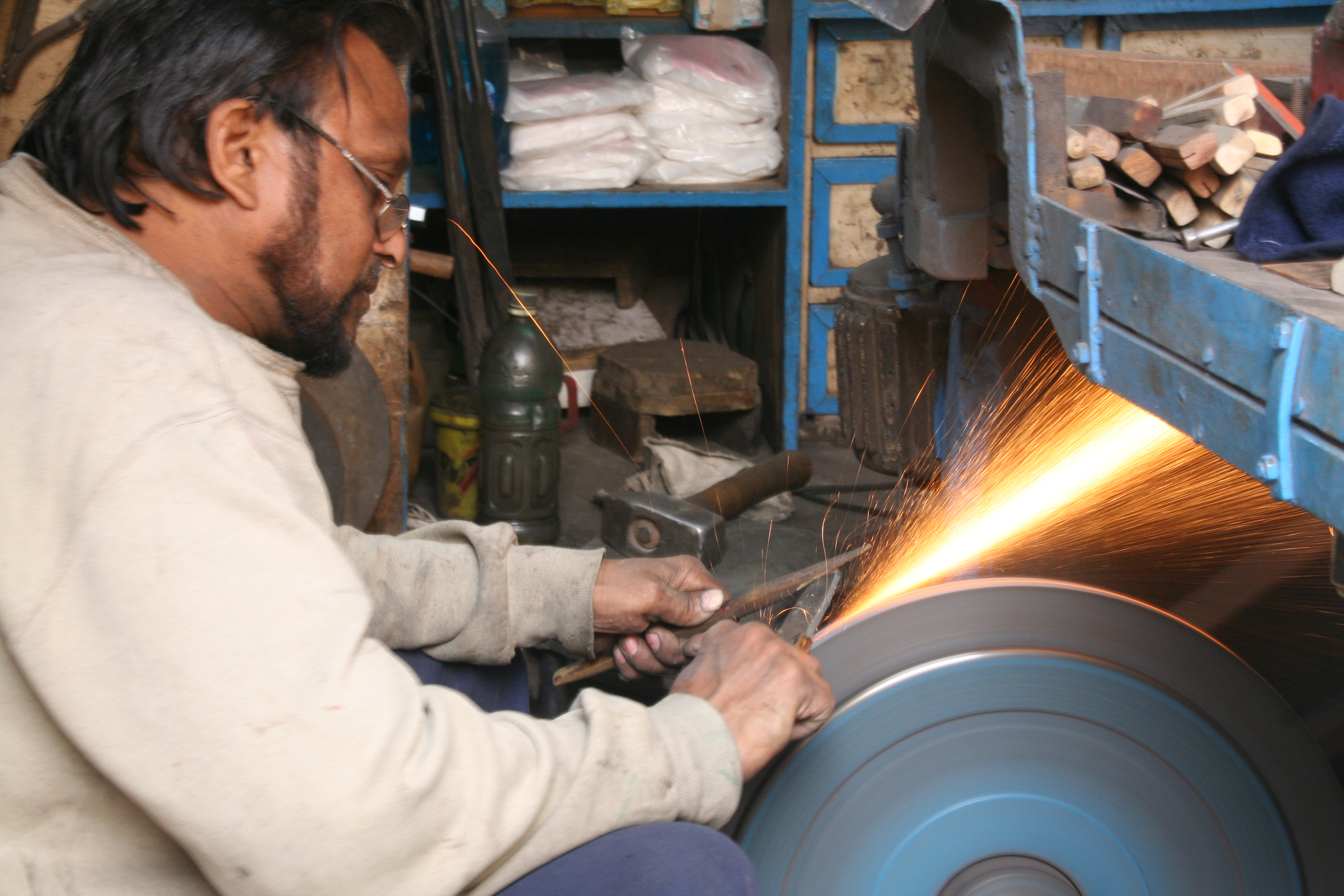
A knife edge depends on consistency, and the fastest way to wreck that is by wobbling the angle from one stroke to the next. In the field, hunters often sharpen on their knee, a tailgate, or a stump, which makes steady control harder than it looks.
The result is a rounded, confused bevel that never quite gets sharp, no matter how long you work at it. You are not really refining an edge anymore. You are creating a series of tiny mismatched surfaces.
Even a perfect stone cannot fix poor angle control. Holding roughly the same angle each pass, whether 17° or 20°, usually matters more than chasing some mythical factory exactness in the woods.
Applying Too Much Pressure

When a blade feels dull, the natural instinct is to press harder and grind faster. That usually backfires. Excess pressure digs the edge into the abrasive, removes metal unevenly, and makes it much easier to slip and scar the blade face.
Heavy-handed sharpening also creates fatigue, and fatigue invites sloppy technique. A few controlled passes with light, even pressure generally do more good than a dozen aggressive swipes that leave the edge ragged.
Think of field sharpening as edge maintenance, not blade excavation. If you are bearing down hard just to get results, the tool may be wrong, the angle may be off, or the knife may need proper bench work later.
Using a Dirty or Dry Stone
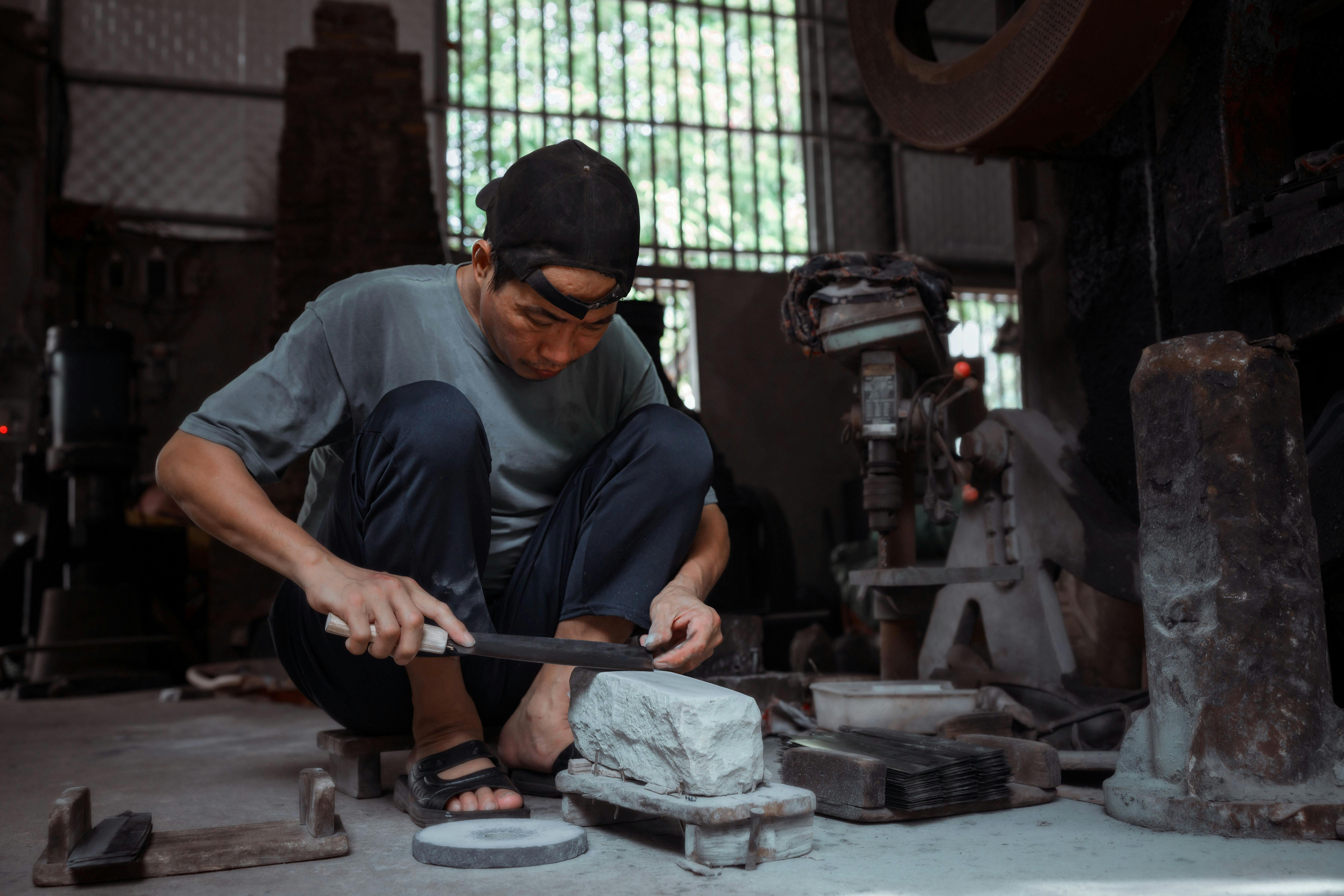
A sharpening stone loaded with metal filings and grime stops cutting cleanly, yet many hunters keep using one long after it starts glazing over. Instead of refining the edge, the clogged surface skates, scratches, and leaves a finish that feels rough rather than sharp.
Dry stones can be just as troublesome when they are meant to be used with water or oil. Without proper lubrication, swarf builds quickly and friction rises, making the whole process less efficient and less predictable.
Field conditions are messy, so maintenance matters. Wiping the stone, adding the right lubricant when needed, and keeping abrasive surfaces clear can dramatically improve results without adding a single extra gadget to your pack.
Ignoring Burr Formation and Removal

Many hunters stop sharpening the second a knife feels bitey, but that sensation can be misleading. What often feels sharp is actually a burr, a thin wire of folded metal hanging off the edge after grinding. Leave it there, and the knife may seem great for a moment before going dull almost immediately.
A proper edge usually requires creating a small burr deliberately, then removing it carefully. That is the part many field sharpeners rush through or skip entirely.
A few light alternating strokes, followed by gentle deburring on a finer surface or strop, can make the difference between a fragile edge and one that holds up through real work. Durability begins at the very apex.
Over-Sharpening a Knife That Only Needs a Touch-Up

Not every dull-feeling knife needs a full sharpening session. Often, a hunting blade has just lost a bit of bite from hide, hair, and connective tissue, and a quick touch-up on ceramic or leather is enough to bring it back. Instead, some hunters keep grinding until they have removed far more steel than necessary.
That habit slowly changes blade geometry. Over time, the knife gets thicker behind the edge, less efficient in cuts, and harder to maintain.
A field edge should be restored with the least metal removal possible. If the knife can be revived with a few careful passes, that is the smart move. Save major reprofiling for home, where you have better tools and better light.
Sharpening in Poor Light and Rushing the Job

Field sharpening often happens at the worst possible moment, right before first light, after a long hike, or during the rush of processing an animal. In dim conditions, it becomes harder to see the bevel, check for scratches, or notice whether one side is getting more attention than the other.
Rushing compounds every mistake. Angles drift, pressure spikes, and edge inspection turns into guesswork. What should be a quick maintenance task becomes a sloppy metal-removal session.
A minute of patience pays off. Better light, a stable position, and a calmer pace help you sharpen less and sharpen smarter. The blade usually tells you what it needs, but only if you slow down enough to read it.
Never Finishing With a Strop or Fine Hone
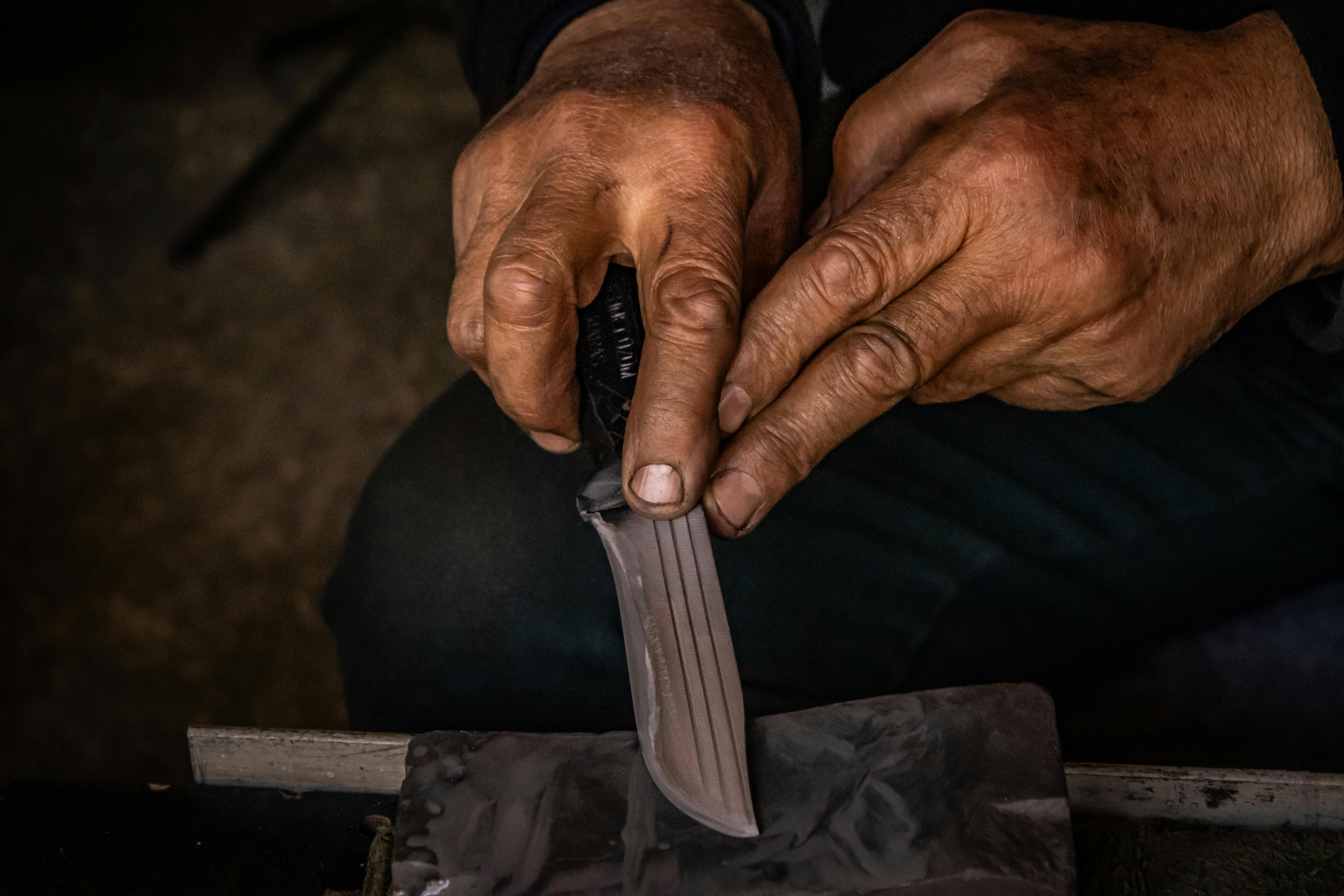
A coarse abrasive can bring back an edge, but stopping there often leaves the blade harsh and fragile. Hunters sometimes mistake that aggressive feel for peak sharpness, yet a rough edge tends to lose its bite quickly once it meets hide, meat, and bone.
Finishing with a fine hone or compact strop helps align the apex and clean up the microscopic damage left by earlier passes. The knife usually cuts smoother, with less drag and better control.
This final step is easy to skip when the field is wet, cold, or hectic, but it is often what separates a usable edge from an excellent one. A few extra seconds can preserve both sharpness and blade life.