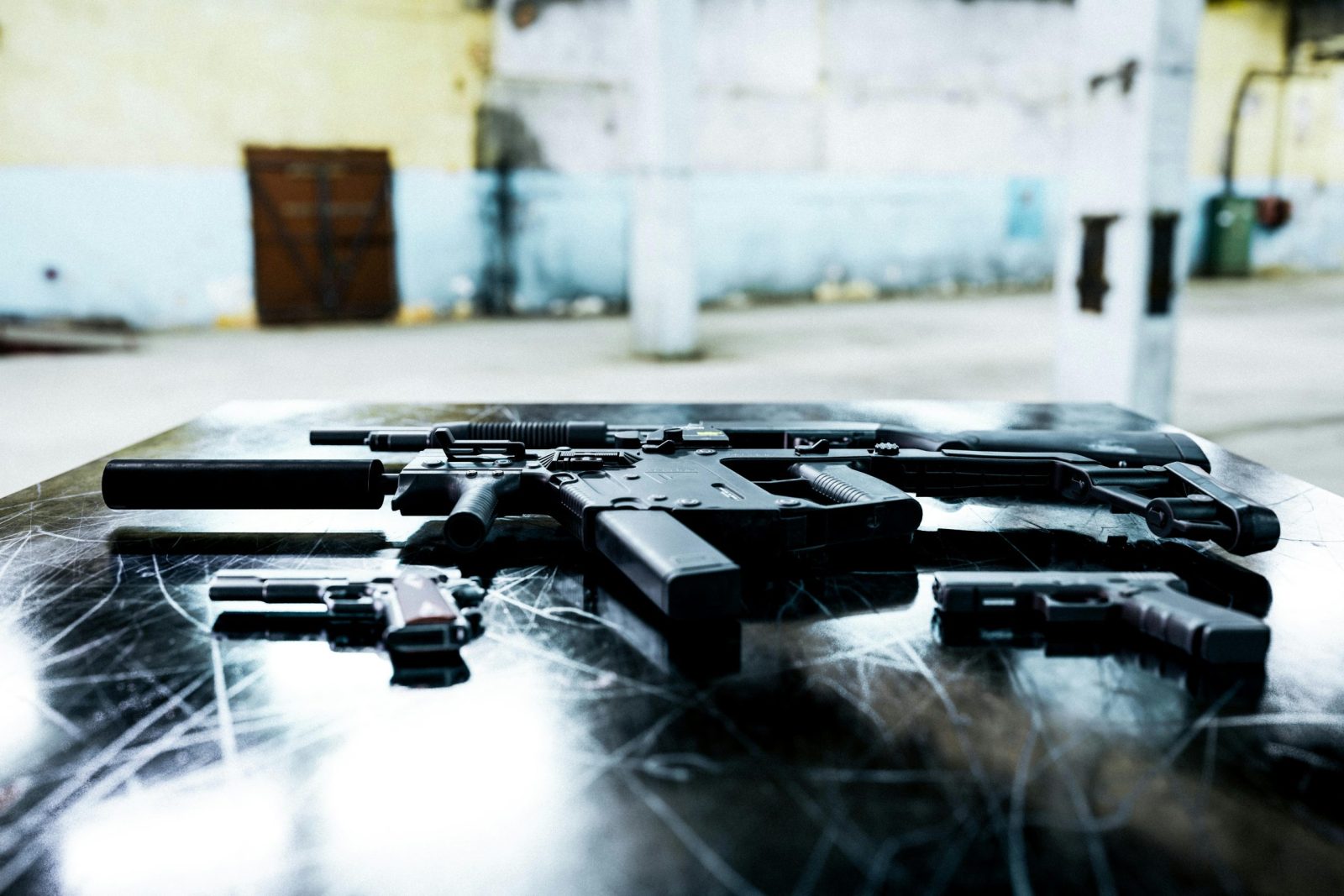
Exploring the history of firearms that once looked ordinary and now bring collector money reveals a fascinating shift in the vintage sporting market. Decades ago, many individuals purchased these rugged tools for basic hunting or casual target practice without ever considering their future financial value. Mass production and cheap surplus prices made these specific rifles and handguns incredibly common in rural hardware stores across the nation. Today, nostalgic demand and historical significance have transformed these everyday items into highly prized investments. Understanding this dramatic market evolution helps enthusiasts identify hidden treasures resting quietly inside their dusty family safes.
The Mosin Nagant Rifle
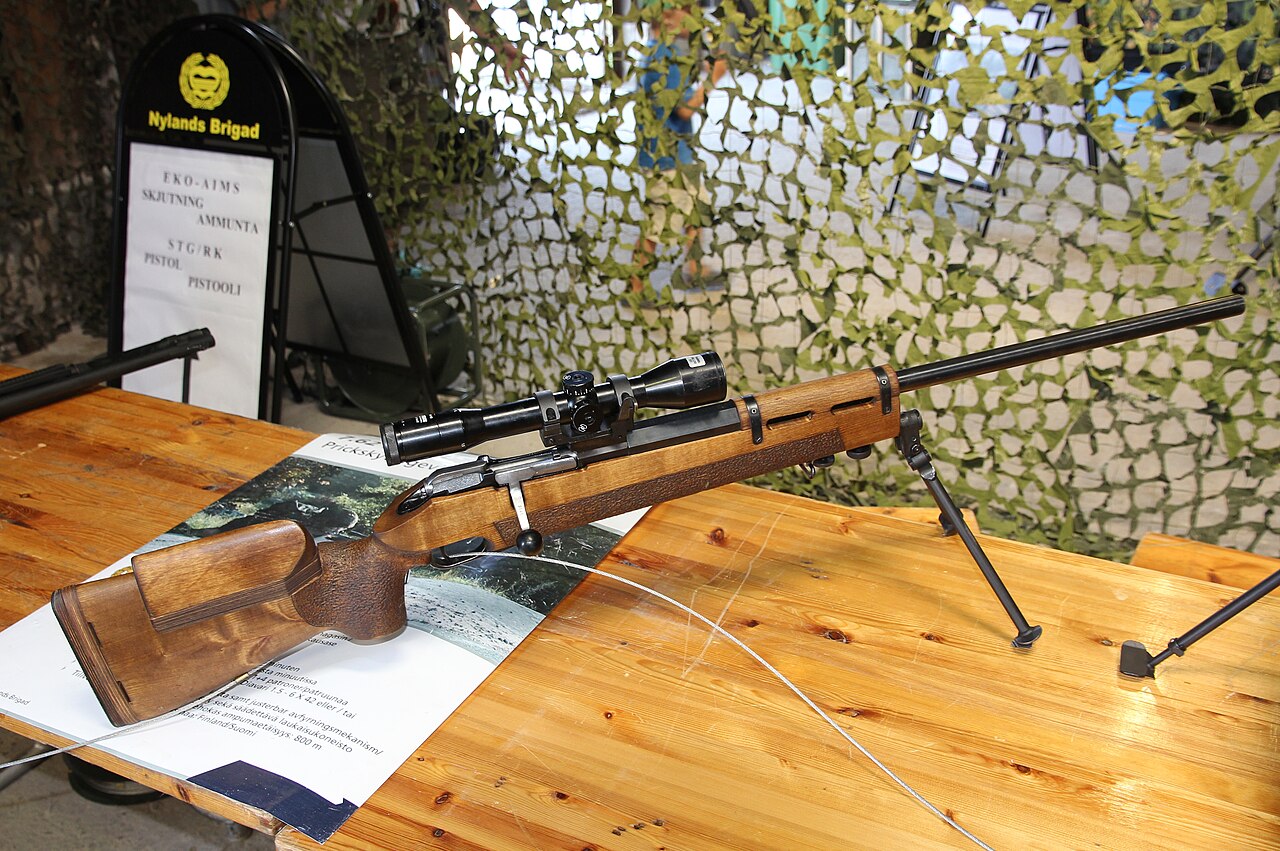
The Mosin-Nagant rifle flooded the surplus market for many decades as an incredibly cheap and readily available bolt-action firearm. Rural shoppers frequently purchased these heavy military surplus tools from large hardware barrels for less than one hundred dollars just a few short years ago. Most buyers viewed them simply as inexpensive items for casual plinking or basic property defense in remote areas. Today, the dwindling supply of clean imports has caused the financial value to skyrocket dramatically. Pristine examples featuring matching serial numbers now command premium prices from dedicated military historians and competitive vintage rifle shooters worldwide.
The Russian SKS Rifle
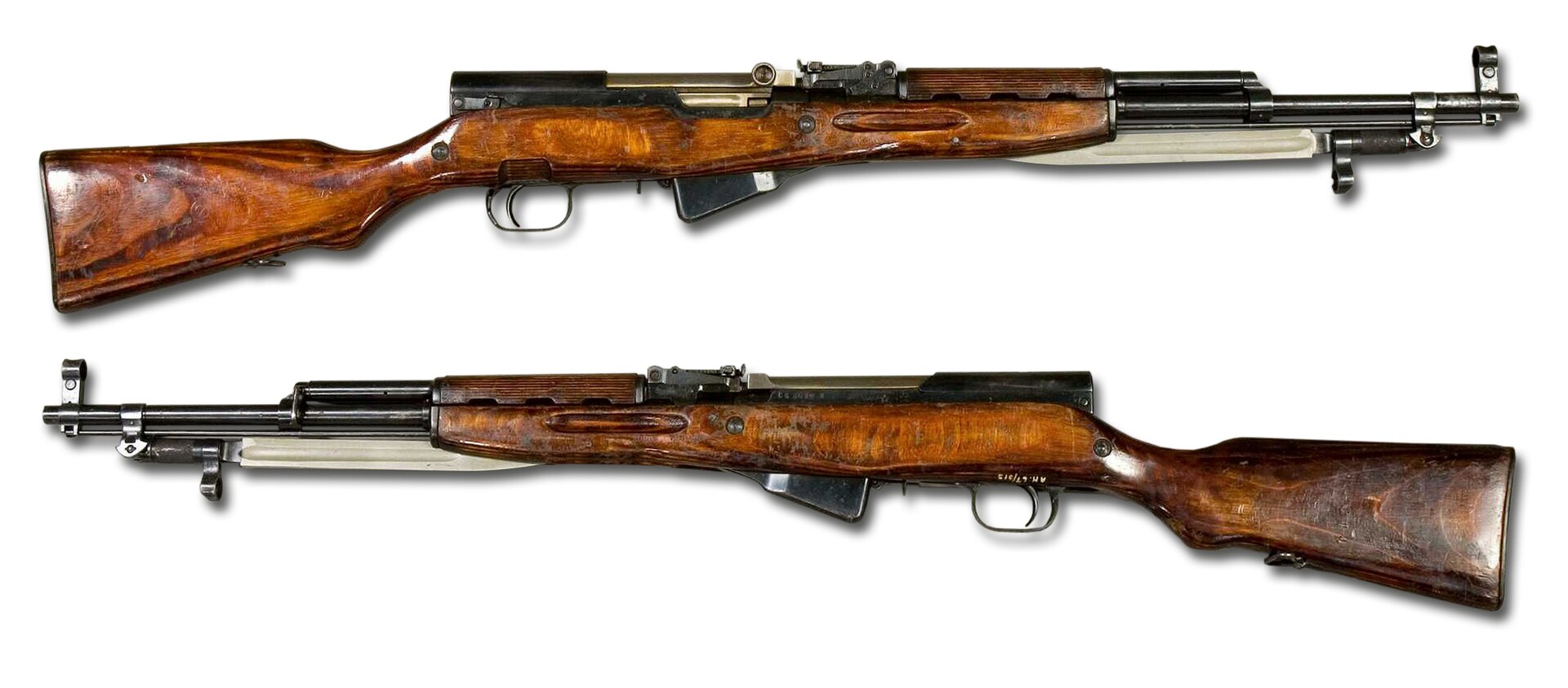
Another legendary military import known as the Russian SKS rifle experienced a massive surge in market desirability over the past decade. Importers originally brought thousands of these rugged semi-automatic rifles into the country and sold them at deeply discounted prices for casual consumers. Enthusiasts valued the reliable operation and the incredibly cheap ammunition that made weekend shooting sessions highly affordable. Modern import restrictions eventually dried up the steady supply of these fascinating historic tools. Collectors now aggressively pursue original models with pristine wooden stocks and matching factory stamps, pushing their average auction values to completely unprecedented new heights.
The Remington Nylon 66
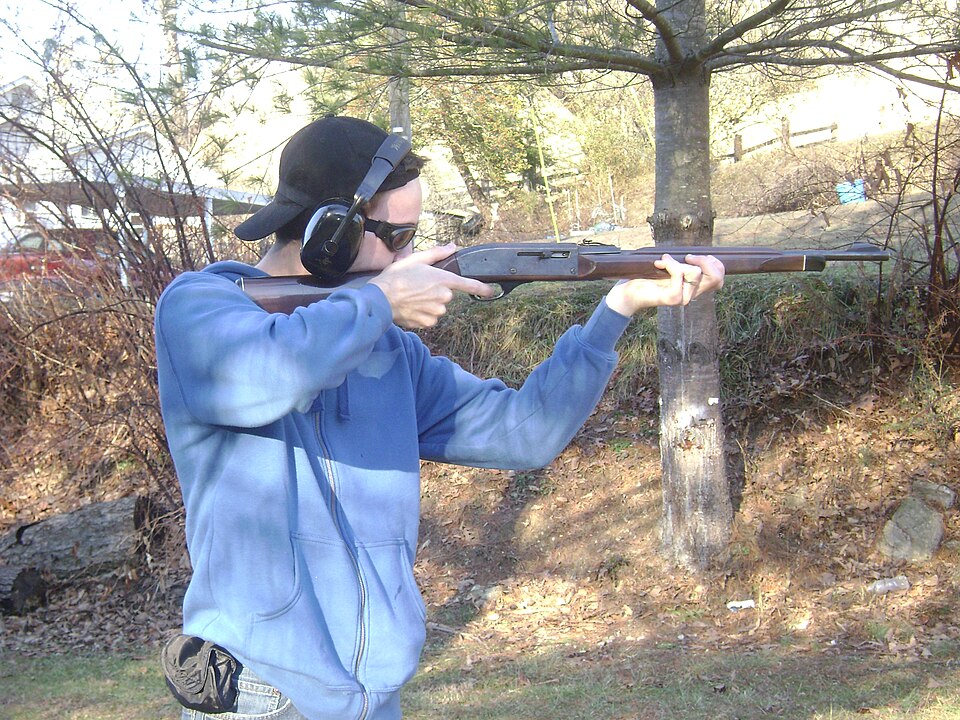
The Remington Nylon 66 debuted as an incredibly lightweight rimfire rifle utilizing innovative synthetic materials rather than traditional heavy walnut wood. Many traditionalists initially dismissed this unique firearm as a cheap plastic toy that would never survive rugged use in the deep forest. The manufacturer heavily marketed the durability of the synthetic stock and the self-lubricating internal mechanism to skeptical rural hunters. Over the years, people realized the undeniable genius behind this weather-resistant design and its incredible reliability. Finding a pristine green or brown model today requires significant financial investment from passionate brand historians and enthusiastic collectors.
The Historic M1 Carbine
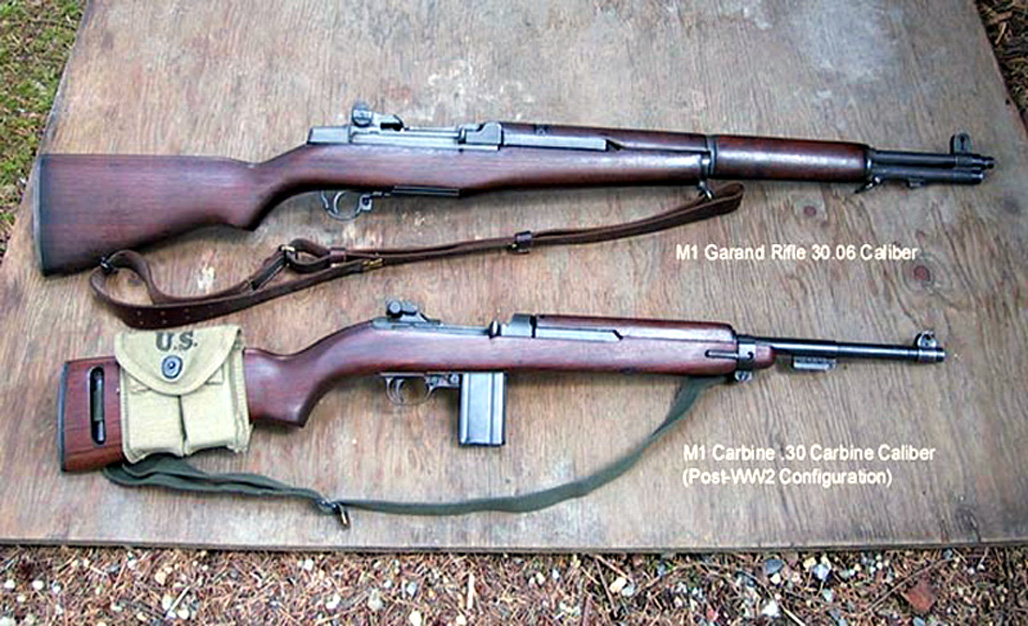
The historic M1 Carbine provided American forces with a lightweight and highly maneuverable defensive tool during the brutal battles of the Second World War. Millions of these fascinating semi-automatic rifles returned home to be sold through popular mail-order catalogs at wonderfully low prices. Farmers and ranchers enthusiastically adopted them as practical utility weapons for protecting distant livestock from aggressive local predators. As the generations shifted, this ubiquitous little rifle slowly transitioned from a cheap farm implement into a highly respected military artifact. Verified wartime examples manufactured by obscure contractors now fetch thousands of dollars at auctions.
The Marlin Model 39A
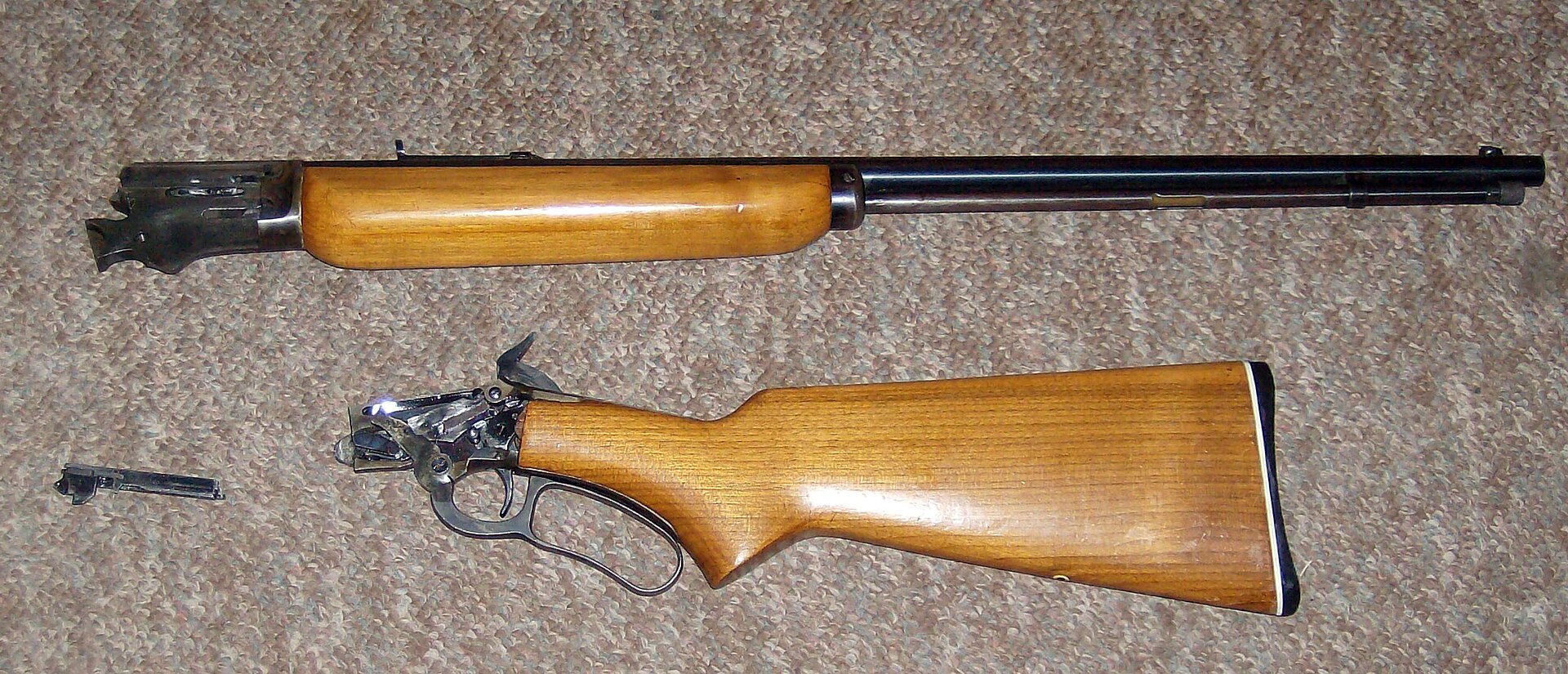
The elegant Marlin Model 39A represents the longest continuously produced shoulder firearm in the entire world. Generations of young shooters learned fundamental marksmanship skills using this wonderfully accurate lever-action rimfire rifle. It initially served as a highly common and relatively affordable entry-level gun for anyone wishing to hunt small game in the peaceful rural woods. Following recent major corporate acquisitions and factory relocations, the overall quality of modern production models changed significantly. This transition caused the secondary market values for older models featuring genuine walnut stocks and authentic micro groove barrels to increase at an astonishing and rapid rate.
The Heckler And Koch P7
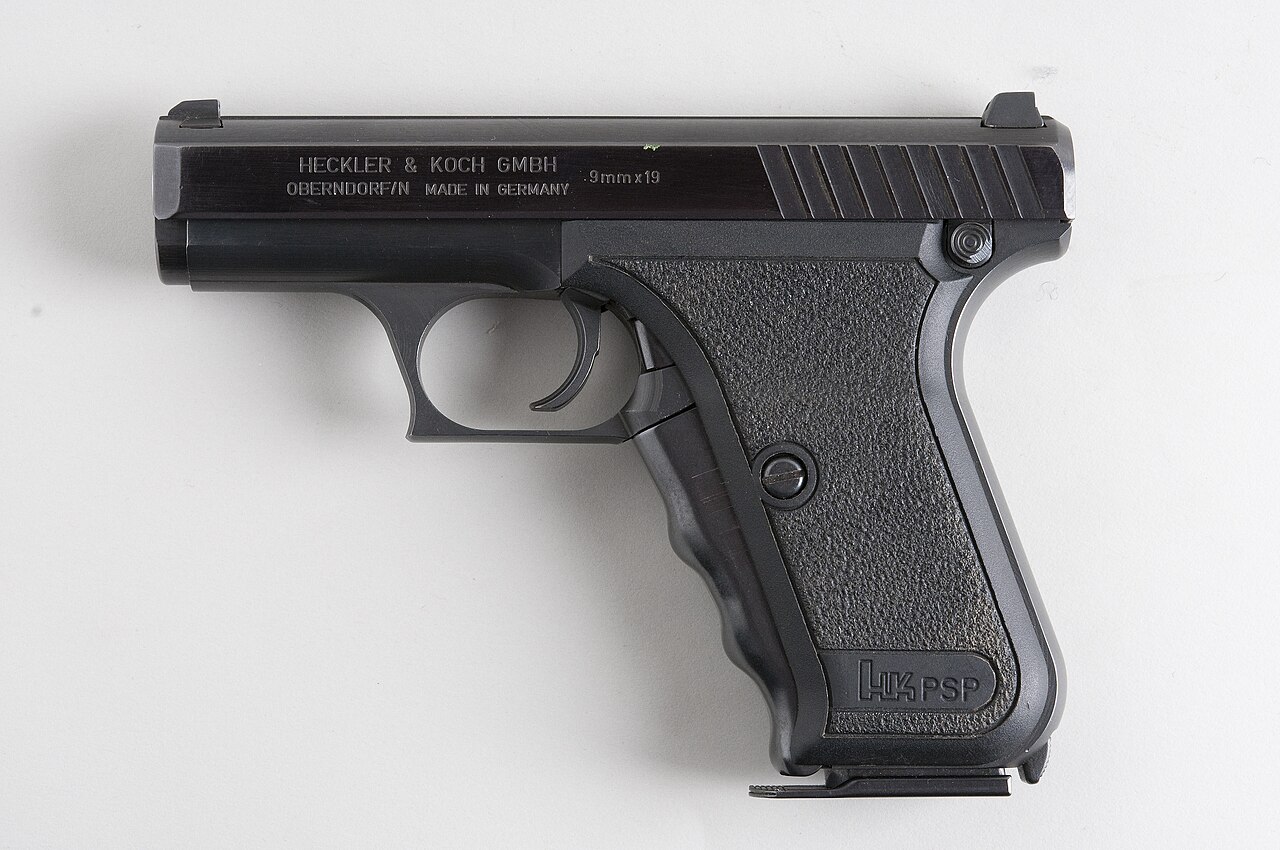
The Heckler and Koch P7 pistol emerged as an innovative but somewhat strange choice for various European police departments during the turbulent Cold War era. Its unique squeeze cocker mechanism, located on the front of the grip frame, initially baffled many traditional handgun purists who preferred standard operating systems. Police agencies eventually sold thousands of these remarkably accurate steel pistols on the civilian surplus market for very reasonable prices. As more people recognized the incredible engineering and exceptional safety features, the available supply evaporated. Today these former police sidearms command breathtaking premiums from dedicated modern tactical handgun collectors everywhere.
The Colt Detective Special
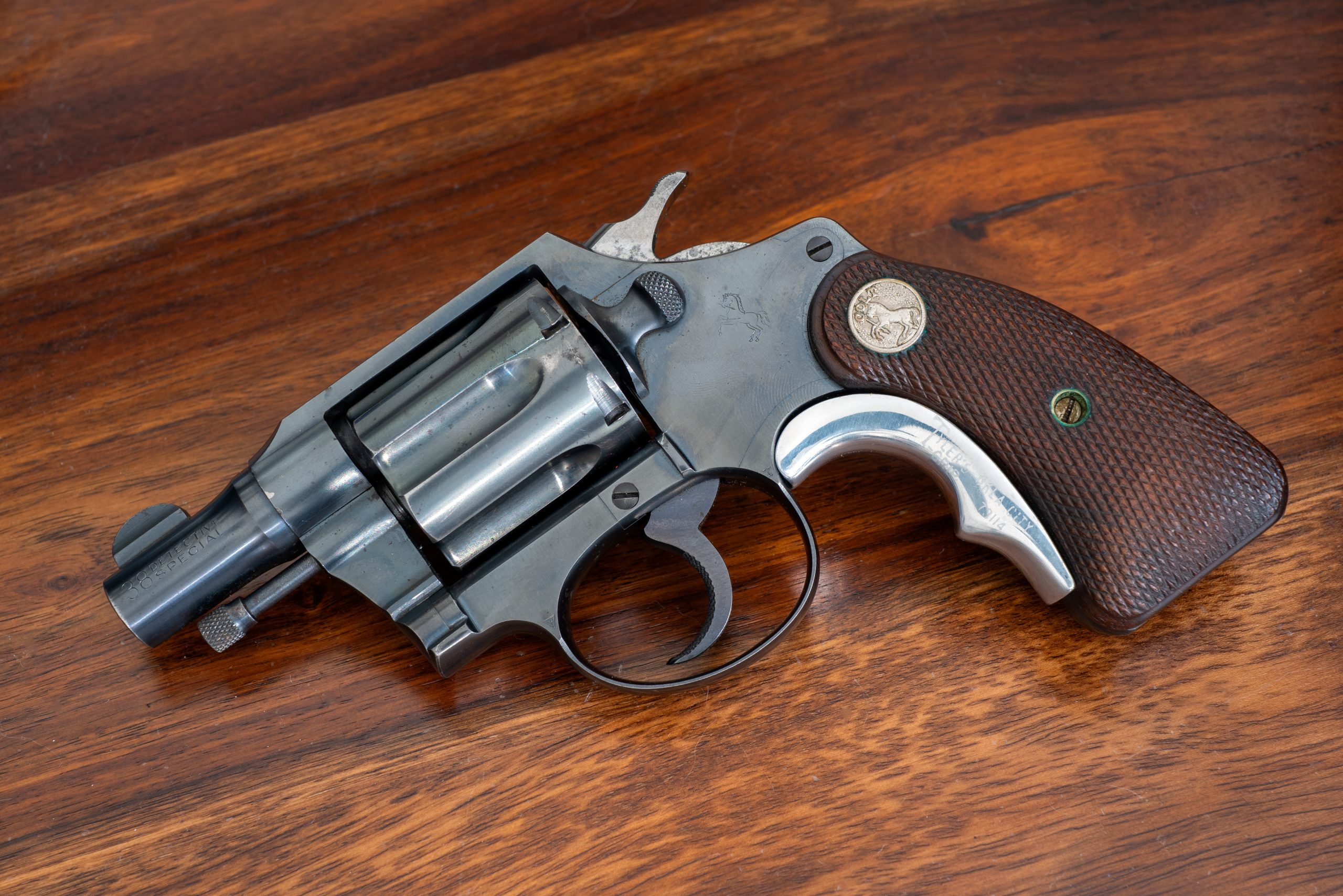
The Colt Detective Special served as the quintessential undercover law enforcement revolver for decades across countless major American cities. This compact steel firearm rode comfortably in the coat pockets of busy detectives and ordinary citizens seeking reliable personal protection. Most people considered this sturdy little six-shot wheel gun a completely standard and mundane defensive tool rather than a luxury collectible. When the iconic factory eventually halted production of this historic model, the sudden scarcity shocked the entire shooting community. Vintage models retaining their deep original blued finish and factory wooden grips now represent extremely valuable investments for firearm historians.
The Winchester Model 1897
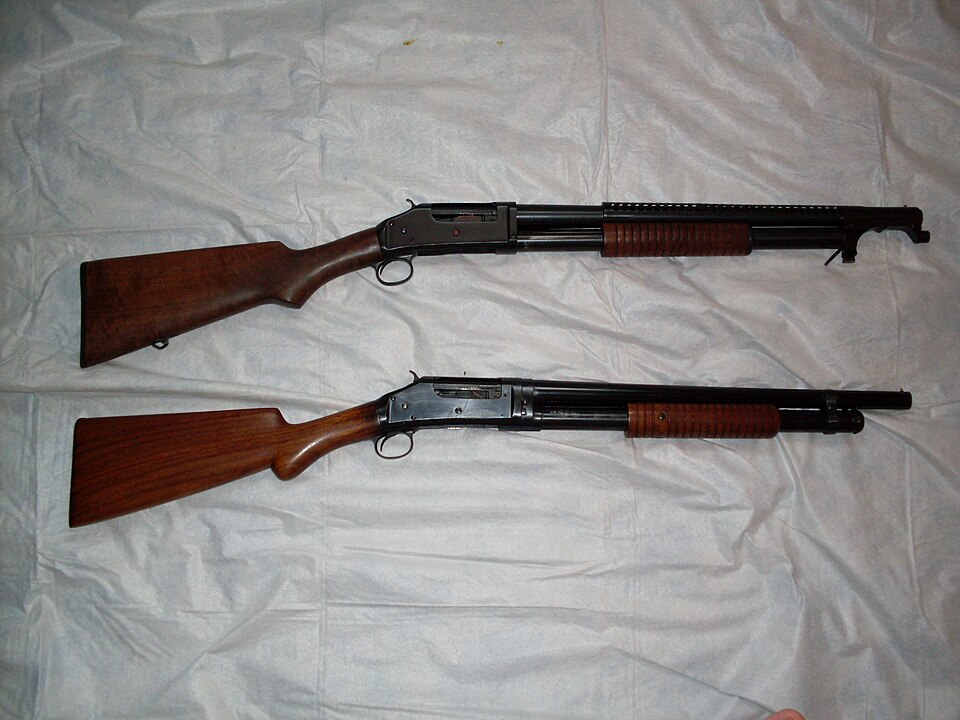
The Winchester Model 1897 fundamentally changed the sporting and defensive landscape by introducing a highly reliable pump-action shotgun mechanism. Millions of bird hunters carried these exposed hammer scatterguns through muddy fields and damp marshes for several generations. The rugged design possessed such legendary durability that the military famously adopted shorter versions for close-quarters combat in brutal trench warfare. After the company finally discontinued the aging line, the existing shotguns slowly disappeared from the active hunting fields. Enthusiastic cowboy action shooters and passionate historians now eagerly pay top dollar for functional models preserving this uniquely fascinating mechanical legacy.