Black bear hunting and deer hunting may take place in similar forests, but the experience can differ considerably. Bears have different feeding habits, physical characteristics, and responses to their surroundings, which changes how hunters interpret tracks, select locations, and judge what they see. Deer often leave familiar trails between bedding and feeding areas, while bears may travel according to seasonal food supplies and use a wider variety of habitats. Weather, visibility, and animal identification add further challenges. Understanding these differences helps explain why techniques that work well for deer may not translate directly to black bear hunting.
1. Identifying the Animal Correctly
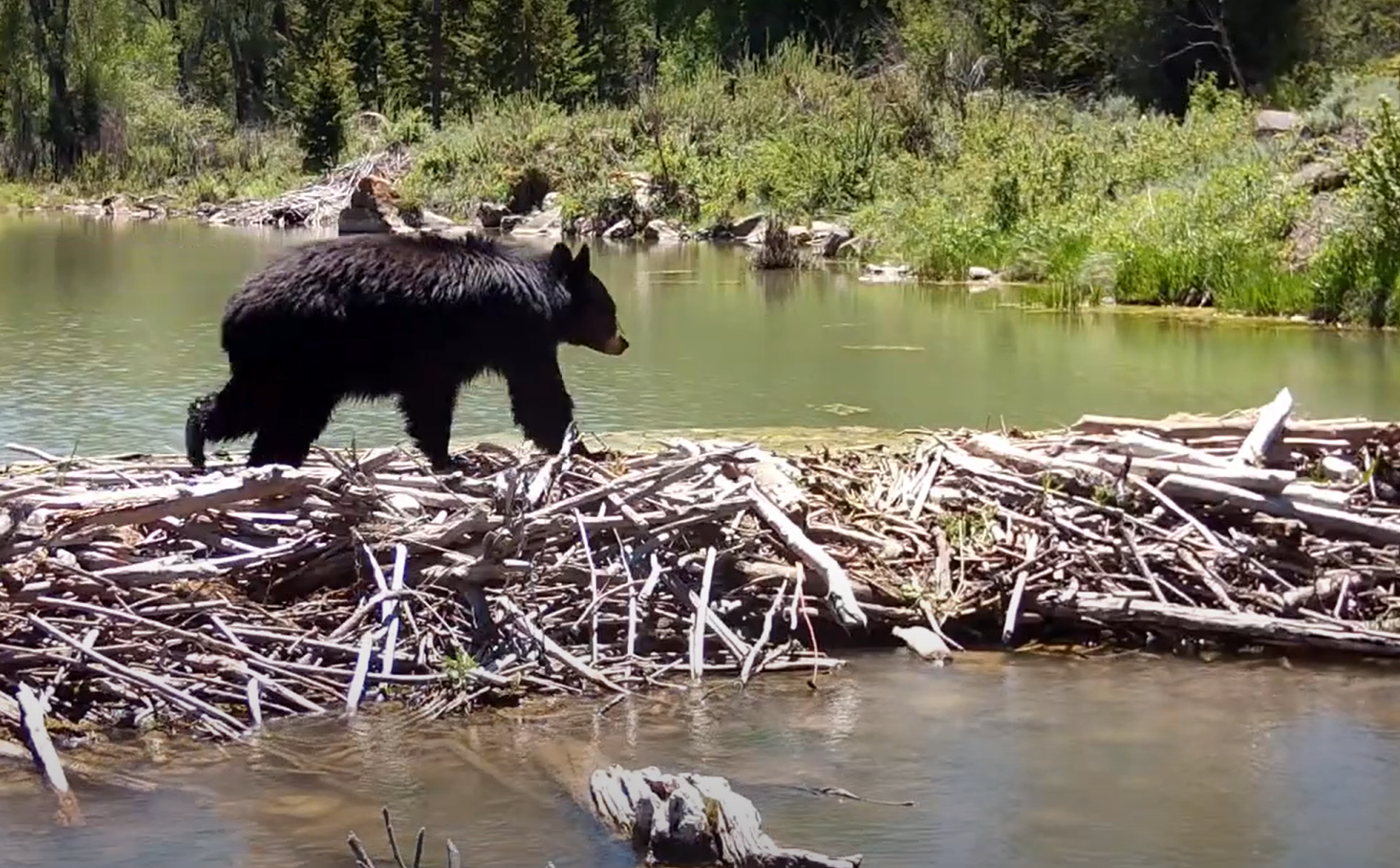
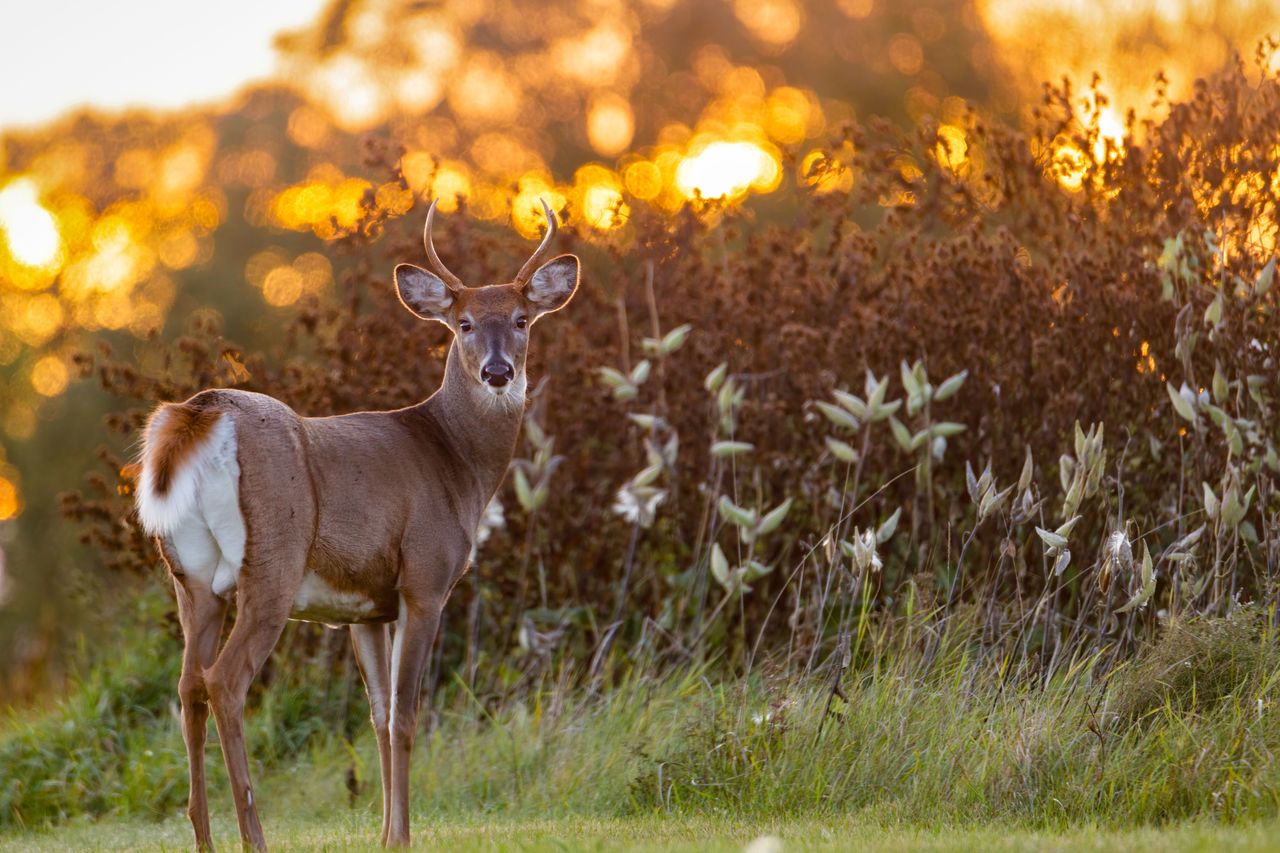
Black bears can be harder to judge than deer because their shape changes with posture, distance, season, and thick cover. A bear’s rounded ears, short-looking tail, and broad body may be difficult to distinguish when only part of the animal is visible. Deer usually show a different outline, including long legs and a defined neck. Even at 100 yards, shadows or brush can hide important features, so never rely on color alone. Confirm the species and follow local rules before making any decision; safe identification matters more than a quick opportunity.
2. Reading Tracks and Signs
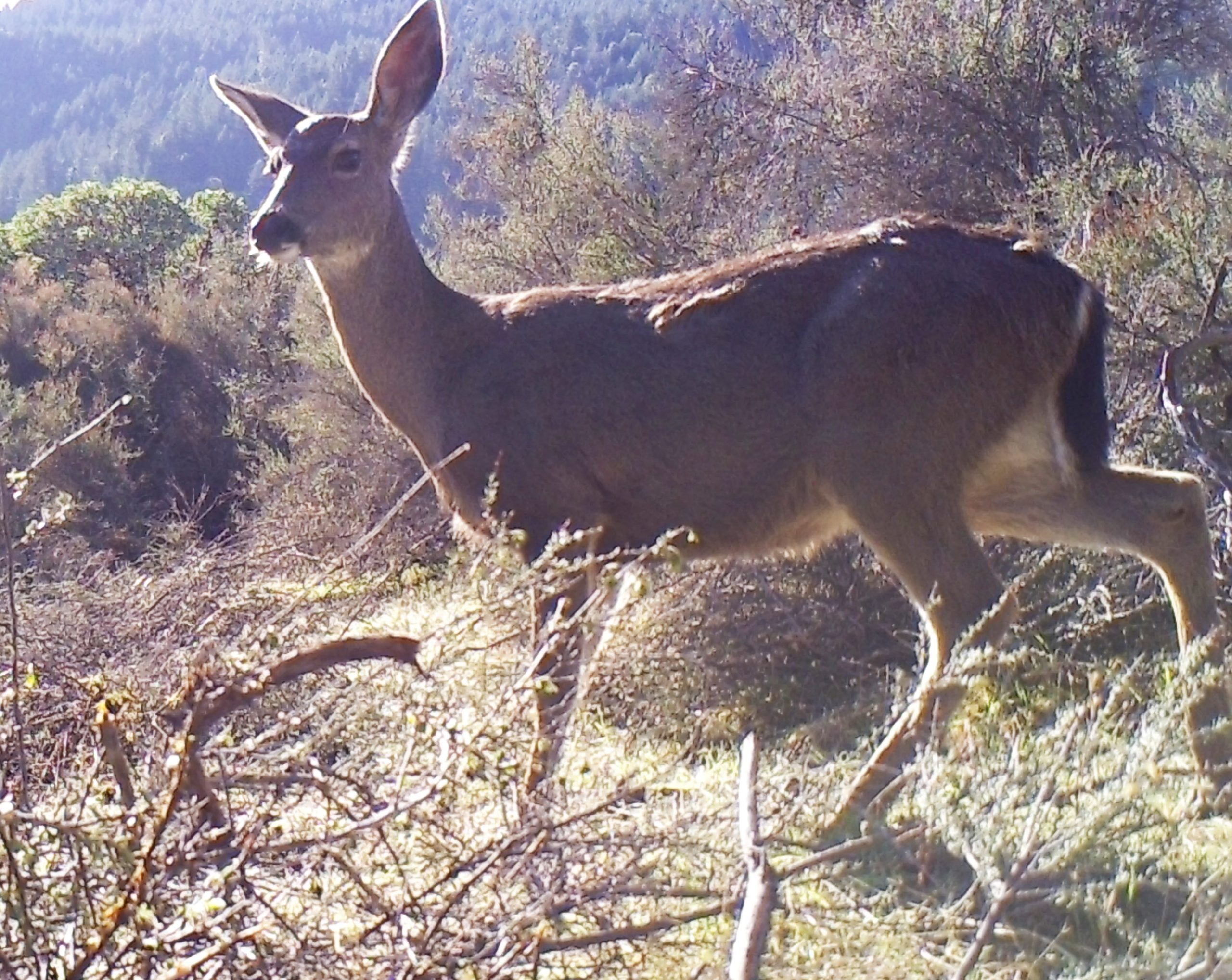
Deer tracks commonly show two pointed halves, while a bear may leave broad paw prints with five toes and claw marks. Yet mud, gravel, and melting snow can distort both patterns, and track size alone cannot reliably tell an animal’s age or sex. A bear’s stride may also vary with its pace and the slope of the ground. Compare several prints and look for other signs, such as disturbed soil or feeding evidence, rather than trusting one mark. An adult bear’s front print can be around 4 to 5 inches wide, but sizes vary considerably. Recent rain can soften the edges further.
3. Understanding Seasonal Food
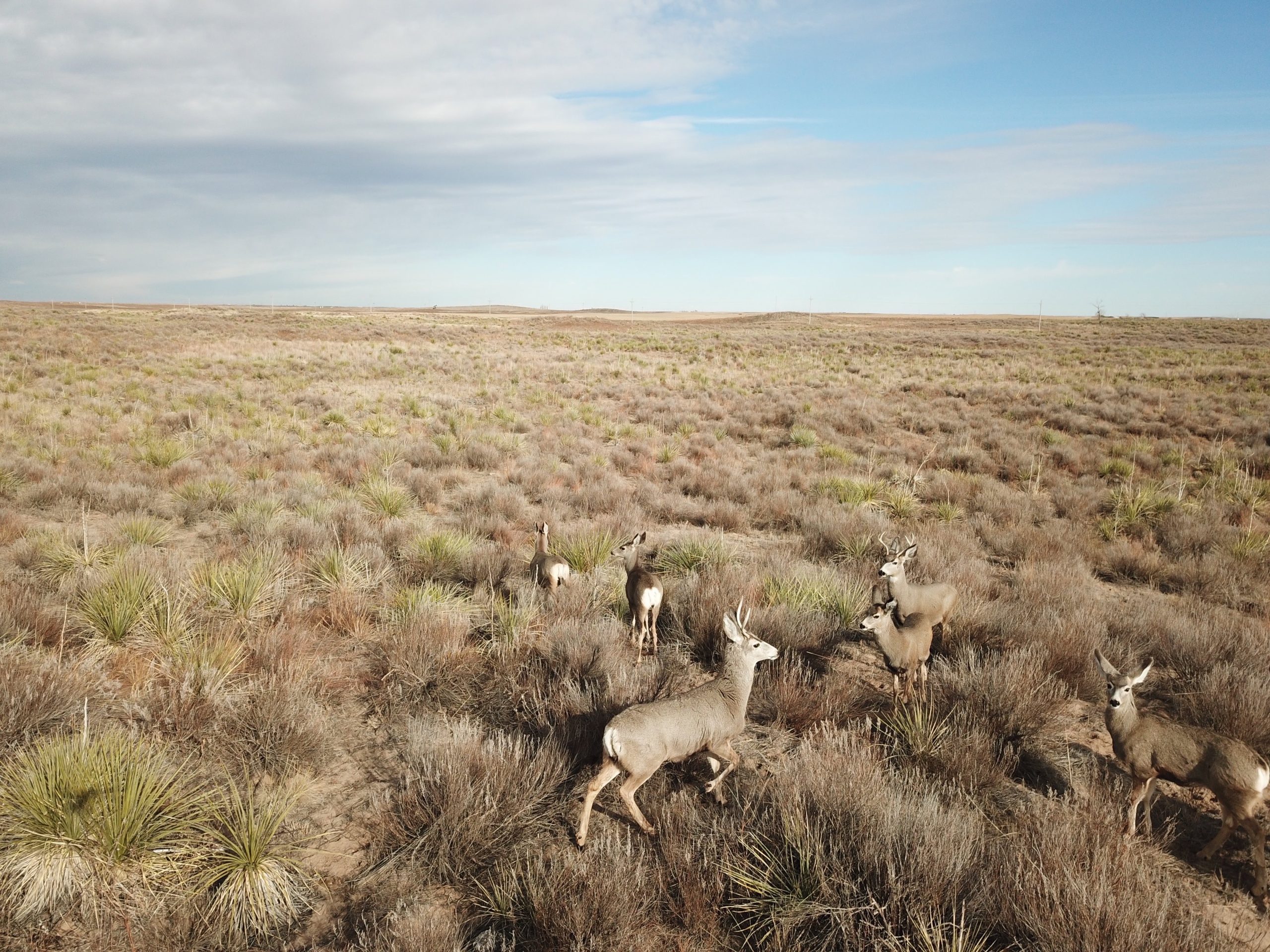
Deer often use familiar routes between cover and feeding areas, although their habits change with the season. Black bears are strongly influenced by shifting food supplies, including berries, nuts, insects, and carrion. A productive location can become quiet when a nearby crop ripens, or a natural food source fails. In autumn, hard mast such as acorns may concentrate activity where it is abundant; in another year, the same patch may offer little. Check current conditions instead of assuming last season’s pattern will repeat, and remember that food availability varies by region and habitat.
4. Choosing the Right Habitat
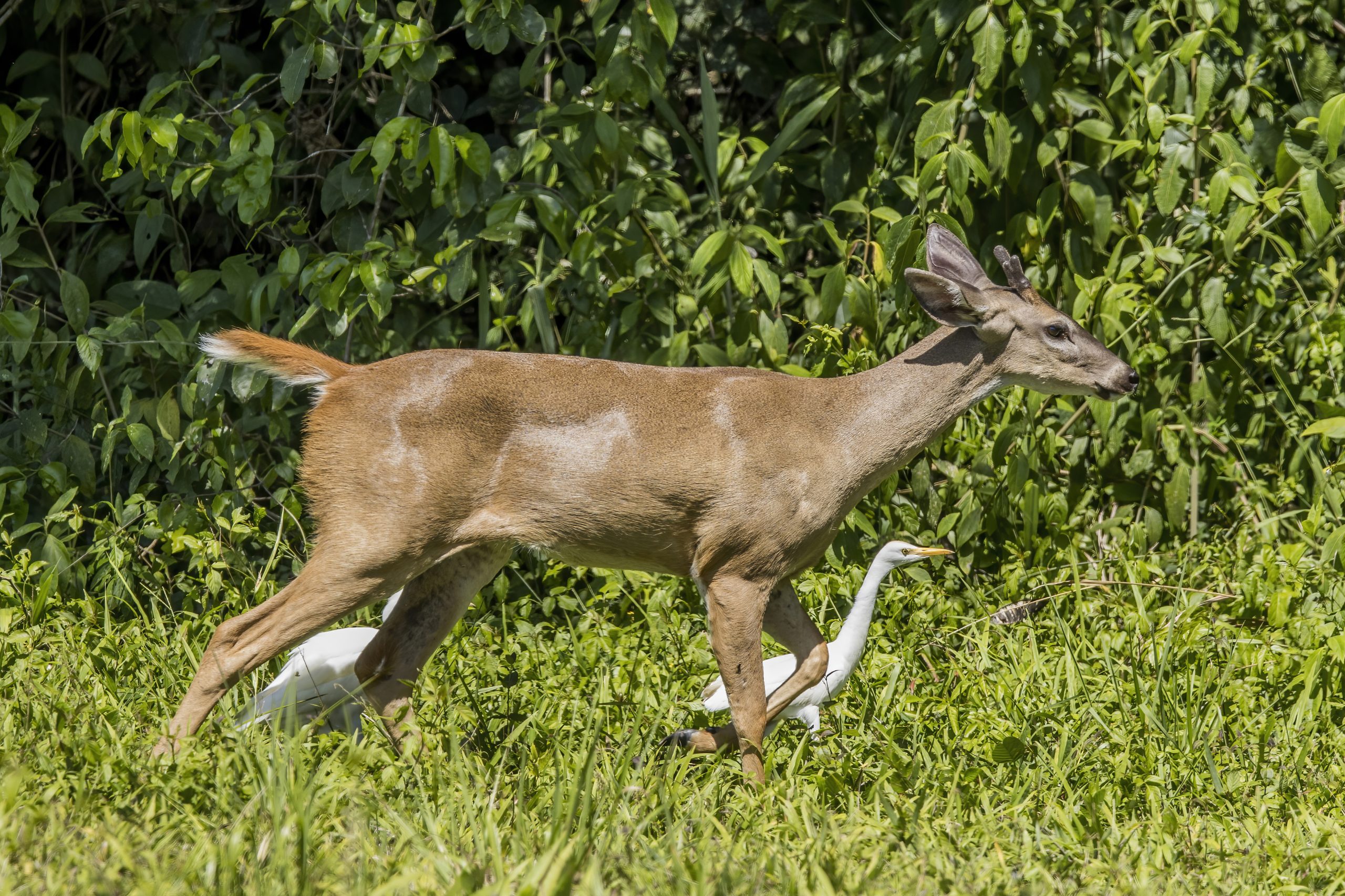
Deer may leave recognizable trails through field edges, forest openings, and bedding cover, while bear activity can be spread across large areas containing varied food and shelter. A steep ridge, dense thicket, wetland edge, or berry patch may matter at different times of the year. That variety makes it harder to choose one place and expect consistent movement. Even a change of a few hundred yards can mean different vegetation and visibility. Study local habitat and legal access carefully, and avoid assuming thata sign in one part of a property represents bear activity everywhere.
5. Dealing With Limited Visibility
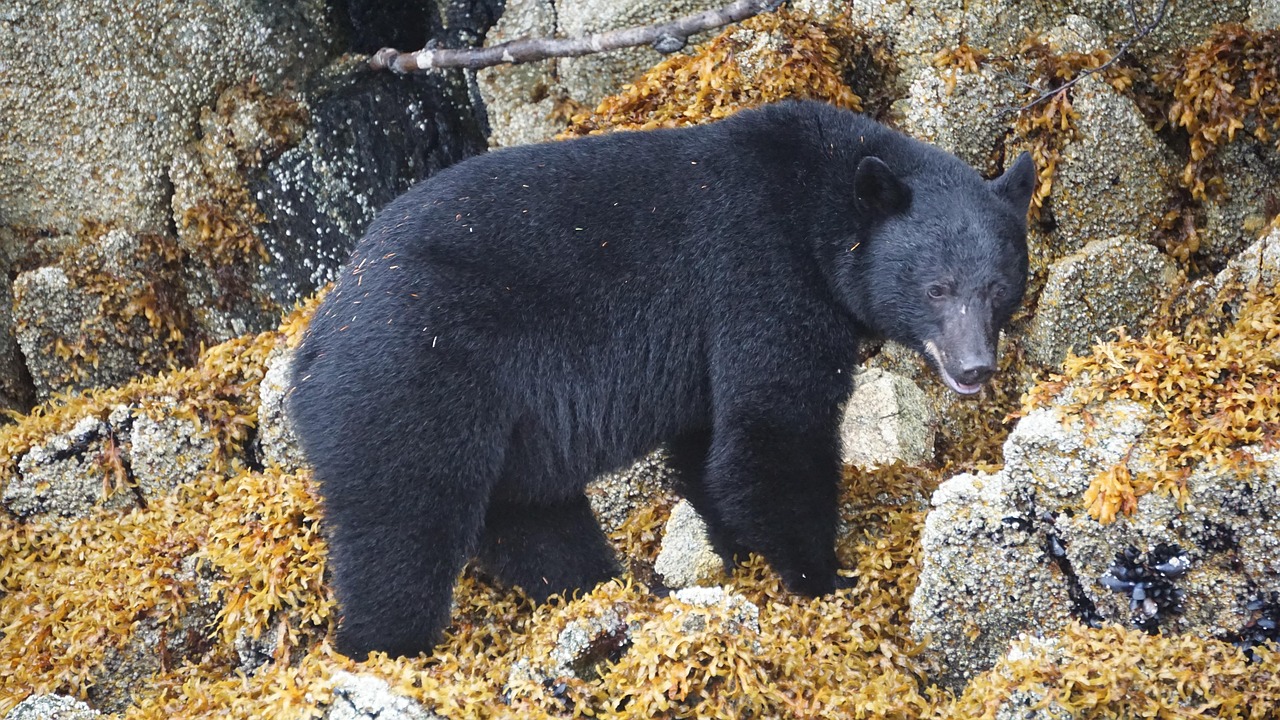
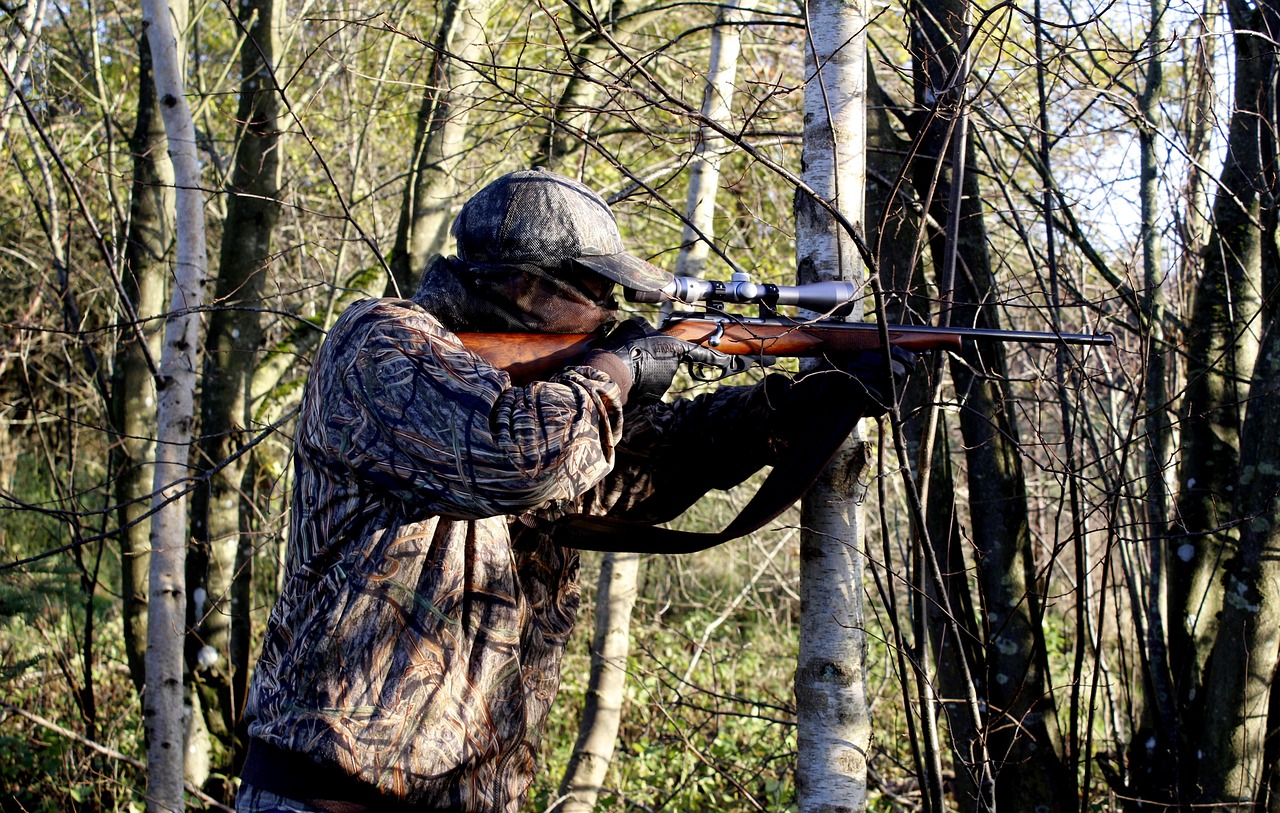
A bear’s dark coat can blend into shaded timber, while its bulky body may be mistaken for a stump or shadow at first glance. Deer can also disappear in cover, but their movement and familiar body outline may be easier to recognize in open terrain. Fog, low light, and dense leaves make both animals harder to see, especially beyond 50 yards. Scan slowly and never identify an animal from a fleeting shape. Clear visibility and a safe, unobstructed view are essential; if either is missing, do not take a shot. Binoculars can help with observation when used from a safe position.
6. Judging Size and Body Shape
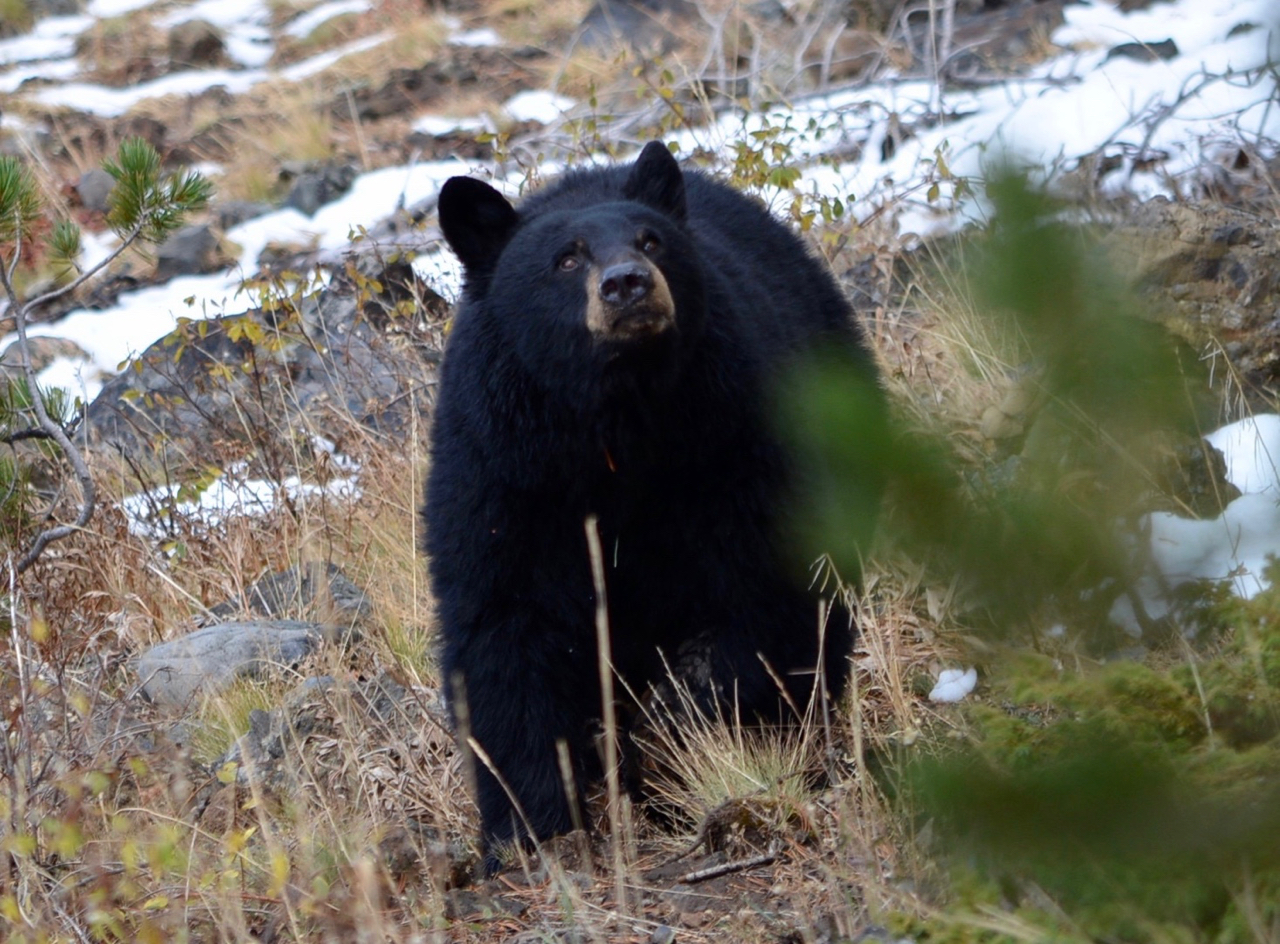
Estimating a black bear’s size is difficult because fur, posture, and terrain can make the animal look larger or smaller than it is. A bear standing on all fours may hide much of its leg length, and a sloping hillside can distort comparisons with nearby objects. Deer hunters may be accustomed to judging antlers or body proportions, but those cues do not apply to bears. Even an estimate of 200 pounds can be unreliable without a clear reference. Focus on positive identification and legal requirements rather than rushing to judge weight or trophy quality from a brief view.
7. Responding to Animal Behavior
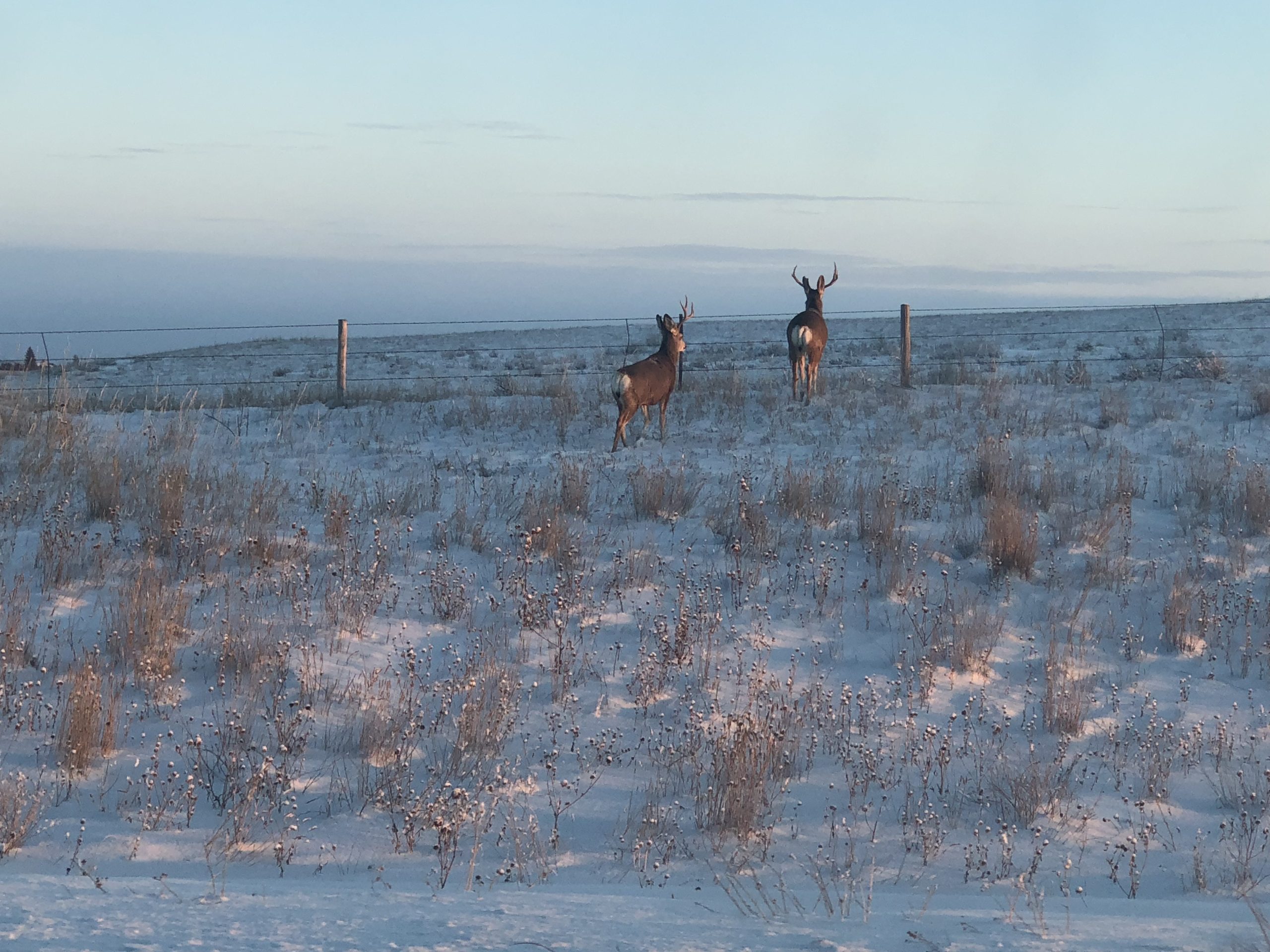
Deer commonly flee when startled, though their reactions vary with pressure and circumstances. A black bear may run, climb, stand briefly to assess a disturbance, or move away without an obvious pattern. A bear standing upright is not automatically preparing to charge; it may simply be trying to identify a scent or sound. Still, bears are powerful wild animals and must be given space. Never approach one to improve a view or follow it into thick cover. Keep a safe distance and treat unpredictable behavior seriously rather than assuming deer-hunting experience is enough.
8. Following Different Regulations
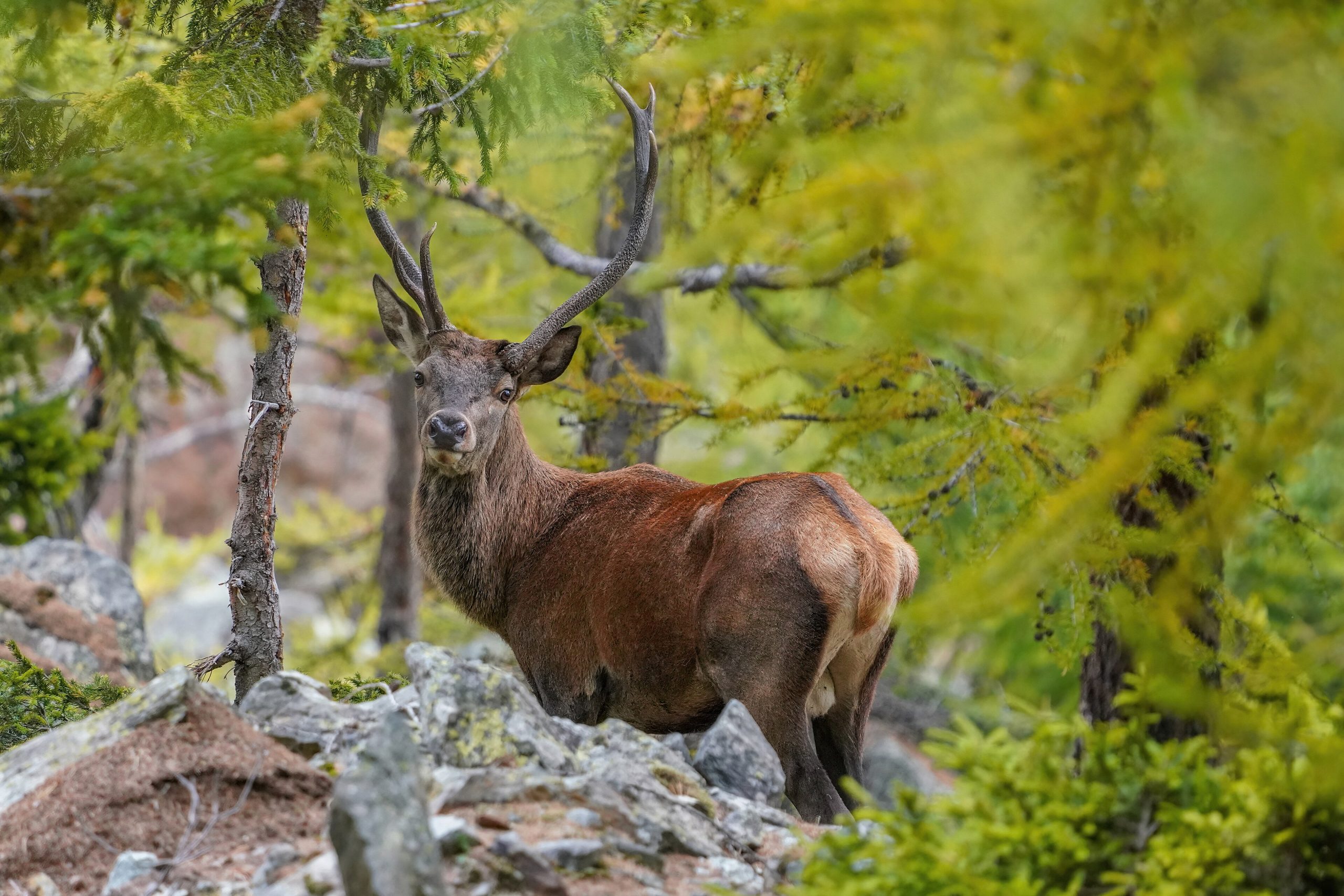
Rules for bear seasons can differ sharply from deer regulations, even within the same state or province. Permits, season dates, legal methods, reporting duties, and restrictions on baiting or dogs may all be different. Some areas limit harvests or require hunters to check a bear promptly, while others set specific rules for transport and evidence of sex. A season lasting 7 days in one jurisdiction may be much longer elsewhere, so never rely on a neighboring area’s calendar. Read current official regulations before traveling, and confirm requirements for the exact hunting unit.