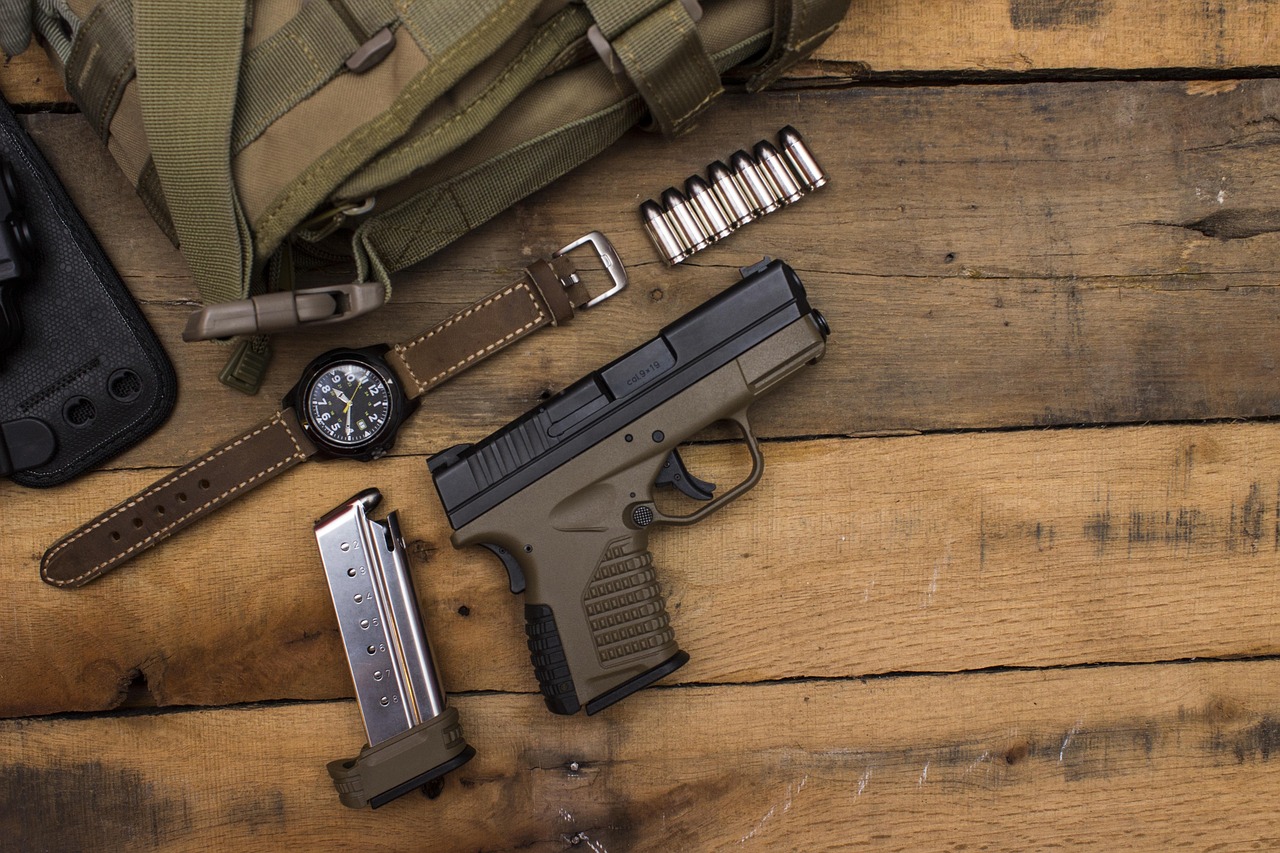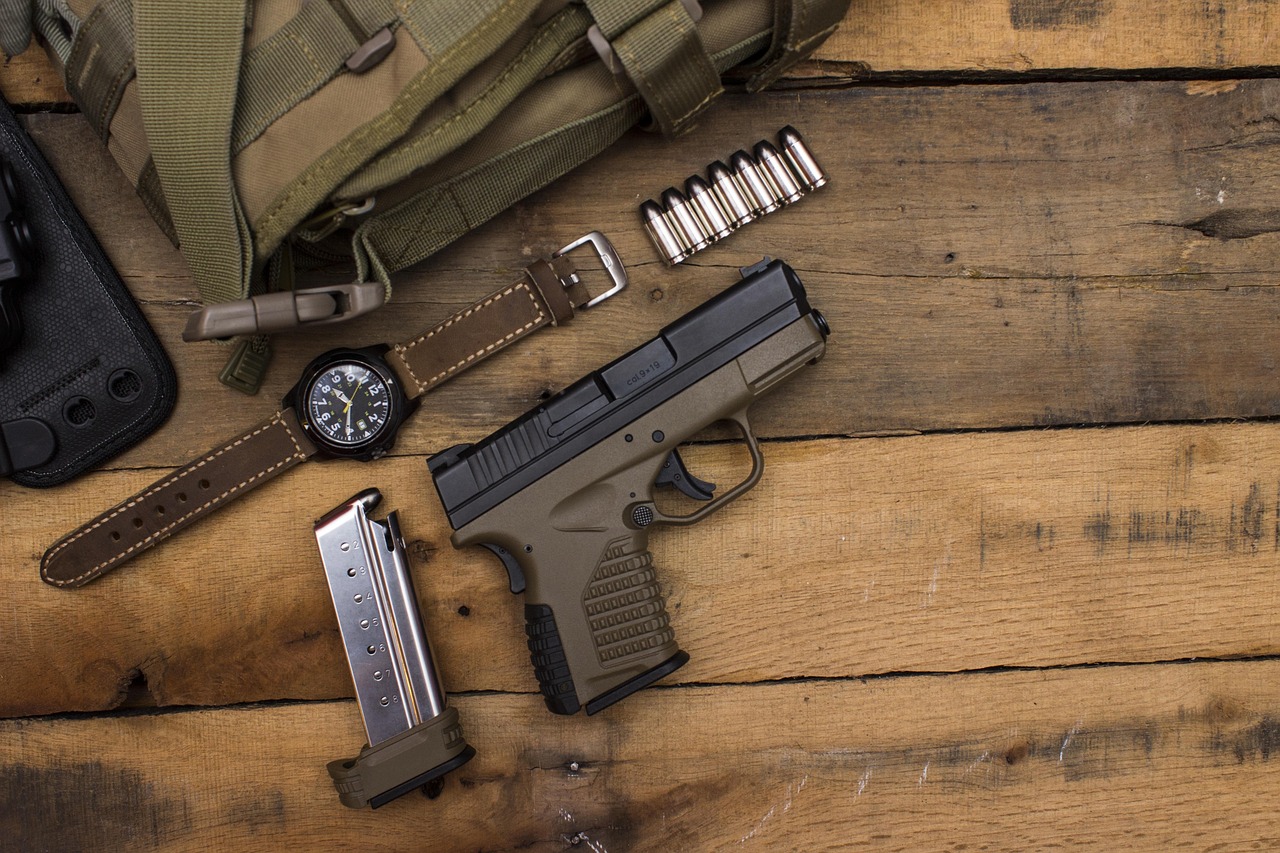
Some pistols never looked flashy to begin with, yet collectors and shooters now pay far more for them than their plain styling suggests. Scarcity, reputation, military history, and discontinued production can turn an unassuming sidearm into a surprisingly expensive used-market find. This gallery highlights eight handguns that often fool casual buyers with their budget appearance while quietly commanding serious money.
CZ 52
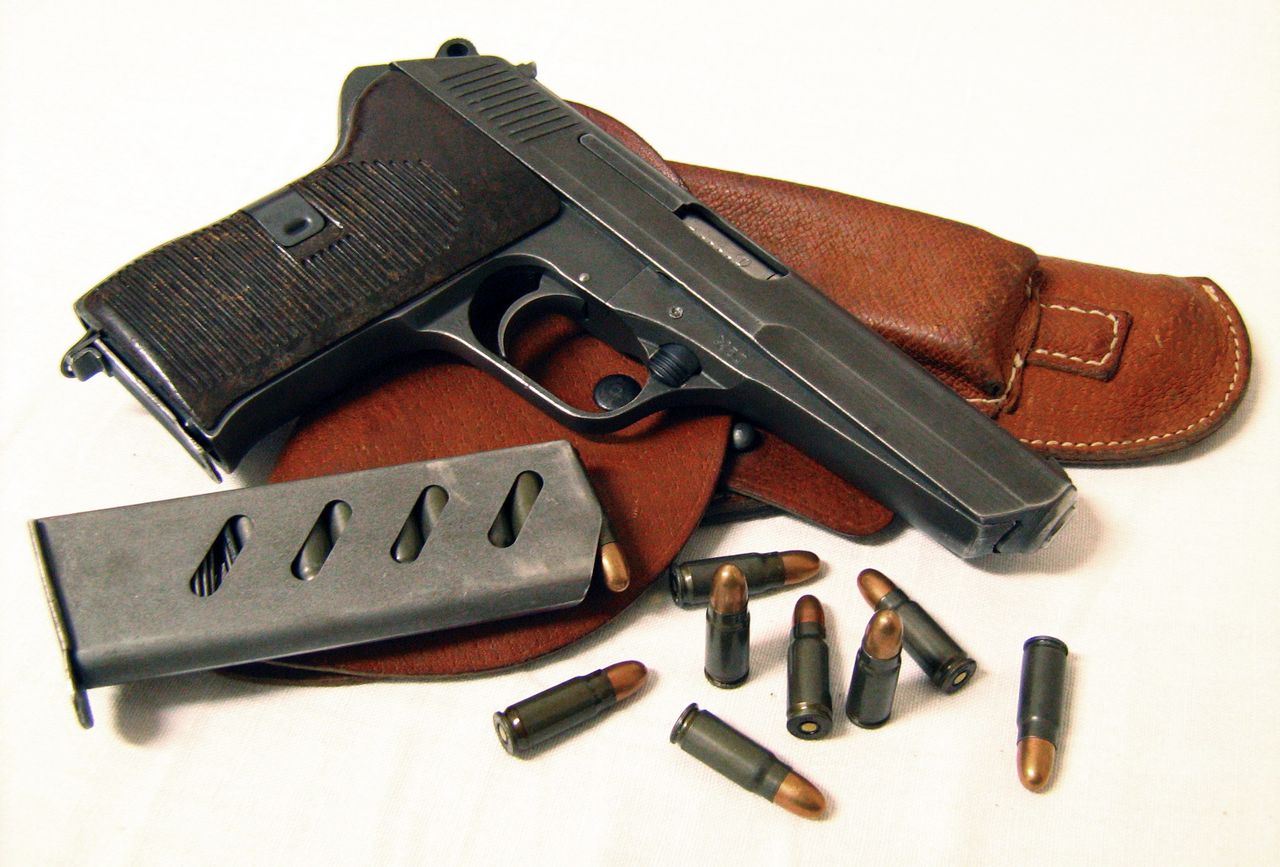
The CZ 52 has the kind of blunt, industrial look that makes many first-time buyers assume it should be cheap. Its squared profile, utilitarian finish, and Cold War styling do not exactly scream premium handgun, especially beside sleeker commercial pistols.
That assumption falls apart once buyers start shopping seriously. Chambered in 7.62×25 and tied to Czechoslovak military history, the pistol has developed a loyal following among collectors and surplus fans. Nice examples, especially those with matching parts, original holsters, or strong bores, often sell for much more than their plain exterior suggests.
Makarov PM
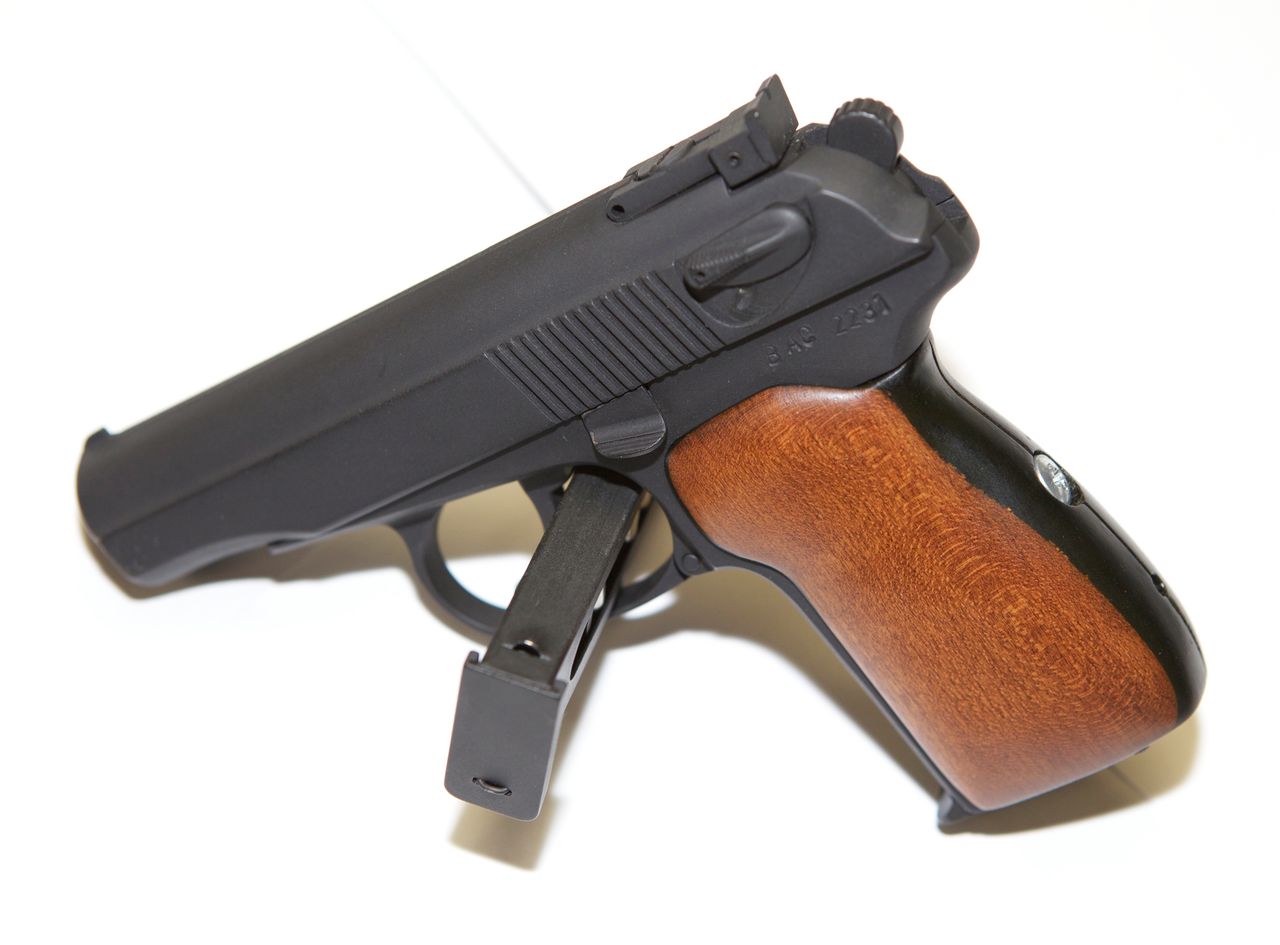
The Makarov PM looks almost aggressively simple. It is compact, all business, and finished with the kind of no-frills Soviet practicality that can make it seem like a basic surplus sidearm with little collector sparkle.
In reality, prices have climbed steadily as imports dried up and interest in Eastern Bloc firearms grew. Russian, East German, and Bulgarian variants all attract attention, with certain markings and factory origins carrying extra weight. What once felt like an affordable glove-box pistol now often brings a surprisingly stout used price, particularly when original magazines and military accessories are part of the package.
Star BM
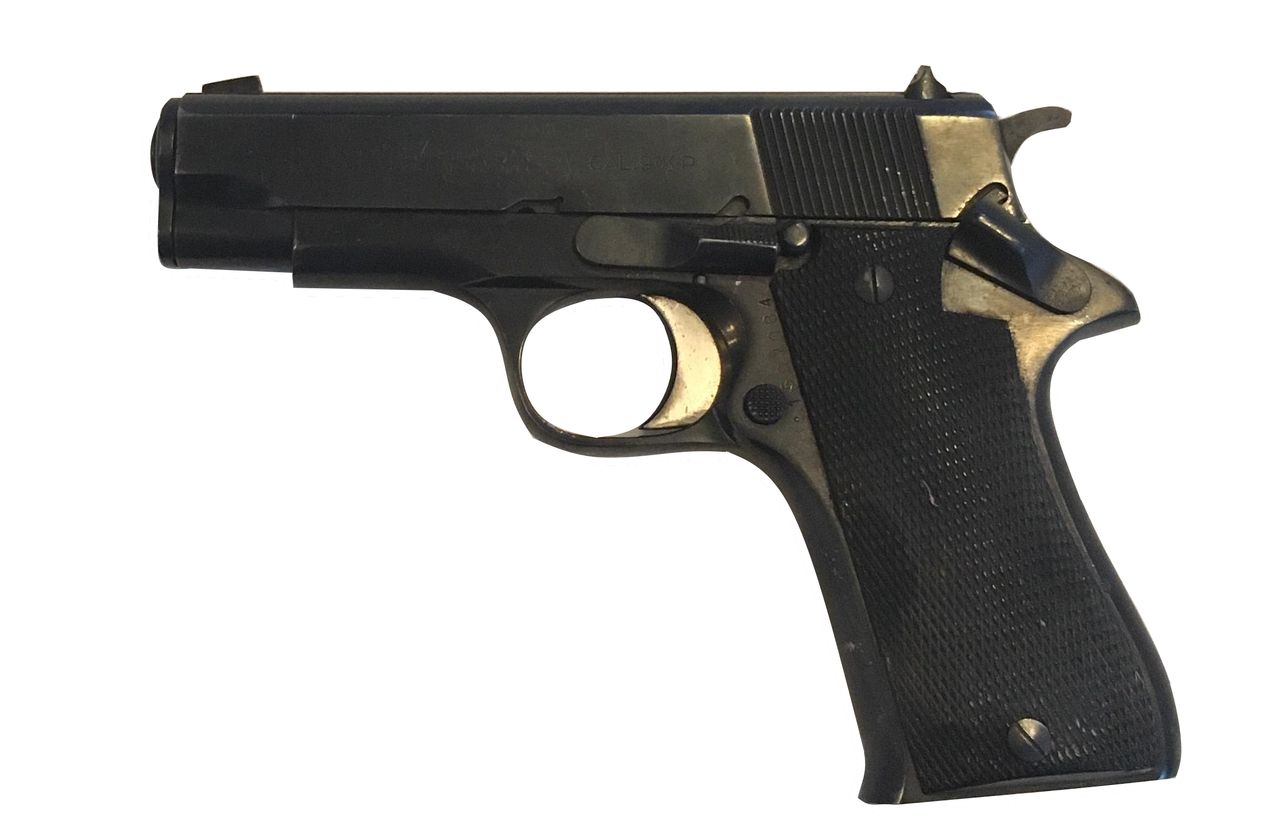
At a glance, the Star BM can pass for a humble 1911-inspired budget pistol. It lacks the prestige branding of Colt or Browning, and its compact Spanish-made profile tends to keep expectations low among buyers who are not already familiar with surplus handguns.
That modest image has helped hide its growing value. The Star BM has a solid reputation for shootability, all-steel construction, and old-school charm, and it is no longer in production. As cleaner imports became harder to find, used examples started attracting stronger bids. Pistols with sharp markings, intact finish, and original grips often sell far above what their plain appearance would lead you to expect.
Polish P-64
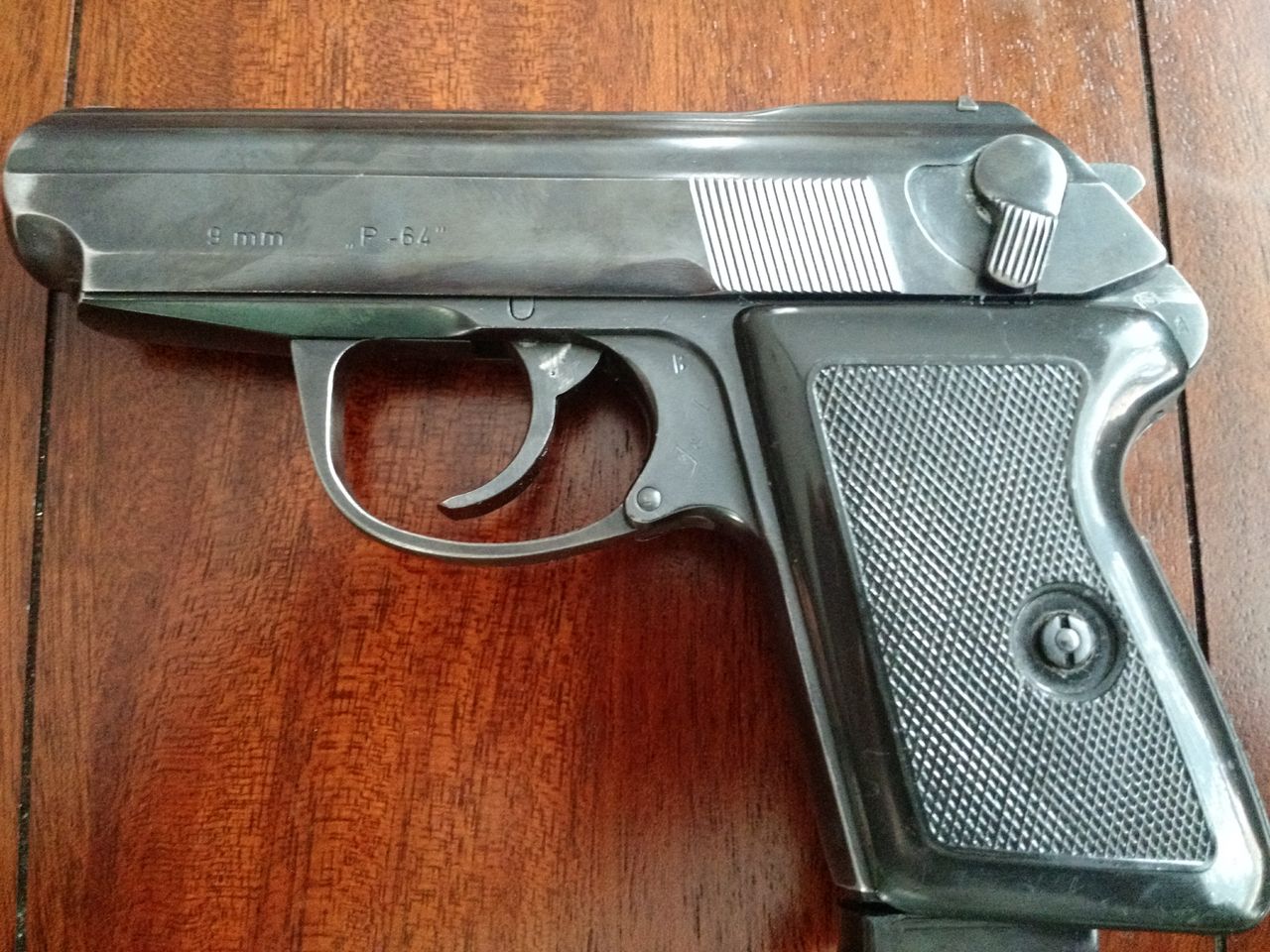
The Polish P-64 is small, angular, and unapologetically utilitarian. To many casual observers, it looks like the kind of inexpensive Cold War carry pistol that should still be hiding in bargain bins next to worn holsters and surplus magazines.
That is no longer the reality. The P-64 has become a favorite among military surplus enthusiasts who appreciate its compact size, all-steel frame, and distinct Warsaw Pact pedigree. As import waves slowed, values began to rise, especially for examples in very good condition. Original boxes, matching magazines, and crisp proof marks can push prices even higher, turning this stubby little pistol into a surprisingly expensive pickup.
Beretta 81 Cheetah
The Beretta 81 Cheetah has elegant lines, but in used racks it can still be mistaken for a dated police trade-in or a modest .32 ACP range gun. It lacks the visual drama of larger Berettas, and that tends to keep its profile lower than it deserves.
Collectors and shooters have pushed back against that underestimation. The 81 combines classic Beretta styling, excellent ergonomics, and a reputation for soft shooting, all in a platform that became more desirable as imports fluctuated. Nice examples, especially Italian police surplus guns with clean finish and intact sights, often bring prices that surprise anyone expecting a sleepy old compact pistol.
Smith & Wesson 39-2
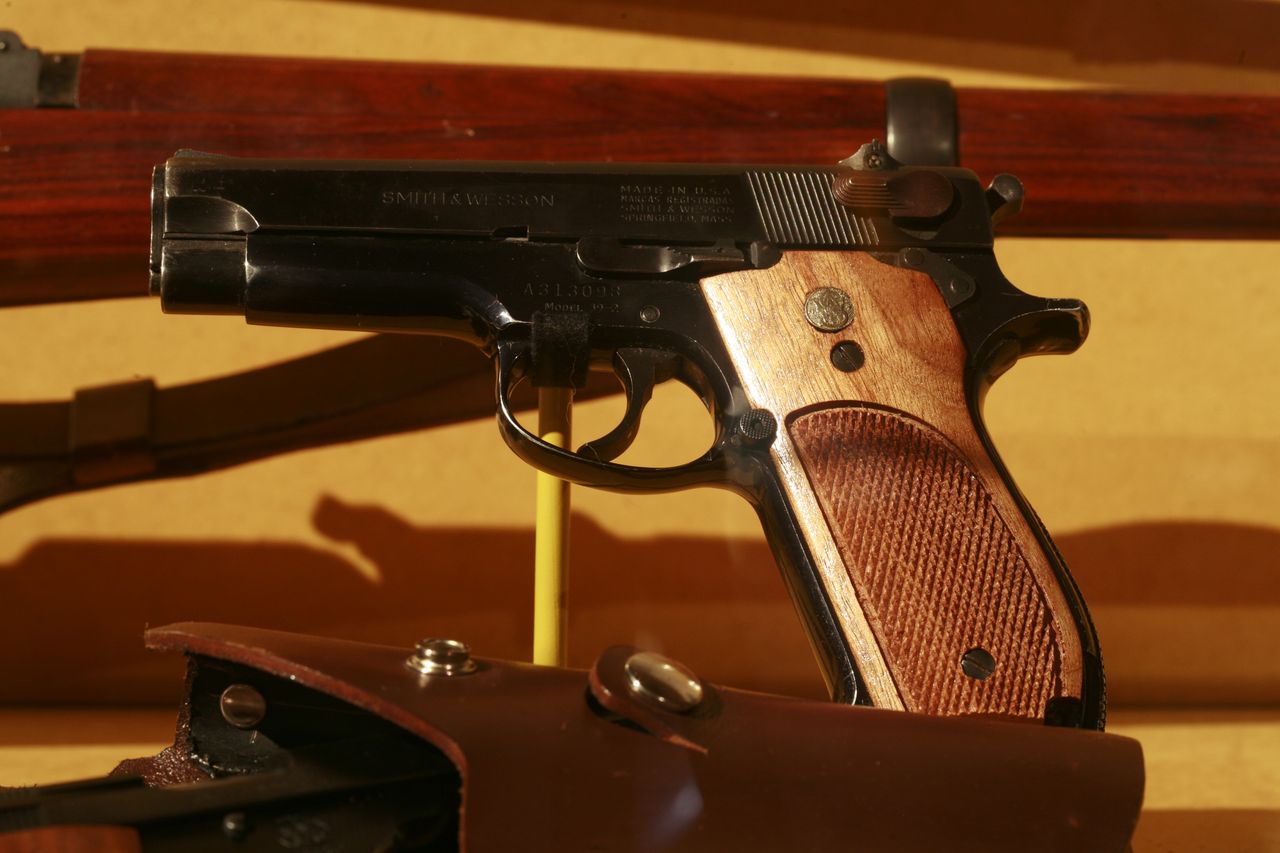
The Smith & Wesson 39-2 can look almost too ordinary for its own good. Its slim alloy frame and older double-action styling make it seem like a straightforward service pistol from another era, not the kind of gun people chase aggressively on the used market.
Yet its place in American semi-automatic pistol history gives it far more gravity than appearances suggest. The 39-2 helped define a major transition period for U.S. handguns, and interest has grown as enthusiasts look back at classic carry pistols. Original-condition examples with period-correct grips, boxes, or law enforcement provenance can command prices that feel unexpectedly strong for such a restrained design.
Radom P-64 and P-83 Pairings
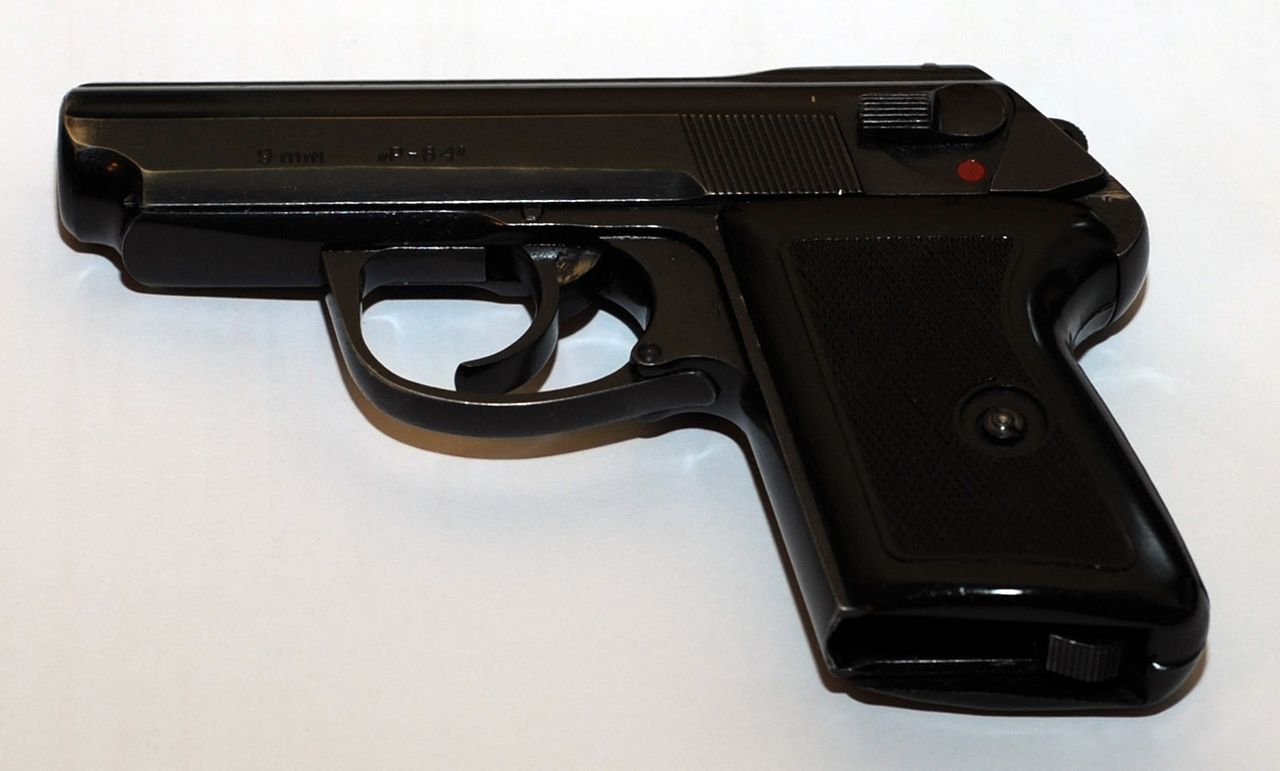
Individually, the Polish P-64 and the later P-83 often look like plain surplus holdovers. Put together, they can seem even less glamorous, like practical sidearms meant for a duty locker rather than a collector’s display case.
But pairings of related military pistols can command impressive money, especially when sellers offer matching accessories, holsters, and paperwork. Collectors enjoy tracing the evolution from one service model to the next, and complete sets appeal to buyers who want context, not just a single gun. That means a humble-looking surplus duo can sell for more than many polished commercial pistols with flashier finishes and more modern styling.