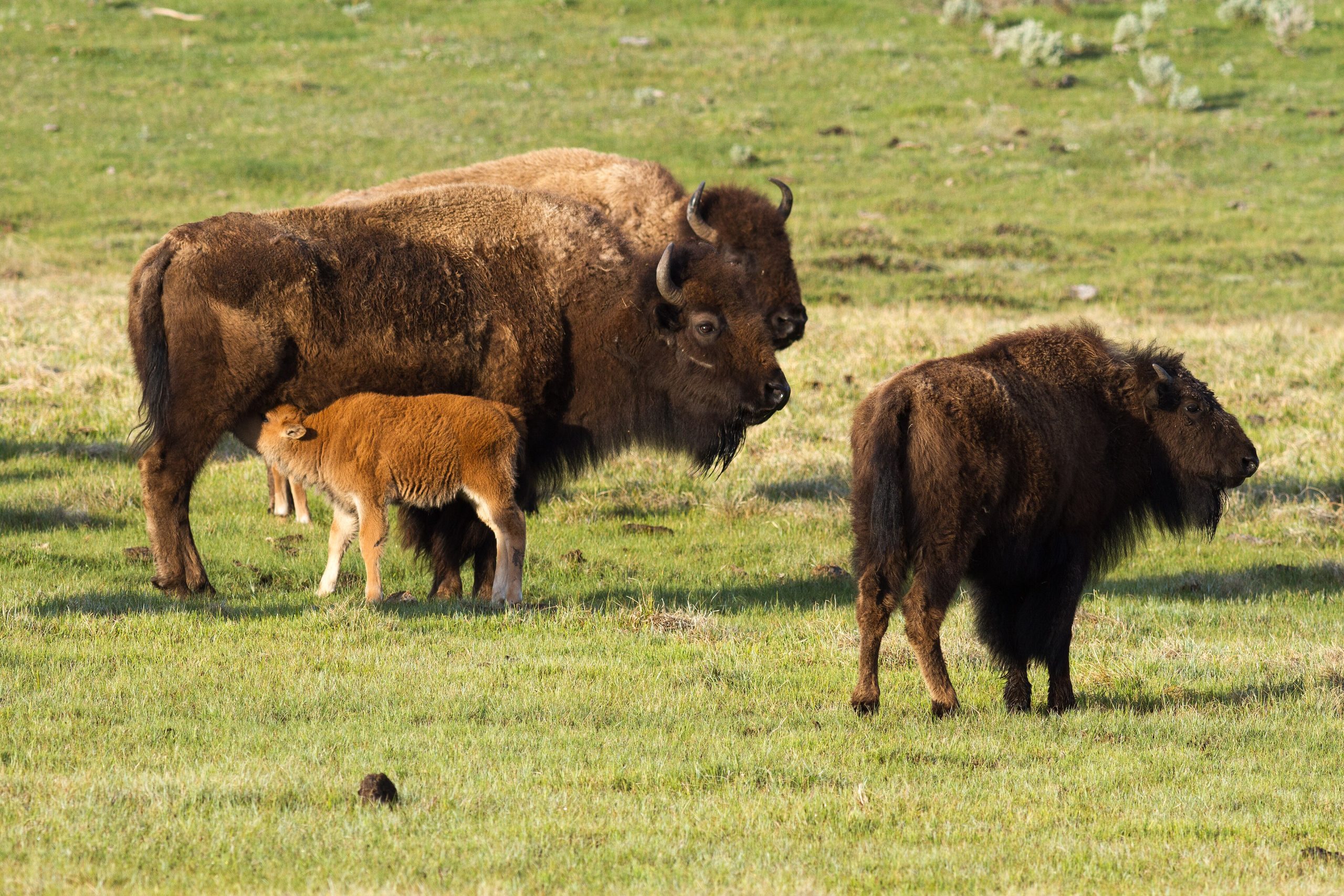
The American bison serves as a powerful symbol of resilience and conservation success across the Great Plains. Millions of these majestic beasts once roamed the continent before overhunting nearly drove them to extinction in the nineteenth century. Dedicated recovery efforts by government agencies and private ranchers have allowed populations to rebound significantly in specific regions. Travelers can now visit vast landscapes where thundering herds graze freely on native grasses just like their ancestors did. Identifying the best locations for viewing these animals helps wildlife enthusiasts plan their next adventure. These seven states maintain the largest bison numbers in the country.
South Dakota
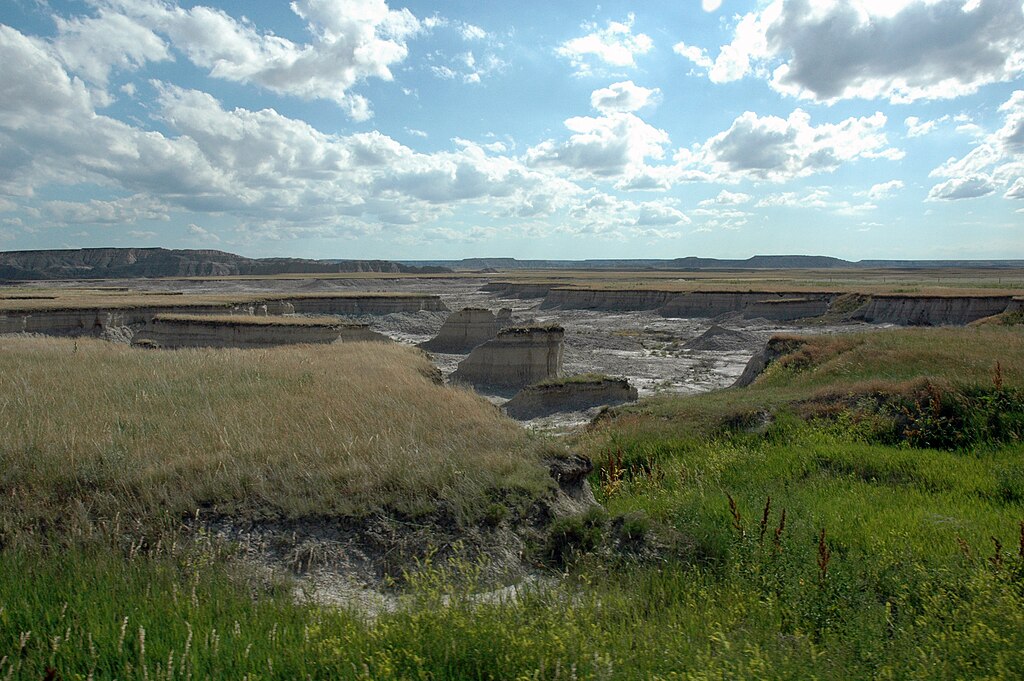
South Dakota proudly holds the title of having the largest bison population of any state in the entire nation. Custer State Park alone manages a world-famous herd of nearly one thousand three hundred animals that roam freely. Visitors travel from everywhere to witness the annual buffalo roundup, where cowboys and trucks corral the massive beasts for health checks. Private ranches throughout the state contribute significantly to the total numbers, which exceed thirty thousand individuals. This commitment to preservation ensures that the genetic lineage of these iconic creatures remains strong. The rolling Black Hills provide the perfect backdrop for viewing them.
Nebraska
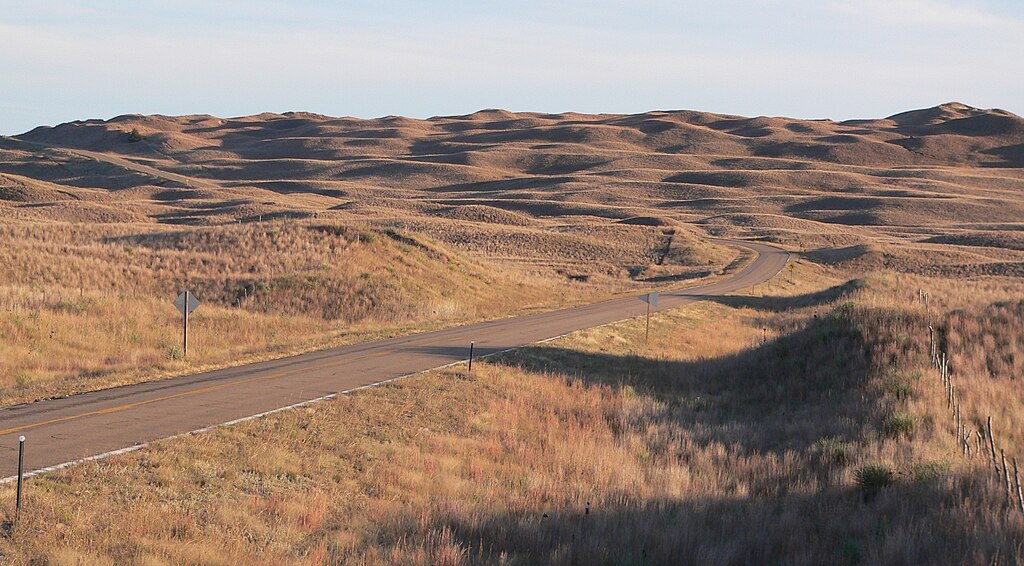
Nebraska ranks second in total bison numbers thanks largely to the vast and fertile Sandhills region in the north. This area offers ideal grazing conditions that support substantial herds managed by private landowners and conservation groups alike. The Fort Niobrara National Wildlife Refuge provides a protected sanctuary where visitors can observe these animals in a natural setting. Ranchers here have embraced the bison as a sustainable alternative to cattle, which helps restore the native prairie ecosystem. The industry continues to grow as demand for healthy grass-fed meat increases. Seeing them against the wide open sky is truly unforgettable.
Montana
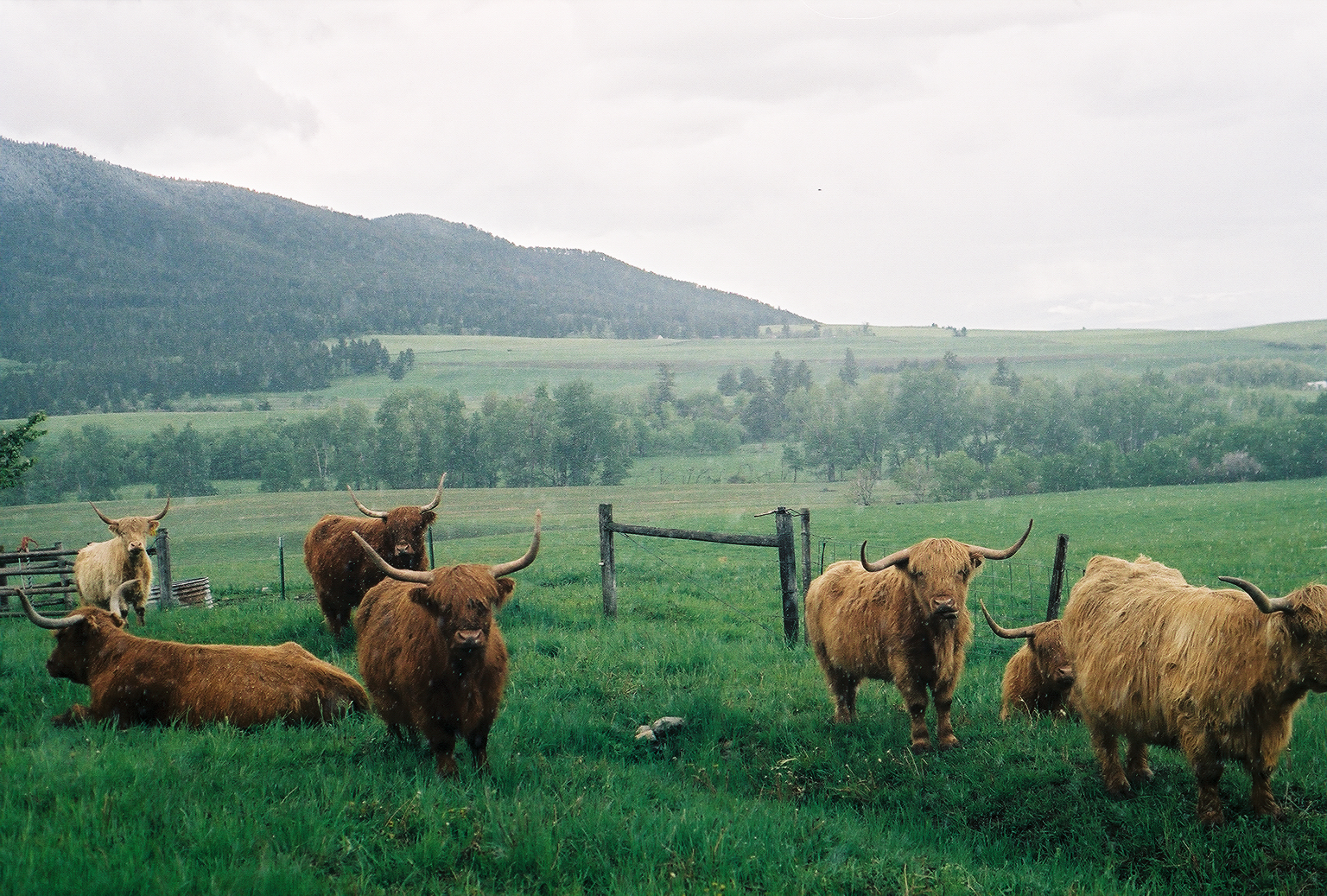
Montana is home to some of the most genetically pure wild bison left in existence today near Yellowstone. The American Prairie Reserve is working tirelessly to build the largest nature reserve in the lower forty-eight states for them. Tribal nations in Montana also manage growing herds to reclaim their cultural heritage and spiritual connection to the animal. The National Bison Range, established in nineteen hundred and eight, remains a critical refuge for population recovery efforts. Conservationists view this state as a vital stronghold for the future of the species. The rugged landscape offers a dramatic habitat for the herds.
North Dakota
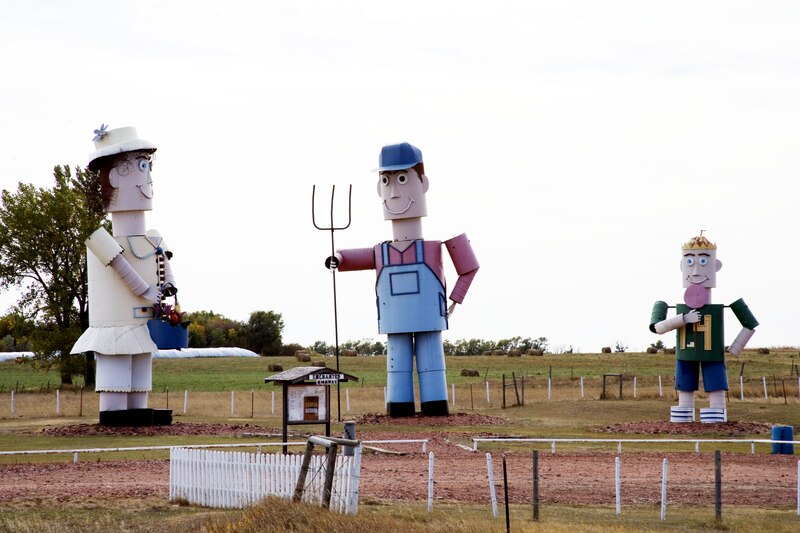
Theodore Roosevelt National Park in North Dakota safeguards a significant herd that roams the colorful and rugged badlands terrain. This specific population is managed carefully to maintain genetic diversity and overall health within the limited park boundaries. The state honors the bison as a symbol of the frontier spirit that defined its early history and settlement. Private ranches also play a major role in boosting the statewide numbers beyond just the public lands. Tourists driving the scenic loop road often encounter these massive animals blocking traffic. Their presence here is a living tribute to the legacy of conservation.
Colorado
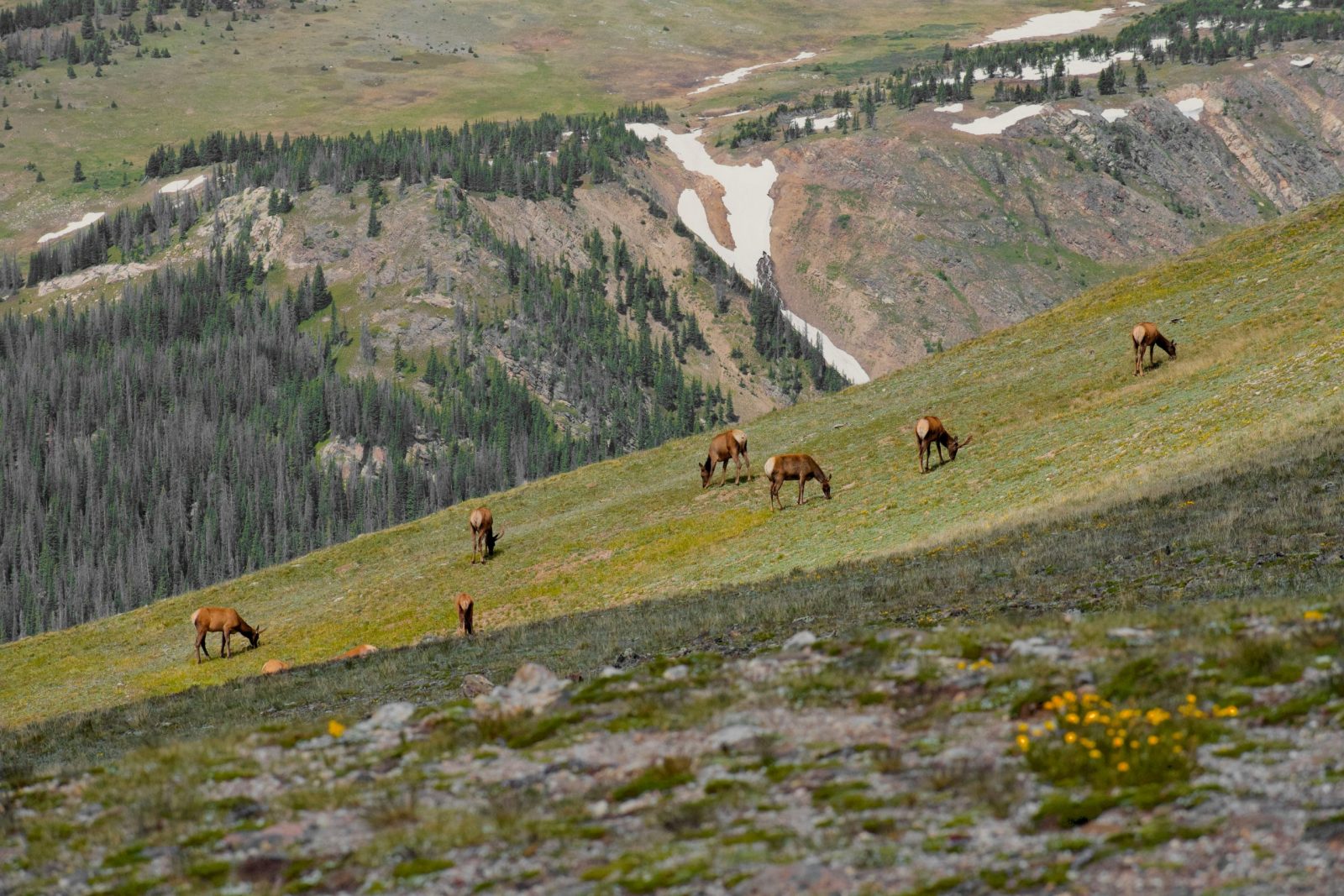
Colorado has made impressive strides in reintroducing bison to areas where they had been absent for over a century. The Rocky Mountain Arsenal National Wildlife Refuge, located just outside Denver, hosts a thriving herd near the city. This urban refuge allows thousands of people to see wild bison without traveling deep into the remote wilderness. The Nature Conservancy manages the Zapata Ranch, which focuses on conservation and maintaining the natural behaviors of the herd. These efforts prove that humans and bison can coexist even in more developed regions. The state continues to expand its role in preserving this national icon.
Wyoming
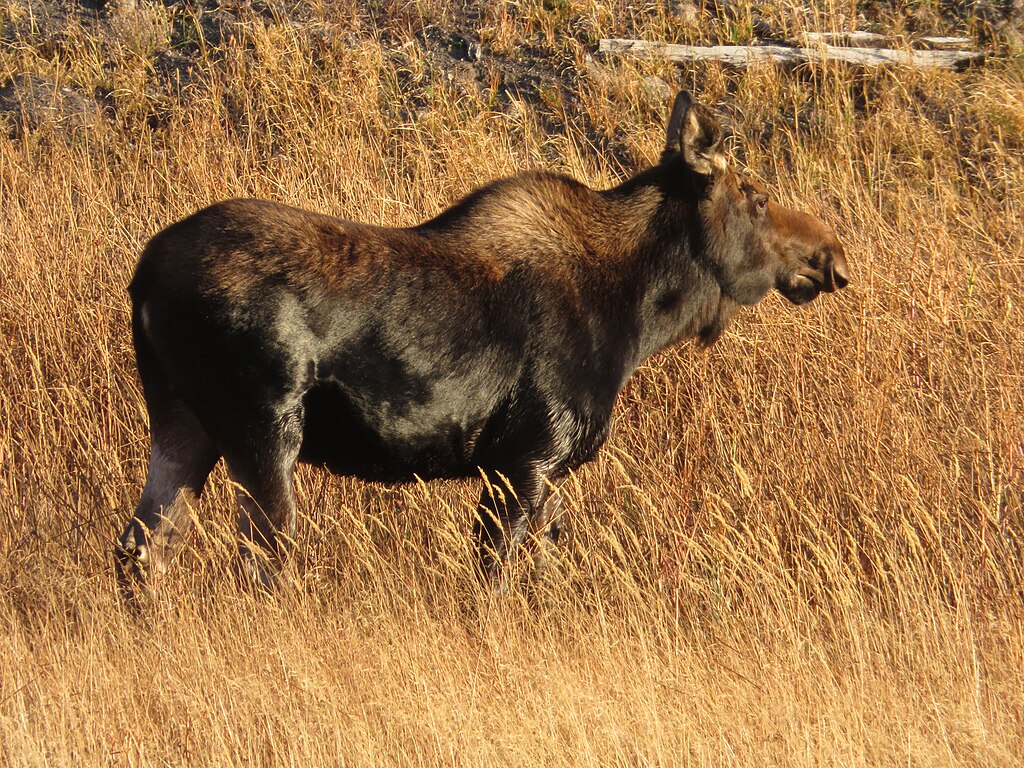
Wyoming is famously home to the Yellowstone National Park herd, which is the oldest continuously wild bison population in America. These animals have survived since prehistoric times without ever being extirpated by humans during the hunting era. The state manages the population carefully to prevent overgrazing and potential conflicts with neighboring cattle operations and landowners. Grand Teton National Park also supports a healthy herd that migrates across the stunning valley floor beneath the mountains. Viewing these prehistoric beasts in their original high-altitude habitat is a bucket list experience. They remain the undisputed kings of the wild Wyoming frontier.
Kansas

Kansas embraces its history as a central part of the original bison range with several key conservation herds. The Tallgrass Prairie National Preserve protects a remnant of the once-vast ecosystem that supported millions of these grazing giants. Maxwell Wildlife Refuge offers tram tours that take visitors right up close to the animals safely. Reintroducing bison to these lands helps maintain the health of the prairie by encouraging native plant growth and diversity. The state animal is a source of pride for residents who value their pioneer heritage. Watching them graze on the open plains evokes a deep sense of history.