Built for emergency use, the Springfield Armory M6 Scout was never meant to be a glamorous firearm. It was a hard-use tool created for one very specific problem: helping downed aircrew stay alive until rescue arrived. Its unusual design packed several survival-minded advantages into one compact package, and that is exactly what made it memorable.
A compact gun that fit survival kits

One of the M6 Scout’s biggest selling points was simple portability. Downed pilots and aircrew could not afford bulky gear, so a firearm that folded into a smaller, easier-to-stow shape made real sense in a cramped aircraft or survival pack.
The gun’s minimalist frame kept weight and bulk under control without giving up its basic job. In an emergency, that mattered more than comfort or style. The M6 Scout was built to ride along quietly until the worst happened, then become immediately useful when a crew found itself on the ground with limited supplies.
Two barrel choices in one tool
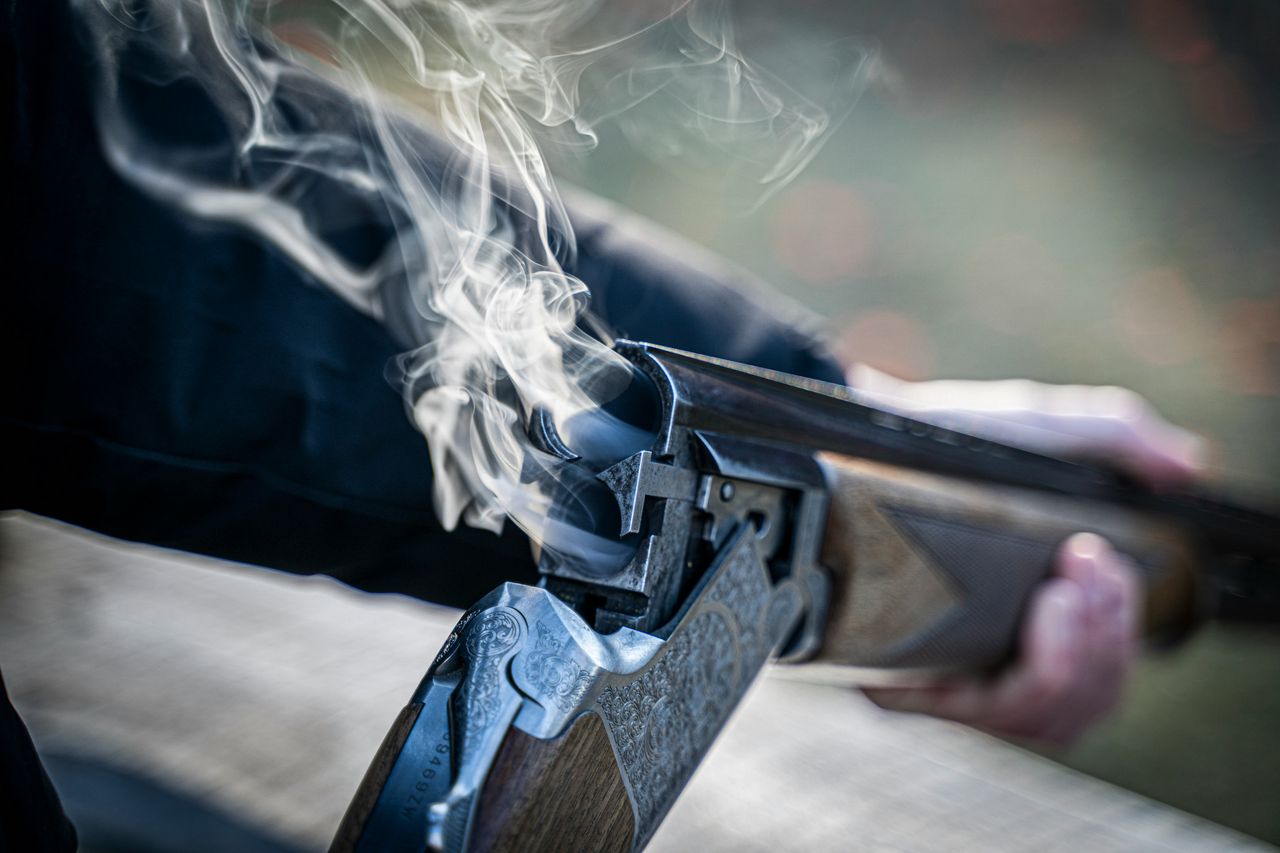
The M6 Scout gave users a versatile over-under setup, combining a .22 Hornet rifle barrel with a .410 shotgun barrel in the original military concept. That meant one firearm could handle different survival jobs instead of forcing a crew to choose between range and spread.
A small rifle round could help with more precise shots on game, while the shotgun barrel offered a practical option for birds or close targets. For someone stranded and trying to stretch every advantage, that dual-purpose design was the whole point. It turned a single emergency gun into a more adaptable field companion.
Simple operation under stress

A downed aircrew member might be injured, exhausted, cold, or badly rattled. In that kind of moment, complicated gear becomes a liability. The M6 Scout’s straightforward break-action design offered a level of simplicity that was especially valuable when fine motor skills and clear thinking were in short supply.
There was little about the gun that invited confusion. Its controls and general layout reflected a survival-first mindset rather than a sporting one. That stripped-down approach could help someone get the firearm into action quickly, whether the task was taking small game, dealing with a threat, or simply making use of one dependable item in a chaotic situation.
Rugged construction for rough conditions

The M6 Scout was made for hard treatment, not display cases. Its exposed metal frame, utilitarian finish, and no-frills build reflected the realities of military survival gear, which had to tolerate transport, storage, and sudden use in unpleasant environments.
That kind of toughness was reassuring if you were stuck in wet, cold, dusty, or brush-filled terrain. A survival gun could not be delicate, and the M6 Scout did not try to be. Everything about it suggested durability over refinement. For aircrew who might crash far from support, ruggedness was not a bonus feature. It was one of the reasons the firearm existed at all.
A stock that carried spare ammunition

One especially practical touch was on-board ammunition storage in the stock. For a survival firearm, that was more than a neat trick. It meant a crew member could keep at least some extra rounds directly attached to the gun instead of hoping loose ammunition stayed organized during an emergency.
That kind of built-in convenience fit the M6 Scout’s whole philosophy. Every part of the design tried to make the gun more self-contained and ready for use with minimal fuss. In a real survival setting, reducing the number of separate items you had to track could make a meaningful difference, especially if gear had been lost, soaked, or scattered after a crash.
A firearm that packed down fast
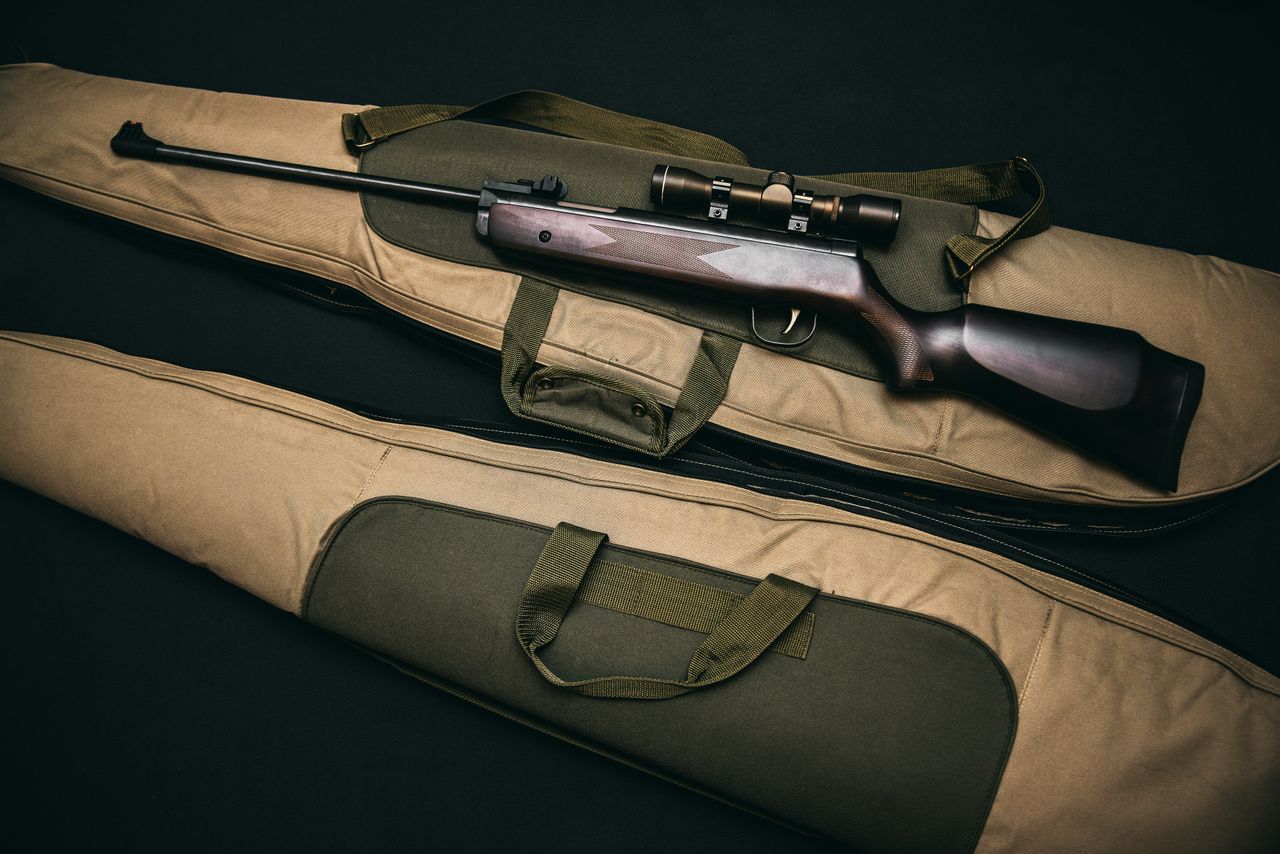
The M6 Scout’s ability to fold made it easier to carry, but it also helped with storage and transport in a broader sense. Space inside an aircraft survival setup was precious, and equipment that packed down neatly always had an edge over gear that demanded more room.
That folding profile also made the gun less obtrusive when not in immediate use. It could stay tucked away until needed, then be opened up when a survival task presented itself. For downed aircrew, that balance between readiness and compactness was a smart compromise. The M6 Scout was designed to be there when needed, not to get in the way beforehand.
Psychological reassurance in an emergency
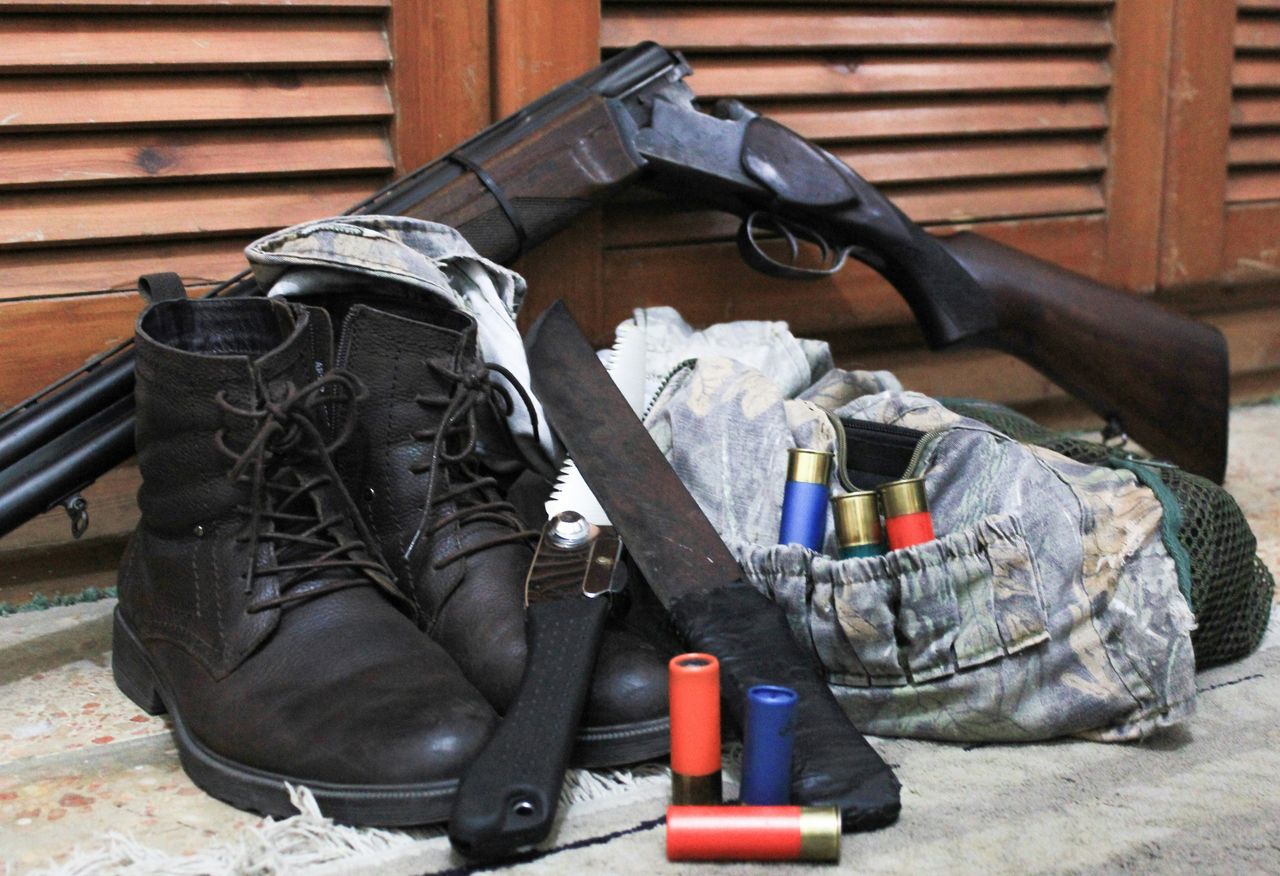
Not every benefit of the M6 Scout was purely mechanical. In a survival scenario, morale matters, and having a purpose-built tool on hand could offer a sense of control when nearly everything else felt uncertain. That confidence can be important when fear and fatigue start to take over.
The gun represented options. It could help procure food, respond to threats, and reinforce the feeling that a stranded crew was not entirely helpless. For downed aircrew waiting for rescue, that mental boost may have been as valuable as any individual feature. The M6 Scout was a small, practical object, but it carried a larger promise: you still had a fighting chance.