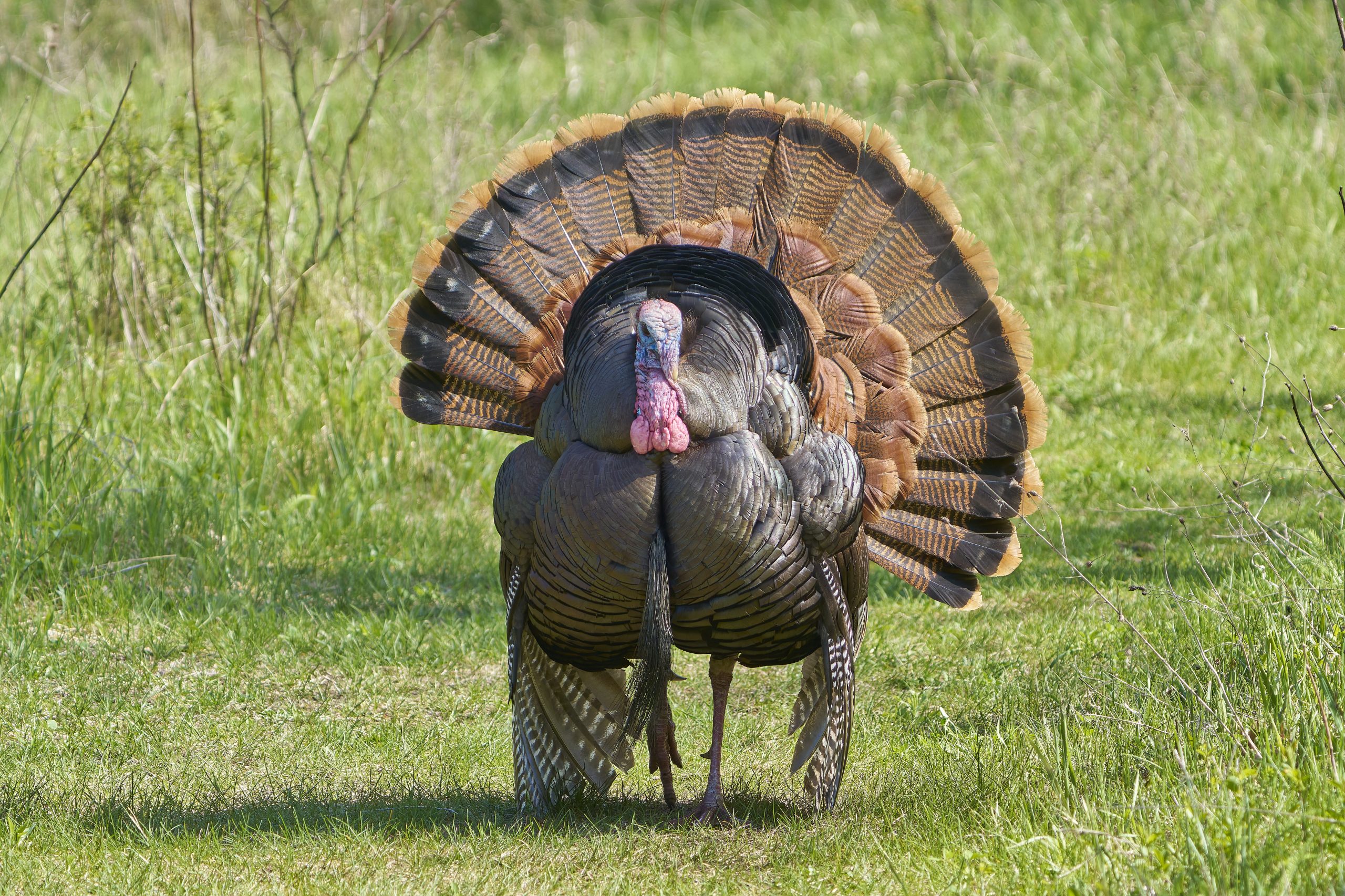
Wild turkey hunting demands far more than finding fresh tracks or hearing a gobble at daybreak. These birds combine sharp eyesight, excellent hearing, cautious behavior, and an uncanny ability to disappear into ordinary woodland cover. Even a hunter who understands turkey habits can struggle when weather, terrain, calling, and flock movements refuse to cooperate. From the first distant gobble to the final moments of an encounter, success depends on patience, observation, and knowing when a bird’s behavior does not match expectations. Here are 7 challenges that make wild turkey hunting so demanding.
1. Exceptional Eyesight Makes Every Movement a Risk
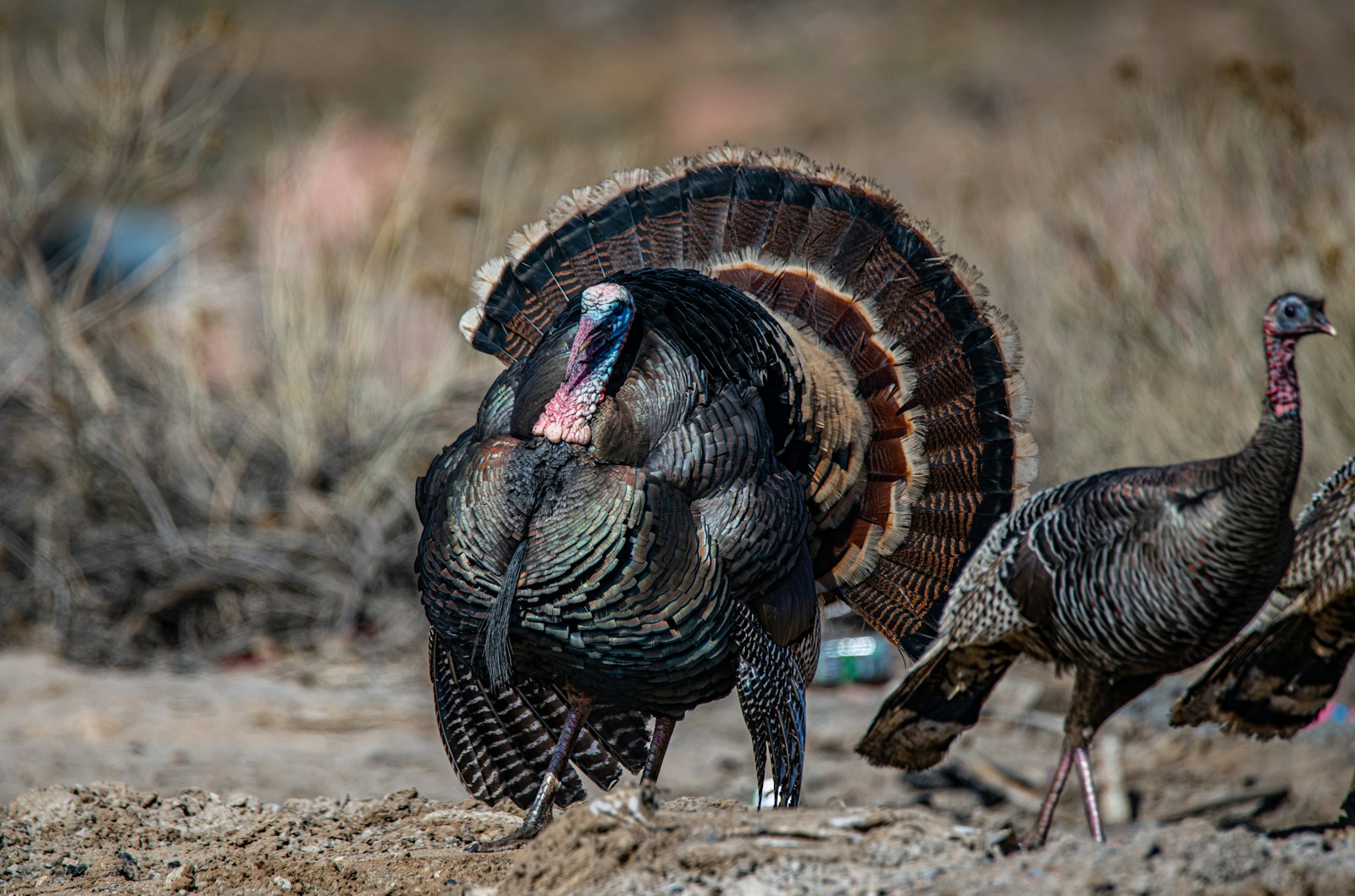
A wild turkey’s eyesight is one of the biggest obstacles hunters face. Its side-positioned eyes provide a remarkably wide field of view, and the bird can detect movement that blends easily into the background for a person. Turkeys also see colors and can process visual details quickly, making a slight head turn or shifting arm potentially noticeable. Their vision is especially effective in daylight, when subtle movement stands out. Even after spending 30 minutes sitting quietly, a hunter can lose an opportunity through one careless motion.
2. Their Hearing Makes Quiet Approaches Difficult
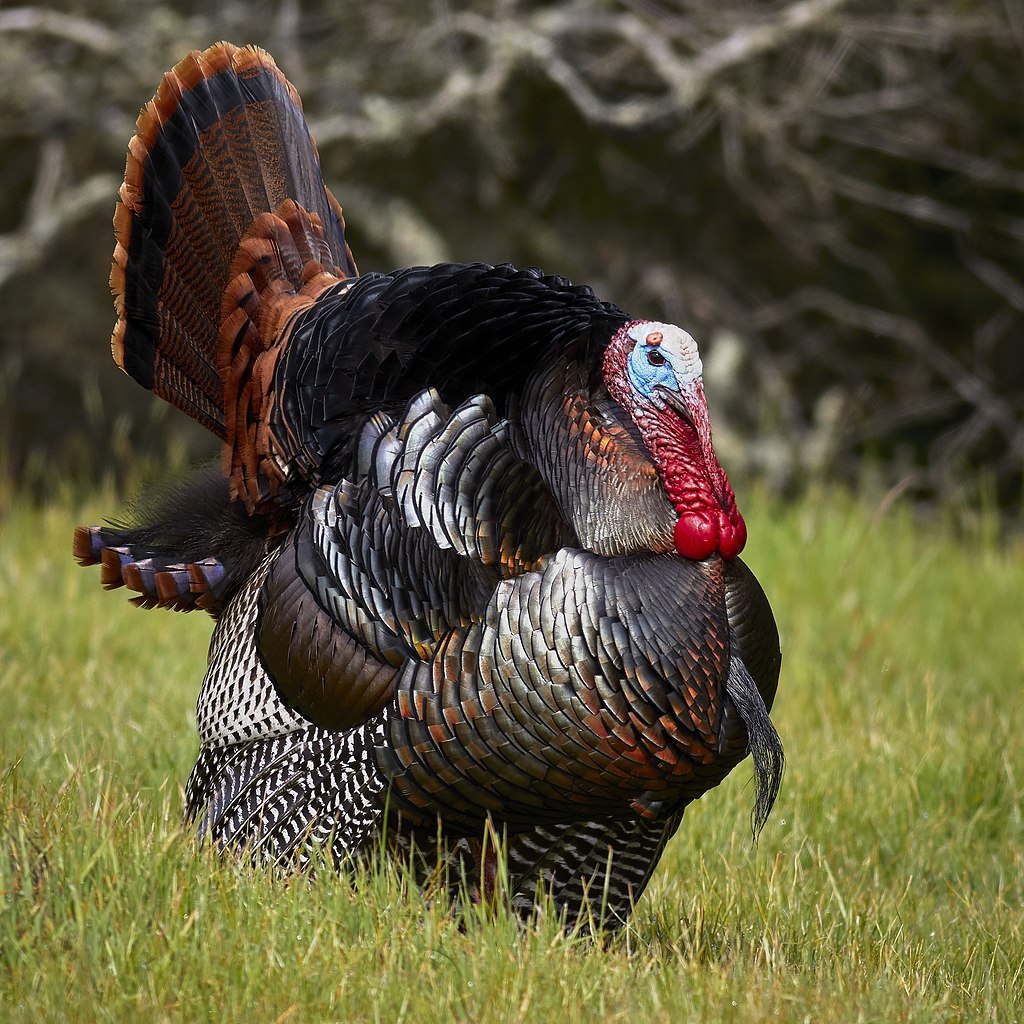
Wild turkeys use hearing to complement their excellent eyesight, helping them notice unfamiliar sounds and identify where those noises originate. A boot scraping a dry leaf, equipment tapping against a tree, or a branch snapping can draw a bird’s attention before the hunter realizes anything has changed. Their hearing is believed to detect certain low-frequency sounds and distant noises effectively, although precise comparisons with human hearing remain uncertain. With 2 major senses working together, turkeys can react quickly to possible danger, making a quiet approach across noisy woodland particularly challenging.
3. Turkey Calls Do Not Always Produce the Expected Response
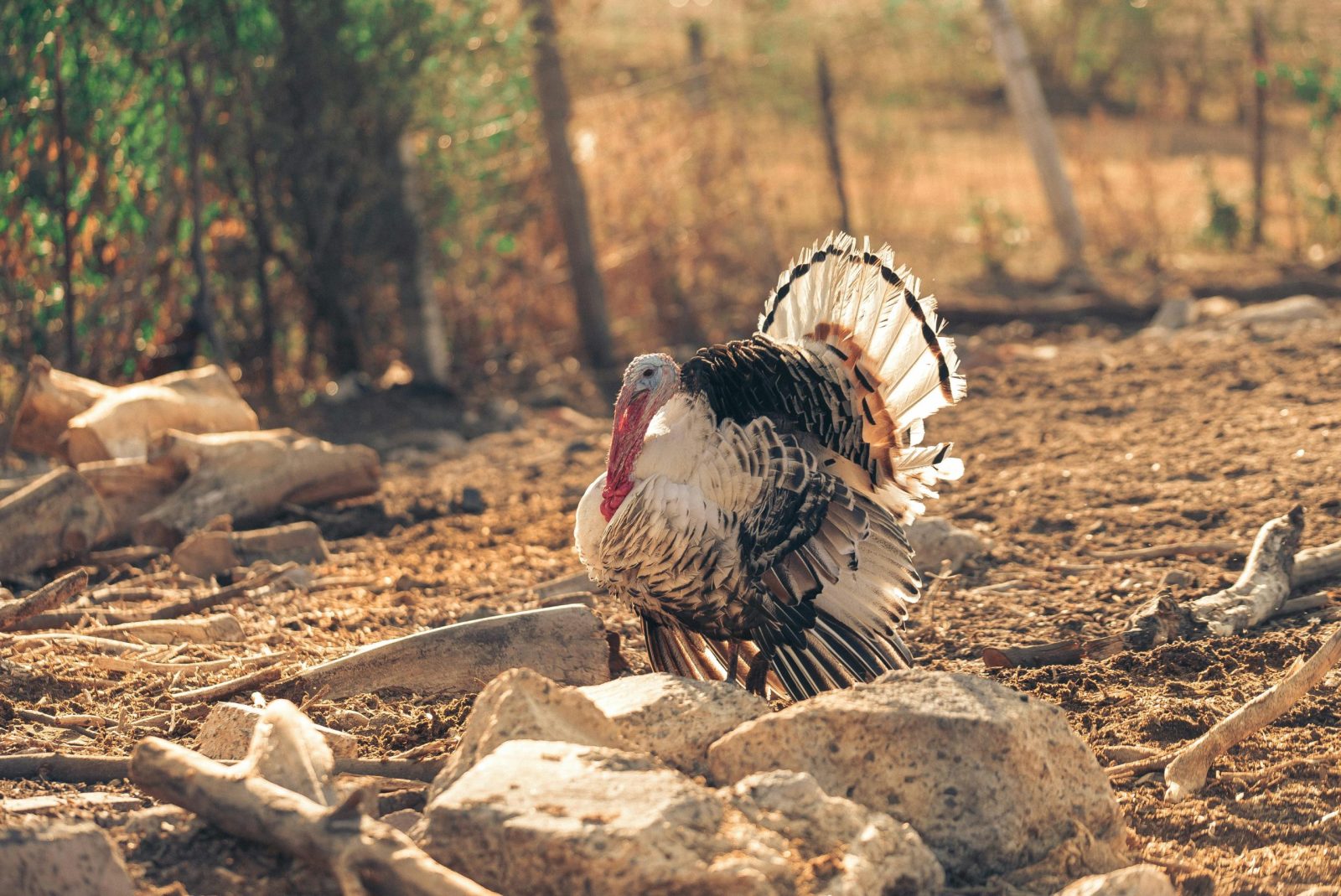
Calling is an essential part of many turkey hunts, but even a convincing sound cannot guarantee that a gobbler will approach. Wild turkeys communicate through numerous vocalizations, including gobbles, clucks, and yelps, and their responses depend on social behavior and circumstances. A male may answer repeatedly without moving closer, remain silent, or follow a different route. The National Wild Turkey Federation describes a vocabulary containing as many as 30 different sounds. Reproducing a few familiar calls is therefore only one part of the challenge; interpreting a bird’s response is equally important.
4. Weather Can Change Gobbling Activity Dramatically
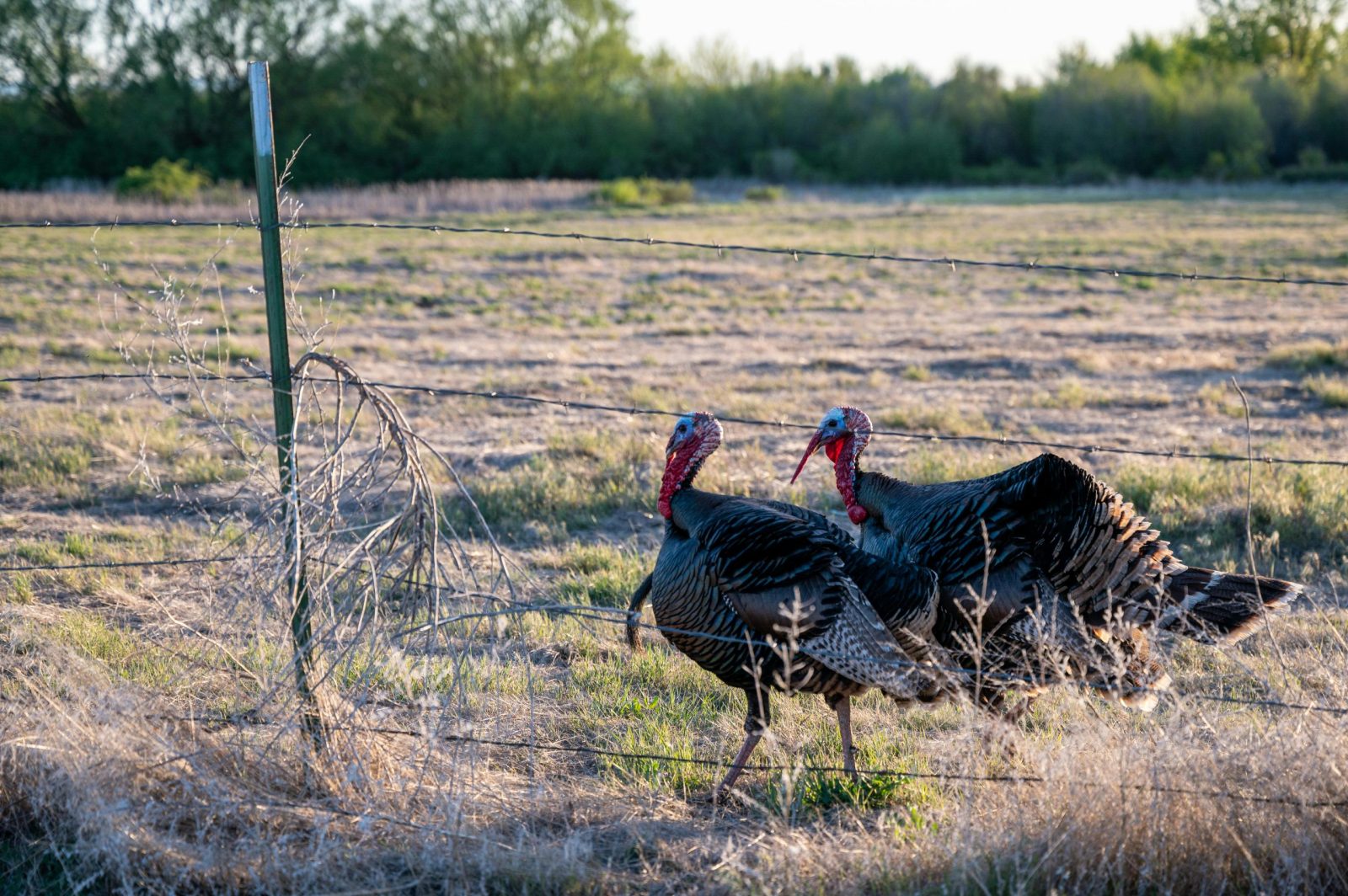
A morning that seems perfect for hunting can become frustrating when rain or strong wind changes turkey behavior. Research discussed by the National Wild Turkey Federation found that gobbling activity often declined as wind speeds rose above 6 mph, with very few gobbles recorded when winds exceeded 12 mph in one study. Rain can also suppress vocal activity, making birds harder to locate by sound alone. However, quiet woods do not necessarily mean turkeys have disappeared. Hunters must account for visibility, hearing conditions, and changing weather rather than relying on a single gobble to judge bird activity.
5. Dense Cover and Uneven Terrain Hide Birds
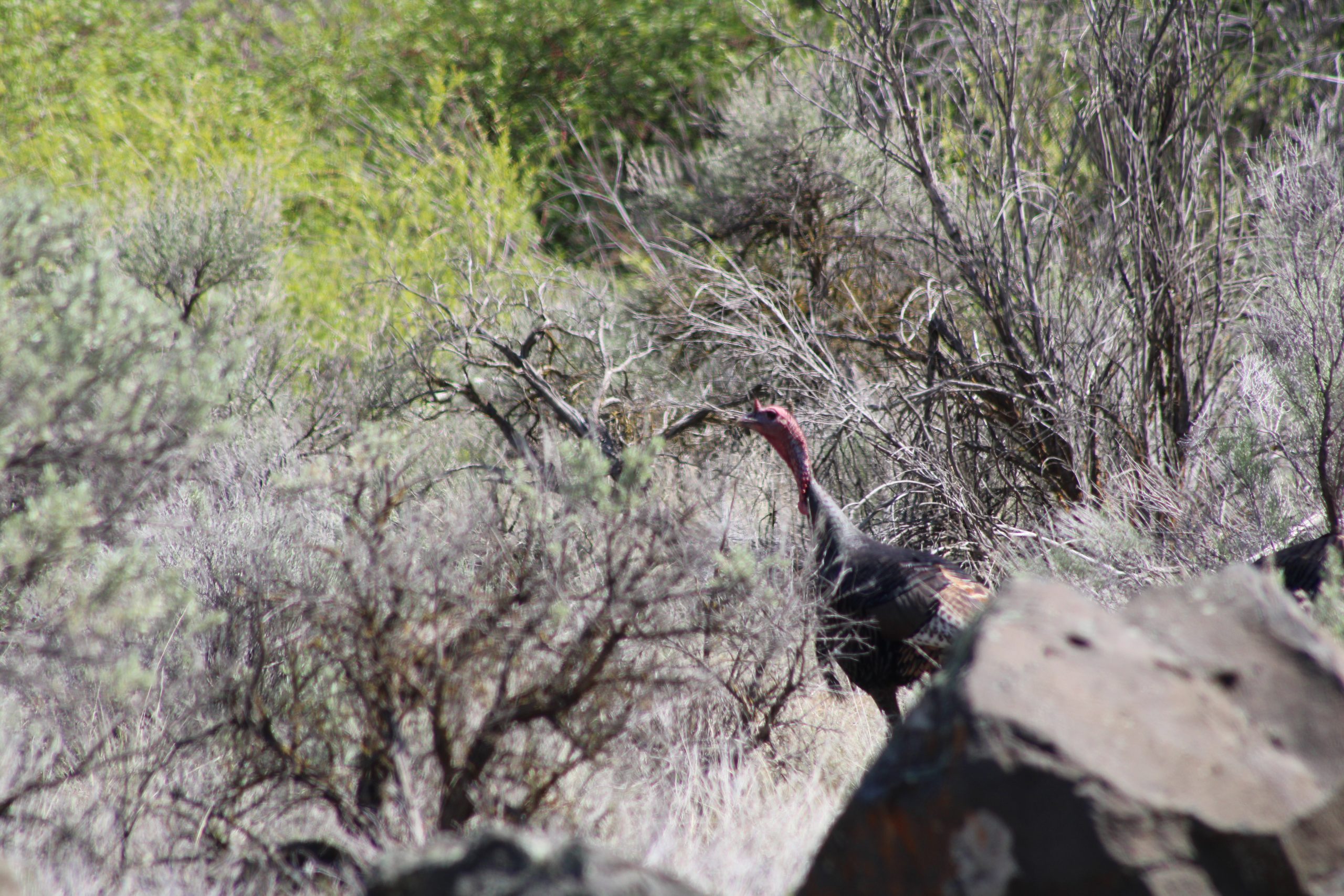
Wild turkeys can disappear surprisingly well in woodland, brush, rolling hills, and mixed forest edges. A bird moving behind a low ridge or through thick understory may become invisible even when it is relatively close. Terrain also affects how sound travels, so a gobble can seem farther away or come from a direction that is difficult to judge. A difference of just 20 yards in elevation or position can change what a hunter can see. Learning the landscape, identifying natural sight barriers, and understanding likely travel areas require observation and experience that cannot be replaced by calling alone.
6. Flock Behavior Makes Turkey Movements Unpredictable
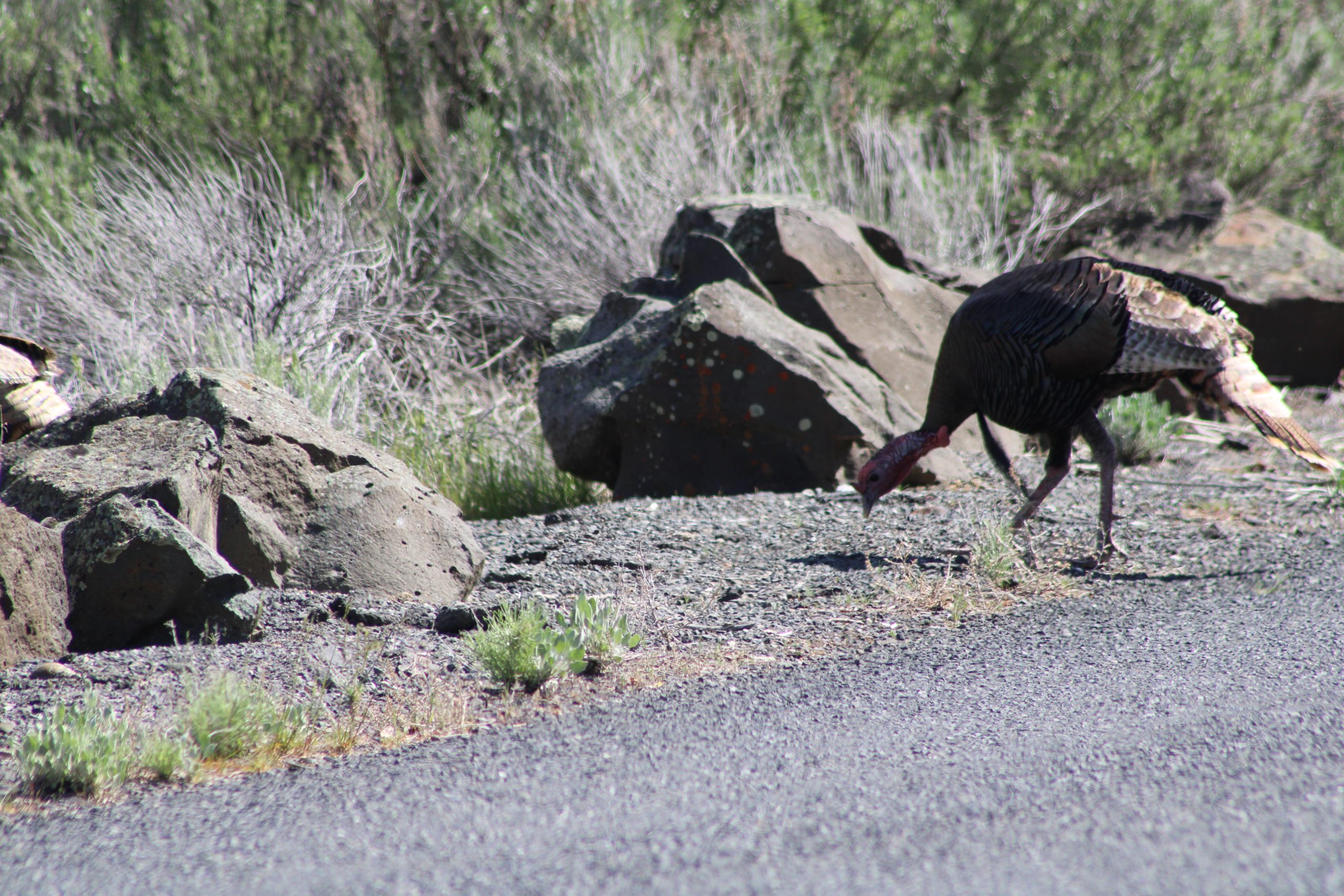
A hunter may focus on one gobbler without realizing that other birds are influencing its decisions. Hens, younger males called jakes, and dominant gobblers all contribute to changing flock dynamics. A male that initially responds to a call may stay with hens, follow competing birds, or change direction instead of approaching. During spring, breeding behavior adds another layer of uncertainty because a gobbler’s interest can shift with the availability of hens. Even a group of 4 or 5 turkeys may move through an area in a way that disrupts an otherwise promising encounter, leaving the hunter to reassess the situation.
7. Patience and Timing Are Essential for Success
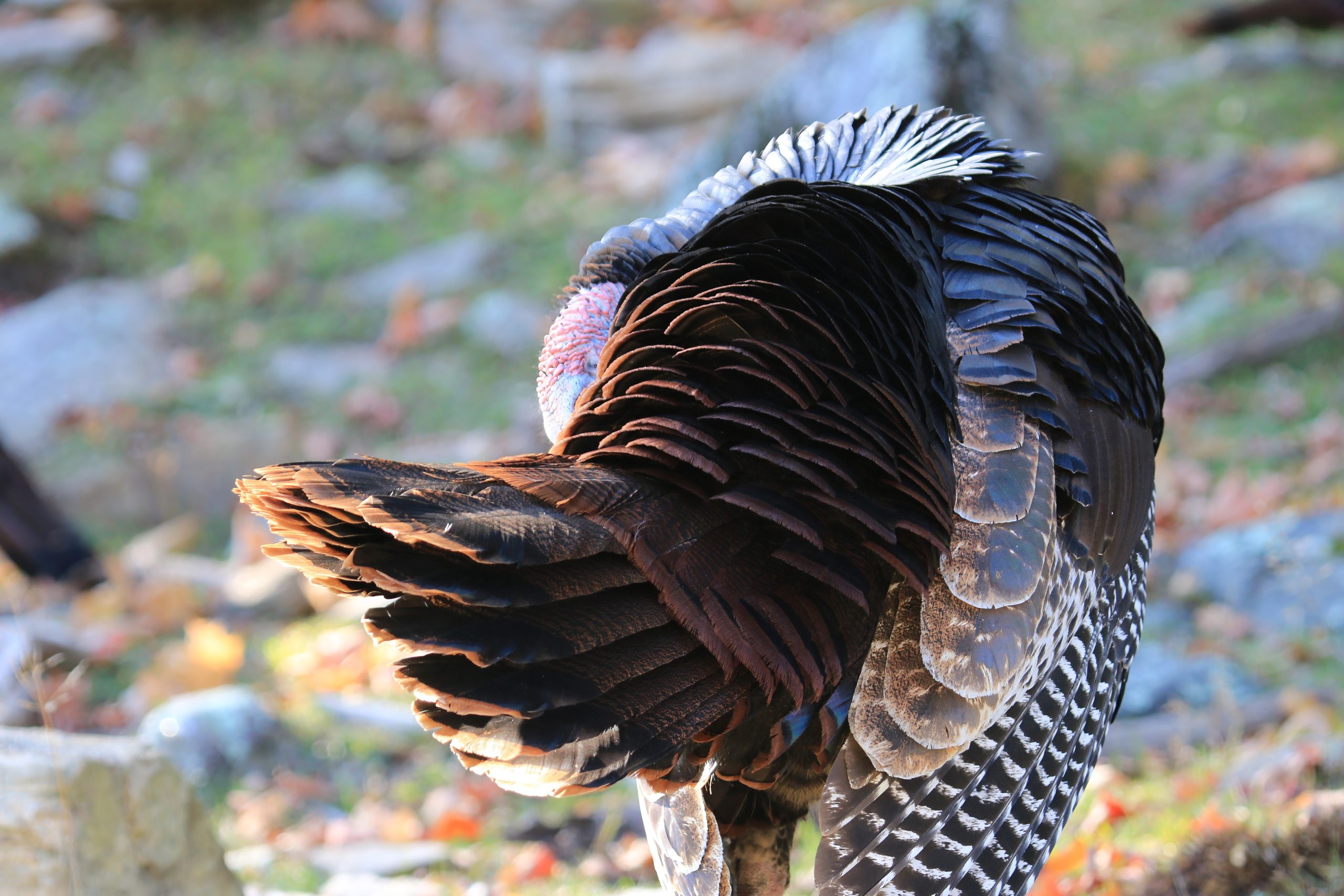
Wild turkey hunting rarely follows a predictable schedule, and a quiet morning can test even an experienced hunter’s patience. Research summarized by the National Wild Turkey Federation found that roughly 75% of observed gobbling occurred before sunrise and within the first hour afterward in one study. That pattern highlights the importance of early activity, but it does not guarantee that every bird will call or approach during that window. Weather, breeding behavior, and individual differences can alter the day’s prospects. Remaining attentive through changing conditions, following local regulations, and resisting rushed decisions are important parts of a responsible hunt.