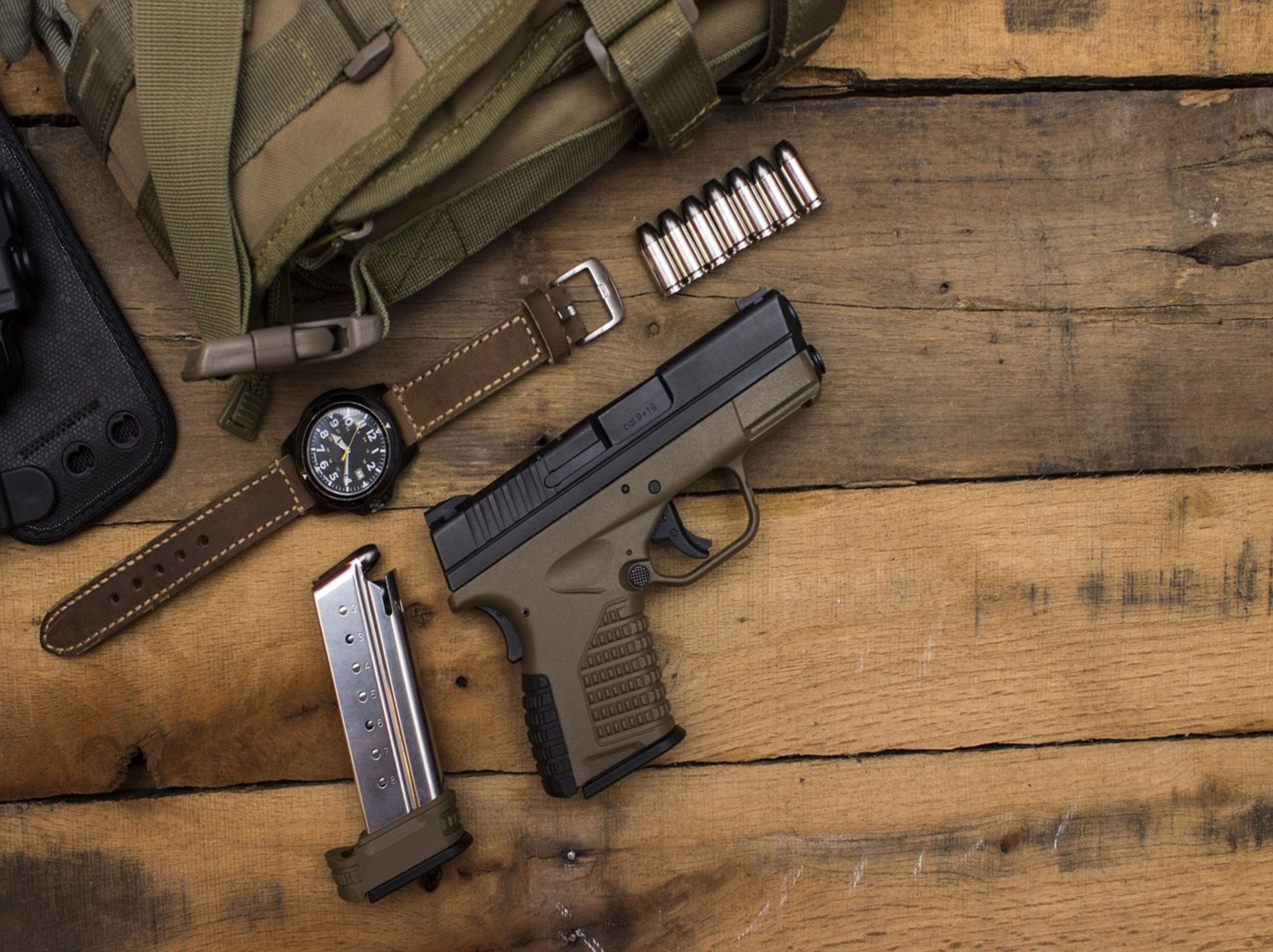
The Springfield Armory XD became one of the most recognizable challengers to Glock during the rise of polymer-framed striker-fired pistols. Its story, however, is more interesting than a simple rivalry. The design originated in Croatia as the HS2000 before Springfield brought it into the American market under the XD name. From its distinctive safety arrangement to its expanding lineup of sizes and chamberings, the XD offered buyers a credible alternative with a personality of its own. Here are 8 key chapters that explain why the pistol became such a durable competitor.
1. It Wasn’t Born in America
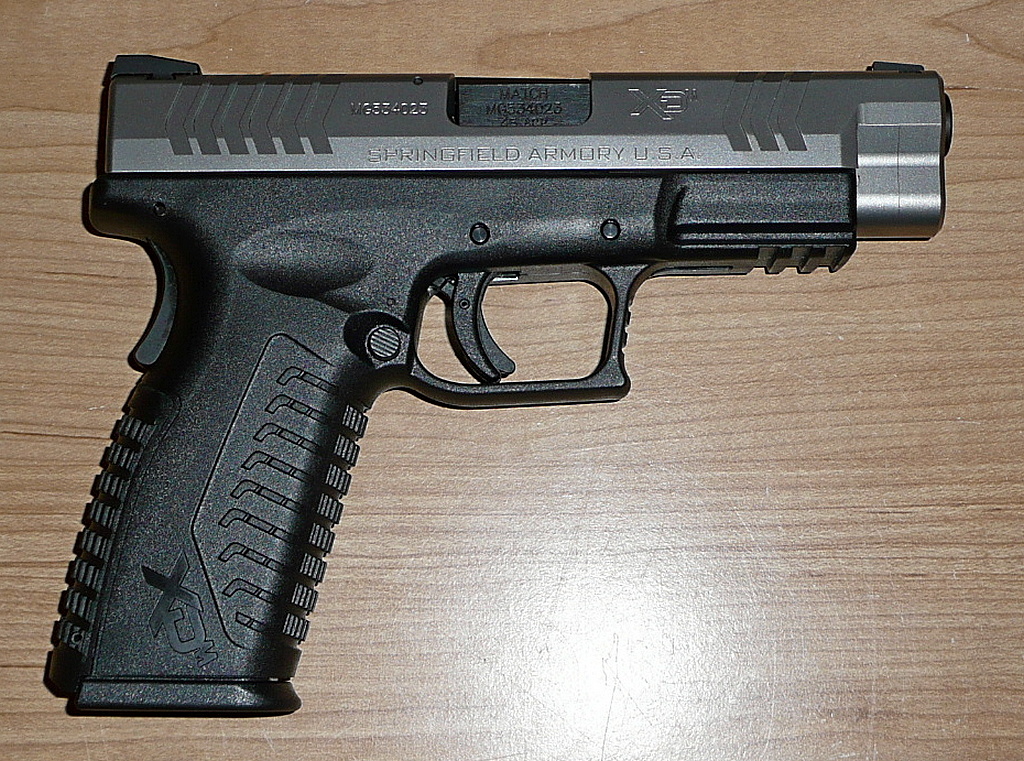
The XD’s American story actually began in Croatia. Developed by HS Produkt as the HS2000, the polymer-framed, striker-fired pistol entered production in 1999 and was adopted for Croatian military and police use. Springfield Armory secured U.S. licensing rights in 2002 and rebranded it as the XD, short for eXtreme Duty. That change gave a relatively young European design a powerful American distribution network. The result was unusual: a pistol that looked familiar to Glock buyers, yet arrived with its own identity, safety system, proportions, and growing range of chamberings. Its origin story remains central to understanding why the XD stood apart.
2. A Different Safety Philosophy
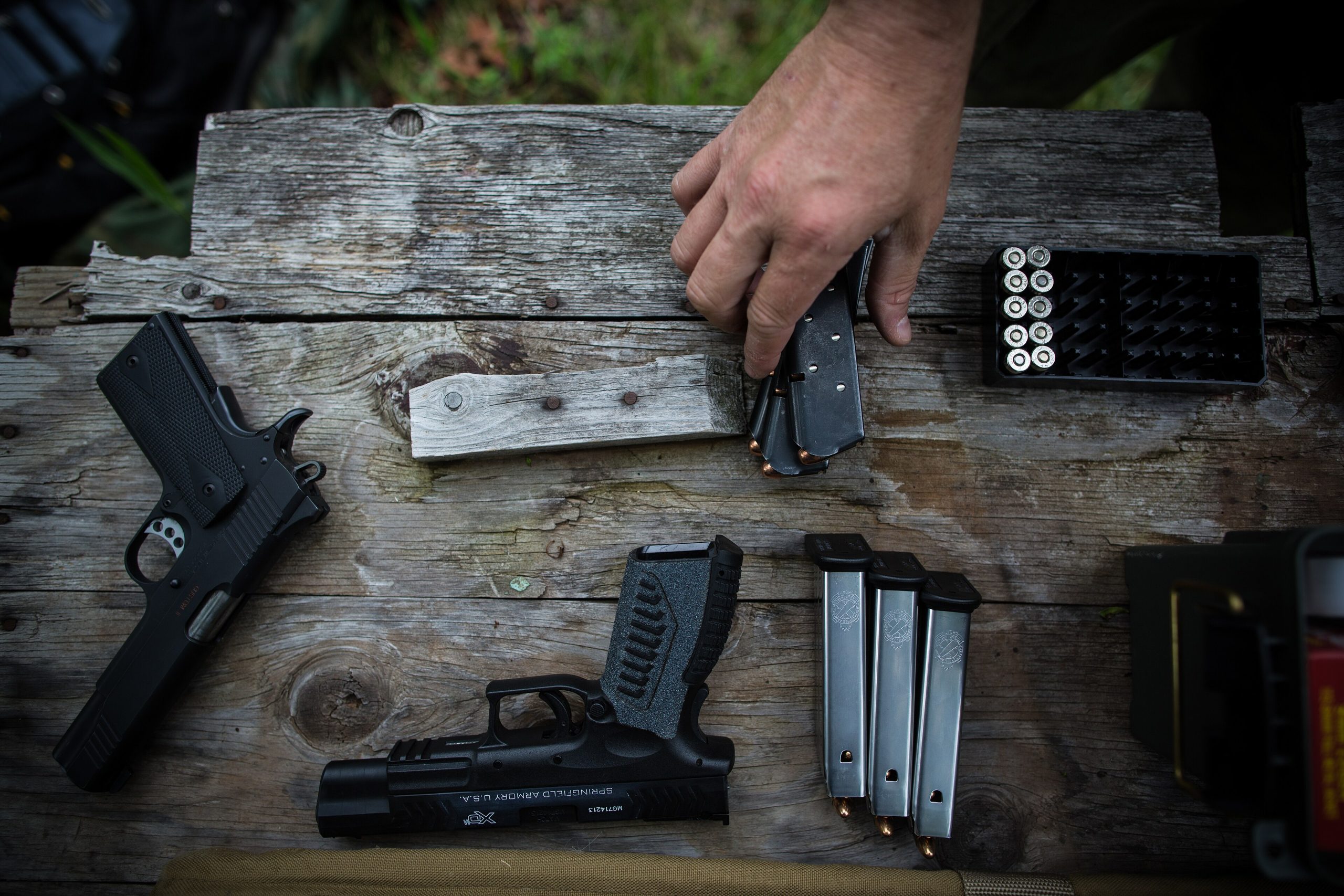
One of the XD’s most recognizable departures from the Glock formula was its grip safety. The rear-mounted lever must be depressed by a proper firing grip, while the trigger incorporates an articulated safety and the pistol also uses an internal striker block. Springfield grouped these features under its Ultra Safety Assurance, or USA, system. This gave the XD a distinctive identity without adding a conventional thumb lever to standard models. For buyers who wanted a striker-fired pistol but preferred multiple passive safety layers, that difference became one of the XD’s strongest selling points. For many buyers, that was a meaningful point of differentiation.
3. It Offered a Familiar, Comfortable Shape
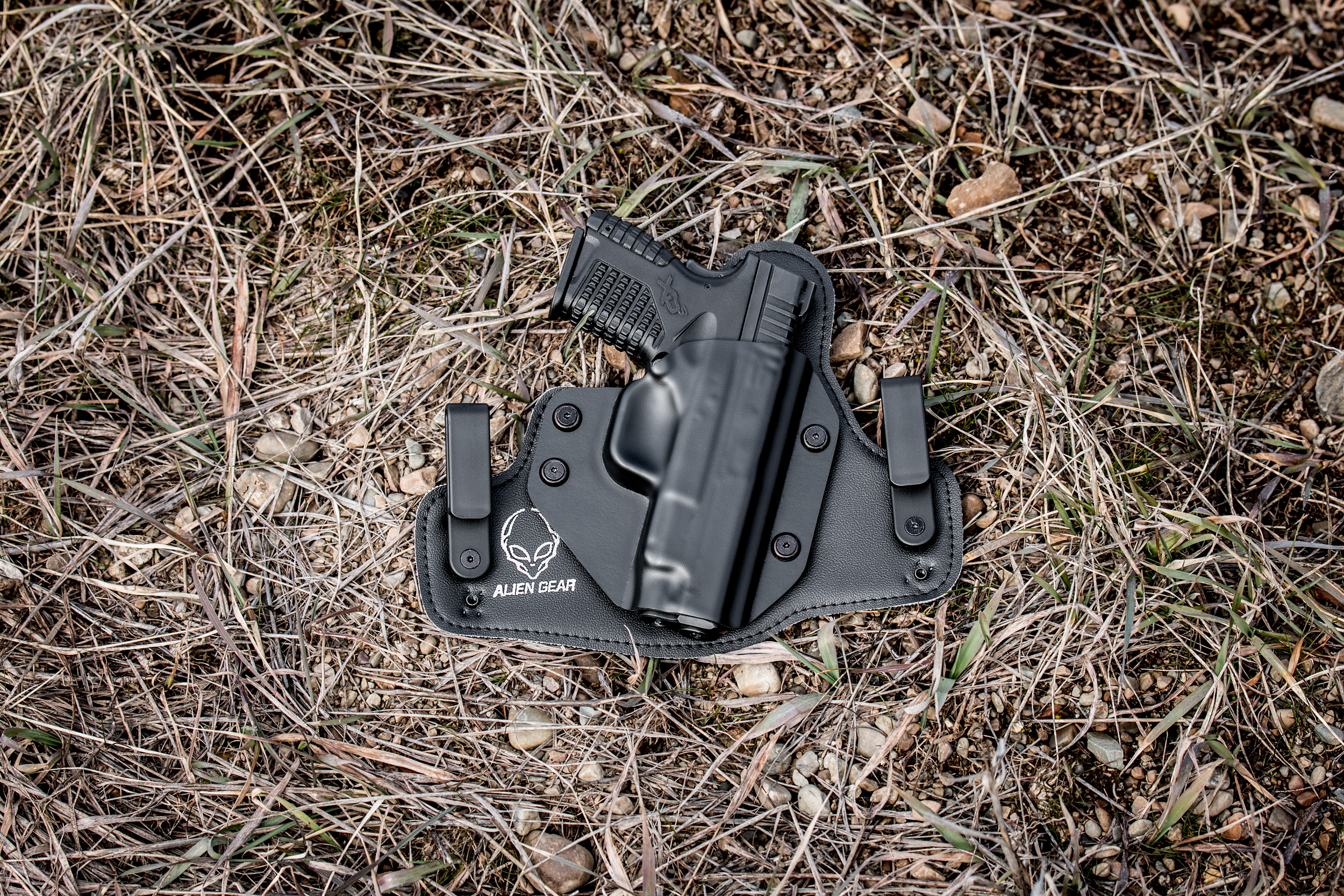
The XD arrived with dimensions and handling characteristics that made sense to shooters already accustomed to modern service pistols. A full-size 9mm XD commonly used a 4-inch barrel and a 16-round magazine, giving it a useful balance between duty-sized proportions and manageable overall size. Its grip angle, molded contours, textured surfaces, and relatively short trigger reach were designed around practical handling rather than radical styling. That ergonomic approach mattered because Glock had already taught the market that polymer frames could be serious equipment. The XD’s answer was not to abandon that formula, but to make it feel different in the hand.
4. Springfield Turned One Pistol Into a Family

The XD became much harder to ignore because Springfield kept expanding the platform. Instead of leaving customers with one standard configuration, the company introduced full-size, service, tactical, and compact versions, along with several chamberings. The XD-M arrived in the late 2000s with a more competition-oriented design, while the XD-S later targeted the thin, single-stack concealed-carry market. At one stage, the broader XD family had grown to dozens of configurations. That strategy mirrored the way Glock built a catalog around related models, but Springfield gave its line different dimensions, controls, and feature packages to cover distinct roles.
5. It Went Beyond the Original 9mm
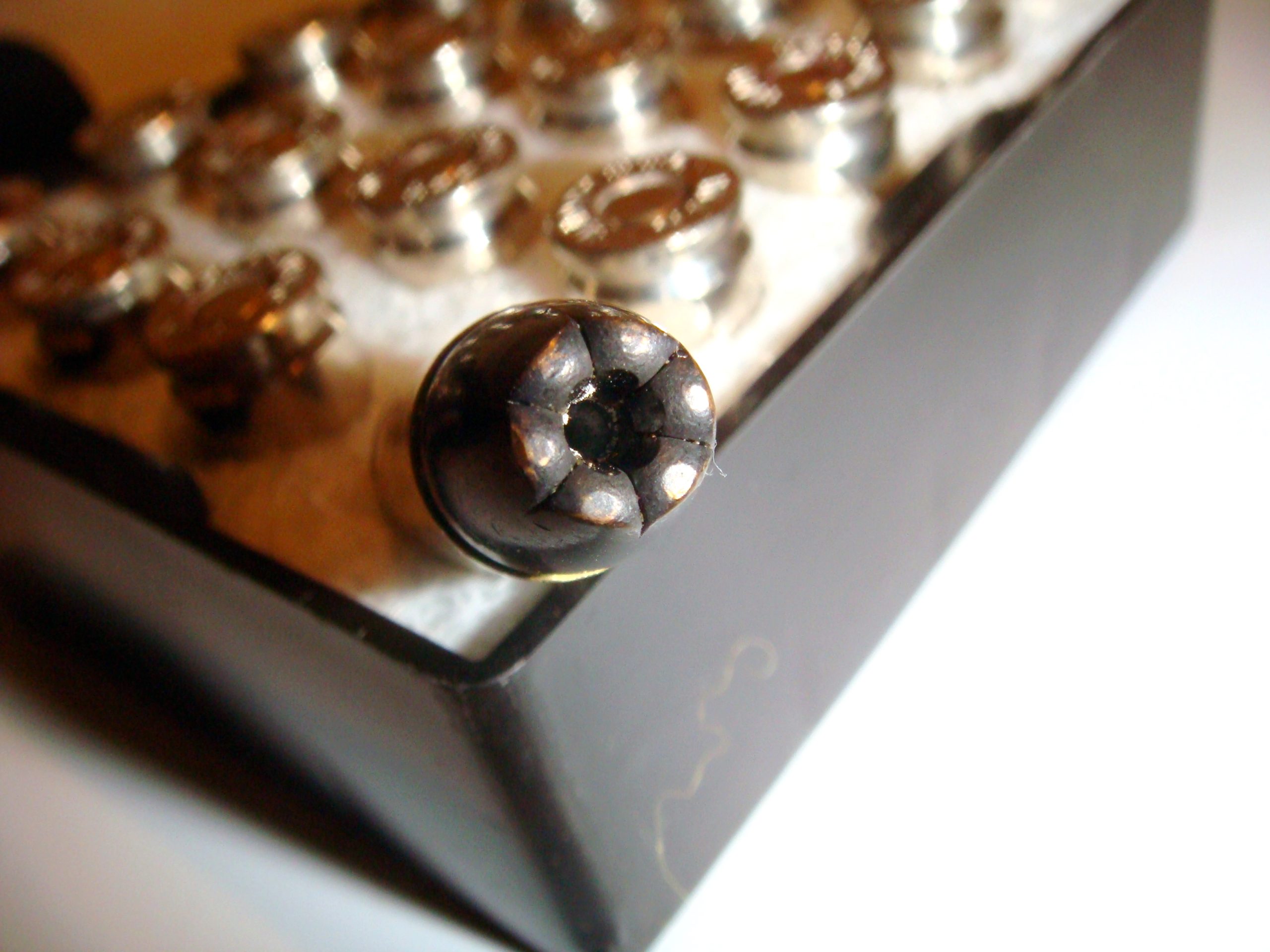
The original HS2000 was a 9mm service pistol, but the American XD line quickly broadened the cartridge choices. Depending on the model and generation, XD-family pistols appeared in 9mm, .40 S&W, .357 SIG, .45 GAP, and .45 ACP. That variety was important in an era when American buyers were sharply divided over defensive handgun cartridges. The XD did not depend on one caliber becoming fashionable. A buyer could stay within the same basic platform while choosing a different cartridge or frame size. This breadth strengthened Springfield’s position across buyer preferences.
6. Awards Helped Establish Its Reputation

The XD did more than attract attention; it collected significant industry recognition. The XD Sub-Compact was named American Rifleman’s 2003 Pistol of the Year, while an XD chambered in .45 ACP received major handgun honors in 2006. The later XD-M also earned American Rifleman’s 2009 Handgun of the Year award. Those three dates, 2003, 2006, and 200,9 help explain how quickly the family moved from newcomer to established competitor. Awards did not settle debates about reliability or ergonomics, but they gave Springfield valuable credibility while Glock already had a strong reputation. The recognition also made the XD easier to notice beyond specialist handgun circles.
7. The XD-S Tackled a New Market

Springfield also recognized that the compact-pistol market was changing. The XD-S, introduced in 2012, used a slim single-stack format and was offered in .45 ACP, making it notably different from the thicker, double-stack XD models. One version measured about 6.3 inches long, with a 3.3-inch barrel and an unloaded weight around 21.5 ounces. The concept showed how far Springfield was willing to stretch the XD name. Rather than simply copying the dimensions of its larger pistols, the company reshaped the platform around concealed-carry priorities and created another path for buyers who liked the XD’s safety system. Its arrival reflected a broader shift in the industry toward slimmer handguns that could be carried more discreetly while retaining features associated with larger service pistols.