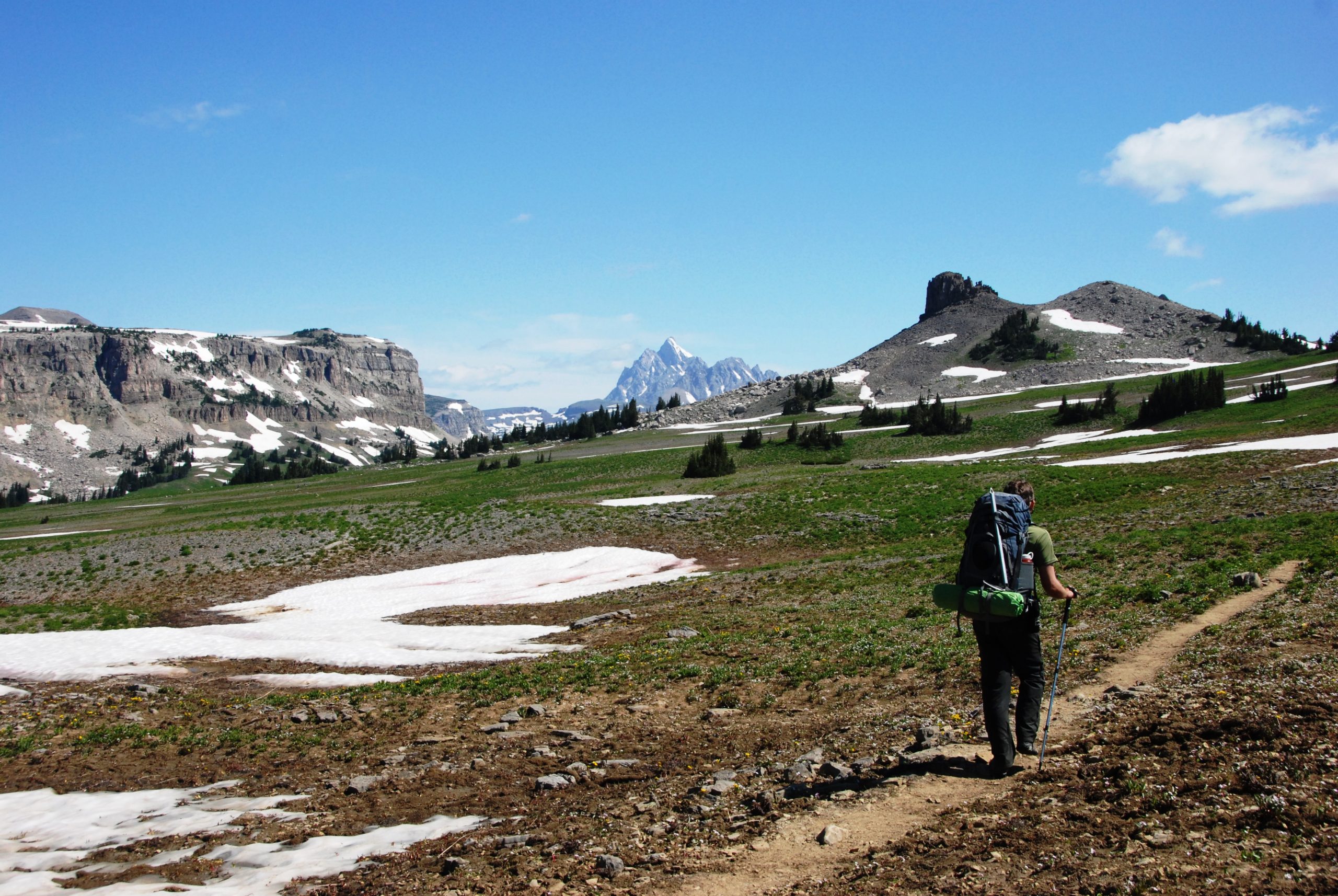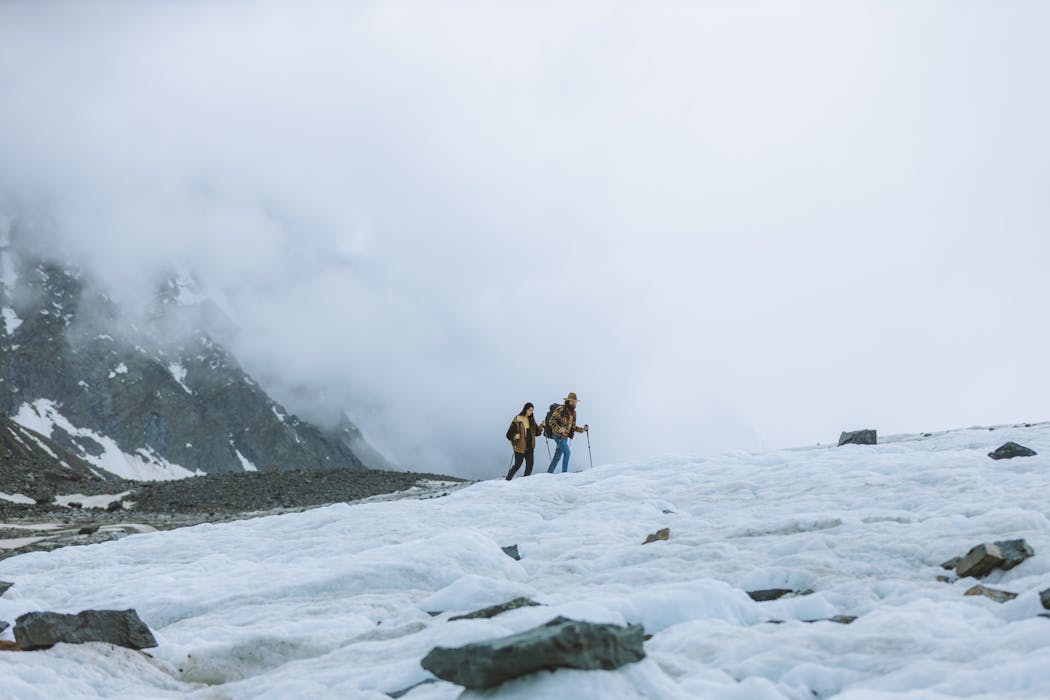
Implementing small changes to improve your backpacking forever creates a more enjoyable and efficient experience during any wilderness expedition. Many enthusiasts carry unnecessary weight or follow outdated habits that hinder their physical performance and overall enjoyment of the natural world. Modern technology and a shift in mindset allow travelers to move through the backcountry with greater ease and safety than before. These subtle adjustments focus on optimizing gear and refining daily routines to minimize strain on the body while maximizing time spent exploring. This guide explores the most effective ways to upgrade every future trek into the deep woods now.
Transition To Trail Runners
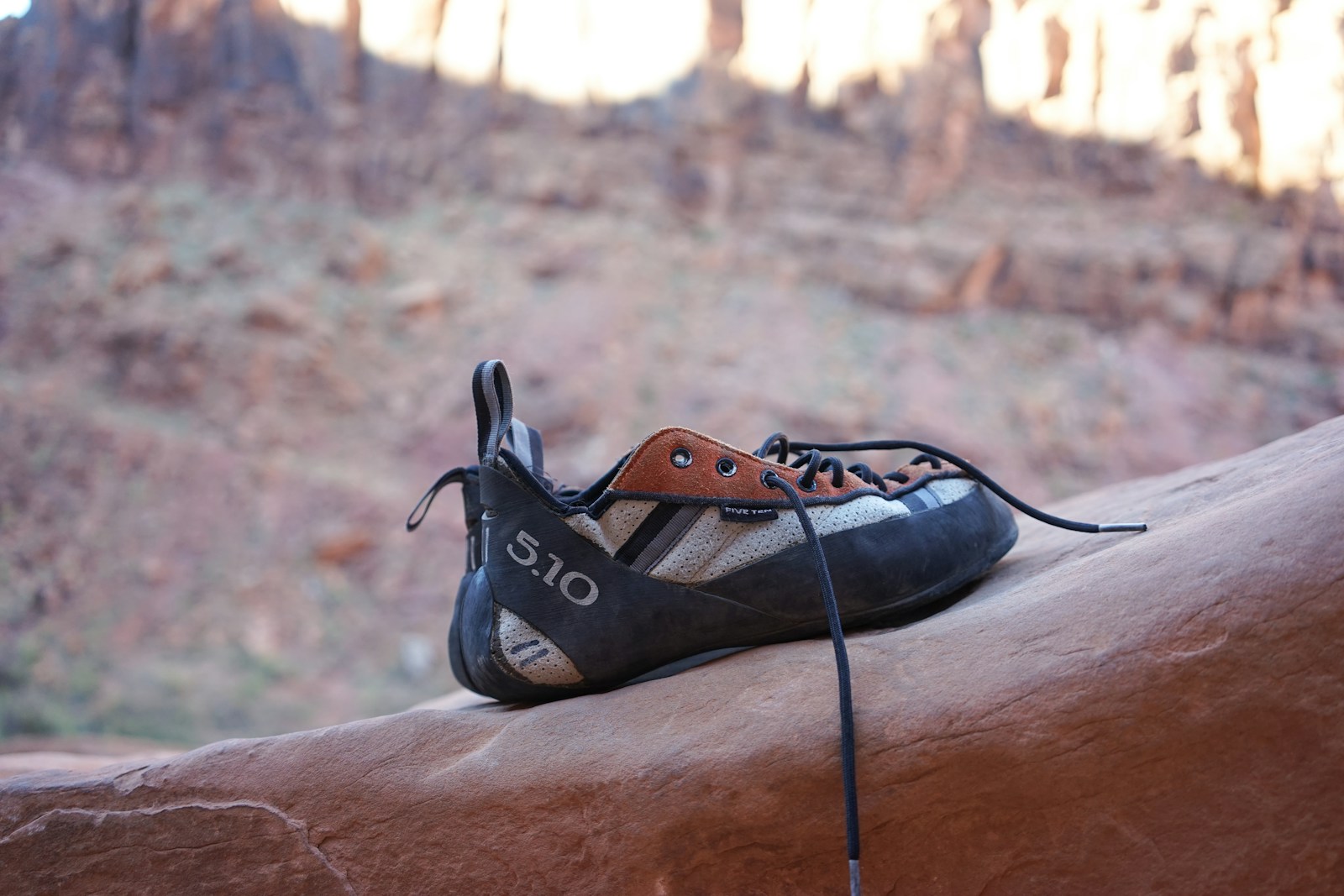
Switching from heavy leather boots to lightweight trail runners represents one of the most impactful adjustments for modern hikers today. Traditional boots provide support, but the extra weight on the feet significantly increases fatigue over long distances across uneven terrain. Lighter footwear allows for a more natural stride and helps prevent the development of painful blisters during intense summer trips. Many modern designs offer excellent traction and enough stability for most well maintained trails found in national parks. Reducing the weight on the lower extremities conserves energy and makes every mile feel much more manageable and enjoyable for the person.
Adopt A Cold Soaking Method
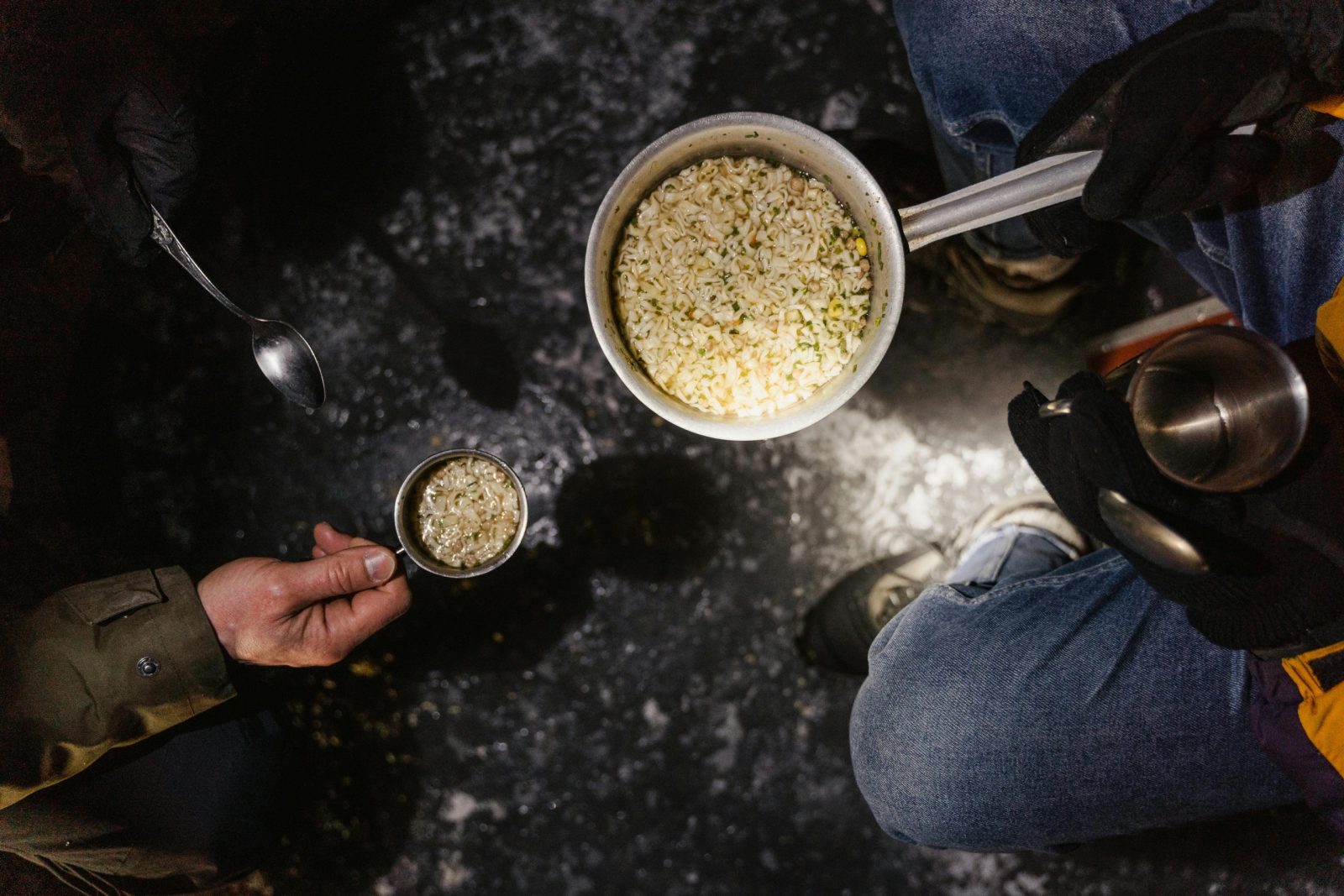
Adopting a cold soaking method for meals eliminates the need for a heavy stove and fuel canisters during long journeys. This technique involves placing dehydrated food in a sealed container with water several hours before the intended mealtime to allow for rehydration. While hot food offers comfort, the reduction in pack weight and complexity provides a significant advantage for those moving fast. Many hikers find that this approach saves valuable time in the morning and evening because it requires no setup or cleanup. It simplifies the entire kitchen system and allows for a much lighter and more compact pack profile.
Use Smartwater Bottles

Replacing heavy hydration bladders with standard plastic Smartwater bottles offers a lightweight and highly reliable solution for carrying water in the wild. These bottles are incredibly durable and fit perfectly into the side pockets of most modern backpacks for easy access while moving. They are compatible with several popular water filtration systems which makes the process of gathering fresh water much faster and simpler. Unlike bladders, these bottles do not leak inside the pack and allow for a clear view of the remaining water level at all times. This inexpensive change significantly reduces base weight while improving the overall organization.
Optimize Tent Stake Selection
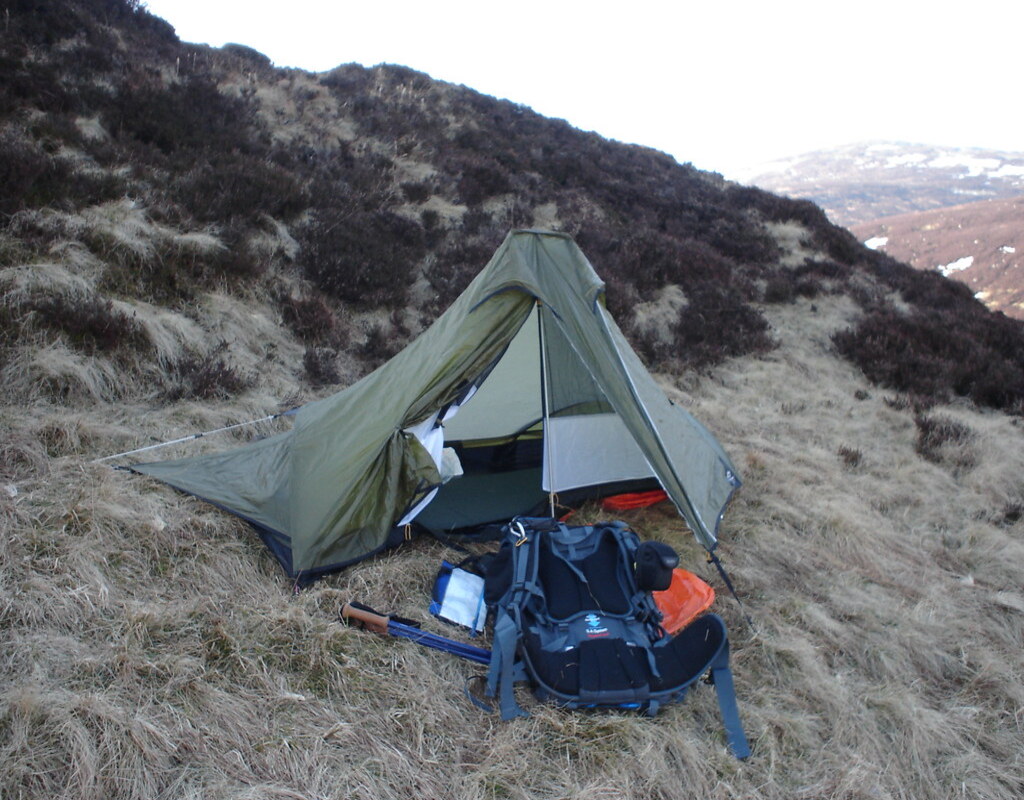
Upgrading to high quality titanium or aluminum tent stakes can shave several ounces off the total weight of a shelter system easily. Standard stakes that come with most tents are often heavy and prone to bending when driven into rocky or hard packed soils. Lightweight alternatives provide superior strength and better holding power while taking up minimal space inside the storage bag during the journey. Choosing the right stakes for the specific terrain ensures that the shelter remains secure during high winds or heavy rainfall in the mountains. This small investment pays off through improved durability and a lighter load.
Repackage First Aid Kits
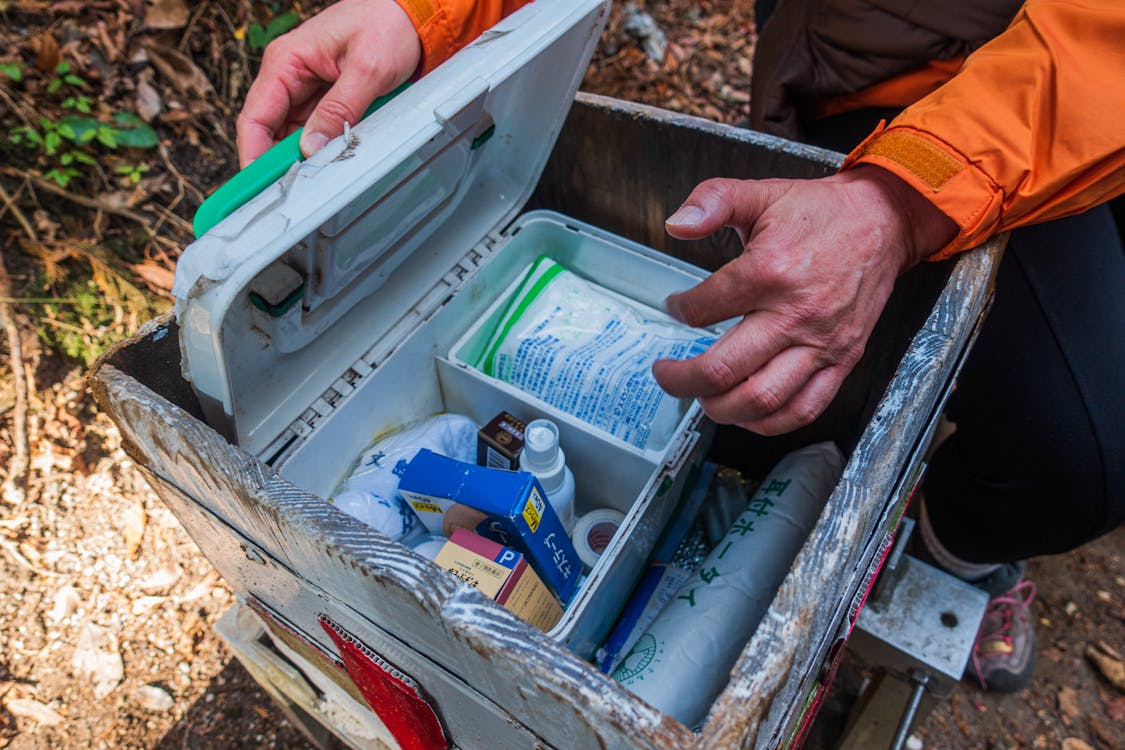
Many hikers carry pre packaged first aid kits that contain several items they will never actually need in the backcountry. Repackaging a kit to include only essential supplies like moleskin and antiseptic wipes reduces unnecessary bulk and weight in the pack. Customizing the contents based on the specific duration and destination of the trip ensures that the most critical items are always available. Using a small waterproof bag to organize the supplies keeps everything dry and easy to find during a minor medical emergency on the trail. This simple change improves efficiency and provides peace of mind for the person.
Carry A Sit Pad
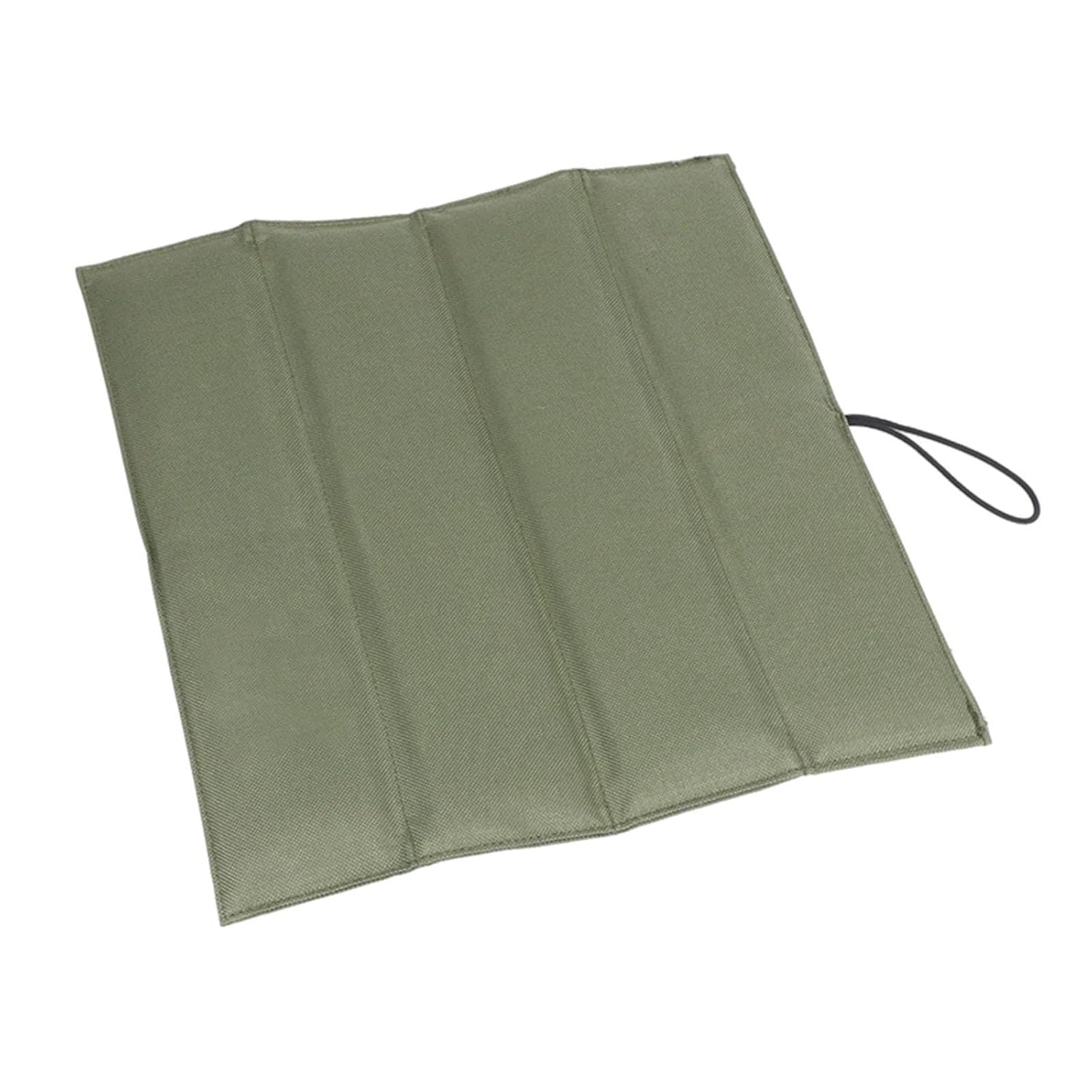
Carrying a small closed cell foam sit pad provides a comfortable and dry place to rest during breaks on the trail. This versatile item weighs almost nothing and can be strapped to the outside of the pack for quick and easy access. It protects the person from cold or wet ground and prevents dirt from getting on clothing during a long afternoon pause. Some hikers also use the pad to provide extra insulation under their sleeping mat at night for added warmth in chilly conditions. This inexpensive addition significantly improves overall comfort during the many stops required for a successful and long journey.
Transition To Digital Maps
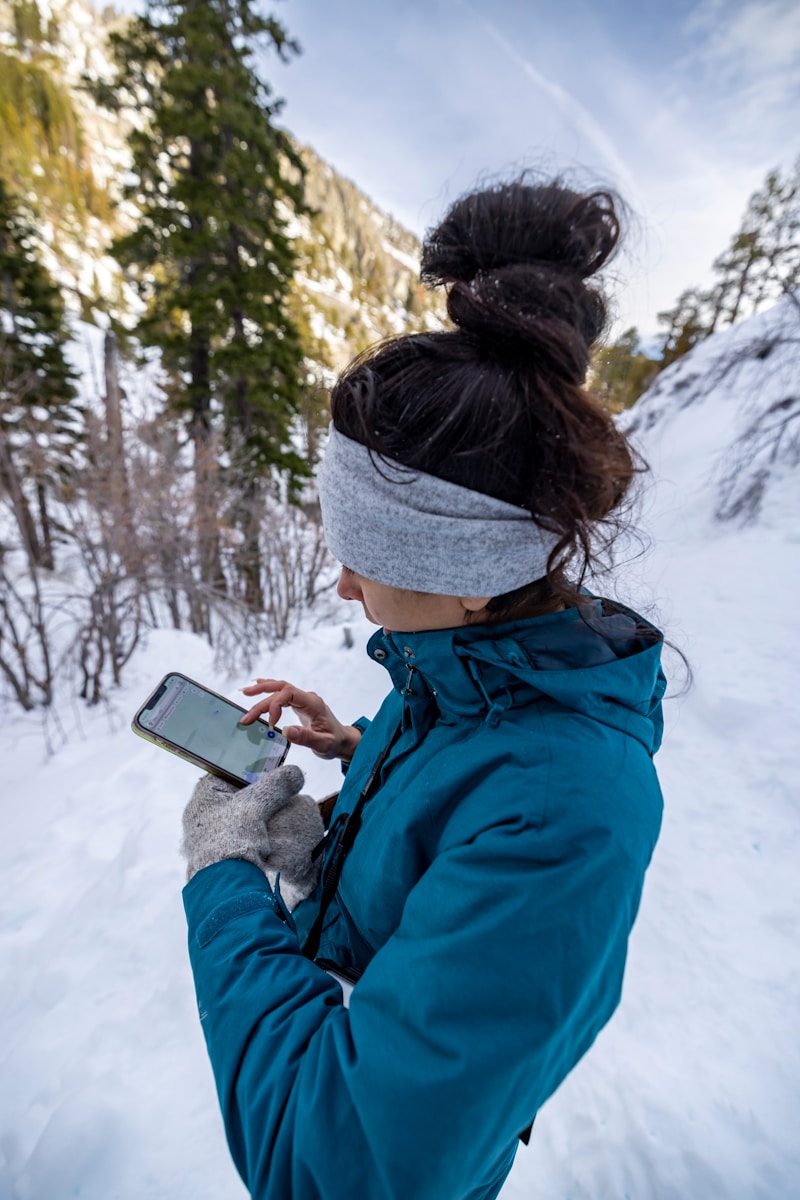
Transitioning to digital maps on a smartphone allows for precise navigation while reducing the need to carry multiple paper documents. Modern applications provide real time location data and detailed topographic information that is essential for staying on the correct path in remote areas. It is important to download the maps for offline use to ensure they remain accessible even without a cellular signal in the wild. Carrying a small portable power bank provides enough energy to keep the device charged during a multi day trip for safety. This modern change simplifies the navigation process and enhances the overall safety now.