Some rifles become popular, and some become part of shooting culture. The Winchester Model 70 belongs firmly in the second group, with a reputation built on handling, accuracy, and decades of field use. Long after newer designs arrived, this classic bolt-action still earns respect from hunters, collectors, and precision-minded shooters who know exactly what they want in a rifle.
It has one of the great reputations in American rifle history

The Model 70 carries a kind of credibility that cannot be manufactured overnight. Introduced in 1936, it quickly became associated with serious hunting, careful marksmanship, and a level of fit and function that shooters noticed the moment they worked the bolt.
Over time, that reputation only deepened. Generations of hunters passed it down through stories, seasons, and real field results, which is far more convincing than any ad copy.
When people call it the rifleman’s rifle, they are talking about heritage, but not heritage alone. They mean a rifle that earned trust honestly, year after year, in the hands of people who depended on it.
The controlled-round-feed action inspires confidence

A big reason the Model 70 remains revered is its controlled-round-feed action, especially in the classic pre-64 style and later rifles that returned to that system. The large claw extractor grabs the cartridge as it leaves the magazine, helping guide it cleanly into the chamber.
That design has long appealed to hunters heading into rough country, bad weather, or fast-moving situations where smooth reliability matters. It feels purposeful rather than delicate.
For many rifle fans, this is more than a mechanical feature. It is part of the Model 70’s identity, the sort of detail that makes experienced shooters nod in appreciation the moment they open the bolt.
Its handling feels natural in the field

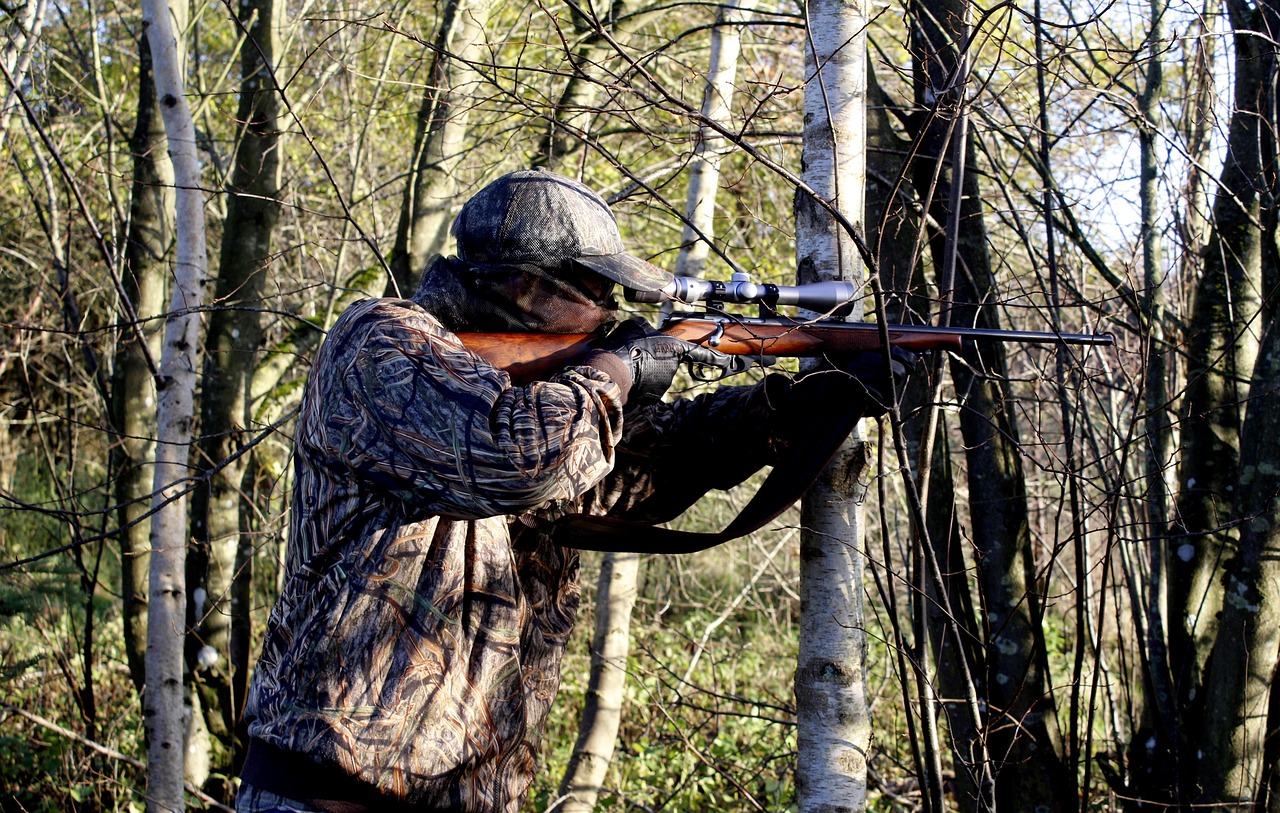
Some rifles look right in a catalog but never quite come alive in the hands. The Model 70 has the opposite reputation. Many shooters describe it as lively, balanced, and easy to point, whether wearing a classic walnut stock or a more modern synthetic setup.
That matters more than numbers on a spec sheet suggest. A rifle that shoulders smoothly and settles quickly can make a hunter feel immediately at home, especially when a shot opportunity appears without warning.
This easy handling is one reason so many owners become loyalists. The Model 70 often feels less like a machine you manage and more like a tool that naturally works with you.
Accuracy has always been part of the appeal

The Model 70 was never admired just for looks or name recognition. It built its standing by shooting well, and that practical truth has kept it relevant through changing eras of rifle design.
Across different chamberings and generations, owners have long praised the platform’s ability to deliver dependable hunting accuracy and, in many cases, excellent precision with the right load. It is the sort of rifle that encourages confidence at the range before a season ever opens.
That dependable performance supports the nickname in a very direct way. A rifleman wants a rifle that puts rounds where intended, and the Model 70 has spent decades proving it can do exactly that.
The trigger and safety system are shooter-friendly

Part of the Model 70’s staying power comes from controls that feel made for real use. The three-position safety is especially beloved, giving shooters a practical way to manage the rifle while still allowing the bolt to be operated in a safer mode when needed.
That arrangement has long been appreciated in camps, on horseback, in blinds, and during long days moving through uneven country. It is simple, visible, and easy to understand under pressure.
The trigger story matters too. When a rifle breaks cleanly and predictably, it supports good shooting habits, and the Model 70 has earned praise for offering the kind of straightforward, confidence-building control riflemen value.
It bridges classic craftsmanship and modern function

Few rifles manage to satisfy nostalgia and practicality at the same time, but the Model 70 comes close. In walnut and blued steel, it delivers the visual warmth many shooters still associate with a proper hunting rifle.
At the same time, later configurations with stainless metal, synthetic stocks, and updated manufacturing have kept the platform useful for people who care less about romance and more about weather resistance and hard use.
That blend is a major reason the rifle endures. It can speak to the collector, the traditionalist, and the hunter who simply wants a dependable tool without giving up the character that made the Model 70 famous in the first place.
It still symbolizes what many shooters want in a rifle

In the end, the Model 70 still carries its nickname because it represents a complete idea of what a rifle should be. It is reliable, accurate, handsome, and mechanically interesting without feeling fussy or overcomplicated.
Plenty of newer rifles are excellent, and many cost less. But the Model 70 continues to occupy a special place because it delivers more than utility. It offers feel, confidence, and continuity with a long tradition of skilled shooting.
That is why the phrase has lasted. The rifleman’s rifle is not just about nostalgia. It is about a firearm that still meets the standards serious shooters have always cared about most.