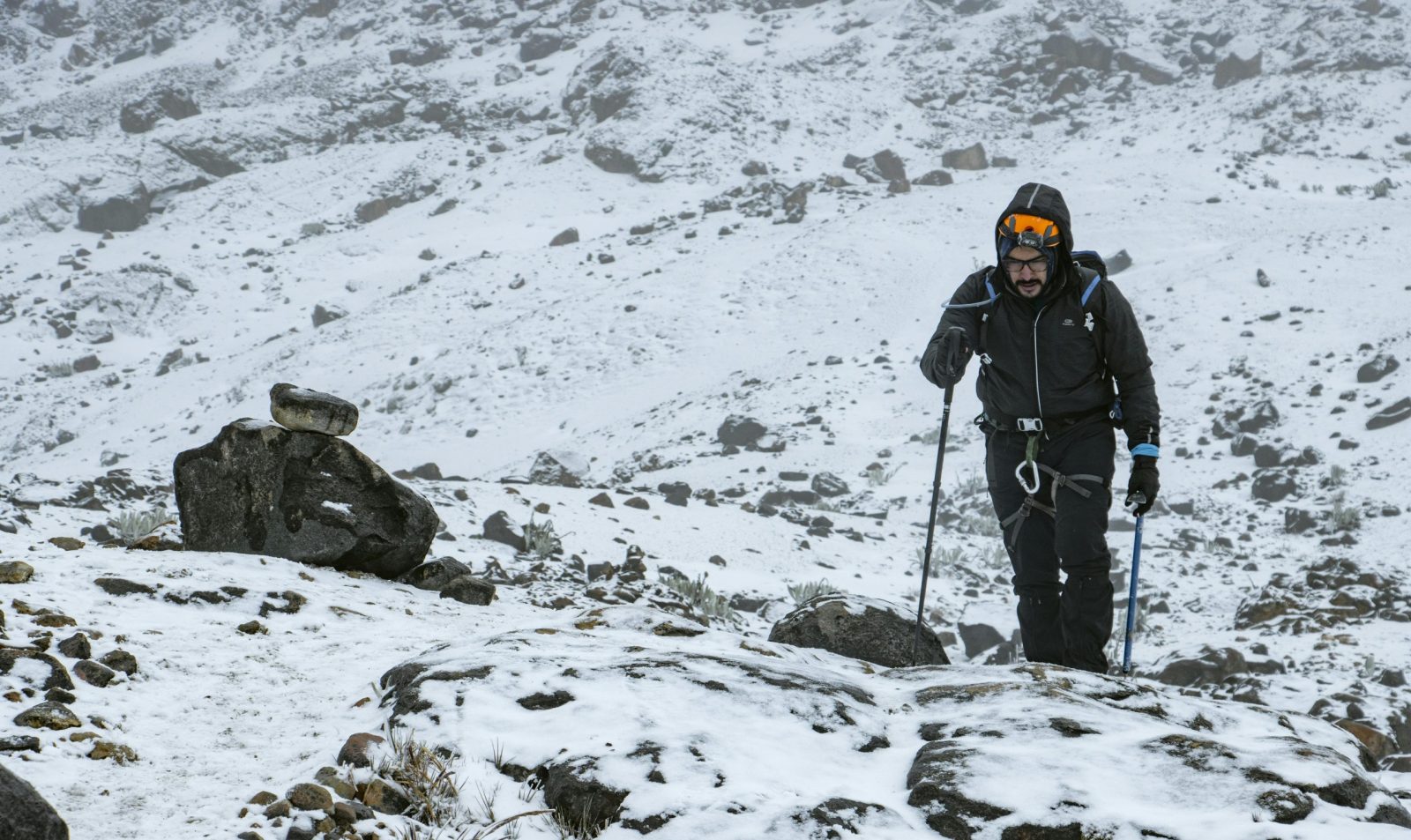
High-performance outdoor jackets rely on advanced fabrics designed to support comfort and protection across unpredictable environments, and each material plays a specific role in regulating temperature, resisting weather, and allowing steady movement. Many of these textiles balance durability with breathability, so the jacket remains functional during long hikes, cold-weather travel, or strenuous climbs. Their engineered structures manage moisture efficiently while reducing weight, which helps maintain ease of motion during extended activity. These fabrics work through purposeful weaving patterns, membranes, and finishes that reinforce strength and improve resistance to wind or light precipitation. Understanding how they function highlights the careful fabric selection behind jackets built for demanding outdoor conditions.
Gore Tex
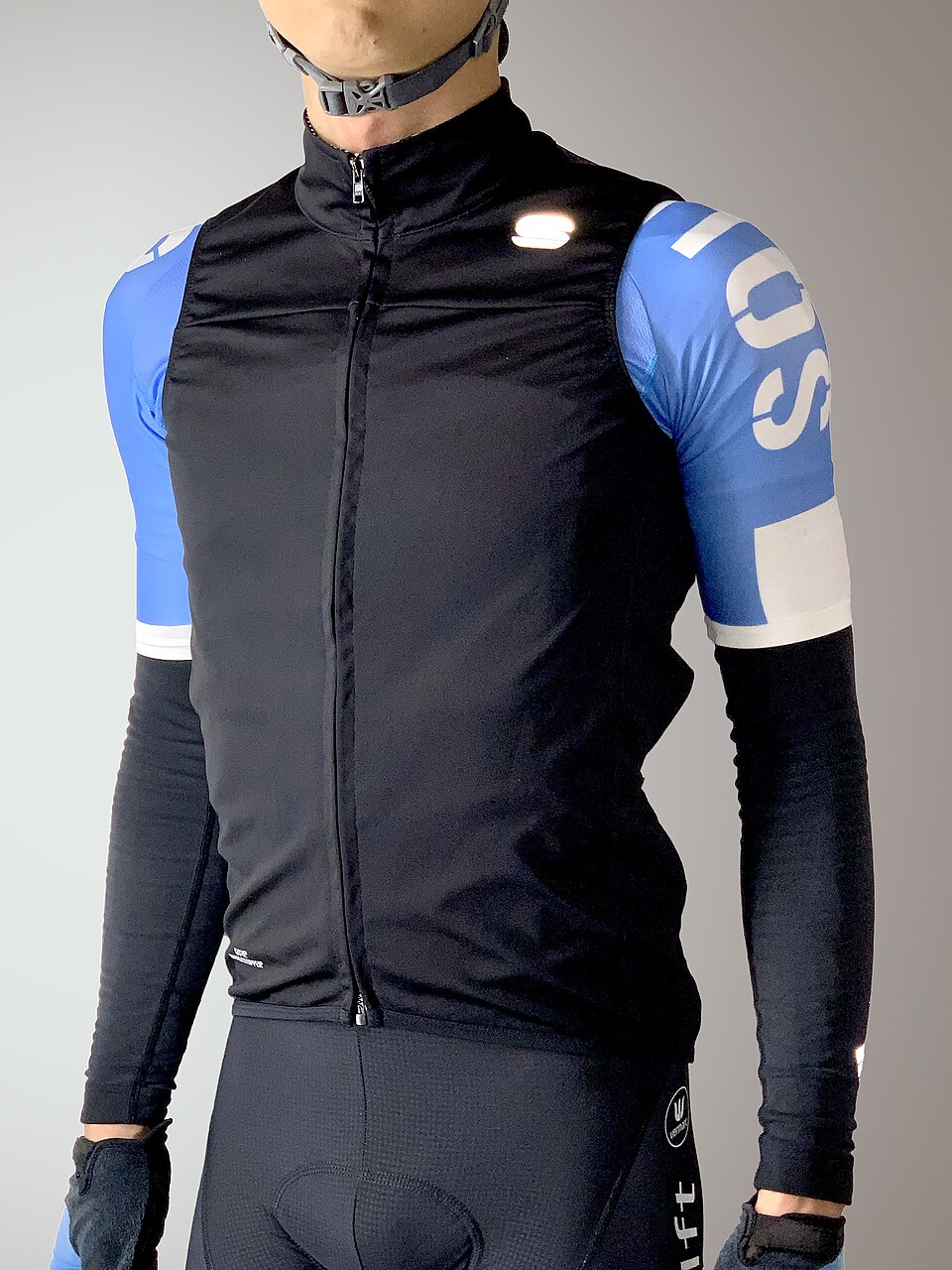
Gore-Tex remains a defining fabric in outdoor jackets because its expanded polytetrafluoroethylene membrane contains microscopic pores that block liquid water while allowing vapor to pass through. This structure helps maintain dryness by preventing rain from entering yet releasing moisture generated during movement. Gore-Tex also resists strong winds, which supports warmth retention in cold or exposed environments. The laminated layers add strength without reducing flexibility, allowing the jacket to move naturally during active pursuits. Gore-Tex works effectively because its pore size stays consistent regardless of temperature shifts, preserving breathability and weather protection in a wide range of climates. These qualities explain why it remains a trusted fabric for rugged outdoor conditions.
Pertex Shield
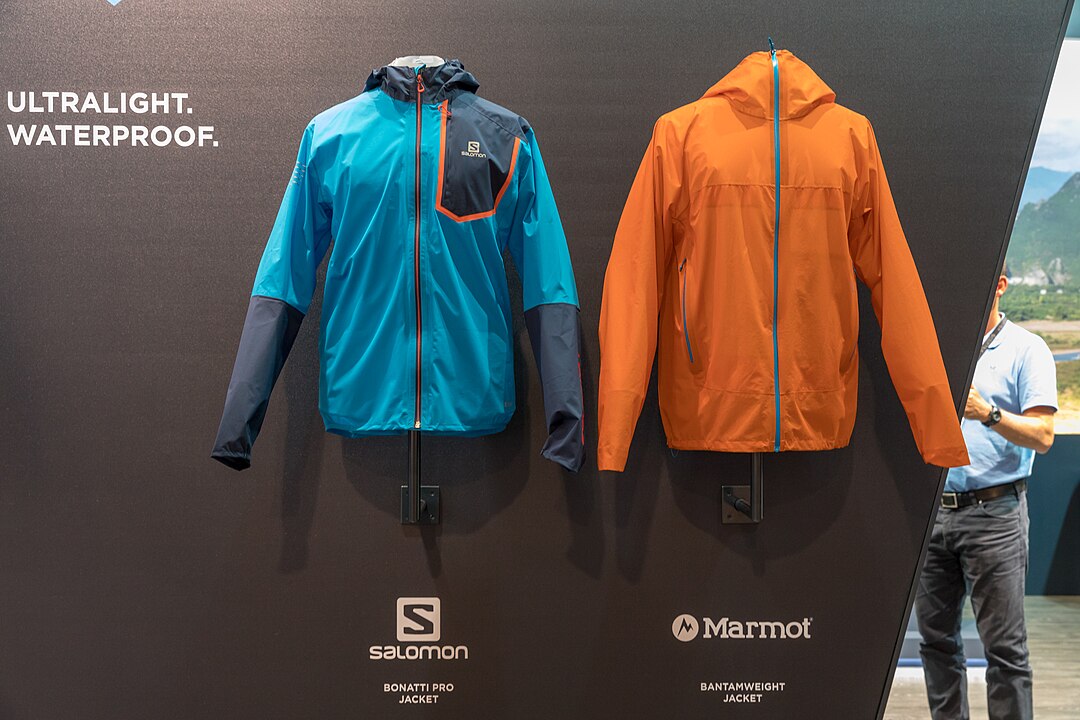
Pertex Shield performs successfully in outdoor jackets because its multilayer laminate design blends a breathable membrane with a tightly woven outer shell that helps resist wind and moderate precipitation. This combination allows vapor to escape efficiently, reducing interior dampness during hiking, climbing, or cold-weather travel. The durable water repellent finish on the surface causes droplets to bead rather than soak into the fibers, which supports comfort during changing weather. Pertex Shield works effectively because its lightweight structure maintains mobility while offering dependable protection, creating a balanced environment during strenuous activity. Its strong yet flexible weave helps withstand abrasion without adding bulk, making it well-suited for gear intended for fast-paced outdoor movement.
eVent Fabric
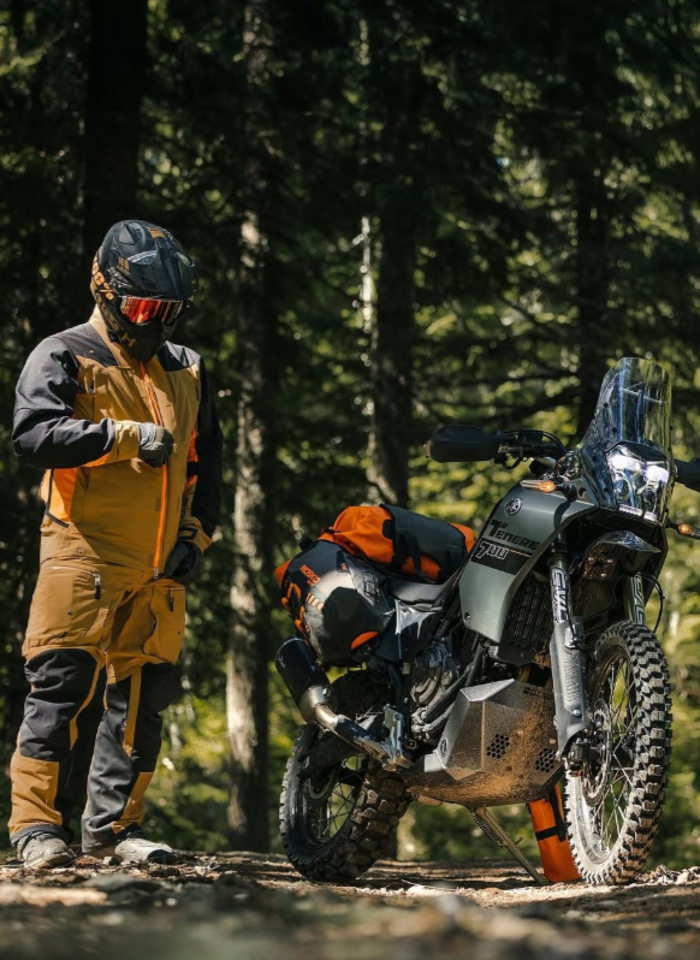
eVent fabric stands out in performance jackets because its direct venting technology releases moisture vapor immediately rather than relying on internal humidity to trigger airflow. The membrane features open yet waterproof pores that block rain and snow while allowing warm vapor to escape before condensation forms. This rapid release helps maintain a stable interior temperature, even during intensive activity in cold settings. eVent works effectively because it minimizes moisture buildup, which prevents discomfort caused by trapped humidity after exertion. The durable structure holds up well during repeated exposure to harsh elements, supporting long-term performance without sacrificing breathability. These qualities make eVent a strong fabric choice for jackets designed for challenging outdoor environments.
Softshell Fabric
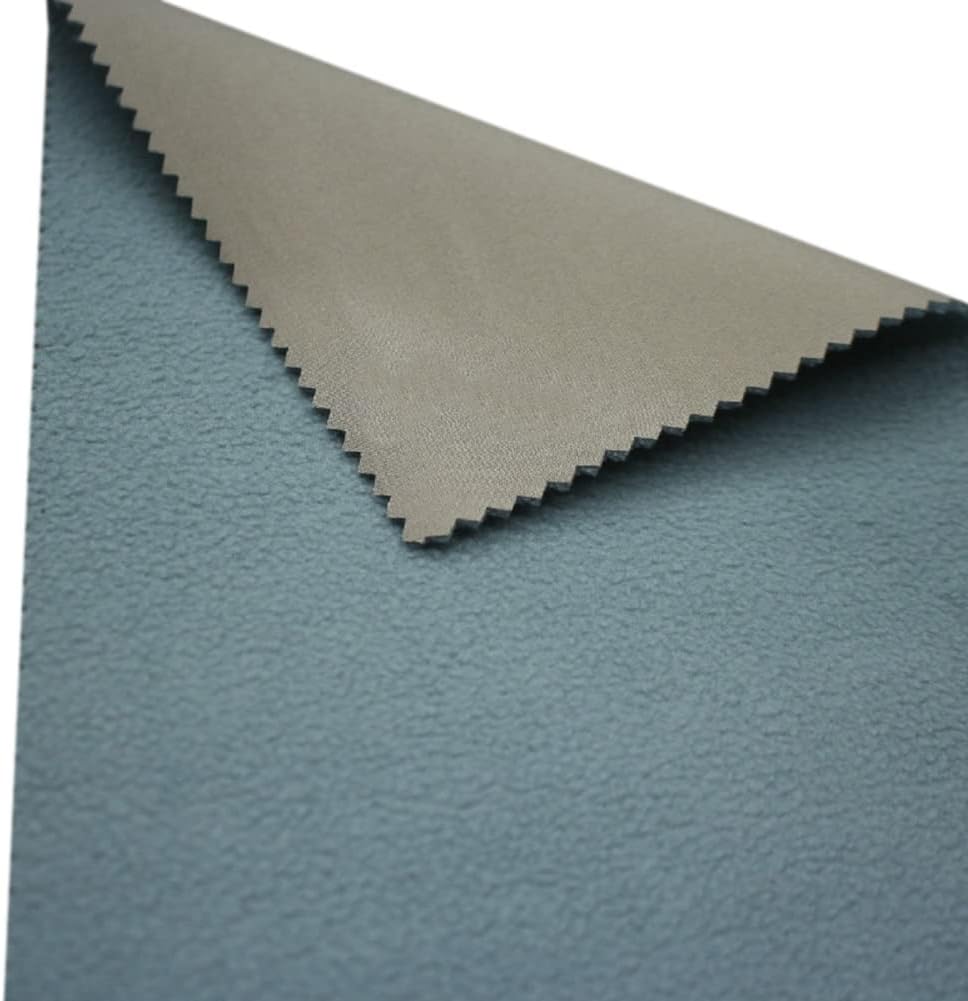
Softshell fabric enhances outdoor jacket performance through its flexible woven structure that promotes airflow while offering moderate protection from wind and light precipitation. Its natural stretch supports a wide range of motion during climbing, skiing, or rapid movement across uneven terrain. Many softshells include a water repellent surface treatment that helps moisture bead on contact instead of saturating the fibers. Softshell fabric works well because it releases excess heat quickly, reducing discomfort during active outings in cool weather. A lightly insulated interior on many versions adds warmth without trapping moisture, creating a balanced experience across fluctuating temperatures. This combination of mobility, breathability, and light weather resistance makes softshells useful for dynamic outdoor pursuits.
Nylon Ripstop
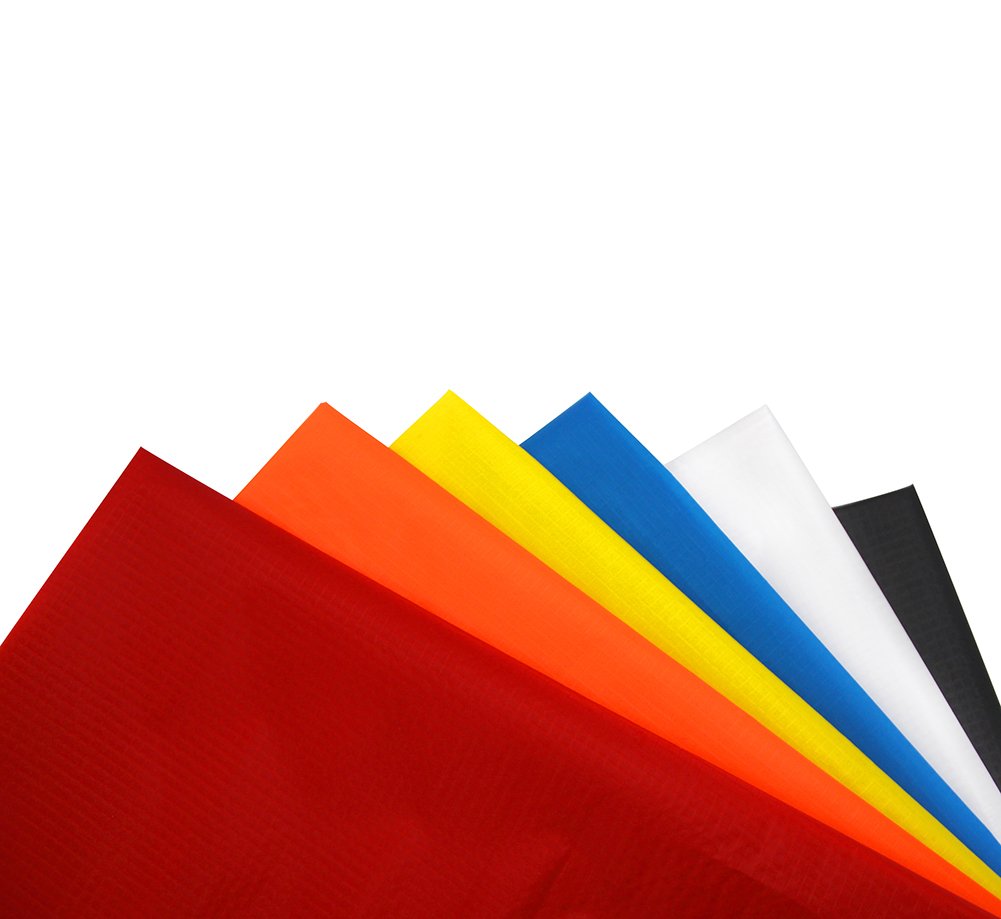
Nylon ripstop serves as a valuable fabric in high-performance jackets because its reinforced grid pattern strengthens the textile and prevents small tears from spreading during contact with branches, equipment, or rough surfaces. This structure provides durability without introducing significant weight, making it ideal for activities that involve regular movement through rugged landscapes. The tight weave supports wind resistance and pairs effectively with water repellent coatings for added protection in unpredictable weather. Nylon ripstop works well because it maintains flexibility in cold temperatures and dries quickly after exposure to moisture, creating steady comfort during extended outdoor travel. Its combination of toughness and responsiveness makes it suitable for jackets designed for durability-focused adventures.
Polyester Microfiber
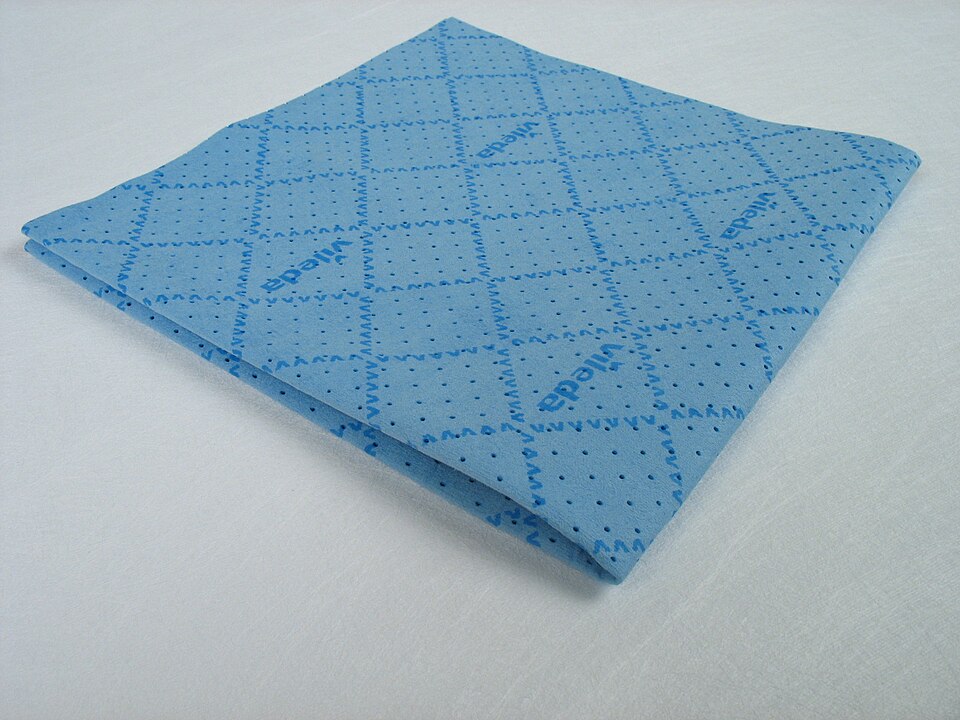
Polyester microfiber contributes to outdoor jacket performance because its extremely fine fibers create a dense fabric that traps warmth while remaining breathable. The increased surface area supports efficient moisture wicking, which helps reduce dampness during long periods of activity. Polyester resists stretching, shrinking, and moisture absorption, allowing jackets to maintain their shape and performance across changing weather conditions. Polyester microfiber works effectively because its lightweight design provides insulation without bulk, making it ideal for midlayer or insulated jacket construction. The smooth texture layers comfortably over base garments and maintains softness after repeated wear, creating consistent thermal comfort in cold climates where reliable warmth matters.
Polartec Fleece

Polartec fleece remains a trusted fabric in outdoor jackets because its lofted fibers trap warm air while allowing moisture vapor to escape during movement. This breathable structure supports temperature regulation by releasing excess heat while retaining warmth in cold environments. The synthetic fibers dry rapidly when exposed to moisture, preventing the chilling effect caused by wet fabric during winter outings. Polartec fleece works effectively because its soft, brushed texture enhances comfort while contributing to insulation without adding significant weight. Although not windproof alone, it pairs seamlessly with protective outer shells, creating a versatile layering system for varied outdoor conditions. These features explain its continued use in jackets intended for adaptable cold-weather performance.