Long before the modern hunting rifle filled every rack at the sporting goods store, plenty of hunters headed into the woods with old service rifles. These bolt actions were rugged, affordable, and easy to trust when the weather turned bad. Here are seven surplus standouts that made the leap from armory racks to deer camp legends.
Springfield 1903
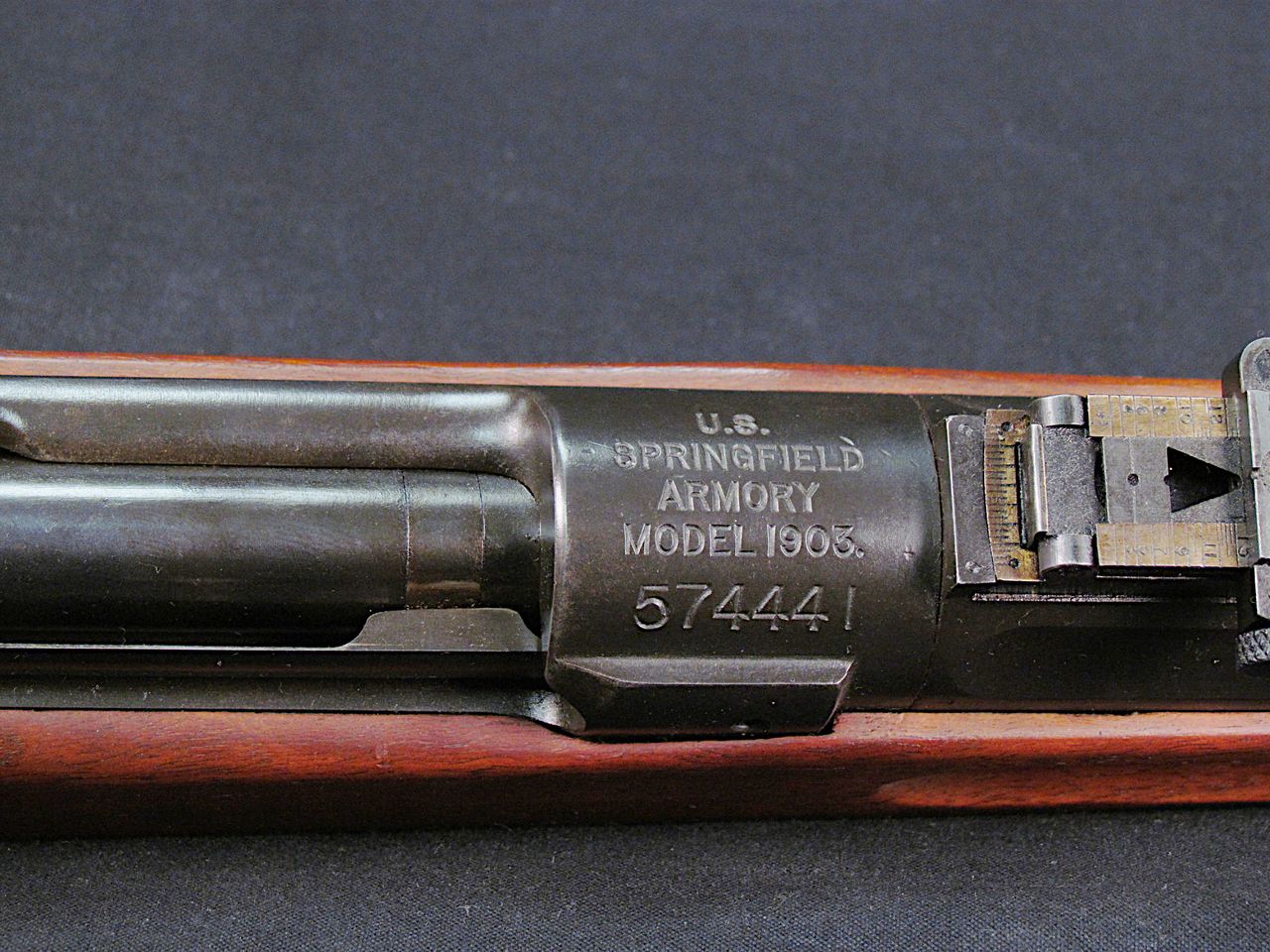
The Springfield 1903 may have started life as a military precision tool, but it quickly earned respect in hunting circles. Its smooth action, strong receiver, and excellent sights gave sportsmen a rifle that felt serious in the hands, even before a scope ever entered the picture.
After the wars, sporterized 1903s showed up in gun shops, hardware stores, and family closets all over the country. Hunters liked that it chambered the proven .30-06, a cartridge with enough reach and authority for deer in thick timber or across open fields.
Many examples were cut down, restocked, and drilled for optics, sometimes beautifully and sometimes with pure utility in mind. Either way, the 1903 became one of the clearest examples of a battlefield rifle settling comfortably into American deer camp tradition.
Mauser 98
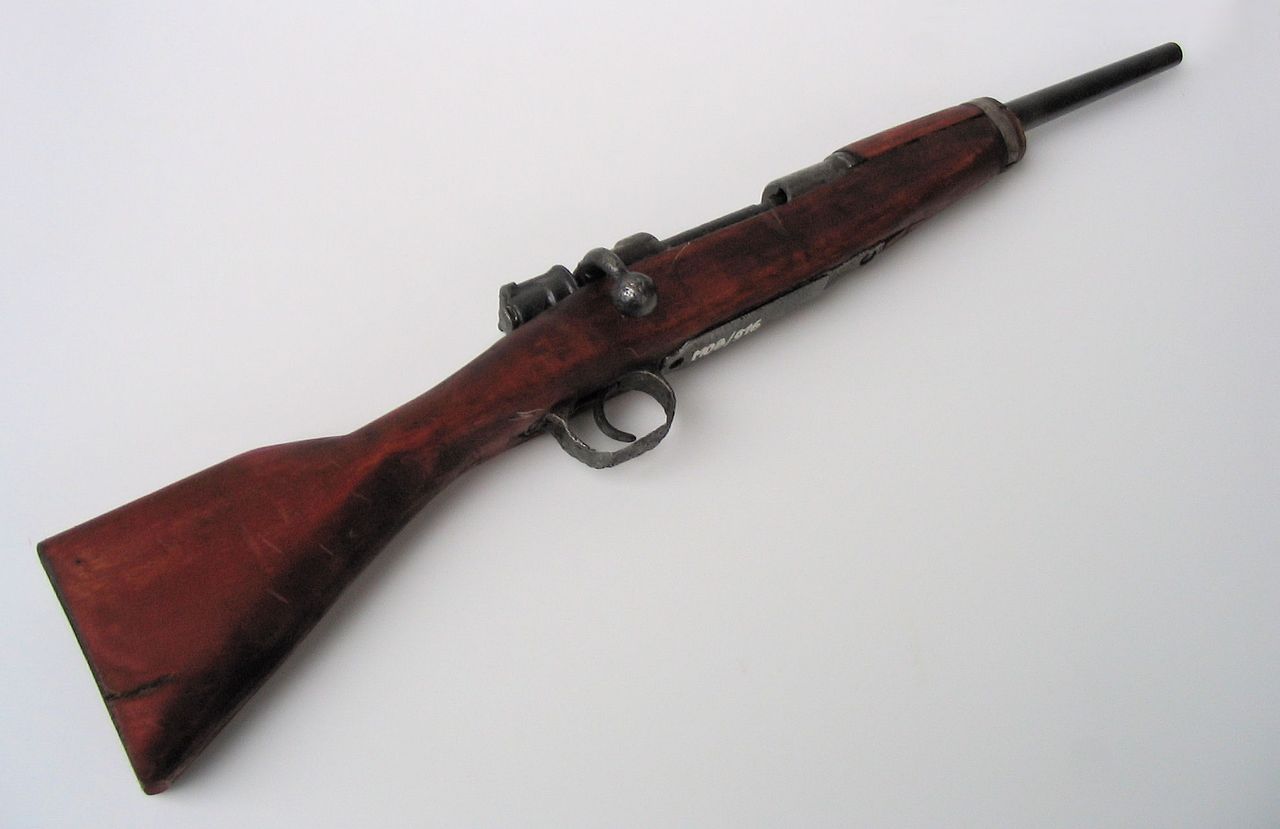
Few military rifles had a bigger impact on sporting arms than the Mauser 98. Its controlled-round-feed action, robust extractor, and reputation for strength set a standard that gunmakers copied for decades, which helps explain why so many hunters welcomed surplus examples into the field.
For postwar buyers, a Mauser often represented opportunity. Here was a proven rifle action that could be sporterized into something handsome, accurate, and dependable without costing a fortune, especially when military surplus imports were still common.
In deer camp, Mauser 98 variants appeared in all kinds of chamberings and conditions. Some remained close to military trim, while others wore polished walnut and low-mounted scopes, bridging the gap between old world service rifle engineering and classic American hunting style.
Lee-Enfield No. 4
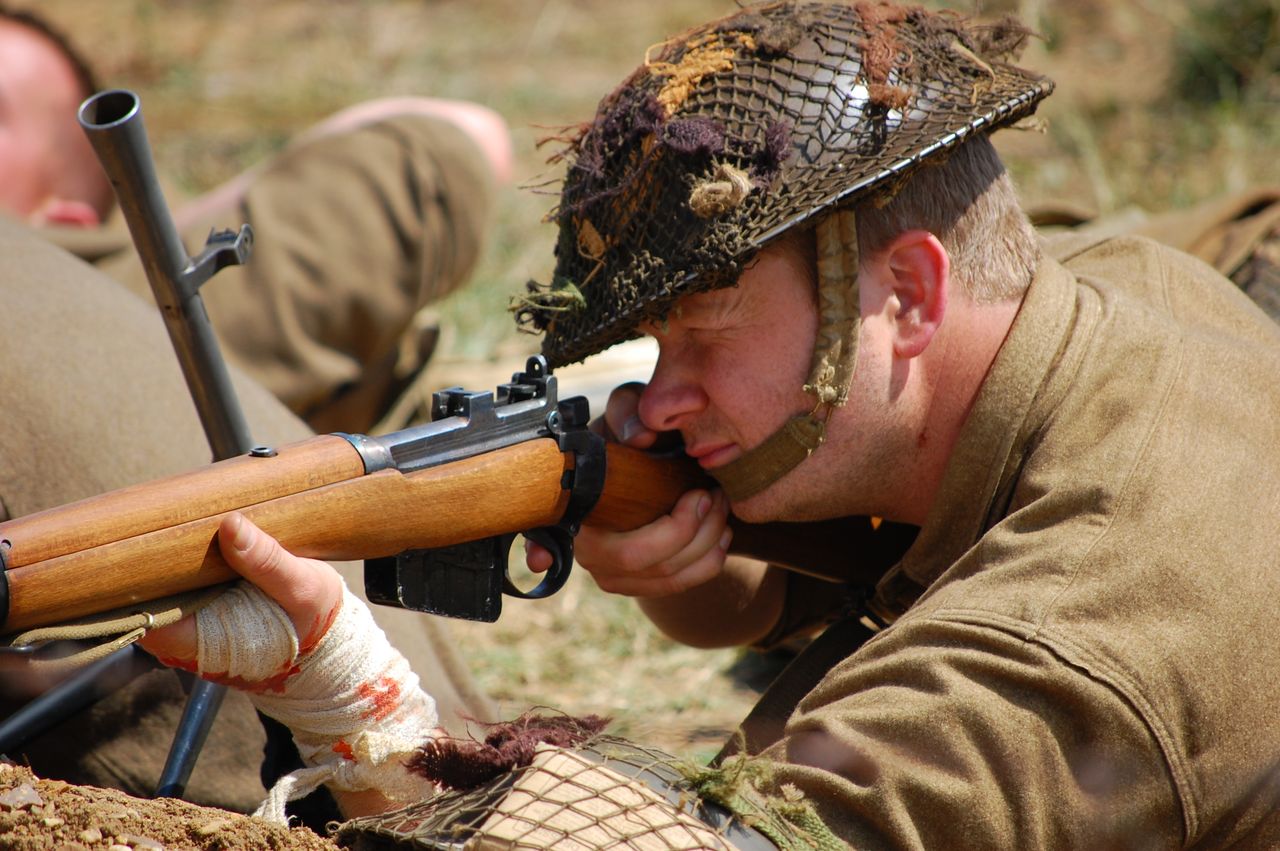
The Lee-Enfield No. 4 brought a different personality to the woods. Its fast bolt throw and generous magazine were military features first, but hunters appreciated how quickly a follow-up shot could be made when a buck bolted through brush or paused only for a moment.
Chambered in .303 British, it had more than enough capability for deer at ordinary hunting distances. In places where British Commonwealth rifles were common or affordable, the No. 4 became a practical alternative to more expensive commercial sporting rifles.
Many hunters left them fairly plain, while others cut stocks, shortened fore-ends, and mounted scopes where possible. The result was a hardworking deer rifle with a distinct profile, one that carried the character of wartime service into a much quieter kind of duty.
Mosin-Nagant 91/30
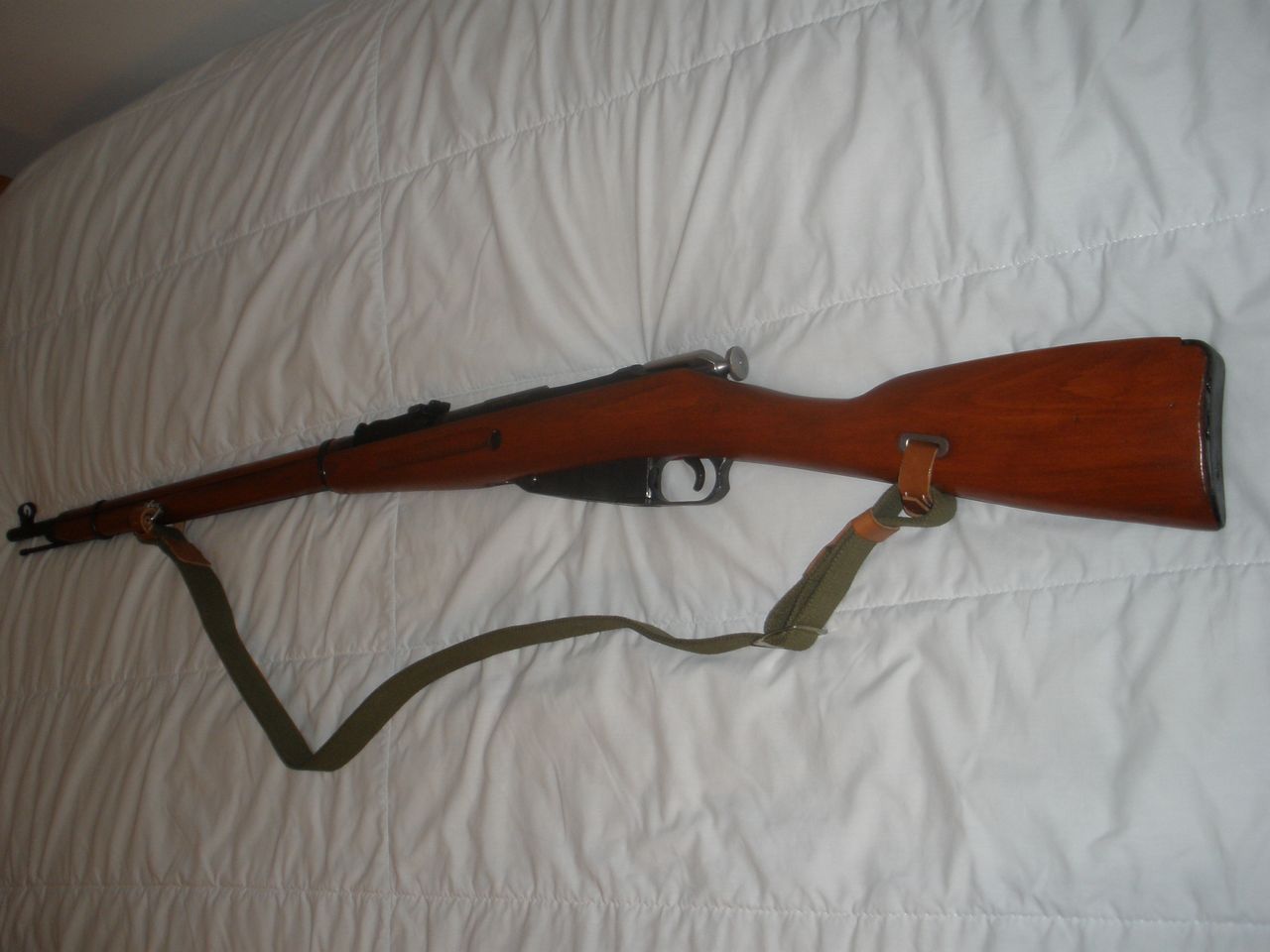
The Mosin-Nagant 91/30 was never the most refined rifle at camp, but it was often the most affordable way into the hunting world. For generations of budget-minded shooters, that mattered. A rugged surplus rifle and a box of 7.62x54R could put venison in the freezer without much strain on the wallet.
Its long barrel and military stock gave it an unmistakable profile, though many owners eventually trimmed and modified them for handier use in the field. The action could feel stiff compared with other designs, but these rifles were built to survive hard conditions and usually kept working.
At deer camp, the 91/30 became a symbol of practical hunting over polished presentation. It was not fancy, but plenty of hunters found that ugly weather, muddy boots, and a wary buck were exactly where a Mosin felt at home.
Swedish Mauser M96
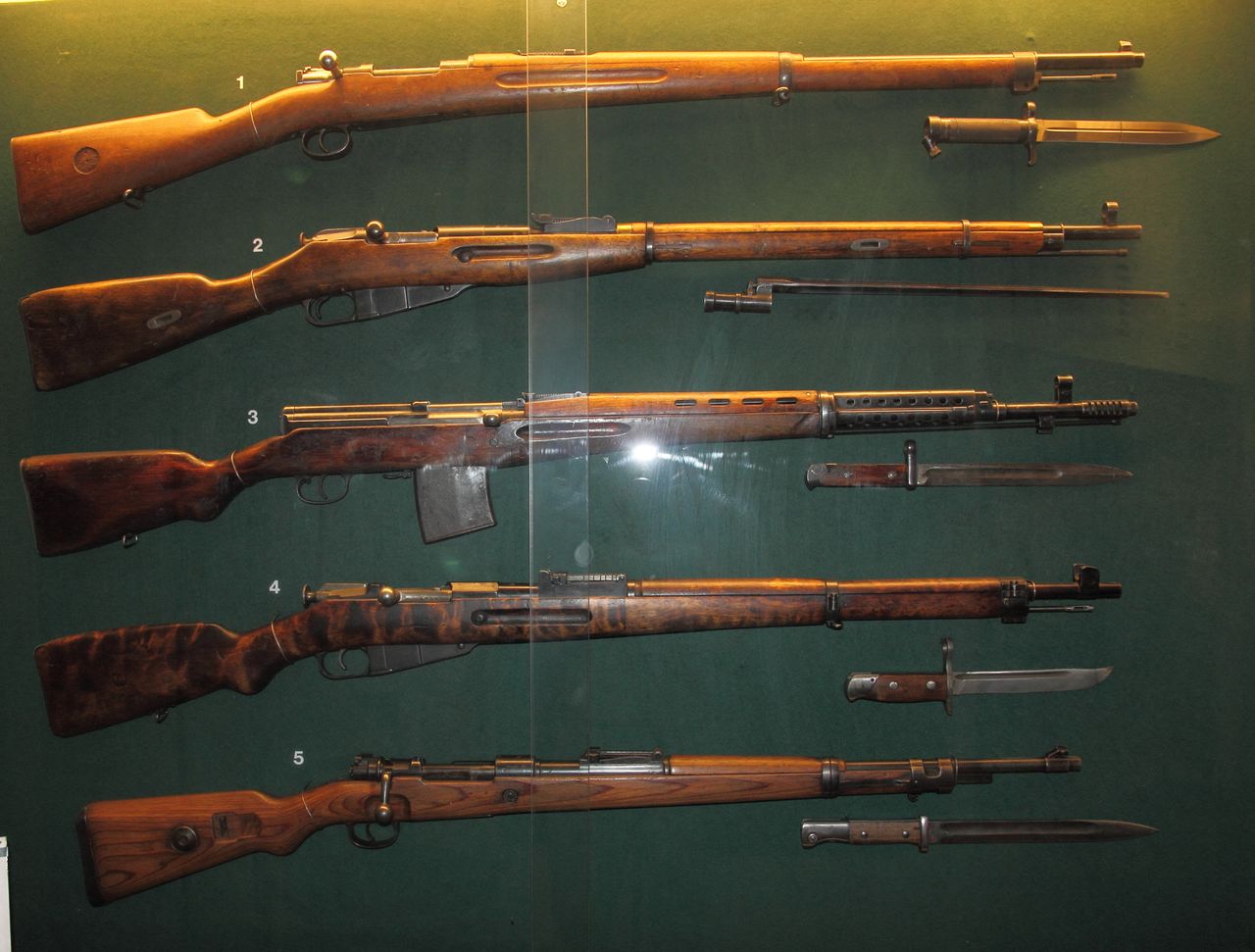
The Swedish Mauser M96 earned a softer kind of admiration. Hunters liked its fine workmanship, smooth action, and the excellent reputation of the 6.5×55 cartridge, which delivered mild recoil and impressive accuracy long before those traits became modern marketing buzzwords.
While it was originally a military rifle, the M96 often felt more refined than many surplus contemporaries. That quality made it especially appealing to shooters who wanted an affordable deer rifle that still carried a sense of old-world craftsmanship.
In camp, the Swedish Mauser developed a reputation as a rifle for hunters who appreciated precision and placement over brute force. Deer-sized game fell readily to well-placed shots, and the rifle’s balance and manners gave it an enduring charm that still turns heads today.
Arisaka Type 99
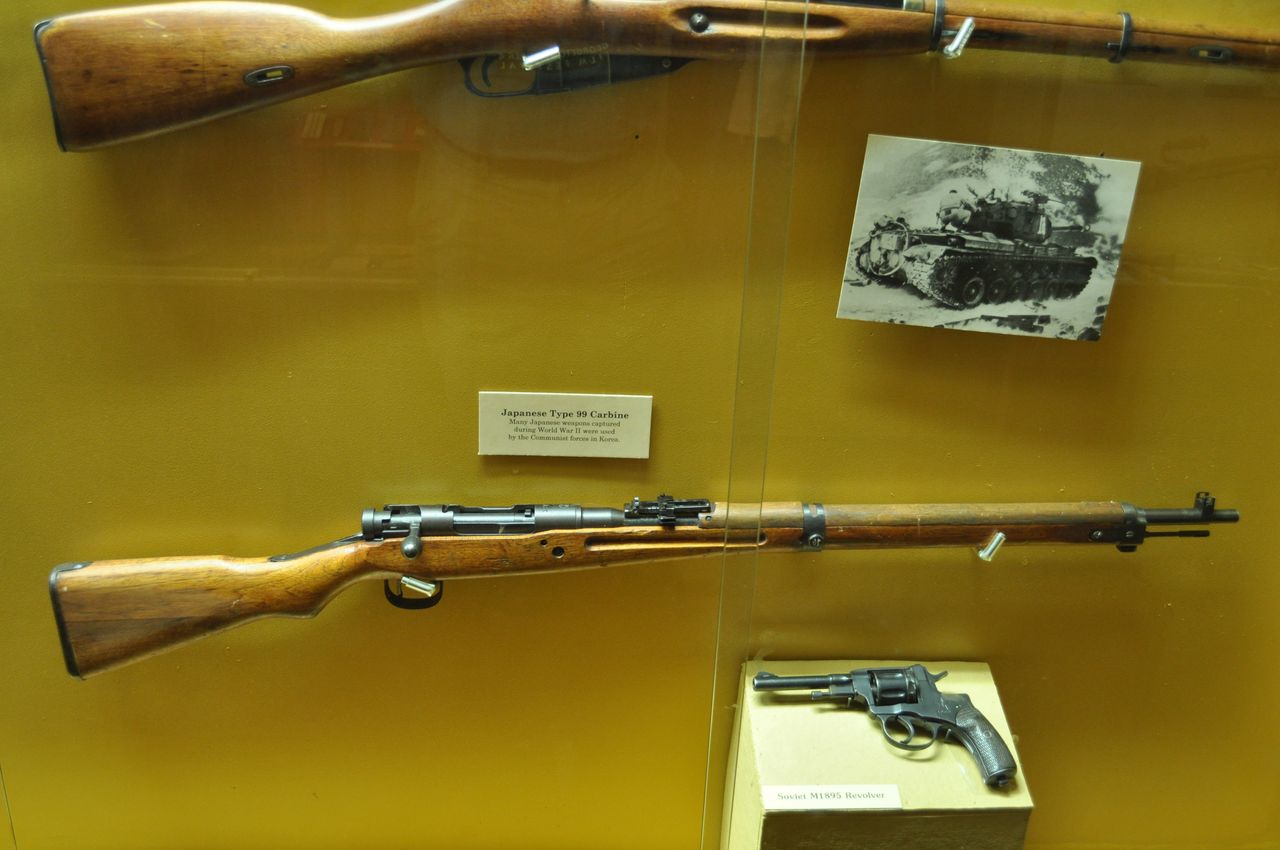
The Arisaka Type 99 had a more unusual path into American hunting culture, but it got there all the same. Brought home in large numbers after World War II, many were tucked away as souvenirs before eventually being pressed into practical service when hunters wanted an inexpensive rifle.
Its 7.7 Japanese chambering was not always the easiest round to feed, which led some owners to rework or rechamber these rifles over time. Even so, the action itself developed a reputation for impressive strength, and that helped sustain interest among tinkerers and thrifty sportsmen.
A Type 99 at deer camp usually said something about resourcefulness. It might not have been the first choice on the rack, but in the hands of a determined hunter, this former battlefield rifle could still carve out a respectable second life in the whitetail woods.
Krag-Jorgensen
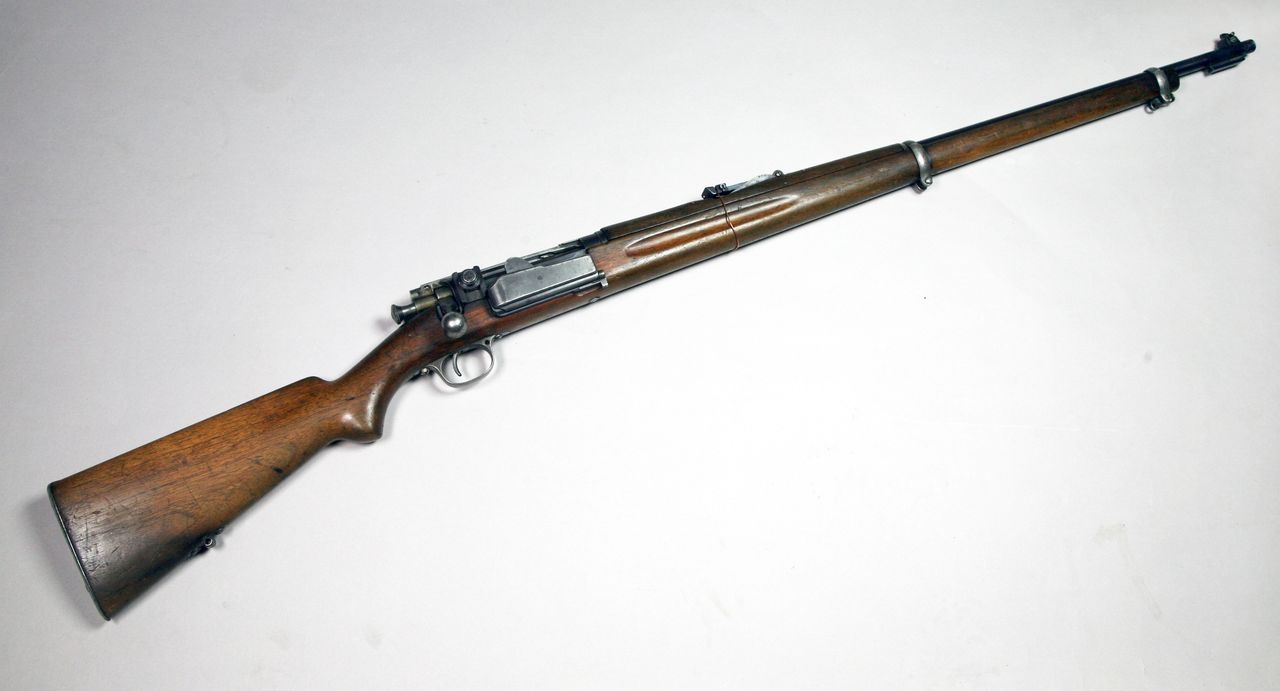
The Krag-Jorgensen belongs to an earlier chapter of military history, yet it remained a deer camp favorite well into the 20th century. Hunters were drawn to its famously smooth action and distinctive side-loading magazine, features that gave it a personality all its own.
Though it lacked some of the strength and velocity potential of later designs, the Krag was accurate, easy to carry, and often chambered in .30-40 Krag, a cartridge fully capable of taking deer cleanly at sensible ranges. In the woods, that was enough.
Many old Krags were handed down through families rather than purchased from a rack, which added to their sentimental pull. A Krag in camp often meant tradition, familiarity, and the quiet confidence that comes from carrying a rifle with stories already attached.