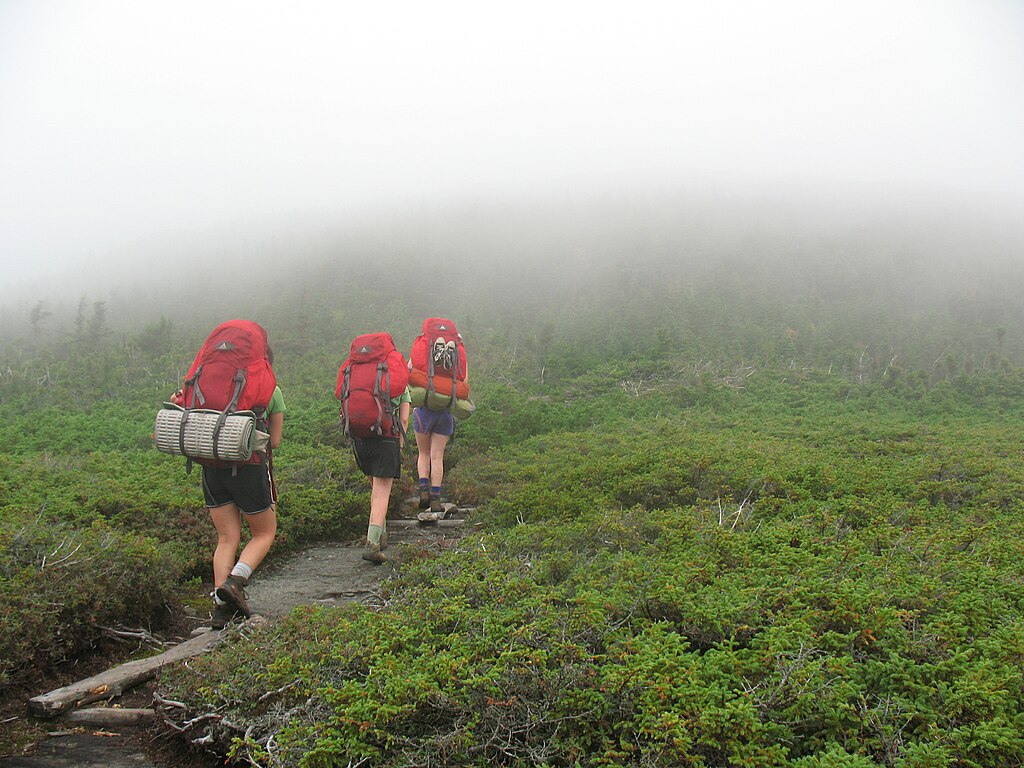
Finding reliable water on a hike feels comforting, but careful observation matters as much as a map. Natural sources often reveal themselves through patterns in plants, landforms, insects, and animal activity. Streams, springs, and seeps also shape temperature and sound in subtle ways, especially in shaded drainages and low spots. Even during dry spells, certain clues remain consistent because water influences soil moisture and local ecology. Knowing these signs supports safer pacing, smarter refills, and better decisions about when to keep moving or pause to investigate. Any collected water needs filtration or treatment because pathogens can occur in clear sources.
A Greener Ribbon Of Moist Loving Plants
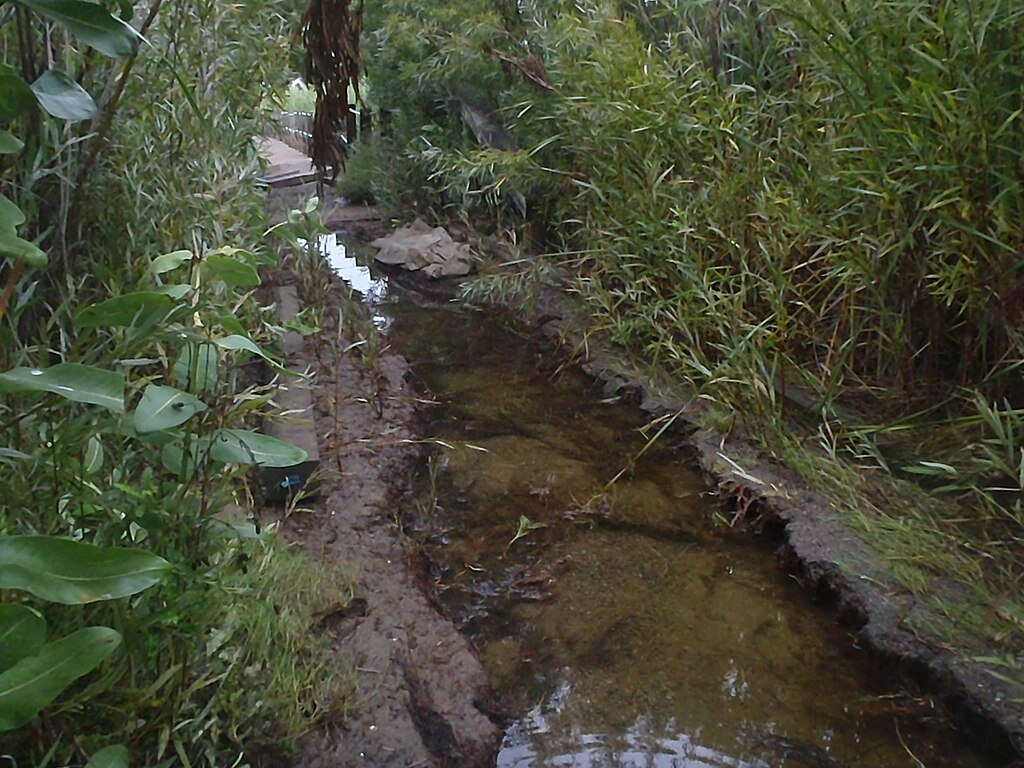
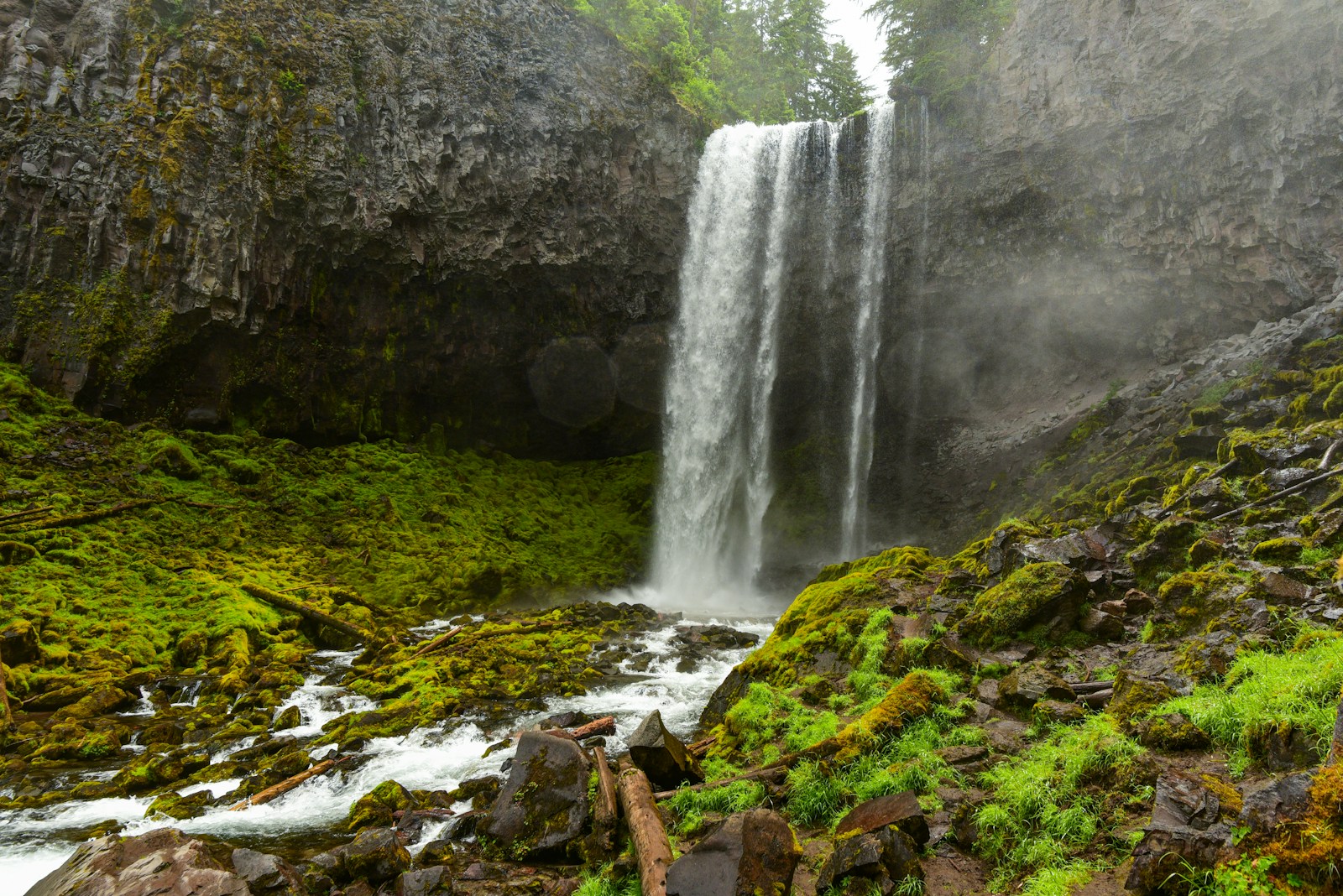
A sudden shift in vegetation is one of the clearest hints of nearby water. Across much of North America, streamside corridors support plants that prefer consistently moist soils, creating a greener ribbon through otherwise dry terrain. Willows and alders commonly cluster along creeks, while cottonwoods often mark floodplains in larger valleys. Ferns, sedges, rushes, and broadleaf understory plants can also appear where groundwater sits close to the surface. Even without visible flow, this denser, taller growth suggests a seep, spring, or seasonal channel close by. In late summer, those patches often stay bright after surrounding grasses turn straw colored.
A Surge In Water-Linked Insects
Insect activity often increases near water because many species depend on it to breed or hunt. Mosquitoes and biting midges commonly gather in humid pockets, especially near slow water or marshy edges, although they can also thrive after rain. Dragonflies and damselflies tend to patrol openings beside ponds and streams, feeding on smaller insects. In warmer months, clouds of mayflies, caddisflies, or other aquatic insects can rise from moving water in short bursts. When the air suddenly fills with these fliers, a source may be close. Bees and butterflies may gather on damp sand to sip minerals, called puddling.
A Convergence Of Game Trails And Tracks
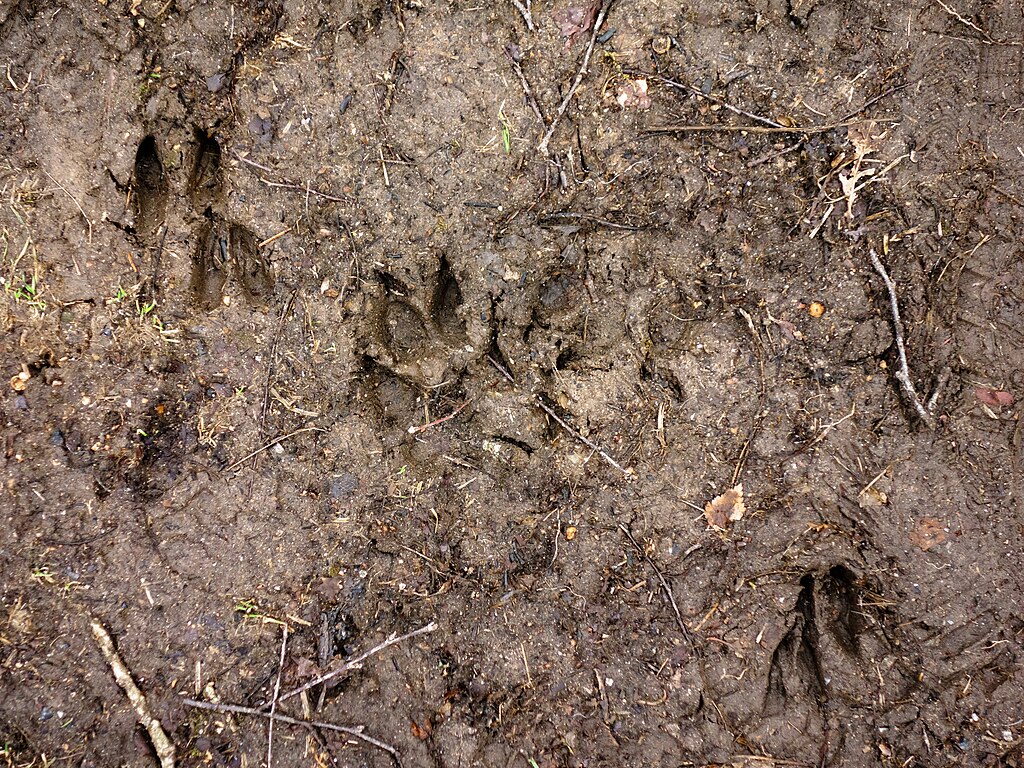
Wildlife concentrates around dependable water, so signs on the ground can point the way. Game trails often angle downhill and then merge as they approach a creek crossing, spring, or pool, because animals reuse efficient routes. Fresh tracks in soft soil, especially along a corridor, suggest regular trips to drink. Bird calls may become more frequent near water, where insects and vegetation offer food and cover. Even without animals in sight, clusters of tracks, droppings, or worn paths can signal a source nearby. At dawn and dusk, activity near water often rises, so quiet attention helps.
A Noticeable Change In Sound And Air
![Sawyer Squeeze water Filter [SP129]](https://pub-b56d3d46034c4a2495fa075c4af501a4.r2.dev/2026/01/81qBjYoa4wL._SL1500_.jpg)
Sound and air feel can change as a trail nears moving water. In calm conditions, the steady hiss or low gurgle of a stream can carry farther than expected, especially in narrow canyons that reflect noise. A cooler pocket of air may form along shaded banks because evaporation and cold water lower nearby temperatures. Humidity can rise in riparian corridors, making skin feel slightly damp compared with open slopes. These shifts are subtle, but when cooling, moisture, and faint water sounds appear together, water is often close. Wind may hide the sound, so short listening pauses help.
A Downhill Pull Into Natural Drainage Lines
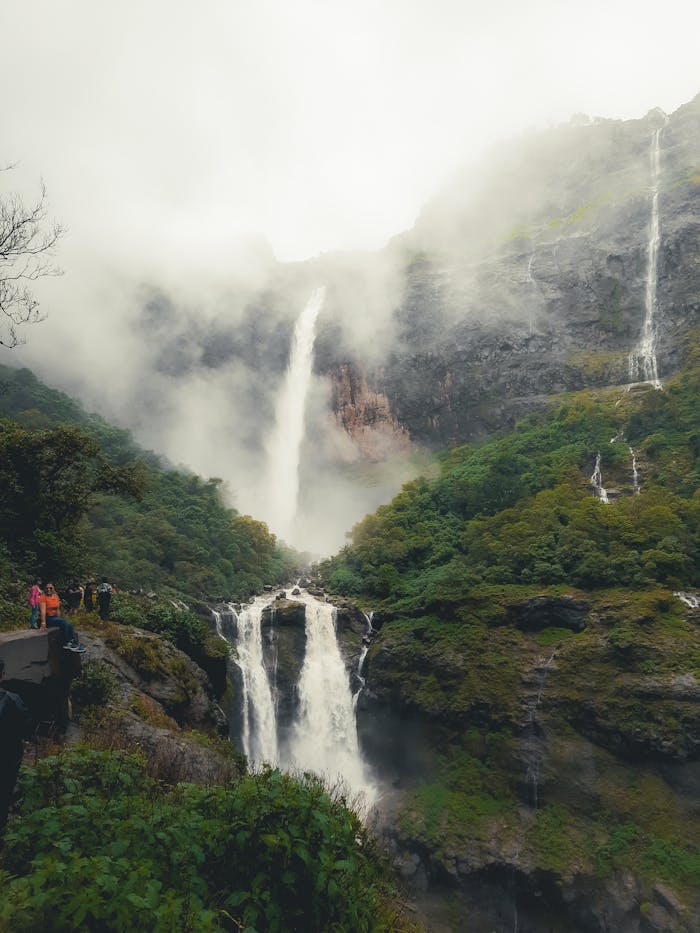
Land shape offers reliable guidance because water follows gravity and collects in predictable places. Drainages, gullies, and V-shaped valleys generally channel runoff toward streams, so a trail that drops into a cut or follows a creek bed often nears water. Contour lines on a map can confirm this, but the terrain itself provides clues like polished rocks, deposited sand, or driftwood caught above ground level. North-facing slopes in the Northern Hemisphere tend to stay cooler and moister, sometimes supporting longer-lasting trickles. Following the lowest line of a basin can lead to a source.
A Patch Of Damp Soil, Moss, Or Seeping Rock
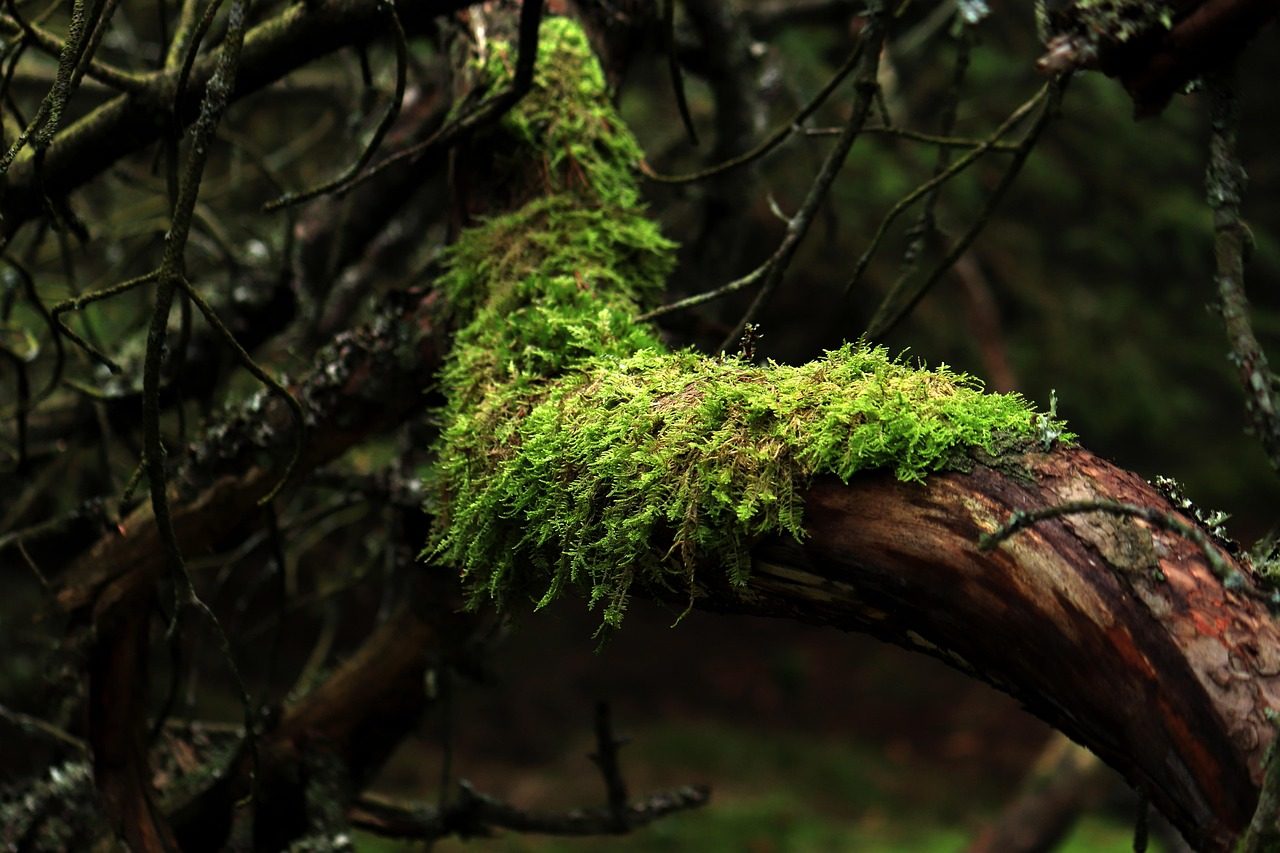
Moisture on rocks and soil can reveal hidden water even when no channel is obvious. Darkened soil, spongy ground, or a faint muddy sheen along a hillside may indicate a seep where groundwater reaches the surface. Moss and algae often grow on consistently damp stone, especially in shaded spots beside boulders or at the base of cliffs. Look for tiny rivulets that appear after stepping around a log or lifting a rock, because springs can emerge in small, scattered outlets. These micro sources can flow year-round, but careful collection and thorough treatment remain important.