Air guns often occupy a strange position in firearms law. In some countries, they are treated as recreational sporting equipment, while elsewhere their power, appearance, operating system, or intended use can place them under the same framework as conventional firearms. That creates surprising situations in which an air rifle that is legal for ordinary ownership in one market may require a licence, special authorization, or be unavailable to ordinary civilians somewhere else. Important: “banned” here includes models or categories that are prohibited, tightly restricted, or effectively unavailable for casual civilian ownership; the exact law can vary by jurisdiction.
1. Australian Air Rifles: Treated as Firearms
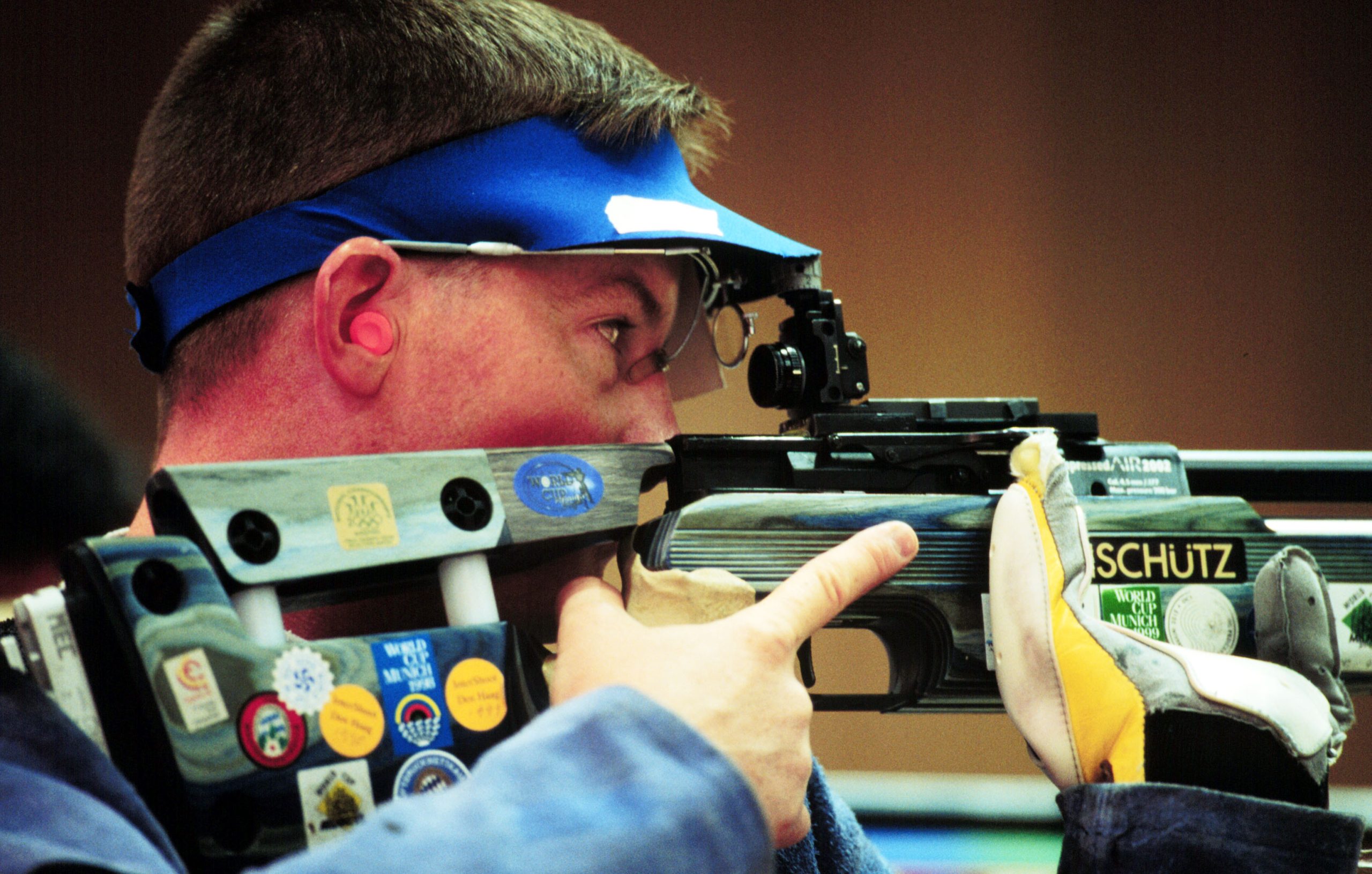
Australia takes an unusually strict approach to air-powered weapons. As a general rule, air guns are treated as firearms under Australian state and territory systems, with licensing and registration requirements depending on the jurisdiction. That means a PCP rifle, spring rifle, or air pistol cannot automatically be assumed to fall outside firearms regulation simply because it uses compressed air instead of ammunition and an explosive propellant. The number to remember is 1 national framework with 8 state and territory jurisdictions, meaning the precise requirements can differ locally.
2. High-Powered Air Rifles: Britain’s 12-Foot-Pound Line
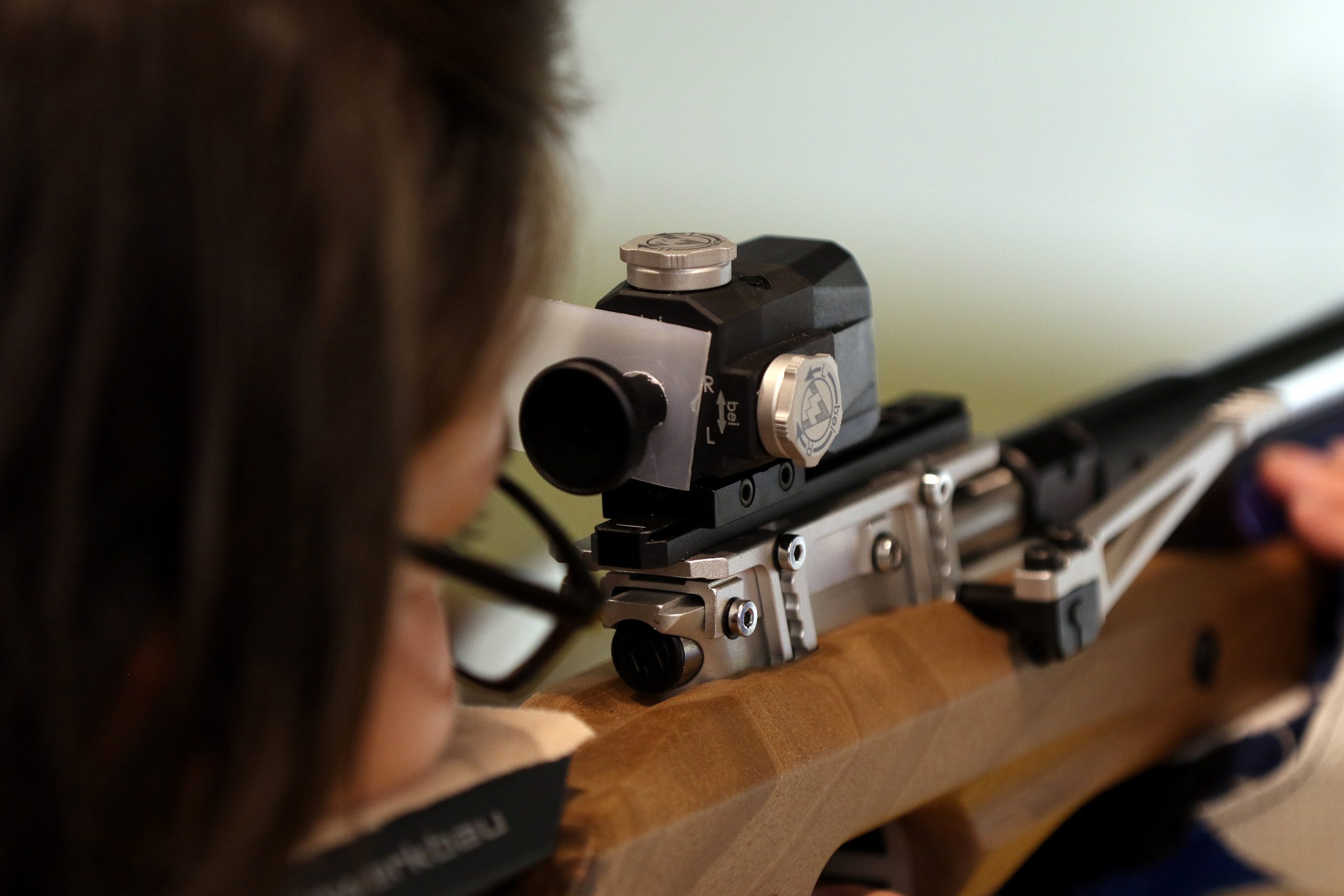
England and Wales demonstrate how a power threshold can completely change an air rifle’s legal status. Most lower-powered air weapons do not require a firearm certificate, but an air rifle capable of producing more than 12 foot-pounds of muzzle energy does. That distinction explains why certain powerful sporting rifles commonly sold abroad cannot simply be purchased and possessed under the rules applying to ordinary air guns. The important point is that Britain does not prohibit every air rifle; instead, its law creates a sharp dividing line between lower-powered weapons and those considered specially dangerous.
3. High-Powered Air Pistols: Britain’s 6-Foot-Pound Barrier
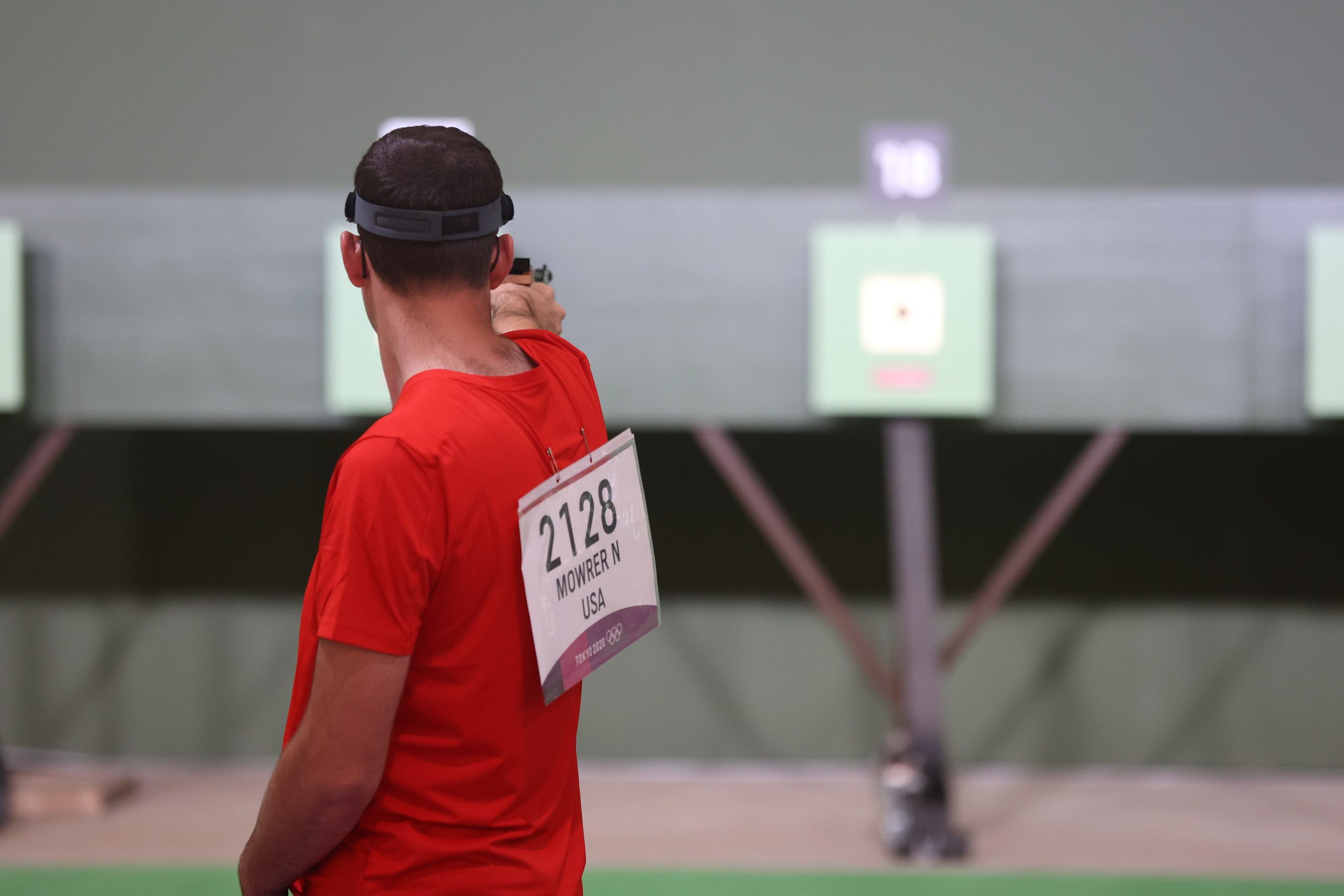
Air pistols encounter an even tougher rule in England and Wales. Under the firearms framework, an air pistol exceeding 6 foot-pounds of muzzle energy falls into the prohibited category unless the necessary authority has been granted. This is considerably lower than the 12-foot-pound threshold applied to ordinary air rifles, making certain powerful air pistols especially difficult for civilians to possess. The distinction is significant because a compact pistol can be regulated more severely than a substantially larger rifle. In practical terms, the model, configuration and measured muzzle energy all matter when determining its legal status.
4. Singapore Air Rifles and Pistols: Sport-Only Access
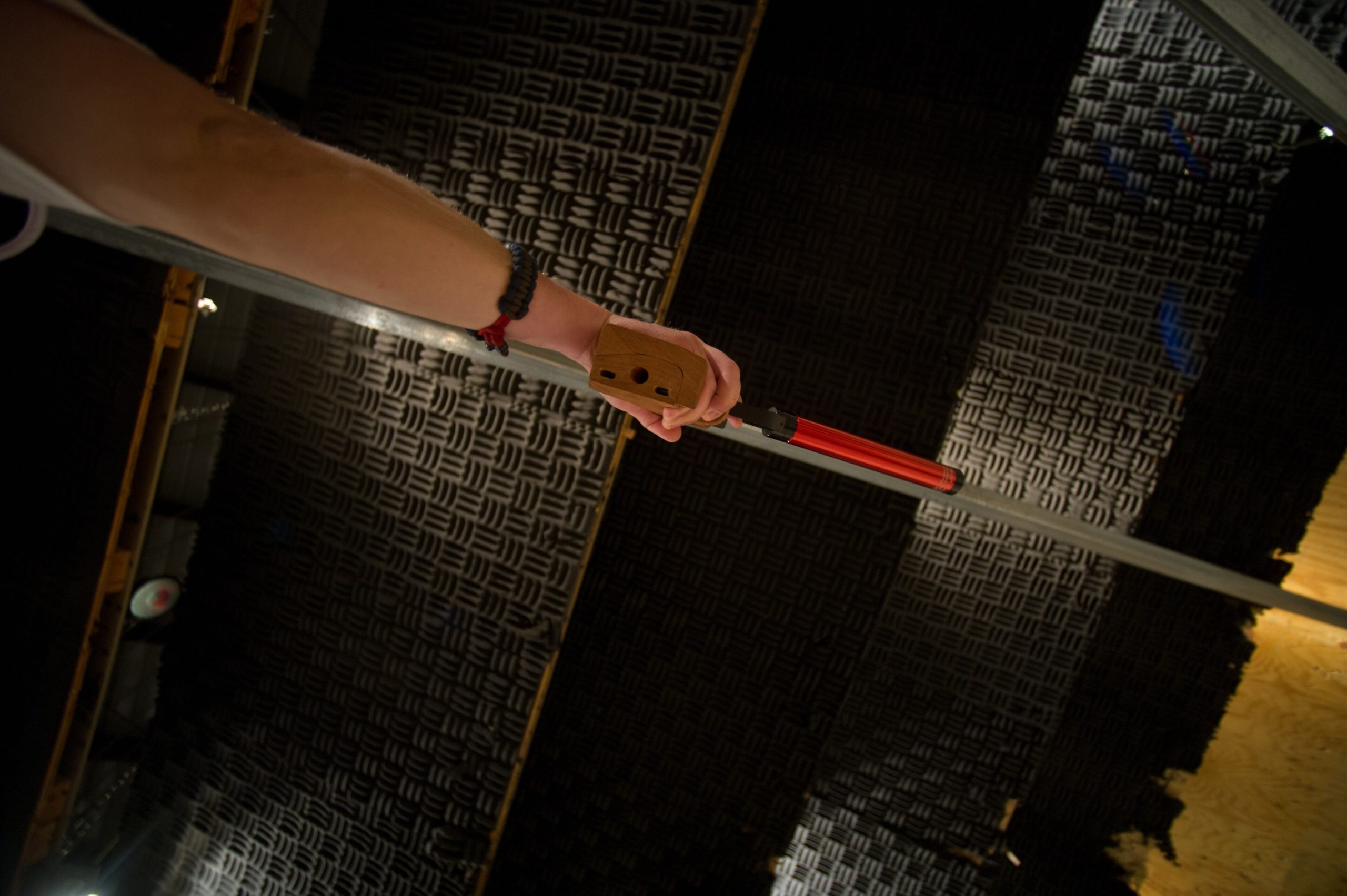
Singapore places air rifles and air pistols firmly inside a controlled weapons system. The Singapore Police Force lists both categories as controlled items requiring a licence, while individual possession is limited to approved sports-shooting activities at licensed shooting clubs, with guns kept at approved armouries. That makes an air gun effectively unavailable for casual private ownership even though conventional firearms are also tightly regulated. Two figures stand out: 1 licence is required, and civilian access is tied to 1 principal route, organised sports shooting rather than unrestricted ownership at home.
5. New Zealand Restricted Airguns: Appearance Can Matter
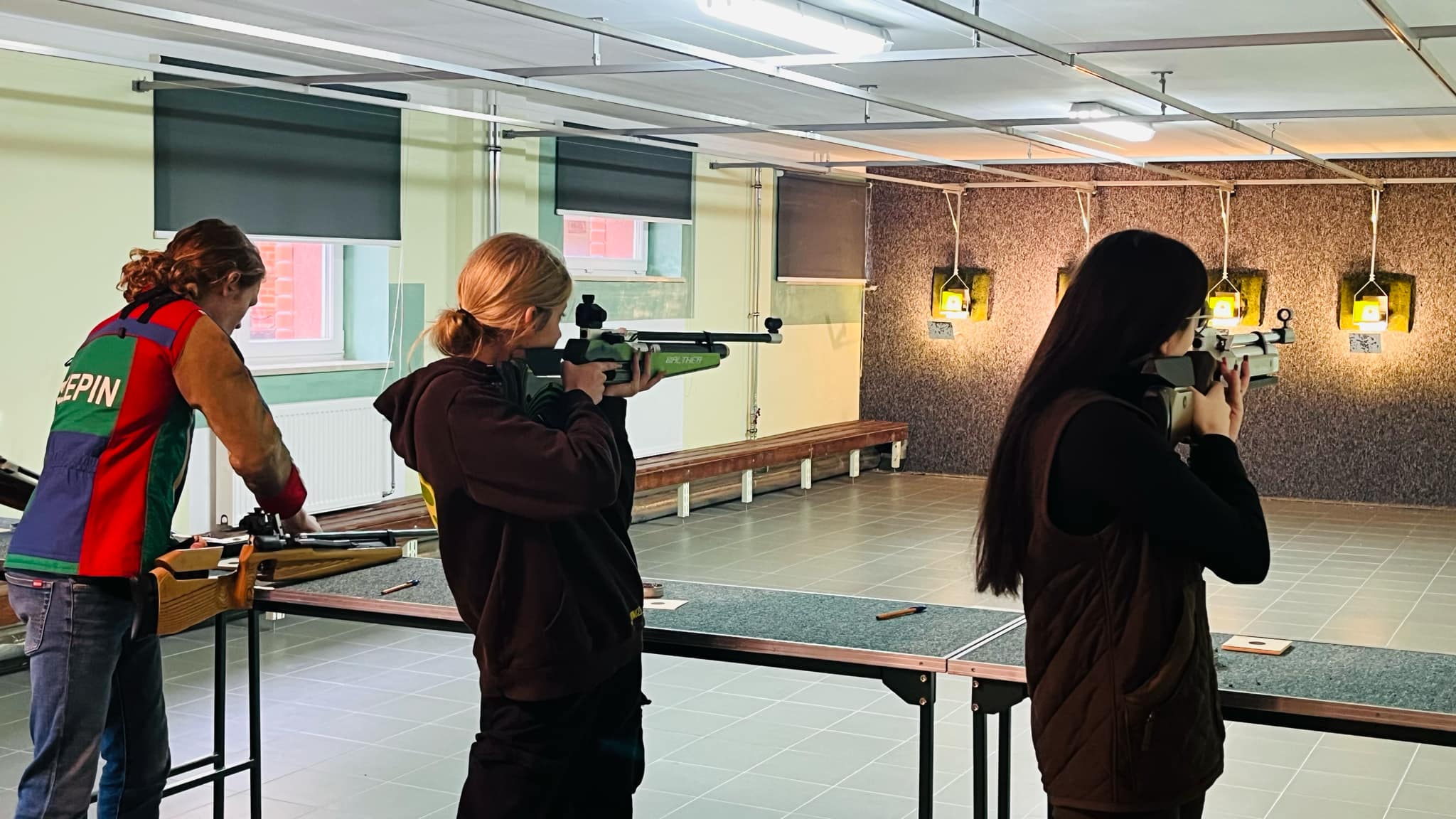
New Zealand shows that an airgun’s appearance can sometimes matter almost as much as its method of operation. Current legislation defines a restricted airgun partly by whether it resembles a restricted firearm, pistol, or restricted weapon, including certain configurations with their customary attachments. Separately, an airgun capable of full-automatic fire can be treated as a restricted weapon when it is not an airsoft or paintball gun. These rules mean an airgun is not automatically unrestricted simply because it uses compressed air. The 2 major triggers are realistic restricted appearance and full-automatic capability.
6. High-Powered Airguns: Canada’s 500-FPS Test
Canada illustrates why calling an airgun simply “banned” can be misleading. Federal rules use both velocity and energy when determining whether an air gun receives regulated firearm treatment. Weapons that exceed 500 feet per second (152.4 metres per second) and 5.7 joules can fall within the regulated framework, while air guns at or below those thresholds are generally exempt from licensing and registration requirements under the federal firearms provisions. However, a high-powered air rifle can still become prohibited or restricted because of features such as full-automatic operation or a sawed-off barrel. This matters when comparing laws across countries.