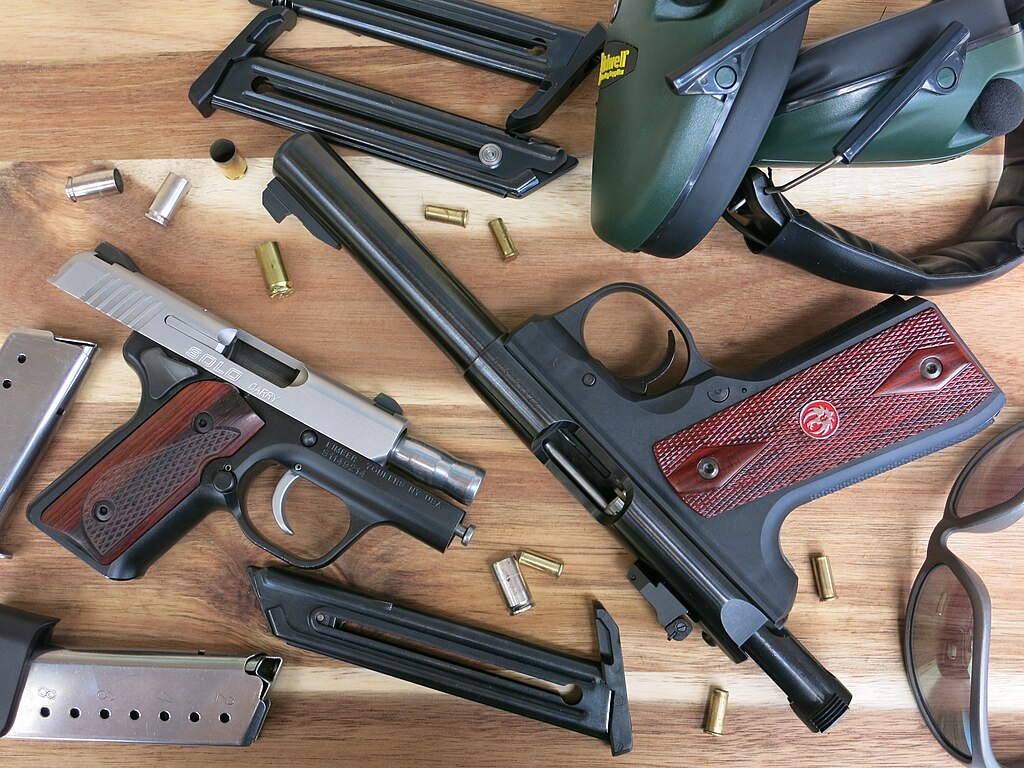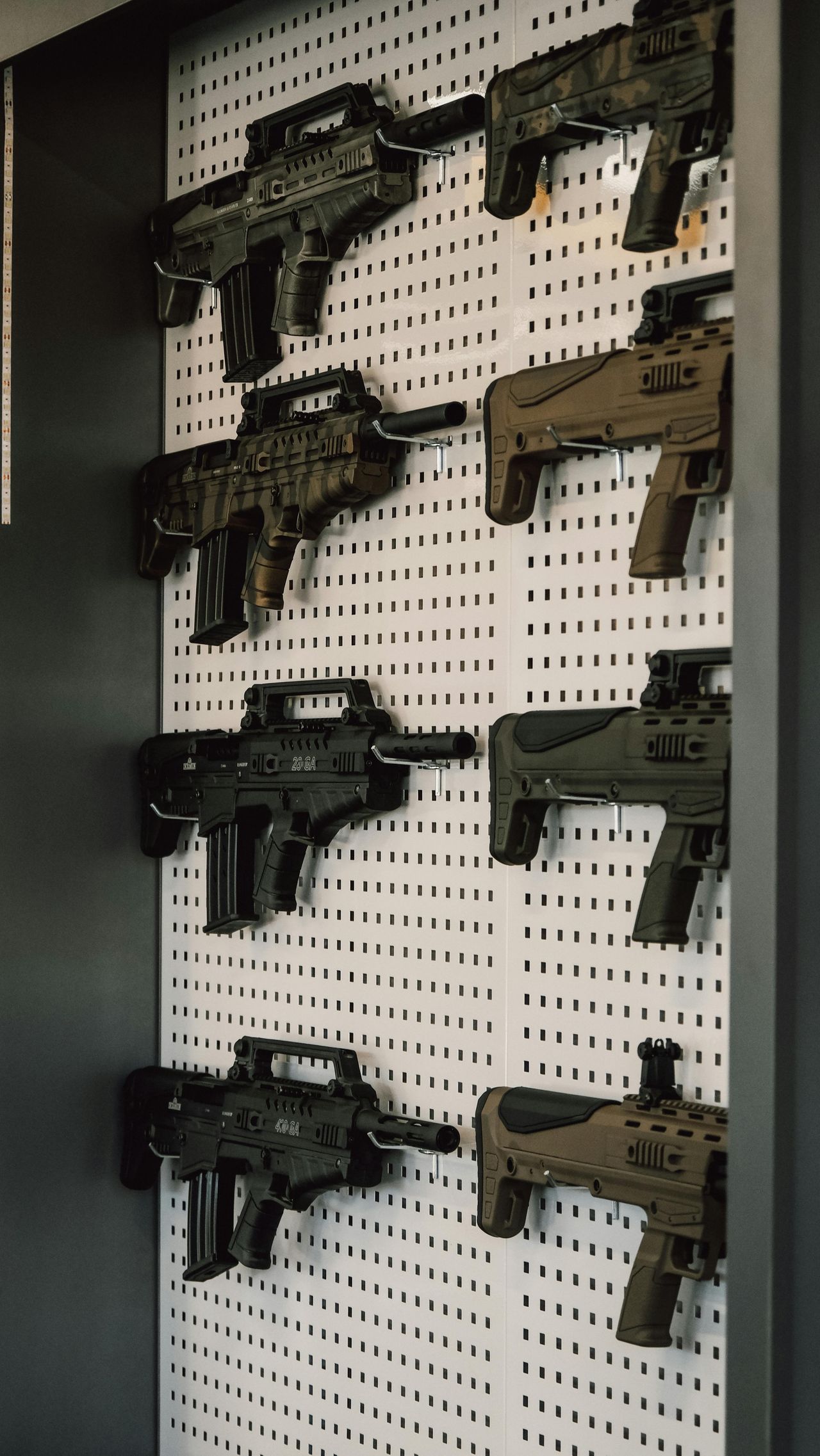
Some firearms earn a “must-have” reputation long before buyers see the full cost of ownership. In 2026, the sticker price is often just the opening act, with ammo, optics, magazines, spare parts, and customization pushing certain popular models into serious money-pit territory. This gallery breaks down the guns that attract plenty of hype but can become surprisingly expensive to feed, maintain, or fully enjoy.
AR-15 Platform Rifles
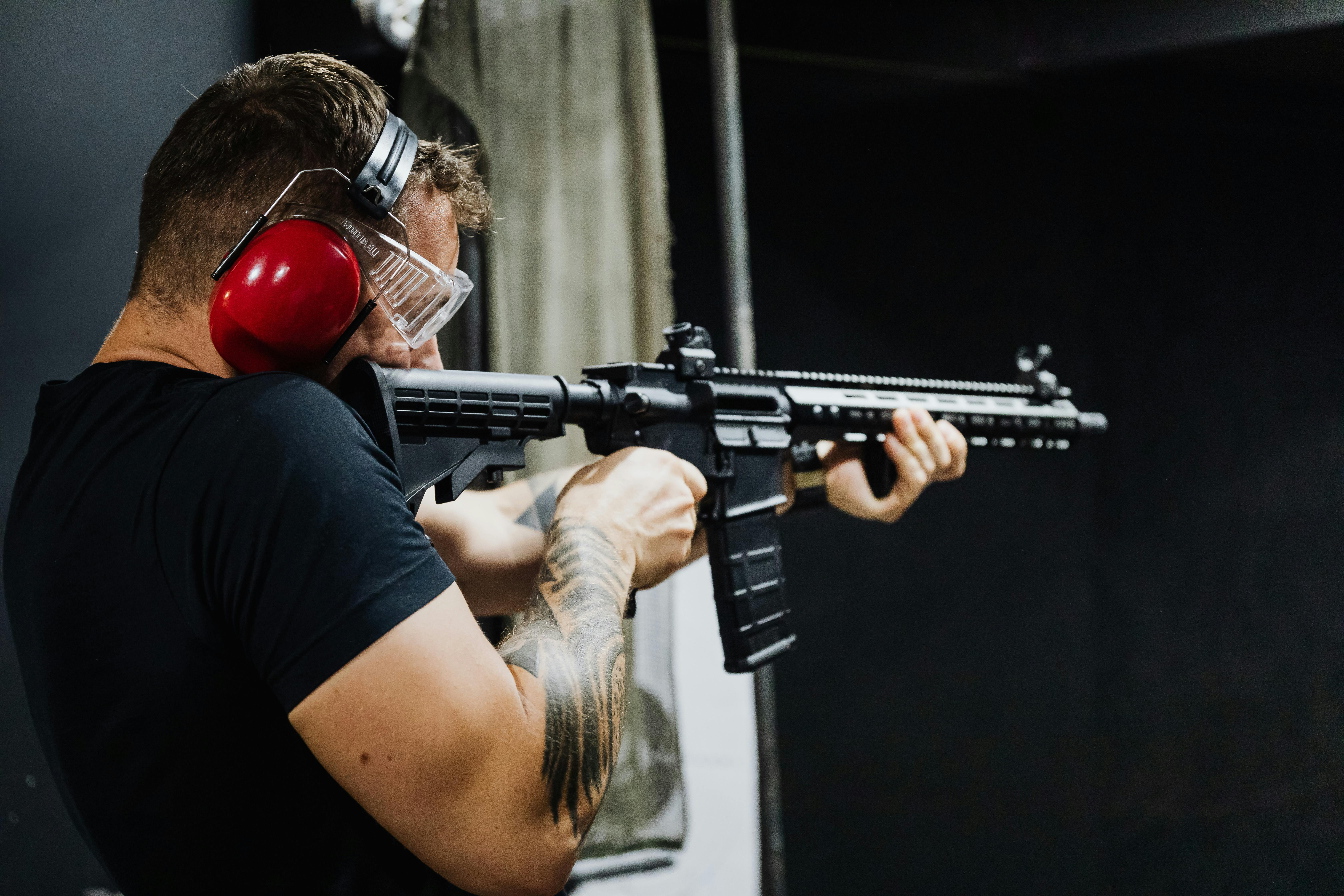
The AR-15 remains one of the most popular firearms in America, but it has a funny way of turning “just one rifle” into a rolling project. Buyers often start with a basic carbine and quickly add upgraded triggers, handguards, slings, lights, backup sights, and a better optic.
Then the extras keep coming. More magazines, more ammo, spare bolts, suppressor-ready muzzle devices, and different uppers for different roles can easily outpace the cost of the original gun. In 2026, an AR-15 is still versatile and appealing, but it’s also one of the easiest platforms to overspend on without noticing.
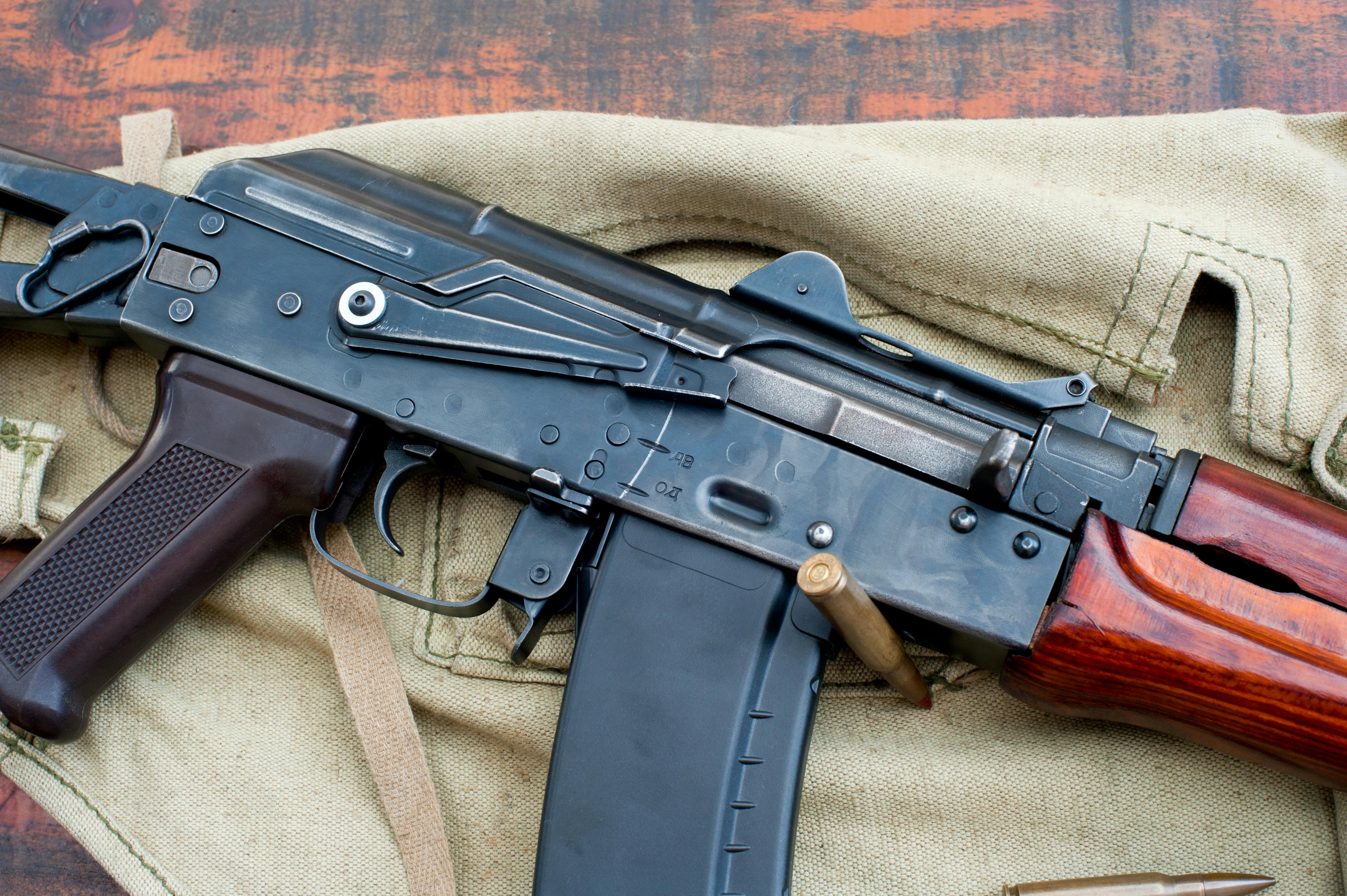
AK-Pattern Rifles

AK-pattern rifles still carry a rugged, old-school appeal, but affordability is no longer their defining trait. Import restrictions, shifting supply, and higher prices on quality examples have changed the math, especially for buyers chasing a dependable rifle rather than a bargain-bin novelty.
Once you own one, the spending doesn’t stop. Good magazines, upgraded furniture, optic mounts, and enough ammunition to smooth out the learning curve can get expensive fast. In 2026, a solid AK can absolutely be worth having, but the days of cheap rifles and cheap feeding are increasingly part of the nostalgia.
1911 Pistols

The 1911 still draws buyers with classic styling, crisp triggers, and a reputation that feels larger than life. The trouble is that many owners don’t stop at one purchase. Better magazines, tuned extractors, premium holsters, and sight upgrades often become part of the experience almost immediately.
Higher-end models can be excellent, but they also encourage expensive tastes. Owners may start comparing finishes, custom grips, fitted parts, and match-grade ammo, especially if reliability or precision becomes the priority. In 2026, a 1911 can still be a joy to shoot, but it rarely stays a simple or inexpensive handgun to own.
Precision Bolt-Action Rifles

A precision bolt gun looks straightforward on paper: rifle, scope, box of ammo, done. In reality, this is one of the fastest paths to a full ecosystem of spending. Serious owners often add bipods, premium rings, chassis systems, rangefinders, data gear, and upgraded glass that can cost more than the rifle.
The hidden expense is ammunition and barrel life. Match-grade rounds aren’t cheap, and shooters who want top performance often start handloading, which brings its own stack of equipment costs. In 2026, precision shooting remains deeply rewarding, but it’s rarely a hobby for anyone hoping to stay on a tight budget.
Large-Caliber Revolvers

Big-bore revolvers have undeniable presence. They’re dramatic at the range, impressive in the case, and often marketed as powerful do-it-all sidearms for enthusiasts who want something memorable. The catch is that memorable usually comes with expensive ammunition and a gun that may get shot less than buyers expect.
Many owners discover that recoil limits practice, while the cost per box makes casual range sessions feel extravagant. Add holsters, speedloaders, and premium defensive or hunting loads, and the total climbs quickly. In 2026, large-caliber revolvers still have a devoted following, but they can be a classic example of paying heavily for occasional use.
Competition-Style Pistols

Competition-style pistols are marketed with all the right buzzwords: flat shooting, optics-ready, enhanced controls, and race-inspired performance. That sounds great until buyers realize the pistol is really just the entry ticket. Red dots, magwells, base pads, extra magazines, and tuning parts quickly become part of the expected package.
Then there’s the ammo bill. These guns tend to encourage more training, more matches, and more tinkering, which means more money flowing out in every direction. In 2026, competition-ready pistols are better than ever, but they also invite a level of commitment that can make “just buying the gun” feel almost laughably optimistic.
Bullpup Rifles

Bullpup rifles keep attracting attention because they look futuristic and promise rifle-length performance in a compact package. That novelty factor is powerful, especially for buyers who already own more traditional rifles. The issue is that many bullpups come with higher purchase prices and fewer low-cost aftermarket options.
Proprietary magazines, specialized parts, unusual triggers, and model-specific accessories can make ownership more expensive than expected. If something breaks or you want to upgrade the setup, you may find fewer choices and higher prices waiting. In 2026, bullpups still stand out at the range, but standing out can be surprisingly costly.
Shotguns Built for 3-Gun

A 3-gun shotgun can be thrilling to watch and even more fun to run, but it rarely stays cheap for long. Extended magazine tubes, loading port work, sights, shell caddies, match belts, and recoil-taming upgrades all have a way of becoming “necessary” once someone gets serious.
Even outside competition, these setups encourage constant tweaking. Owners may chase better reliability with specific loads, experiment with controls, or pay for gunsmithing to improve speed and handling. In 2026, 3-gun shotguns remain highly specialized crowd-pleasers, but they can turn from exciting purchase to expensive project with remarkable speed.
High-End Over-Under Shotguns
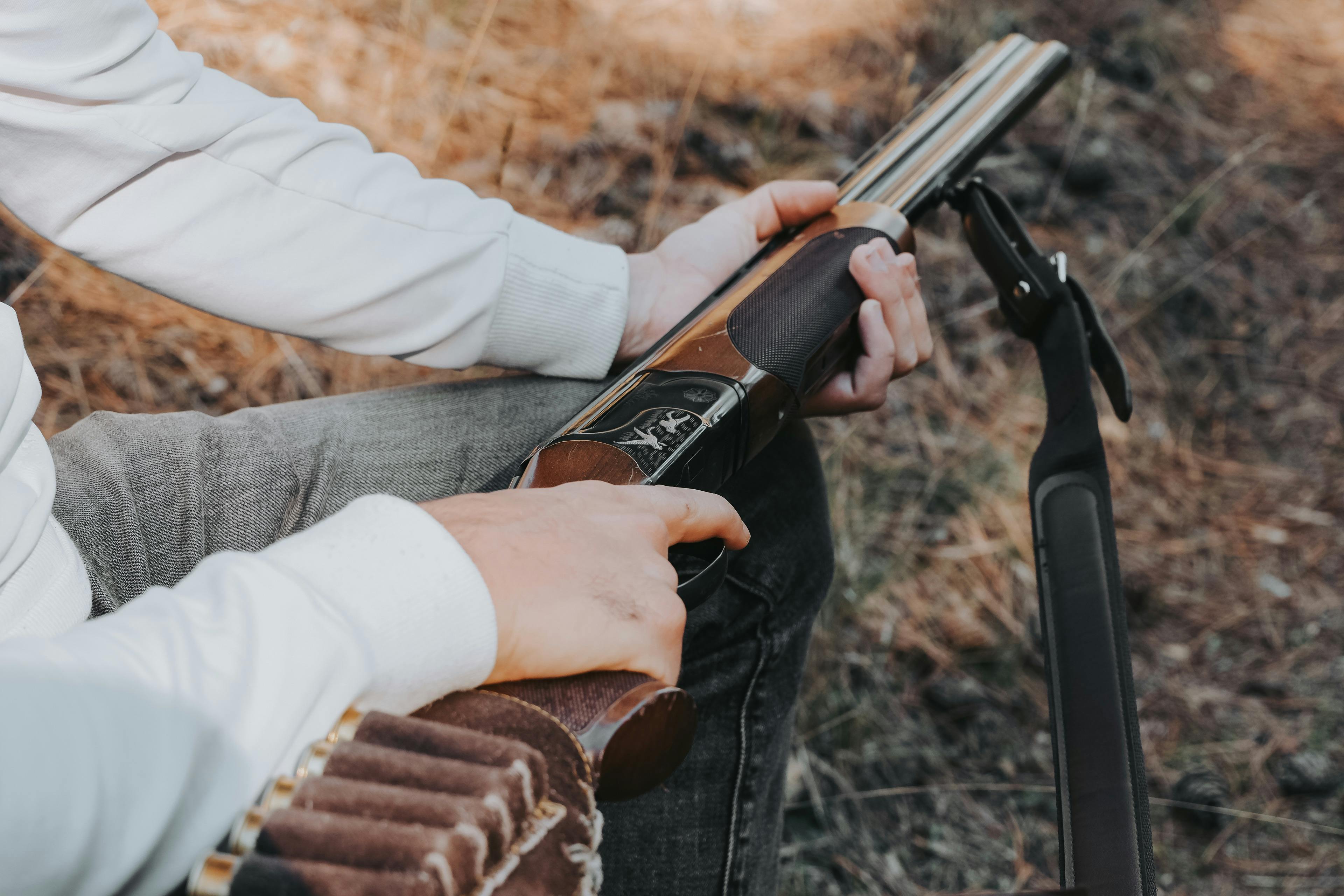
Over-under shotguns have a reputation for elegance, balance, and sporting credibility, especially in clay target circles. That reputation often pulls new buyers upward in price faster than they planned. Once someone handles a polished, well-fitted example, budget options can suddenly feel less satisfying.
The gun itself is only part of the story. Shell costs add up, range fees pile on, and owners often invest in fitted cases, vests, custom stocks, or stock adjustments to improve comfort and scores. In 2026, a good over-under can be a lifelong companion, but getting there can be much more expensive than newcomers expect.
Subcompact Carry Pistols

Subcompact carry pistols seem like practical buys because they’re small, useful, and easy to justify as everyday tools. But this category can quietly become a money sink through trial and error. Many owners cycle through holsters, belts, sights, magazine extensions, and different defensive loads before finding a setup they truly trust.
That process gets expensive because comfort and reliability matter so much. If a pistol is hard to shoot well, owners may add more training, accessories, or even switch models entirely. In 2026, the carry market is crowded with good options, yet chasing the “perfect” setup often costs far more than expected.
Pistol-Caliber Carbines

Pistol-caliber carbines are easy to like. They’re approachable, soft-shooting, and often sold as versatile range guns for new and experienced shooters alike. But that simple appeal tends to open the door to a long list of extras, including optics, braces or stocks where legal, lights, slings, and magazine bundles.
Buyers also tend to justify these rifles as ammo savers, then end up shooting far more than planned because they’re so fun. Add suppressor-ready upgrades or caliber-specific accessories, and the budget starts to swell. In 2026, PCCs are still crowd-pleasers, but they can become deceptively expensive recreational toys.
Imported Surplus Rifles
Surplus rifles have long carried the romance of history at a reasonable price. That value proposition gets repeated so often that buyers sometimes miss how much the market has changed. Condition, matching parts, and original accessories can drive prices far above what people still imagine these rifles should cost.
Then there’s the real-world ownership side. Ammunition can be inconsistent or expensive, replacement parts may be scarce, and collectors often spend heavily chasing slings, bayonets, or proper markings. In 2026, surplus rifles still offer character that new production guns can’t replicate, but they’re no longer the budget adventure many buyers assume.
Double-Stack 2011 Pistols
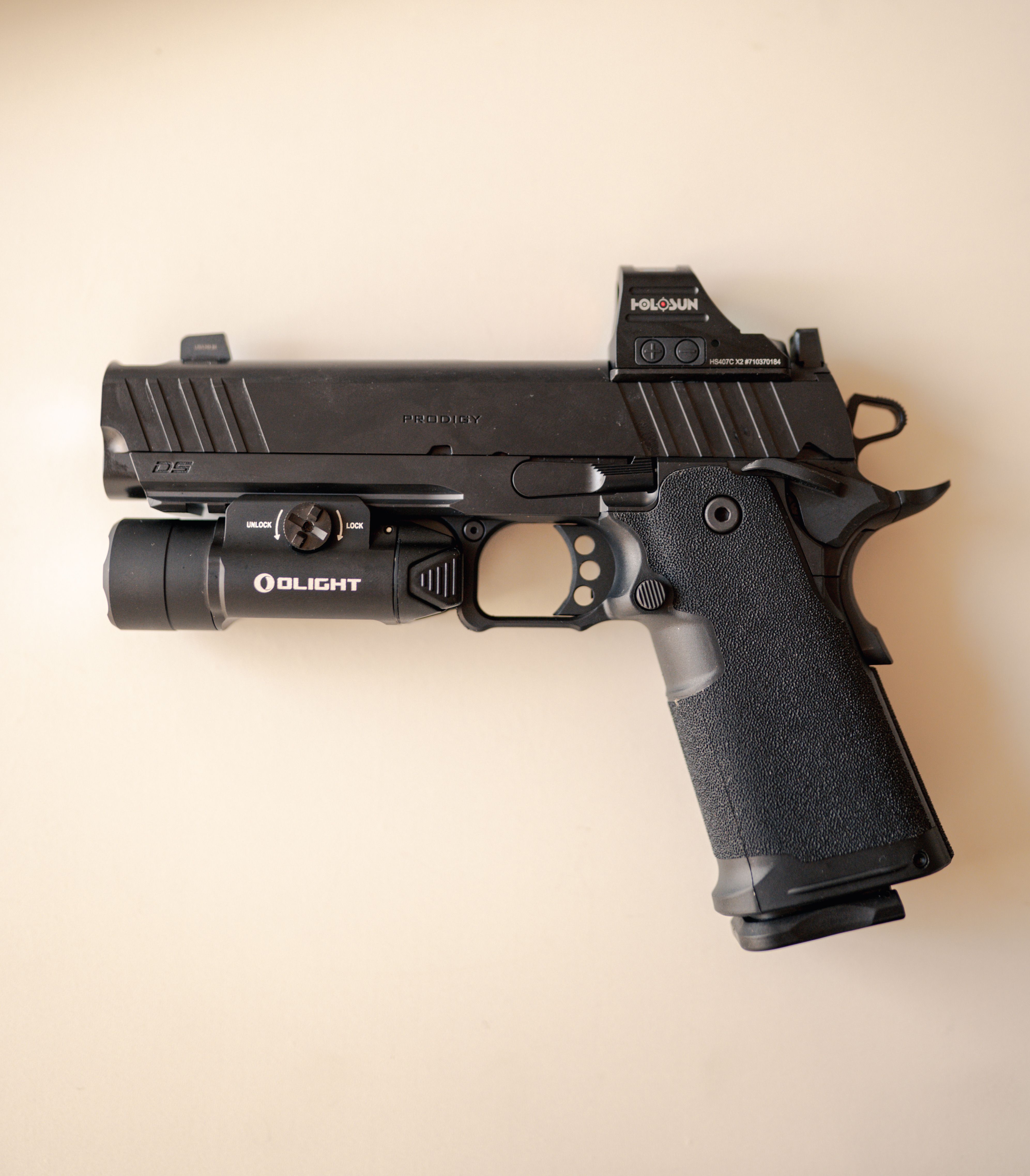
The 2011 has become a status symbol in modern handgun culture, blending speed, capacity, and premium fit in a package that gets plenty of attention online and at the range. The problem is that very few owners stop at the base price. These pistols practically invite high-end optics, tuned magazines, and premium support gear.
Maintenance and magazines alone can be eye-opening, especially if an owner wants reliable performance across thousands of rounds. Many shooters also feed them a steady diet of expensive ammo because these guns shine when run hard. In 2026, 2011s are impressive machines, but they can drain a budget with remarkable efficiency.