Finding water in the wild often depends on your ability to notice small details that most people walk past without a second thought. Trees respond to moisture far more consistently than weather patterns or animal tracks, and many species reveal hidden water sources long before you can see them. By learning how different trees grow, lean, cluster, and change color, you can read the landscape with more confidence and avoid wandering. These signs help you understand where water collects naturally and how vegetation quietly guides you toward it.
1. Willows Growing in a Cluster
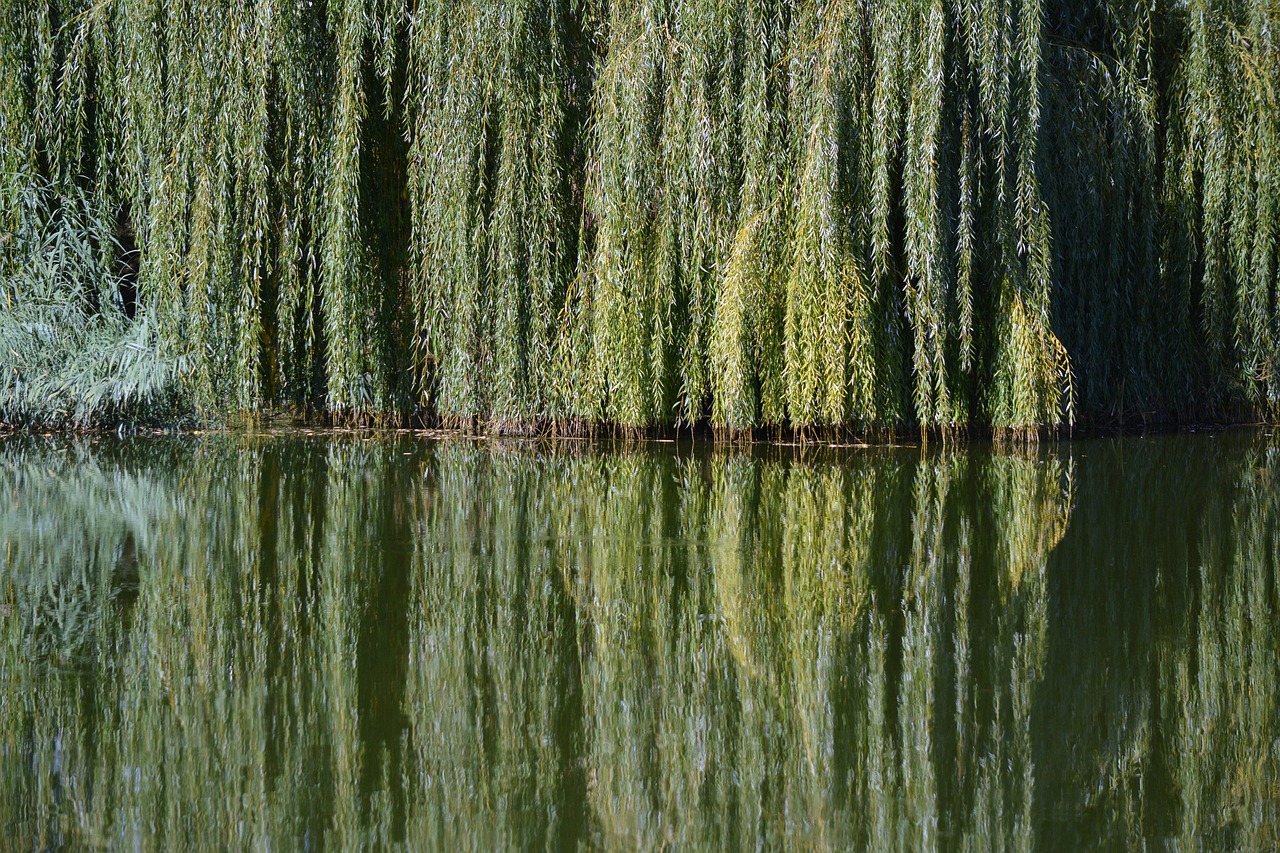
Clusters of willow trees are one of the most reliable signs that water is close, because willows have roots that demand constant moisture and rarely survive far from a dependable source. When you notice several willows grouped tightly in low ground or forming a loose arc through open terrain, it usually means groundwater is flowing inches below the soil. Their leaves often appear softer and brighter than nearby vegetation, and the soil beneath them tends to stay cooler during the day. These trees naturally seek out streams, seep lines, and old channels that still hold water.
2. Cottonwoods Standing Taller and Brighter
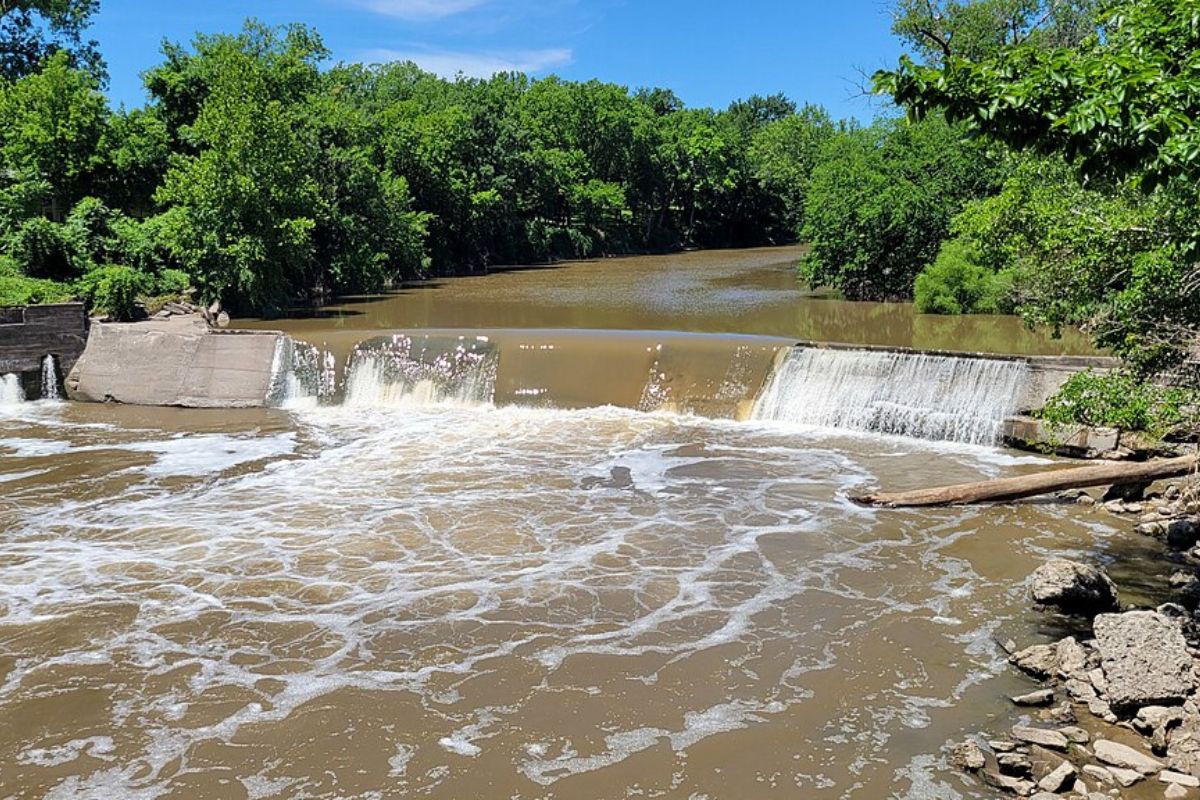
Cottonwoods are excellent indicators of hidden moisture because their deep roots tap into water reserves long before the surface shows any sign of dampness. When you see a cottonwood standing noticeably taller and greener than its surroundings, it often means it has found an underground source that other plants cannot reach. The bark tends to look healthier, and the upper branches may spread wider as the tree grows with confidence. Even a single cottonwood rising from dry ground can signal a buried stream bed or a pocket of stored groundwater beneath the landscape.
3. Sycamores With Broad, Pale Trunks
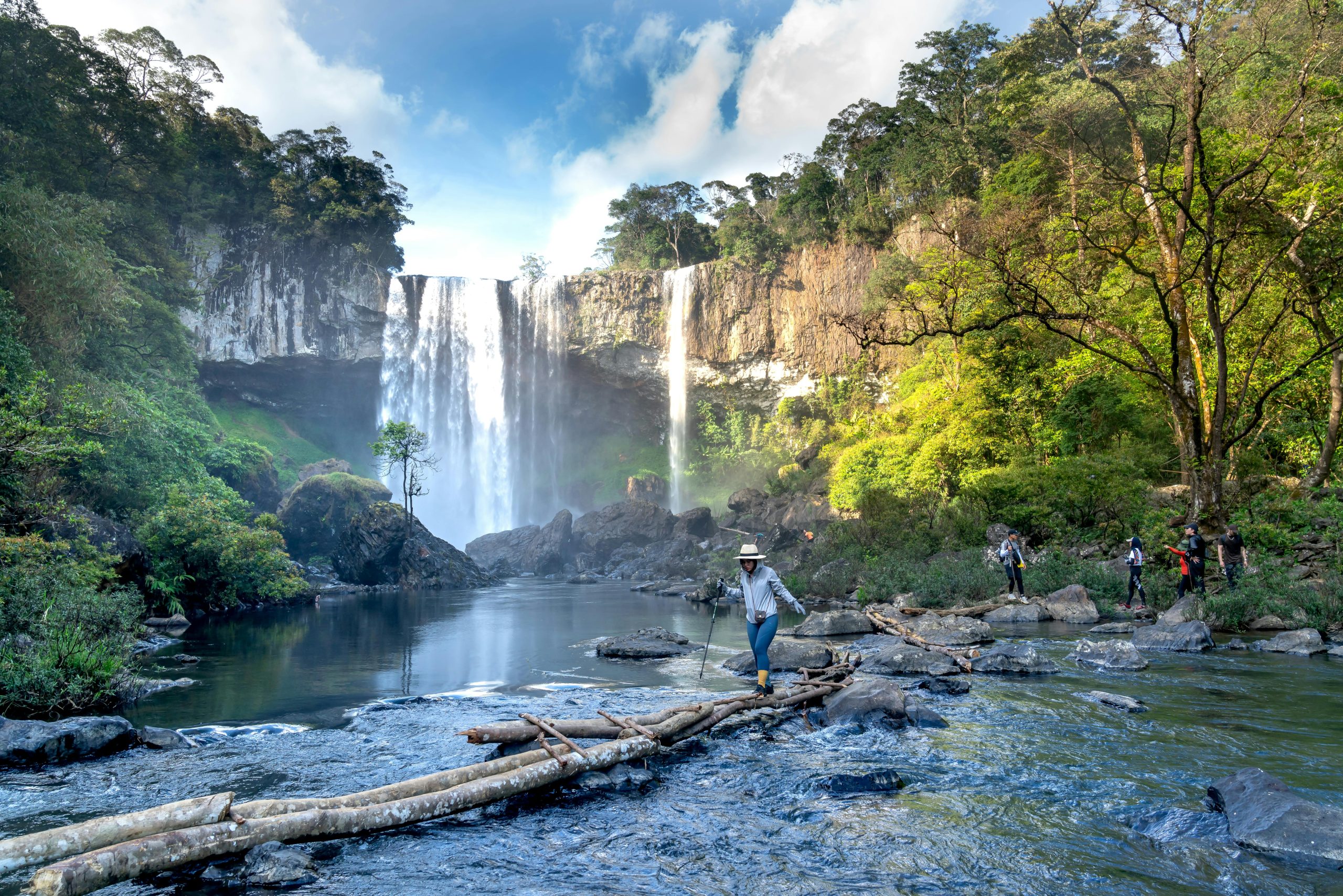
Sycamores naturally favor wet soil and frequently grow along water channels that may not be visible at first glance. Their trunks are pale, smooth, and noticeably wide at the base, often revealing a slight twist from growing in soft ground. When you spot a sycamore with bright leaves and a broad crown, it usually means water is coursing through the soil just below. These trees thrive where old rivers once flowed, and they often mark the path of underground moisture that still moves silently through gravel or clay. A line of sycamores is an even stronger signal.
4. Alders Forming Long Lines
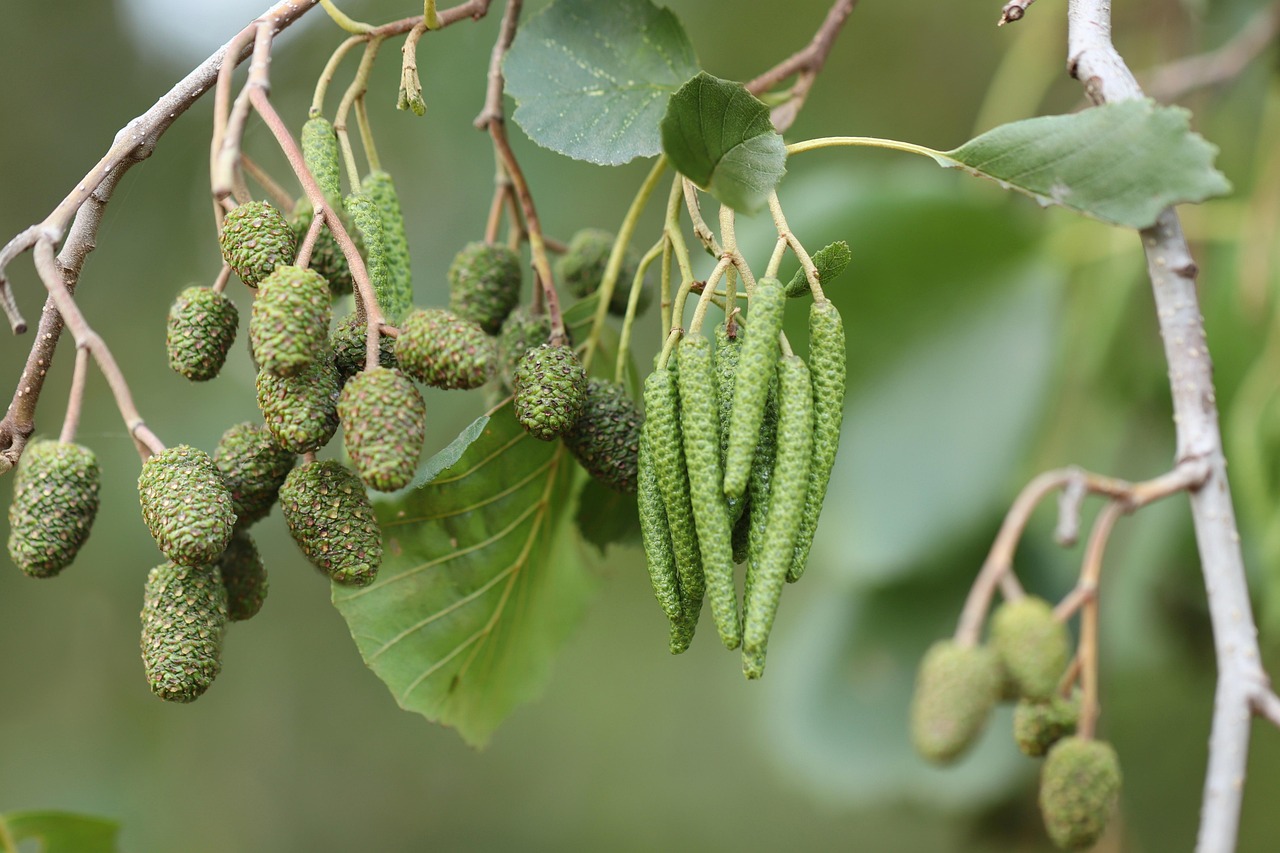
Alders commonly grow in narrow, straight formations that mirror the direction of underground water movement. Their roots prefer saturated soil, and they often stretch along seep paths or buried stream beds. When you find a line of alders cutting across a landscape, it typically means the soil beneath them carries steady moisture, even if the surface looks dry. The bark may appear slightly darker from persistent humidity, and the leaves usually keep a bright tone through warm weather. These trees rarely scatter randomly, so their linear pattern provides a dependable hint of water.
5. Dense Groves of Ash Trees
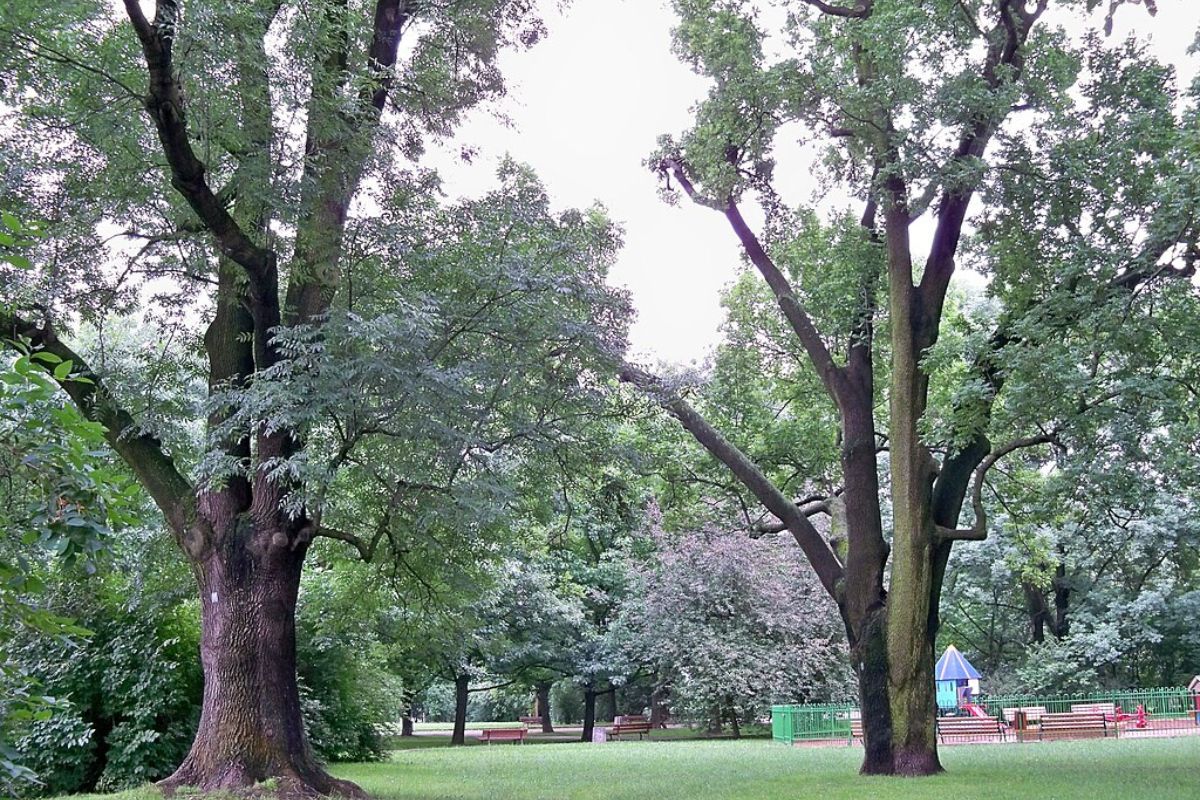
Ash trees thrive in moist soil that remains damp throughout the season, making dense clusters of ash a strong sign that water is present below ground. When these trees gather in tight groups, it often means the terrain retains moisture even during long dry spells. The leaves stay lush longer than surrounding vegetation, and the bark may feel cooler to the touch, especially in shaded areas. Ash trees tend to anchor themselves along hidden water pockets or slow seep lines that are easy to overlook. A sudden shift from dry plants to ash saplings is a useful clue.
6. Water-Loving Birches on Slight Slopes
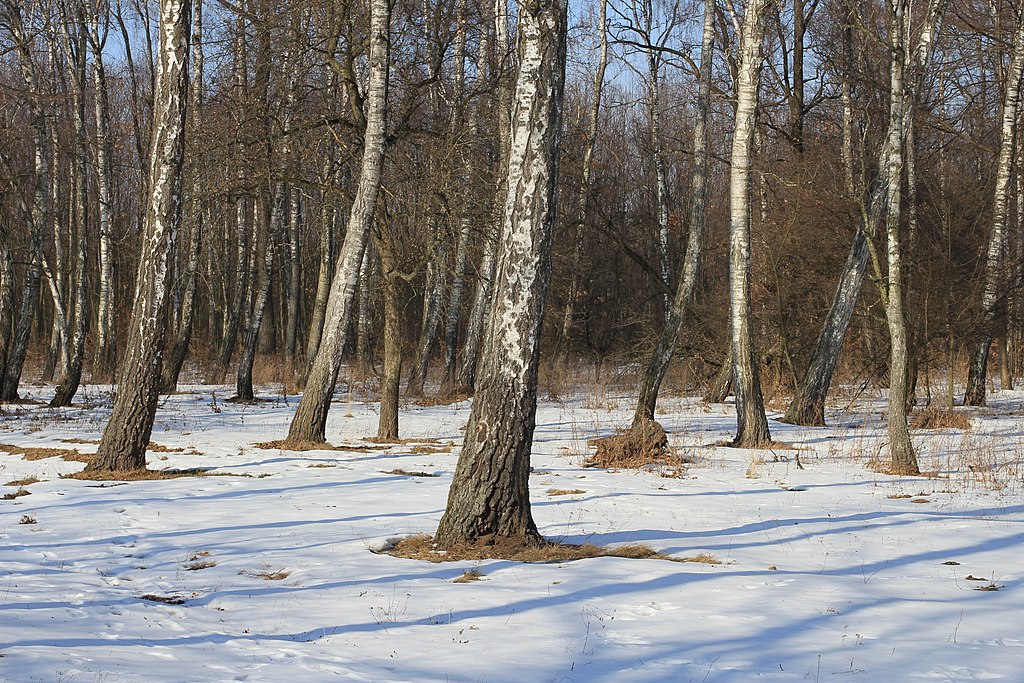
Birch trees grow best in cool, moist environments and often appear where groundwater quietly rests below a slope. If you notice birches scattered up a gentle rise instead of staying strictly in low ground, it often means water is filtering below the surface. Their white bark reflects sunlight, and their leaves remain soft even in warm afternoons, both signs of steady hydration. Birch clusters may also follow the contour of a hill, showing where moisture collects before draining downward. These trees act as natural markers, pointing toward soil that holds water even when the surface looks dry.
7. Dark, Moss-Covered Tree Bases
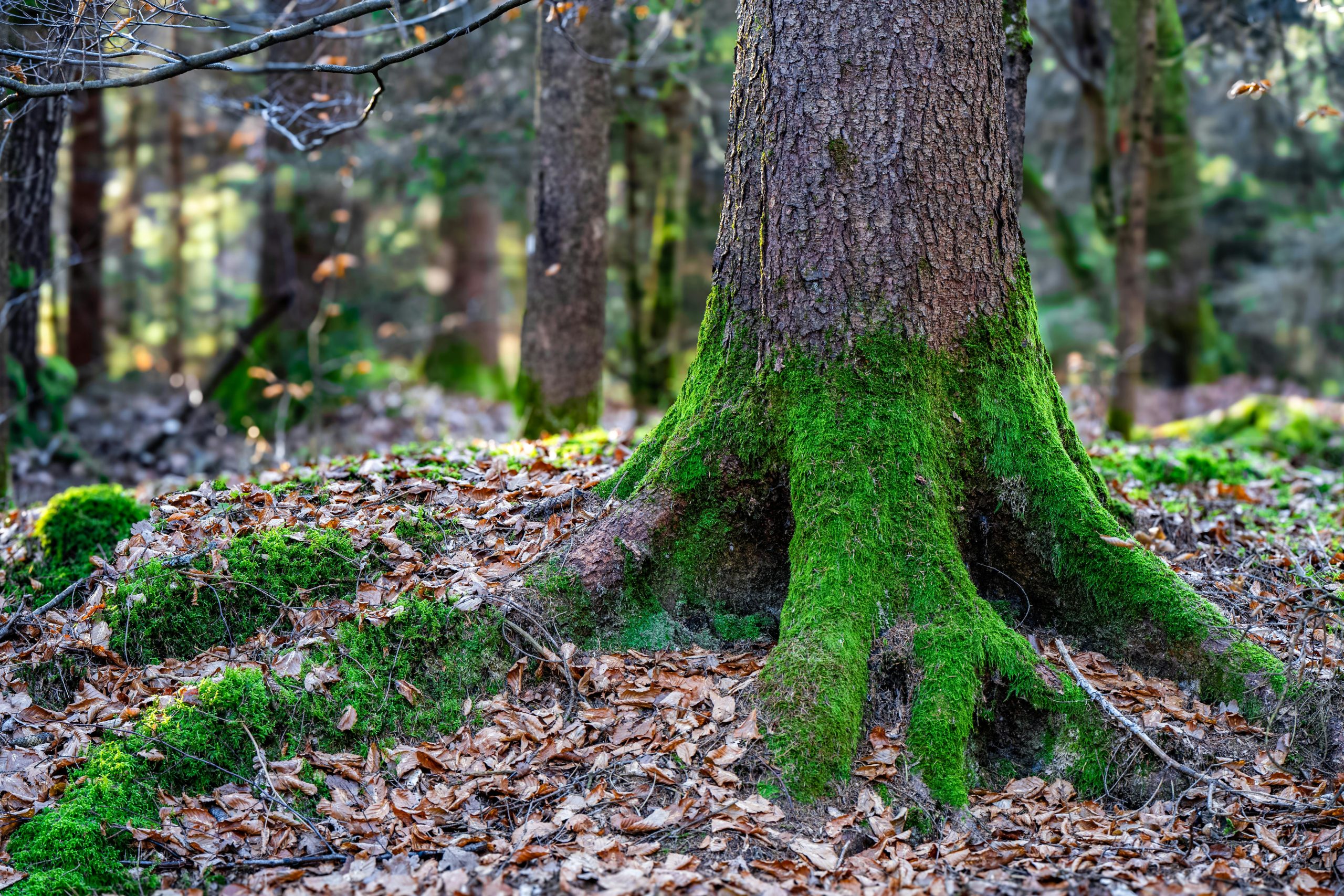
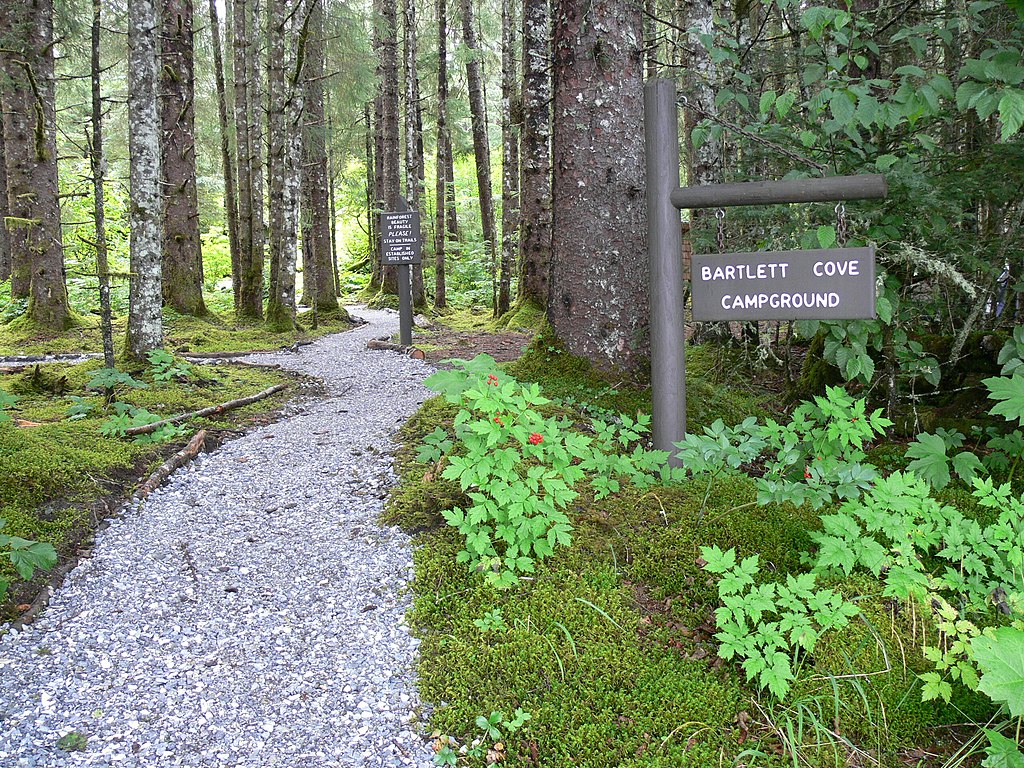
When the lower parts of tree trunks remain covered in thick, dark moss, it usually indicates consistent humidity created by nearby water. Moss thrives only where moisture collects regularly, so its presence on multiple tree bases suggests the ground holds more water than the weather alone can explain. The trunks may feel damp or cool, and the moss often spreads in a ring around the base instead of appearing in patches. This pattern forms in areas with underground seepage or shallow groundwater. Moss-covered roots and shaded areas between trees reinforce the likelihood of water close by.
8. Trees With Buttressed or Flared Bases
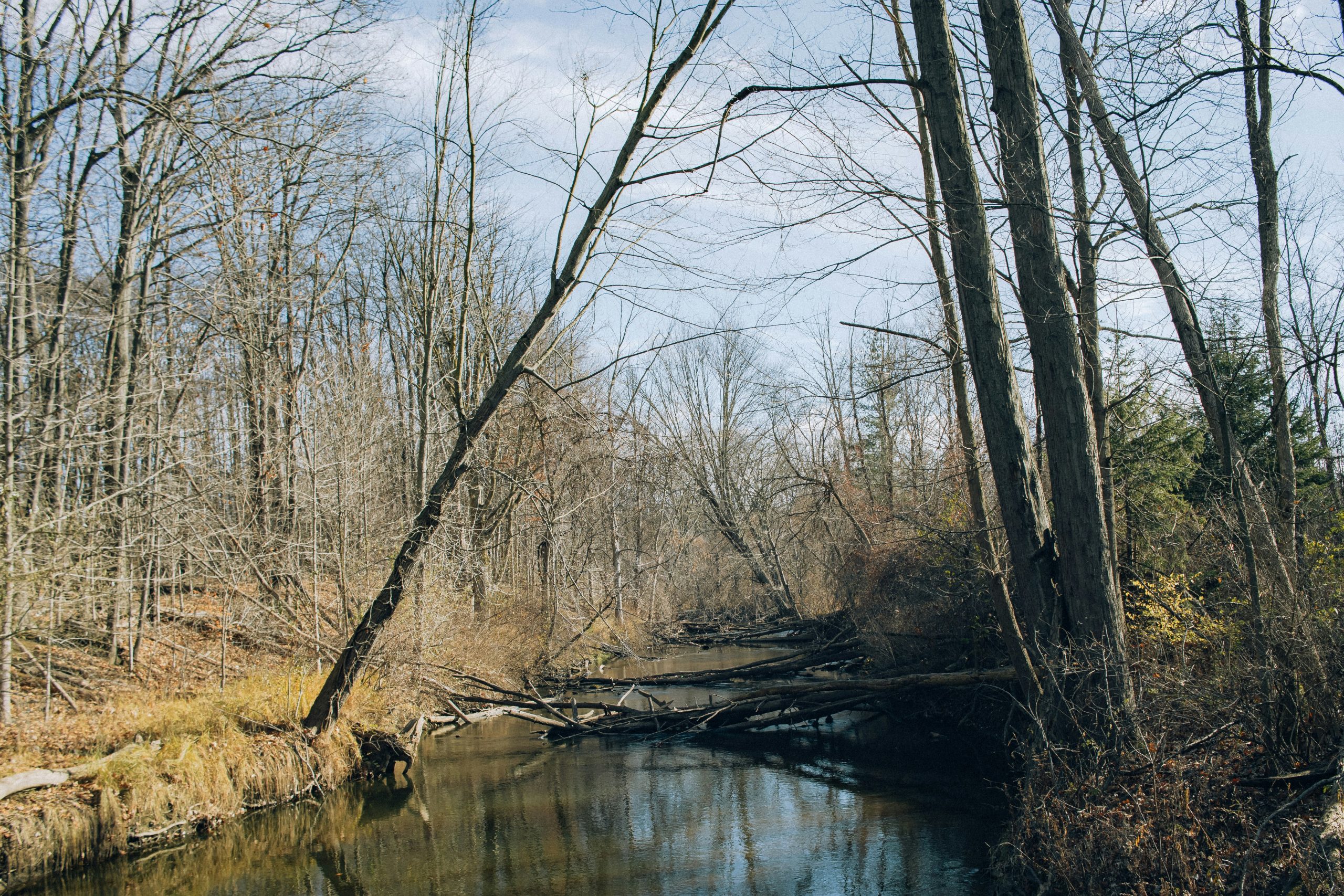
Trees with wide, flared, or buttressed bases often grow in soft, waterlogged soils that require additional support for stability. When you see trunks spreading outward dramatically at ground level, it usually means the roots are adapting to wet conditions beneath the surface. These shapes develop where soil stays saturated after rain or where groundwater rises close enough to soften the earth. The bark near the base may appear smoother from long-term moisture exposure, and leaves often grow larger due to the steady water supply. Such features are reliable indicators of hidden water channels.
9. Leaning Trees on Soft Soil
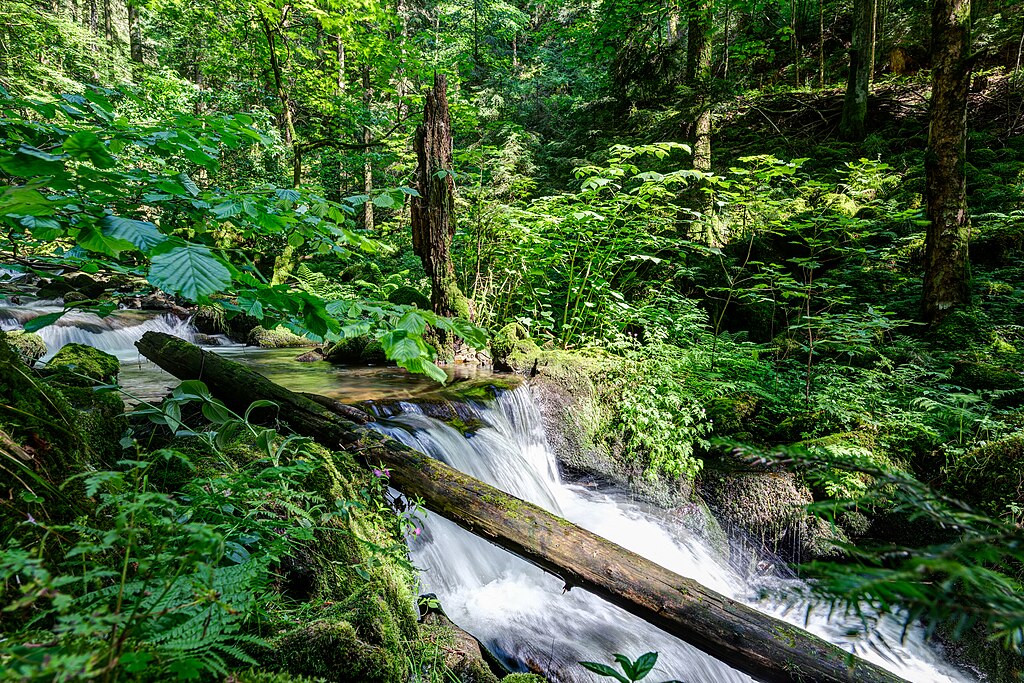
Trees that lean noticeably without signs of wind damage often grow in soft, moisture-rich soil that cannot fully support their weight. The ground beneath them shifts slightly over time, causing the trunk to tilt as the roots adjust to changing conditions. This type of leaning is common near underground seep lines and areas where water collects after flowing beneath the surface for long periods. You may also notice shallow roots exposed on one side, a sign that the soil has been loosened by moisture. When several trees lean in the same direction, water is likely nearby.
10. Sudden Transition From Dwarf Trees to Tall Trees
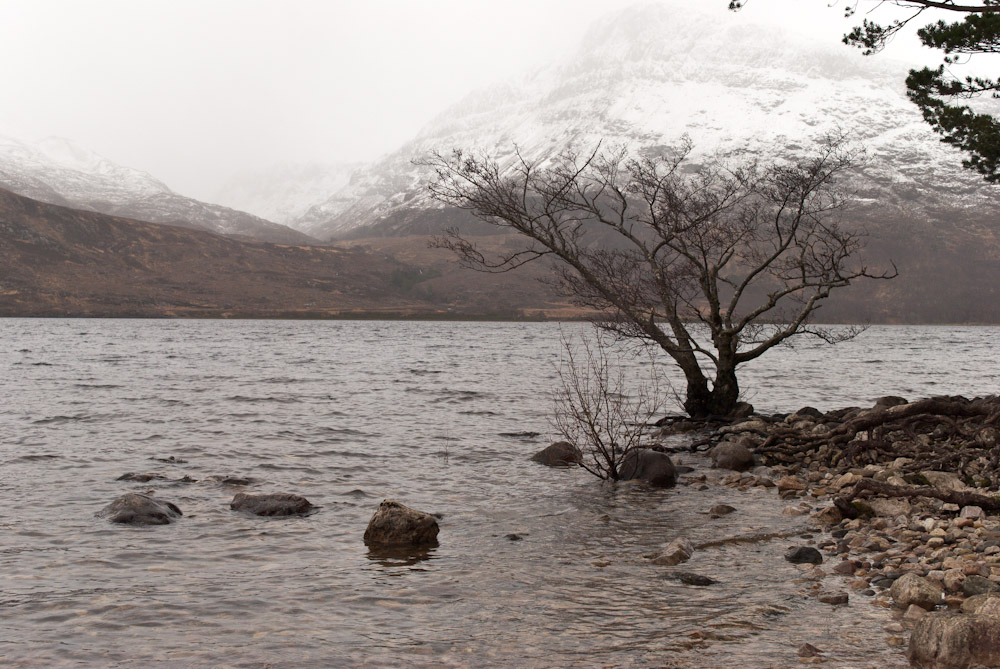
A sharp change from short, stunted trees to tall, vigorous ones often marks the point where soil moisture increases. Dwarf trees usually grow where water is scarce, while taller trees develop deeper roots that reach consistent moisture. When this contrast appears within a small area, it suggests that groundwater lies beneath the healthier trees. Their colors look richer, and their branches spread more confidently. This transition zone can follow the shape of buried channels or old flood paths. Observing this shift helps you understand how water influences tree growth across a landscape.
11. Rapidly Sprouting Saplings Under Shade
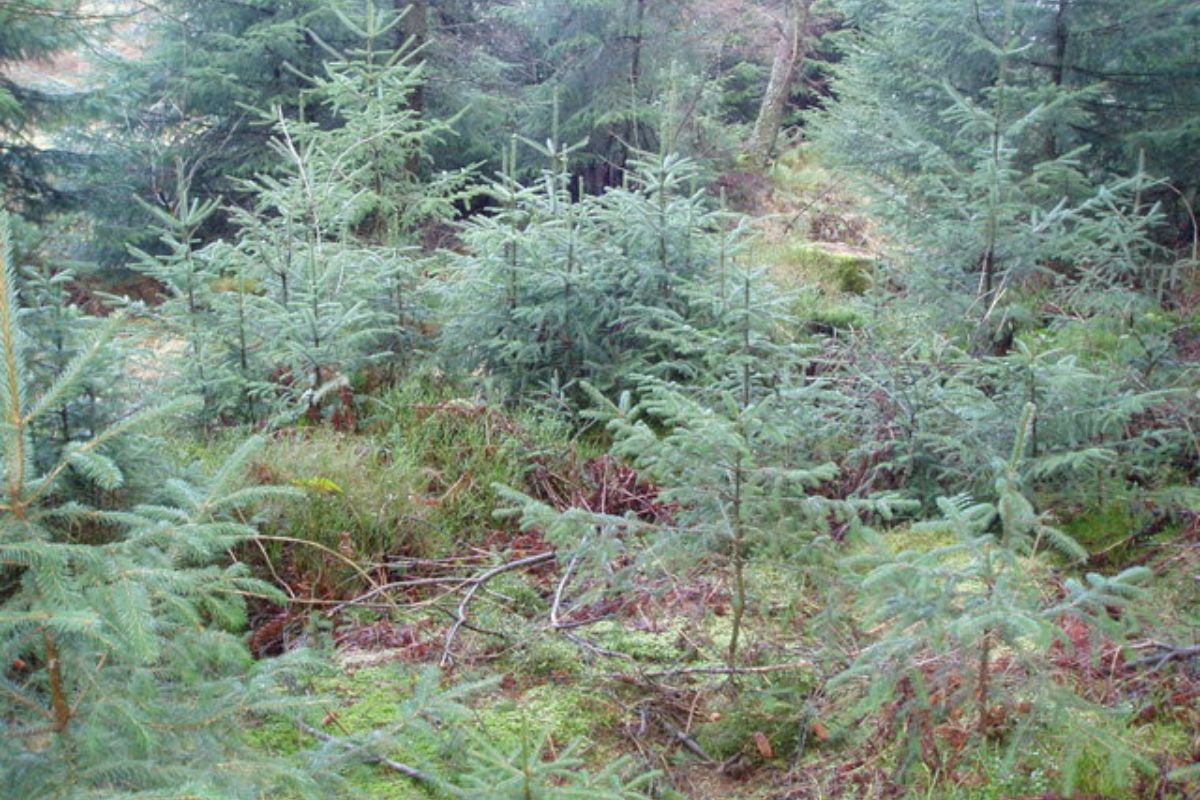
Saplings growing quickly in shaded areas often signal that the ground holds steady moisture, because young trees cannot thrive in low light without reliable water. When you notice clusters of green, energetic saplings beneath older canopies, it usually means the soil stays damp from underground seepage. Their leaves appear soft and flexible, and the stems grow straighter than those in dry areas. These saplings frequently form along moisture-rich lines hidden from view, tracing paths that rainwater follows as it sinks through the soil. Their presence is a strong, consistent indicator of nearby water.
12. Trees With Exposed Surface Roots
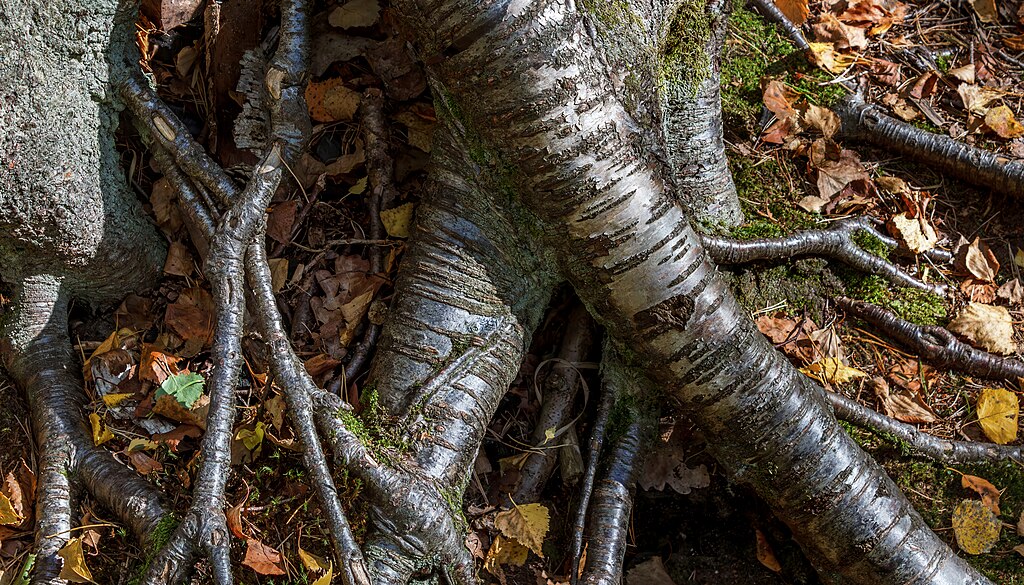
Exposed surface roots often form when groundwater sits close enough to the surface to limit downward growth. Trees adapt by spreading their roots horizontally, causing them to rise above the soil in long, twisting patterns. These roots may appear thicker or darker due to frequent contact with moist ground. When several trees in one area display this feature, it usually means the water table is shallow or that moisture collects just beneath the upper soil layer. This sign is especially noticeable near hidden seep zones or seasonal runoff paths that hold water long after rain stops.